The Sounding Board: To Hunt or Not to Hunt?

The Sounding Board Header 1 cs2

First in an occasional series exploring a motley collection of issues. Opinions expressed here are solely those of the Wild Edge Blog Mistress, not WordPress.com. Furthermore they are constantly evolving. Feel free to comment, applaud or argue. Try to change my mind! Please keep it respectful and pleasant.

While driving around the perimeter of Middle Creek WMA, I came upon a small flock of geese in a field. I couldn’t believe my luck – they were SO close. Then I put my camera up to my eye, and this is what I saw:
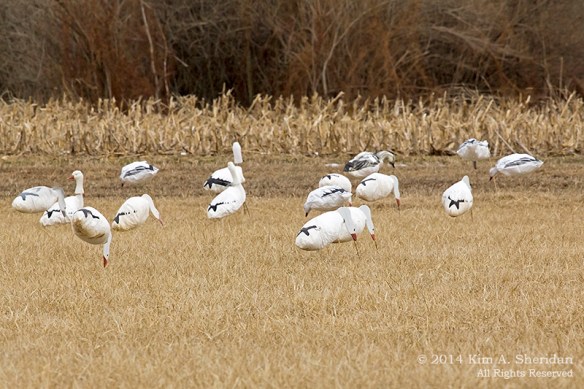
Middle Creek Decoys_5751 acsHmm. Snow goose windsocks. A loudspeaker was playing goose calls, and a man in white coveralls lay prone amidst the faux geese. My first thought was that there was some sort of research project going on.

How naïve. It took several days for me to realize that this was a hunting layout.

Snow goose hunting was banned in 1916 when population numbers were too low. Since the geese discovered the waste grain bounty in the 1970s, snow goose populations have boomed. The Atlantic Flyway population that passes through Pennsylvania has grown from 50,000 in the mid-1960s to over one million in recent years. Other flyway populations are expanding even more. Estimates have placed total growth at close to 9% a year.
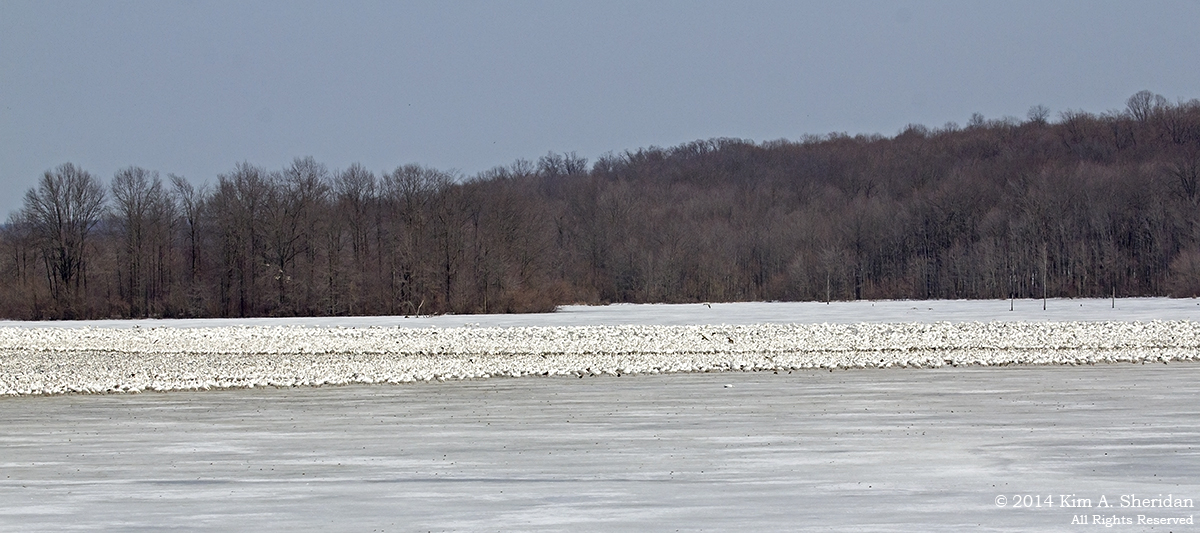
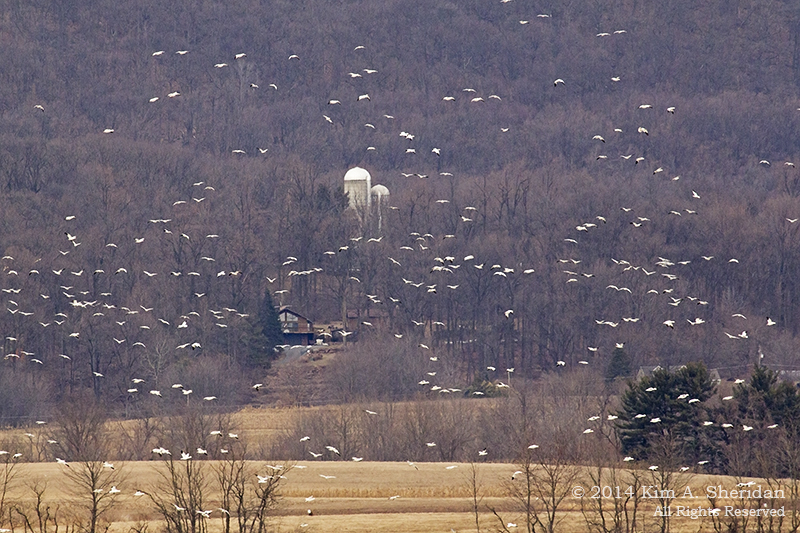
Middle Creek Snow Geese Distant_5442 acsIt turns out you can have too much of a good thing. The exploding numbers of snow geese have put tremendous pressure on habitats the goose uses. Particularly vulnerable are the fragile Arctic wetlands where the goose breeds. The damage caused by these voracious eating machines not only impacts their own breeding success, but threatens that of nesting shorebirds and other species that share their habitats.

Snow goose hunting was reinstated in the 1970s for population control. Today, a population goal of 500,000 has been set for the Atlantic Flyway population, and in 2008, the USFWS has finalized a Conservation Order allowing Pennsylvania and other states to conduct a Conservation Hunting Season for snow geese. The conservation season differs in that it extends into the migration season, and allows the use of electronic recordings and decoys. Middle Creek WMA is both a refuge for migratory snow geese, and a strictly-monitored hunting area where specially licensed sportsmen can hunt geese for the purpose of population control.

I should mention that there were no live geese to be seen anywhere near that field. Those goose decoys? Clearly the real ones weren’t buying it.

I’ve got a love/hate thing going with hunting. On an individual basis, I hate to see any animal die before its time. Nature has other ideas, of course; big fish eat the little fish, bigger fish eat the big fish, and so on. The cycle of life.

But Man stepped in and started monkeying around with the system, removing predators, destroying habitat, suppressing wildfires, hunting, or banning hunting. We humans bear a heavy burden of responsibility to step in and manage populations so they don’t get out of control.
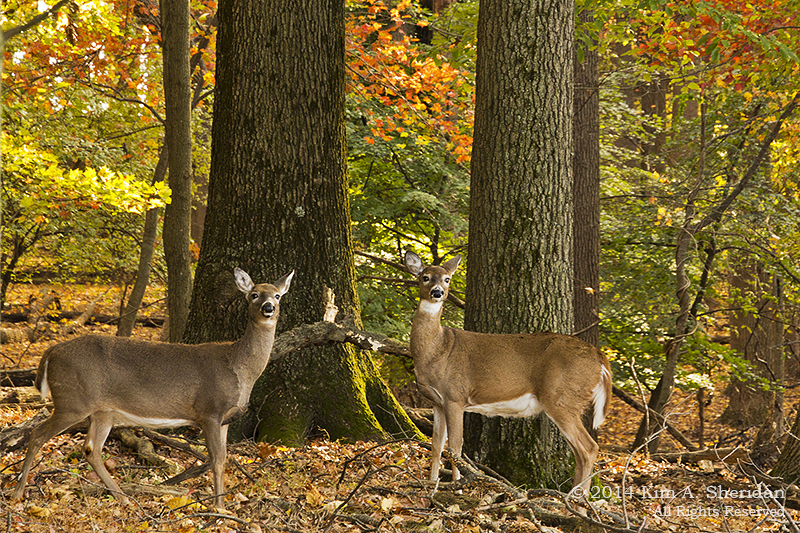
Valley Forge_0246a ACS Print Take the white-tailed deer, for instance. In Pennsylvania, like so many other places, it’s a pest. Way too many deer are living in habitat that can support a population a tenth of its actual size. The deer destroy the understory that many other critters, from songbirds to small mammals, depend on. Not to mention the damage a car-deer collision can do, to both car and deer, and in my area these encounters are legion.
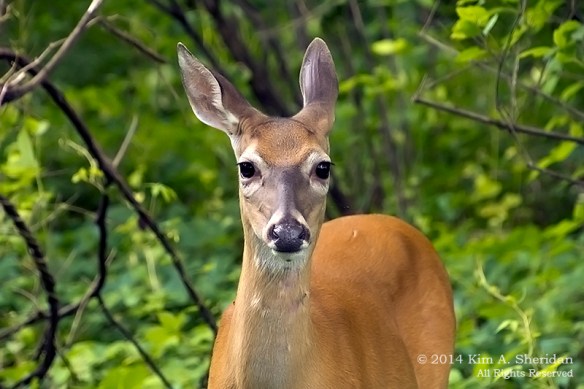
HNWR Deer_7189 ASCDeer, and snow geese, are beautiful animals, and I love seeing and photographing them. But I also see the bigger picture. Populations have exploded, largely due to the intervention of Man. Is it right to allow other animals suffer from the habitat depredation caused by the deer and geese? Is it right to allow the deer to starve in the winter when there isn’t enough browse to support the whole population?

I don’t believe so. Are there answers other than hunting? Maybe. I won’t go into deer contraception here. That’s a controversial issue that is beyond the scope of my expertise. I will say only that my gut tells me it’s inadequate to the job of managing the deer effectively. Man created this problem, and has a moral imperative to seek solutions. Well-regulated hunting is an important tool maintaining animal populations at a level healthy for themselves and the other species with which they share their environment.

Sometimes you have to take a step back to see the forest rather than the trees.Tinicum_7427 AS Orig

Whiteout

Middle Creek Snow Geese Distant_5773 acs3The cloud on the horizon slowly resolves into individual specks of white, whirling and spinning in synchronicity this way and that. Like dust motes in a shaft of sunlight or snowflakes in a breeze, they spiral slowly downwards to the ice. Without warning they loft up again to the sky, following paths no snowflake ever traveled; for these are not snowflakes, but Snow Geese.

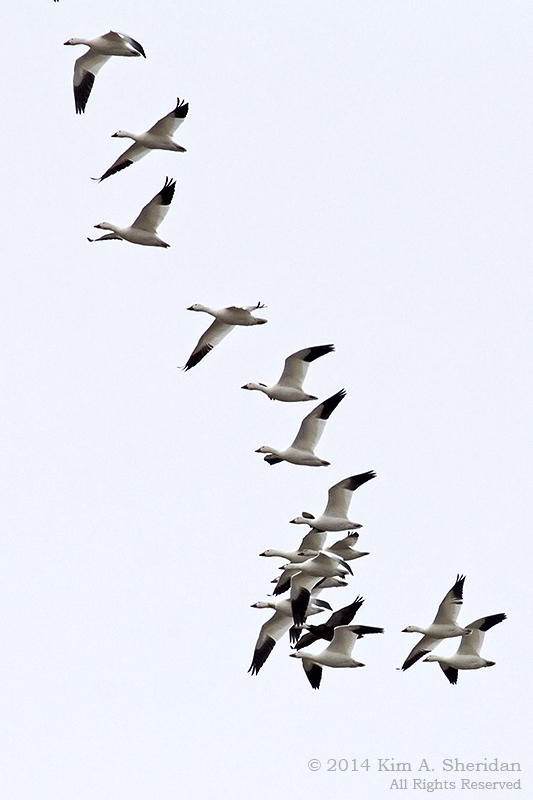
Middle Creek Snow Geese Flight Skein_5967 aThe ice has begun to thaw at Middle Creek WMA in Lebanon County, and the geese have followed the thaw to these fields and impoundments. This is a popular stop on their migration from winter homes along the coast to their breeding grounds in the High Arctic.

Much of the year snow geese are highly gregarious, traveling in large flocks, and gathering on staging grounds like Middle Creek by the tens of thousands. Peak migration in Pennsylvania is in early to mid-March. Once open water begins to appear, the goose population here jumps from 3,000 to 60,000 in a week.

Middle Creek Snow Geese Flight Skein_5832 acsThis is farm country, and this is why the snow geese are here. Committed vegetarians, they feast on grasses, sedges and marsh plants on wetlands. A few decades ago, they discovered a new grocery store to their liking: farms. Waste grain left behind on harvested fields has proven to be an abundant food source.

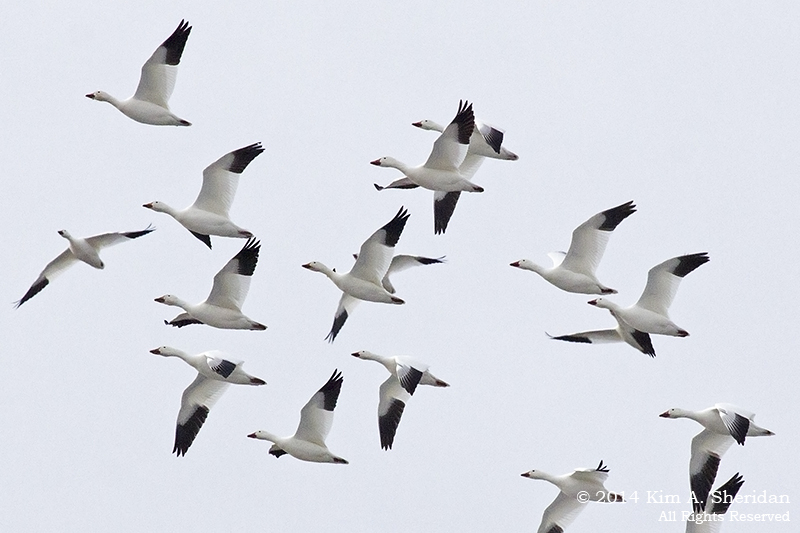
Middle Creek Snow Geese Flight Skein_6157 a Snow geese are powerful fliers, capable of speeds up to 50 miles per hour. Where they breed in the Arctic, they are fiercely territorial, and family bonds are strong. The young will stay with their parents until their second or third year, when they will choose a lifelong mate.

FUN FACT: Snow geese walk as well as they fly. Within three weeks of hatching, goslings are walking everywhere their parents go. By the time they can fly, they may have covered 50 miles on foot.

The flight of a single bird is a miracle to behold. The flight of 50,000 snow geese is a spectacle.

Middle Creek Snow Geese On Ice_5668 aWhat possesses them to take off is a mystery. One moment there are thousands of honking geese on the ice.

Middle Creek Snow Geese Takeoff_6395 acsThe next, there is a great WHOOSH, and the entire flock lifts off as one. The decibel level goes up by a factor of ten; you need not look at the geese to know the birds have taken off.

Middle Creek Snow Geese Flight Mass_6014 aThey swirl about the sky in seemingly aimless meanderings  for a short while. Then, as suddenly as they took off, the geese come in for a landing – in the exact same place they stood moments before. Why? Perhaps someone saw something they didn’t like. Feeding flocks keep lookouts, who warn the other geese of danger, predators like foxes, coyotes and eagles.

Middle Creek Eagle_6210 aAnd yet – here sits a mature bald eagle, in the middle of a peaceful flock of snow geese. No alarm. No commotion. No panicked flight. The mind of a goose is a riddle wrapped in a mystery inside an enigma.

Middle Creek Tundra Swan_5721 acsThere’s another white bird on the ice at Middle Creek. Tundra Swans are here as well, albeit in smaller numbers. Less skittish than the geese, the swans fly lower, and stand closer to shore.
Middle Creek Tundra Swan_5918 a They also are dropping in for a short visit before pushing on to the north.

Middle Creek Tundra Swan_5892 aMost don’t choose to march, though. Except perhaps this squadron of swans, advancing on a duck detachment in lockstep.

Middle Creek Snow Geese Flight Skein_6349 asc2As the day draws to a close, skeins of tundra swans and snow geese fill the air. Some will fly off to search out a safe roost for the night. Many others will remain at the impoundment, where they will sleep on the open water. On the next day, or the next, a blizzard of snow geese will rise and wing their way north, towards the Arctic, towards the midnight sun, towards summer.

Winter in the Rearview Mirror

HNWR_4862 a It’s been a tough winter; it turned out to be the second snowiest winter on record. Thankfully the arrival of spring is both imminent and welcome. As the seasons change at Heinz Refuge, here’s a last look at winter, receding in the rearview mirror.

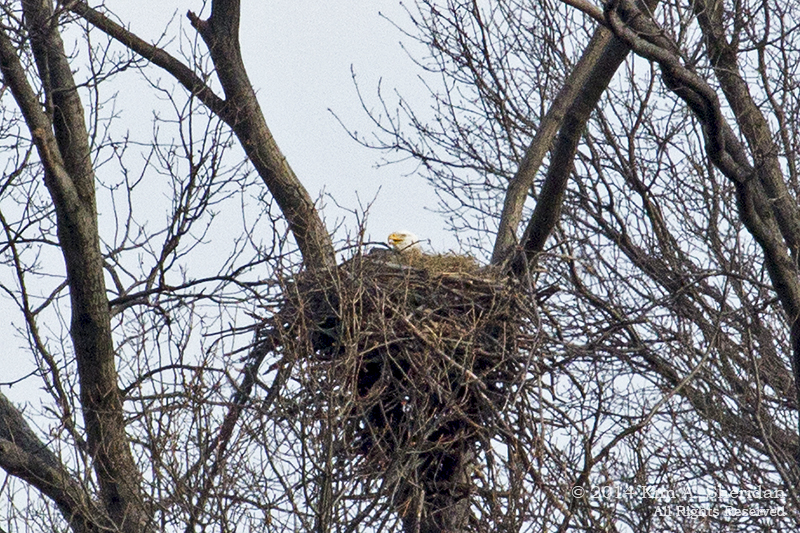
HNWR Eagle_5236 aAlready the promise of spring is being fulfilled. Our resident Bald Eagles are incubating eggs, and we are eagerly anticipating the arrival of eaglets soon.

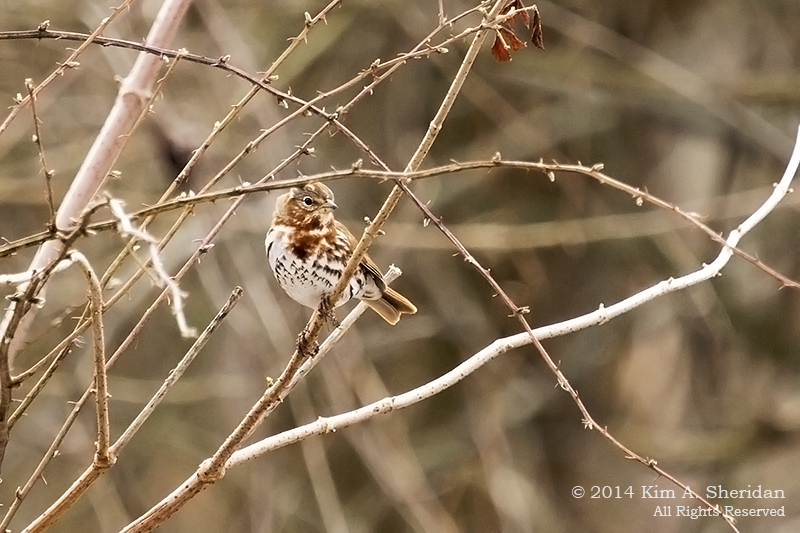
HNWR Sparrow Fox_6514 acs Fox Sparrow on the Pipeline Trail.

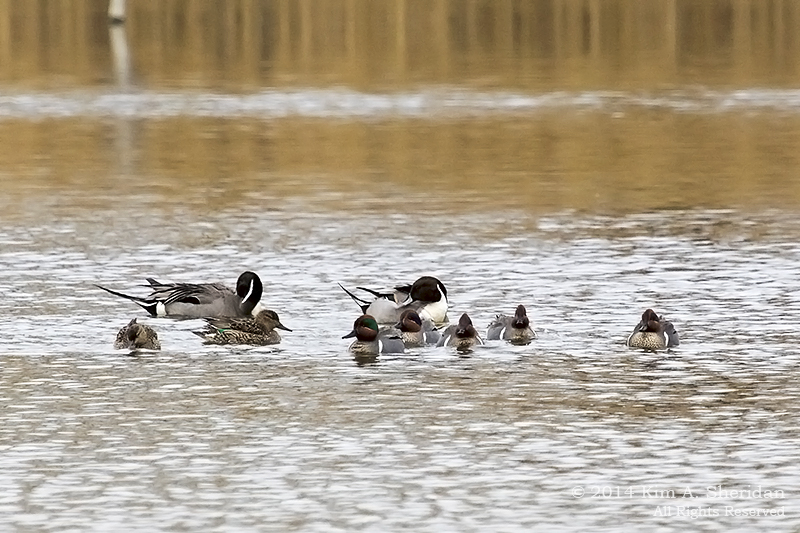
HNWR Duck Pintail Teal_6432 acsOld-timers at the Refuge can’t remember a winter where the impoundment has been frozen solid for so long. Now it’s open water, for the first time since January. And guess what that means? The ducks have come back! Northern Pintails are in the rear – note the long tails that give them their name. Green-winged Teal in front. If you look closely at the second Teal from the left, you can just see the green speculum, or wing patch. (Remember you can click the image for a larger view.)

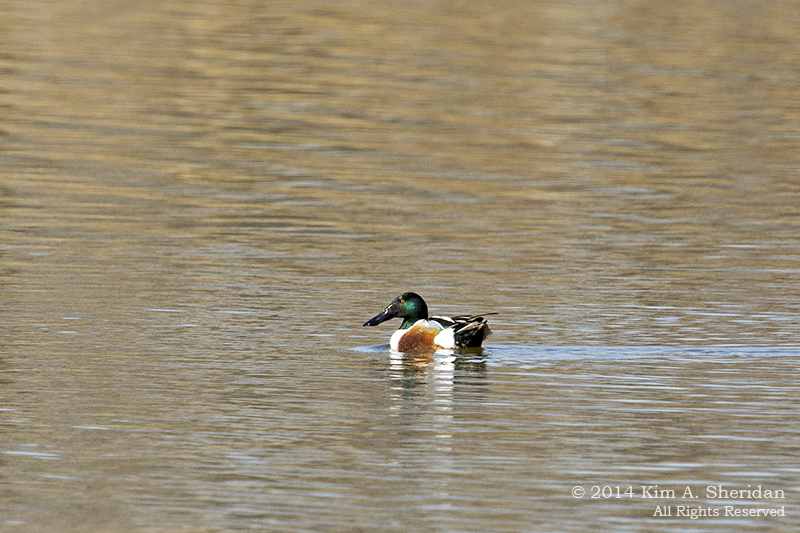
HNWR Duck Shoveler_6596 acs Northern Shoveler.

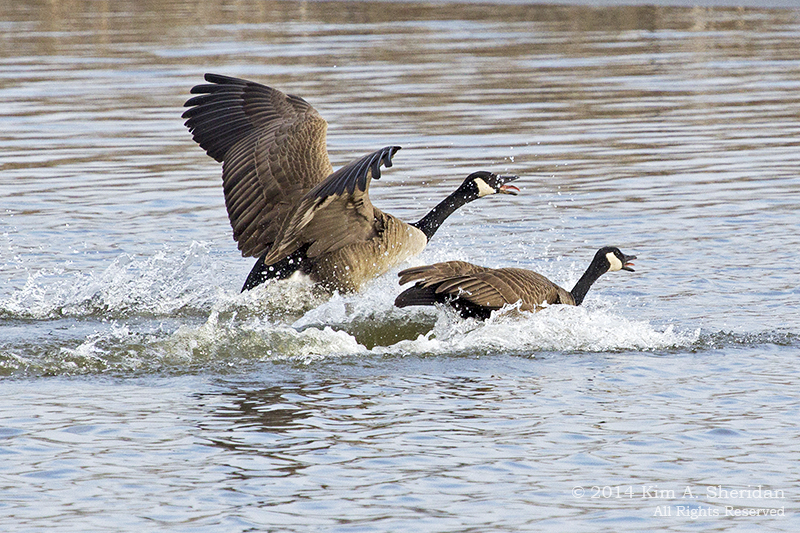
HNWR Goose_5184 acs2Duck, duck, goose. Ever wonder if birds have tongues? Here’s proof positive! Canada Geese, honking on the go.

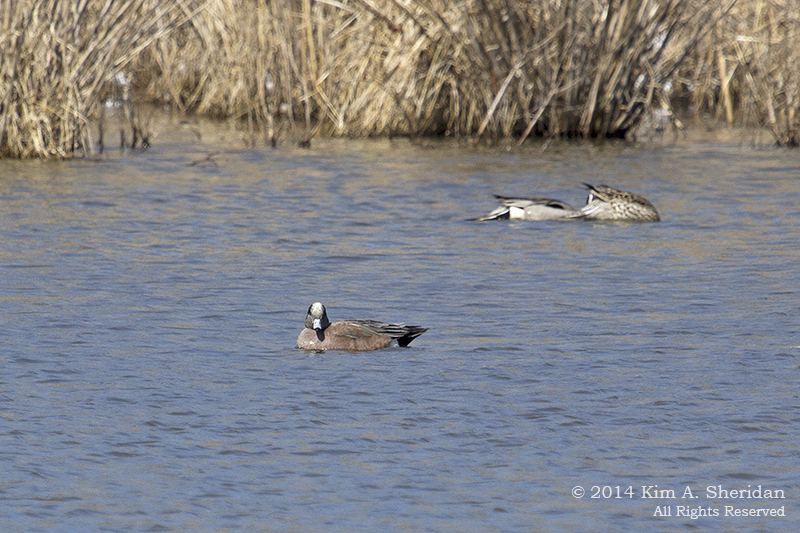
HNWR Duck Wigeon_6638 acs An American Wigeon tries to stare me down.

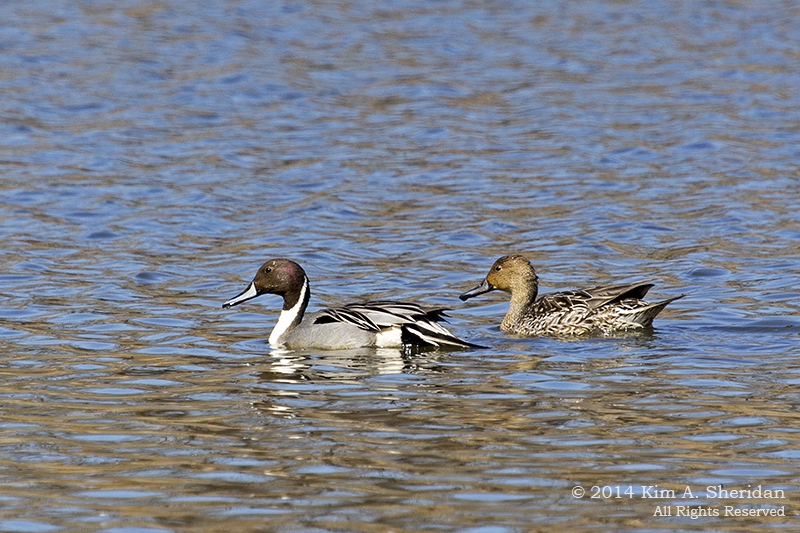
HNWR Duck Pintail_6630 acsA pair of Northern Pintails, male and female.

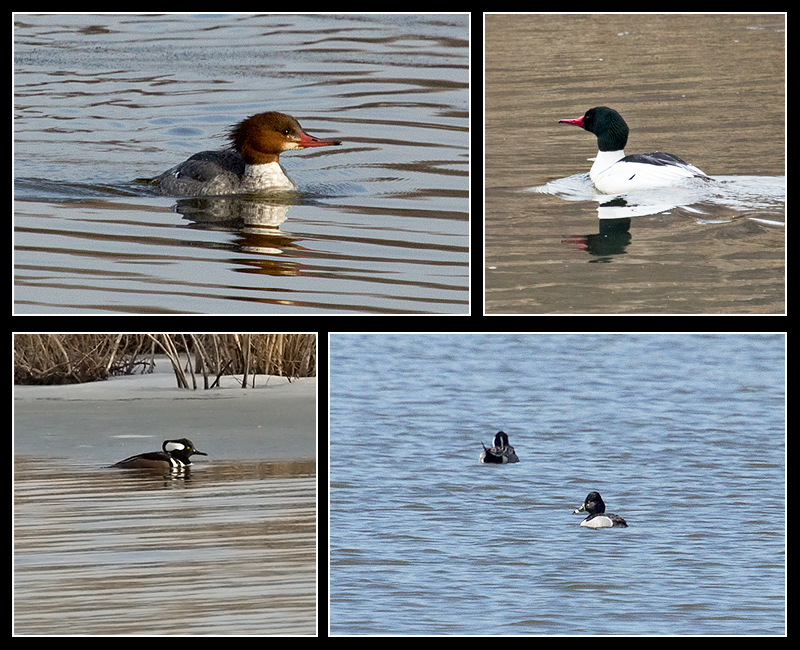
Duck Collage 4 Here’s a duck roundup. Clockwise from top left, female Common Merganser, male Common Merganser, Ring-necked Duck, Hooded Merganser.

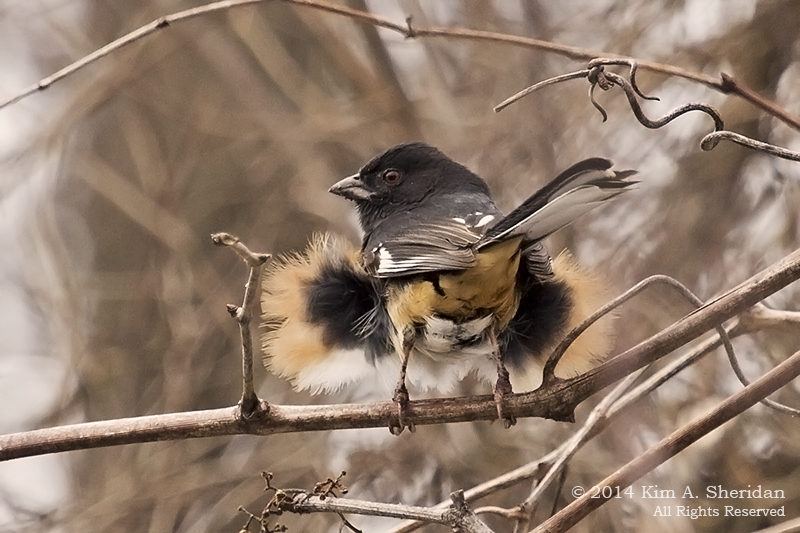
HNWR Towhee_6504 acsEastern Towhee is shaking his tail feathers, clearly excited to wave goodbye to winter.

Welcome Spring!

Ducking Out Of Winter

Barnegat Harlequin_3017 a It’s my fault, I admit. The snow, I mean. Two years in a row I lamented my lack of good snowy photographs to use for Christmas cards, and those years were marked by a decided lack of snowfall. Be careful what you wish for! This year Mother Nature had the last laugh. We’ve had just about 60 inches of snow, when the winter norm averages 22”. And March can still bring some big storms, so we may not be done yet.

I’m done, though. I loved the snow in January and early February, but I have all the snow photos I need, thank you very much. Enough already! I’ve had it with hiking on slippery, ankle-turning ice.

So the last three weekends I have escaped to the southeast, once to the Pine Barrens, twice to the Jersey Shore. No white stuff, and lots of ducks. I love ducks. They’re so colorful and varied, and they are always doing interesting things. In the winter, places like Barnegat Light and Avalon draw sea and bay ducks in droves. Great places to duck out of the snow.

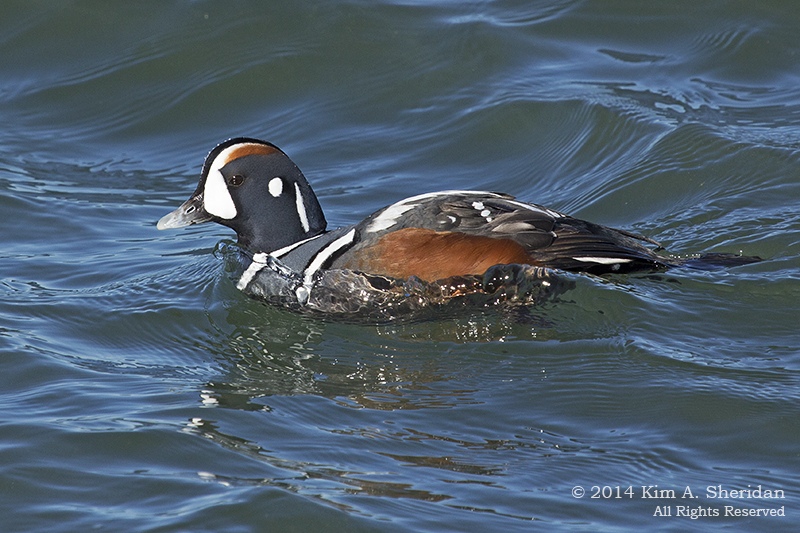
Barnegat Harlequin_3002 acsAbove and below are perhaps the most gorgeous of ducks, male Harlequins. Lots of birders take the adventurous trek atop the Barnegat Light jetty just to admire these beauties.Barnegat Harlequin_3189 acs

Barnegat Longtail_3455 acsI have a soft spot for Long-tailed Ducks. They have such endearing expressions.1 Avalon Long-tailed_3891 acs

1 Avalon Long-tailed_4062 aMales are comfortable enough with their masculinity to sport pink on their bills. Females stick to earth tones. Barnegat Longtail_3458 acs

1 Avalon Scoter Black_3912 aThe Scoters are new birds for me this year. They tend to hang out farther off-shore, so they’re not as easy to photograph. Here’s a large raft of Black Scoters in Avalon, above, with a few Long-tailed Ducks and gulls amongst them. Black Scoter, male, below.1 Avalon Scoter Black_3953 a

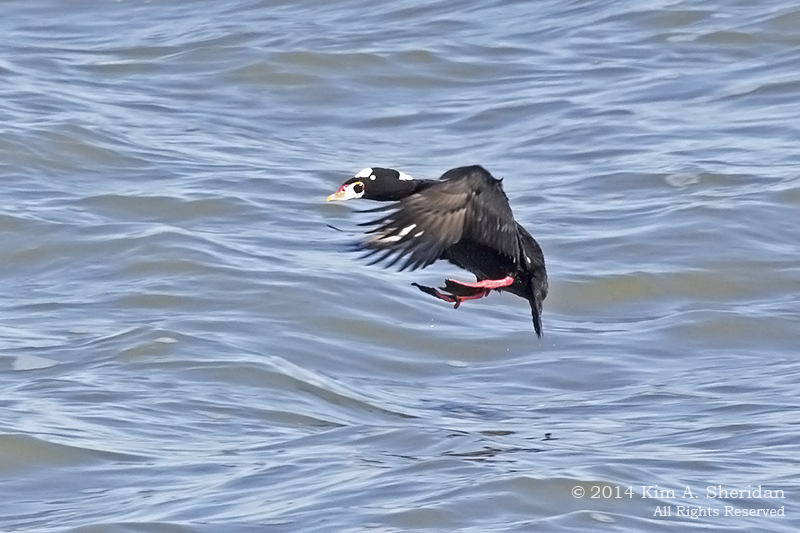
1 Surf Scoter at Avalon_4348 acs This fellow with the colorful proboscis is a male Surf Scoter. My first life bird of the day.

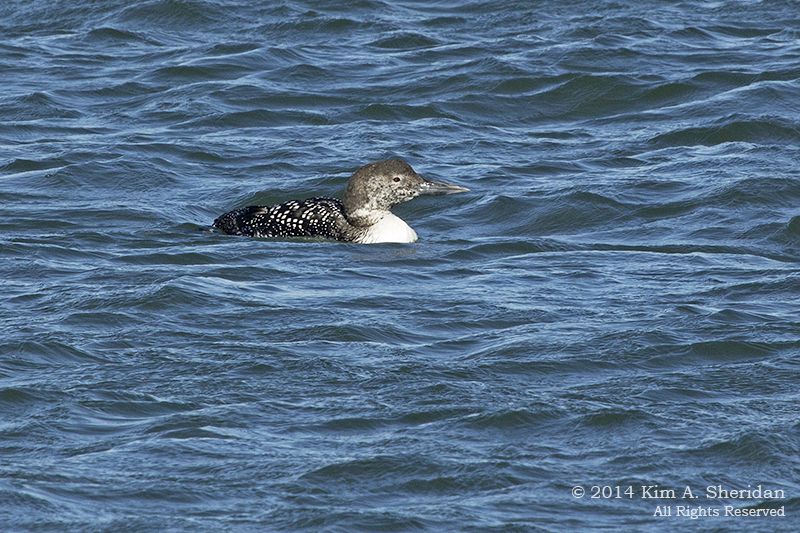
Barnegat Loon_3298 aThis is a Common Loon, transitioning into breeding plumage.

Barnegat Merganser_2858 acs Female Red-breasted Merganser at Barnegat Light, above and below.Barnegat Merganser_2909 acs

1 Avalon Sandpiper Purple_4378 acs Purple Sandpiper on the rocks at Avalon.

3 Bonaparte's Gull at Higbee_4492 acsI don’t usually take photos of gulls, unless they’re flying or doing something really interesting. Gulls pose identification problems, and usually I’m seeing the same species over and over. This particular gull flew past in West Cape May, and I’m glad I took the shot. When I got home, I realized I had something different – Bonaparte’s Gull, a life bird for me. It was my second lifer that day.

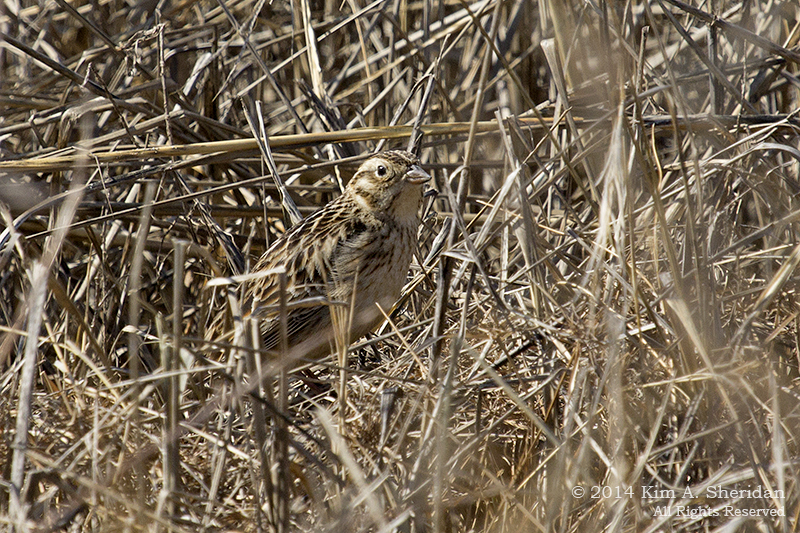
In popular birding places, you often run into other birders who are happy to share news of interesting birds. Two guys I met in Avalon suggested I go to Stone Harbor Point to look for the Smith’s Longspur that had been seen there. “Just look for a big group of people; that’s where it will be.” Sure enough, out in the grassy meadow between beach and bay was a group of people with binoculars and scopes, chasing a cryptically colored, sparrow-sized bird around. I never would have found it, much less identified it, by myself. Lifer #3 for the day.2 Smith's Longspur at  Stone Harbor Point_4421acsSmith’s Longspurs hang out in the middle of the country, and are quite rare in the East, which is why so many people wanted to see it. I’m sure this poor bird was wondering if he’d ever get a break from the crowds to eat in peace.

5 Ross's Goose at Seagrove Ave Cape May_4769 aI also heard from two different people of another unusual sighting, a Ross’s Goose in a field behind some homes in Cape May Point. Sure enough, there it was. A great way to end a day of birding at the Shore.

Barnegat Harlequin_3119 acsIn the last week or two, the weather has warmed enough that the foot-thick snow pack has all but disappeared. My crocuses are blooming, the first rays of sunny gold heralding the inevitability of spring.

The Bald Eagles at Heinz Refuge are incubating eggs. Geese have been migrating north for some time. Soon these winter ducks will take off for their breeding grounds to bring new life into the world. Flowers and trees will bloom, and baby animals will be born.

It won’t be long before spring is off to a flying start!