Whiteout

Middle Creek Snow Geese Distant_5773 acs3The cloud on the horizon slowly resolves into individual specks of white, whirling and spinning in synchronicity this way and that. Like dust motes in a shaft of sunlight or snowflakes in a breeze, they spiral slowly downwards to the ice. Without warning they loft up again to the sky, following paths no snowflake ever traveled; for these are not snowflakes, but Snow Geese.
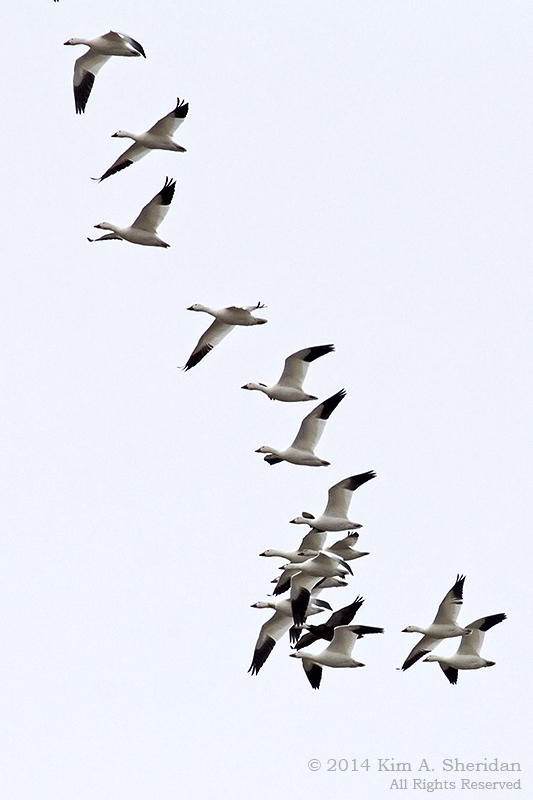
Middle Creek Snow Geese Flight Skein_5967 aThe ice has begun to thaw at Middle Creek WMA in Lebanon County, and the geese have followed the thaw to these fields and impoundments. This is a popular stop on their migration from winter homes along the coast to their breeding grounds in the High Arctic.

Much of the year snow geese are highly gregarious, traveling in large flocks, and gathering on staging grounds like Middle Creek by the tens of thousands. Peak migration in Pennsylvania is in early to mid-March. Once open water begins to appear, the goose population here jumps from 3,000 to 60,000 in a week.
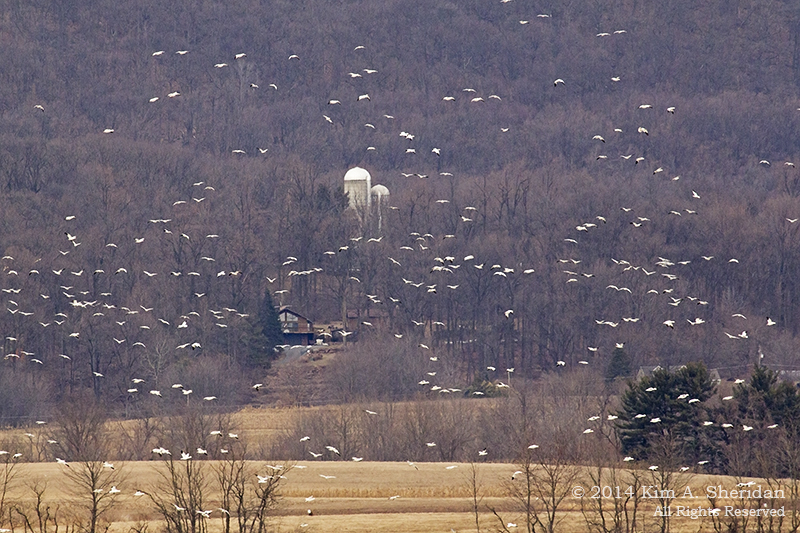
Middle Creek Snow Geese Flight Skein_5832 acsThis is farm country, and this is why the snow geese are here. Committed vegetarians, they feast on grasses, sedges and marsh plants on wetlands. A few decades ago, they discovered a new grocery store to their liking: farms. Waste grain left behind on harvested fields has proven to be an abundant food source.
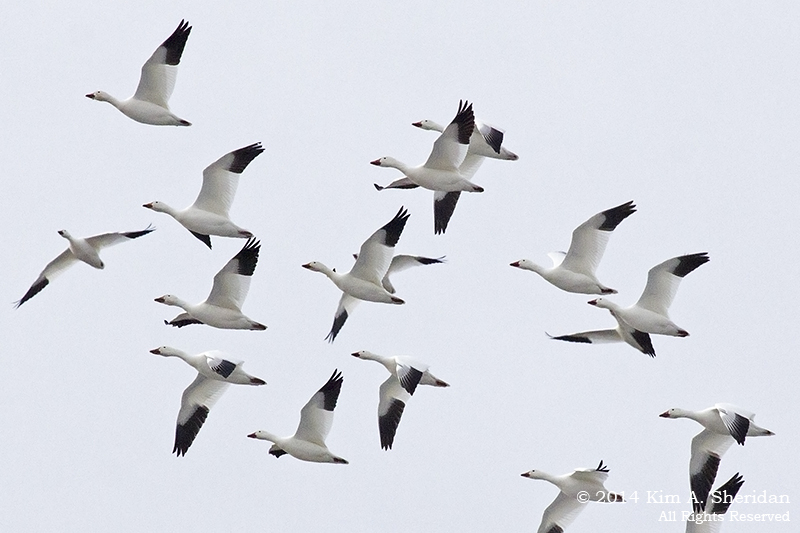
Middle Creek Snow Geese Flight Skein_6157 a Snow geese are powerful fliers, capable of speeds up to 50 miles per hour. Where they breed in the Arctic, they are fiercely territorial, and family bonds are strong. The young will stay with their parents until their second or third year, when they will choose a lifelong mate.

FUN FACT: Snow geese walk as well as they fly. Within three weeks of hatching, goslings are walking everywhere their parents go. By the time they can fly, they may have covered 50 miles on foot.

The flight of a single bird is a miracle to behold. The flight of 50,000 snow geese is a spectacle.

Middle Creek Snow Geese On Ice_5668 aWhat possesses them to take off is a mystery. One moment there are thousands of honking geese on the ice.

Middle Creek Snow Geese Takeoff_6395 acsThe next, there is a great WHOOSH, and the entire flock lifts off as one. The decibel level goes up by a factor of ten; you need not look at the geese to know the birds have taken off.

Middle Creek Snow Geese Flight Mass_6014 aThey swirl about the sky in seemingly aimless meanderings  for a short while. Then, as suddenly as they took off, the geese come in for a landing – in the exact same place they stood moments before. Why? Perhaps someone saw something they didn’t like. Feeding flocks keep lookouts, who warn the other geese of danger, predators like foxes, coyotes and eagles.

Middle Creek Eagle_6210 aAnd yet – here sits a mature bald eagle, in the middle of a peaceful flock of snow geese. No alarm. No commotion. No panicked flight. The mind of a goose is a riddle wrapped in a mystery inside an enigma.

Middle Creek Tundra Swan_5721 acsThere’s another white bird on the ice at Middle Creek. Tundra Swans are here as well, albeit in smaller numbers. Less skittish than the geese, the swans fly lower, and stand closer to shore.

Middle Creek Tundra Swan_5918 a They also are dropping in for a short visit before pushing on to the north.

Middle Creek Tundra Swan_5892 aMost don’t choose to march, though. Except perhaps this squadron of swans, advancing on a duck detachment in lockstep.

Middle Creek Snow Geese Flight Skein_6349 asc2As the day draws to a close, skeins of tundra swans and snow geese fill the air. Some will fly off to search out a safe roost for the night. Many others will remain at the impoundment, where they will sleep on the open water. On the next day, or the next, a blizzard of snow geese will rise and wing their way north, towards the Arctic, towards the midnight sun, towards summer.
Winter in the Rearview Mirror

HNWR_4862 a It’s been a tough winter; it turned out to be the second snowiest winter on record. Thankfully the arrival of spring is both imminent and welcome. As the seasons change at Heinz Refuge, here’s a last look at winter, receding in the rearview mirror.

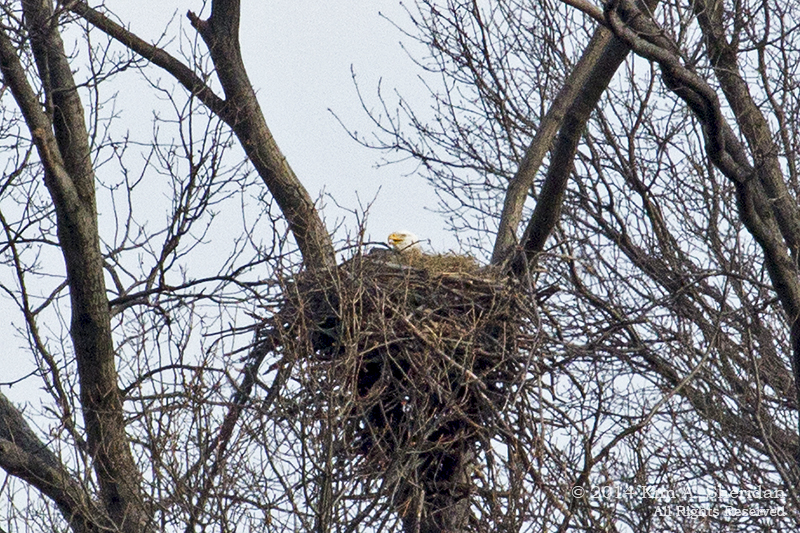
HNWR Eagle_5236 aAlready the promise of spring is being fulfilled. Our resident Bald Eagles are incubating eggs, and we are eagerly anticipating the arrival of eaglets soon.

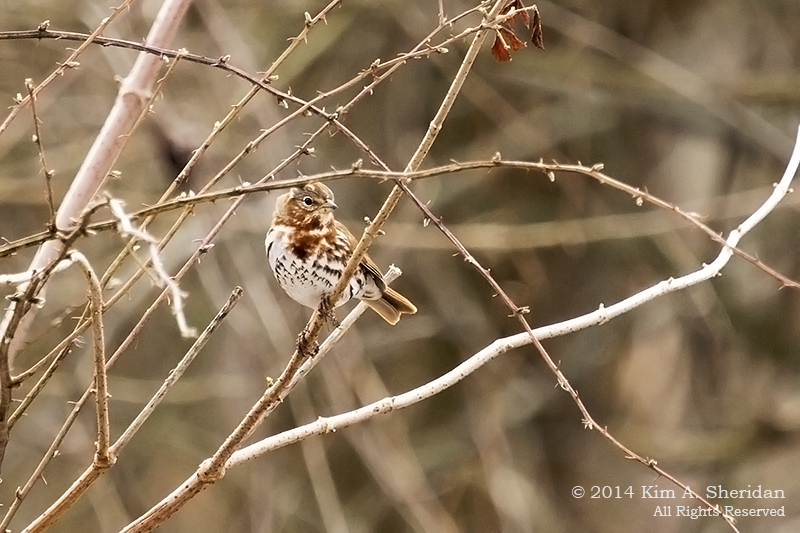
HNWR Sparrow Fox_6514 acs Fox Sparrow on the Pipeline Trail.

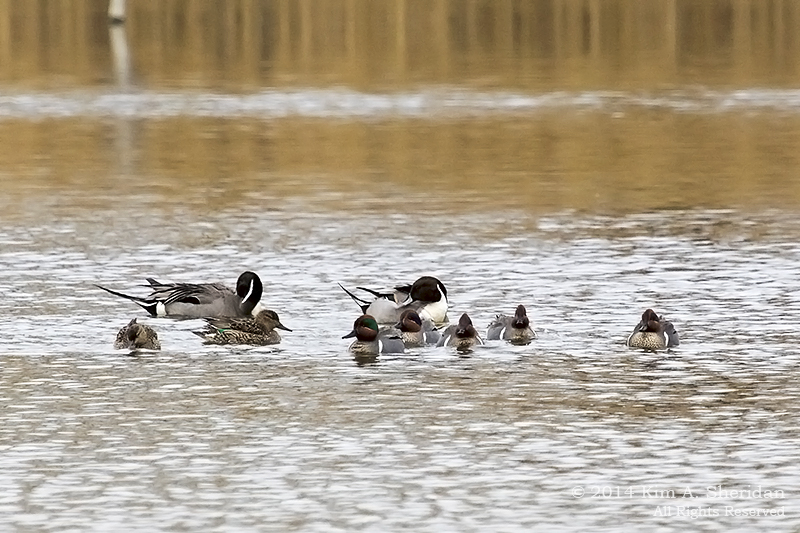
HNWR Duck Pintail Teal_6432 acsOld-timers at the Refuge can’t remember a winter where the impoundment has been frozen solid for so long. Now it’s open water, for the first time since January. And guess what that means? The ducks have come back! Northern Pintails are in the rear – note the long tails that give them their name. Green-winged Teal in front. If you look closely at the second Teal from the left, you can just see the green speculum, or wing patch. (Remember you can click the image for a larger view.)

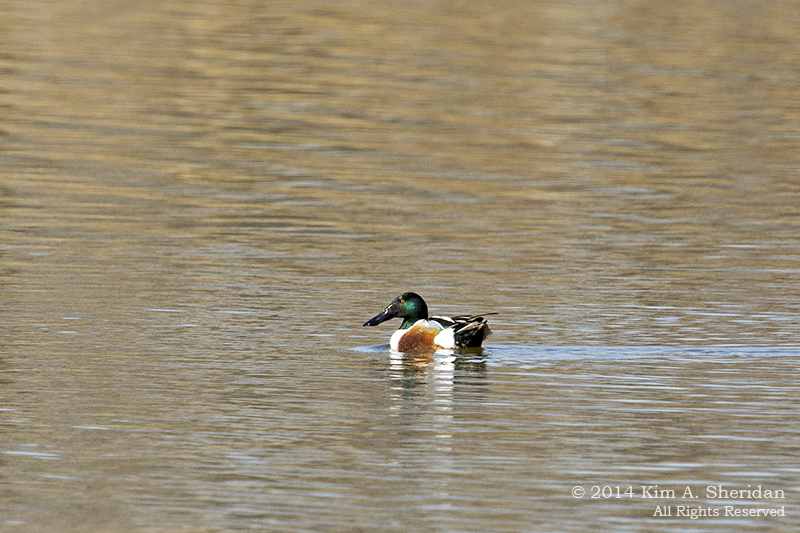
HNWR Duck Shoveler_6596 acs Northern Shoveler.
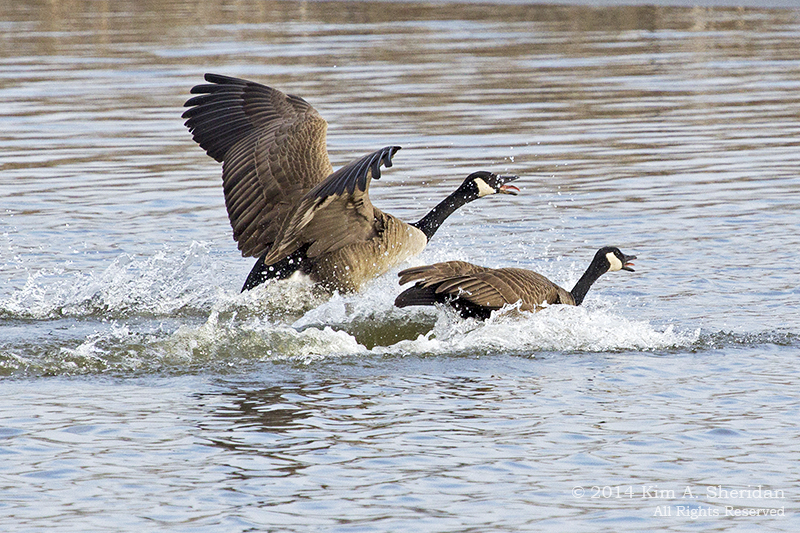
HNWR Goose_5184 acs2Duck, duck, goose. Ever wonder if birds have tongues? Here’s proof positive! Canada Geese, honking on the go.

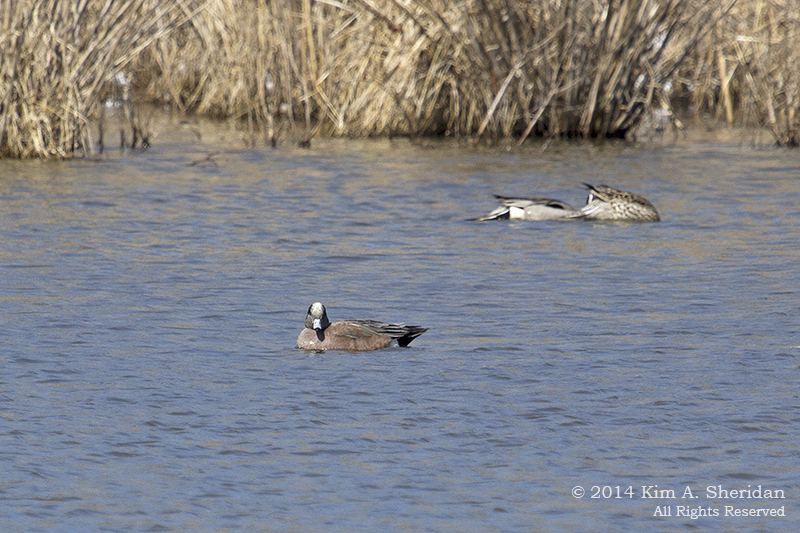
HNWR Duck Wigeon_6638 acs An American Wigeon tries to stare me down.

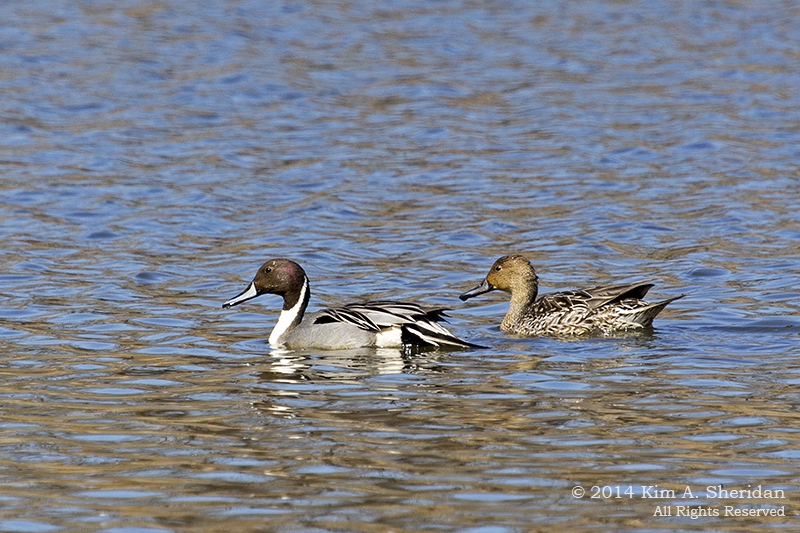
HNWR Duck Pintail_6630 acsA pair of Northern Pintails, male and female.

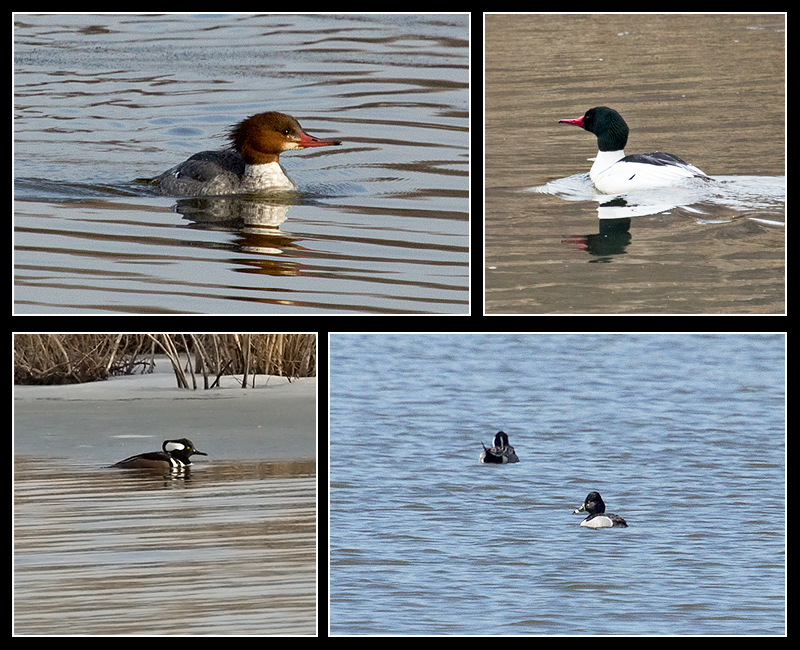
Duck Collage 4 Here’s a duck roundup. Clockwise from top left, female Common Merganser, male Common Merganser, Ring-necked Duck, Hooded Merganser.
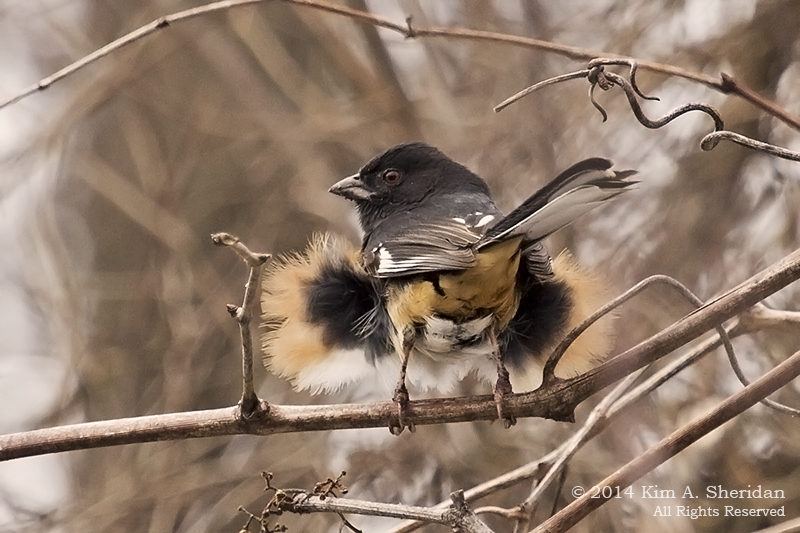
HNWR Towhee_6504 acsEastern Towhee is shaking his tail feathers, clearly excited to wave goodbye to winter.
Welcome Spring!

Ducking Out Of Winter

Barnegat Harlequin_3017 a It’s my fault, I admit. The snow, I mean. Two years in a row I lamented my lack of good snowy photographs to use for Christmas cards, and those years were marked by a decided lack of snowfall. Be careful what you wish for! This year Mother Nature had the last laugh. We’ve had just about 60 inches of snow, when the winter norm averages 22”. And March can still bring some big storms, so we may not be done yet.

I’m done, though. I loved the snow in January and early February, but I have all the snow photos I need, thank you very much. Enough already! I’ve had it with hiking on slippery, ankle-turning ice.

So the last three weekends I have escaped to the southeast, once to the Pine Barrens, twice to the Jersey Shore. No white stuff, and lots of ducks. I love ducks. They’re so colorful and varied, and they are always doing interesting things. In the winter, places like Barnegat Light and Avalon draw sea and bay ducks in droves. Great places to duck out of the snow.

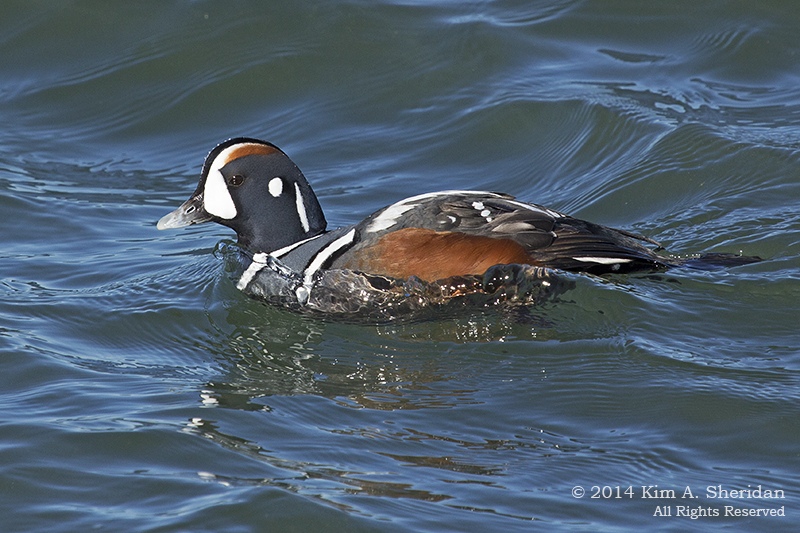
Barnegat Harlequin_3002 acsAbove and below are perhaps the most gorgeous of ducks, male Harlequins. Lots of birders take the adventurous trek atop the Barnegat Light jetty just to admire these beauties.Barnegat Harlequin_3189 acs

Barnegat Longtail_3455 acsI have a soft spot for Long-tailed Ducks. They have such endearing expressions.1 Avalon Long-tailed_3891 acs

1 Avalon Long-tailed_4062 aMales are comfortable enough with their masculinity to sport pink on their bills. Females stick to earth tones. Barnegat Longtail_3458 acs

1 Avalon Scoter Black_3912 aThe Scoters are new birds for me this year. They tend to hang out farther off-shore, so they’re not as easy to photograph. Here’s a large raft of Black Scoters in Avalon, above, with a few Long-tailed Ducks and gulls amongst them. Black Scoter, male, below.1 Avalon Scoter Black_3953 a

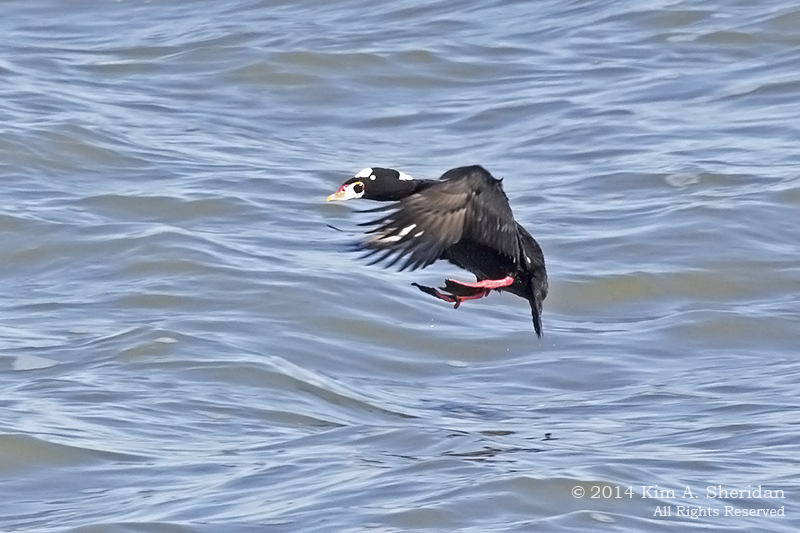
1 Surf Scoter at Avalon_4348 acs This fellow with the colorful proboscis is a male Surf Scoter. My first life bird of the day.

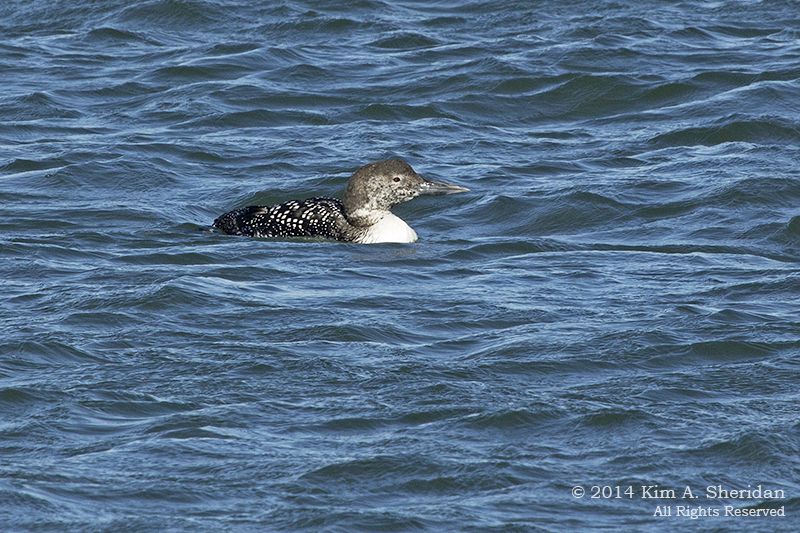
Barnegat Loon_3298 aThis is a Common Loon, transitioning into breeding plumage.

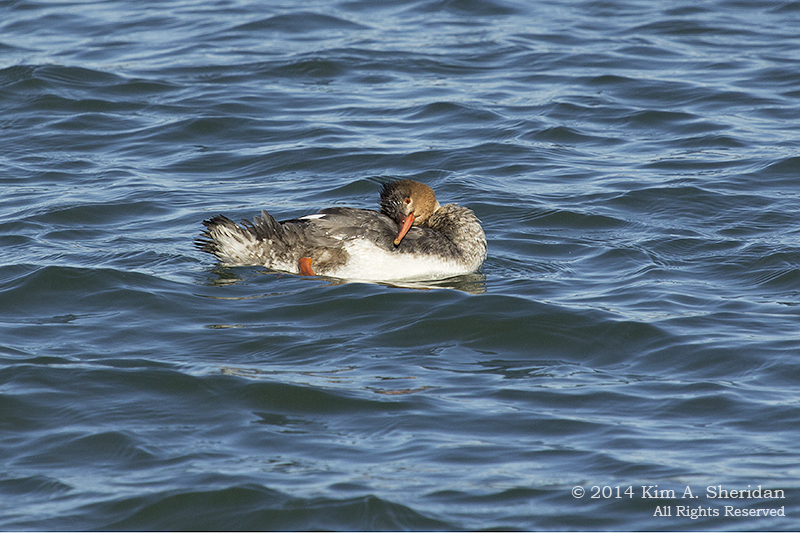
Barnegat Merganser_2858 acs Female Red-breasted Merganser at Barnegat Light, above and below.Barnegat Merganser_2909 acs

1 Avalon Sandpiper Purple_4378 acs Purple Sandpiper on the rocks at Avalon.

3 Bonaparte's Gull at Higbee_4492 acsI don’t usually take photos of gulls, unless they’re flying or doing something really interesting. Gulls pose identification problems, and usually I’m seeing the same species over and over. This particular gull flew past in West Cape May, and I’m glad I took the shot. When I got home, I realized I had something different – Bonaparte’s Gull, a life bird for me. It was my second lifer that day.
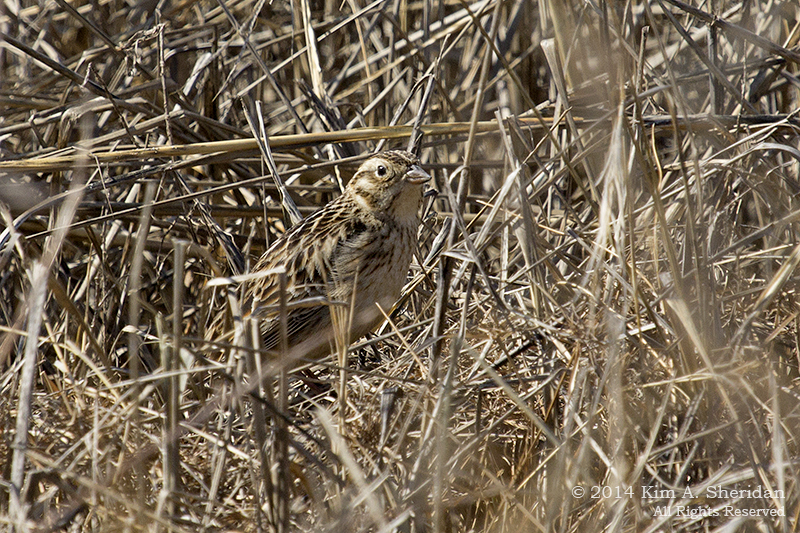
In popular birding places, you often run into other birders who are happy to share news of interesting birds. Two guys I met in Avalon suggested I go to Stone Harbor Point to look for the Smith’s Longspur that had been seen there. “Just look for a big group of people; that’s where it will be.” Sure enough, out in the grassy meadow between beach and bay was a group of people with binoculars and scopes, chasing a cryptically colored, sparrow-sized bird around. I never would have found it, much less identified it, by myself. Lifer #3 for the day.2 Smith's Longspur at  Stone Harbor Point_4421acsSmith’s Longspurs hang out in the middle of the country, and are quite rare in the East, which is why so many people wanted to see it. I’m sure this poor bird was wondering if he’d ever get a break from the crowds to eat in peace.

5 Ross's Goose at Seagrove Ave Cape May_4769 aI also heard from two different people of another unusual sighting, a Ross’s Goose in a field behind some homes in Cape May Point. Sure enough, there it was. A great way to end a day of birding at the Shore.

Barnegat Harlequin_3119 acsIn the last week or two, the weather has warmed enough that the foot-thick snow pack has all but disappeared. My crocuses are blooming, the first rays of sunny gold heralding the inevitability of spring.

The Bald Eagles at Heinz Refuge are incubating eggs. Geese have been migrating north for some time. Soon these winter ducks will take off for their breeding grounds to bring new life into the world. Flowers and trees will bloom, and baby animals will be born.

It won’t be long before spring is off to a flying start!

Reflections of White Rock Lake

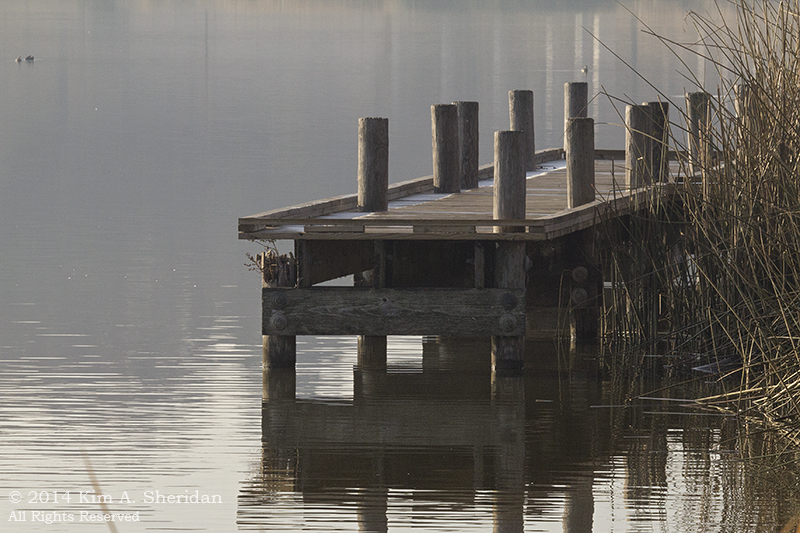
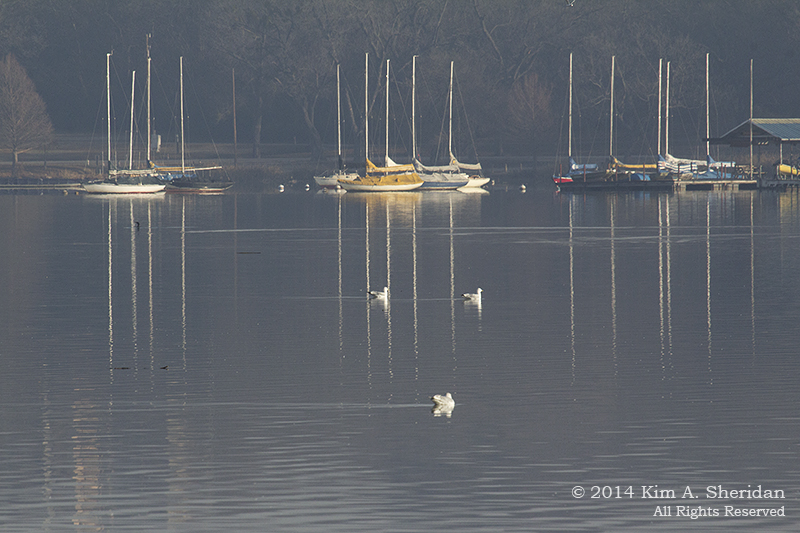
TX White Rock Lake_7280acs Mirror, Mirror, on the wall

Is there a haven in the Dallas sprawl?

Perhaps a park like White Rock Lake,

A place to watch the morning break?

TX White Rock Lake_7398ACSMirror, Mirror, I do insist,

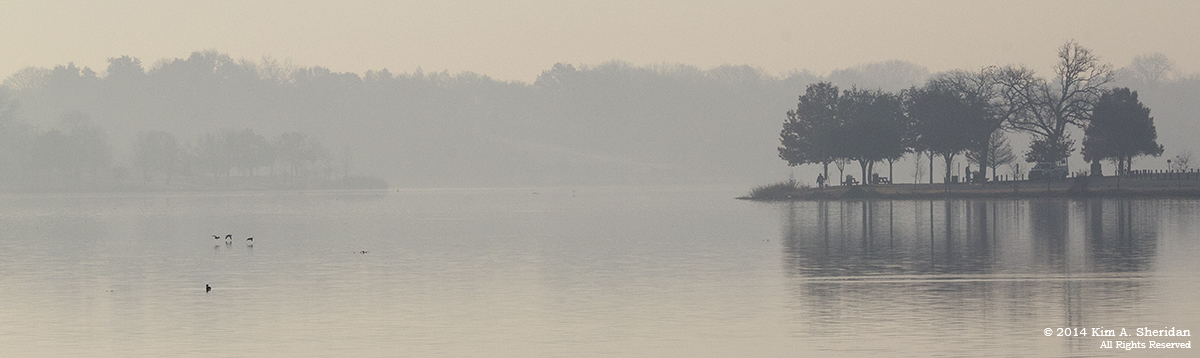
Show me White Rock in the mist

TX White Rock Lake Pelican_7241aTX White Rock Lake_7404A

Mirror, Mirror, hear my words

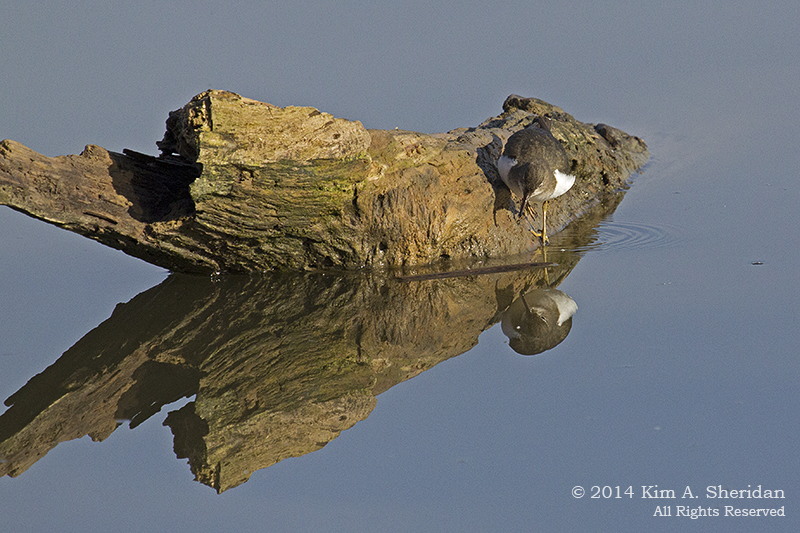
Who’s the fairest of the birds?TX White Rock Lake Yellowlegs_7780aLesser Yellowlegs certainly seems enamored of his own reflection…

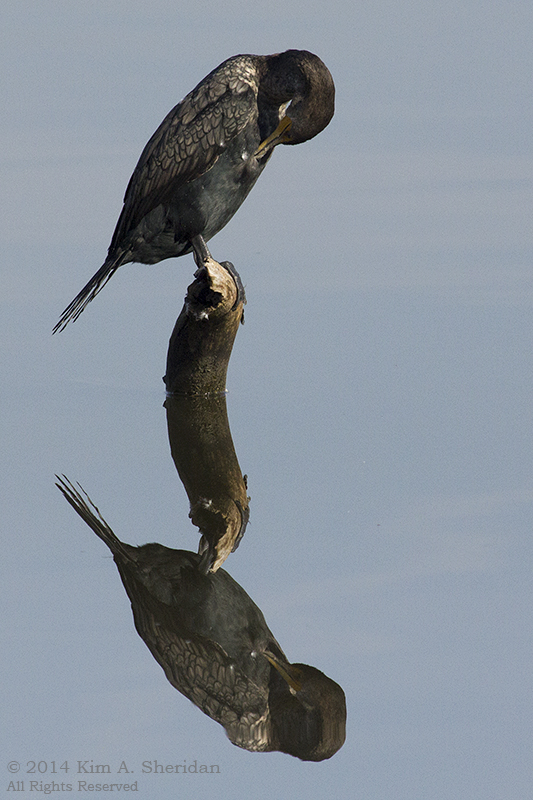
TX White Rock Lake Cormorant_7805aTX White Rock Lake Coot_6951a

While Double-crested Cormorant (left) is primping for her photo op, and American Coot (right) is working it for the camera.

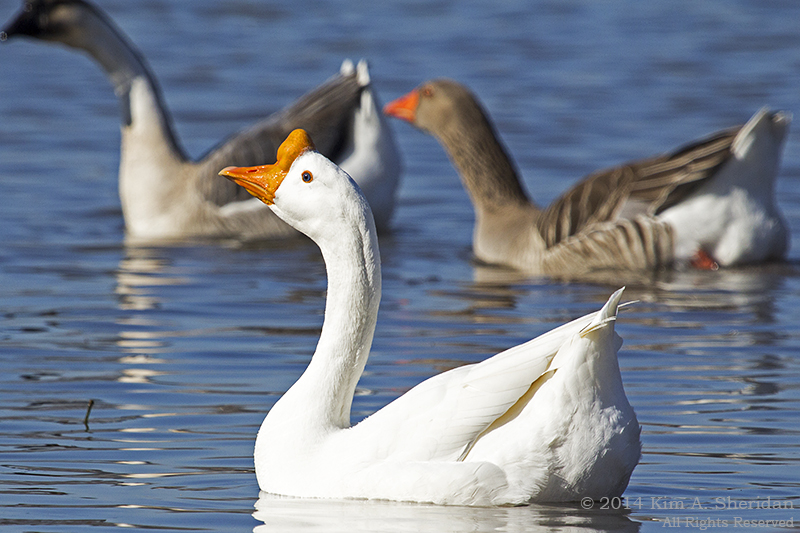
TX White Rock Lake Geese_6971acs Not all the birds in White Rock Lake Park are native, or even wild. A number of domestic geese and ducks prowl the shores. This is a White Chinese Goose.

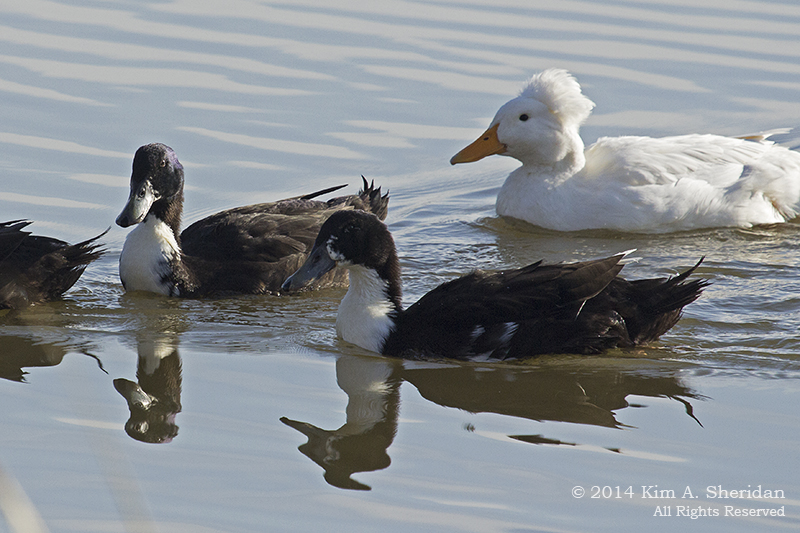
TX White Rock Lake Duck Domestic_7652aMore domestics: Black Swedish Ducks in front and the Crested Pekin Duck. And yes, there is no “g” in “Pekin”, despite the insistence of the spell-checker.

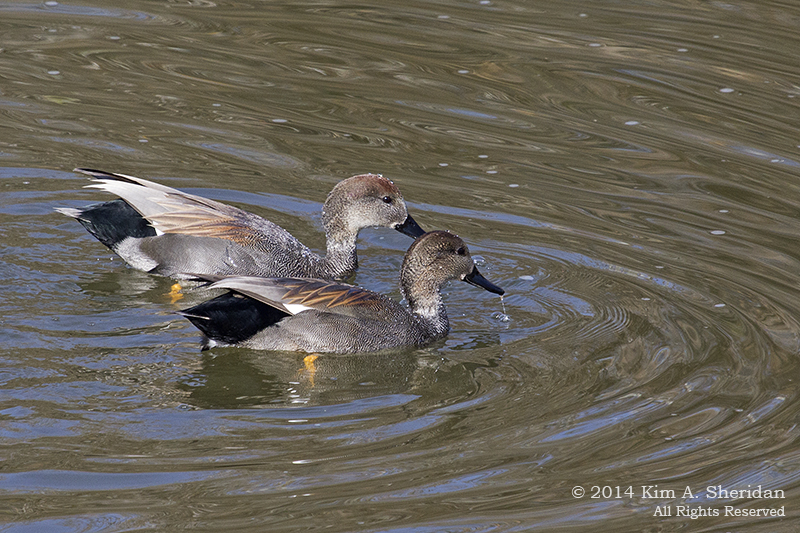
TX White Rock Lake Gadwall_7939a Ah, here are we are back to the wild critters. These Gadwalls are looking especially natty.

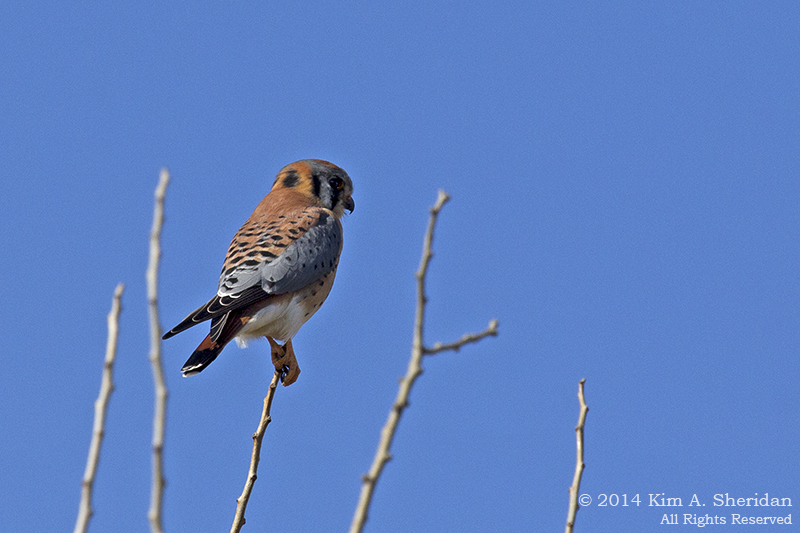
TX White Rock Lake Kestrel_7025acsAmerican Kestrels perch in trees on the edge of a meadow, looking for mice and voles to eat.

TX White Rock Lake Red-bellied Woodpecker_7816a Red-bellied Woodpecker, also looking for good things to eat, much prefers insects. Despite the moniker, the belly is only marginally reddish. The red on its head would seem a better inspiration for a name, but “Red-headed Woodpecker” was already taken.

Mirror, Mirror, on the Loch

Who’s the fairest on White Rock?

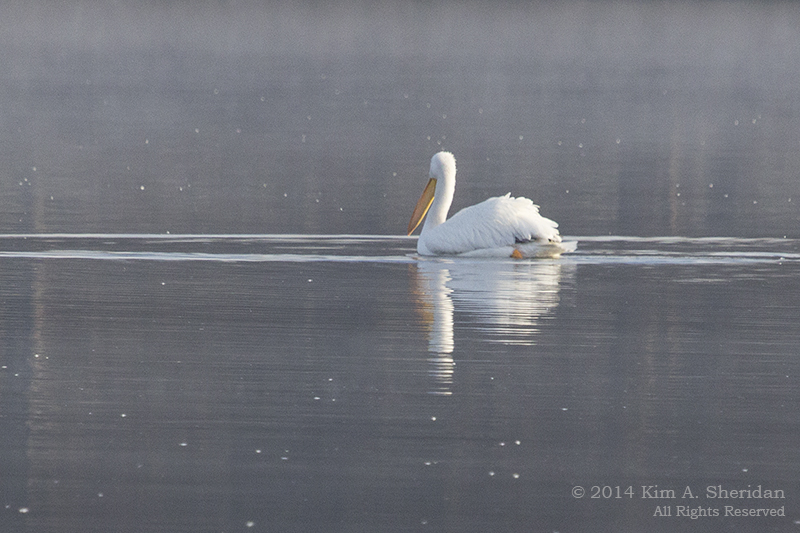
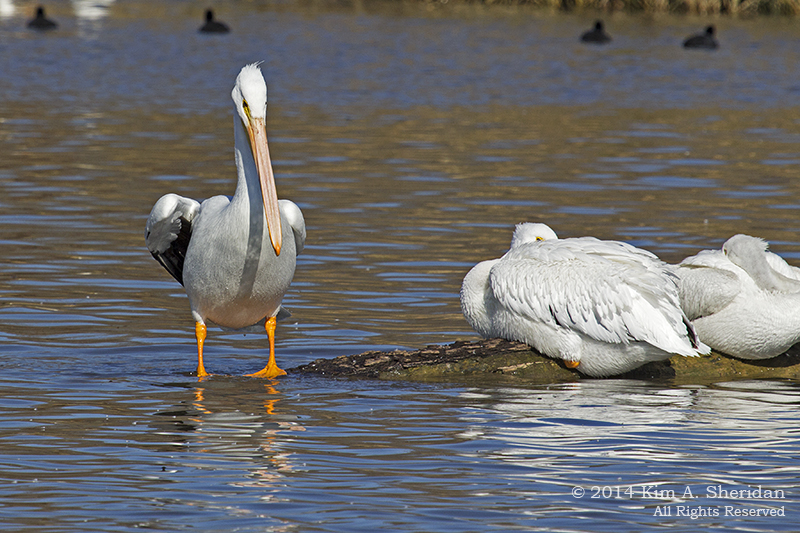
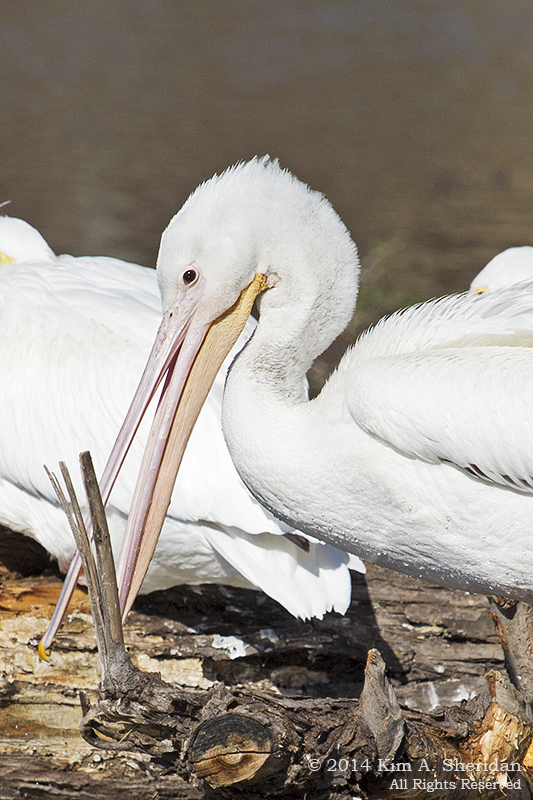
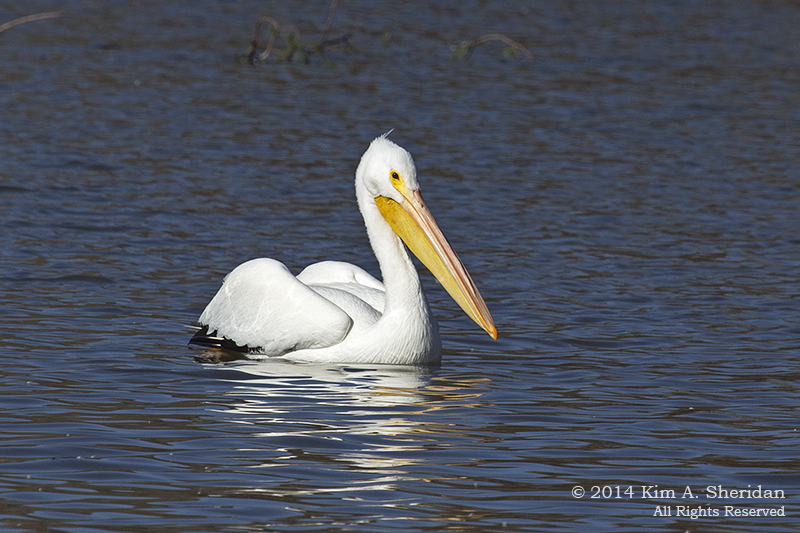
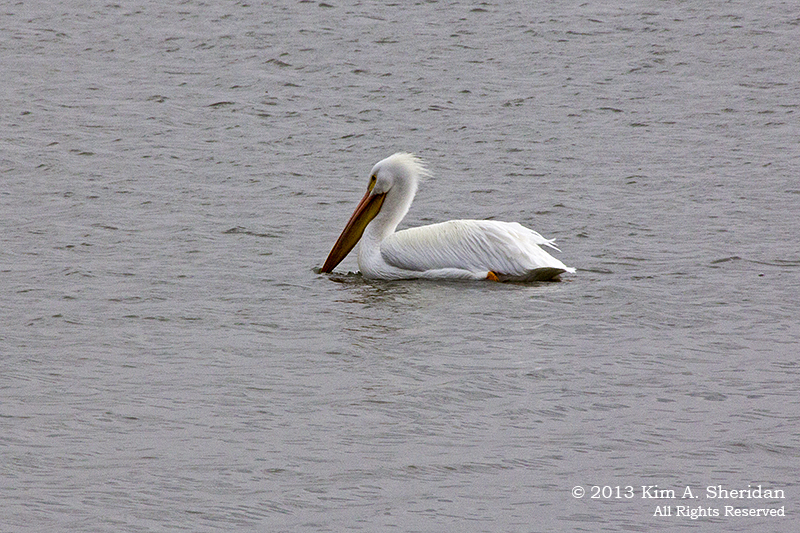
TX White Rock Lake Pelican_6995aThat’s an easy one! American White Pelicans are the stars of the show at White Rock Lake in winter. These HUGE birds roost and preen on logs near the lake shore. They look like they’re too big to get off the ground, but in fact they are graceful and powerful fliers. Watching them skim the lake’s surface is an impressive sight. Not one I’ve captured to my satisfaction yet, though.

TX White Rock Lake Pelican_6931aFUN FACT: How huge are White Pelicans? From beak tip to tail tip they are about 5’2”, nearly as tall as I am. Their wingspans are about 9 feet long. The pouch in their bills can hold 3 gallons of water. Take a look at a gallon of water in the supermarket, and then imagine holding three of them in your mouth! Ouch!

They catch fish by dipping their heads underwater, like bobbing for apples. Sometimes several Pelicans will get together and herd fish together to make them easier to catch.

TX White Rock Lake_7979ac no s  Mirror, Mirror, tell one, tell all

There’s a special place in the Dallas sprawl

Where humans gather, yet young birds fledge

It’s truly a park on the Wild EdgeTX White Rock Lake Pelican_6983a

Huntin’ Armadillos: Hagerman NWR

TX Hagerman NWR_5999a Hagerman National Wildlife Refuge: 11,320 acres on the Big Mineral arm of Lake Texoma, along the border of Texas and Oklahoma. Bit off the beaten path for a Pennsylvania chick, isn’t it? Except that last month found me in Dallas spending time with family. Inevitably I got itchy for the great outdoors. This year I conned my cousin Jensen into spending a day at Hagerman, mostly by promising him armadillos. Jensen is a talented photographer with a good eye who focuses on landscapes and sports. This would be his first time birding – and armadillo hunting.

TX Hagerman NWR_6017aThe day didn’t start out auspiciously. 45° to a Southern boy with thin blood and no socks is darn near intolerable. The wind wasn’t helping matters; nor were the thick gray clouds. The weather only served to accentuate the stark landscapes, and send us scurrying back to the warmth of Jensen’s SUV.

TX Hagerman NWR_6310acs Then we saw one good bird, a Red-tailed Hawk, and then another, this time a Northern Harrier (above) in flight. Suddenly the day didn’t look so bad! By the time we’d driven along the Wildlife Drive to where the Snow Geese were, the wind was abating and the sun was trying to break out.

TX HagermanSnow Geese_6256aAh, the Snow Geese! There were hundreds of them, as there always are, gathered in a grassy field across from the lake. TX HagermanSnow Geese_6340aMore poured in from somewhere over the trees. Watching large flocks of Snow Geese fly always amazes me. They never fly into each other, even when the flight paths of individual squadrons cross. When I looked at these photos later, I discovered that there were a few smaller but very similar Ross’s Geese mixed in.

TX Hagerman NWR_6488aOne of the odd things about Hagerman NWR is that it is dotted with oil wells. Many of them are sitting out at the end of narrow peninsulas jutting out into the lake. The Turkey Vulture above startled us as we were walking down one such spit of land. It burst up out of the vegetation at the water’s edge right next to us, and we’d never even known it was there. One of the many Turkey Vultures at Hagerman.

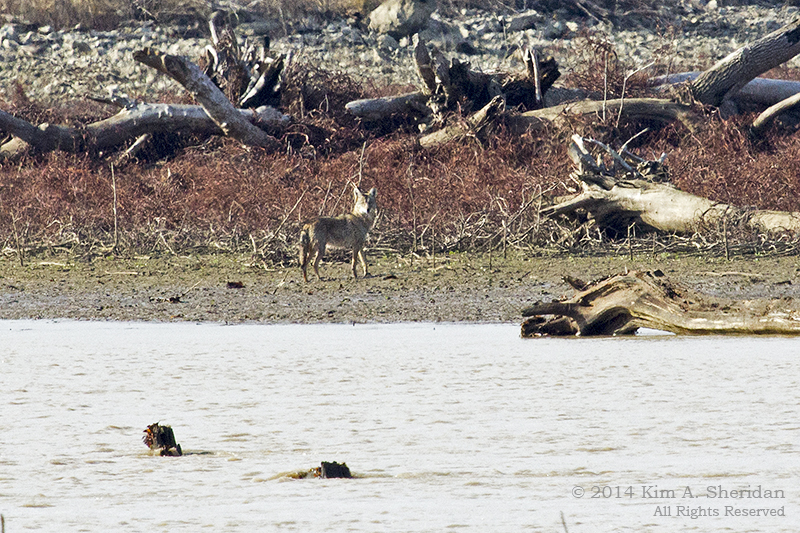
TX Hagerman NWR_6500acs Off in the distance, we saw something brown splashing across a creek. An armadillo? No such luck, but what we saw was just as good. Jensen said “Fox!” just as I yelled “Coyote!”  TX Hagerman NWR_6514aMr. Coyote turned and looked back at us before disappearing into the brush. I’d never seen a coyote before.

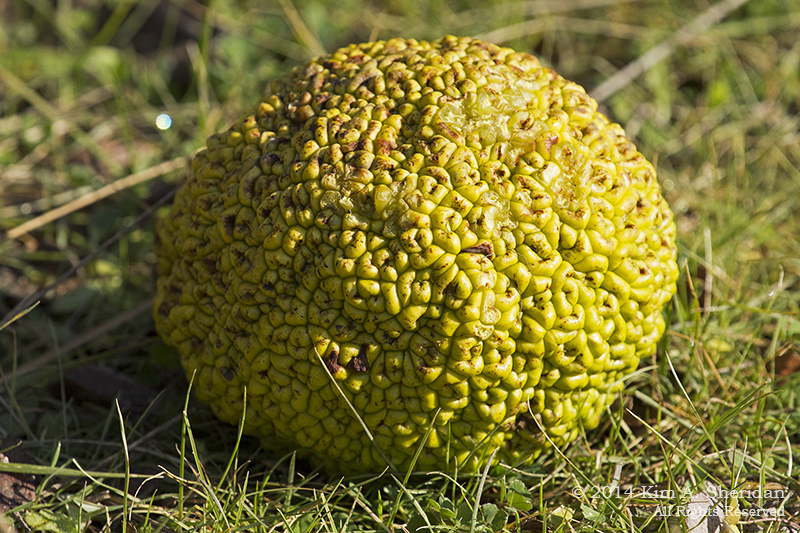
TX Hagerman NWR_6618acs We spent some time walking along a couple of different trails, across marshy areas and through woods. These strange seeds littered the ground. Jensen said they called them “crabapples” as kids. Sorry, cuz, wrong again. The sign says they’re the fruit of the Osage Orange.

FUN FACT: Well, okay, we have to give Jensen partial credit, because a common name for these fruits is “hedge apple”; in Texas, “horse apple” is common. For centuries the Osage Orange tree was found only in a limited area near the Red River valley, a portion of which is now Lake Texoma. They spread throughout the Plains after they were widely planted as living fences in long hedgerows. Aggressive pruning turned them into tight thorny hedges. Barbed wire made the trees obsolete, but their strong termite-resistant wood makes great fence posts that don’t rot.

Maybe those hedges are keeping the armadillos out?

TX Hagerman NWR_6634acsBoth Western and Eastern Meadowlark are found at Hagerman. I’m not a good enough birder to tell the difference from a photo. Supposedly, their songs are quite different, but these birds weren’t talking!

TX Hagerman NWR_6673acs The ponds around the Refuge are good wintering places for waterfowl. We saw several kinds of ducks, including Mallards, Ruddy Ducks, Gadwalls, and this Northern Shoveler. There were also a number of Great Blue Herons.

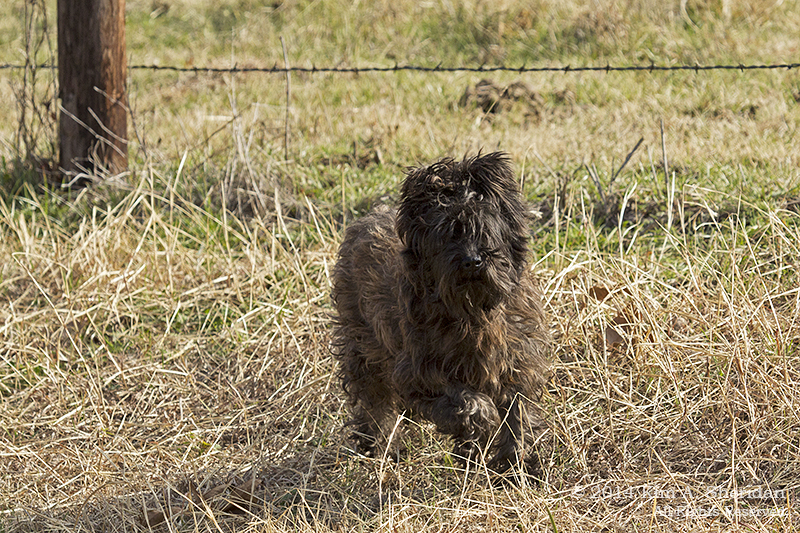
TX Hagerman NWR_6907acsAt one point, the Refuge road passed through a small cattle ranch. This little Texan farm dog chased our SUV fiercely through his territory, despite not being any taller than our hubcaps.

TX HagermanSnow Geese_6724acs Also escorting us along the road was this flock of snow geese. No more dark clouds now – nothing but blue skies!

THE ONE THAT GOT AWAY: There’s always one on every trip, isn’t there? This time it was a Greater Roadrunner, along the side of the road just feet away from our car. Of course this was AFTER we’d put our cameras away and left the Refuge!

The Road Runner and Wile E. Coyote in one day? I guess that was too much to ask!

And still no armadillos.TX Hagerman NWR_6686acs

Snowed In

Snow at Home_5661acs Snow at Home_5660acsThe mere threat of a snowstorm is enough to induce panic. We scurry to the store to buy milk, bread and eggs – obviously in desperate need of French toast – and then hunker down as if we won’t be free of our homes for a month. When the snow stops, all we can see is the hours of shoveling, and the icy roads on which we’ll have to skid our way around town. We’ve lost our childhood delight in the wonders of the falling snow, in the way it transforms even the most familiar landscapes.

Fortunately, there’s a cure for this malady, and it’s a simple as picking up a camera and looking at the white-frosted world through its lens.

During the storm, a Carolina chickadee finds shelter in a gray birch tree, while a dark-eyed junco finds plenty to eat under my bird feeders.Snow at Home_5624acs

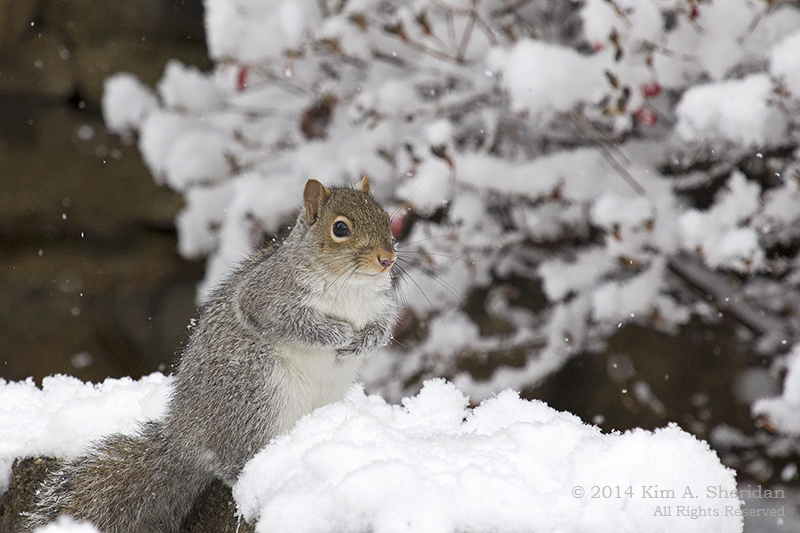
Snow at Home_5634acsMr. Squirrel ignores the food in front of him, and instead plots to raid the can of birdseed. The grass is always greener to our furry friend.

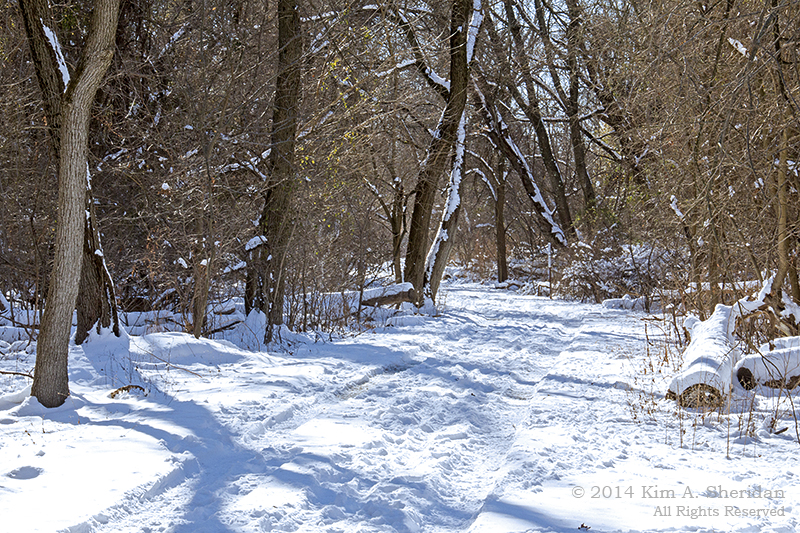
HNWR In Snow_8817a HNWR In Snow_8924acsA sunny day right after the storm entices us out to walk the trails at Heinz NWR.

This is the first time I’ve seen the Refuge covered in snow, and it’s delightful. Even the most ordinary things take on a new look.

Our old friend the chicken fungus now wears the face of Old Man Winter.

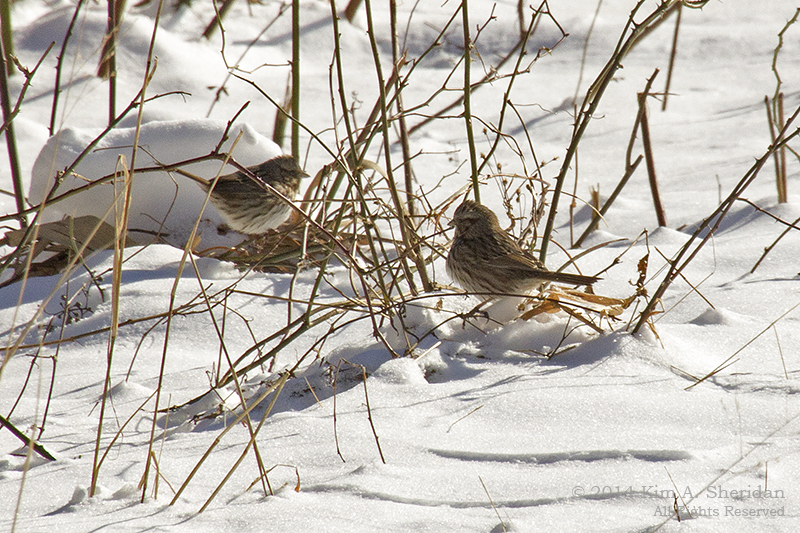
HNWR In Snow_8890a HNWR In Snow_8780aSparrows flit about among the grasses. We see tiny bird tracks and larger deer tracks everywhere. The snow is like Facebook for critters, recording their every movement for us to read.

HNWR In Snow_9005a HNWR In Snow_8863a HNWR In Snow_8902a HNWR In Snow_8931acs HNWR In Snow_8872aWinter is the time for beavers to get busy.

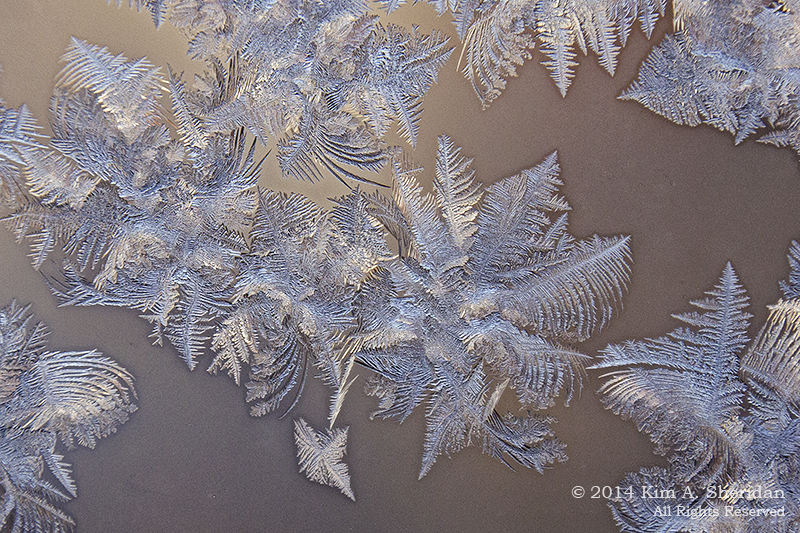
Frost_9058acs 2 Even a 2° morning has its charms. The polar vortex etches little ice feathers on my windows. Look quickly! The warmth of the house starts melting these beauties before I can even finish photographing them.

It’s so easy to come down with a case of snow panic with every storm. We all need to slow down, stop worrying and put down the shovel long enough to partake of the cure. An unhurried walk in a winter wonderland gives us a fresh look at our familiar world, and the gentle touch of Mother Nature’s magic lifts our souls.  HNWR In Snow_8909a

Snowy Days Are Here Again

Forsythe Snowy Owl_5213aIt was the news report that finally did it.

All week long, by word of mouth and the Internet, I’d been following the dispatches of a horde from the North. But when reports actually appeared on the TV news broadcasts, I knew I’d have to do something about it. I knew I’d have to face the invaders myself.

I gathered my lieutenants and headed into the bitter wind on a hastily arranged reconnaissance mission.

Forsythe Snowy Owl_5182aAnd who were these invaders, these large, nearly white creatures, with sharp talons and luminous yellow eyes? Abominable Snowmen? No, snowy owls.

1 Snowy Owl_5105aThese large owls range from the usually all white adult male to females and juveniles who are white with dark bars and spots. In North America, they make their living on the grasslands and open tundra of the Arctic, hunting lemmings and other small mammals, by day as well as night.

Forsythe Snowy Owl_5205a In many years, New Jersey might see two or three of these large birds at most. But this year, since Thanksgiving, there have been reports of over twenty snowy owls in the state, many clustered along the shore and the Delaware Bay. Other Mid-Atlantic states are reporting similar influxes of owls. Reports of snowy owls being seen in Pennsylvania are coming in from Berks, Chester and Lancaster counties as well as State College and Presque Isle State Park on Lake Erie. The birds are turning up in Long Island, New York, Ohio, and Boston, as far south as North Carolina, and there’s even been one vacationing in Bermuda, and another in Florida.

What in the name of Harry Potter is going on?

Snowy owls are among a number of species of birds subject to winter irruptions in which large numbers of birds appear in areas far outside their normal range. These events are unpredictable in both their frequency and intensity. It would appear that the winter of 2013-2014 is shaping up to be an irruption year of historic proportions.

Forsythe Snowy Owl_5214CONSERVATION PIECE: Experts are divided on the cause of the irruption. The easy answer is the cyclical fluctuation of the lemming population, their main food source up north. The owls may produce large numbers of owlets when lemmings are abundant but skip breeding altogether when prey is scarce. The driving force behind the irruption may well be an overabundance of prey, leading to an owl population boom. Come the Arctic winter, there are more owls than available food. There may be other factors involved, however. At this point, ornithologists have more questions than answers.

FUN FACT: The snowy owls are looking for treeless areas that resemble the tundra they’re used to, so they’re most likely to be seen in places like beaches, marshes and fields, and, oddly, airports. In fact, in the highly developed Northeast, where native grasslands have all but disappeared, airports may be the best available open habitat for these birds. Sightings of owls – and conflicts with aircraft – have occurred at several airports along the East Coast

Forsythe Snowy Owl_4764a After researching the latest owl sightings online, Robb, Don and I decided our best chance of seeing a snowy owl would be at Forsythe NWR at the Jersey Shore. We thought the best we’d do would be a short look at one fairly far away, so when we got a good look at this bird above looking out over the marsh, we were pretty pleased.

Forsythe Snowy Owl_4870aLittle did we know that there was another owl further down the road, calmly sitting on the rocks not 30 feet from a large group of birders and photographers. Look closely to see it perched at the water’s edge just right of center, above. We watched this white beauty for at least a half hour.

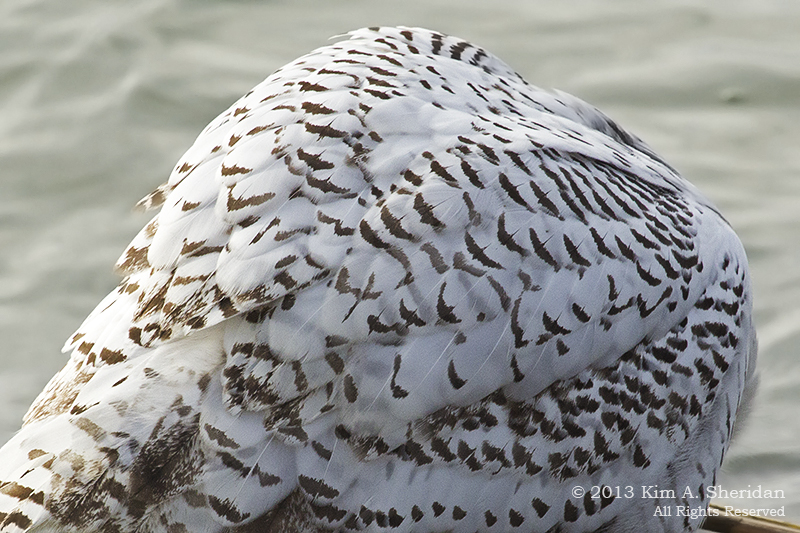
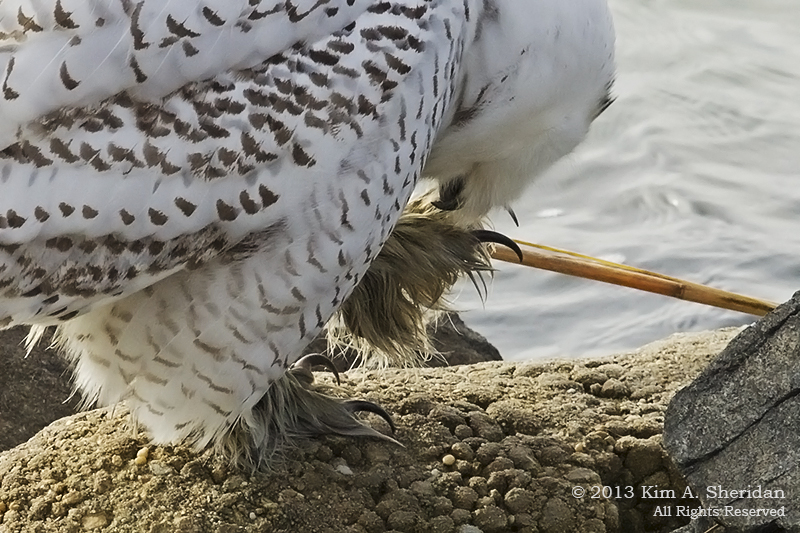
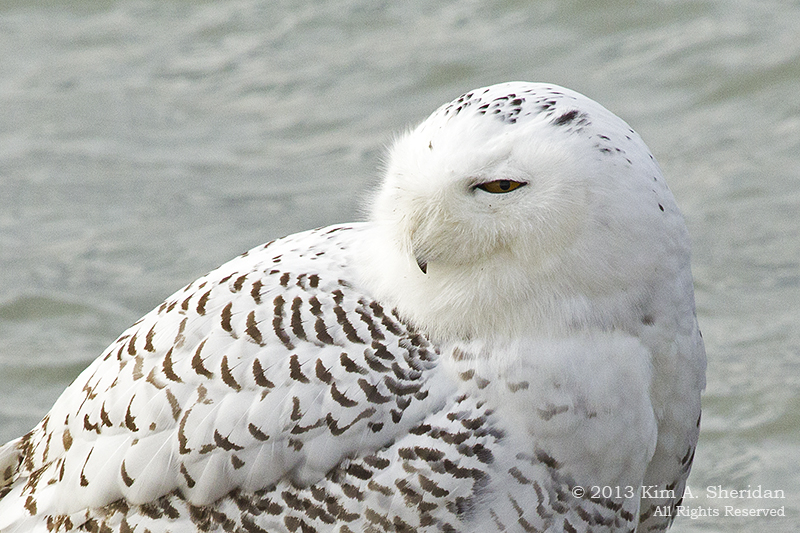
Preening Collage 1 We spoke in hushed tones as the bird calmly preened, running feathers through its beak one by one. When it was time to move on, it was hard to tear ourselves away. Since that day, there have been many more reports of owl sightings, and it appears they are here for the winter. I am hopeful I will get another chance to see another of these majestic birds, but my first encounter with a snowy owl was a real hoot!

LOCAL FOCUS: If you are interested in seeing these magnificent birds for yourself, there are a number of opportunities. Check the Cornell Laboratory of Ornithology’s online bird survey, eBird, which has been tracking the irruption thanks to reports of hundreds of amateur observers. Their article on the phenomenon includes links to real-time maps showing the most recent sightings. http://ebird.org/content/ebird/news/gotsnowies2013/

3 In Your Face_5288aHappy Whoo Year!

Coming up: Snowed In

Dallas, On the Wild Edge

White Rock Lake Birds_5593a Winter scenery from deep in the heart of Texas. All in an urban or suburban setting. All within a short drive of Dallas.

Great-tailed Grackle at White Rock Lake, above.

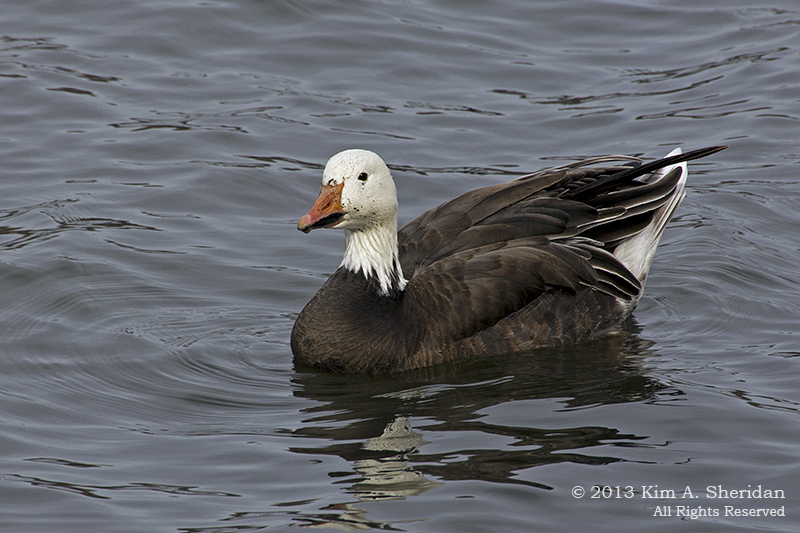
White Rock Lake Birds_5616aSnow Goose, White Rock Lake – the “Blue Goose” color morph.

White Rock Lake_6637b Eastern Fox Squirrel, White Rock Lake.

White Rock Lake_6857aMonk Parakeets, White Rock Lake.

White Rock Lake_6802a American White Pelican, White Rock Lake, above and below.White Rock Lake_6877a

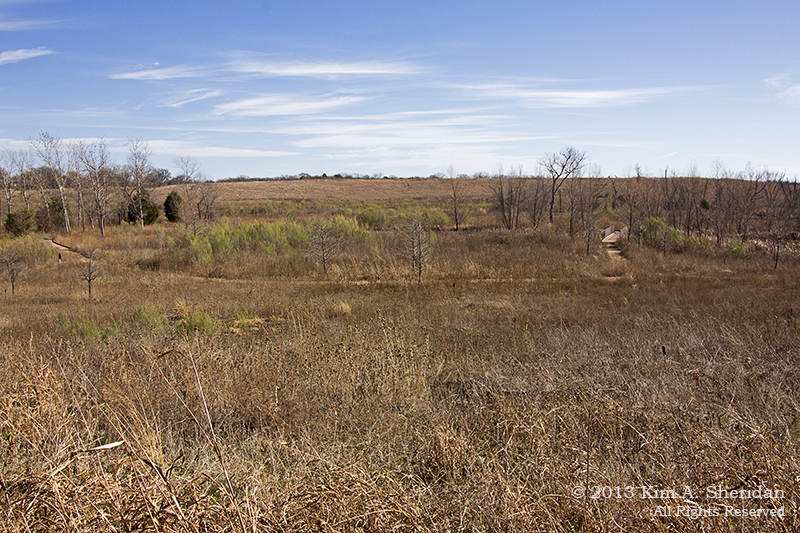
Trinity River AC_5434a Trinity River Audubon Center.

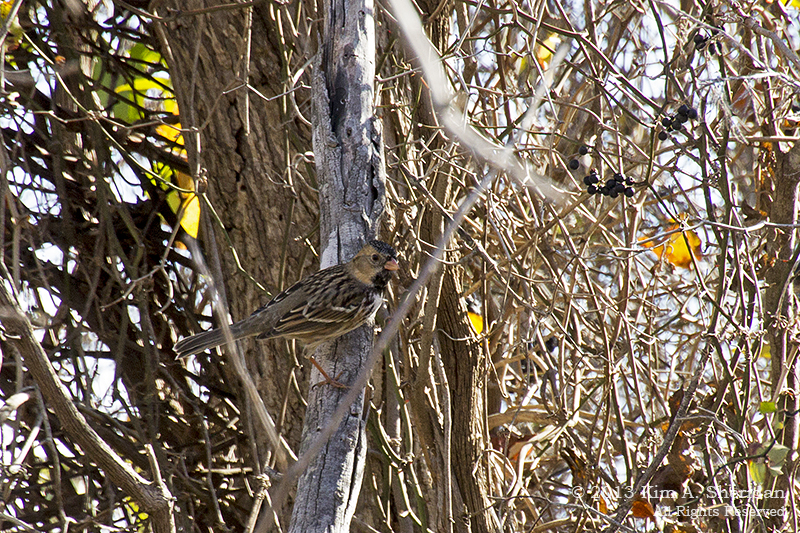
Trinity River AC_5304aHarris’s Sparrow, Trinity River Audubon Center.

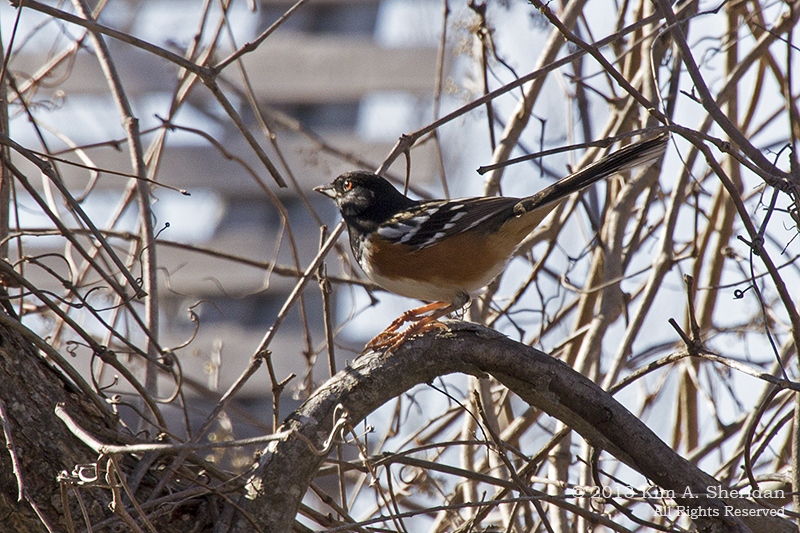
Trinity River AC_5349a Spotted Towhee, Trinity River Audubon Center.

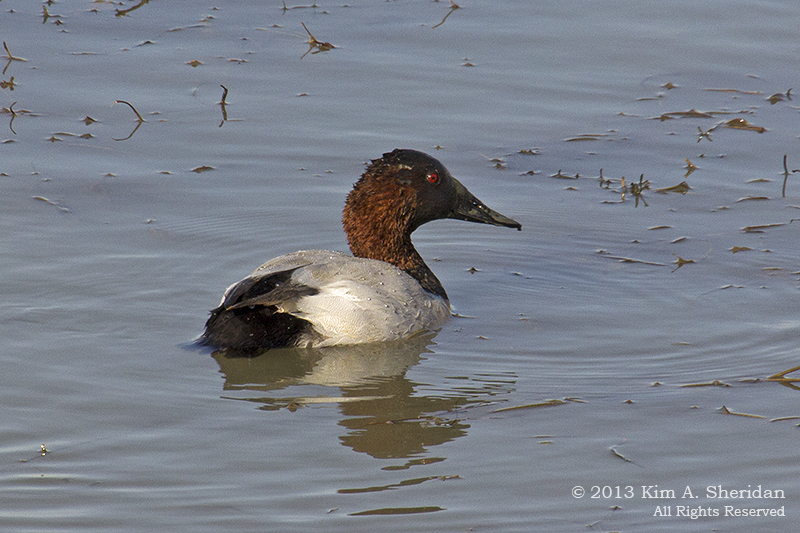
Cedar Hill State Park_6087a Canvasback, Cedar Hill State Park.

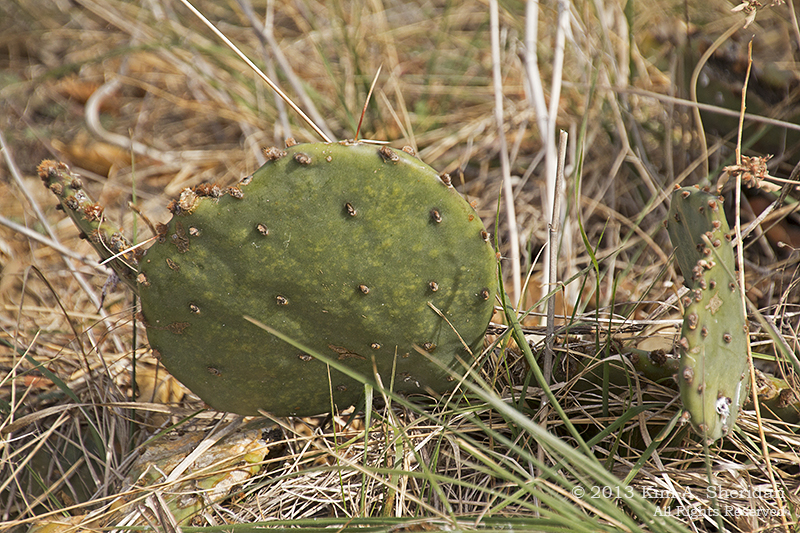
Cedar Hill State Park_6234aCactus, of course. Cedar Hill State Park.

Cedar Hill State Park_6204aGreater Roadrunner, Cedar Hill State Park.

BEEP-BEEP!

Coming up: Christmas at Longwood Gardens

The Kids’ Table

Conowingo Eagle_3877a Life’s tough when you’re a juvenile Bald Eagle trying to get your share of the Thanksgiving feast at Conowingo Dam. Young fellows like this one above have to fight for their meals. It’s all tough love once an eagle reaches adolescence.

It takes four or five years for a Bald Eagle to reach maturity. They won’t get their characteristic white heads and tails until that point. Before then, their plumage is primarily brown, mottled with varying amounts of white.

Remember being stuck at the kids’ table on holidays? Now imagine that just when a nice plate of food is served, one of the grown-ups suddenly steals your place, and your food.

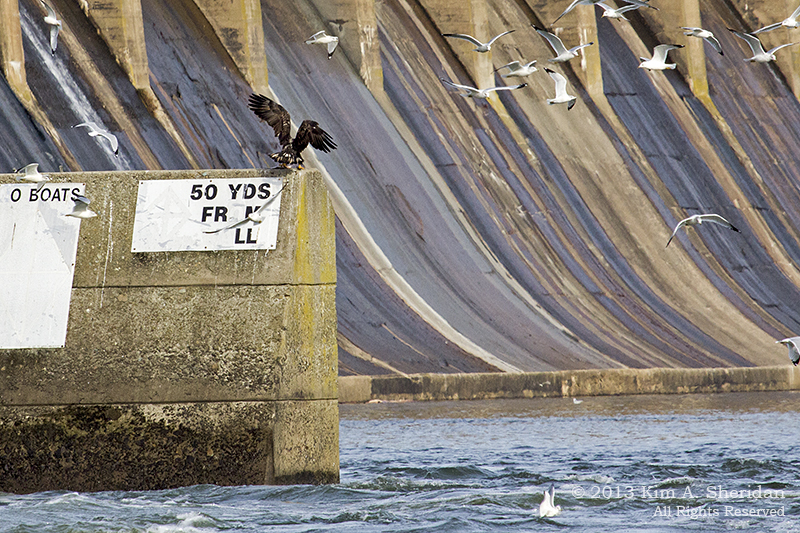
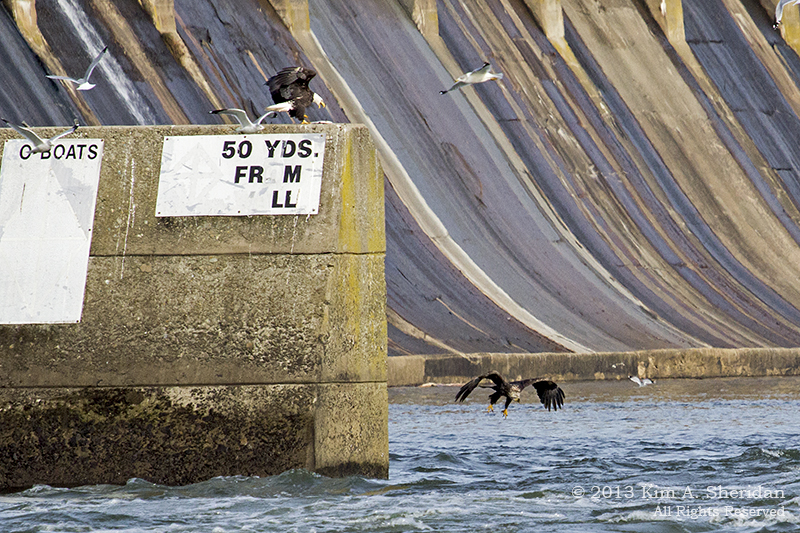
Conowingo Eagle_4590aThis young eagle knows exactly how that feels. He’s successfully caught a fish and landed on the dam to eat his meal…

Conowingo Eagle_4595a Only to have an adult swoop in, chase him off and settle in to enjoy the ill-gotten gains, while he’s left to beat an unceremonious retreat.

Fun Fact: Bald Eagles are thieves by nature. They will harass each other and other birds like Ospreys until their victim drops its prey. They also eat carrion when it’s available. Probably why Benjamin Franklin dismissed them as birds “of bad moral character”.

Juvenile eagles must learn how to catch prey. They do this by watching their parents when they’ve first fledged. Gatherings like at Conowingo offer juveniles invaluable opportunities to watch the adults fish – and steal fish. Even thievery must be learned.

Conowingo Eagle_4136aIt’s all a life lesson. If juvenile eagles don’t learn to stand up for themselves, they won’t survive. Here’s a plucky youngster trying his best to steal a part of an adult’s dinner. The adult is having nothing of it, however. Hey, can’t fault a guy for trying!

I  wonder if either of the two eaglets that were born at Heinz Refuge this spring is among the juvenile eagles at Conowingo this fall.

Conowingo Eagle_4354a Fun Fact: Eagles have extraordinary eyesight, far sharper than ours. They can spot a fish in the water from hundreds of feet up, all the more remarkable because most fish blend in with the riverbed below. Dead fish are easier to see, as they usually float with their light bellies up. Young eagles still learning to hunt sometimes goof and attack plastic bottles instead.

Conowingo Eagle_4615aGotcha! What this young eagle lacks in style, he makes up for in fish.

For more information on the recovery of the Bald Eagle in Pennsylvania, here’s an interesting video: http://www.youtube.com/watch?v=-4DK0sCiMd8&feature=youtu.be