Salt Marsh Safari

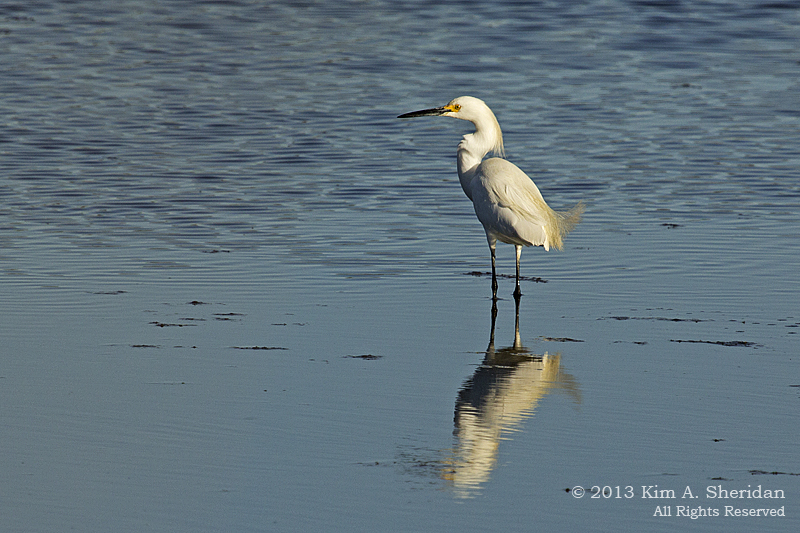
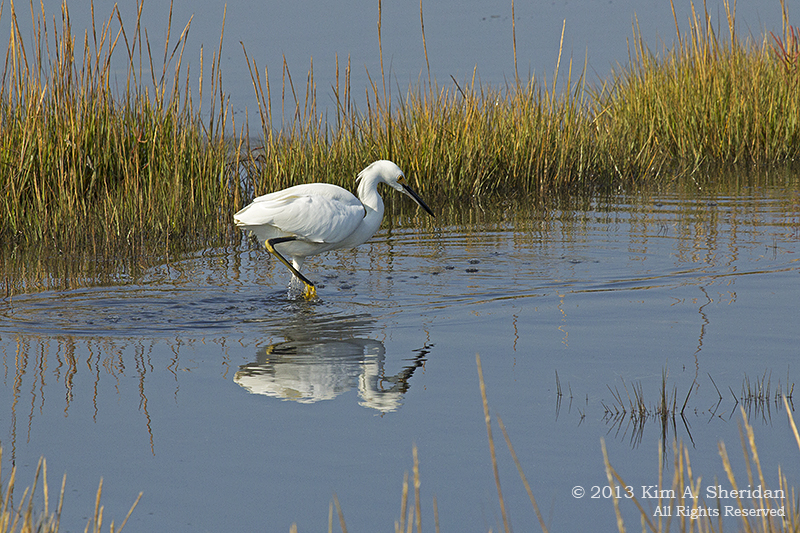
Cape May Skimmer Egret_6493 a The day started quietly, with a drive through mist-shrouded farms and forests tinged with early fall color. The calendar said “October”, but by the time we arrived at the dock, the day was already doing a fine imitation of summer. We were here on Cape May Harbor for the Salt Marsh Safari, a two-hour tour on the 40-foot Skimmer through the back bays of Cape May. Before we even got on the boat, we had some great looks at Snowy Egrets (above.)Cape May Skimmer_6484 a

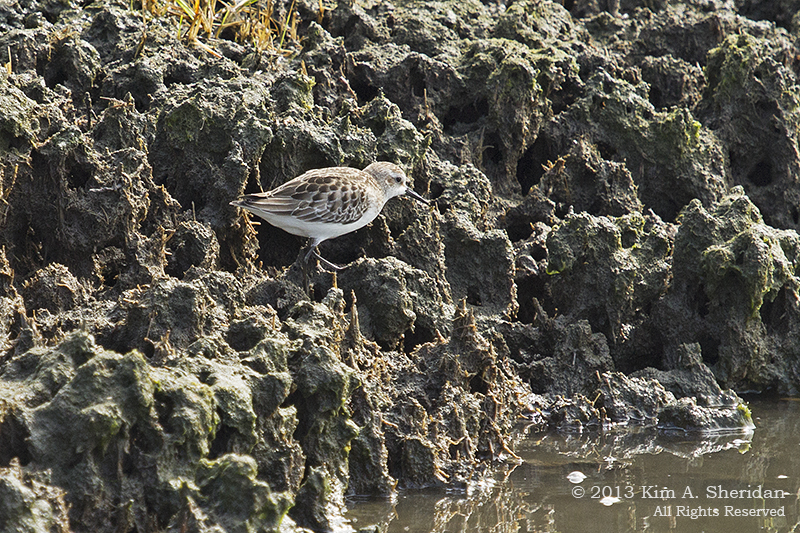
Cape May Skimmer Peep_6823 a FUN FACT: Here’s a Semipalmated Sandpiper. A big name for a little bird! Its feet have short webs between the toes, hence the name. The holes in the mud are made by crabs, a few of which we’ll meet in an upcoming post.

Cape May Skimmer Tri Color_6638 aSome of those aboard were veterans of springtime Skimmer trips, and reported that there weren’t nearly as many birds this go-round. It didn’t bother me, as I still saw two life birds this trip. Quality over quantity! Here’s the first lifer, Tri-colored Heron.
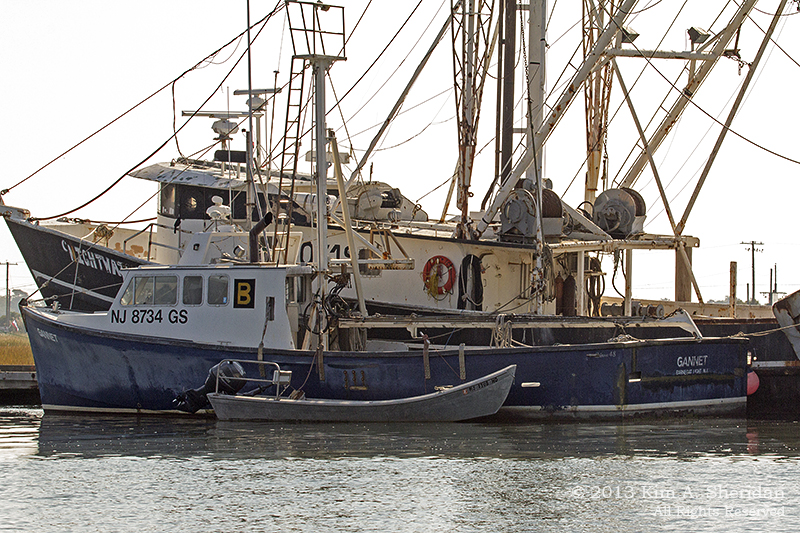
Cape May Skimmer_6525 aThese are not the Skimmer, but a couple of fishing boats anchored along the harbor.

Speaking of fishing, a couple of times our captains scooped up marine life with a bucket for us to examine. There were sea urchins, shrimp, crabs, and a sea star at least six inches across. We also found a couple of large whelks. Most people know these for the empty shells found on the beach, but they are actually snails. Every time the captain tickled the soft creature inside the shell, it fired back with a jet of water.

Cape May Skimmer_6969 a Here’s the second life bird, Whimbrel. The captain brought the boat in for a really close view. Being on a boat has its advantages. As does that long downturned bill, for the Whimbrel. It’s perfect for digging yummy tidbits out of the mud.Cape May Skimmer_6986 a

Shameless plug: if you’re in the Cape May area and want to learn about the wildlife of the marshes, or just want a relaxing boat ride, check out the Skimmer. The captains are friendly and really know their stuff. http://www.skimmer.com/default.html
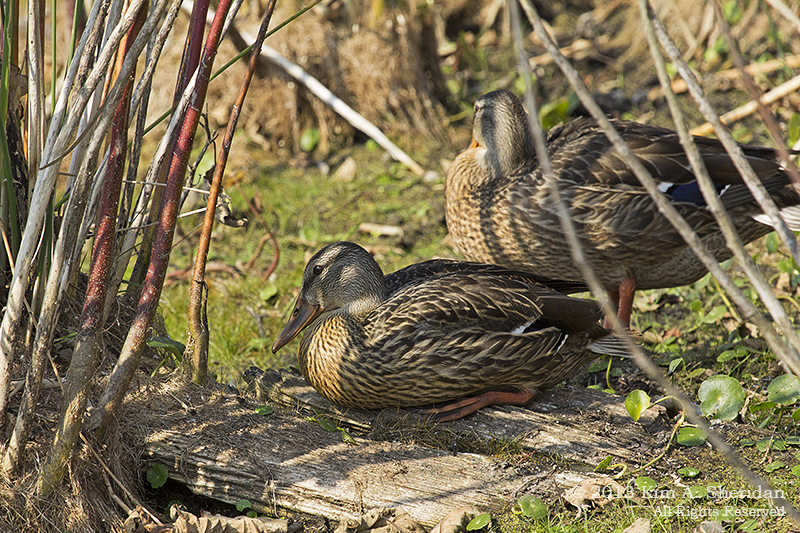
Cape May Point SP Duck_7099 a After lunch, we went for a land-based trek through Cape May Point State Park. With marshes, ponds and forests, there’s always a lot to see here. As the afternoon wore on, the unseasonable heat was getting to animals and humans alike. A couple of Mallards found a nice patch of shade.

Cape May Point SP Frog_7292 aA Green Frog knew how to keep cool.

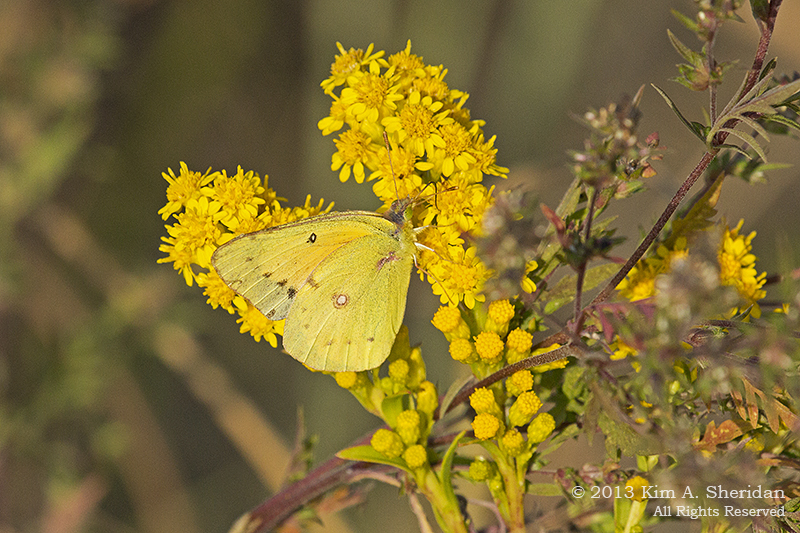
Cape May Point SP Butterfly_7315 a Seaside Goldenrod was in bloom everywhere, and attracting lots of butterflies and bees. This bee is loaded with pollen. Cape May Point SP Bee_7020 a

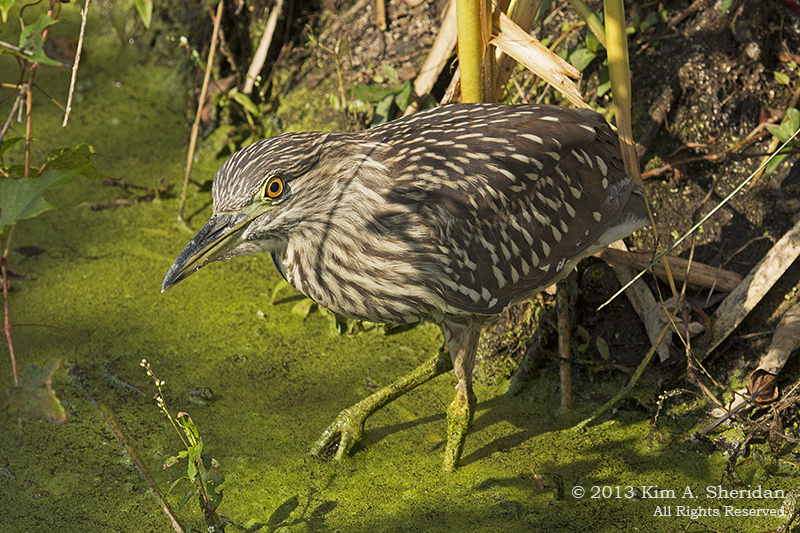
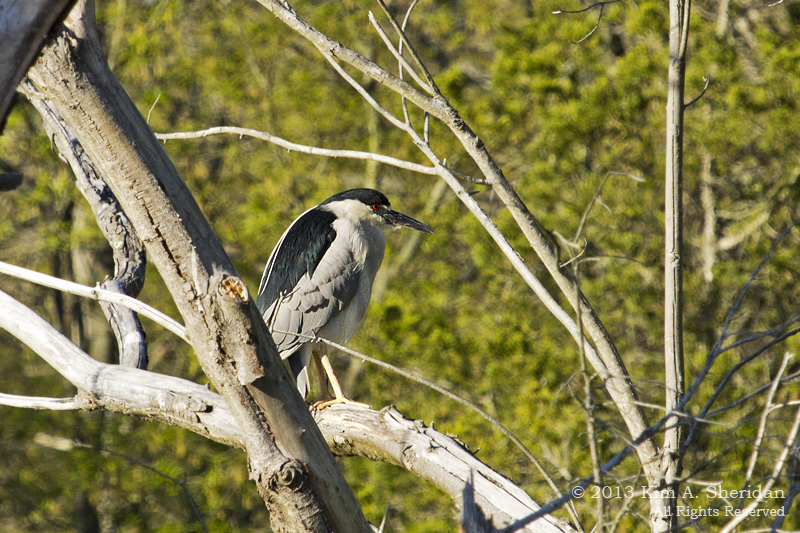
Cape May Point SP Night-heron_7207 a Here’s the Bird of the Afternoon. This is a juvenile Black-crowned Night-heron. We found him at the base of a footbridge crossing a small stream. He couldn’t have been more than ten feet away, and he barely budged the whole time we were taking his portrait.

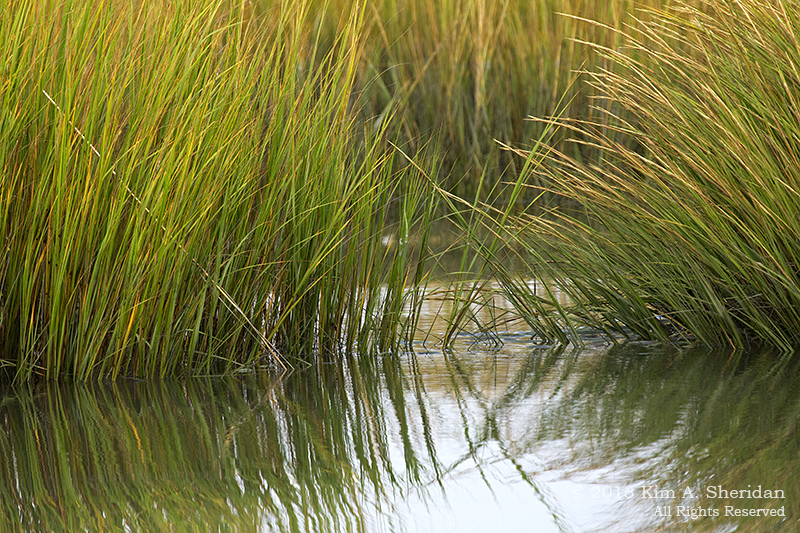
It may have felt like summer, but the golden hues hint at autumn to come. What better way to spend a glorious fall day than soaking it all up in Cape May.Cape May Skimmer_6731 a
Coming up: Migration Meanderings

Cold Duck

Barnegat Merganser_0158 ACS Let’s take a little trip back to the images that inspired this blog in the first place. In February I went on my first trip with the Heinz Refuge Photo Group, to Barnegat Light on the Jersey Shore. In the winter the Inlet attracts a variety of ducks and shorebirds you don’t get to see other times of the year.

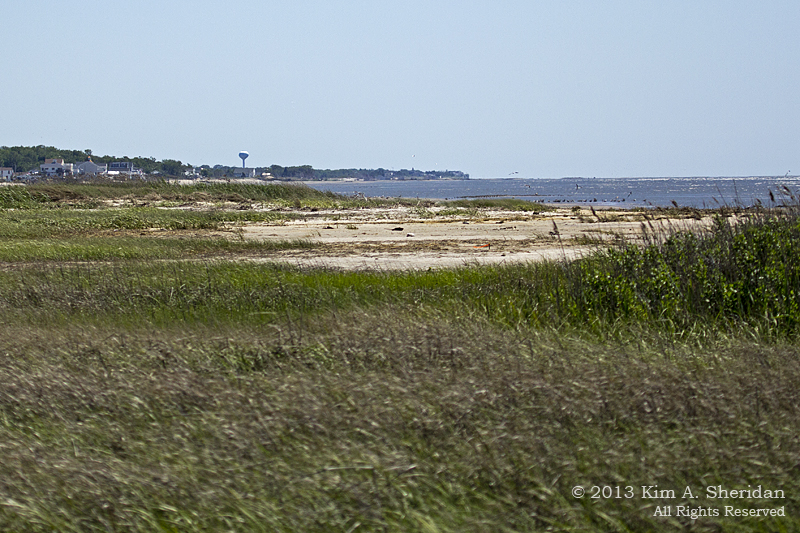
Barnegat Landscape_0163 ACSThe challenge is getting to them! To get close you have to walk out on the stone jetty, which can be dangerous when it’s wet or icy. People have been known to fall between the rocks and get stuck.

Barnegat Landscape_0880 ACS The day of our visit was sunny, cold and very windy. Fortunately the jetty was dry, and we walked the whole length of it. The ducks were very close in, I saw 6 new bird species, and it was a great photo day for me and my new zoom lens.

All of these birds were new species for me.

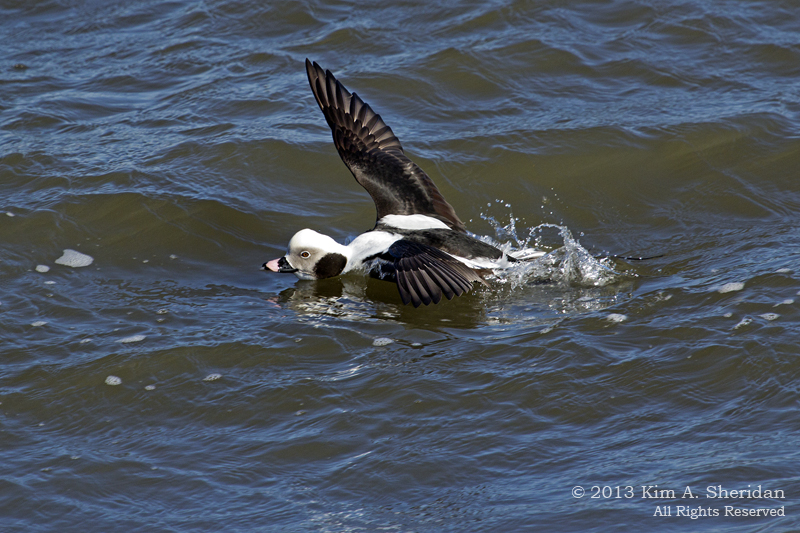
Barnegat Longtail_0402 ACSLong-tailed Duck

Barnegat Longtail_0266 ACS Long-tailed Duck with an itch, and demonstrating a perfect belly-flop.Barnegat Longtail_0381 ACS

Barnegat Merganser_0241 ACS Red-breasted Merganser, well-coifed, and on a bad hair dayBarnegat Merganser_0499 ACS

Barnegat Loon_0924 ACSCommon Loon – my first view of Loons. They were silent though. So I didn’t hear their signature eerie calls.Barnegat Loon_0331 ACS

Barnegat People Colleen_0826 ACS What the well-dressed photographer wears at Barnegat Inlet. Double mufflers! Colleen, trying to keep warm.

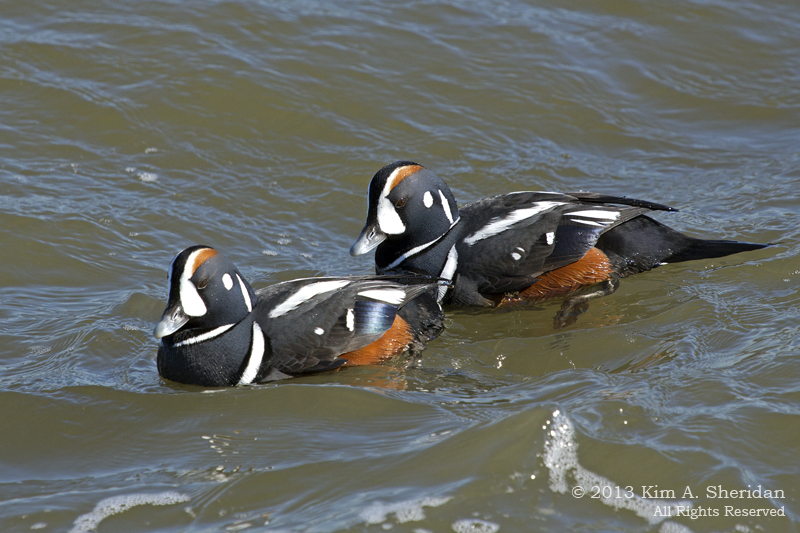
Barnegat Harlequin_0599 ACSThe stars of the Barnegat Show are the Harlequin Ducks. The colors of the males’ plumage are amazing. They were out at the end of the jetty, so we had to walk a long way to see them. Hopping from large boulder to large boulder was slow and tiring. The payoff was worth it, though!

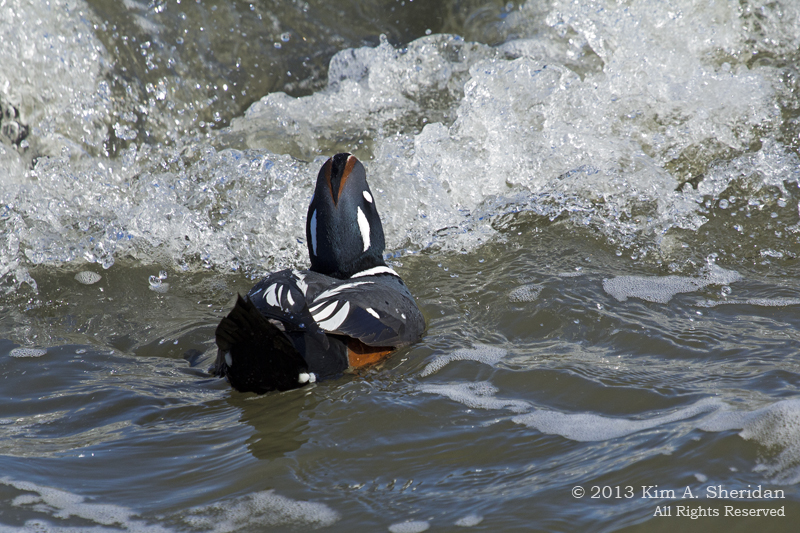
Barnegat Harlequin_0745 ACS Harlequins like the surf rough, and had no difficulty standing up to the waves, even if it meant getting a face full of water. Cold water.

Barnegat Harlequin_0628 ACS

Coming up: More Winter Birds

Ready or Knot

1 Fortescue Birds_9899 acs Pan 2Ah, Memorial Day Weekend at the Jersey Shore. Sun, sand and surf. Arcades, shops and amusements on the Boardwalk. Saltwater taffy and crab fries. Traffic and crowds. Dowitchers, Turnstones and Knots… Wait – what?

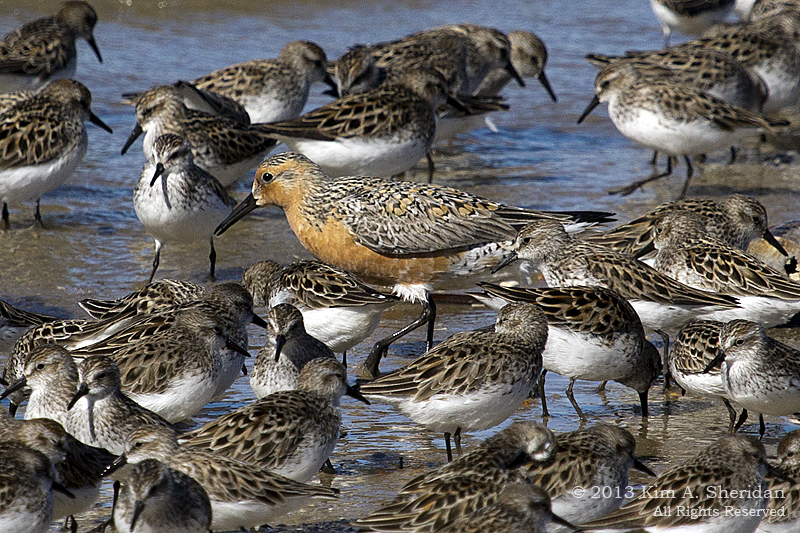
4 Cooks Beach_0437 aWelcome to the OTHER Jersey Shore – the length of coast that runs along the Delaware Bay. While humans are basking in the sun oceanside, another drama is unfolding bayside. The players: Horseshoe Crabs, and tens of thousands of migrating shorebirds. Many species use the area as a stopover, but none are more representative of the journey and hardships they must face than the Red Knot. (below, with smaller Semipalmated Sandpipers)

1 Fortescue Red Knot_9878 aRed Knots are Robin-sized shorebirds that winter at one end of the world and breed at the other. They make the 9300 mile journey in two hops, flying NON-STOP from their wintering grounds in Tierra Del Fuego to the shores of Delaware Bay. They arrive famished and emaciated, with only one thing on their mind – FOOD. Before they can continue their journey to the Canadian Arctic, they must double their weight. They need LOTS of easily available nutritious food. That’s where the Horseshoe Crabs come in.

7 Reeds Beach Crabs_0651 aMay is the start of Horseshoe Crab spawning season, and thousands come ashore at night to lay their eggs. These little greenish balls of energy provide the nutrition Red Knots and other Shorebirds need to refuel. Look closely, and you will see the eggs at the feet of this Sandpiper.1 Fortescue Eggs_9987 a

Thousands upon thousands of birds flock to the Bayshore every May and early June for the feast. And flocks of birdwatchers follow them. Better bring a spotting scope or a long lens though! Each spring the beaches are closed for a month or more to allow Red Knots and other migrating Shorebirds to rest and refuel in relative peace. So getting close is not an option.

CONSERVATION PIECE: As recently as the 1980s, there were nearly 2 million Horseshoe Crabs in Delaware Bay, and 150,000 Red Knots traveling through the area. Then the Crabs were overfished for whelk and eel bait, and their numbers plummeted to an estimated 200,000 today. Red Knot numbers crashed with them, to 15,000. Knots are now an endangered species in New Jersey, and a moratorium on Horseshoe Crab fishing there was enacted in 2008. The passage of Superstorm Sandy last fall further imperiled these animals, as nearly 70% of Horseshoe Crab habitat was lost. Efforts were made to clean up and rebuild the beaches, but only time will tell what effect those efforts had.

Here are some of the other birds feasting at the Shore.1 Fortescue Dunlin Dowitcher_9870 aAbove: Short-billed Dowitcher and Dunlin.

Below, clockwise from top left: Ruddy Turnstone, Killdeer, Sandpipers in flight, Willet with lunch.Collage

FUN FACT: Horseshoe Crabs are not crabs at all, but marine arthropods closely related to spiders and scorpions! They are so ancient – they’ve been around over 450 million years – they are considered a living fossil. And they have blue blood! That’s due to the copper content in the hemocyanin in their blood that carries oxygen. Not quite the prototypical High Society “blue-blood”.

Here’s a typical Memorial Day crowd at the Shore. This Red Knot is no doubt wondering where he can get some peace and quiet.1 Fortescue Red Knot_9864 a

Coming up: Driven To Abstraction

Cape May Potpourri

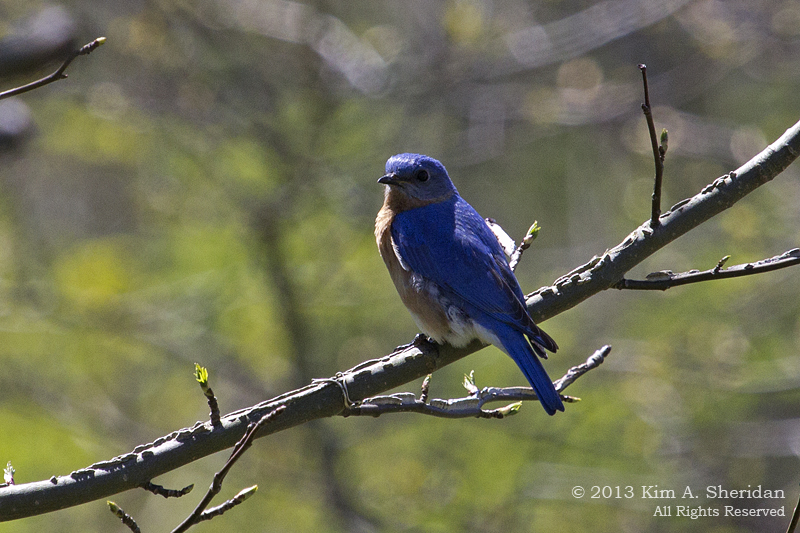
CM Point SP Bluebird_9640 aEarly in May, a friend and I went to Cape May in search of migrating warblers. First stop: Cape May Point State Park. Surprisingly, we had no luck in the warbler department, although we got this obliging Eastern Bluebird to pose for us.

CM Higbee Beach Towhee_9902 aCM Higbee Beach_9823 a

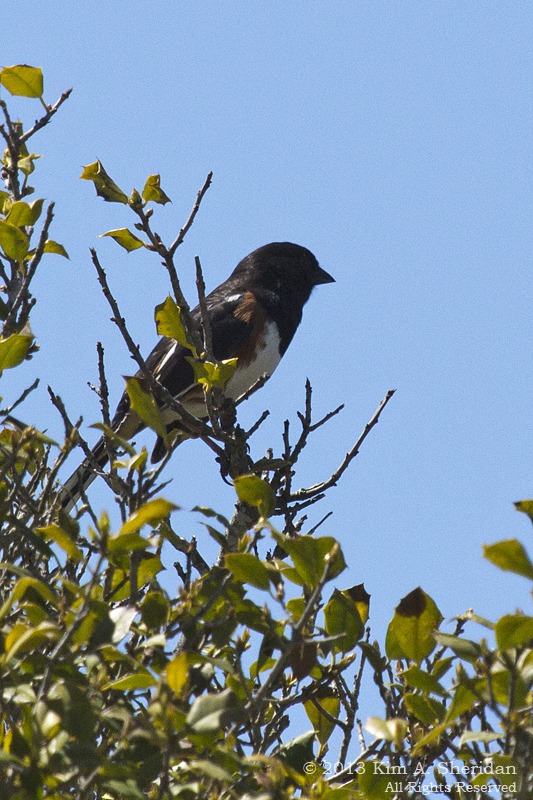
Our next stop was Higbee Beach WMA, along the Delaware Bayshore. This is a wonderfully confusing tangle of woods, meadows, dune scrub and beach. We got lost at least twice. It was worth it though, as we did find the warblers we’d been seeking, as well as this Eastern Towhee (above). Flowering trees drew swarms of bees, but I was more bothered by the jumbo mosquitos. Some of them were bigger than the birds!

CM Thompsons Beach Rail_0160 comboNext up: Thompson’s Beach, further north along Delaware Bay. Our sole purpose here was to see the elusive Clapper Rail. We searched first from the observation deck at the end of the road, then took a long walk out to the beach and back. For the duration of our trek we could hear the constant laughing call of the bird, but we didn’t spot a single Rail. Finally back at the deck we saw one, who gave us a good look while he was preening. Imagine my joy when my camera suddenly declared “Card Full”… Fortunately I came away with one good shot. Here you can see why they’re so hard to find (above). Not only do they blend in so well, they are usually are deep in the grass.

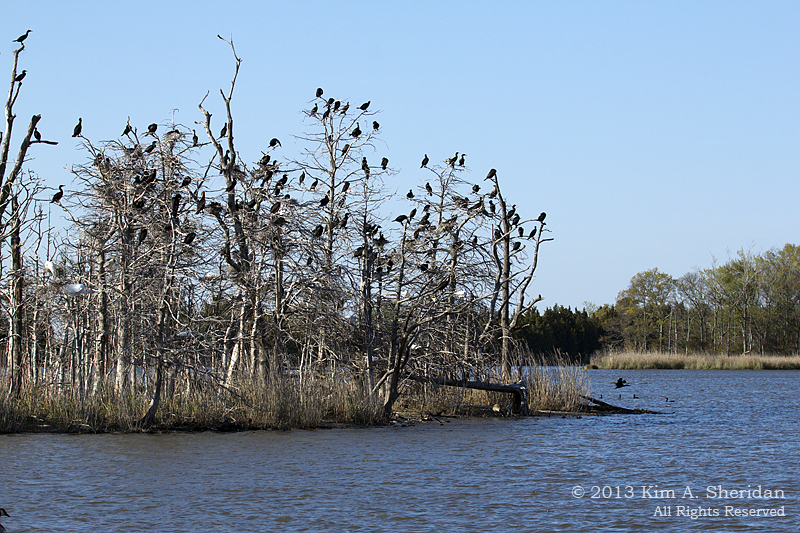
CM Matts Landing Rookery_3189Our last port-of-call was Matt’s Landing Road at Heislerville WMA. There’s an island there covered with trees – and Cormorants. And Egrets. And Herons… Basically it’s a rookery, a place for birds to roost and nest. I was happy not to be too close – I can only imagine the smell. CM Matts Landing Night Heron_3291 acsOn the drive around the impoundment we spotted this Black-crowned Night Heron (above) in a tree, and a Snowy Egret in the wonderful evening light. CM Matts Landing_3339 Egret a

FUN FACT: The male Eastern Bluebird chooses the nest site, in tree cavities or nest boxes. He entices the female to nest there by displaying and carrying nesting material in and out of the hole. That’s it! The rest is up to her – building the nest, and incubating the eggs. She keeps him around though, as pair bonds last for several seasons. A male will defend his nest sites against any bird he considers a threat, so maybe he’s good for something after all!CM Point SP Bluebird_9657 a

Coming soon: Ready or Knot

Jersey Shore-Birds

Forsythe NWR Egret_0194 a

Forsythe NWR

I was lucky enough to make two trips to the Jersey Shore in one spring week. The first was to Edwin B. Forsythe NWR near Atlantic City, a 47,000 acre refuge spread along the marshes of the Jersey Shore. While driving the 8 mile Wildlife Drive loop, we got to see a lot of cool birds. Luckily for me, I was accompanied by several veteran birders, since I needed all the help I could get identifying a number of bird species. I had two life birds in the first ten minutes and ended the day with seven. Above is a Great Egret, definitely not a life bird for me, but one I love watching.

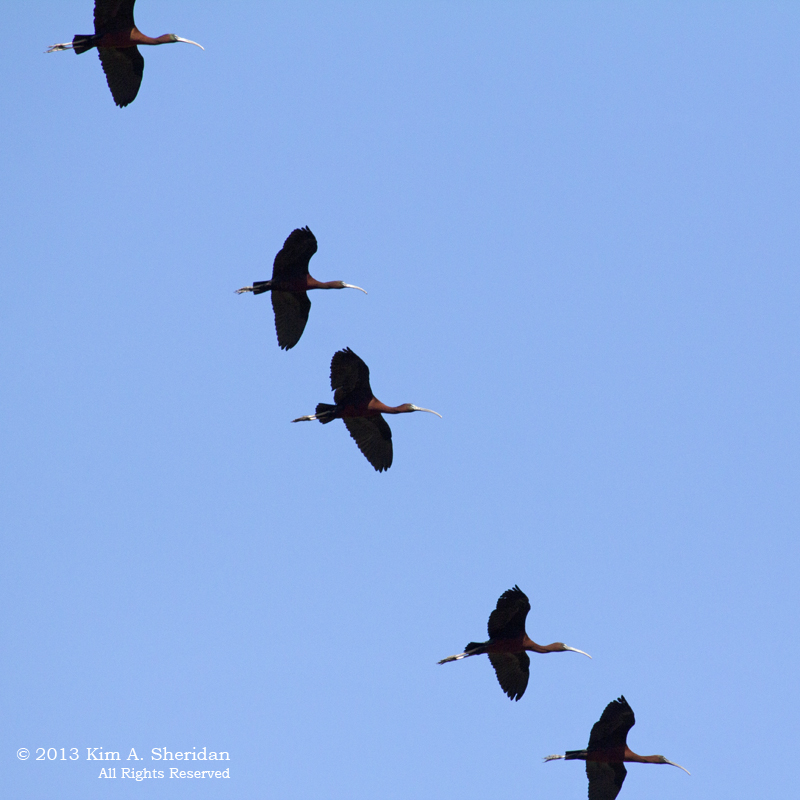
Forsythe NWR Ibis_9770 aHere’s a flock of Glossy Ibis flying overhead. I barely got a look at them, but was assured we would see more. We didn’t. Promises, promises.

Forsythe NWR Terns_0182 a

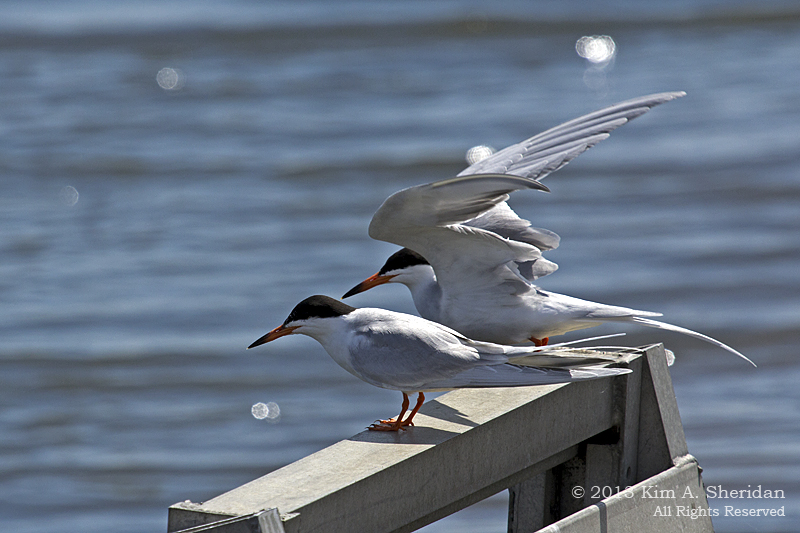
FUN FACT: Common Terns (above) drink saltwater (yuck!) by flying above the water’s surface and dipping their beaks into the water. Grab and go – no leisurely time on the veranda sipping iced tea for them!

Forsythe NWR Egret_9980 acsSnowy Egret landing. There’s a move in tai chi that looks like this!

CM Thompsons Beach Laughing Gull_0031 acsCape May

Later that week a friend and I went to four different places in the Cape May area. Again, lots of shorebirds. Like this Laughing Gull.

CM Thompsons Beach Willet_0120 acsWillet, landing. Before I saw them fly, they looked like every other mid-sized sandpiper. Then I saw this beautiful white wing patch, and suddenly I’m a Willet expert. As long as they’re not on the ground!

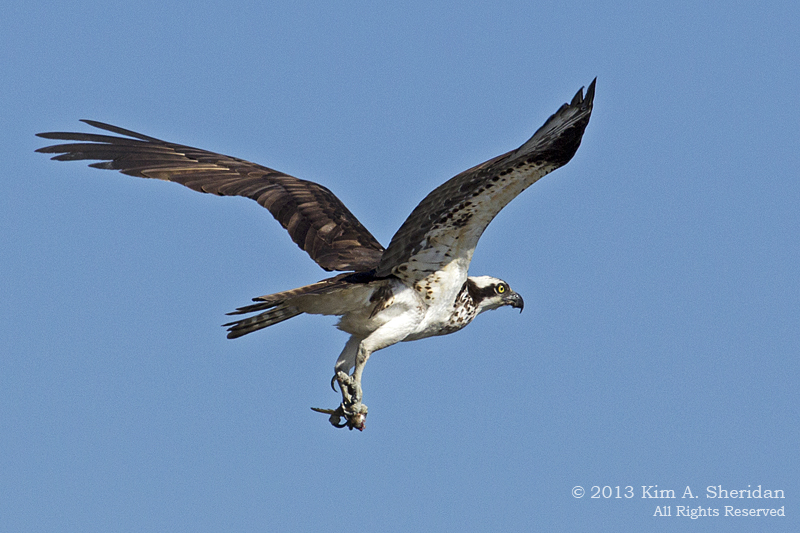
CM Thompsons Osprey_0086 acs2FUN FACT: Osprey (above) – and Osprey nests – are numerous at the Shore. Ospreys used to nest in dead trees. As these have become scarce, they are happy to build their stick nests on man-made structures, including telephone poles, channel markers and the platforms we humans have put up for them. They have a reversible toe on each foot that helps them better grasp fish. A migratory bird, they may fly more than 150,000 miles in their lives. That’s a lot of frequent flier miles!

On a personal note, I recently became a published photographer for the first time when a spread of my Heinz NWR photos was featured in Phactum, a publication of the Philadelphia Association for Critical Thinking. If you’re interested, you can access it at the link below.

http://www.phact.org/data/phactums/Phactum%202013-05.pdf