Driven To Abstraction

05_4H_5049 ACS PrintABSTRACT (ab-strakt)  def 6. Having an intellectual and affective artistic content that depends solely on intrinsic form rather than on narrative content or pictorial representation. (http://education.yahoo.com/reference/dictionary/entry/abstract)

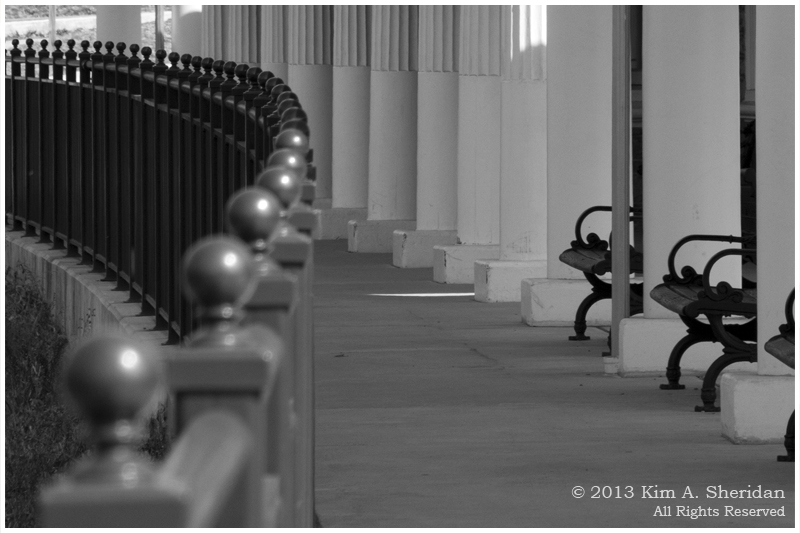
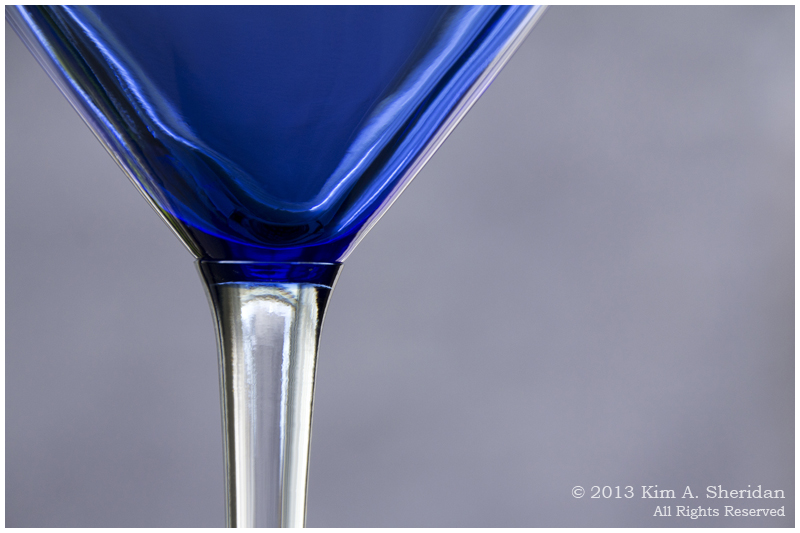
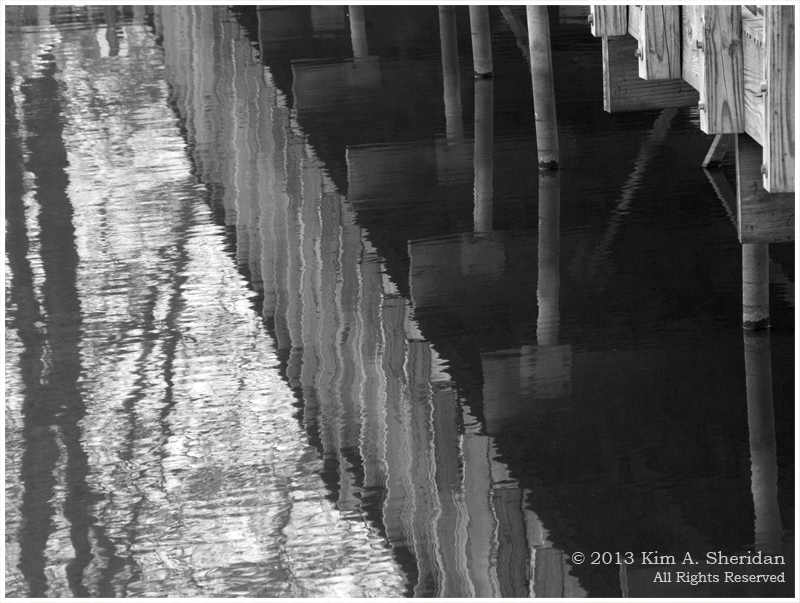
11_4H_7974 ACS PrintIn hopes of opening my eyes to different ways of seeing and picturing the world, I took a course in abstract photography last spring. We learned to express ourselves through the use of geometry, negative space, altered viewpoint, perspective, repetition, and reflection. It was my first time working (almost) exclusively in black and white, a medium I am not naturally drawn to. Here are some of my images from class.05_3D_ 4120 ACS Print 02_3D_ 4067 ACS Print Circle_3522 AS Orig 2d Assgn 1_3841 copy ACS Print

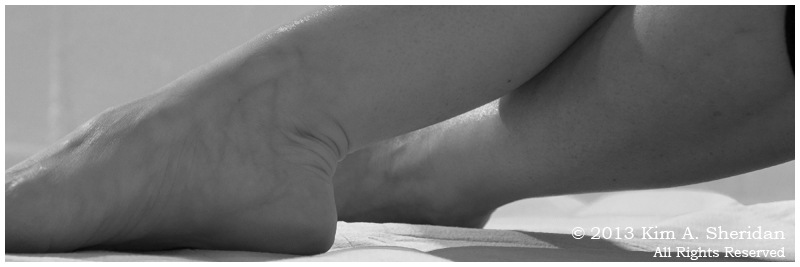
01_4H_5121 ACS PrintThe final lesson was in abstracting the human body, which was daunting but turned out to be a lot of fun, for both photographer and model. It also turned into a meditation on feet!

Man-made objects seem to lend themselves to abstraction very well. I continue to find it very difficult to create abstract images from nature. Doesn’t mean I won’t keep trying, though!

The course was challenging and very rewarding. I’m looking to continue applying these principles as I continue in my photography.


03_3D_ 4820 ACS Print

Note: This is the start of a new side Gallery, which I hope to add to from time to time.

Coming up: Hot and Bothered

Ready or Knot

1 Fortescue Birds_9899 acs Pan 2Ah, Memorial Day Weekend at the Jersey Shore. Sun, sand and surf. Arcades, shops and amusements on the Boardwalk. Saltwater taffy and crab fries. Traffic and crowds. Dowitchers, Turnstones and Knots… Wait – what?

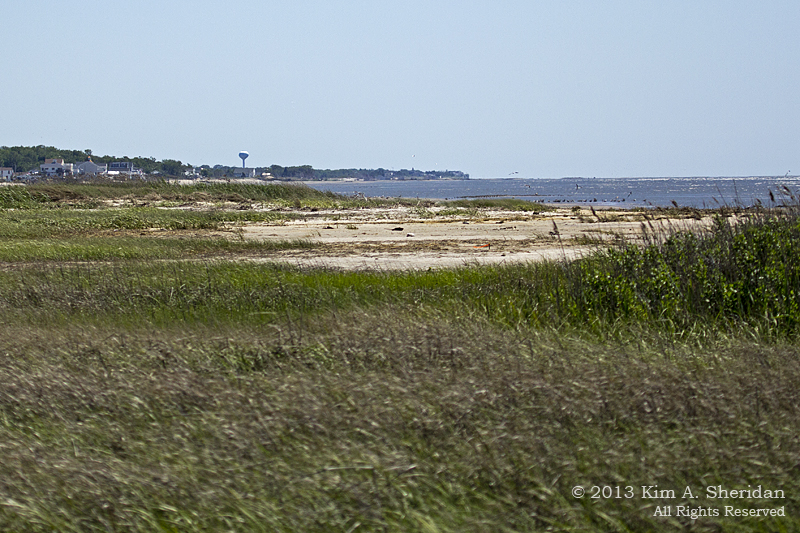
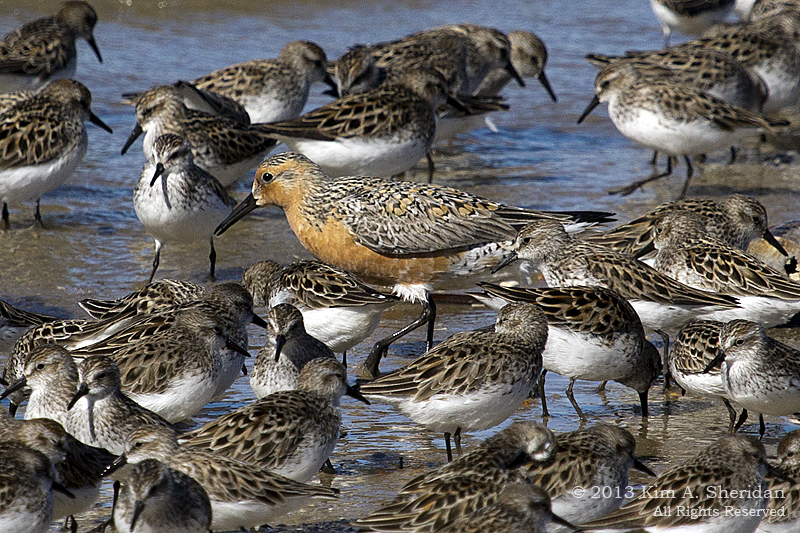
4 Cooks Beach_0437 aWelcome to the OTHER Jersey Shore – the length of coast that runs along the Delaware Bay. While humans are basking in the sun oceanside, another drama is unfolding bayside. The players: Horseshoe Crabs, and tens of thousands of migrating shorebirds. Many species use the area as a stopover, but none are more representative of the journey and hardships they must face than the Red Knot. (below, with smaller Semipalmated Sandpipers)
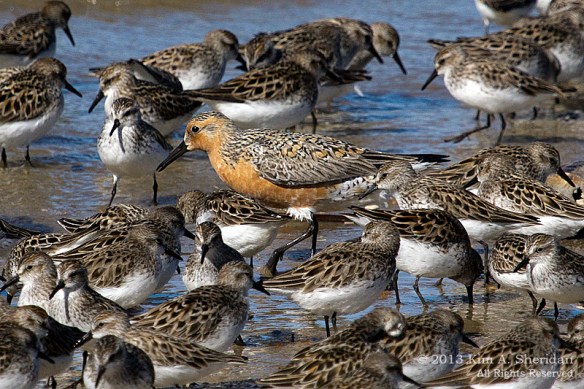
1 Fortescue Red Knot_9878 aRed Knots are Robin-sized shorebirds that winter at one end of the world and breed at the other. They make the 9300 mile journey in two hops, flying NON-STOP from their wintering grounds in Tierra Del Fuego to the shores of Delaware Bay. They arrive famished and emaciated, with only one thing on their mind – FOOD. Before they can continue their journey to the Canadian Arctic, they must double their weight. They need LOTS of easily available nutritious food. That’s where the Horseshoe Crabs come in.

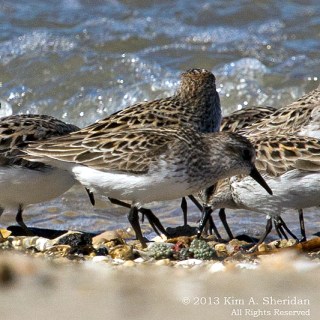
7 Reeds Beach Crabs_0651 aMay is the start of Horseshoe Crab spawning season, and thousands come ashore at night to lay their eggs. These little greenish balls of energy provide the nutrition Red Knots and other Shorebirds need to refuel. Look closely, and you will see the eggs at the feet of this Sandpiper.1 Fortescue Eggs_9987 a
Thousands upon thousands of birds flock to the Bayshore every May and early June for the feast. And flocks of birdwatchers follow them. Better bring a spotting scope or a long lens though! Each spring the beaches are closed for a month or more to allow Red Knots and other migrating Shorebirds to rest and refuel in relative peace. So getting close is not an option.

CONSERVATION PIECE: As recently as the 1980s, there were nearly 2 million Horseshoe Crabs in Delaware Bay, and 150,000 Red Knots traveling through the area. Then the Crabs were overfished for whelk and eel bait, and their numbers plummeted to an estimated 200,000 today. Red Knot numbers crashed with them, to 15,000. Knots are now an endangered species in New Jersey, and a moratorium on Horseshoe Crab fishing there was enacted in 2008. The passage of Superstorm Sandy last fall further imperiled these animals, as nearly 70% of Horseshoe Crab habitat was lost. Efforts were made to clean up and rebuild the beaches, but only time will tell what effect those efforts had.

Here are some of the other birds feasting at the Shore.1 Fortescue Dunlin Dowitcher_9870 aAbove: Short-billed Dowitcher and Dunlin.

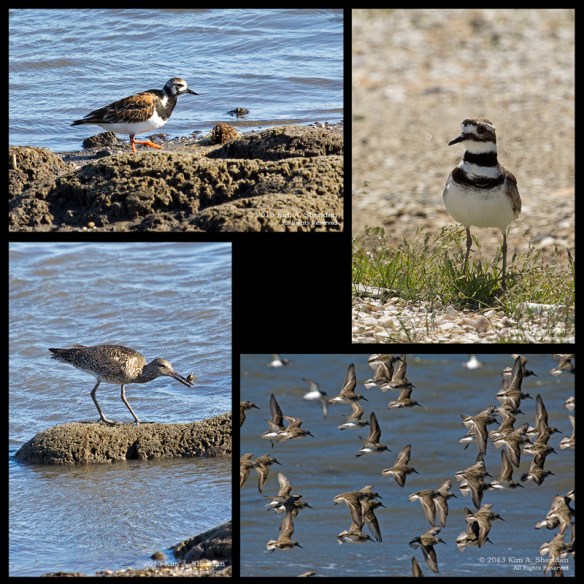
Below, clockwise from top left: Ruddy Turnstone, Killdeer, Sandpipers in flight, Willet with lunch.Collage
FUN FACT: Horseshoe Crabs are not crabs at all, but marine arthropods closely related to spiders and scorpions! They are so ancient – they’ve been around over 450 million years – they are considered a living fossil. And they have blue blood! That’s due to the copper content in the hemocyanin in their blood that carries oxygen. Not quite the prototypical High Society “blue-blood”.

Here’s a typical Memorial Day crowd at the Shore. This Red Knot is no doubt wondering where he can get some peace and quiet.1 Fortescue Red Knot_9864 a

Coming up: Driven To Abstraction

Cape May Potpourri

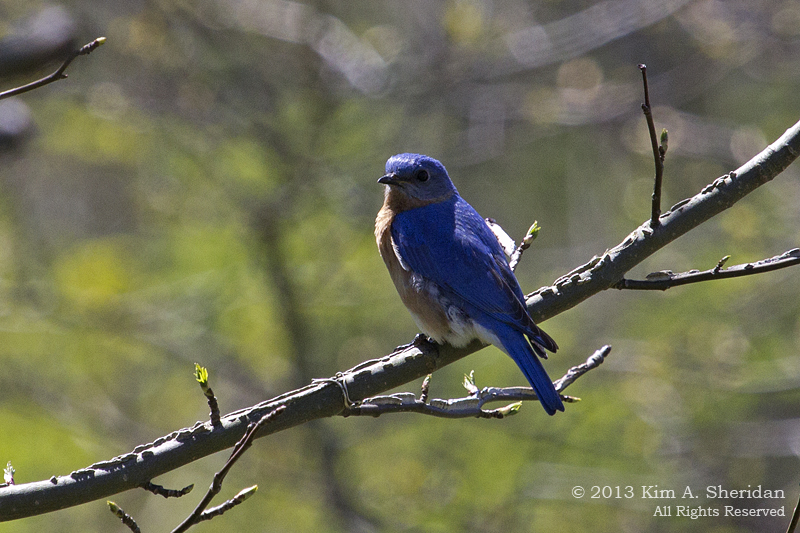
CM Point SP Bluebird_9640 aEarly in May, a friend and I went to Cape May in search of migrating warblers. First stop: Cape May Point State Park. Surprisingly, we had no luck in the warbler department, although we got this obliging Eastern Bluebird to pose for us.

CM Higbee Beach Towhee_9902 aCM Higbee Beach_9823 a

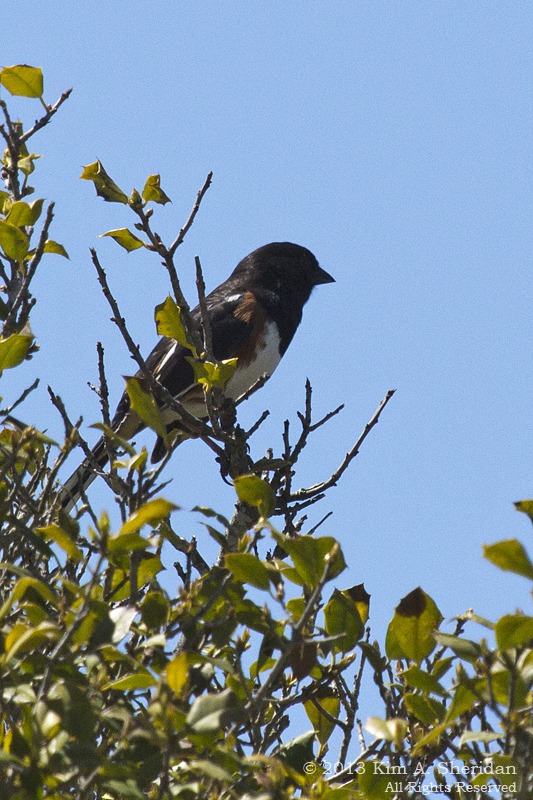
Our next stop was Higbee Beach WMA, along the Delaware Bayshore. This is a wonderfully confusing tangle of woods, meadows, dune scrub and beach. We got lost at least twice. It was worth it though, as we did find the warblers we’d been seeking, as well as this Eastern Towhee (above). Flowering trees drew swarms of bees, but I was more bothered by the jumbo mosquitos. Some of them were bigger than the birds!

CM Thompsons Beach Rail_0160 comboNext up: Thompson’s Beach, further north along Delaware Bay. Our sole purpose here was to see the elusive Clapper Rail. We searched first from the observation deck at the end of the road, then took a long walk out to the beach and back. For the duration of our trek we could hear the constant laughing call of the bird, but we didn’t spot a single Rail. Finally back at the deck we saw one, who gave us a good look while he was preening. Imagine my joy when my camera suddenly declared “Card Full”… Fortunately I came away with one good shot. Here you can see why they’re so hard to find (above). Not only do they blend in so well, they are usually are deep in the grass.

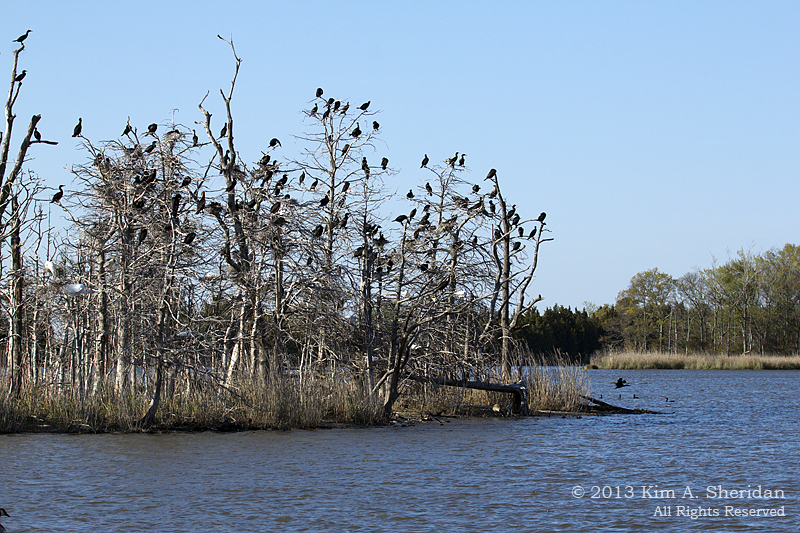
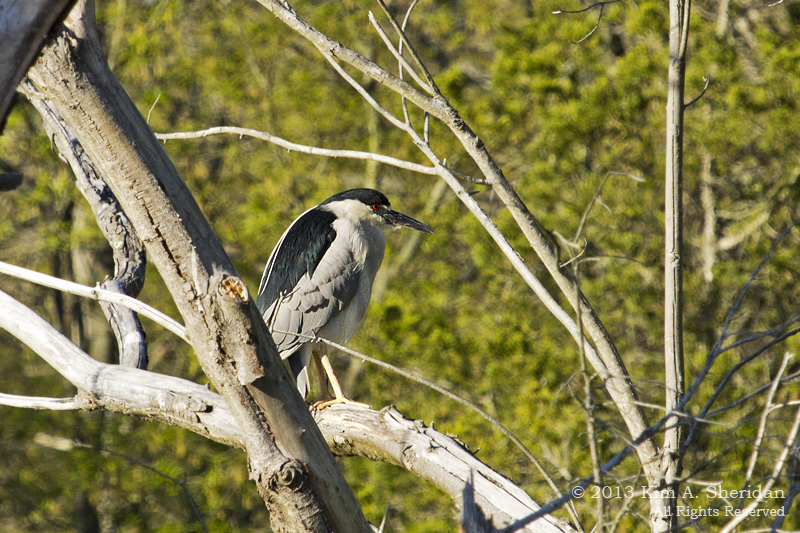
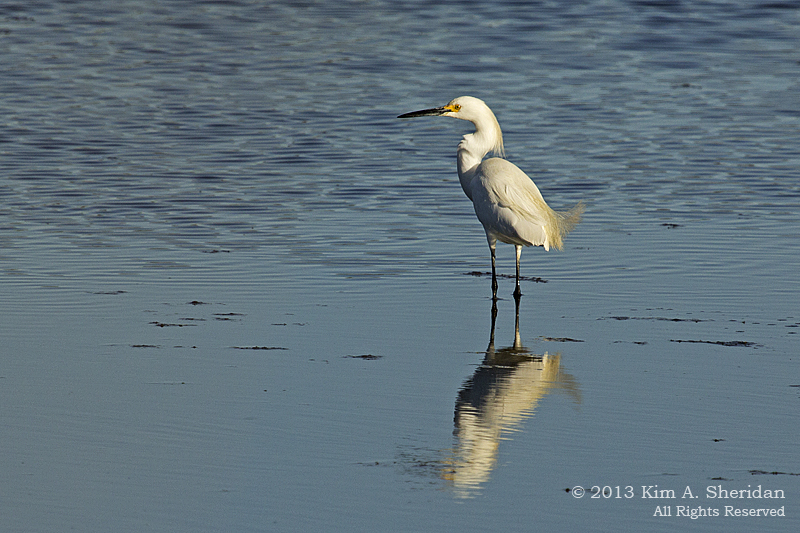
CM Matts Landing Rookery_3189Our last port-of-call was Matt’s Landing Road at Heislerville WMA. There’s an island there covered with trees – and Cormorants. And Egrets. And Herons… Basically it’s a rookery, a place for birds to roost and nest. I was happy not to be too close – I can only imagine the smell. CM Matts Landing Night Heron_3291 acsOn the drive around the impoundment we spotted this Black-crowned Night Heron (above) in a tree, and a Snowy Egret in the wonderful evening light. CM Matts Landing_3339 Egret a

FUN FACT: The male Eastern Bluebird chooses the nest site, in tree cavities or nest boxes. He entices the female to nest there by displaying and carrying nesting material in and out of the hole. That’s it! The rest is up to her – building the nest, and incubating the eggs. She keeps him around though, as pair bonds last for several seasons. A male will defend his nest sites against any bird he considers a threat, so maybe he’s good for something after all!CM Point SP Bluebird_9657 a

Coming soon: Ready or Knot

Mating Dance

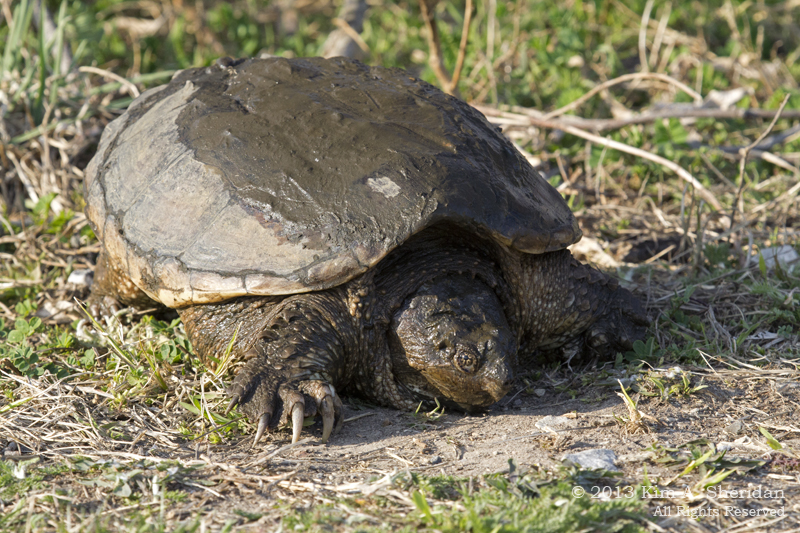
Caution: Contains mild “adult” material. Use your own judgement when sharing with the kiddos. HNWR Snapper_6644 ASSpring is the time for babies. It’s also the time for making babies. Looks are no impediment, even for a creature as prehistoric-looking as this Snapping Turtle. My first day on the Eagle Watch at Heinz NWR we arrived to find a pair of Snappers mating in the impoundment right in front of us. The entertainment went on for over an hour. Mating for Snappers involves a lot of biting, and the female is submerged for much of the time. Better her than me!Image

At one point another Snapper swam over to see if he could get in on the action, but he left disappointed. You know what they say – two’s company, three’s a crowd!Image

FUN FACT: Snappers mate any time from March to November, but the nesting period is only a few weeks. Once they’ve mated, the male’s sperm can remain viable in the female’s body for up to several years. They will usually lay 25 to 50 eggs, which will hatch in two to three months. Snappers spend most of their lives in the water, in deep pools or buried in the mud of shallow ponds. On land they can be fierce when threatened, but are downright docile in the water.

HNWR Carp_8160Also on the Dance Card:

On another warm and sunny day, the carp came out to spawn, thrashing and circling each other in the shallows. Carp lay hundreds of thousands of eggs, which hatch in a few days with no further parental care. They are actually members of the Minnow family.

HNWR Carp_8166 A

And that’s the end of this tale!HNWR Snapper_6657 a


How ‘Bout Those Eagles?

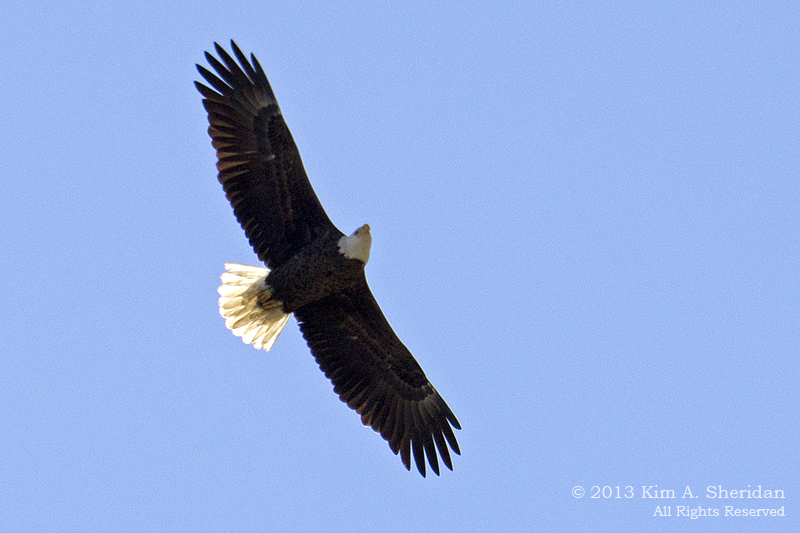
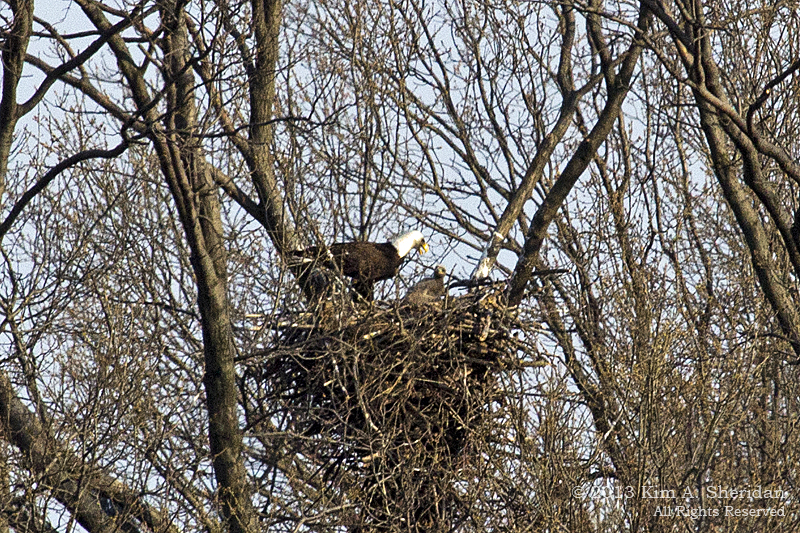
HNWR Eagle_7647 ABabies are already growing up at Heinz Refuge. Our stars are the two Bald Eagle chicks, now about ten weeks old. This is Mom, above. Male and female Bald Eagles look alike, so how do I know that’s Mom? Dad, in flight below, wears a fashionable green leg band, while the female is not banded.3 HNWR Eagle_5559 The adult Eagles have nested here for four years now. Each year they use the same stick nest, adding on to it every season.HNWR Eagle_8788 AEggs were laid in February, and two eaglets hatched around March 13th. At first they were too small to be seen over the top of the nest, but it wasn’t long before we were catching glimpses of them. At two and a half weeks old, one chick is barely visible at the right, looking like a fuzzy Q-tip. Photographing them is a challenge due to lighting and distance.  This is what I call documentary photography, rather than art. (Click each image for a larger view.)HNWR Eagle_5605 A copy HNWR Eagle_6667A

At four weeks, (above) the eaglets still had their baby down; by six weeks (below) they had grown a full set of dark feathers, albeit somewhat ragged. They were also standing on the edge of the nest and flapping their wings to strengthen them. HNWR Eagle_8734 ABy this time we noticed that one chick was smaller than the other. This is not unusual; they were probably born a day or two apart, and the older chick simply out-competed his younger sibling for food. Here an adult flies in with nesting material, while one of the chicks clamors for food. A parent’s work is never done! HNWR Eagle_8801 ABy eight weeks old (below), both eaglets were nearly the size of their parents, actively flapping their wings and jumping into the air. As of today, they are about ten weeks old. The smaller chick is growing well, and they both seem to be thriving. We expect them to fledge – leave the nest and start flying – sometime in early June. They sure look like they’re ready to go now, though! Before they leave for good, they will start moving out of the nest to branches nearby for a time.HNWR Eagle_4230 aOnce they can fly, the eaglets will remain in the area for a while longer, still being fed by the parents, while they learn to hunt for themselves. When they are fully independent in the fall, they will leave the area in search of territories of their own. After all, this territory is spoken for! It won’t be until they are four years old that they will have the full adult Bald Eagle plumage, with the distinctive white head and tail. And next year their parents will return to start the cycle anew.HNWR Eagle_5746 ACONSERVATION PIECE: As recently as thirty years ago, there were only three nesting pairs of Bald Eagles in Pennsylvania. The birds weren’t faring better anywhere else, thanks to loss of habitat and the devastating effects of DDT. Now there are over 200 nests in Pennsylvania, three in Philadelphia alone, including ours at Heinz. These beautiful symbols of our country are making quite a comeback.
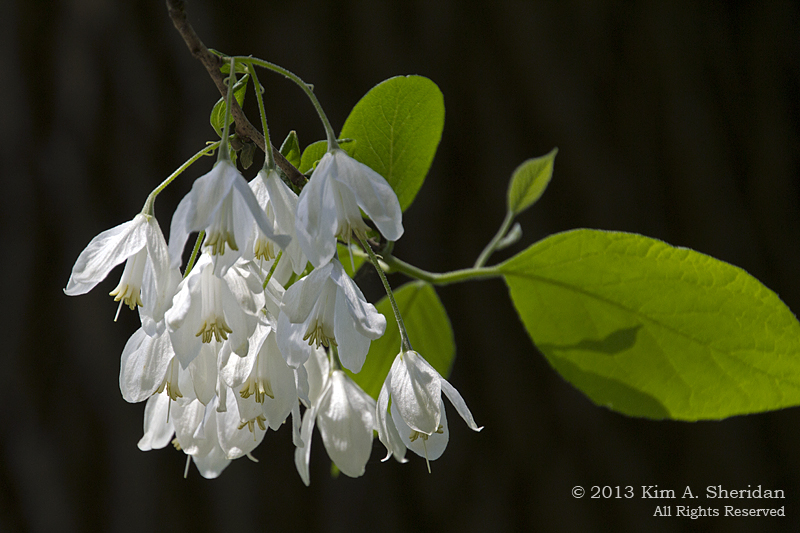
The Buds and the Bees

HNWR Crabapple with Bee_9593 a

Ha! You thought I would say “The Birds and the Bees”, didn’t you? Believe it or not, I do take photos of things besides birds. Herewith, a sampler of Spring Flowers and their Friends.

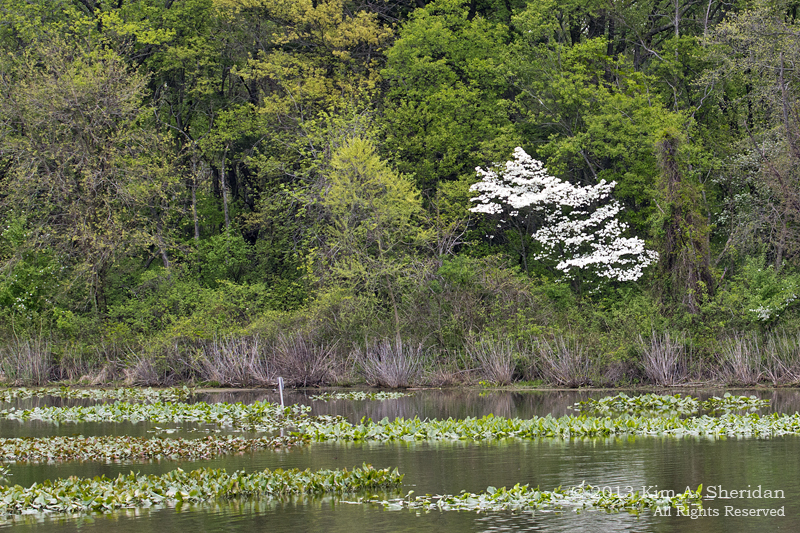
HNWR Dogwood_0569 acsHNWR Crabapple_9468HNWR Yellow Iris_9488 a Dogwood, Yellow Iris and Crabapple blossoms at Heinz NWR. Of all the flowering trees, I think I like the Crabapples the best. What’s missing from these photos is the wonderful aroma that wafts over you as you pass near them.

Macro Flower_3432 aA simple Dandelion in my yard, when I was playing with my macro set-up. I should have picked it long before it got to this point, but then I wouldn’t have been able to take its picture. Oh, well, more dandelions for me to photograph in the future!

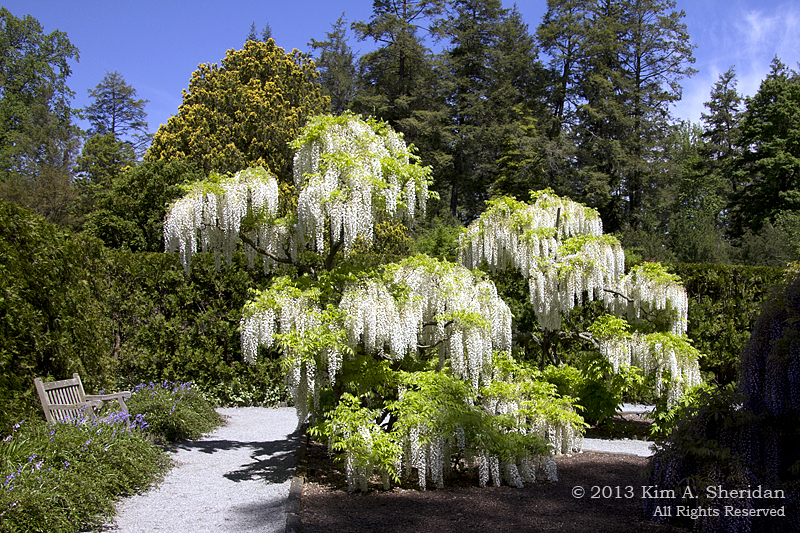
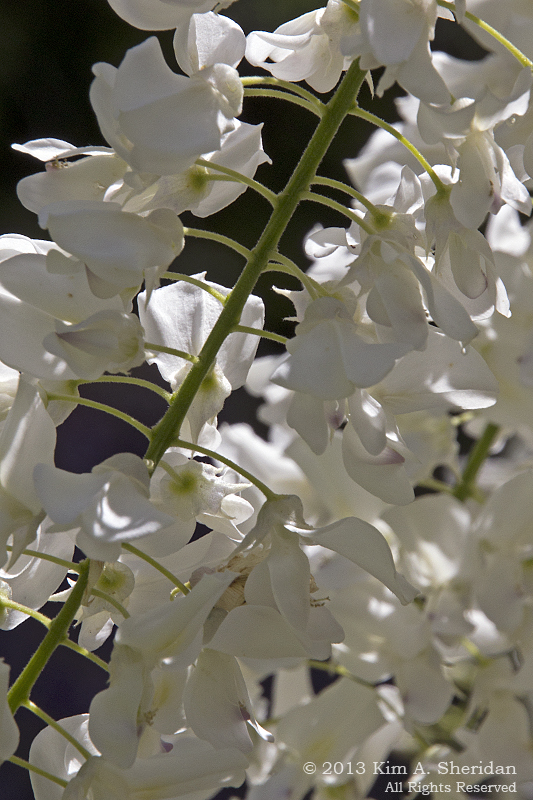
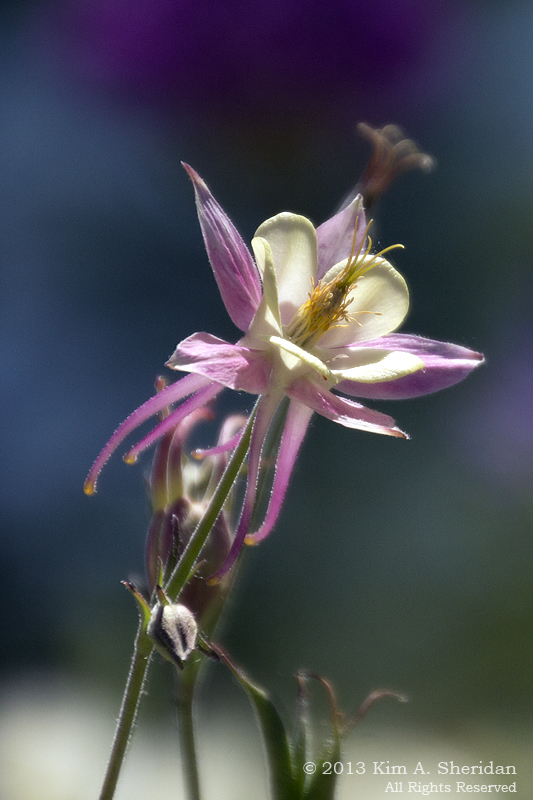
Longwood_9329One day we went to Longwood Gardens. These are just some of the wonderful blooms we saw. And no, I don’t know all their names.

Longwood_9402 Longwood_9342  Longwood_9319Longwood_9294

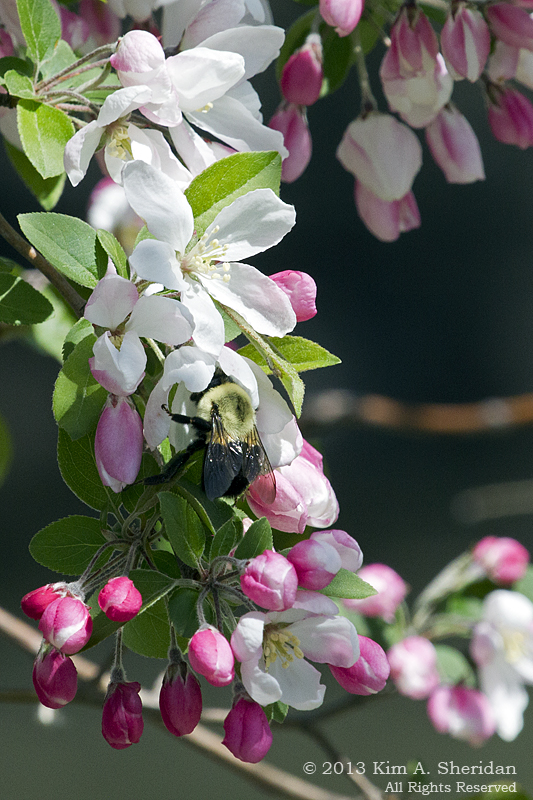
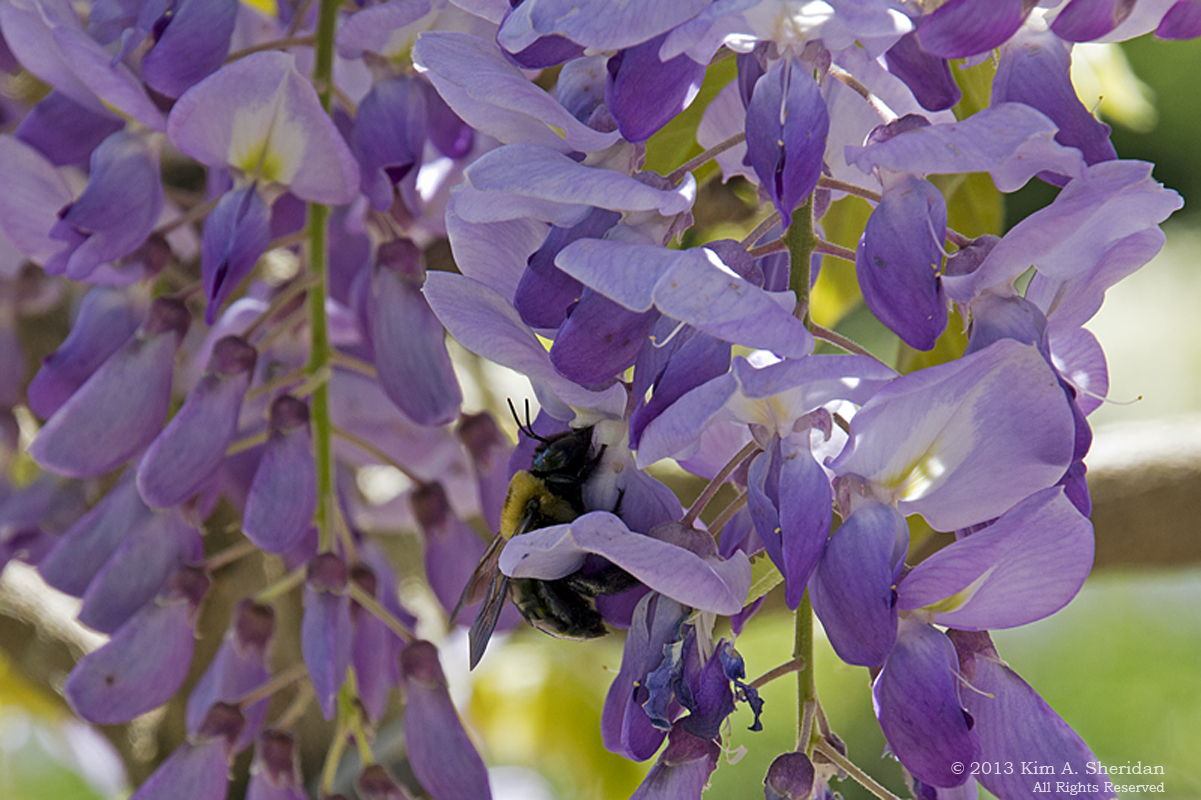
HNWR Crabapple with Bee_9584 aFlowers need pollinators to reproduce, and here are a few busily at work in Crabapple and Wisteria.


Longwood Bee_9257

It’s not at all unusual for me to get photos of the back end of critters. I guess you could say I’m often a little bee-hind.

FUN FACT: There are nearly 4,000 species of native bees in North America, at least 50 of which are bumblebees. This does NOT include the honeybees, which are non-native, having been imported from other parts of the world for pollination and honey production. One way bumblebees extract pollen is by a process called “buzz pollination.” The familiar buzzing of bumblebees is produced by the vibration of flight muscles, which in turn shakes the pollen out of the flowers. Pretty clever.Longwood Bee_9262 a


Jersey Shore-Birds

Forsythe NWR Egret_0194 a

Forsythe NWR

I was lucky enough to make two trips to the Jersey Shore in one spring week. The first was to Edwin B. Forsythe NWR near Atlantic City, a 47,000 acre refuge spread along the marshes of the Jersey Shore. While driving the 8 mile Wildlife Drive loop, we got to see a lot of cool birds. Luckily for me, I was accompanied by several veteran birders, since I needed all the help I could get identifying a number of bird species. I had two life birds in the first ten minutes and ended the day with seven. Above is a Great Egret, definitely not a life bird for me, but one I love watching.

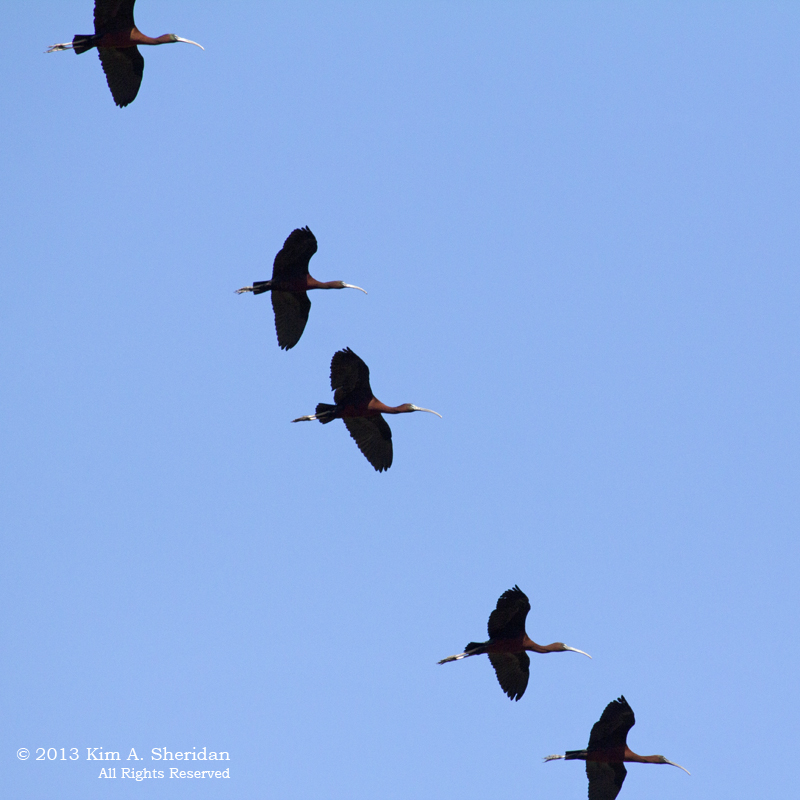
Forsythe NWR Ibis_9770 aHere’s a flock of Glossy Ibis flying overhead. I barely got a look at them, but was assured we would see more. We didn’t. Promises, promises.

Forsythe NWR Terns_0182 a

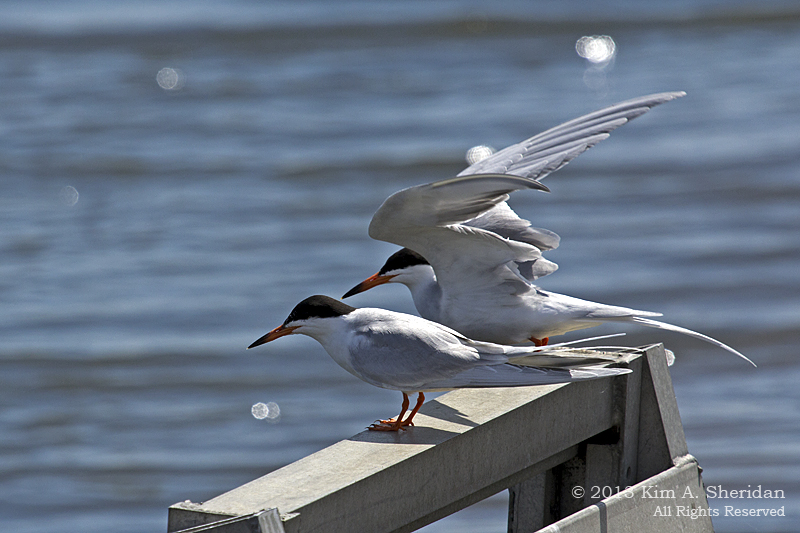
FUN FACT: Common Terns (above) drink saltwater (yuck!) by flying above the water’s surface and dipping their beaks into the water. Grab and go – no leisurely time on the veranda sipping iced tea for them!

Forsythe NWR Egret_9980 acsSnowy Egret landing. There’s a move in tai chi that looks like this!

CM Thompsons Beach Laughing Gull_0031 acsCape May

Later that week a friend and I went to four different places in the Cape May area. Again, lots of shorebirds. Like this Laughing Gull.

CM Thompsons Beach Willet_0120 acsWillet, landing. Before I saw them fly, they looked like every other mid-sized sandpiper. Then I saw this beautiful white wing patch, and suddenly I’m a Willet expert. As long as they’re not on the ground!

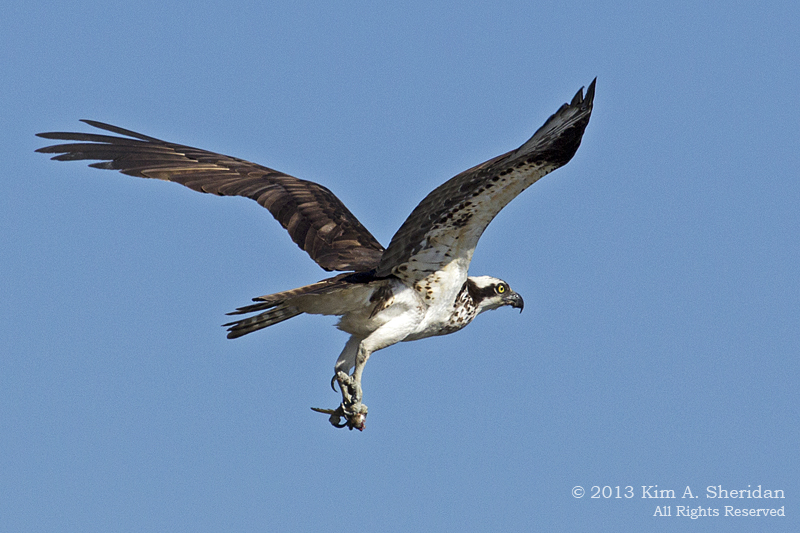
CM Thompsons Osprey_0086 acs2FUN FACT: Osprey (above) – and Osprey nests – are numerous at the Shore. Ospreys used to nest in dead trees. As these have become scarce, they are happy to build their stick nests on man-made structures, including telephone poles, channel markers and the platforms we humans have put up for them. They have a reversible toe on each foot that helps them better grasp fish. A migratory bird, they may fly more than 150,000 miles in their lives. That’s a lot of frequent flier miles!

On a personal note, I recently became a published photographer for the first time when a spread of my Heinz NWR photos was featured in Phactum, a publication of the Philadelphia Association for Critical Thinking. If you’re interested, you can access it at the link below.

http://www.phact.org/data/phactums/Phactum%202013-05.pdf

A Boatload of Babies

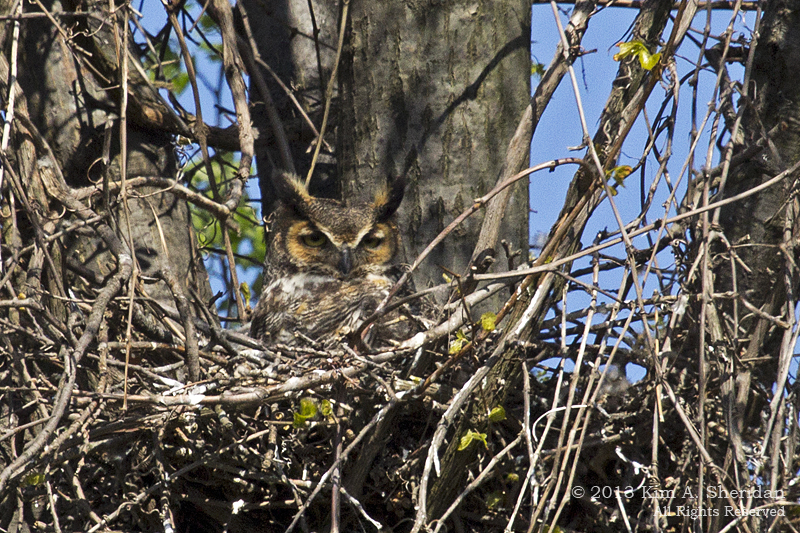
HNWR Owlet_9020 AJohn Heinz National Wildlife Refuge at Tinicum is where I volunteer and spend a lot of my time. 80 species of birds breed here, and the nesting season has begun. Our stars are a pair of Bald Eagles, but this year they are not to be outdone by the Great Horned Owls. There are two Owl nests this year, each with two chicks.

HNWR Owlets_9417 ACSBy the time we spotted these Owlets, they were big balls of fluff almost as big as their parents. Owls frequently use previously abandoned hawk nests, without wasting time on expensive renovations. In this case, it’s a downed tree trunk. Colleen said they look like they’re riding in a little wooden boat.

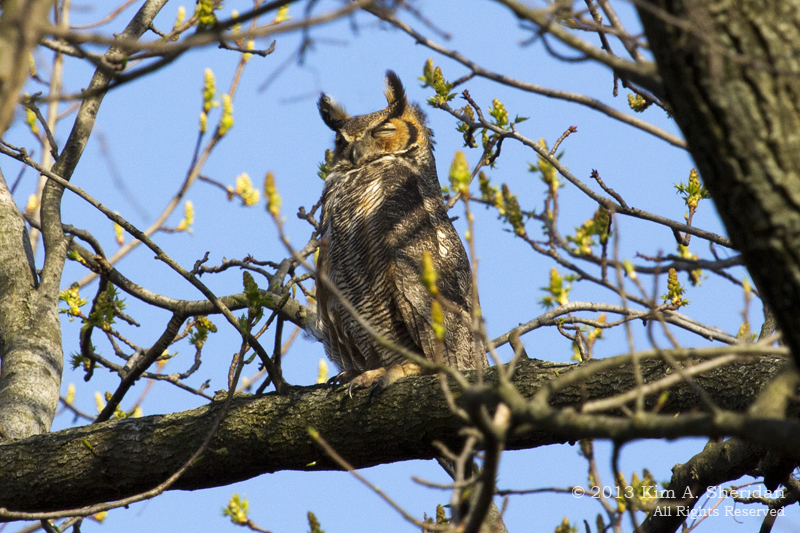
HNWR Owl_9232 AWith hungry mouths to feed, the usually nocturnal owls are more active during the day, and can often be spotted roosting in or near the nest. I’d never seen Great Horned Owls before, so this was a treat. Both sets of owlets have fledged in recent days, so they’re not in the nests, but they will remain nearby being cared for by their parents for a while longer.

FUN FACT: Part of the mating ritual requires the male Great Horned Owl to present the female with a small mammal like a mouse. If he doesn’t, it may indicate that there’s not enough food available to successfully raise a brood, and she won’t accept him. Obviously, they never heard Ogden Nash’s advice: “Candy is dandy, but liquor is quicker!”

3 HNWR Owl_7782 AC

New Beginnings

Each spring, life begins anew for a multitude of wild creatures around the Earth…

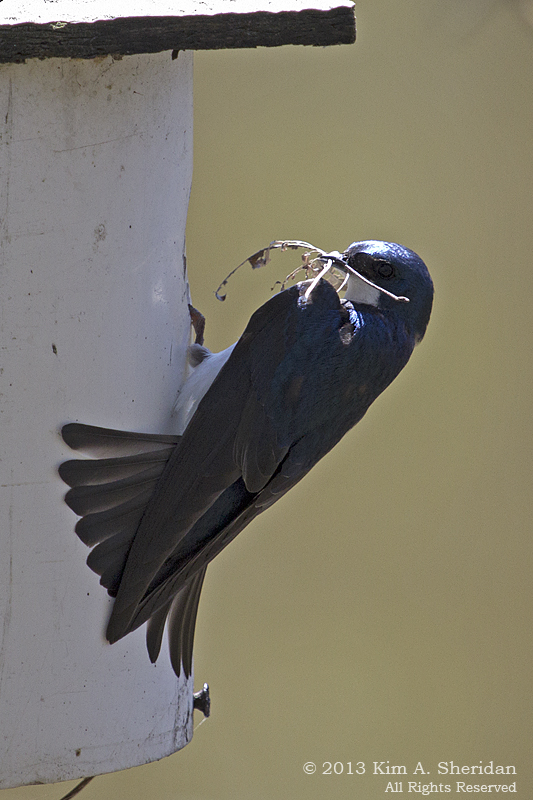
Parents are busily preparing homes…

HNWR Swallow_9491 ACS

Tree Swallow at nest box

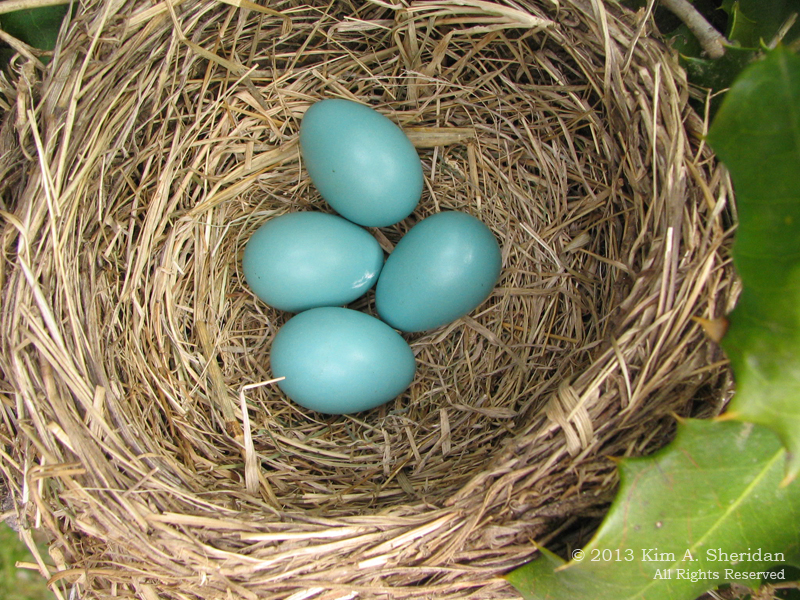
… in preparation for a new generation.

Nest_1299

Robin eggs

For these wild babies, it means a chance to explore the world. Learn new skills. Experience the wonders around them. Tentative on their wobbly legs at first, but driven by curiosity, they will gain confidence in seeking out new horizons.

RabbitBaby_3300

Baby Cottontail Rabbit in my yard

Sometimes life gives us humans a new beginning later in life, a second chance to learn and grow and explore. After 20 years as a caregiver, looking after the needs of my parents, I find myself free to now to see what the world is all about. Like a baby deer taking her first clumsy steps, I was shy at first, but as time goes on I find myself getting my feet underneath me. My passions for wildlife, nature and photography have reignited after a long dormancy, and I am pursuing them with gusto.

HNWR Owlet_0524 ACS

Great Horned Owlets

This blog will be a home for my photos and reflections as I explore pockets of nature in the crowded ‘burbs: the edge habitats where town meets country, forest meets meadow, land meets water, and Man meets Nature – the Wild Edge.

Feel free to leave enthusiastic praise, insightful comments, comedic stylings and /or gentle criticism. I have no idea yet how frequently I’ll post – it is my first blog after all. I also have a backlog of material to share. So check back often, and enjoy.

Happy Trails!

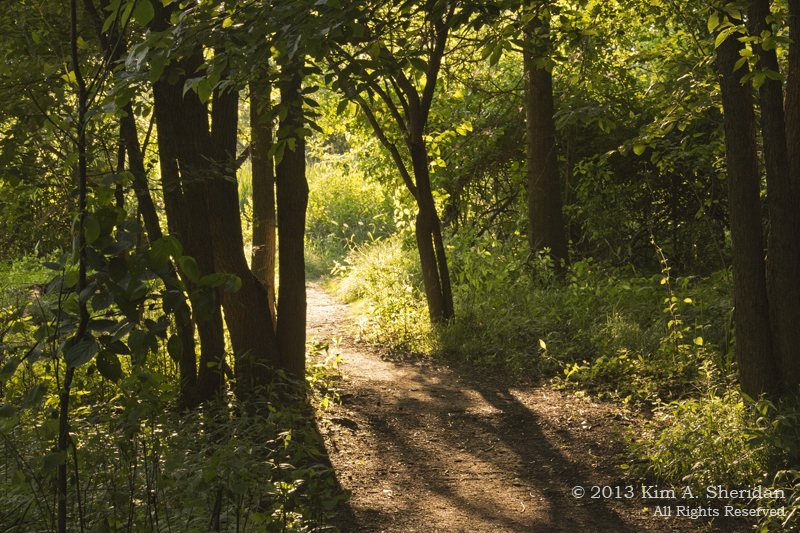
Evening trail, John Heinz National Wildlife Refuge at Tinicum