The Golden Cave

ImageWhat more likely place to go hunting for gold than in the heart of the city?

My merry band of adventurers caught wind of an abandoned mine deep in the wilds of the Wissahickon Valley, and quickly signed up for a tour. We set off one day for an easy stroll down Forbidden Drive where it borders cool, green and leafy Wissahickon Creek.

Wissahickon 6 Trail_9805acsThere was no shortage of flowers and greenery to admire along the way.

Further along, a staircase led down the embankment to a small dam in the creek.

One of our group is a talented professional photographer who is generous with his photographic wisdom, and I soak it all up like a sponge.

At the dam, Ned gave me a homework assignment: photograph the water flowing over the wall at different shutter speeds.

Dam Collage I know which one I like better – how about you? (Click to see larger image.)
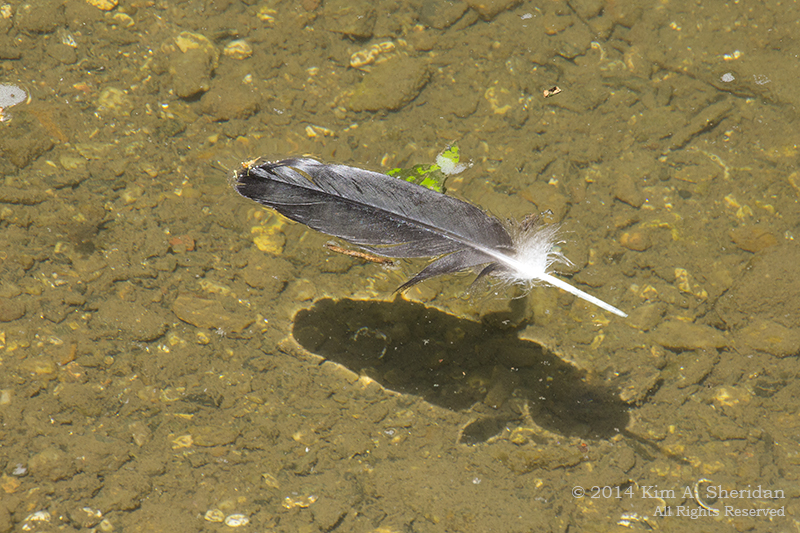
Wissahickon 2 Livezy Dam_9612aWhen he wasn’t looking, I forsook my homework and took a photo of a feather drifting lazily down the creek.

Wissahickon 3 Gold Mine Cave_9668aFrom a side trail, we got our first glimpse of the gold mine. This outcropping hides a small cave near its base that once was home to a mining operation, way back when in the 1760s.

The Roxborough Mining Company, consisting of a handful of German immigrants, excavated this manmade cave with hand drills and black powder. According to legend they were searching for gold, but having found none, soon abandoned the endeavor.

Wissahickon 3 Gold Mine Cave_9685acAnother legend claims this cave was a hidden storehouse of grain during Revolutionary days. Today it holds only tourists like us. Though the cave goes back some distance, the roof is low; here you can see the entrance is half a Robb high.

Wissahickon 4 Trail_9712acsAn old stone bridge carried us across the creek. A casual amble for us no longer; the trail was much more challenging on the other side.
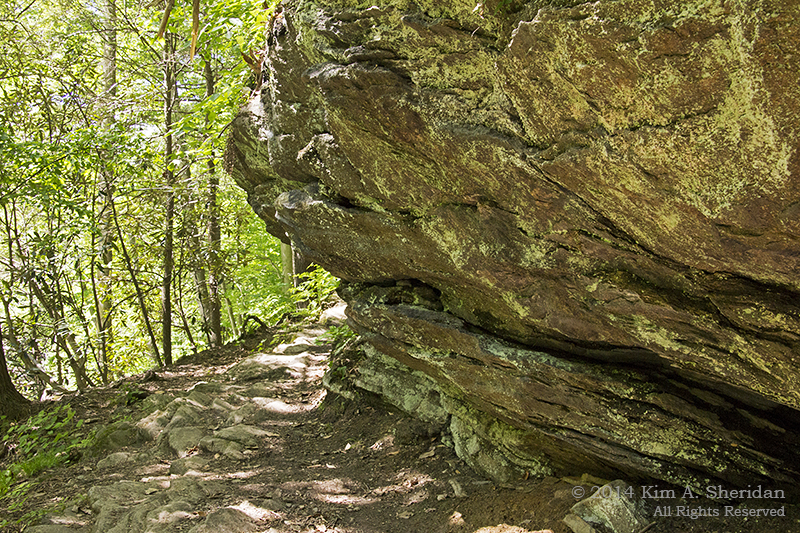
Wissahickon 4 Trail_9730aThe pathway wound around rocks, over tree roots, and up and down hillsides. At times, it was crossed by rivulets of water; at other times those rivulets made their bed in the trail.

Wissahickon 6 Trail_9772aThe Valley is actually a gorge, with steep rocky hillsides. Here’s Don picking his way down the trail, aided by his trusty walking stick, and a convenient set of stairs.
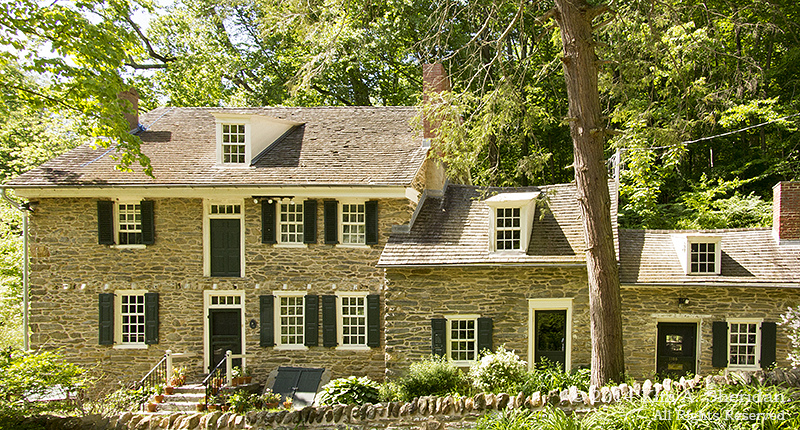
Wissahickon 7 Livezy House_9812aThis is the Livezy House, built by a Quaker farmer and miller in 1749.
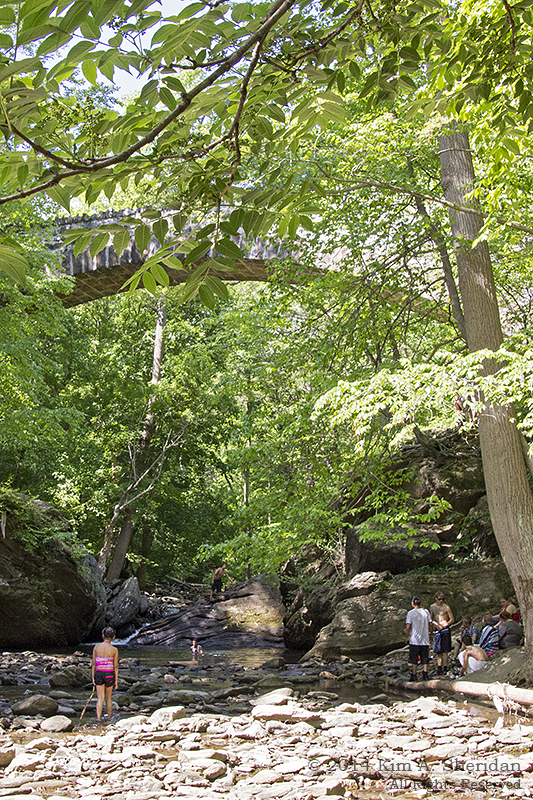
Wissahickon 8 Devils Pool_9839aAh, Devil’s Pool. Cresheim Creek drains into the Wissahickon here in this deep green glen. Like many of the watery places along the creek, it is a popular, and illegal, swimming hole.

It’s also dangerous. Too many people are tempted to jump from rocks up to 20 feet high into a pool that is just 5 to 7 feet at its deepest. Drownings are not unheard of here. Frequently polluted water adds to the list of hazards.
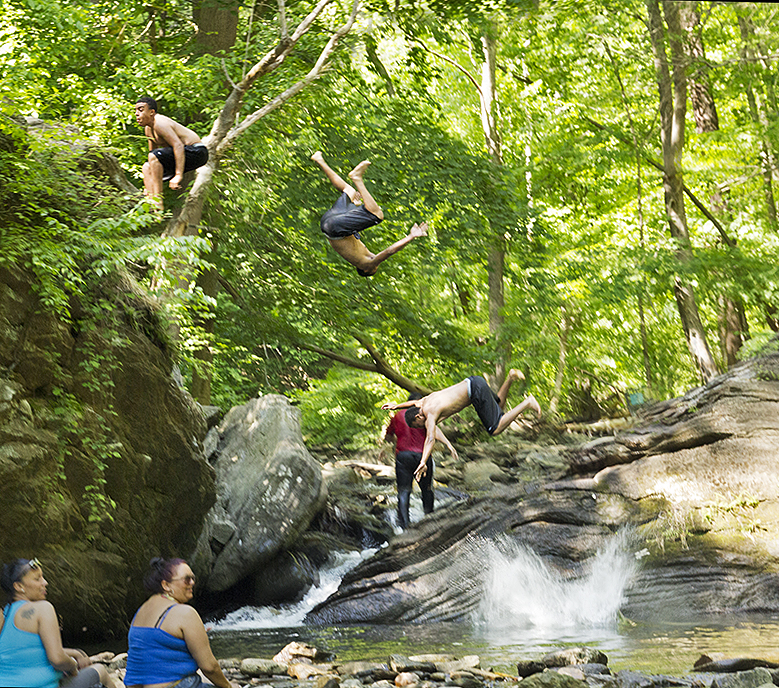
Devils Pool Collage 2bThis time-lapse photo proves that young daredevils are not easily deterred by the risks. Here I blended four shots into one to capture all the action of a backward somersault into the pool.

Wissahickon 4 Trail_9702aLike any urban area, Philadelphia is crowded, noisy, and paved-over. Yet within the city limits, in the Wissahickon Valley, Nature holds on as tenaciously as ferns cling to life in a rockface. Definitely urban living on the Wild Edge!


Mt. Cuba In Bloom

Mt Cuba 3 Woodland_6193aThe calendar is marching inexorably toward summer. Humidity is building, and the mercury is oozing toward 90 degrees. It seems like only yesterday that we were locked in snow and ice, and suddenly it’s hot. Did we even have a spring this year?

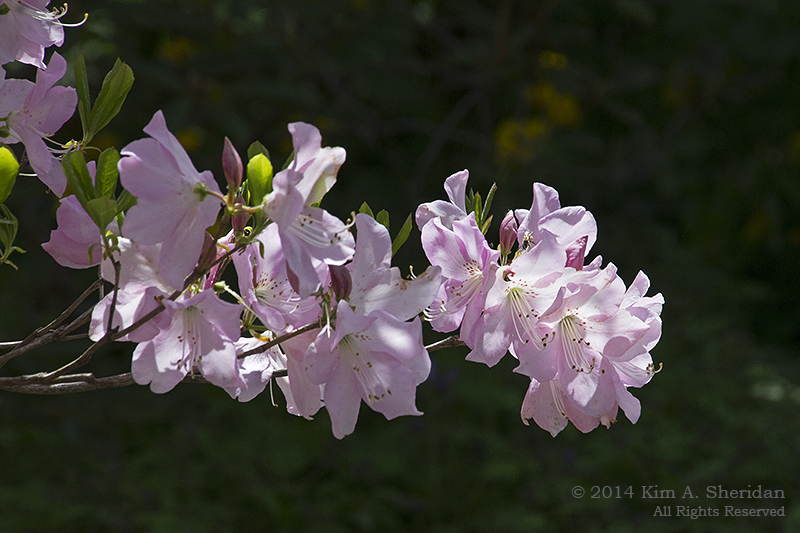
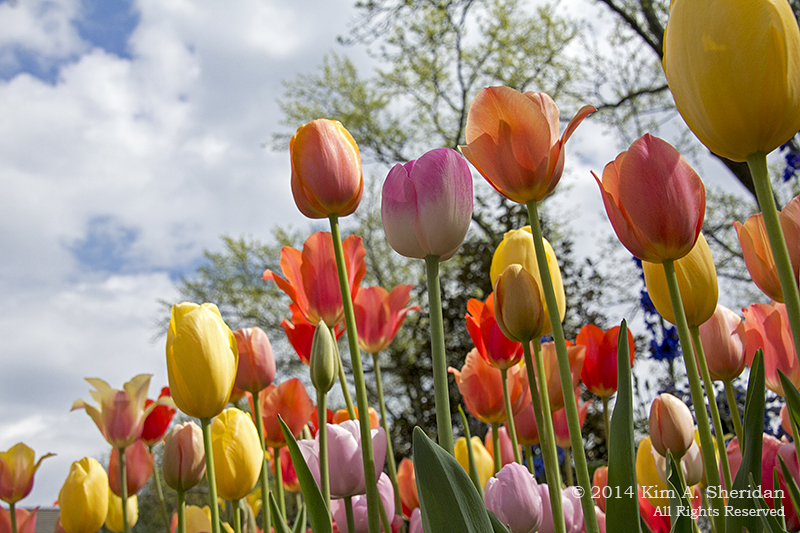
Mt Cuba 1 Formal_6038aYes, we did. Like her sister Autumn, Lady Spring is an elusive and ephemeral tease. This year, perhaps pouting at the persistence of the Winter Queen, Spring’s arrival was late, and her stay short. But she did grace us with her presence. I have the evidence!

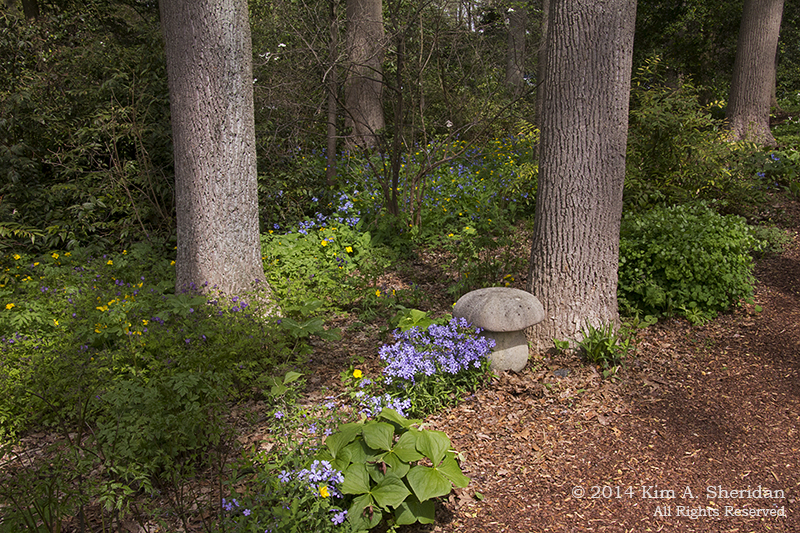
Mt Cuba 3 Woodland_6397acs copyAll of these photos were taken at Mt. Cuba Center in Delaware. Mt. Cuba is a botanical garden with a commitment to using and promoting native plants in its 50 acre cultivated gardens and 500 acre natural areas.

The center offers many classes on horticulture and conservation, and maintains a Trial Garden where various native plants are studied.

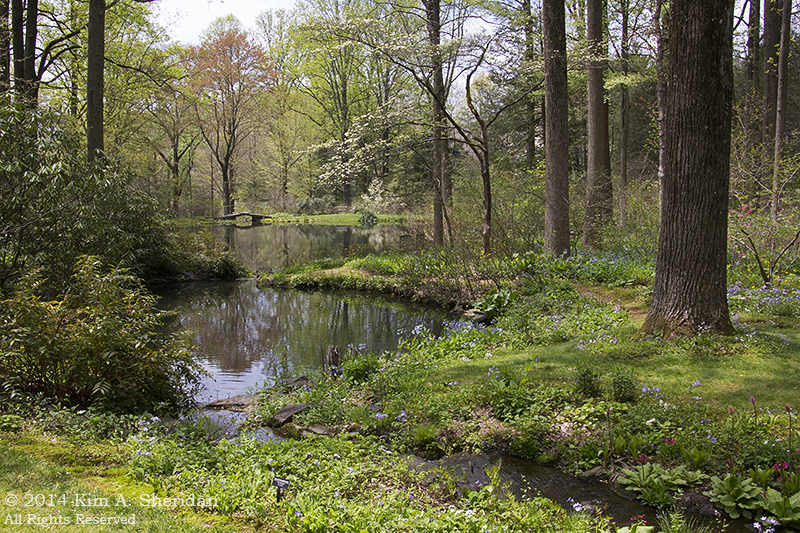
Mt Cuba 4 Ponds_6538aThe pathway leads through a variety of habitats, including woods, meadows and ponds.

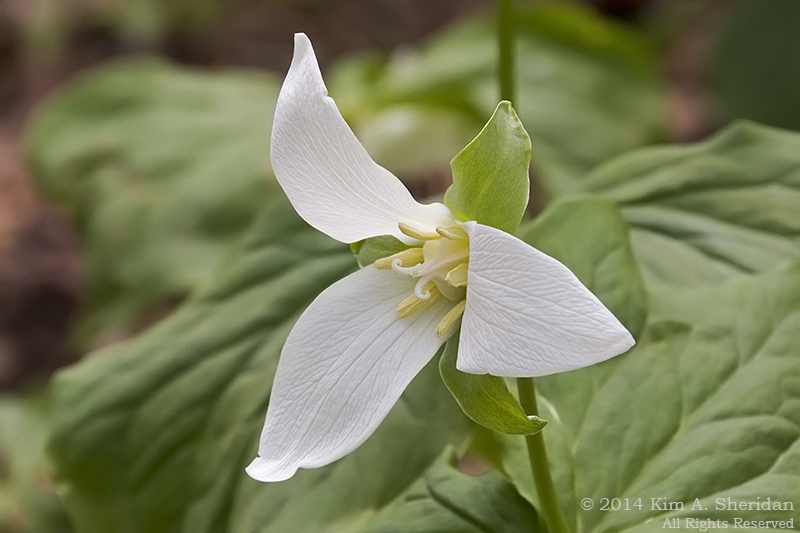
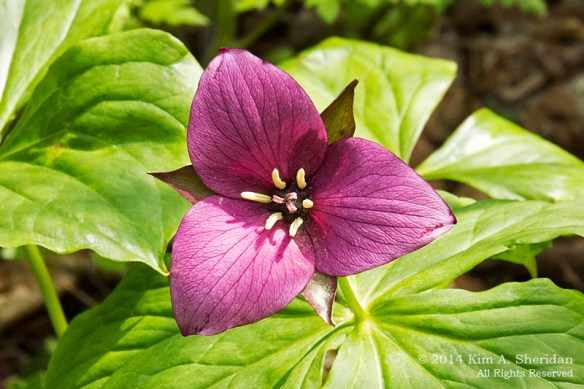
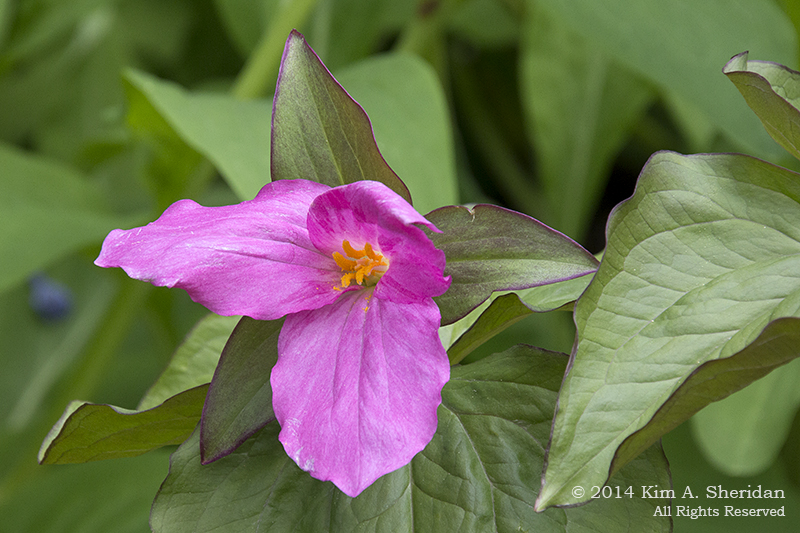
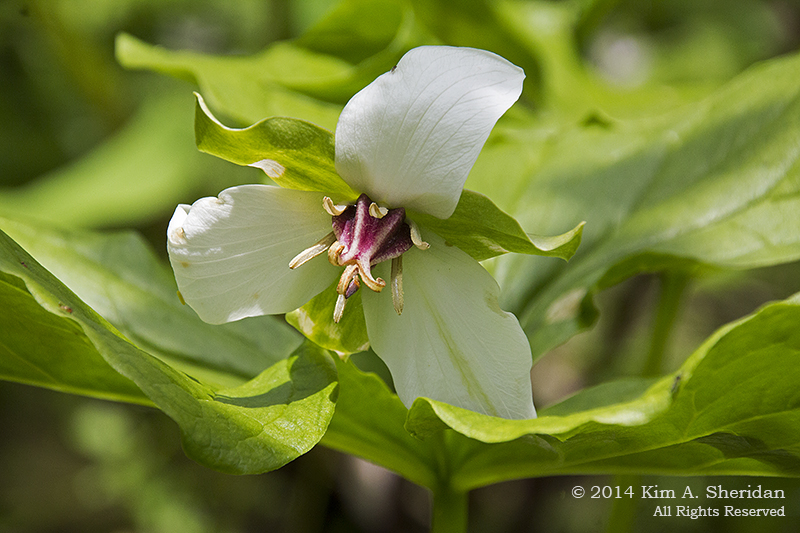
Mt Cuba 2 Trillium_6266acsThe stars of the show in spring are the Trilliums. They even get their own garden!Mt Cuba 2 Trillium_6122acsMt Cuba 2 Trillium_6276a

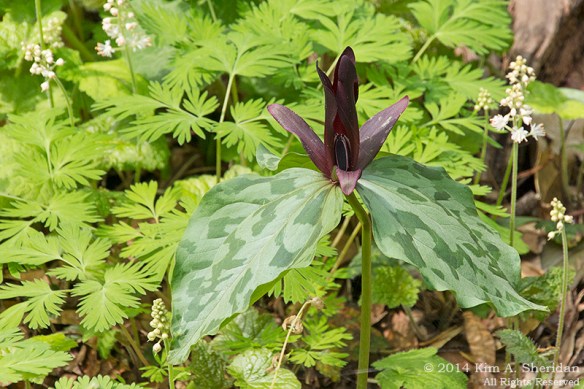
Mt Cuba 2 Trillium_6115aSome Trilliums wear camo…

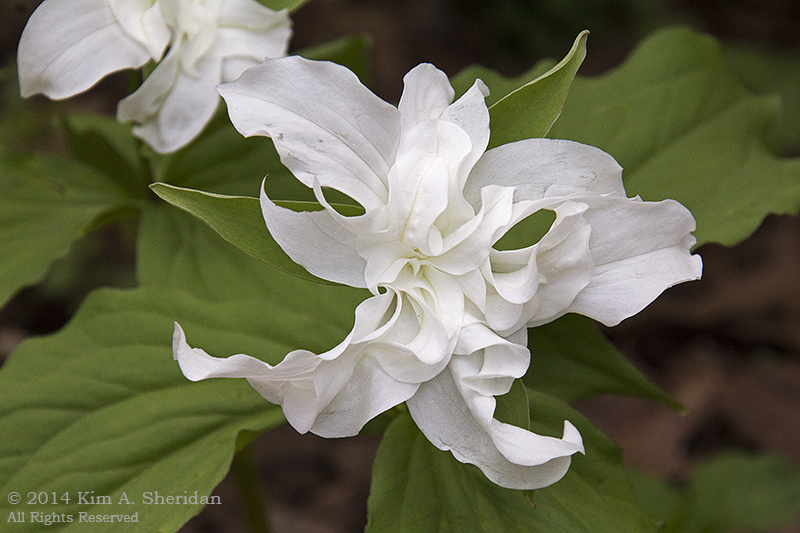
Mt Cuba 2 Trillium_6253aOr come in double-flowered forms.

Mt Cuba 3 Woodland_6088aA shady spot for one of Her Ladyship’s sprites to sit and enjoy her lunch.

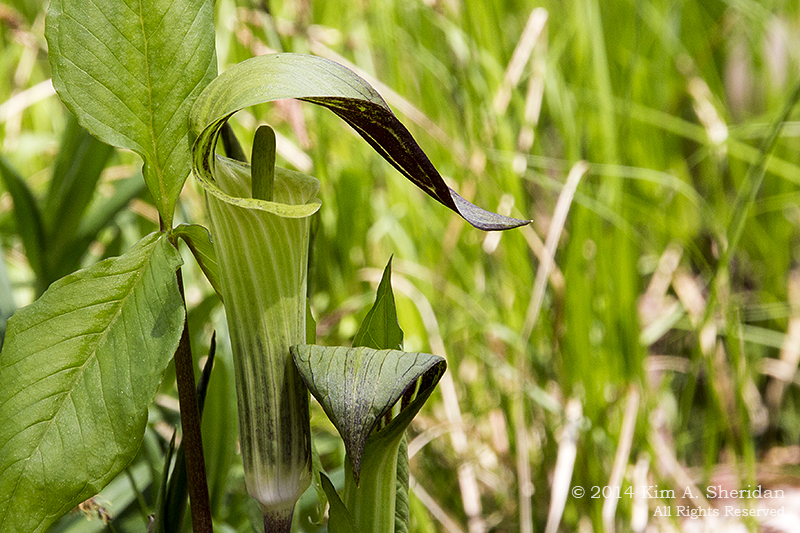
Mt Cuba 3 Woodland_6416aJack in the Pulpit.

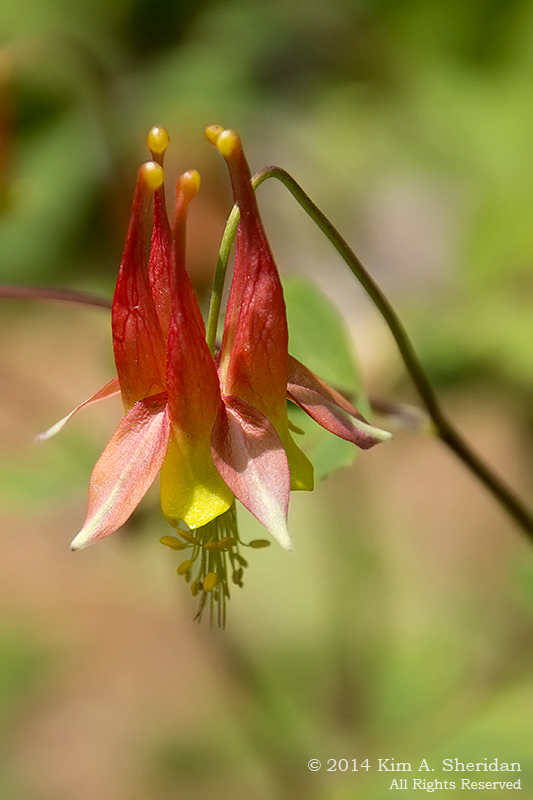
Mt Cuba 3 Woodland_6569acs copyColumbine.

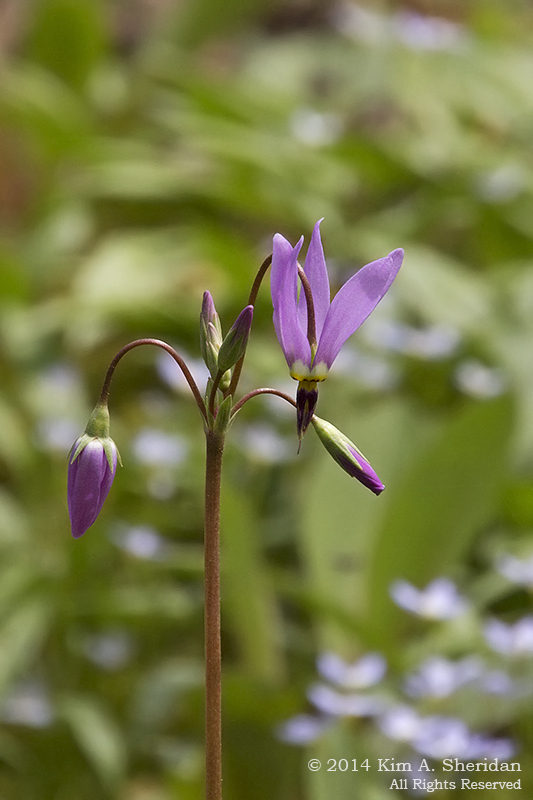
These neat flowers were at both Shenk’s Ferry and Mt. Cuba. They gave me fits trying to get a good photo.

Mt Cuba 4 Ponds_6485acsNow the Summer Queen is knocking at the door. Lady Spring kept us in suspense this year, and her appearance was brief, but oh, was it worth the wait!
 

Shenk’s Ferry Wildflower Preserve

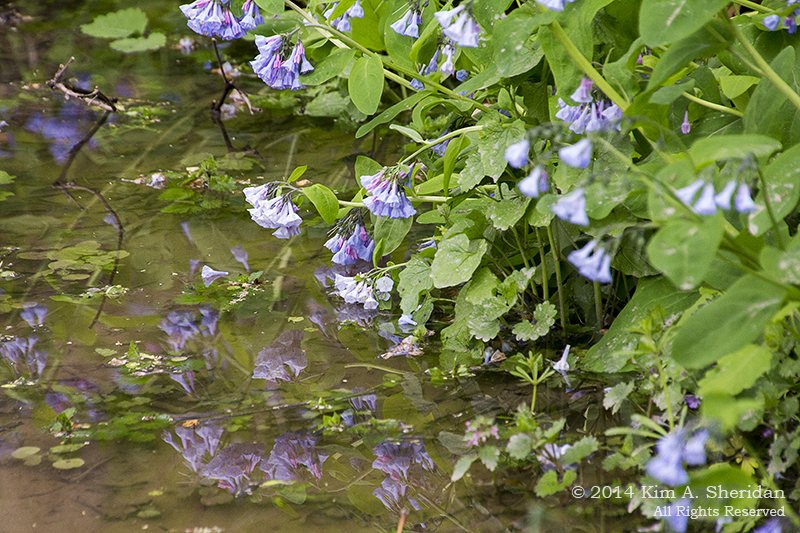
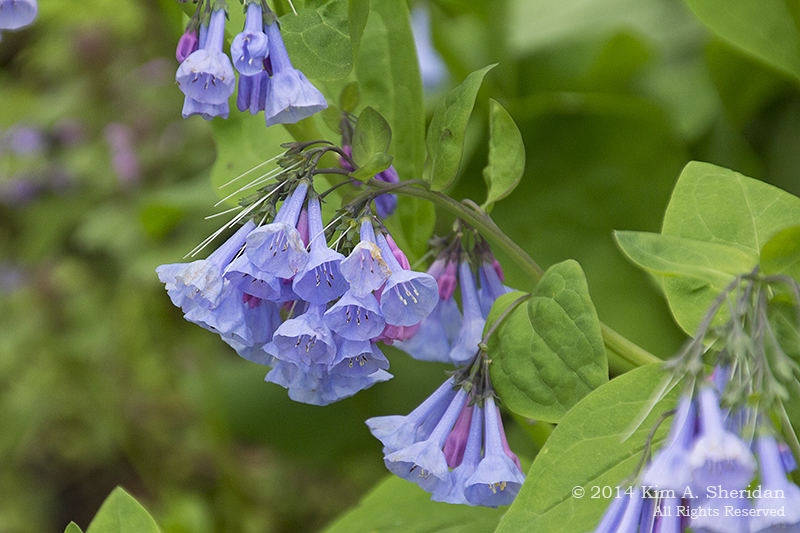
Shenks Ferry WF Bluebell_5526 aCan you imagine life as a spring ephemeral wildflower? You’ve lain dormant for months, through the summer heat and the cold days of winter. As the weather begins to warm, you awaken. You have a few short weeks to do all your work for the year. Leaf out, feed, bloom, reproduce and set seed; all need to be accomplished before the tree canopy above you leafs out and blocks precious sunlight, and the air turns hot. Better get busy!     Virginia Bluebell, above.

Shenks Ferry WF Trillium_5796acsShenk’s Ferry Wildflower Preserve, along the Susquehanna River in Lancaster County, is well-known for its variety of wildflowers. Over 70 different species bloom in the spring, with another 60 peaking during the summer.     Trillium.

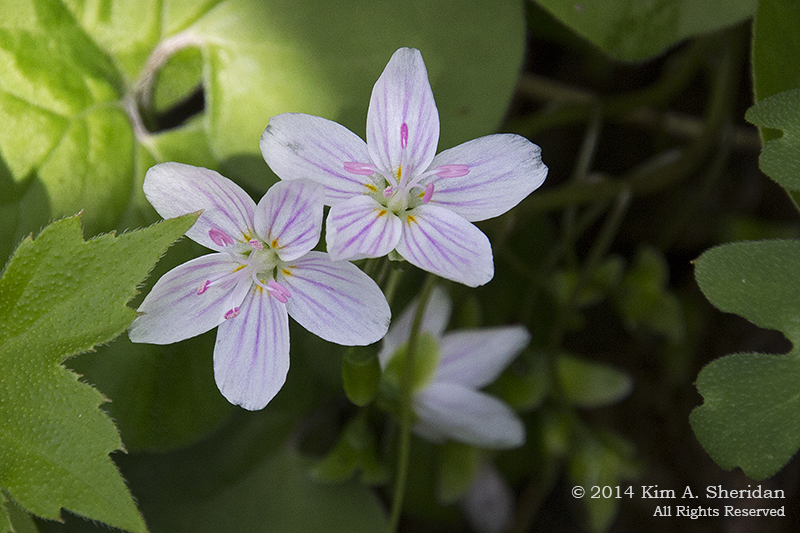
Shenks Ferry WF Spring Beauty_5779 aDon’t expect a cultivated garden if you visit, though. Oh no! This is a wild woodland glen whose main trail traces the path of creek valley. Wildflowers, many tiny, are scattered along the forest floor under the trees, tucked away in the lush understory. Finding these little beauties is worth the effort though.     Spring Beauty.

Shenks Ferry WF Bluebell_5973aI thought learning to identify different bird species was tough, but it’s nothing compared to plants. I’ve only been studying identification for two years or so, and I’m trying to learn birds, plants, trees, dragonflies, butterflies and lots of other critters  – all at the same time.

I’ve tried to put common names to as many of these flowers as I can. If I’ve identified something incorrectly, or not at all, and you know its proper name, PLEASE leave a comment!

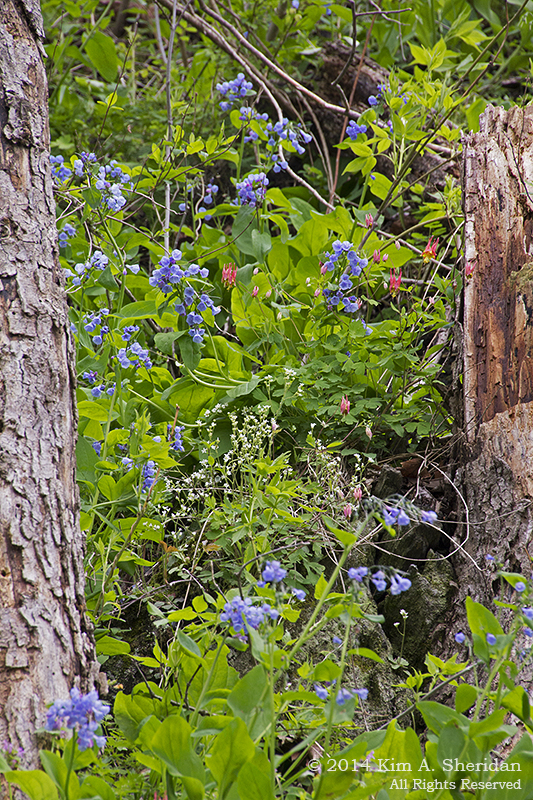
Virginia Bluebells and Wild Columbine.

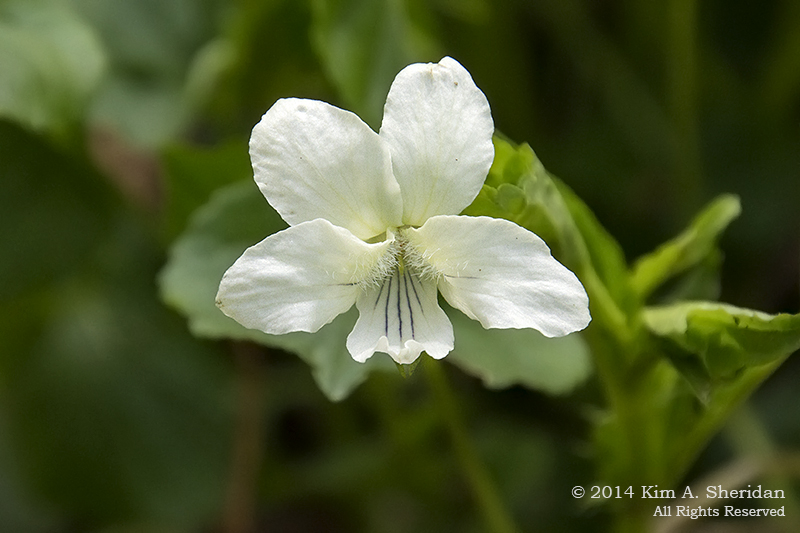
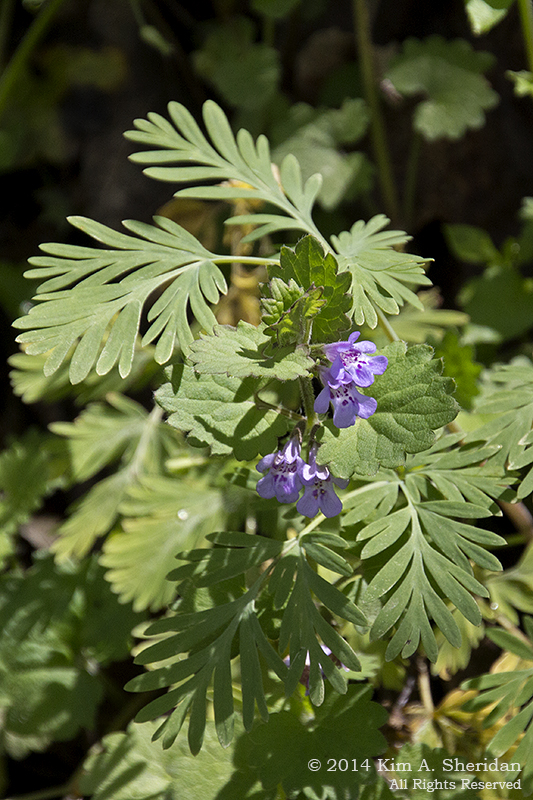
Shenks Ferry WF_5754acsIn most cases I’ve only gotten as far as a family or genus name, not the individual species. For instance, this is a Violet. Which one, I have no idea.

Shenks Ferry WF_5587 aI think this might be another Violet.

Or something else entirely.

In identifying plants, the flower is the first classification to make (which can be a problem if the plant isn’t in bloom). The next step is to classify the plant itself (wildflower, shrub, vine) and then look at the leaves.

Don’t let the leaves in this photo fool you; they’re from two different plants.Shenks Ferry WF Squirrel Corn_5597a


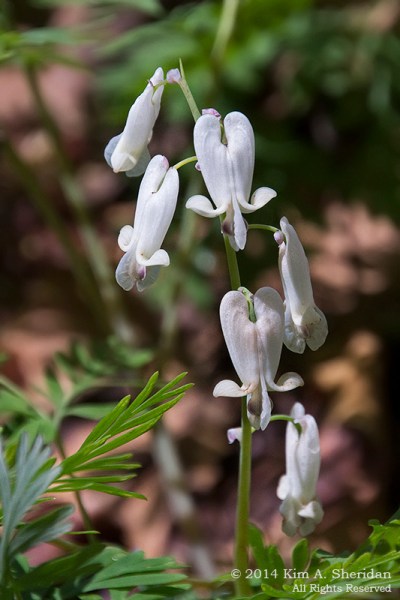
Here’s Squirrel Corn.

At first I had it labeled as Dutchman’s Breeches, then I looked at Wild Bleeding Heart.

All three plants are in the Dicentra genus, so they’re cousins, and near look-alikes.

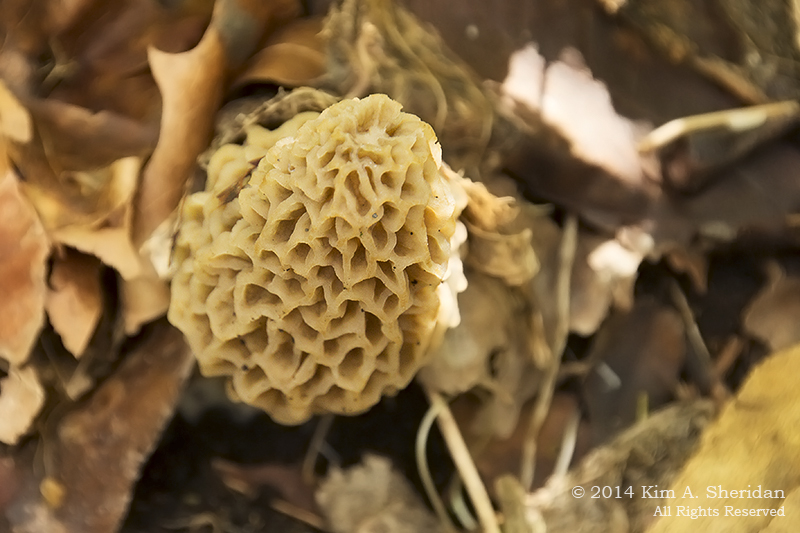
Shenks Ferry Morel_5607 acsThis isn’t a wildflower, but a mushroom known as a morel. It will be as short-lived as the spring ephemerals.

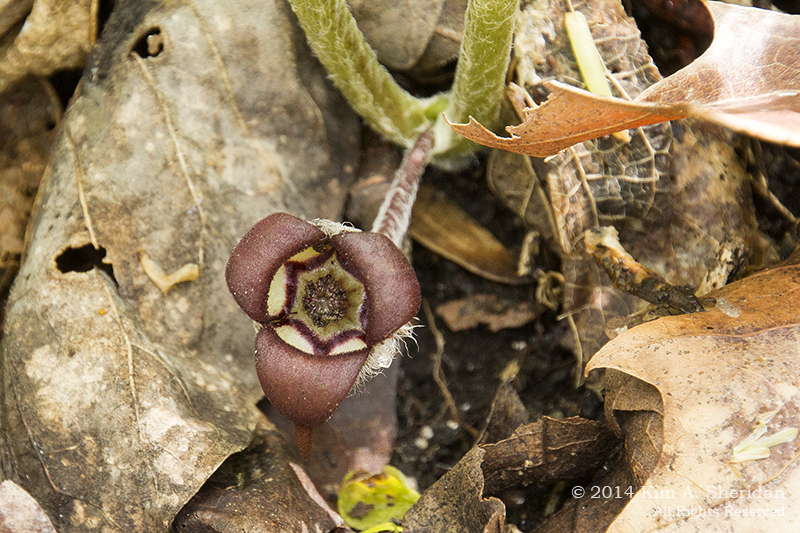
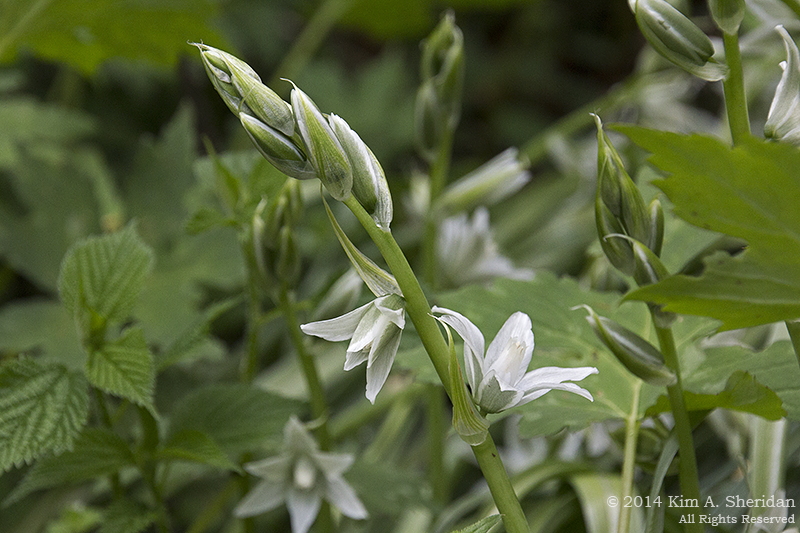
Shenks Ferry WF_5605 aI have no idea. Do you?

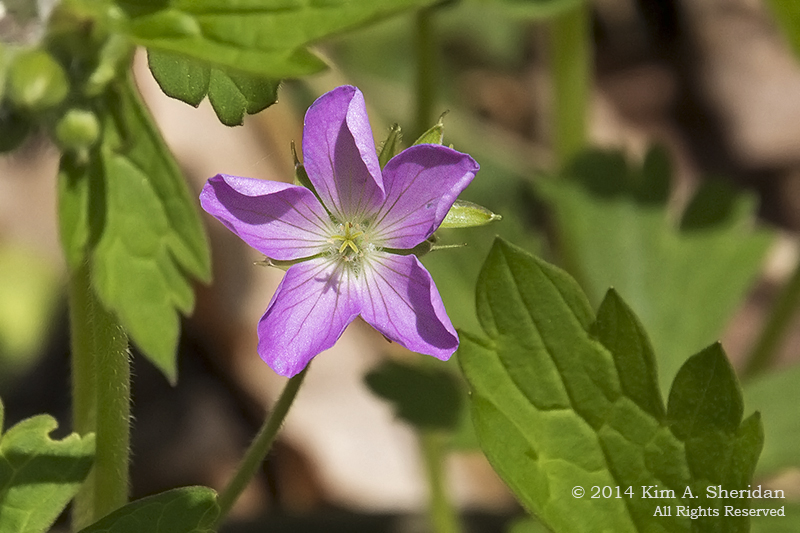
Shenks Ferry WF Wild Geranium_5883acs copyWild Geranium.

Shenks Ferry WF_5731 aDoes anyone know this lovely lady’s name?

Once the heat sets in, and the trees cast permanent shade, your time to get productive work done has passed. Is this the end for you? Not at all. Though your flowers and perhaps your leaves will wither, you have firm roots in the soil. Like all ephemeral wildflowers, you will go dormant, sleeping away the passing seasons until spring arrives and you blossom anew.

Shenks Ferry WF Bluebell_5998 acs

Nesting Instinct

HNWR Goose Nest_0455 acsWell, what’s with Miss Grumpy? Here she is giving me the old stare-down. What’s got her tail feathers in a twist?

She’s sitting on eggs, that’s what. For some reason she decided to build her nest awfully close to one of Heinz Refuge’s trails. A heavily traveled trail at that, especially in the heart of warbler migration season. She got very little privacy as she incubated the next generation of Canada Geese. Geese are known for being aggressive at times. Fortunately for Refuge bird watchers, she wasn’t going to leave that nest unattended.

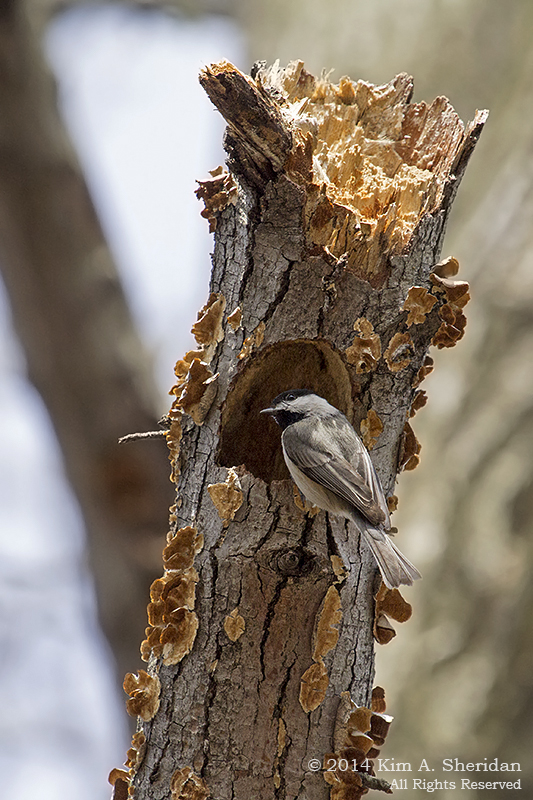
HNWR Chickadee_0041 acsNearby a pair of Carolina Chickadees were moving into a nice home in an older development. Chickadees are a personal favorite, and I was looking forward to seeing these two raise a family. Darned if I could find that tree again, though.

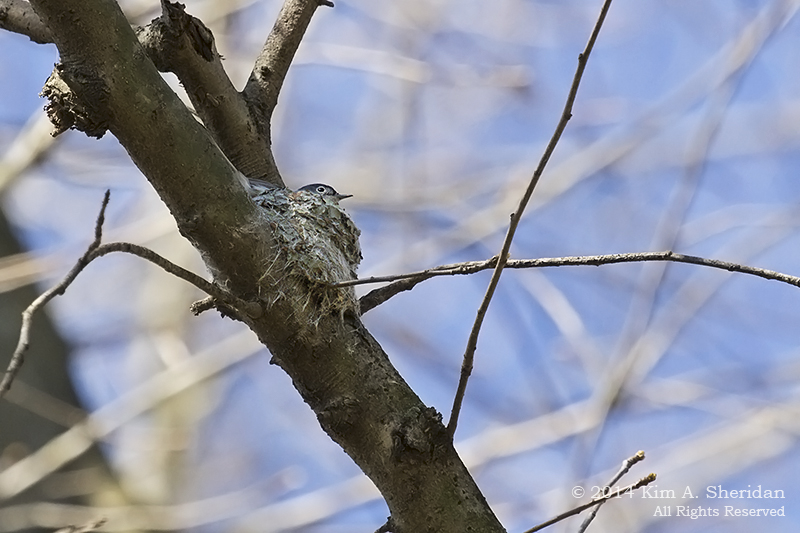
HNWR Gnatcatcher_4976 acsBlue-gray Gnatcatchers were really busy building nests all around Heinz during late April. We watched this one pick up pieces of a spider web to fortify the construction.

HNWR Eagle_9390 acsNot every nesting attempt is successful. This was the fifth season our resident Bald Eagles have incubated eggs at Heinz. Unfortunately, about the time the eggs were expected to hatch, the adults stopped sitting on the nest. They would never have abandoned viable eggs or nestlings. Something went wrong, but just what remains a mystery. It’s not uncommon for Eagles – or any other bird – to have a nest fail occasionally. Sad, but a part of life in the wild. The Eagles are still around, and they will try again next year.

HNWR Owlet_1189 acsGreat Horned Owls returned to a favorite place at the Refuge. Here’s the result, a bouncing baby owlet. This was taken in late April, when he was still covered in down and looked much like a Muppet. A few weeks ago he started “branching”, moving out of the nest to nearby branches in preparation for his first flight.

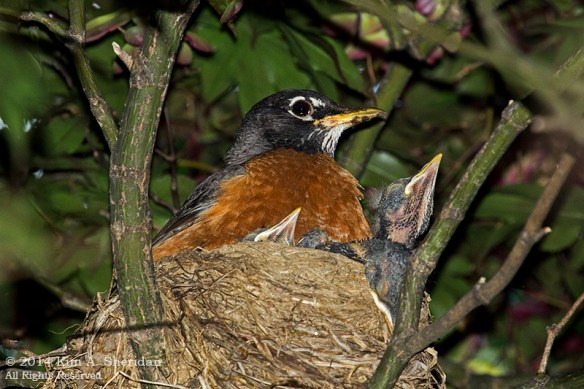
Meanwhile, back at my house in the suburban wilds, I watched as an American Robin with a beak full of caterpillars flew into the red maple tree that stands in front of my porch. Sure enough, I found the tree occupied by a nest and four baby robins.

Robin Nest_9888 acsWhen I first saw them on a Sunday evening, they were only partially feathered, with heads that barely reached over the side of the nest. Both robin parents share in the care of the babies. Every time Mom or Dad appeared, the little ones craned their heads on wobbly necks and opened their beaks in hopes of something yummy. Then they would go quiet until the next food delivery a few minutes later.

Robin Nest_9915 acsThey kept both parents hopping from sunup until nightfall, when Mom and her brood finally settled in for the night.

Robin Nest_0310What a difference a few days makes! By Friday the chicks were fully feathered and much larger. The nest was overflowing with birds! When one youngster turned around and flexed his wings, the others were pushed to the side of the nest and looked as if they might fall out completely.

Robin Nest_0088 aThey still looked to their parents for all their needs.

FUN FACT: Robins eat insects and fruit, with a preference for insects in the morning and fruit later in the day. Ever seen a robin run a few feet across a lawn, stop and cock his head? He’s listening for worms; robins find a lot of their prey by hearing its movements underground. In the fall, when fruit is a larger part of their diet, they may overindulge in ripened and fermented berries, and become intoxicated.

Robin Nest_0272I knew it was only a matter of time before the kids left home. Young robins stay in the nest about two weeks, and time was almost up. Sunday night the nest was empty. Juvenile robins still need to be fed for awhile, and it will take them up to two weeks to become good fliers. After they left the nest, the chicks scattered; one in my tree, another in a neighbor’s, the last two who knows where. Four times the work for Mom and Dad! The parents are still protective, too. I saw one chase a squirrel all the way across the street. Five days after fledging, I watched a parent feeding one of the youngsters in my garden. When this group of siblings is independent, the parents will likely nest again; robins normally have two to three broods a year.

Raising a brood of hungry growing chicks is demanding, time-consuming work. Knowing what she has in store, perhaps our Mother Goose could be forgiven for being a little grumpy!