Feeling Like a Million Bucks

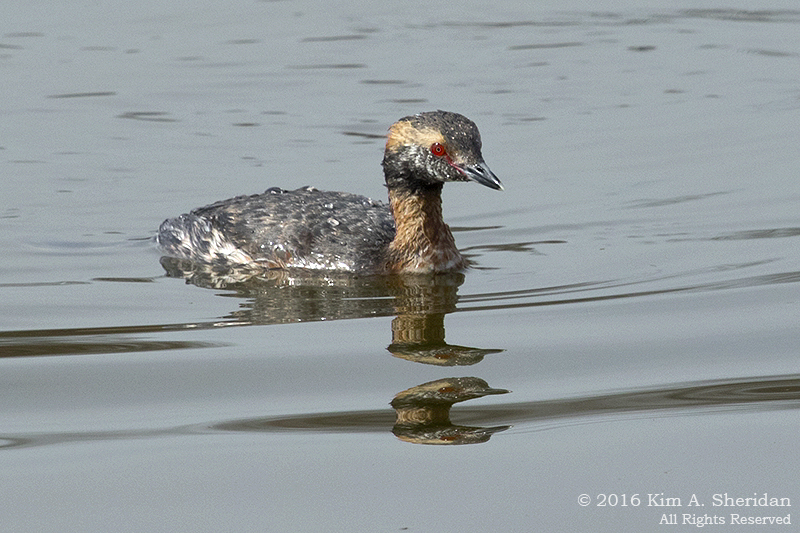
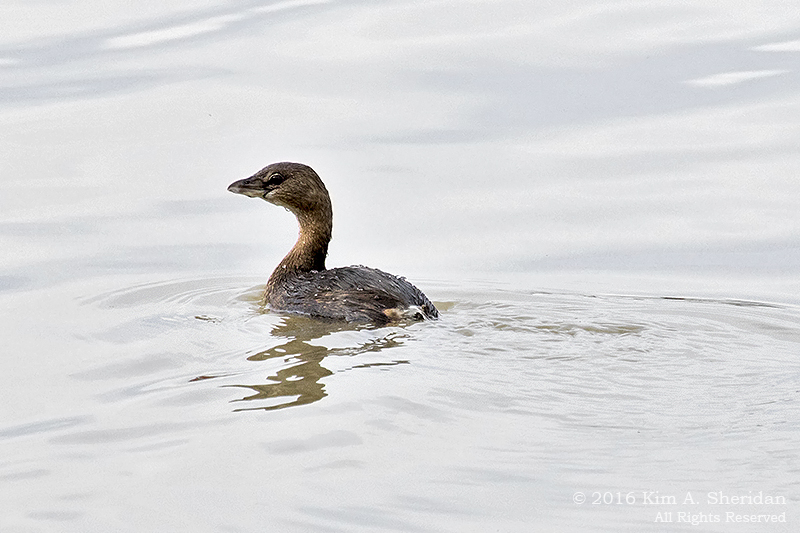
Horned GrebeIt was a beautiful day yesterday at John Heinz National Wildlife Refuge at Tinicum.

HNWR Dogwood_0569 acs2Not just because the weather was warm and dry, and the birds were singing. Because it was raining – money!

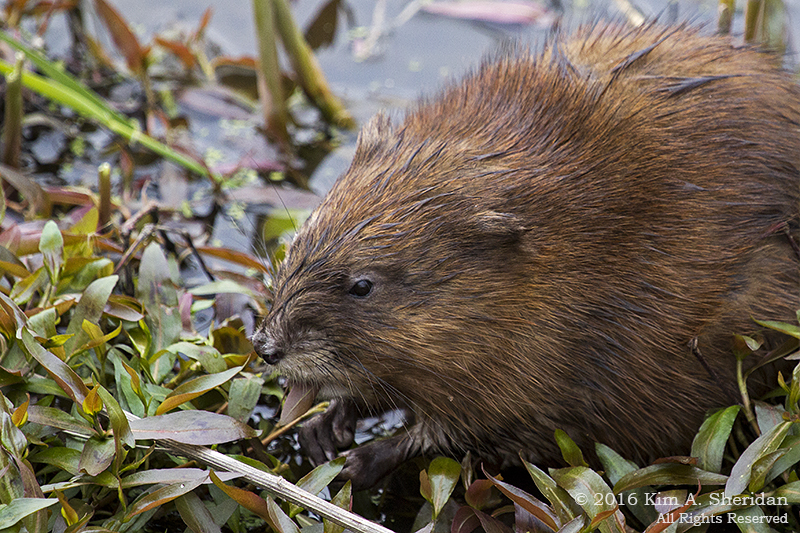
MuskratIn a ceremony outside the Visitor’s Center, attended by Philadelphia Mayor Jim Kenney and other dignitaries, U.S. Fish and Wildlife Service Director Dan Ashe announced that the Service will invest an additional $1 million annually in the Refuge.

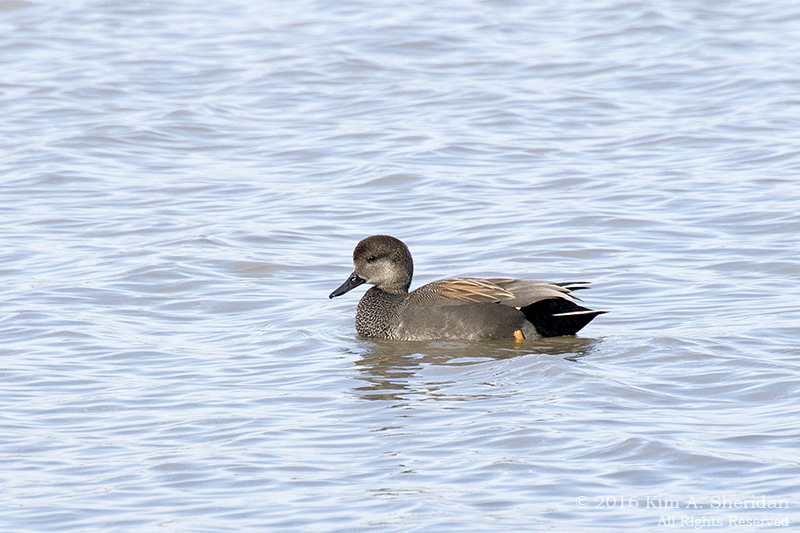
Green-winged Teal“That’s not a one-time grant, that’s $1 million that will be here this year, it will be here next year, and it will be here the years following that,” he said. “And that money is going to support additional work here, it’s going to support additional work in educating young children, it’s going to support additional work in connecting the surrounding communities to the refuge.”

Tinicum_7427acs2Three years ago, recognizing that 80% of Americans live in urban and suburban environments, the USFWS launched the Urban Wildlife Conservation Program. Yesterday, Heinz Refuge – America’s First Urban Refuge – became its latest Million Dollar Refuge.

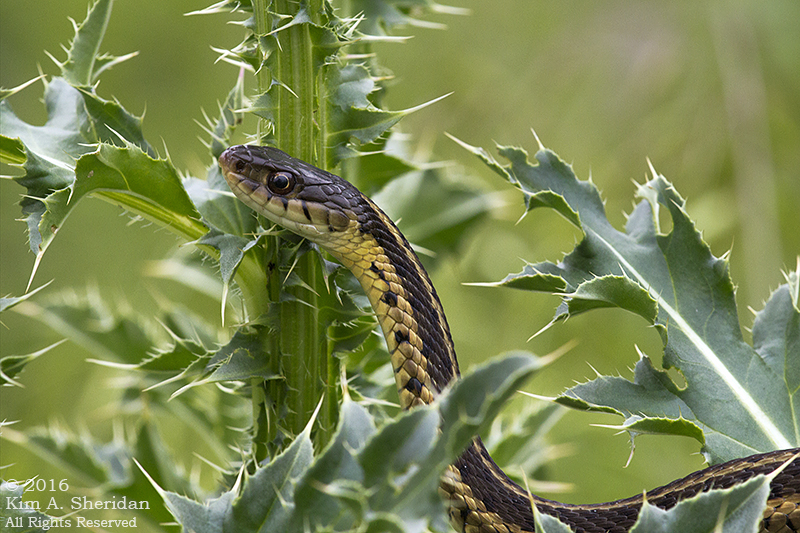
Garter SnakeThe money will allow the Refuge to continue and expand the environmental education program it started last year in three Philadelphia schools. Other priorities include working with surrounding communities to promote conservation and nature, connecting them with green spaces.

BAld EagleOn the Refuge, the grant will make possible new signs on the trails, new displays for the Visitor Center, and a host of other projects. The small staff – dedicated, talented and enthusiastic, but undermanned and overworked – will be getting much needed reinforcements in the form of additional personnel.

BeaverIf you’ve followed my blog for any time, you know that no matter how far I wander, I always come back to Heinz Refuge. In the past years I’ve made friends here, volunteered here, and gotten involved with the Friends of Heinz Refuge who do so much to support the Refuge. I’ve made my own investment of time, and actual blood, sweat and tears, to make my home-away-from-home a better place. Which is why I can’t wipe the silly grin off my face.

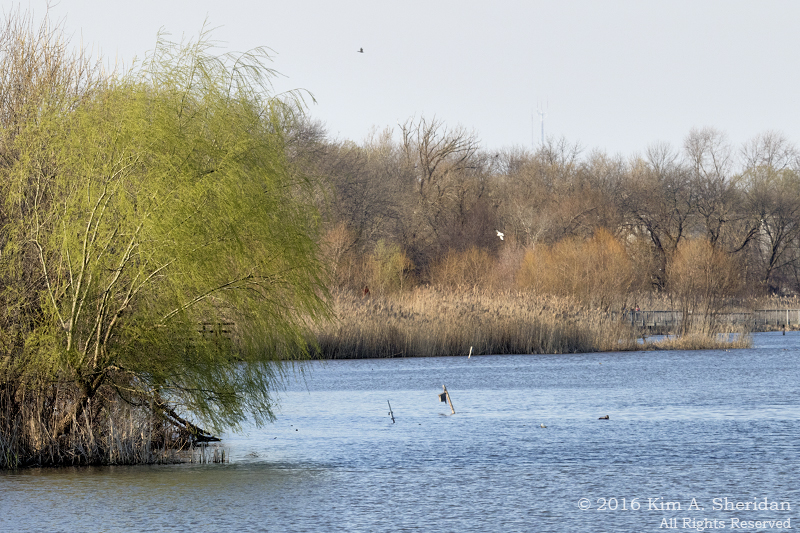
1 HNWR Landscape_7409 acs2All of us who love Heinz Refuge are feeling like a million bucks!

Early Green

160322_PA HNWR Early Spring_3075aI’m not fond of the color brown. In fact, I don’t even think it’s a color. It’s more like a background, and one I’m tired of. For most of my life I lived in a beige house, which is brown in a wishy-washy mood. With apologies to my U.S. Fish and Wildlife Service friends in their brown and tan uniforms, the only good brown thing is chocolate.

As mild as this past winter was, I really have no cause to complain. But since the trees and shrubs lost their leaves in November, life outdoors has been a sea of brown bare trees and beige dried foliage. Now, I admire the structural bones of a single bare tree as much as the next person, but this is too much of a good thing. Momentary escapes to the Pine Barrens and Jersey Shore offered only momentary relief from the monotony. After five months, I am ready for change.

Nothing says “change” like green. Pale yellow-green. Bright kelly green. Deep forest green. The green of Nature. The green of Spring.  The green of New Life.

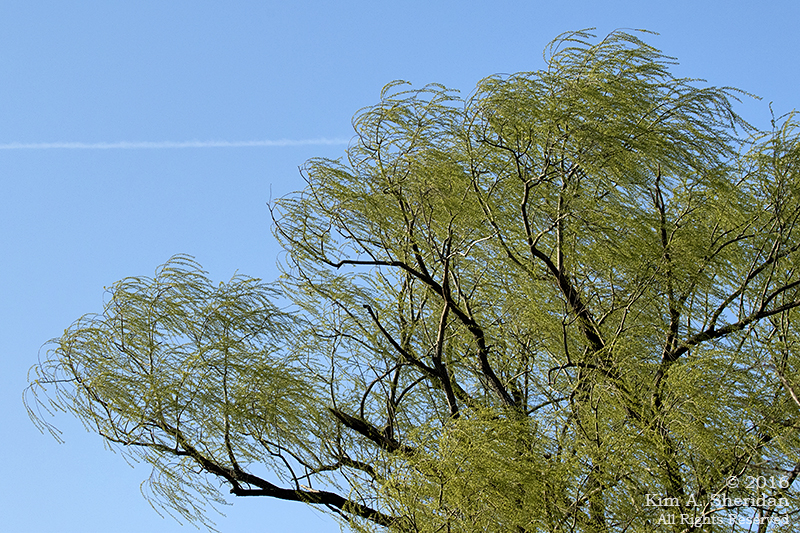
160322_PA HNWR Early Spring_3126acsWhat a relief to see green in all its variations on a recent evening walk at John Heinz NWR, and soak in the sights and sounds of the new arrivals early Spring brought with it. Like the willows dancing in the breeze while a jet contrail slices the clear blue sky.

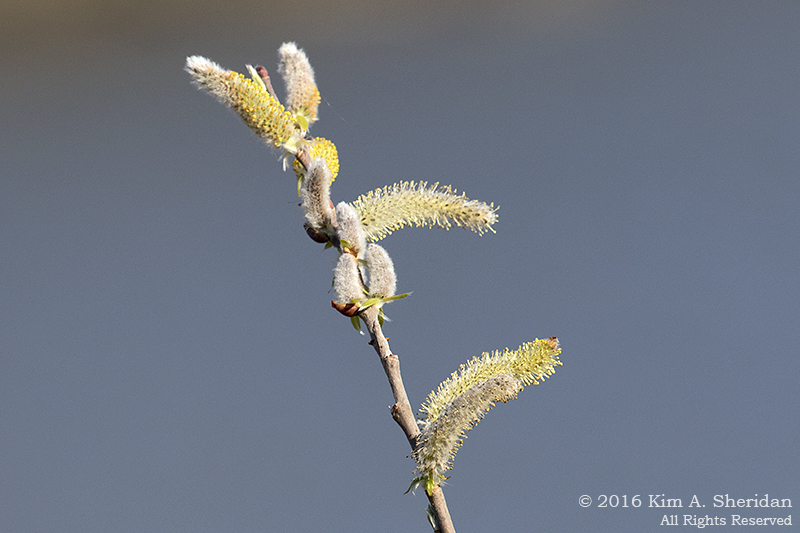
160322_PA HNWR Early Spring_2573acsSpring greens are subtle. Pussy willow along the water’s edge.

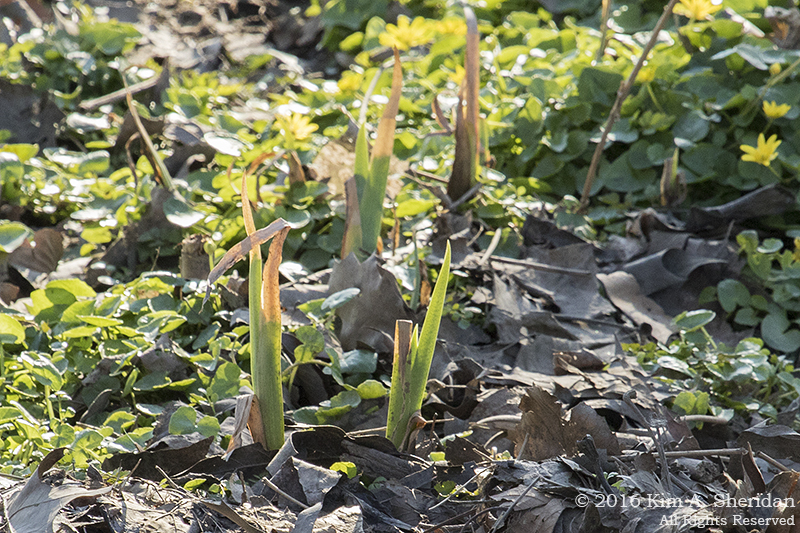
160322_PA HNWR Early Spring_2492acsSometimes the green is the canvas on which other colors are painted. Just the carpet of green leaves would be welcome sight. The golden flowers add that touch of flair.

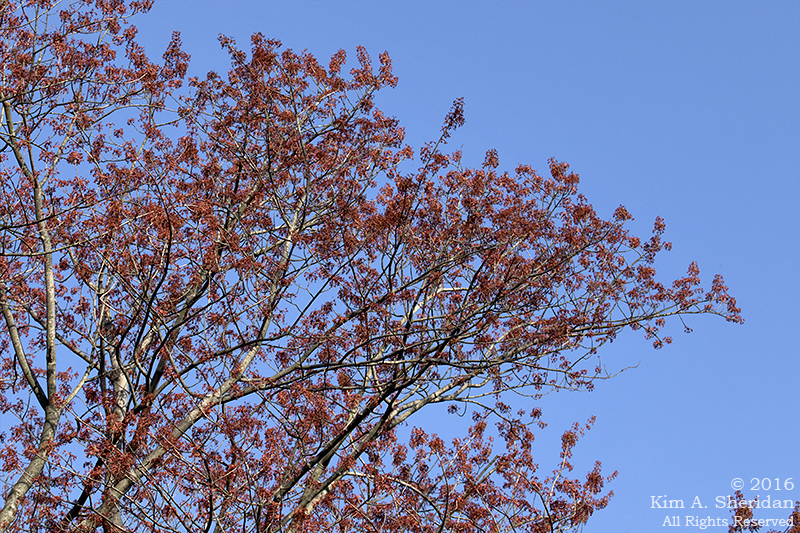
160322_PA HNWR Early Spring_2779acsSometimes spring greens are red! At this time of year, many of the trees are bright crimson, as the red maples burst into bud…

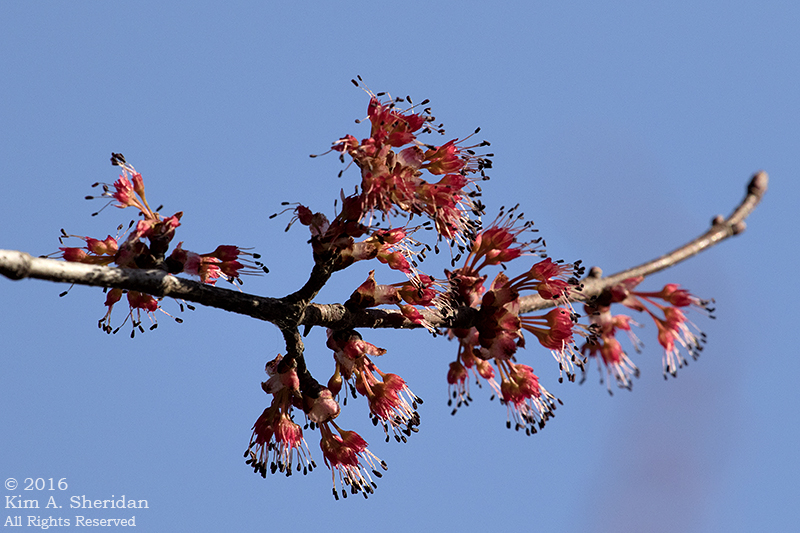
160322_PA HNWR Early Spring_2699acs…And flower.

160322_PA HNWR Early Spring_2716acsSometimes the green is not so welcome, like new shoots of Phragmites, an invasive plant found throughout the Refuge that a friend and I are trying to eradicate from a small plot. We knew it would come back. The fight is renewed for another growing season.

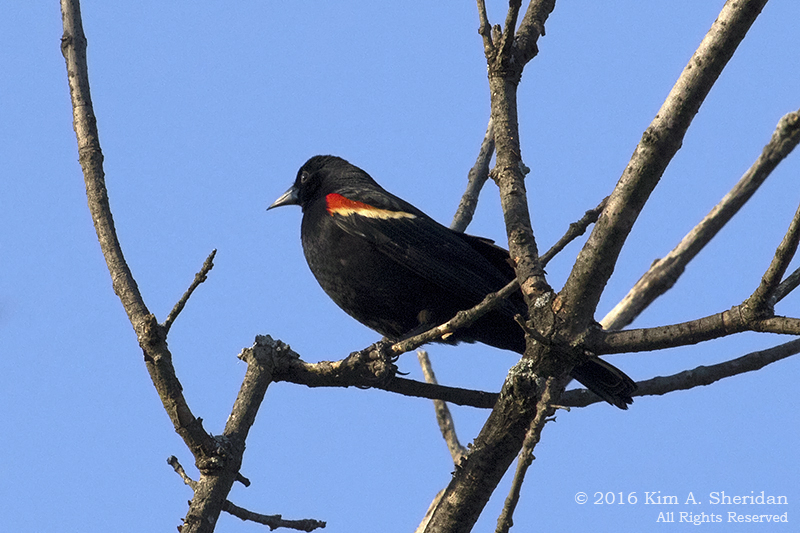
160322_PA HNWR Early Spring_3198acsThe greening of the land brings with it new arrivals freshly returned from their wintering grounds. Red-winged Blackbirds have been back for a few weeks. Their CONK-ER-REE calls are anything but musical, but nonetheless music to my winter-weary ears.

The air is filled with the songs of birds. Song Sparrows, Carolina Wrens and Cardinals join the blackbird chorus. There’s an amphibian choir singing as well, as frogs have come out of the mud where they spent the winter to look for mates. The aptly named Spring Peepers make a surprisingly loud, high-pitched PEEP continuously. These are tiny frogs, no bigger than a fingernail. In all my searching, I have never seen one, though I have been nearly deafened by their noise. Singing tenor to the peepers’ soprano are the Wood Frogs, who sound more like ducks, with their ragged QUACK call.

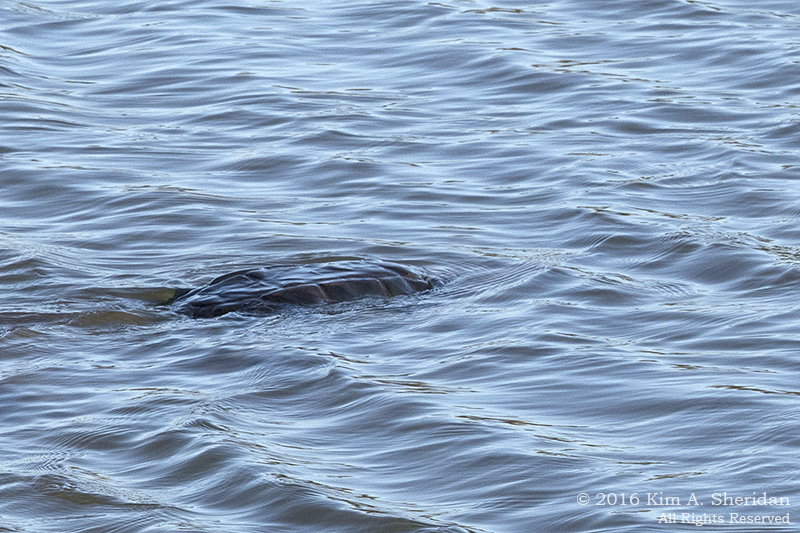
160322_PA HNWR Early Spring_3106acsSnapping turtles have also come out of the mud, and cruise along at the water’s surface.

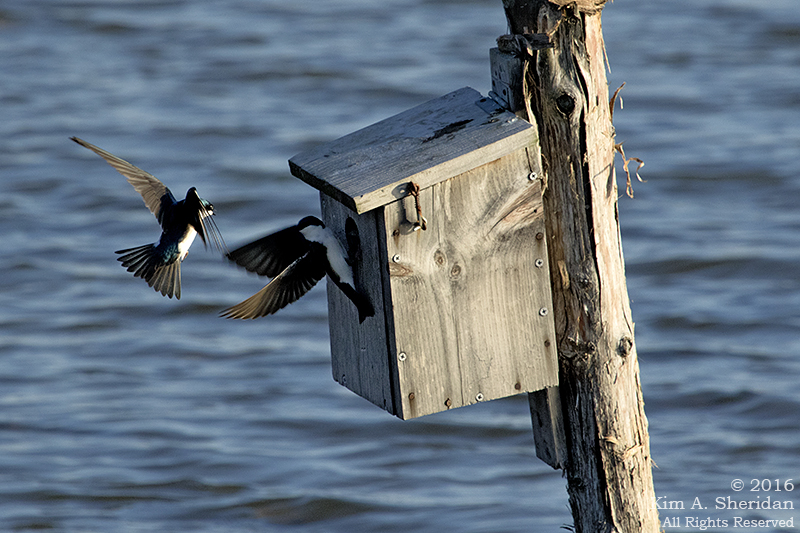
160322_PA HNWR Early Spring_3230acsTree Swallows came back recently. Now the sky over the impoundment is filled with the little blue jewels hawking insects. Which means, of course, that the insects are back too. The marshy environment of Heinz Refuge would be miserable with mosquitos were it not for our swallow friends. Which is why we have nest boxes for them.

160322_PA HNWR Early Spring_3263acsFrequent squabbles break out over those nest boxes. This is prime real estate.

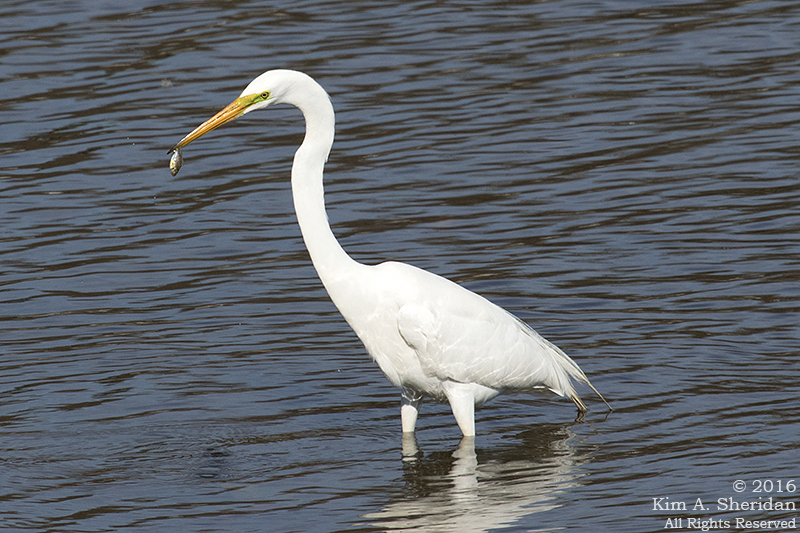
160322_PA HNWR Early Spring_2560acsGreat Egrets arrived last week. This one was enjoying an hors d’oeuvre, hoping for a more filling main course.

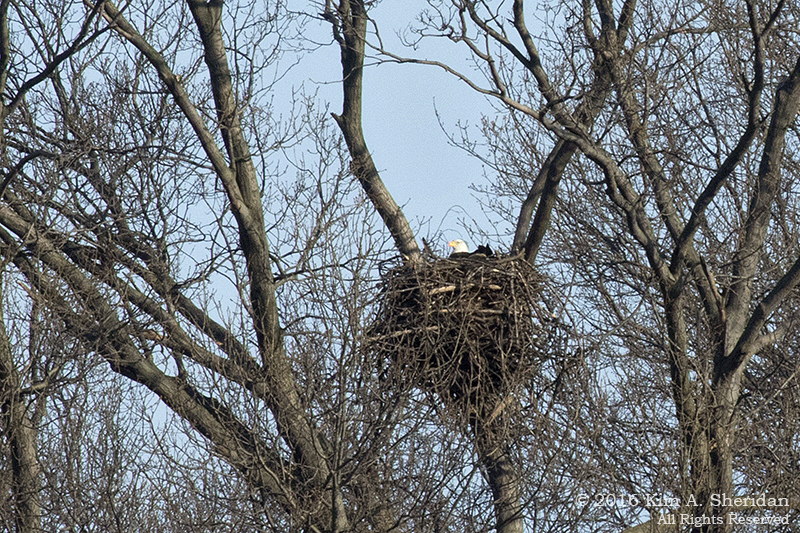
160322_PA HNWR Early Spring_3031acsHere’s the greenest photo of all. Yes, I know – there’s no green, just the dreaded brown. This is one of our Bald Eagle pair sitting on its nest. Inside that nest are one or more eggs. Any day now (it might already have happened) a tiny, fluffy eaglet will break its way out of the shell and start its new life.

New life. It just doesn’t get any greener than that.

My Frozen Valentines

160214_MD Point Lookout_9994acsaNever in my wildest dreams could I have imagined spending a Valentine’s Day on a beach with not one, but two, well-dressed men.

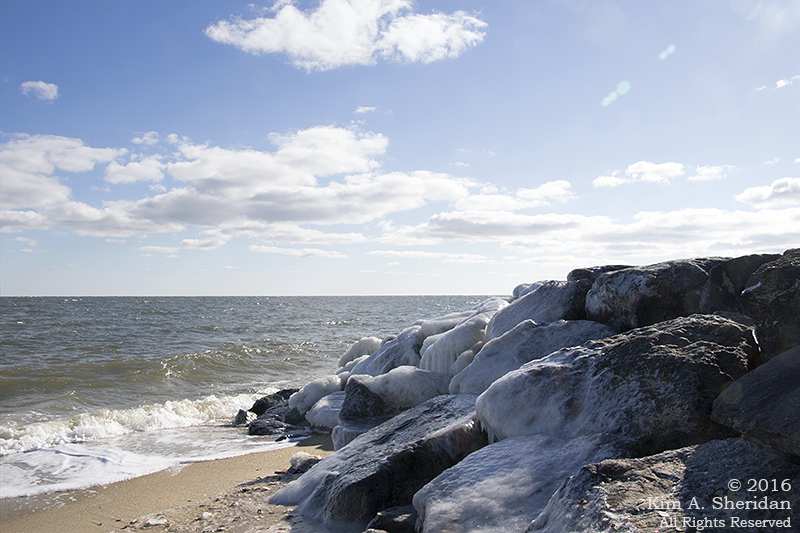
160214_MD Point Lookout_0012acsWell-dressed for the Arctic, that is. Because that’s what Point Lookout in Maryland felt like on this Valentine’s morn.

Robb, Don and I had come to the western shore of the Chesapeake Bay mostly to look for the fossils of Calvert Cliffs. Never ones to pass up a lighthouse, though, we drove to Point Lookout State Park at the very tip of the peninsula between the Chesapeake and the Potomac River.

160214_MD Point Lookout_0131acsOn the way, we passed a weathered wooden barn at the edge of a slumbering winter field. My companions couldn’t resist a little tomfoolery. Don decided we should reenact an Andrew Wyeth painting, and made Robb lie down and pose in front of the barn. Laughter is the best medicine, and these guys keep me laughing all day long.

160214_MD Point Lookout_9997acsWe found the lighthouse unimpressive, spoiled as we were by Drum Point the day before.

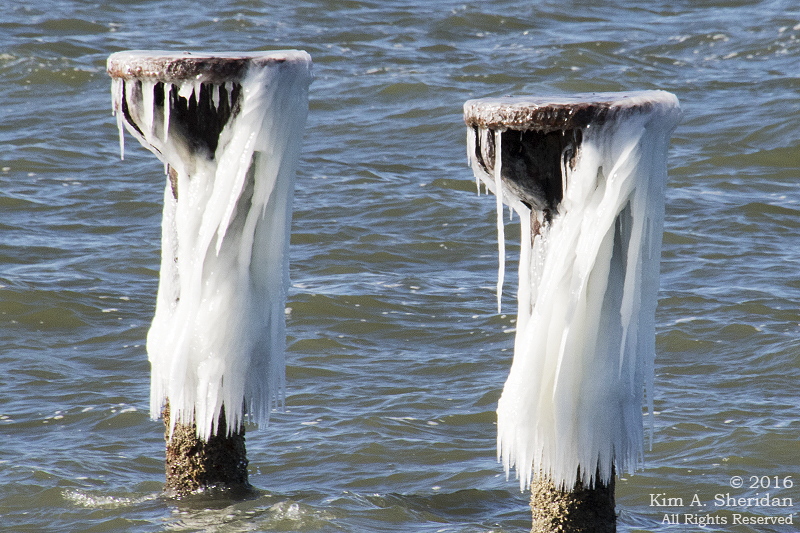
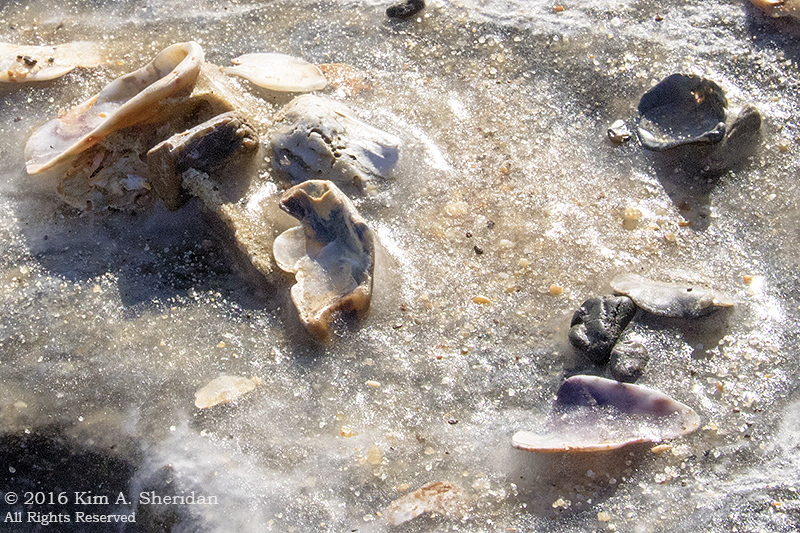
160214_MD Point Lookout_9974acsI was more intrigued by the ice coating objects along the shoreline. Not sure what these are. Can you guess which way the prevailing wind blows?

160214_MD Point Lookout_9981acsNearby, a section of fallen chain-link fence arched gracefully to the ground, providing the framework for a fascinating ice abstraction.

Robb and Don are always changing plans on the fly. I love it because I always get to see lots of different things when I’m with them. I don’t do spontaneity well. They push me to expand my horizons, while being endlessly patient as I adjust to stepping outside my comfort zone.

Sometimes they move too quickly, though, and miss what’s right in front of them. Cold as it was, they were keen to leave Point Lookout for our next destination. It took more than a little effort to convince them I’d spotted a neat beach to explore.

160214_MD Point Lookout_0057acs1My parents inspired a love of beach glass collecting many years ago. For a long time, that glass came exclusively from the Jersey Shore ocean beaches. Now I am collecting it in many other places – rivers, lakes, and bays. Point Lookout yielded several pieces of glass, my first from the Chesapeake Bay.

This one wasn’t coming home with me, though. Couldn’t budge it.

160214_MD Point Lookout_0014acs2Ice on the half shell.

160214_MD Point Lookout_0032acsThe rocks of the jetty formed a luscious confection, topped with terraced frosting that oozed into bubbles, then drizzled off the edges.

160214_MD Point Lookout_0027acsThere were no fossils here, since we were south of the end of Calvert Cliffs. Instead, our focus was on pebbles. One of the things I love most about my friends is the variety and passion of their interests. Their enthusiasms change as quickly and as intensely as cloud formations in a summer thunderstorm. I am swept along with the gusts, learning along with them.

160214_MD Point Lookout_0081acsAnd here they are, my frozen Valentines, bundled in parkas and balaclavas. Without them my Valentine’s Day might have been warmer, but not nearly so sweet.

Frigid Fossil Hunt

After such a mild winter, why, oh why, did we choose the only truly FRIGID weekend to go fossil hunting along the Chesapeake Bay?
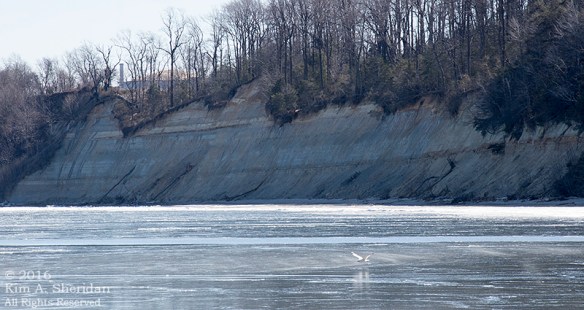
160214_MD Flag Ponds Nature Park_0252aCalvert Cliffs on the western shore of Maryland is well-known for fossils, in particular fossilized sharks’ teeth. Dreaming of returning with fists full of teeth, Robb, Don and I spent a cold weekend on the Chesapeake Bay exploring Calvert Cliffs and other nearby sites.

Take a little trip back in time, 15 million years ago. It’s the Miocene Epoch, and southern Maryland is covered by a warm shallow sea. In the sea swim ancient species of whales, porpoises, turtles, sea cows, and rays. Several species of shark, including the giant White Shark Carcharocles megalodon, feed on the vertebrate population. Ancient invertebrates inhabiting the seas include clams, oysters, crabs and corals.

As each sea critter died, its carcass sank to the sea floor, to be covered with sand and silt. Generation after generation, the layers of bones accrued and fossilized.

Fast forward to the present. What was once sea floor is now a formation of clay, sandstone and shale cliffs known as the Calvert Cliffs stretching for miles along the western shore of the Chesapeake Bay. Imbedded in those cliffs are the fossilized remains of over 600 species of extinct Miocene animals.

While the cliffs themselves are mostly on private property, there are a few public beaches where fossils appear – usually shells and corals – and the public is encouraged to fossil hunt. The real stars of the fossil hunt are the shark’s teeth. The teeth of extinct species of tiger, hammerhead, sand, and best of all Megalodon sharks can frequently be found here.

FUN FACT: Sharks, both prehistoric and modern, have an unlimited supply of teeth, which they lose frequently and which are immediately replaced by already existing teeth. Over the course of millions of years, that’s a lot of sharks’ teeth falling to the sea floor.

Don promised there would be “trillions” of fossilized sharks’ teeth out there for us to find.

160213_MD Drum Point Lighthouse_9881acsOur first stop was the Calvert Marine Museum in Solomons, Maryland. This was a great waterfront museum with an emphasis on natural and maritime history. We enjoyed the aquarium and other displays, but it was the fossil collection that we came to see. It was well worth the trip! There was a prehistoric time line, a reproduction of the Calvert Cliffs, and fossils of Miocene shells, sharks, whales, fish and crocodiles. Looming over it all was a HUGE replica of the extinct giant shark fondly known as Megalodon.
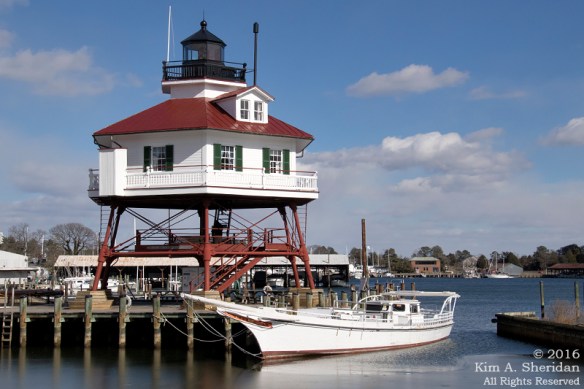
160213_MD Drum Point Lighthouse_9911acsWe also toured the decommissioned Drum Point Lighthouse. Previously I have only seen tower lighthouses that stand on the shoreline. Drum Point is a screwpile lighthouse that once stood over the water off Drum Point. The octagonal structure encloses a two story cottage for the keeper and his family. Moored next to the lighthouse is the skipjack Dee of St. Mary’s. Skipjacks were used to dredge oysters from the Chesapeake Bay.

The next afternoon we went to the beach near a portion of the Calvert Cliffs, hoping to find fossils. The gatekeeper showed us some fossils he’d found recently, petrified wood and a shark’s tooth. He said he’d found them yards out in the water, where the Bay is very shallow. Oops! Mistake #1: we left our muck boots at home. With temperatures hovering around 22° and a stiff breeze, there was no way we were walking in the water.

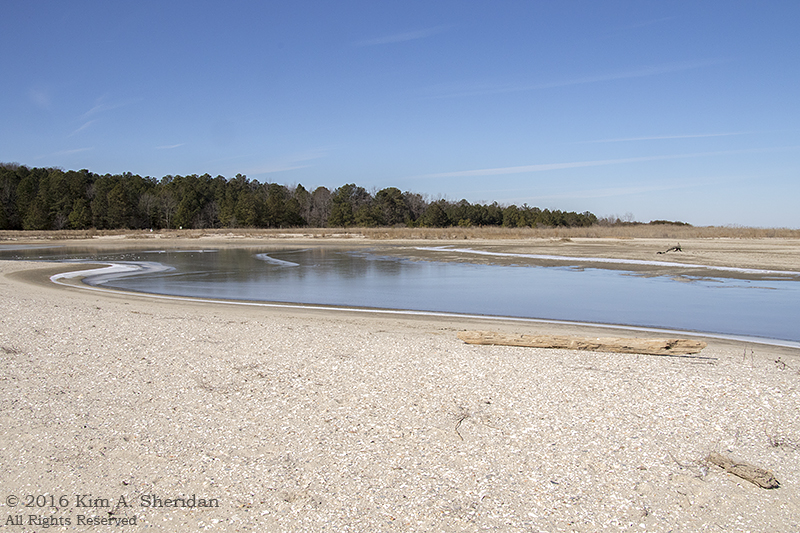
160214_MD Fossil Hunting_0240acsThe beach was unlike anything we’d seen before. Hundreds of yards wide, peppered with large pools and stands of beach grasses.

We walked for a long way right at the edge of the water, looking for fossils and teeth. Trillions of sharks’ teeth? Nope.
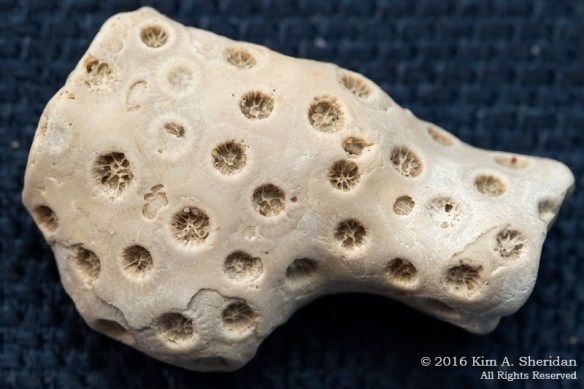
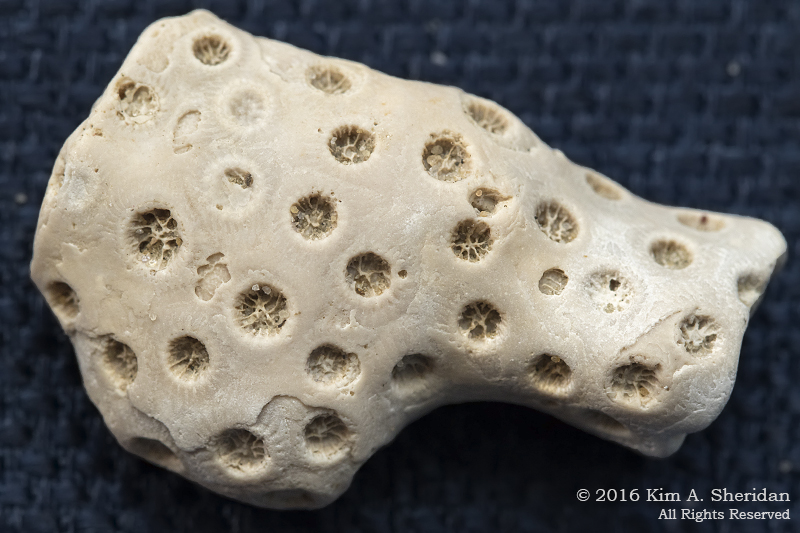
160302_MD Fossil Hunting_1612acs copyWe did find a few of these fossilized corals, which I photographed at home later.

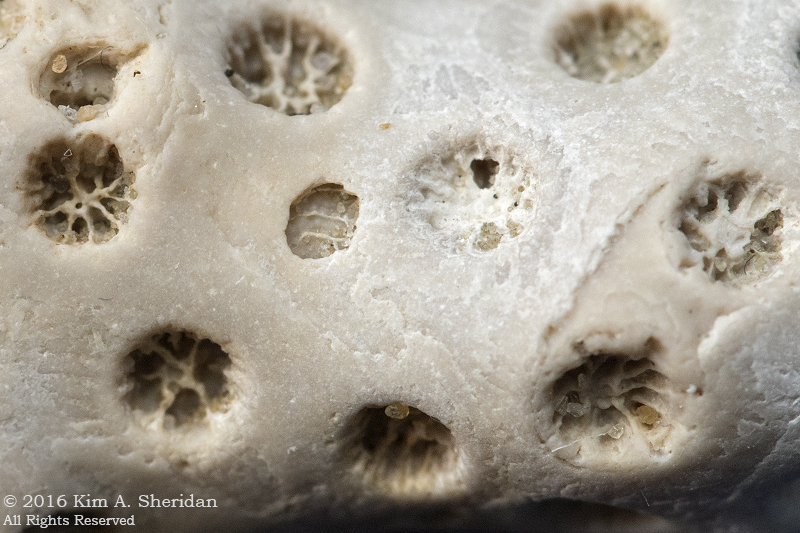
160302_MD Fossil Hunting_1613acsHere’s a close-up of the coral.

160214_MD Fossil Hunting_0193acsThe cliffs south of us were dramatic. Even from a distance, the striations were obvious. It was also obvious that I’d made a miscalculation in suggesting the afternoon for this trek. I’d hoped it would be warmer. But the afternoon sun left the cliffs in deep shade, and none of my photos do them justice. Mistake #2.

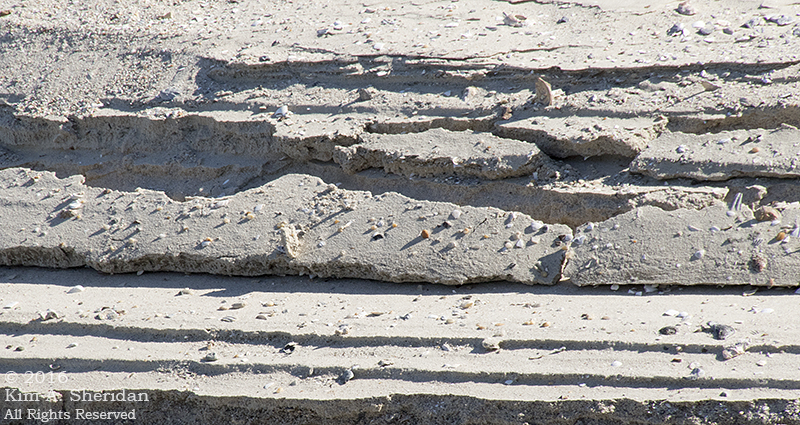
160214_MD Fossil Hunting_0246acsAn island of terraced sand looked enticing. Surely there are shark teeth in those layers? But it was out of reach across the water. We’ll never know.

160214_MD Fossil Hunting_0323acsWe found rocks with fossilized clam and scallop shells embedded in them. Pretty cool.
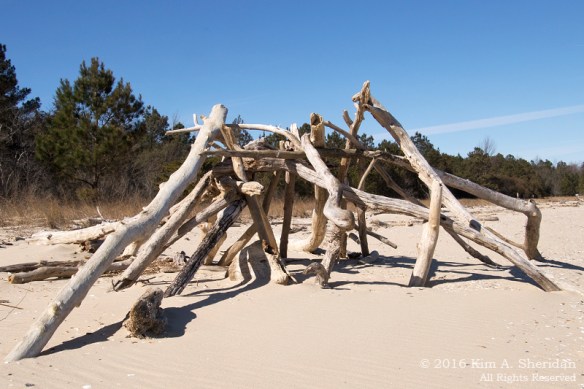
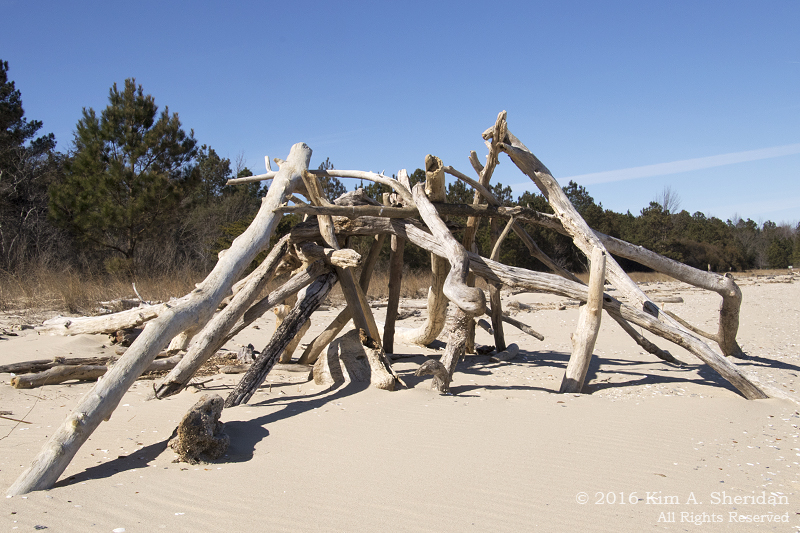
160214_MD Fossil Hunting_0262acsBeach sculpture. Again, humans’ need to create art wherever they are amazes me.

In our exploration of the beach did we find trillions of sharks’ teeth? Nope. Not one.

160214_MD Fossil Hunting_0310acsCoral, yes. Clam shells imbedded in rocks, yes.

Sharks’ teeth, no.

160214_MD Fossil Hunting_0157acsNo matter. We explored a beach unlike others we’ve seen, saw some honest-to-goodness fossils, and marveled at the massive Calvert Cliffs.

Frigid fossil fun!
Snow Scenes

160127_PA Glendale Park Snow_7972acaWinter can be such a drab season. Everything is bare and brown. There’s no green anywhere, save for the invasive vines that are so obvious at this time of year. Trips to the Jersey Shore and the Pine Barrens (evergreens!) break up the monotony. But it takes a good snowstorm to really shake things up. Suddenly all those bare brown branches are sugar-coated and the ground is clean crisp white.

After our January blizzard, I went walking every day to enjoy the snow. There’s a local park with a trail that parallels Darby Creek. Of course I took my camera along.

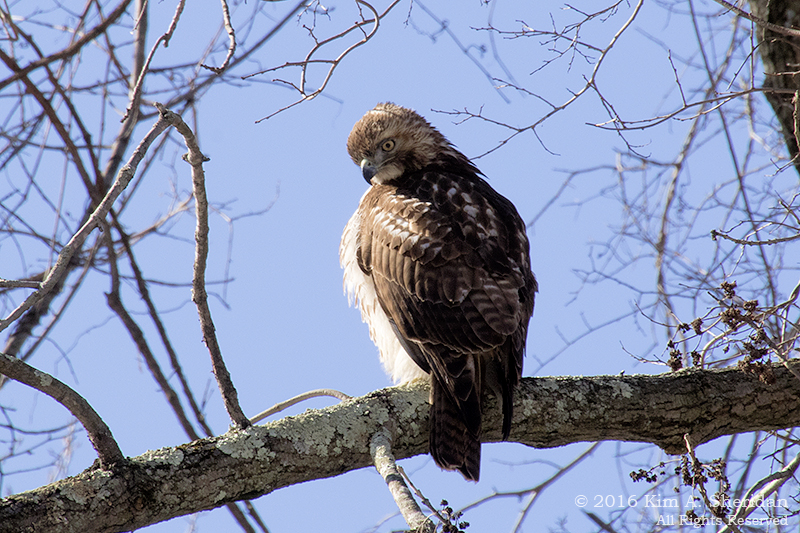
160127_PA Glendale Park Snow_8101acsWhile I was watching the wildlife, the wildlife was watching me. I’m pretty sure this is a Red-tailed Hawk. I’m out of practice identifying birds. Been spending a lot of my time with plants and pebbles.

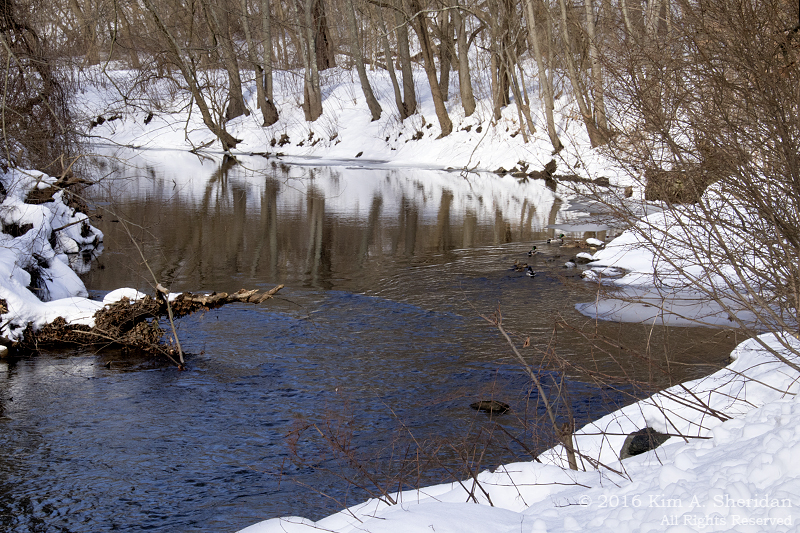
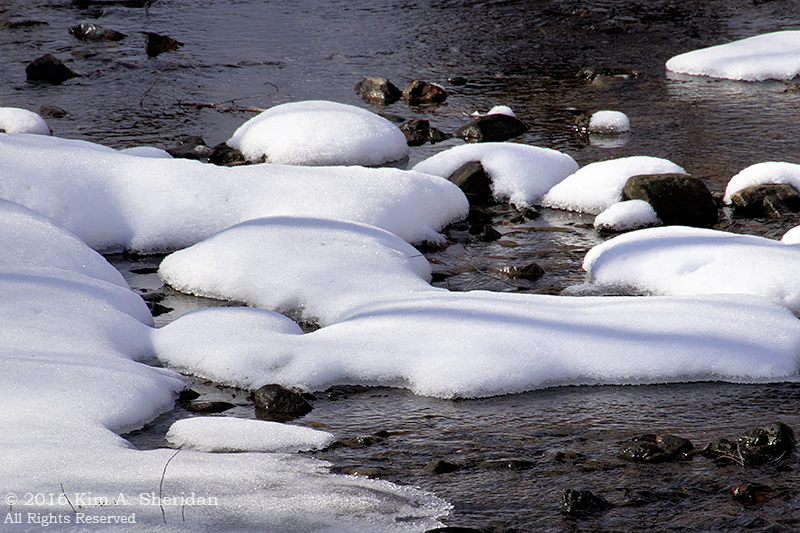
160127_PA Glendale Park Snow_8044acsSnow-covered rocks in the stream – Mother Nature’s cupcakes.

160127_PA Glendale Park Snow_8227acsMemories of summer days.

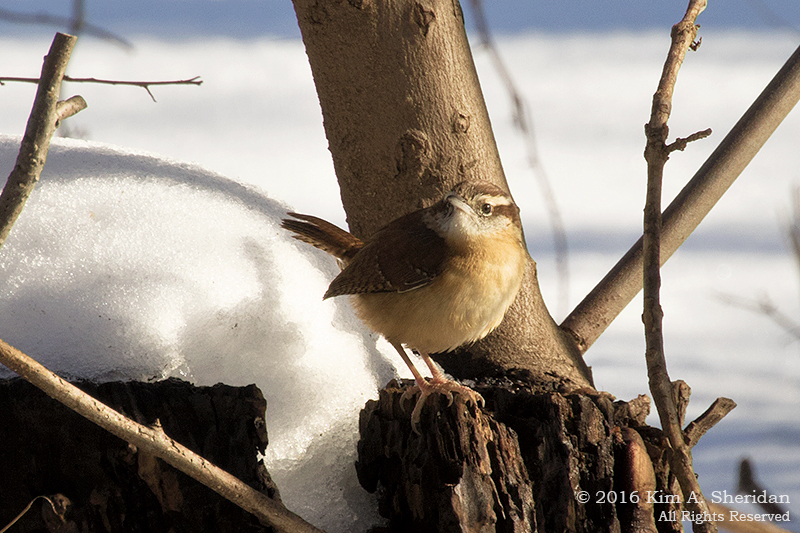
160127_PA Glendale Park Snow_8320acsCarolina Wrens are tiny birds with BIG voices. I usually hear them long before I see them.

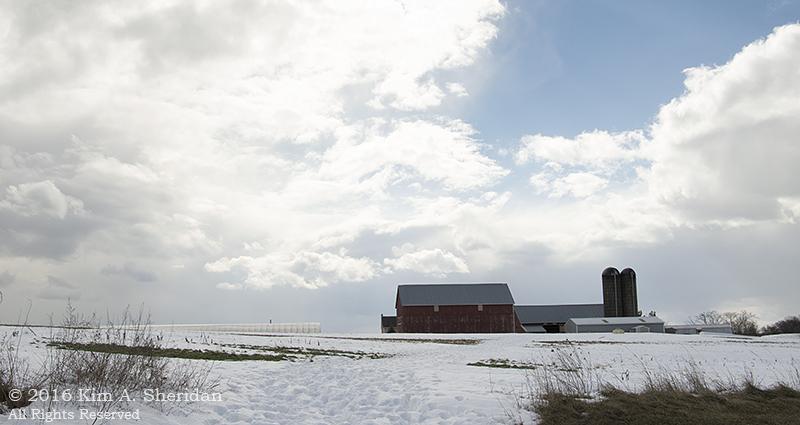
160129_PA Lancaster Farms Snow_8582acsSame storm, different location. Lancaster County barn.

A couple of weeks later Don and I went to the Pine Barrens on a Thursday to look for, what else, pebbles. On the following Saturday, Don, Robb and I were concerned that our chosen destination for the day would be too icy. So we debated an alternative. Don suggested a return to the Pines. I said “But, Don, you know the Pines got 4 inches of snow Thursday night, right?”

“Nonsense,” he replied “my family drove the Atlantic City Expressway right through the Pine Barrens yesterday and they said there was no snow.” So that’s where we went.

160206_NJ Pines Penn Forest Snow_9672acsUm, Don, no snow? What’s all this white stuff on the roads?

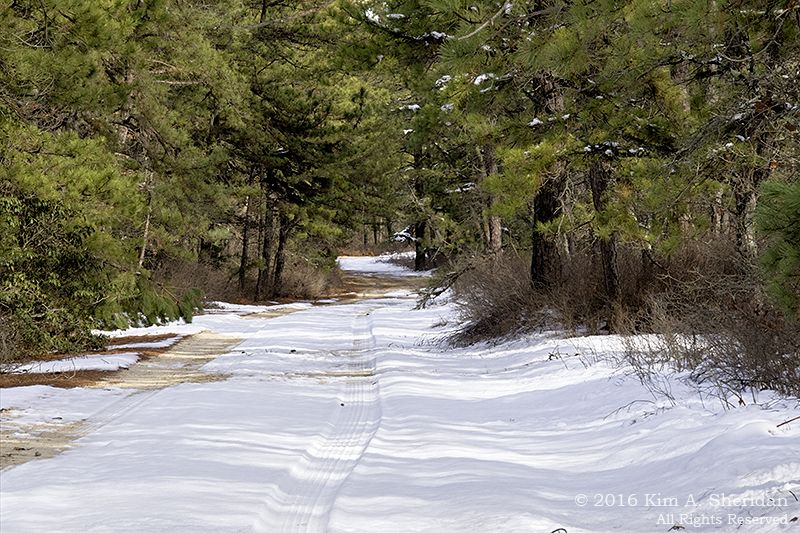
160206_NJ Pines Penn Forest Snow_9650acsWe tried to drive to Apple Pie Hill. I’m pretty intrepid on the sand roads, but not when they’re covered with snow and crisscrossed with icy truck tire tracks.

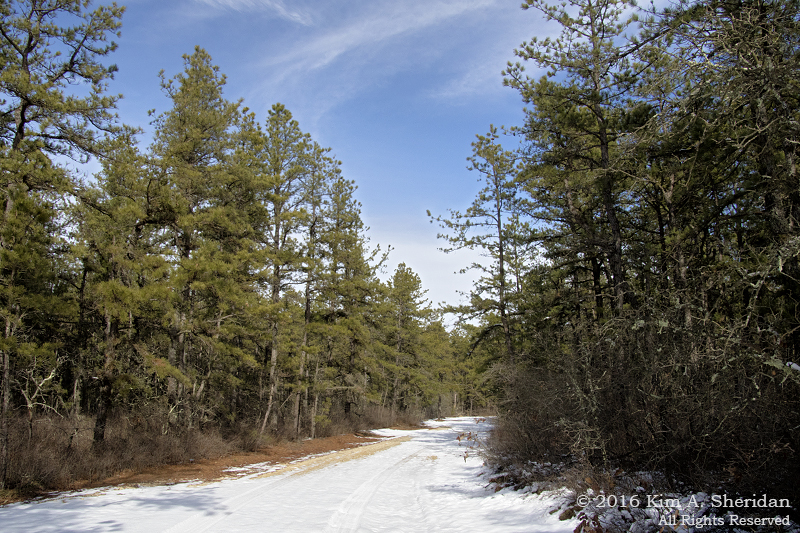
Eventually we turned back, and opted for a short walk in Penn State Forest. The white snowy roads were the perfect complement to the evergreens against crisp blue sky.

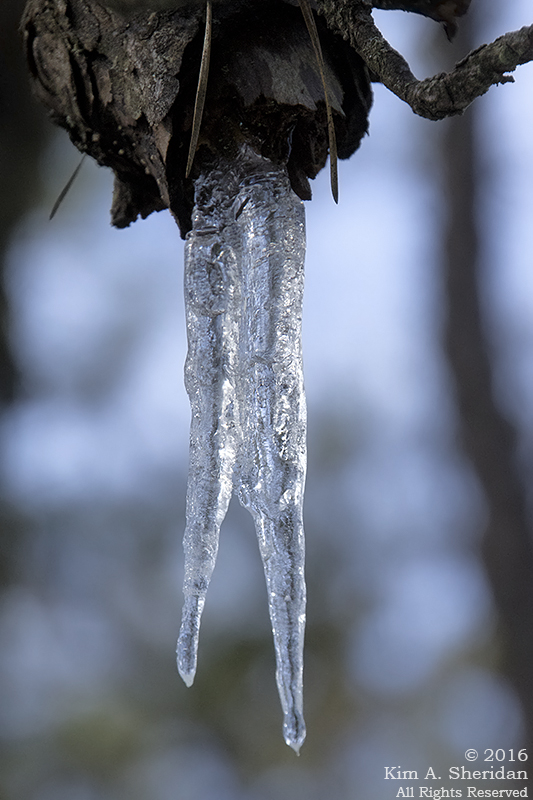
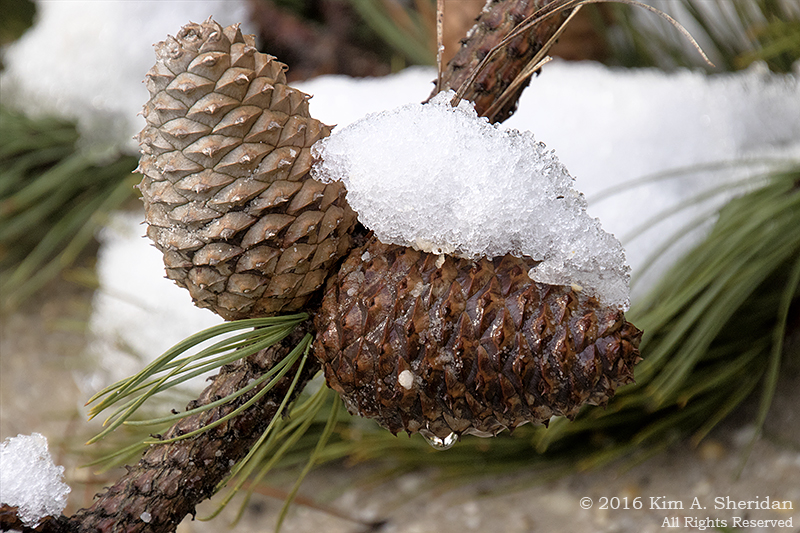
Pine cone icicle.

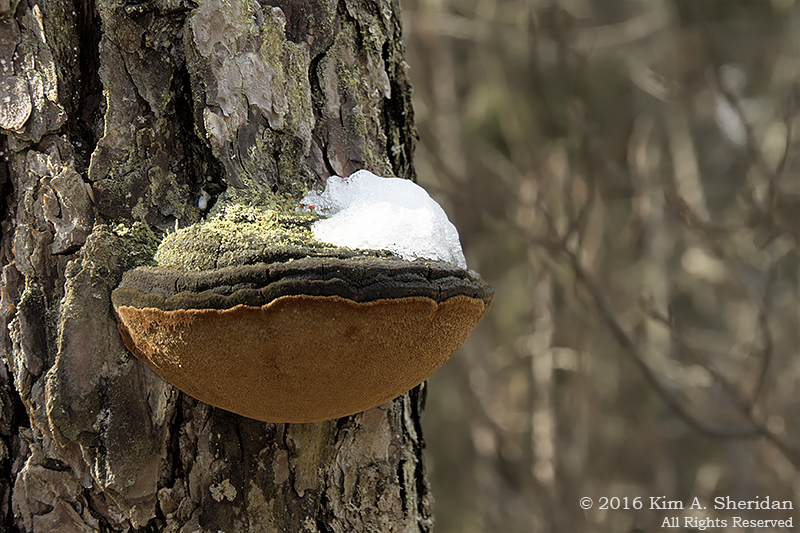
160206_NJ Pines Penn Forest Snow_9603acsThe perfect shelf for a miniature moss garden. Look very closely for the red moss sporophytes just at the left edge of the snow.

160206_NJ Pines Penn Forest Snow_9772acsAhh, the essence of the Pine Barrens in any season. Pitch Pine cones, snow frosted.

160206_NJ Pines Penn Forest Snow_9705acsPerfectly lovely photo of snowy pine boughs, photo-bombed by Robb.

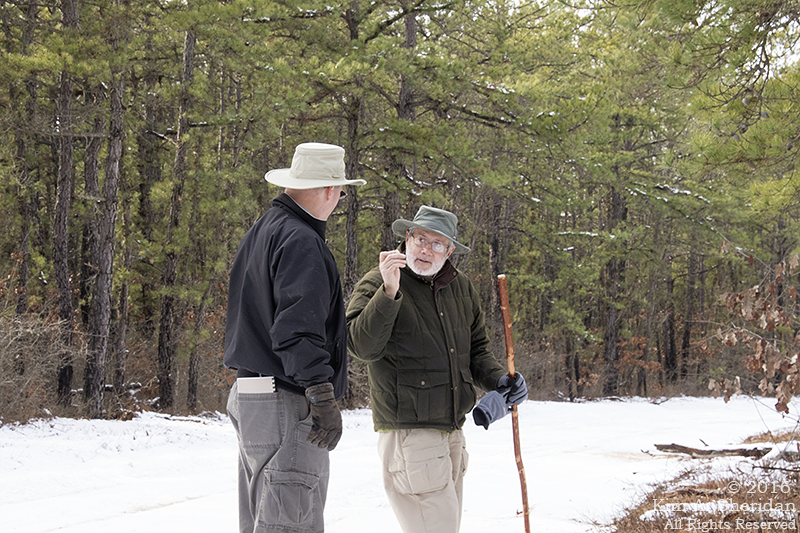
160206_NJ Pines Penn Forest Snow_9780acsWe are trying to learn about geology, and the identification of rocks. It’s a tough thing to learn on our own without experts to guide us. We’ve had an ongoing argument about whether the pebbles we see in many places are naturally occurring rocks, or from fill placed by man. Don had a point to make in that debate.

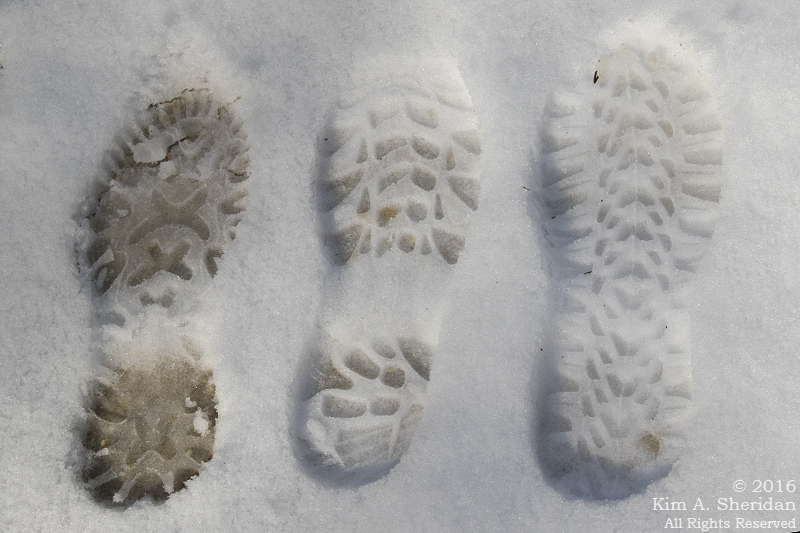
160206_NJ Pines Penn Forest Snow_9668acsOur boot prints. From left to right: Kim, Robb, Don. The sizes are deceiving; my foot is smaller than the guys’. Really it is.

160206_NJ Pines Penn Forest Snow_9696acsOur “short” little walk didn’t go at all as expected. Mistaken shortcuts took us far beyond the bounds of Penn State Forest into unexplored territory. The Pines are a mysterious place filled with unmarked sand roads, and even Pines veterans can find themselves bewitched and bewildered. We ended up having to retrace our path; though we were certain of the route back, we were grateful for the confirmation of our boot prints. We left at noon, and hours later found ourselves back at the car, hungry and thirsty.

160206_NJ Pines Penn Forest Snow_9824acsJust in time to see the sun set on a lovely day in the snowy Pine Barrens.

At the Top of the World

The Winter Queen is imperious and aloof, demanding and notoriously fickle. This year she opted to remain far to the north, leaving us in the gentle arms of Lady Autumn until late in January. Then Her Majesty swept in on howling winds of ice, and buried us in feet of snow.

She is beautiful, and her passage leaves a photographer is eager to get outside to admire the winter wonderland. But first her demands must be met: two days of shoveling, and the passage of enough time for the roads to clear.

Many are the photos I have of the lowlands wreathed in snow: Heinz Refuge, Valley Forge, Ridley Creek. Lacking are any images of snowy scenes from on high. Nearly a week after the blizzard, I set forth on a journey to visit the Winter Queen in her mountain fastness.

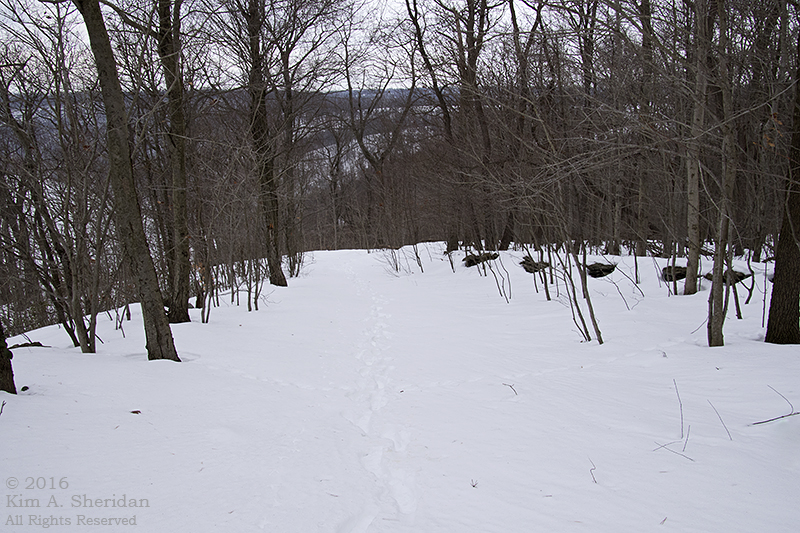
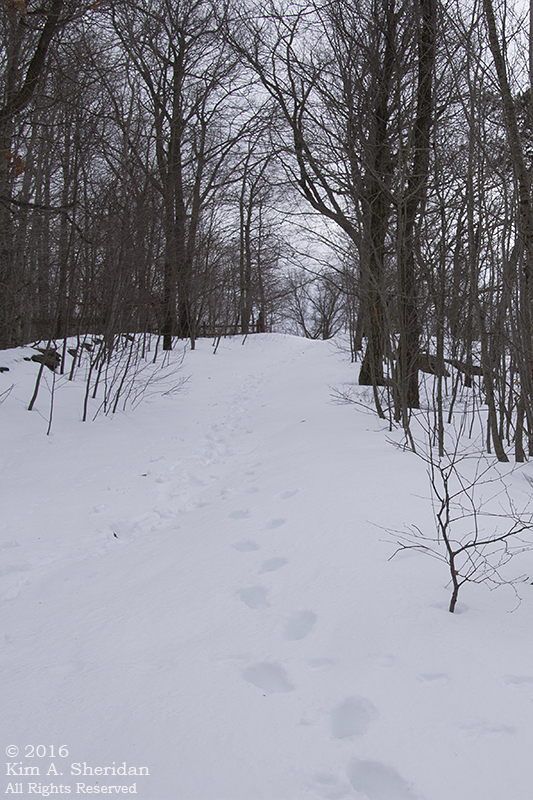
160129_PA Holtwood Pinnacle Snow_8336acsCardinals kept me company as I hiked up the narrow channel of compacted snow where others had walked before me. The soft sigh of the wind in the trees whispered above the rhythm of the wet crunch of my footfalls and squishy creak of my trekking poles.

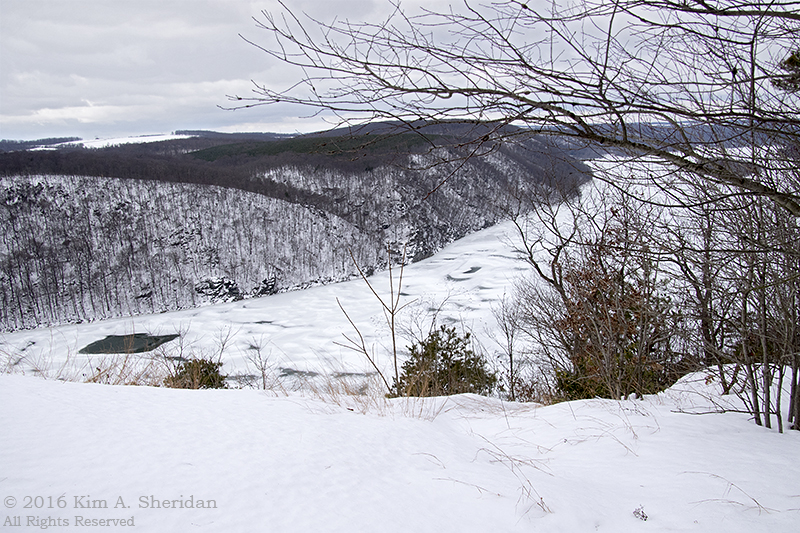
I wondered what I would find when I reached the Pinnacle. How would the Susquehanna River below be dressed? Open dark water? Or would it be garbed in Her Majesty’s mantle of white?

The wind quickened as I neared the Pinnacle. The first glimpse through the trees made me gasp.

160129_PA Holtwood Pinnacle Snow_8339acsMy heart soared and I hurried to the overlook.

160129_PA Holtwood Pinnacle Snow_8355aYes! The Winter Queen has indeed been here!
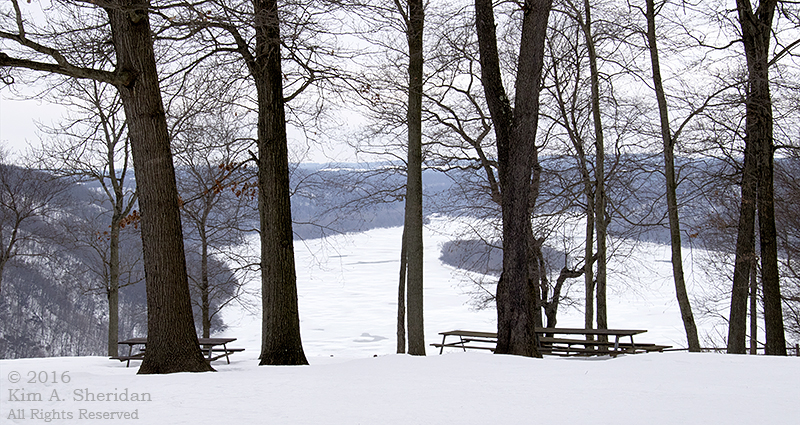
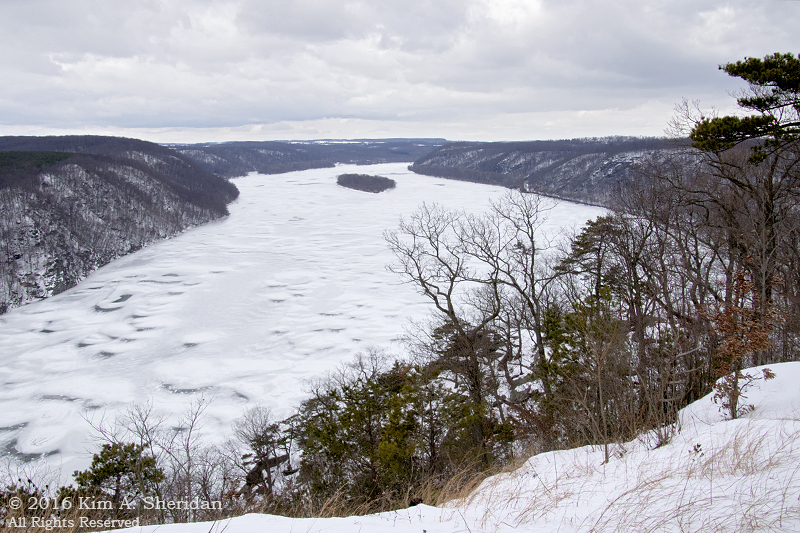
160129_PA Holtwood Pinnacle Snow_8453acsThe evidence of her frigid touch is everywhere, frosting the hills rising above the river…

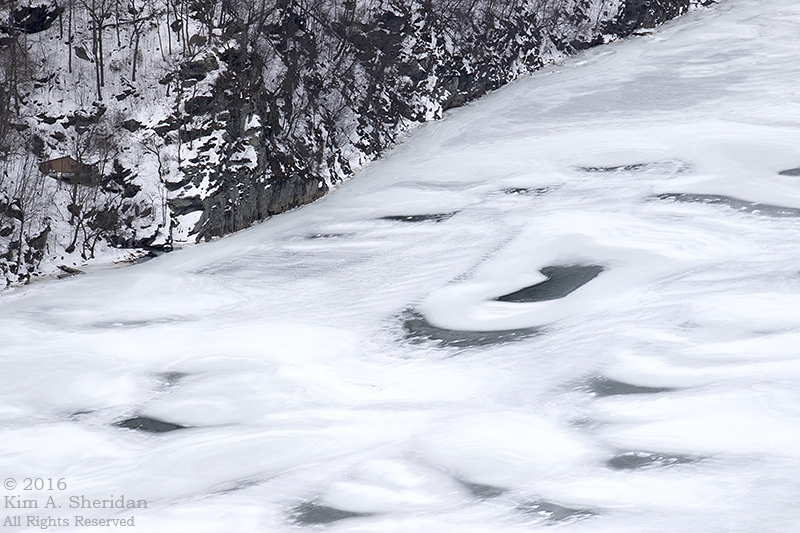
160129_PA Holtwood Pinnacle Snow_8461acs…and tracing the surface of the ice in intricate swirls and waves.

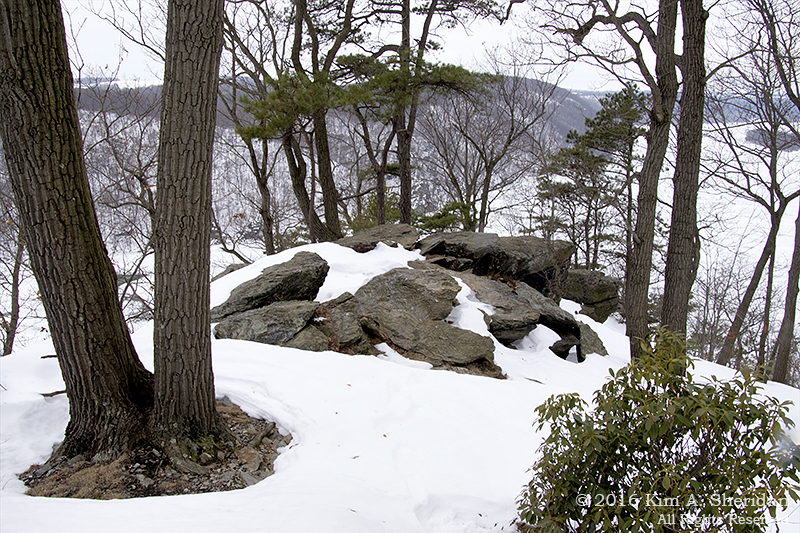
160129_PA Holtwood Pinnacle Snow_8373acsOn previous visits to the Holtwood Gorge Pinnacle, we discovered a wondrous place just down the trail.

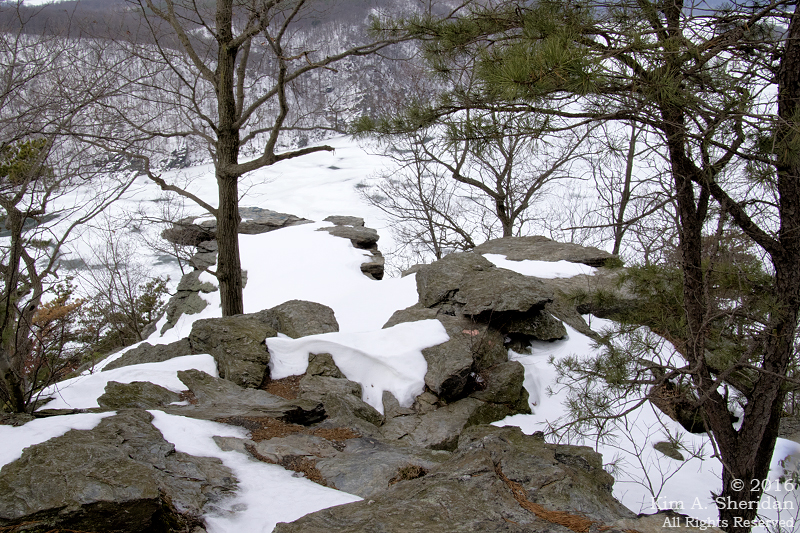
160129_PA Holtwood Pinnacle Snow_8376acsIt’s a place where pine trees and rhodendrons stand guard over a garden of rocks.

160129_PA Holtwood Pinnacle Snow_8385aIn dry weather, it is a fun boulder scramble to the farthest of the rocks to look straight down to the water. When the Winter Queen is in residence, it requires much more caution. I clambered carefully down the rocks, often on my butt, very tentative when on my feet. Sometimes my foot plunged through the snow to my knee.

160129_PA Holtwood Pinnacle Snow_8393acsThere was the point beyond which I would not go. The Winter Queen cares nothing for the safety of her admirers.

160129_PA Holtwood Pinnacle Snow_8383acsBut, oh, what there was to admire! I sat on a dry boulder for a long time, soaking in the sights and sounds of the Gorge in snow. The wind howled through the trees, a whisper no longer. I felt it stinging my face, as the cold seeped into my legs from the rough rock below me.

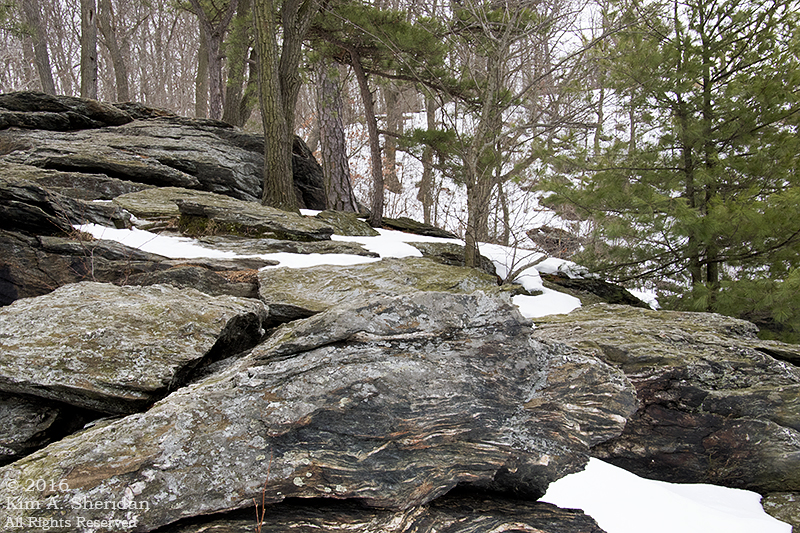
160129_PA Holtwood Pinnacle Snow_8419acsBoulders loomed above me, their surfaces braided in stripes of dark grey, white and rust, dusted with lichens and puddles of snow. Three Bald Eagles circled past, and a kettle of Turkey Vultures.

160129_PA Holtwood Pinnacle Snow_8427aA flock of Robins passed through, flitting noisily through the shrubs. Did the Winter Queen take offense at the cheery presence of these harbingers of spring in her frozen domain?

160129_PA Holtwood Pinnacle Snow_8448acsSlowly I made my way back up the boulders.

The climb was tricky; I had learned the hard way not to trust that there would be solid ground beneath every patch of snow.

I used my hands and knees more than my feet.

Walking the trail was easier.

160129_PA Holtwood Pinnacle Snow_8478acsAt the top, I turned once again to drink in the wonder of the Her Majesty’s creation, the pearly white ribbon winding through dark hills and twisting out of sight.

As if to remind me of the Winter Queen’s capricious temperament, when I reached my car, it began to snow.

Finding Refuge in the Snow

160126_PA HNWR Snow_7764This has been one weird winter. December and January were abnormally warm. Philadelphia set a new record for latest first snow.

Then the meteorologists started beating the drums for a winter storm of near-blizzard proportions, a full week in advance. When it finally came, it was a doozy, dumping 30″ of snow in some locations, and 22″ at the Philadelphia Airport. It took two days to clean up.

Finally, I escaped to John Heinz NWR to enjoy it.

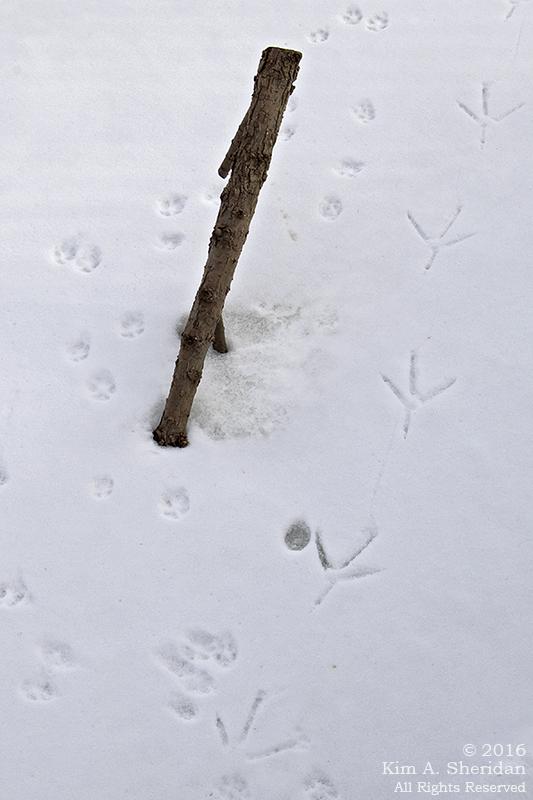
160126_PA HNWR Snow Tracks_7740acsLooked like we weren’t the first to venture out.

Who goes there?

Great Blue Heron, definitely.

Red fox, perhaps. Or maybe one of the feral cats that hang out at the Refuge.

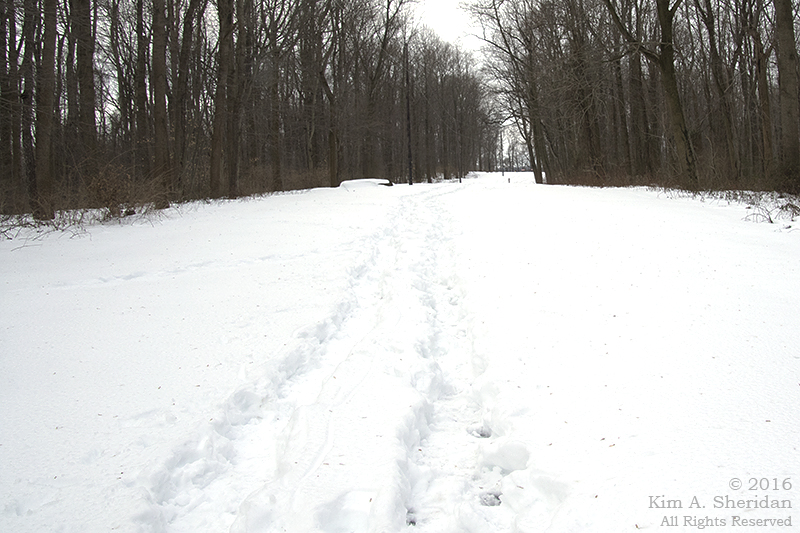
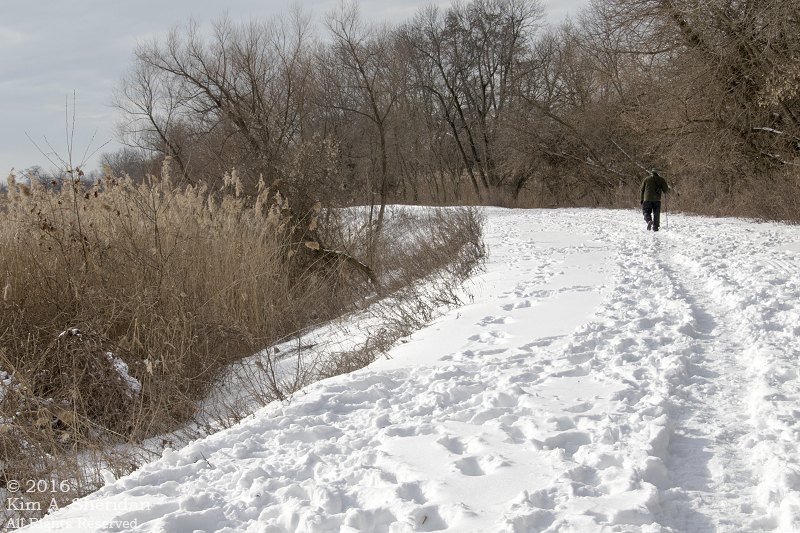
160126_PA HNWR Snow_7733acsWe weren’t the first humans out either, judging by the well-beaten path.

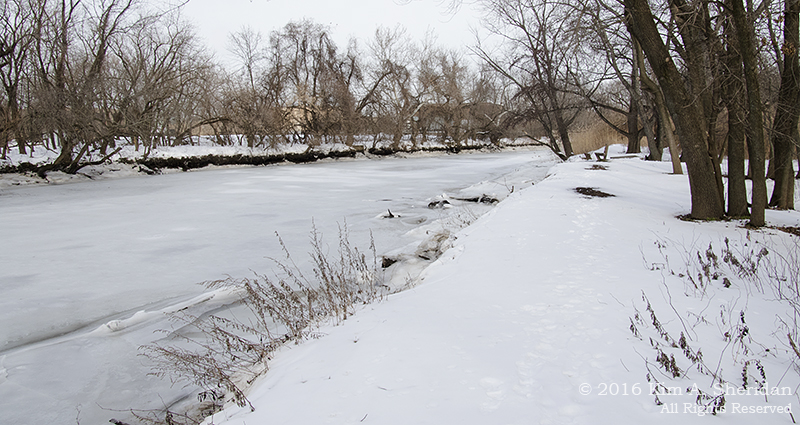
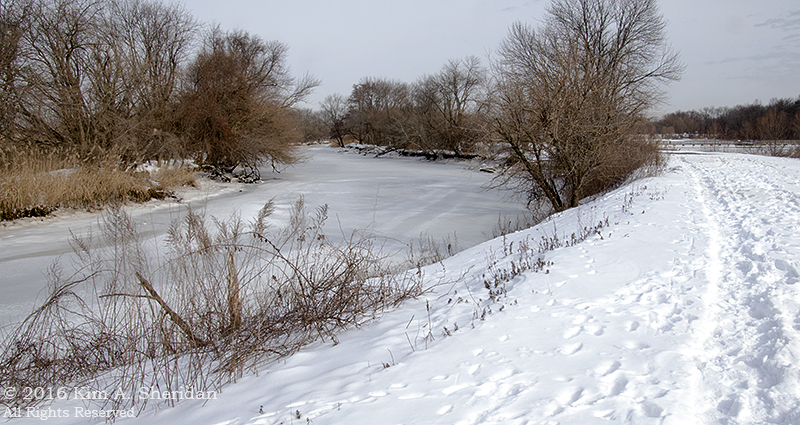
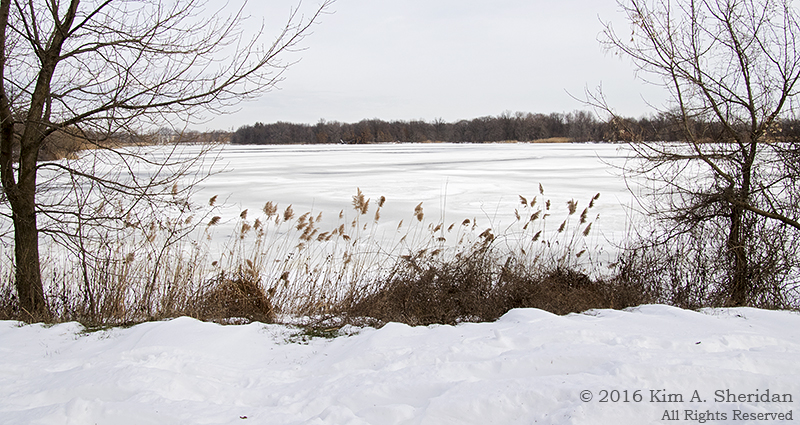
160126_PA HNWR Snow_7781aEverything looks new in the snow. Darby Creek was frozen on a gray day…

160126_PA HNWR Snow_7864acs…and the impoundment wore a mantle of white.

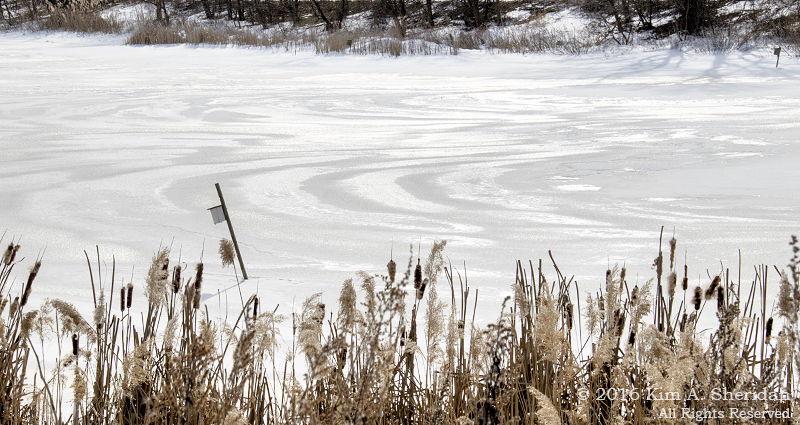
160126_PA HNWR Snow Ice_7853acsThe snow storm brought strong gusty winds, which created some intricate patterns on the surface of the impoundment.

On this walk we had one destination in mind, and we were going to reach it, no matter what. And what, pray tell, was the object of our desire?

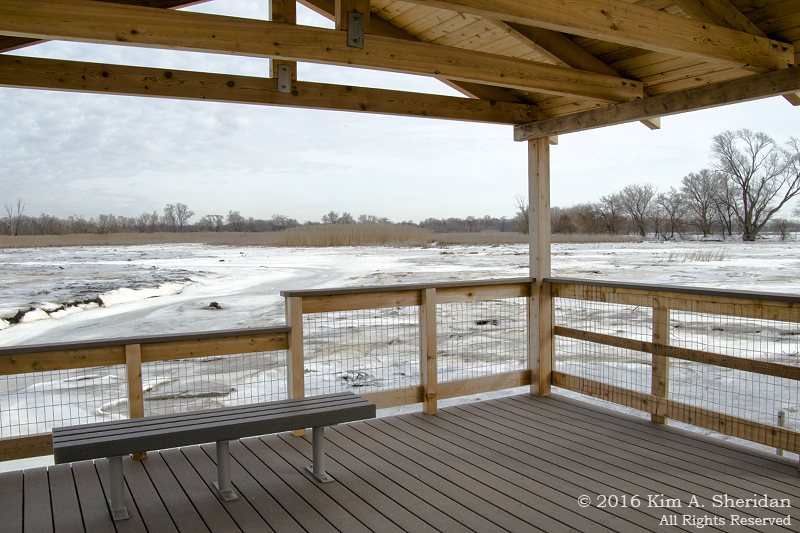
160126_PA HNWR Snow_7869acsThe Refuge’s big pride and joy – our new Marsh Boardwalk. A year in the making, it extends hundreds of feet into the freshwater tidal marsh, and gives visitors and schoolchildren an up-close look at the ecosystem. This was the first time I’d seen it in snow.

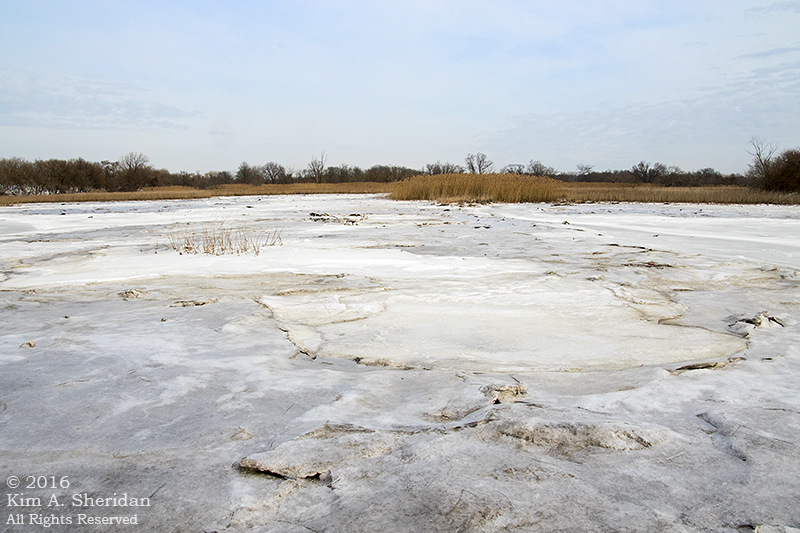
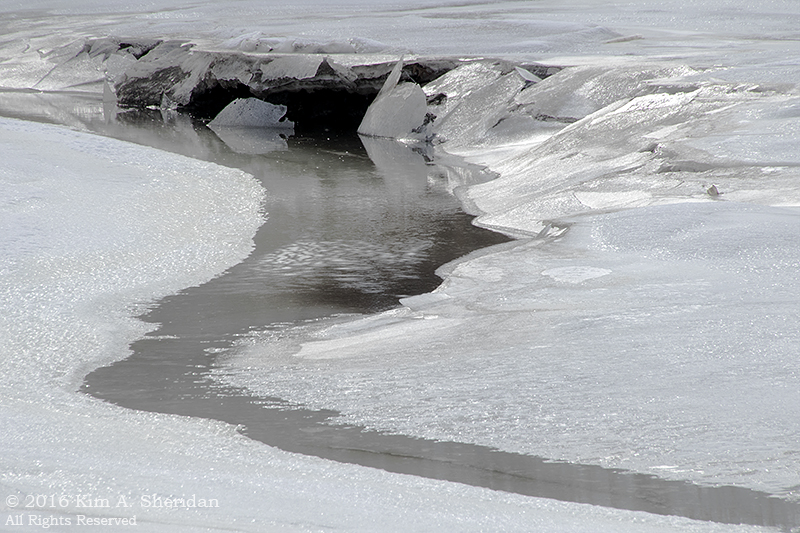
160126_PA HNWR Snow_7917acsThis is the marsh in winter. Because it’s tidal, the water rises and falls beneath the ice, and the ice rises and falls with it, fracturing into frozen plates. No smooth skating rink here!

160126_PA HNWR Snow_7885acs160126_PA HNWR Snow_7915acsDarby Creek flows through the marsh in braided channels. Where water ran, the ice yielded to its passage.

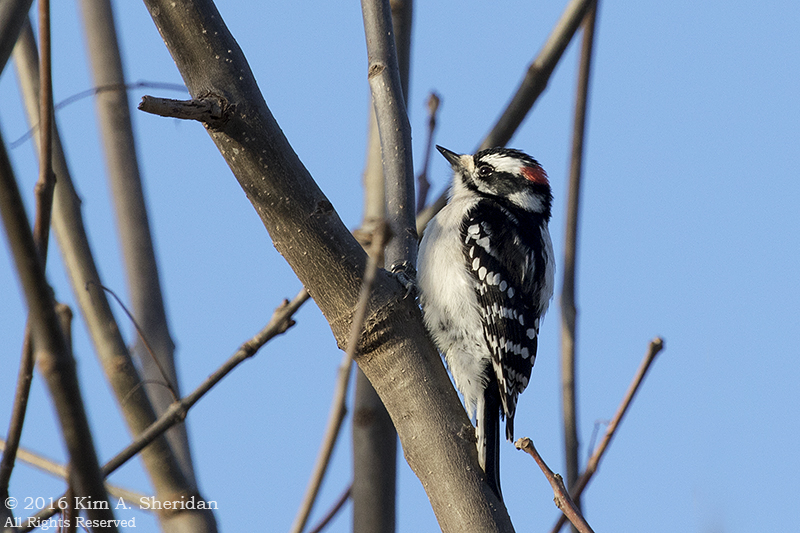
160202_PA HNWR Downy_9311acsOne week later, the sun was shining. Another oddity. We’ve had more than our share of blue-sky days this winter. This Downy Woodpecker was busily looking for something yummy to eat.

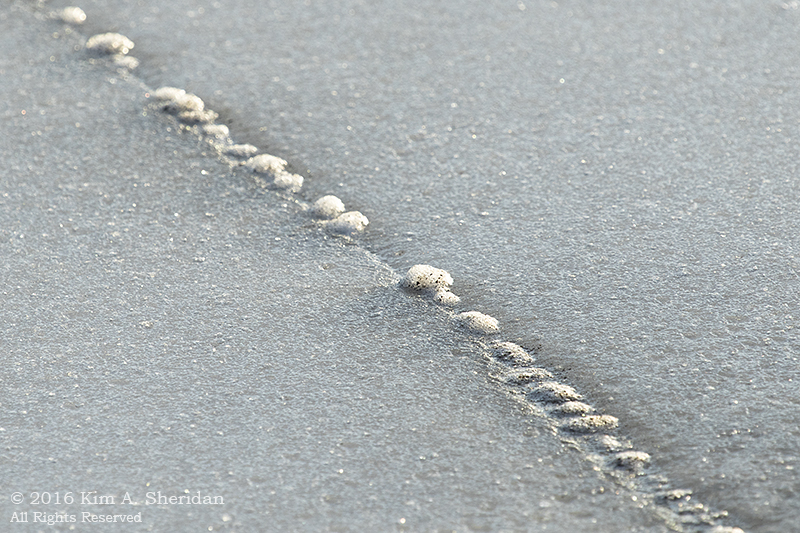
160202_PA HNWR Ice_9423acsThe impoundment was peppered with little balls of snow. Or so I thought. On closer inspection, I discovered they were balls of air bubbles that had puffed out of small holes in the ice.

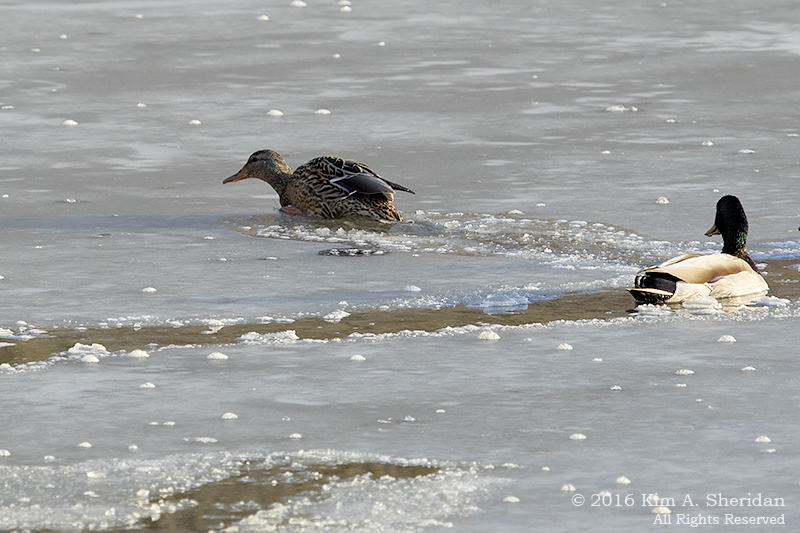
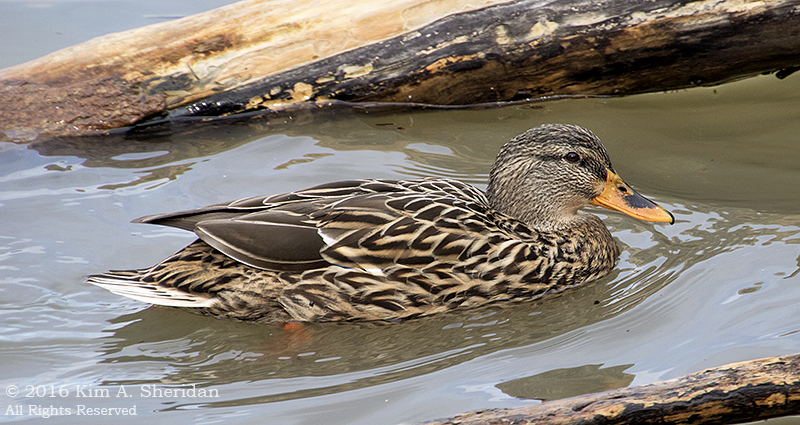
160202_PA HNWR Ducks_9381acsThe duck icebreakers were hard at work. This Mallard hen was determined go somewhere new. She would try to climb up on the ice to walk, only to break through to the water. Rinse and repeat. After a while she had opened up quite a channel.

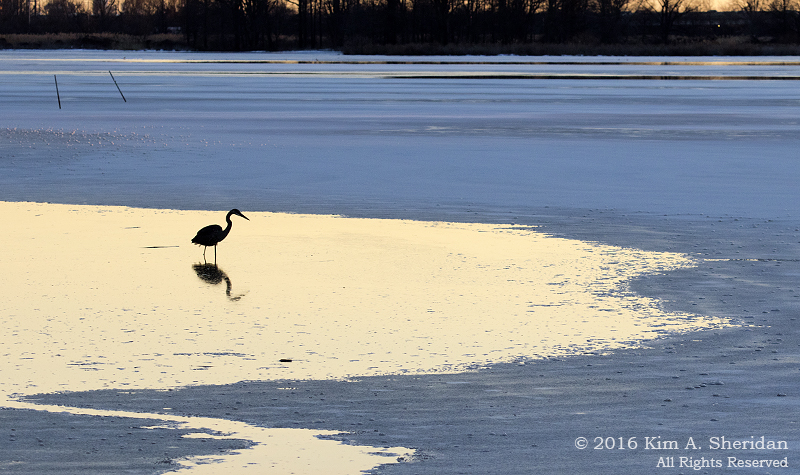
160202_PA HNWR GBH_9535acsA Great Blue Heron fished in the golden glow of sunset.

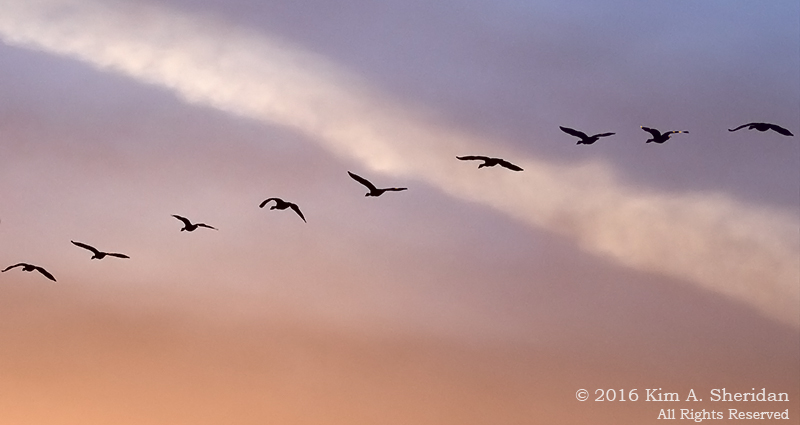
160202_PA HNWR Geese_9557acGeese streamed in with the dying light, ready to call it a night.

Two weeks after the Big Storm, the temperatures have rebounded. The snow is all but gone. Darby Creek is ice-free. The trails at Heinz Refuge are clear. People were seen in shirt-sleeves. One weird winter!

Texas Travelogue

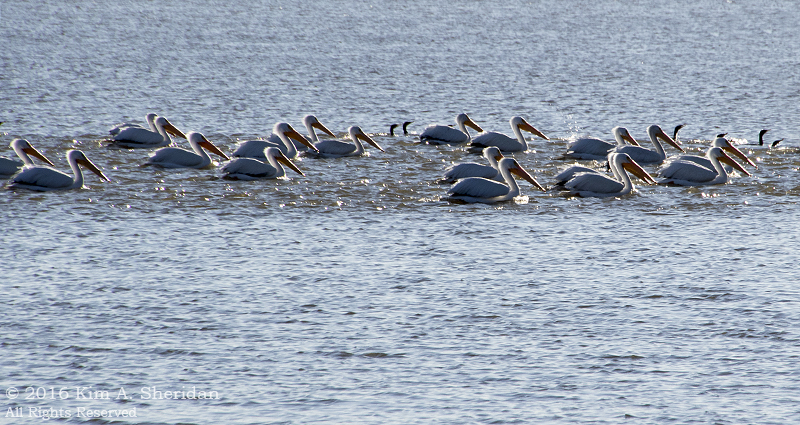
Critter Radio Logo v3Up North, the wind is howling and the snow falls by the foot. But here in the heart of Texas, the maelstrom is far away. The late afternoon sun shines warmly on the gently rippled lake as a flotilla of stately Pelicans sets sail for Sunset Bay. Refined dining awaits.

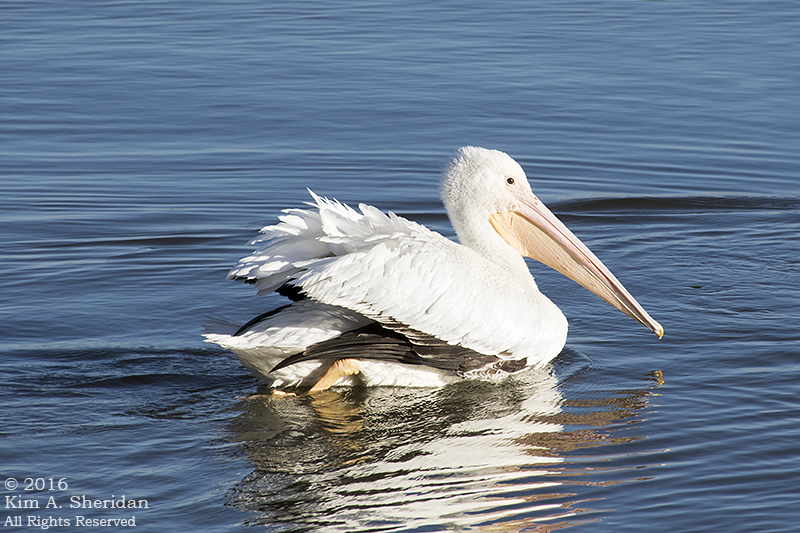
151223_TX White Rock Lake_4114acsHello. I’m Arthur Pelican, travel editor for KRTR, Critter Radio. I’ve come here to White Rock Lake to sample the amenities and meet the guests at one of the finest avian winter resorts in Dallas.

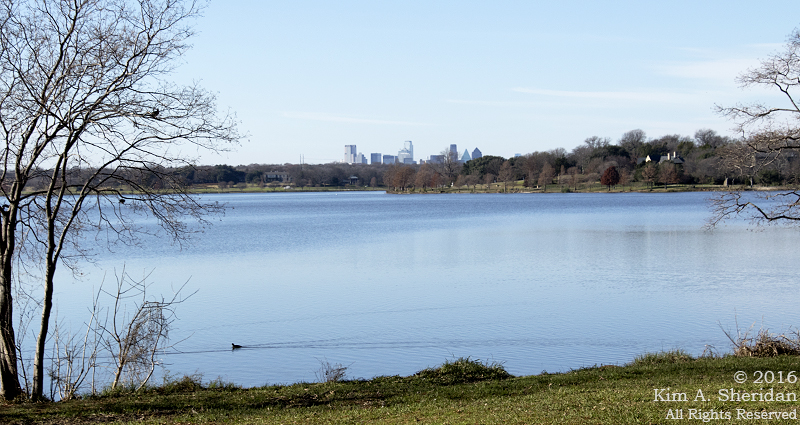
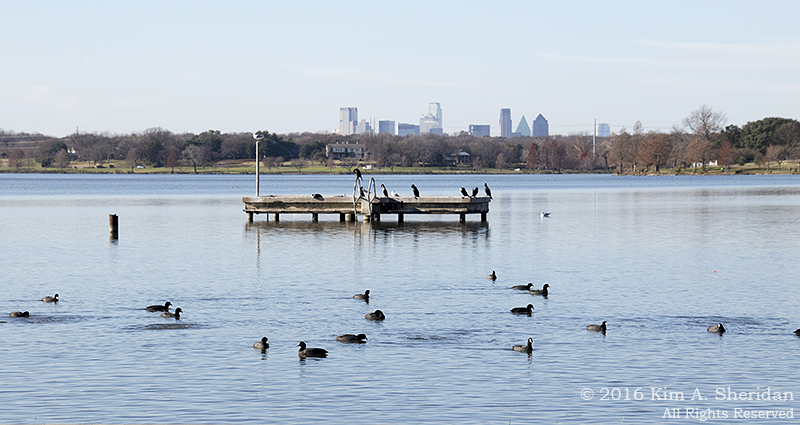
151225_TX White Rock Lake_4521acsNestled amid grasslands, wetlands and woodlands, this 1,015-acre jewel is the perfect escape from the cold and snow for the discriminating critter.

151229_TX White Rock Lake_4951Amenities include endless opportunities for water recreation, numerous docks and piers for sunbathing, and a variety of fine cuisine.

151225_TX White Rock Lake_4448acsIn addition, the Lake’s location northeast of Big D offers an abundance of urban culture and nightlife within easy proximity.

151223_TX White Rock Lake_4146acsWhite Rock Lake is fed by White Rock Creek, a 30-mile creek that joins the Trinity River south of the Lake. The Creek and the Lake get their name from the white Austin chalk that makes up the streambed and banks. Large rocks of weathered chalk pepper the shores of the Lake.

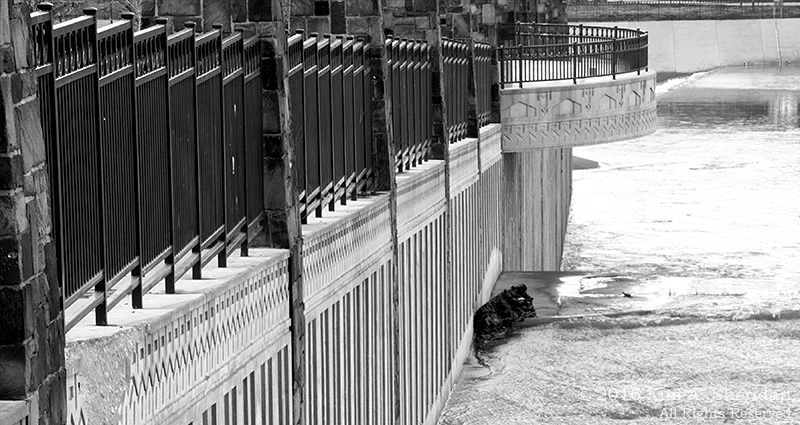
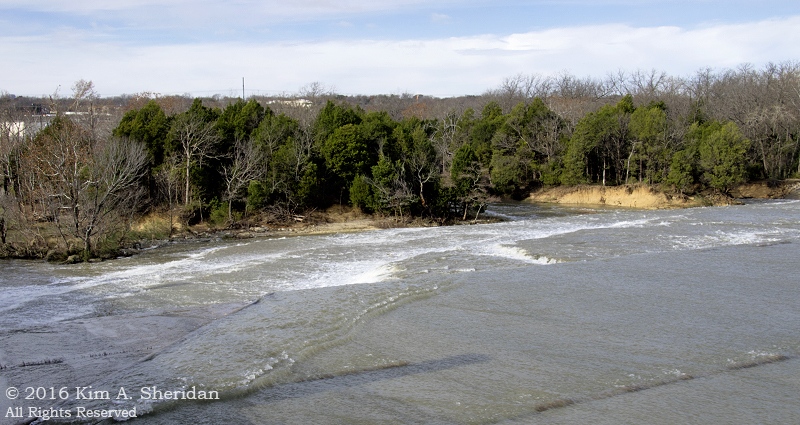
151229_TX White Rock Lake_4828acsA popular highlight of the Lake is a large water park called the Spillway.

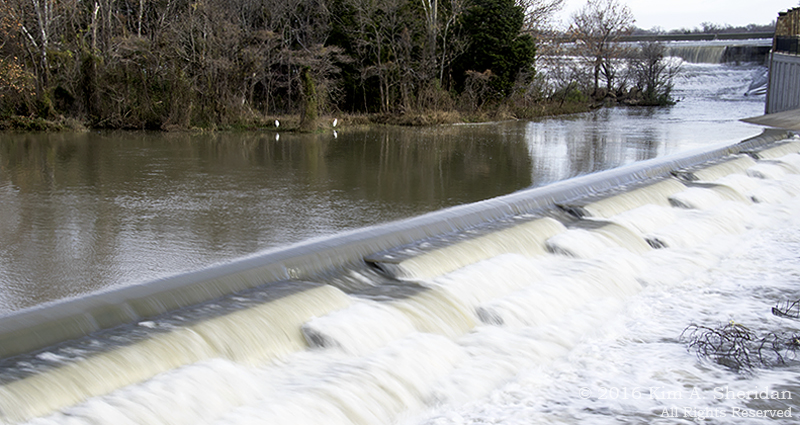
151229_TX White Rock Lake_4968acsDrought can put a damper on recreation, but not this year. There is no shortage of water in which to play, thanks to recent drenching rains. The Spillway fairly gushes with the precious liquid.

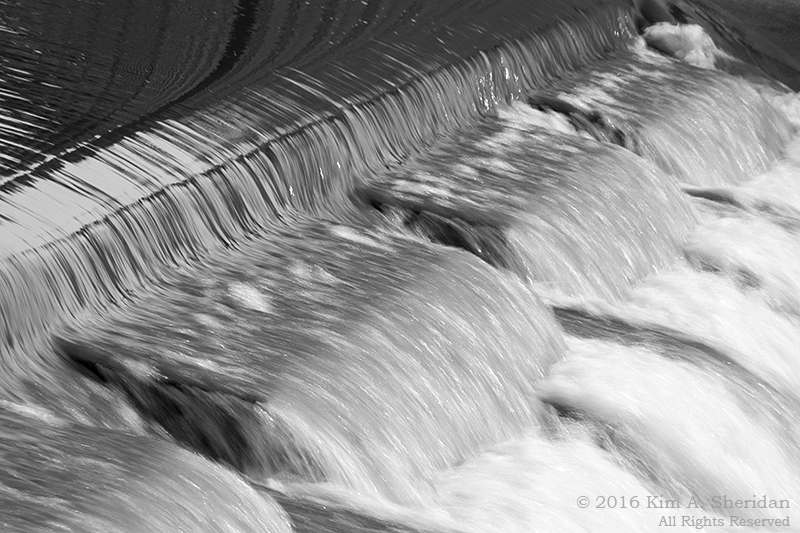
151229_TX White Rock Lake_4948acsDown the wide shallows of the Upper Spillway and around an island, water then streams over the elaborate Stair Steps of the Lower Spillway. And on to the Trinity River, 8 miles downstream.151229_TX White Rock Lake_4820acs

151229_TX White Rock Lake_5243acs Some birds prefer their solitude; for them the quaint coves of White Rock Lake offer the serenity they seek.151229_TX White Rock Lake_5127acs

151229_TX White Rock Lake_5016acsBut for the many who enjoy the social whirlwind, there is no shortage of prominent points and expansive bays where the feathered flock can see and be seen.

151223_TX White Rock Lake_4203acsPosh clubs abound, where singles can mingle, and perhaps become pairs…

151229_TX White Rock Lake_5083acsOr trios…

151225_TX White Rock Lake_4757acsOr… Perhaps a gentleman simply wishes a hideaway to escape over-ardent suitors!
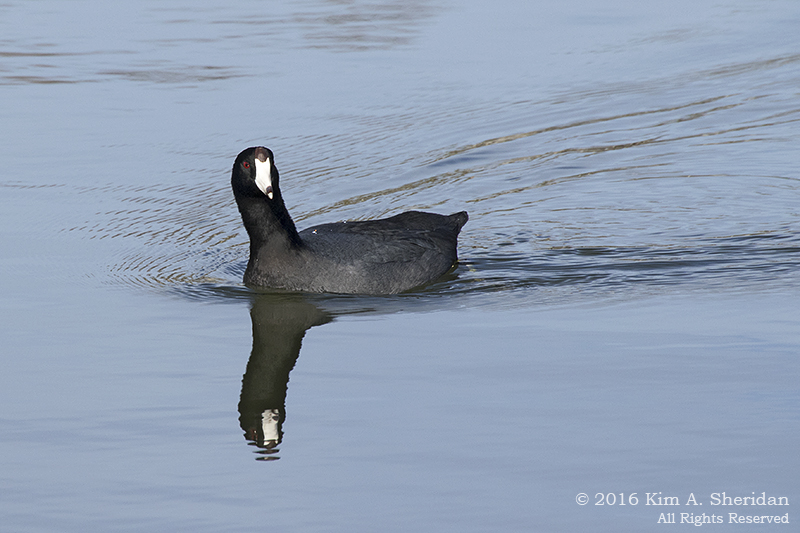
151229_TX White Rock Lake_5235acsWhatever their tastes in dining and entertainment, be it lively fellowship or peaceful seclusion, rest assured the cultured critter will find it here at White Rock Lake.

151223_TX White Rock Lake_4007acsJust tell them Arthur Pelican from KRTR Critter Radio sent you. Bon voyage!
The Clown Prince of White Rock

151225_TX White Rock Lake_4486acsConsider the Coot.

151225_TX White Rock Lake_4406acsIn the pantheon of White Rock Lake, he is the court jester.

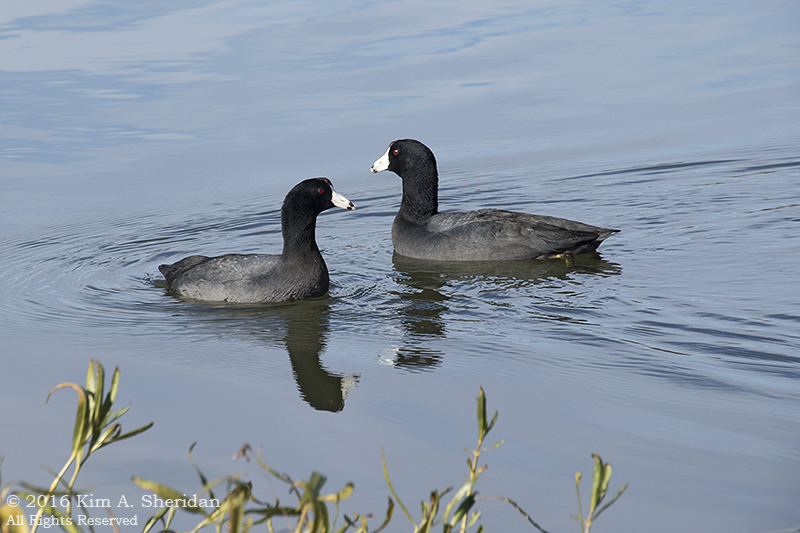
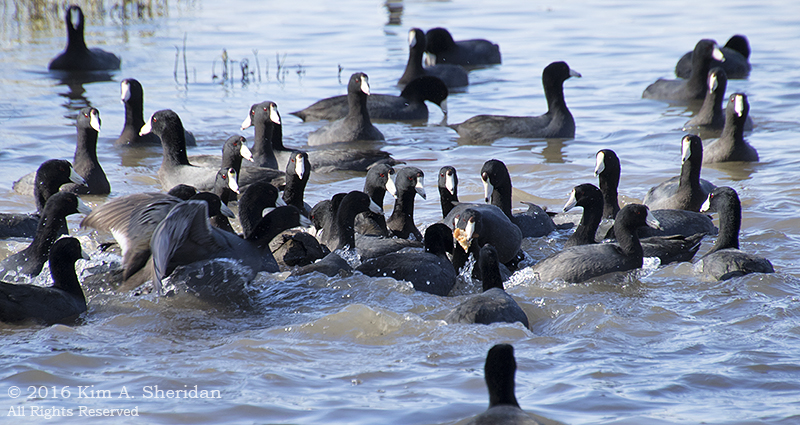
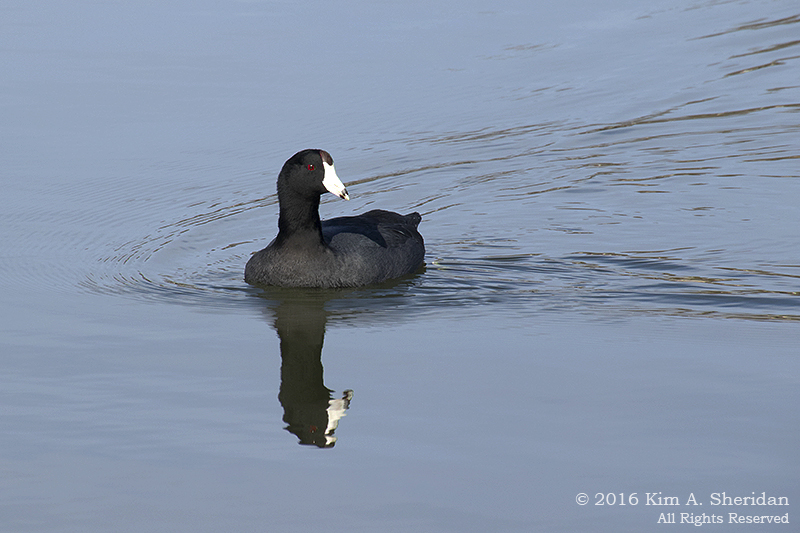
Black of body, red of eye, white of bill, the American Coot is a plain-looking water bird that can’t figure out where he belongs.

151225_TX White Rock Lake_4503acsOn water he swims and dives like a duck; but he isn’t a duck.

Consider the Coot. On land he doesn’t waddle, but walks like a chicken. He’s sometimes called “Mud Hen” and his shape resembles a chicken; but he isn’t a chicken.

In the air he’s awkward – but first he has to get there, a challenge for the coot. He takes off by running for a long way across the water while flapping his wings, like a loon; but he isn’t a loon.

Other birds don’t think much of the Coot.

151223_TX White Rock Lake_4127acsDouble-crested Cormorants, undeniably snooty, look down their bills from lofty heights at the Coot.

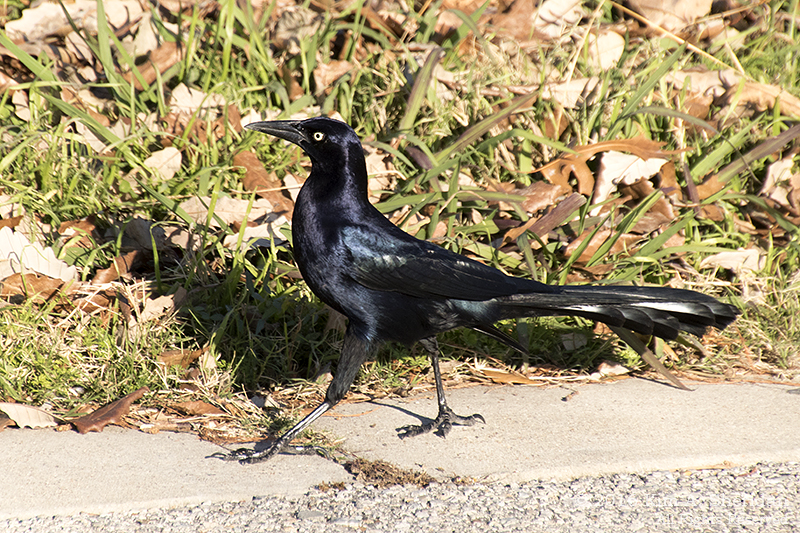
151223_TX White Rock Lake_4158acsGreat-tailed Grackle struts, smug in the knowledge that he outshines the Coot.

151229_TX White Rock Lake_4853acsGreat Egret is studiously cool, ignoring the Coots.

151229_TX White Rock Lake_5177acsYes, the bird royalty treats the Coot with disdain. Not so the squirrels. They think the Coot’s a little nuts.

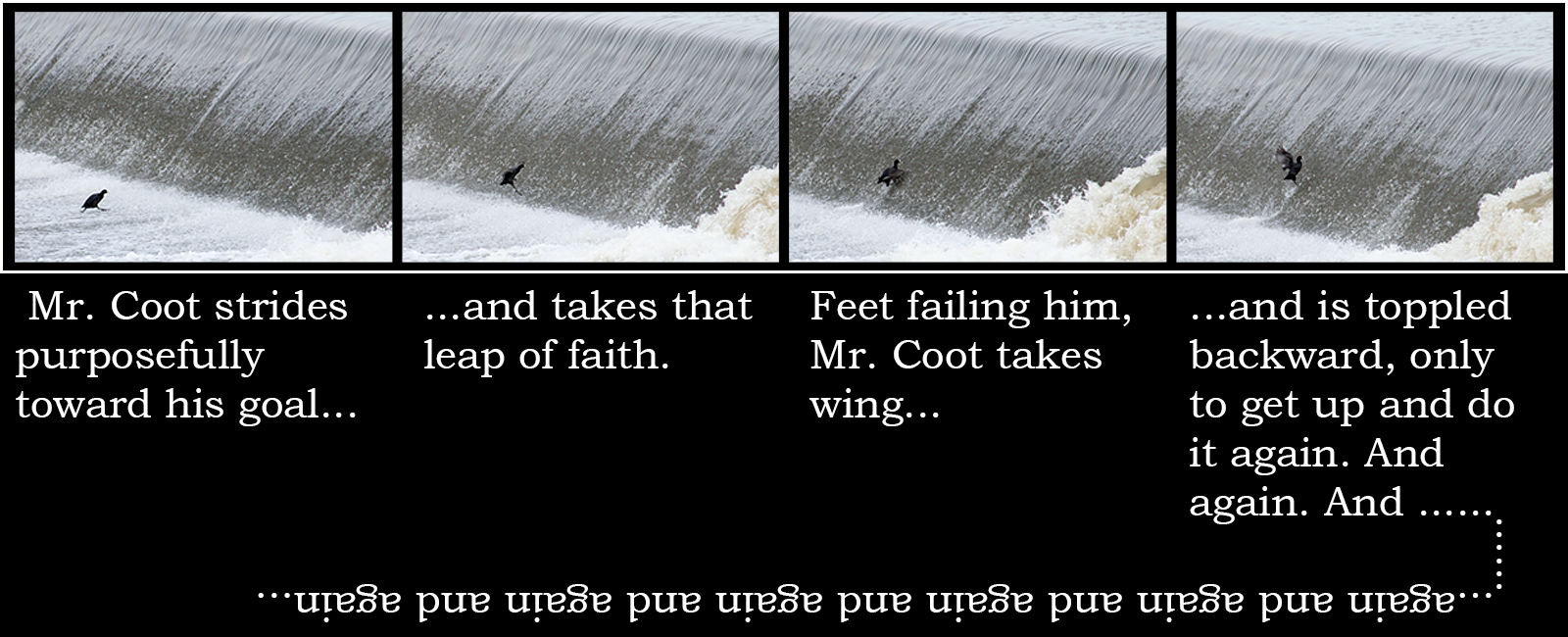
Perhaps this is why. What sensible bird would hurl himself at a wall of rushing water 5 times his height – for fun?!? Yet that is what the Coot does, over and over again. He walks up the face of the dam spillway until the water knocks him tail over teacups and washes him down the stream bed. Then he walks up and does it again. It’s whitewater kayaking, coot-style.

Coot Collage 2

Click for full-size image

FUN FACT: The American Coot is most comfortable on the water, but his feet aren’t webbed like a duck’s. Instead they have long toes with lobes of skin that propel him through the water. The same lobes keep him from sinking into mud when he’s on shore leave.

151225_TX White Rock Lake_4696acsLook out, here come the Coots!

White Rock Lake is a large park in a highly urban area. Lots of folks come down to the shore with bags of bread for the “ducks.” What they get is Coots.

Consider the Coot. The Coot is a rail; rails are usually known for their secretiveness. But he’s a noisy gregarious bird that hangs out in large flocks in the open.

151225_TX White Rock Lake_4727aWhich squabble over every bit of junk food tossed their way.

Other birds think this behavior unseemly. Little do they know how magical, how wondrous, it is!

An audience of young urban children is enthralled with his comedy routine. They giggle at his antics, and shriek with delight. For many of them, the park is a rare escape from the noise, the congestion and the concrete of their neighborhoods. The Coot is their first connection with wildlife.

151225_TX White Rock Lake_4722acsIf even a few of these children grow to love and defend wild animals and wild lands, it will have started here. In this urban park, in the heart of Dallas, on the wild edge between man and nature.

The promise of the future rests on the wings of the clown prince of White Rock, the American Coot.

151225_TX White Rock Lake_4492acsAll hail the Coot!

Searching for Peace

So you speak to me of sadness and the coming of the winter,
The fear that is within you now that seems to never end…

 140703_MI Point Betsie Lighthouse_0653acsWar. Terrorism. Murder. Violence.

2015 was a banner year for mankind to be cruel to one another. I have been growing more cynical with the years, but it’s hard now to retain any faith in the wisdom and goodness of humanity.

Abroad, terrorists are slaughtering hundreds in the name of a religion their so-called “beliefs” don’t resemble in the slightest. On the home front, politicians vying for the highest office in the land spew hatred, fear and humiliation in the pursuit of attention and power. It’s enough to make a nature girl weep.

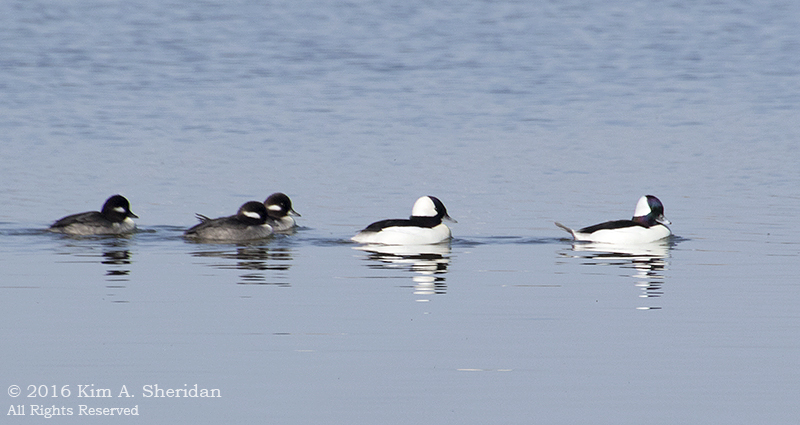
Trail time offer a respite from the cacophony. Walking along a peaceful lake or thunderous surf, watching the infinite variety of critters going about their daily lives… All serve to remind me that man is but one of the species sharing this planet. To the bufflehead ducks swimming by, I am of no consequence. Somehow that soothes my soul.

But what in nature can restore my faith in the human species?

…It is here we must begin to seek the wisdom of the children
And the graceful way of flowers in the wind.

141005_Wissahickon Valley_8925acs Art!

Man’s need to create beauty reminds me there’s a flip side to the boorishness and hatred. Even far from paint brushes and sculptor’s tools, the artistic hand of man can be found.

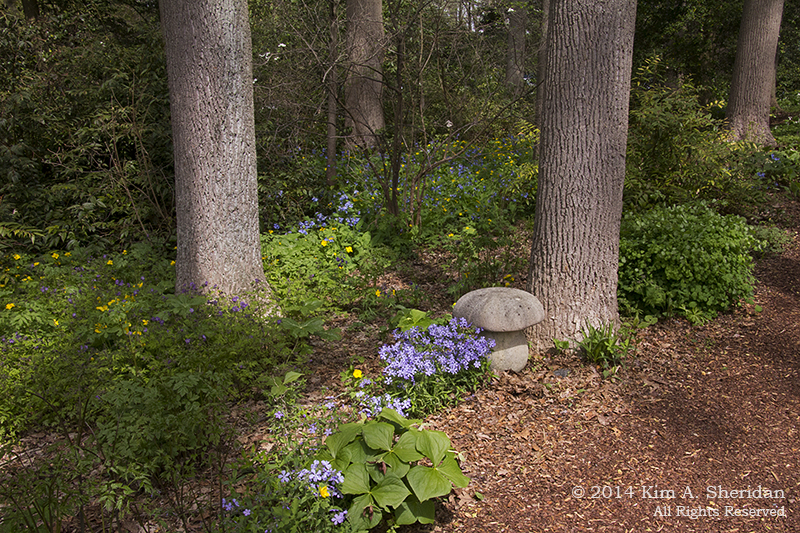
140503_Mt Cuba 3 Woodland_6088aSometimes it’s a small garden statue placed just so among the flowers in the woods.

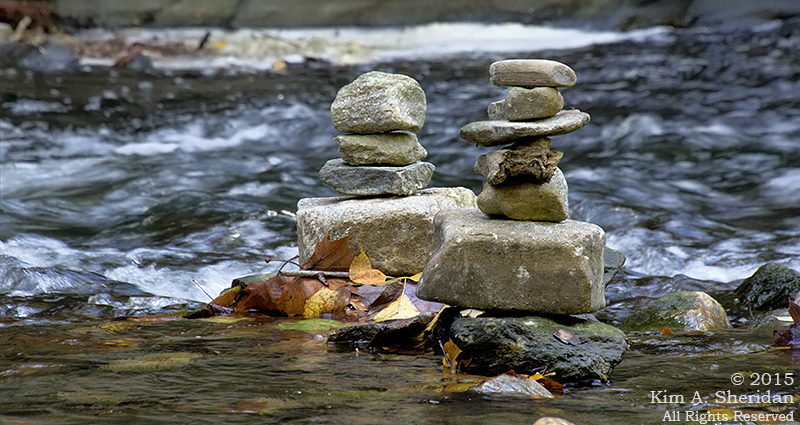
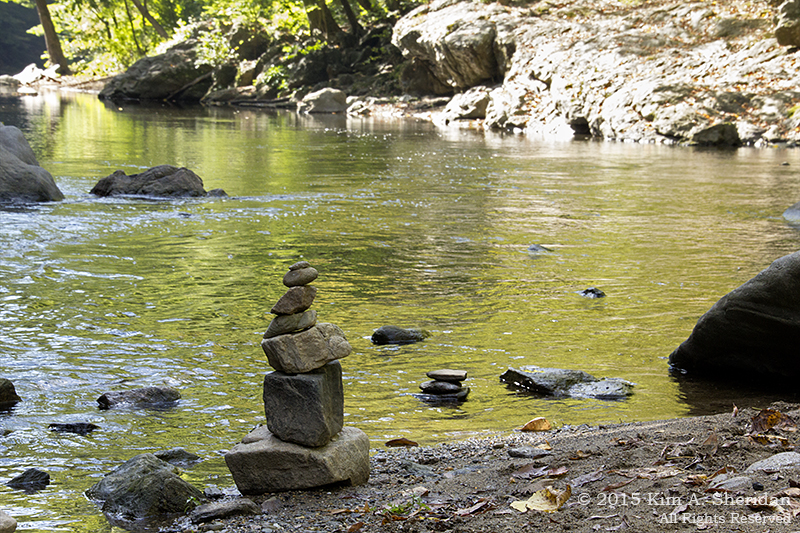
141005_Wissahickon Valley_8942acsSometimes on my meanderings, I come across cairns, these small stacks of stones. Cairns originally functioned as directional signals on trails, but have been raised to an art form by creative wanderers.

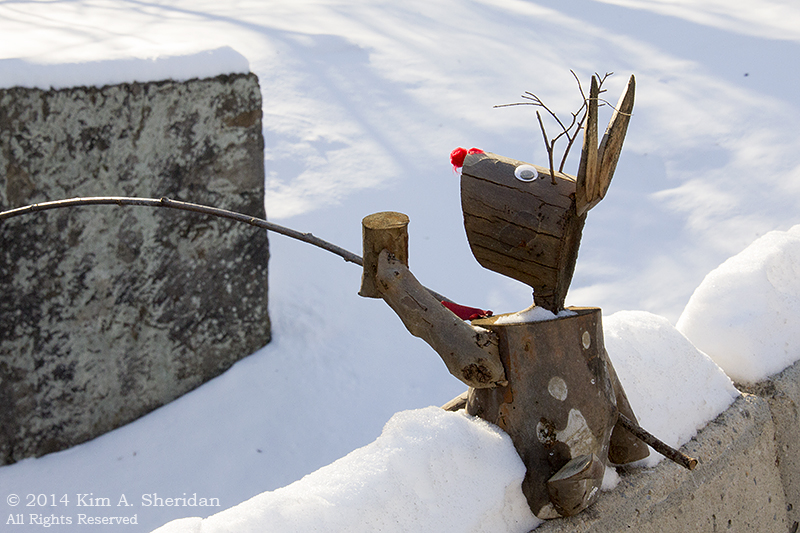
140124_Bartams Bridge Guardian_0288acsOnce I came across a humorous figure perched on a bridge, placed there just for the amusement of others. And in its serendipity, I am reminded of our sense of community, our need to comfort and cheer one another.

140703_MI Point Betsie_0617acsAt Point Betsie in Michigan, the entire beach is covered with a wondrous variety of weatherworn cobble. Perfect for creating art.

Seeing these works of trail art reminds me of humanity’s love for beauty, and gives me hope that our race may one day put behind us cruelty and hate.

And the song that I am singing is a prayer to non-believers,
Come and stand beside us we can find a better way.

140703_MI Point Betsie_0651acsLyrics to “Rhymes and Reasons” by John Denver.