Christmas with Der Belsnickel

151212_PA Landis Valley Christmas_3361acsTwas the week before Christmas and down on the farm

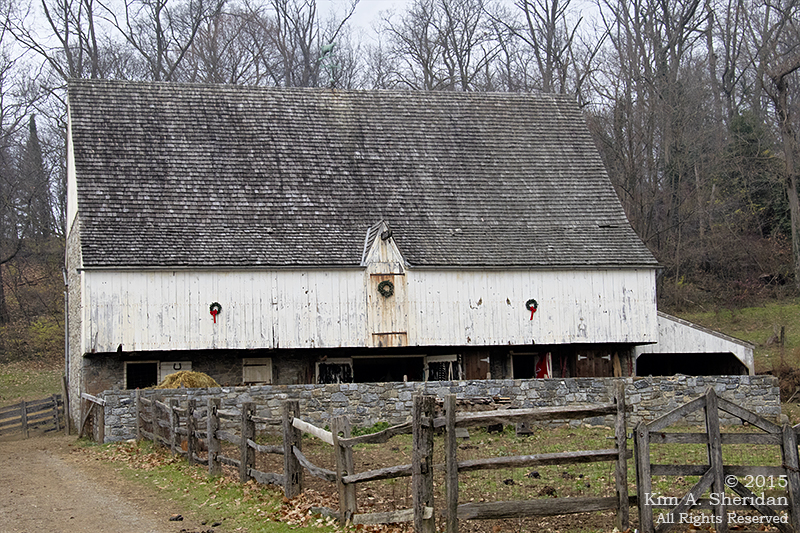
Three simple wreaths hung on the side of a barn.
151212_PA Landis Valley Christmas_3353acs

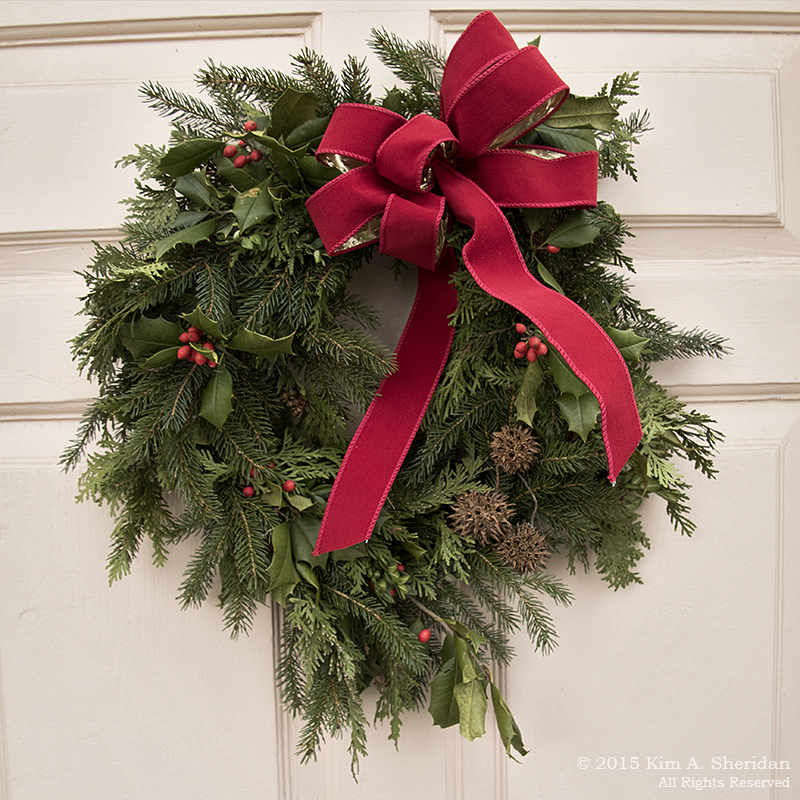
More hung on the doors, made of cedar and pine

Amongst which dried flowers and seeds did entwine.
151212_PA Landis Valley Christmas_3537acsNo fake plastic baubles, shiny tinsel or such

Would be found in the land of the Pennsylvania Dutch.

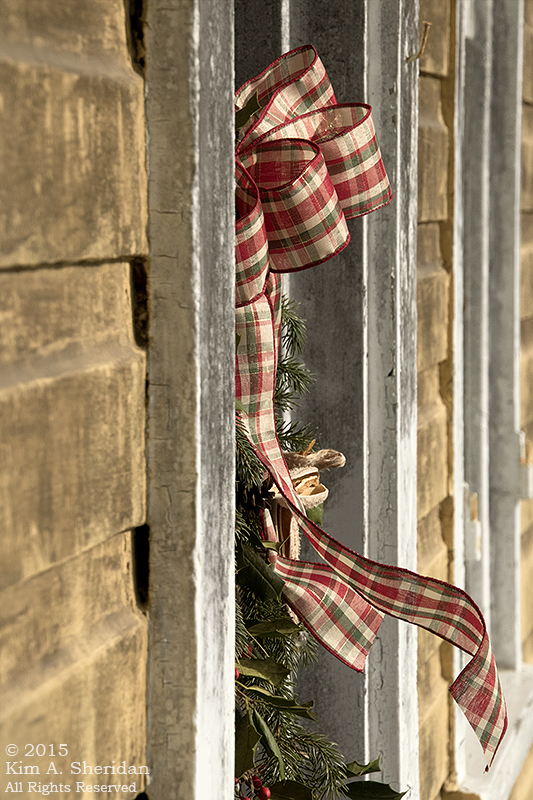
The fanciest touch these ornaments showed

Was the colorful plaid of a ribbon or bow.
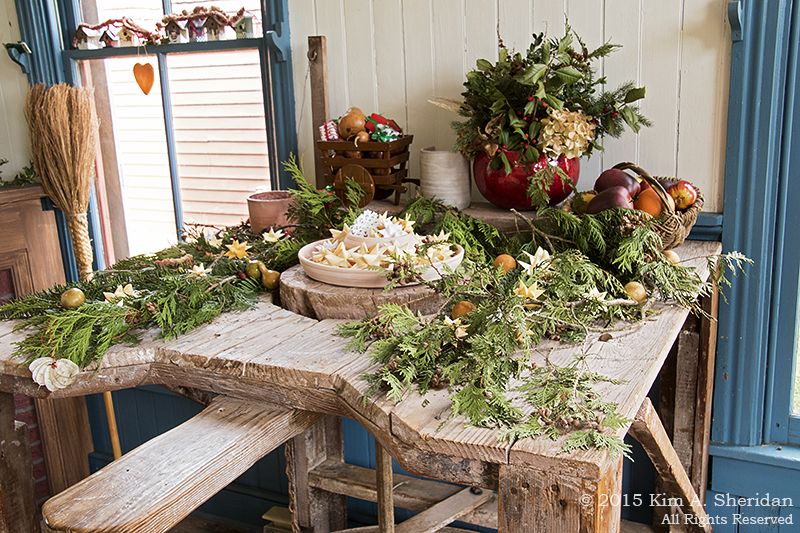
 

151212_PA Landis Valley Christmas_3722aGreens covered the table, and apples – and lookie!
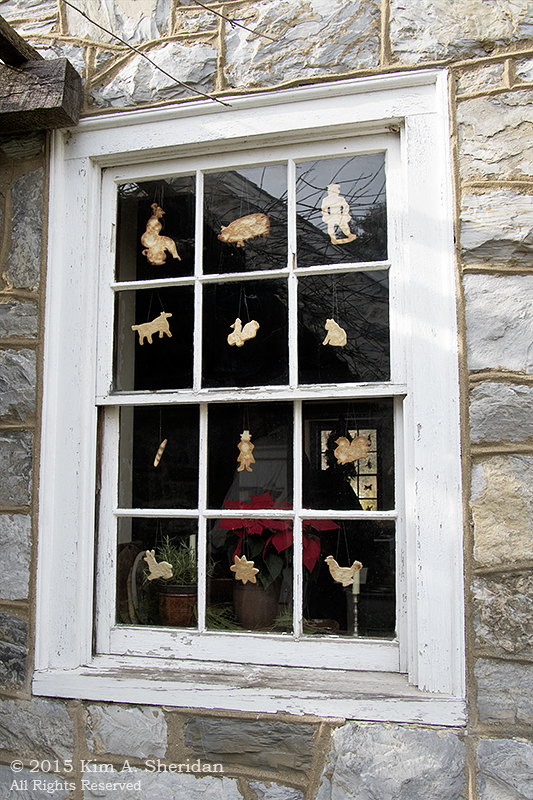
151212_PA Landis Valley Christmas_3651acs

A window was hung with freshly baked cookies!

151212_PA Landis Valley Christmas_3610acs

All natural décor was the theme of the day

Folks flocked from all over to see the display.
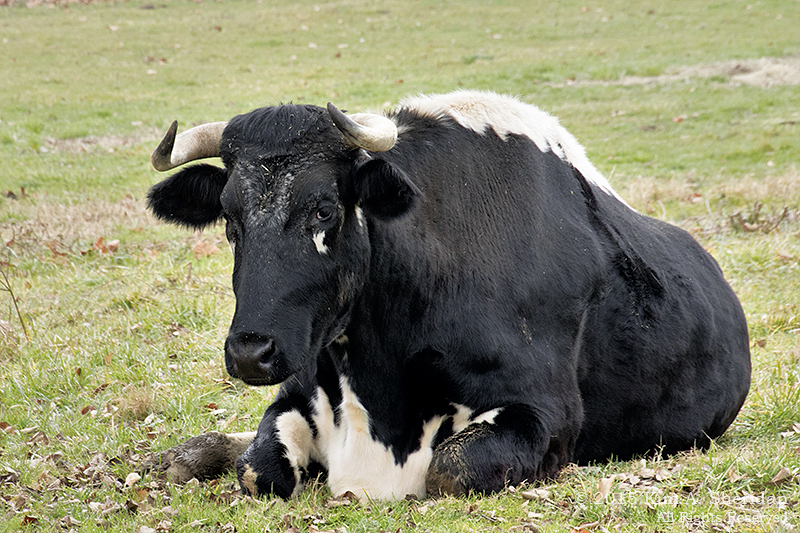
 

151212_PA Landis Valley Animals_3300acsThe bull in his pasture, the hen in her coop,

151212_PA Landis Valley Animals_3373acsWeren’t bothered by crowds that wandered the loop.

151212_PA Landis Valley Animals_3415acsTwo horses were lonely, away from the mob

151212_PA Landis Valley Animals_3325acsBut one was soon “Best Friends Forever” with Robb.


151212_PA Landis Valley Christmas Belsnickel_3429Then what to my wondering eye should appear

Than a raggedy man stalking ever more near.

He was dressed all in fur, his face tarnished ash black

He carried some switches, a whip and a sack.
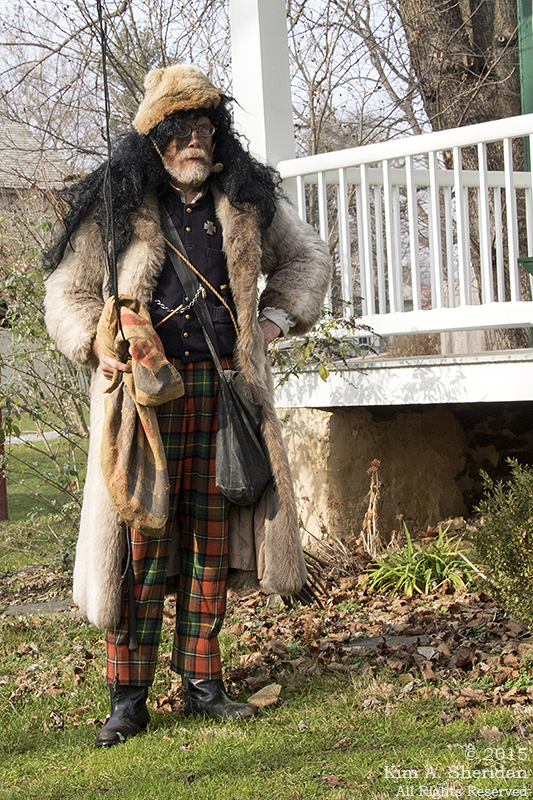
151212_PA Landis Valley Christmas Belsnickel_3434acsHis presence caused fear, my skin started to prickle

The German legends were true!

Here came Der Belsnickel!


He comes before Christmas, Santa’s disciplinarian,

To chastise young children who act too contrarian.


151212_PA Landis Valley dfn_5466a2 copy“A photo, but quick! I’m much in demand

I have a young child I must reprimand.”

The children were wary, they peered round the bend

At the sight of the Belsnickel there with my friend.
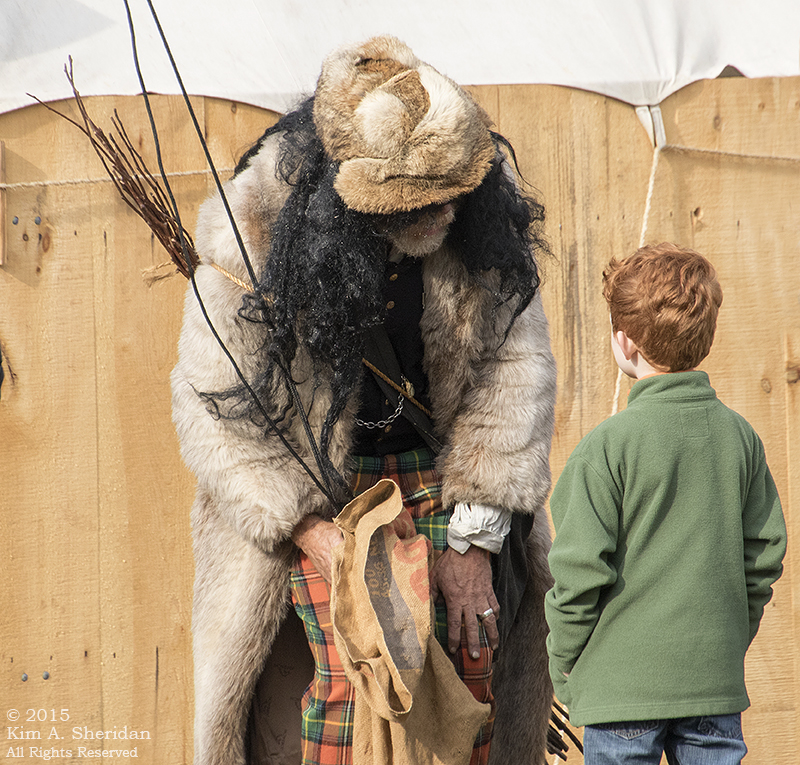
 

151212_PA Landis Valley Christmas Belsnickel_3661acs“I know what you did”, he started to scold

But in fact this strange man had a true heart of gold.

The children soon smiled, and started to giggle

At the humorous tales told by the Belsnickel.


With other children to greet, it was time to move on

But he had one last caution before he was gone.

Der Belsnickel exclaimed as he strode out of sight

“Merry Christmas to all, and behave well tonight!”

151212_PA Landis Valley Christmas Belsnickel_3449acs

“Pennsylvania Dutch” is a misnomer. The people that settled in Lancaster and surrounding counties are not Dutch from the Netherlands but German. The term “Dutch” comes from a corruption of Deutsch which means German.

The legend of Der Belsnickel takes many forms. In Pennsylvania German regions it goes back to at least the early 1800s. The Belsnickel – in one version of the tale – was a grouchy-looking man dressed in ragged, dirty clothes and furs (“St. Nicholas in fur” is one translation of Belsnickel.) He wore ashes on his face or a mask, and carried a switch and a sack of treats. The Belsnickel appeared in houses in the weeks leading up to Christmas as a reminder to children to behave. He often asked the children to recite for him or sing a song. Then he would throw candy, fruit and nuts on the floor. A child who jumped forward too eagerly might get the wrong end of the switch. The good children would end up with a fistful of treats.

Cape Henlopen

151127_DE Cape Henlopen State Park_6988acsBlack Friday dawns at Cape Henlopen State Park. Nearby, shoppers are crowding the Delaware outlet stores, looking for bargains. Away from the maddening crowd, there is only the cry of gulls and the crash of the waves for company. Ah, sweet sandy serenity!

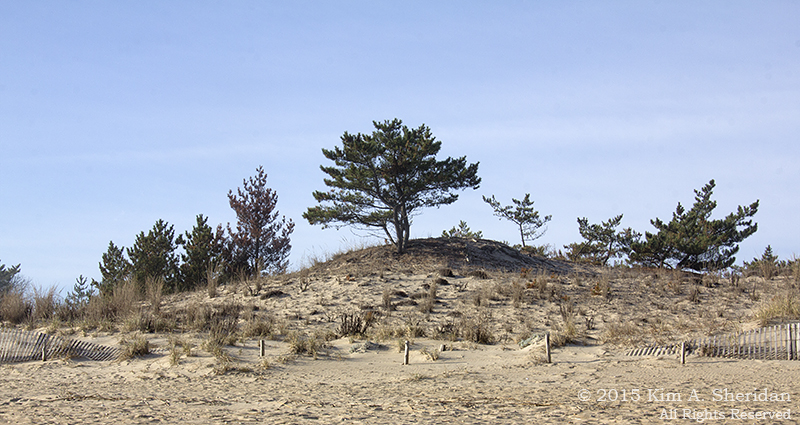
151127_DE Cape Henlopen State Park_6994acs 151127_DE Cape Henlopen State Park_7009acs 151127_DE Cape Henlopen State Park_7101acsThis is what a healthy dune ecosystem looks like. Trees, shrubs, plants and grasses. Not row after paved row of houses, shops and hotels.

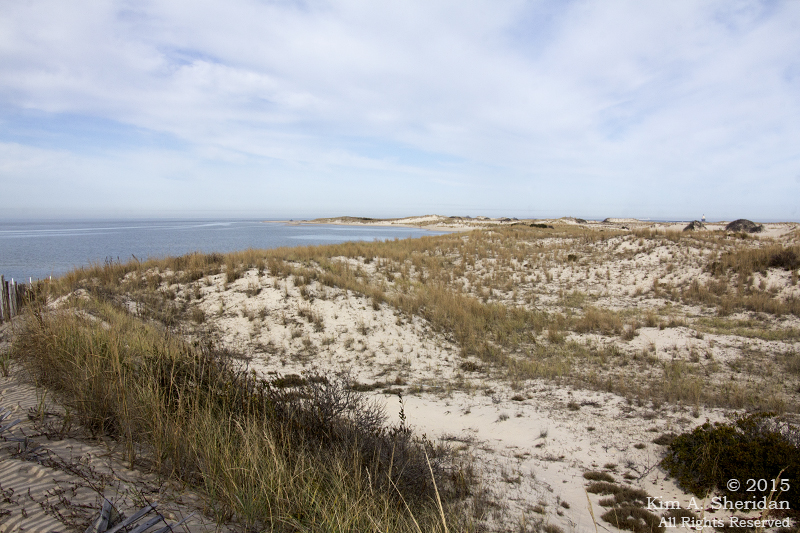
151127_DE Cape Henlopen State Park_7134acsCape Henlopen panorama. At the far left is the Breakwater Lighthouse, which sits on the inner breakwater. The cylindrical building at the center is a WWII fire control tower. The spit of sand behind the tower is Cape Henlopen Point. Beyond that is the Harbor of Refuge Breakwater, with the Harbor of Refuge Lighthouse at its right end. Photographed from the Cape Henlopen Fire Control Tower.

151127_DE Cape Henlopen State Park_7176acsCape Henlopen Point, the Delaware Bay to the left.

151127_DE Cape Henlopen State Park_7267acsTwo ferries for the price of one!

151127_DE Cape Henlopen State Park_7187acsBarnacles.

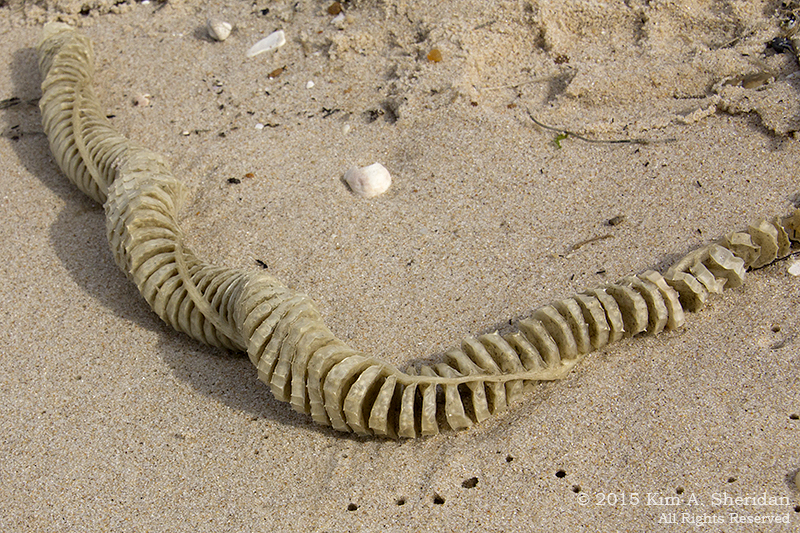
151127_DE Cape Henlopen State Park_7237acsWhat is the well-dressed mermaid is wearing this season? A mermaid’s necklace, of course! A mermaid’s necklace is chain of egg cases laid by a whelk, a predatory sea snail. Each egg case can contain up to 99 eggs, and there can be more than 150 cases in a chain. That’s a lot of baby whelks.

151128_DE Indian River Lifesaving Station_7627acsEven a mermaid needs a handbag – it’s not like she’s got pockets! So she carries a mermaid’s purse. This is an egg case of a skate. Similar in appearance to rays, skates are cartilaginous fish whose skeletons are made of cartilage rather than bone. Egg cases of most skate species contain a single embryo.

151128_DE Delaware Seashore State Park_7515acs 151128_DE Delaware Seashore State Park_7525acs 151128_DE Dewey Beach Sunset_7692acsThe sun sets over Rehoboth Bay, singing a lullaby of tranquility.

151128_DE Dewey Beach Sunset_7745acs

A Bird In Hand

150926_NJ CM Meadows Hawk Demo_6463acsWildlife photography should always be this easy!

While in Cape May, I stumbled upon a demonstration by the Cape May Raptor Banding Project. This is a research project that captures, measures and bands hawks at several sites in the fall to study migration. The researchers also meet the public to discuss their work, bringing banded hawks for up close observation.

And I do mean UP CLOSE. Usually I’m photographing hawks on the wing in the distance. Occasionally I’ll be lucky enough to see one perched nearby. But here was a chance to see and photograph these magnificent birds 10 feet away – and they weren’t going anywhere!

150926_NJ CM Meadows Hawk Demo_6285acsThe birds arrived in these tubes. They’d already been measured and banded. The tubes keep them calm.

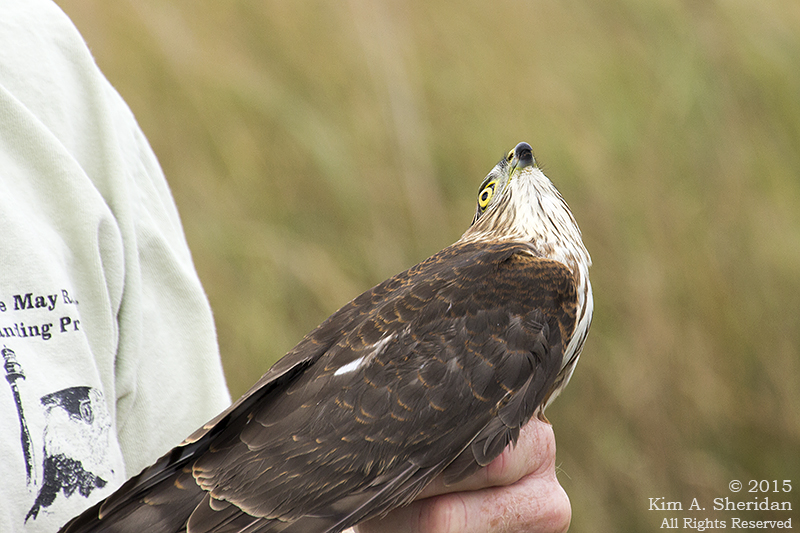
150926_NJ CM Meadows Hawk Demo_6344acsThe first birds out were Sharp-shinned Hawks, male and female.

150926_NJ CM Meadows Hawk Demo_6335acs“What’s up there? I want to be up there!”

After we’d had a good long look at the Sharpies, they were released. Sharpies live in forests; since they pursue their prey through dense stands of trees, they are speedy and acrobatic fliers. It didn’t take long for them to fly out of sight.

150926_NJ CM Meadows Hawk Demo_6360acsGetting a Cooper’s Hawk out of a travel tube. One of the two presenters was a young college intern. She handled these birds like a pro.

150926_NJ CM Meadows Hawk Demo_6375acsEven when they objected. Her free hand is making a motion meant to calm the hawk. Note the talon marks on her left hand!

Cooper’s Hawks live in woodlands, but have become quite comfortable in suburban yards. They take an interest in the songbirds on my feeders from time to time.

Sharp-shinned and Cooper’s Hawks look very much alike and are difficult to tell apart. Experienced birders talk about differences in tail shape, head size, eye position and other field marks.

150926_NJ CM Meadows Hawk Demo_6433acsCooper’s Hawks are bigger than Sharpies, but this isn’t apparent unless you have two next to each other to compare. And since female Sharpies are nearly as big as male Cooper’s hawks, it still may not be obvious. This is a Cooper’s, and a big bird, so I think this is the female.

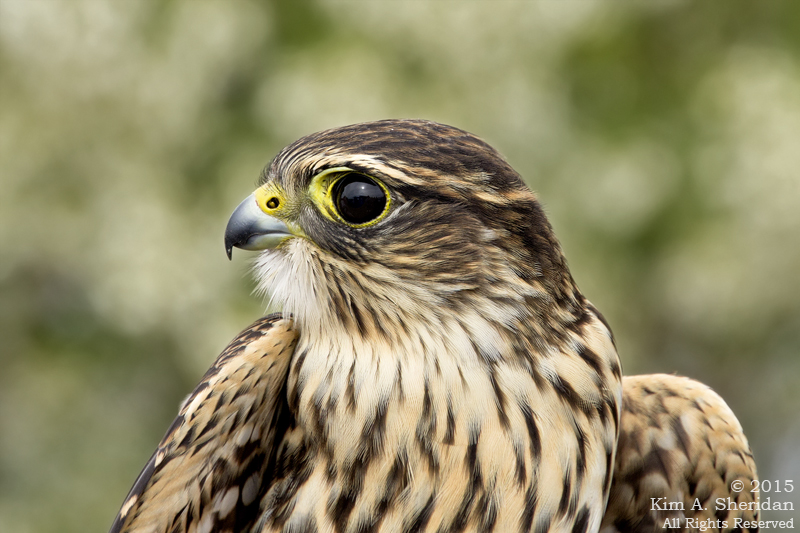
150926_NJ CM Meadows Hawk Demo_6501acsAfter the two Cooper’s Hawks were released, the last raptor came out to play, a Merlin. Look at those eyes! Quite a contrast to the yellow eyes of the other hawks. Merlins, in fact, aren’t hawks at all, but falcons.

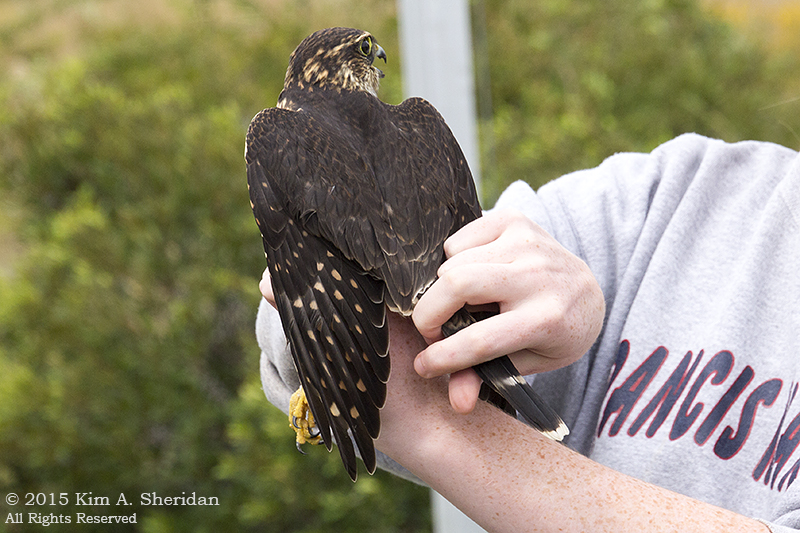
150926_NJ CM Meadows Hawk Demo_6497acsThe presenters gave us a good opportunity to see the detail in the back feathers…

150926_NJ CM Meadows Hawk Demo_6515acs…and the wings…

150926_NJ CM Meadows Hawk Demo_6524acs… and the talons, sporting a brand-new band. Understanding the migration patterns of hawks is important in protecting the birds and the habitats they need for survival.

150926_NJ CM Meadows Hawk Demo_6567acsAnd off goes our Merlin! No longer a bird in hand, disappearing over the horizon like magic.

It was magical to spend this time with these beautiful raptors.

In Lady Autumn’s Mirror

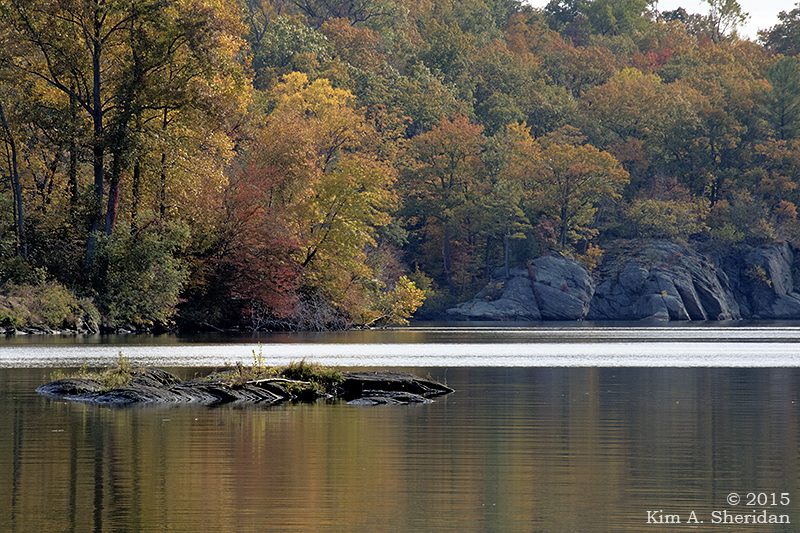
151014_NJ Atsion Lake Kayak_9367acsThe Harvest Ball approaches, and Her Ladyship has dressed in her finest. Bedecked and bejeweled, she admires herself in the mirror.

What does she see there?

151025_PA Holtwood Fall Pinnacle_0493acsAdventure?

151104_PA HNWR Fall Evening_1852acsFellowship?

151014_NJ Atsion Lake Kayak_9461acsWhat does Lady Autumn see when she looks in her mirror?

151026_PA Beltzville Fall_0699acsElegance?

151025_PA Holtwood Fall_0229acsRadiance?

151014_NJ Atsion Lake Kayak mc_2996 acsWhat does Lady Autumn see when she looks in her mirror?

151104_PA HNWR Fall Evening _6922acsHarmony?

151026_PA Beltzville Fall_0807aExuberance?

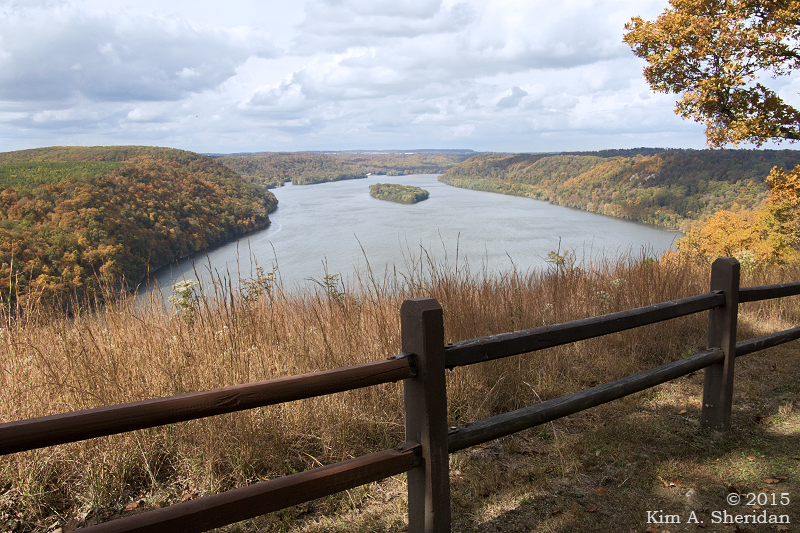
151025_PA Holtwood Fall Pinnacle_0608acsMajesty?

What does Lady Autumn see when she looks in her mirror?

151025_PA Holtwood Fall_0221acsSerenity.

Unexpected Color

151014_NJ Atsion Lake Kayak_9318acsIt was too early for fall foliage yet, not in this neck of the woods, and these were the wrong woods, for that matter. The Pine Barrens are made up of pines, for gosh sakes.

Pines are evergreens, they don’t come in any color but green.

151010_NJ Pine Barrens_8953a2csYet there we were in the Pine Barrens, admiring Lady Autumn’s jewelry, the subtle red and gold gems sprinkled amongst the green. Atsion Lake (top) and Whitesbog (above).

151014_NJ Atsion Lake Kayak_9302acsSapphire skies over Atsion Lake.

151014_NJ Atsion Lake Kayak mc_2964acsAutumn reflections where the Mullica River meets Atsion Lake. While pitch pine and Atlantic white cedar trees are the predominant conifers in the Pinelands, deciduous oaks like black jack, post and scarlet oak are common, as are shrubs like blueberry and huckleberry in the low heath layer.

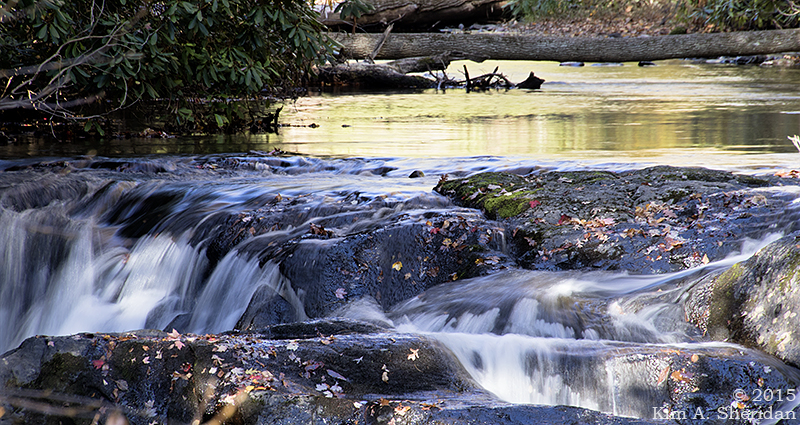
151014_NJ Atsion Lake Kayak_9360acsThe Mullica River, looking upstream.

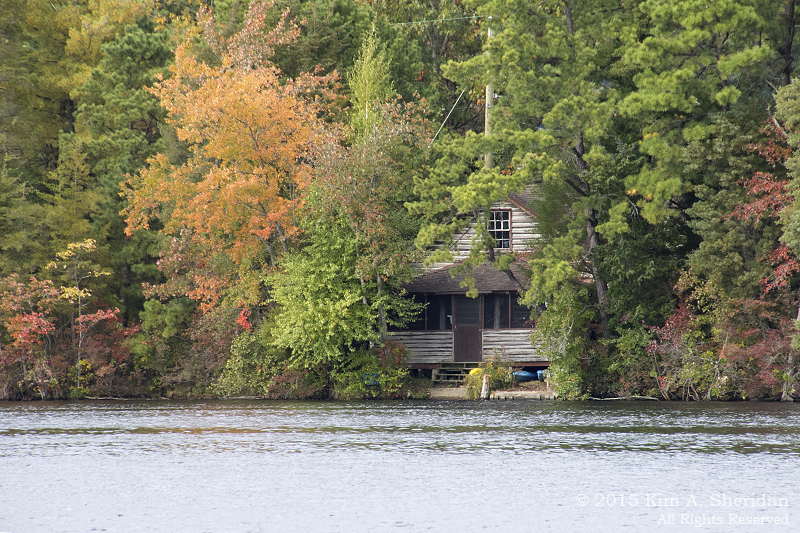
151014_NJ Atsion Lake Kayak_9345acsI am quite sure that some of Lady Autumn’s aquatic attendants reside in this wooden cave.

151014_NJ Atsion Lake Kayak_9472acsI am quite sure that I could quite contentedly reside in this wooden abode.

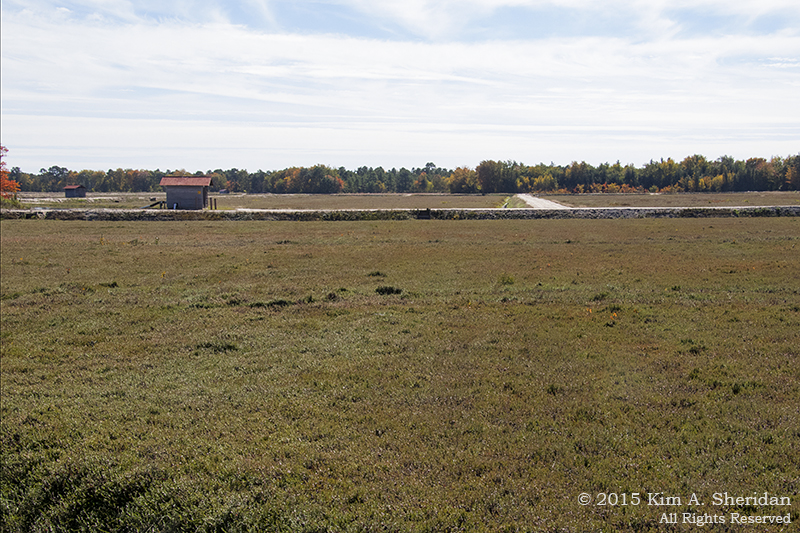
151010_NJ Pine Barrens_9019ac copyNot much color in this particular photo, at least not the kind we were hoping for. This is a cranberry bog at Whitesbog. New Jersey is one the top producers of cranberries in the country, and they are grown in the rich wet environment of the Pine Barrens. When the time is right, the fields are flooded; the cranberries float to the top to be harvested.

Acres of cranberries like a vast sea of crimson; that’s what we were looking for. We were too early.

151010_NJ Pine Barrens_8998acs copyThe cranberries were still on the bushes!

151021_Bladderwort at Harrisville Pond _6888A touch of summer remained on Harrisville Pond. Scattered here and there were some lingering bladderworts. These carnivorous plants float on little pontoons. Below the surface dangle tangled masses of thin leaves, and numerous tiny bladders. The bladder is a vacuum trap. Prey such as aquatic insects and other small organisms brush against it, and the bladder sucks in both water and prey.

On Harrisville Pond, bladderworts are abundant in late summer. We were lucky to find some still in bloom in October.

151014_NJ Atsion Lake Kayak_9484acsSunset on Oswego Lake.

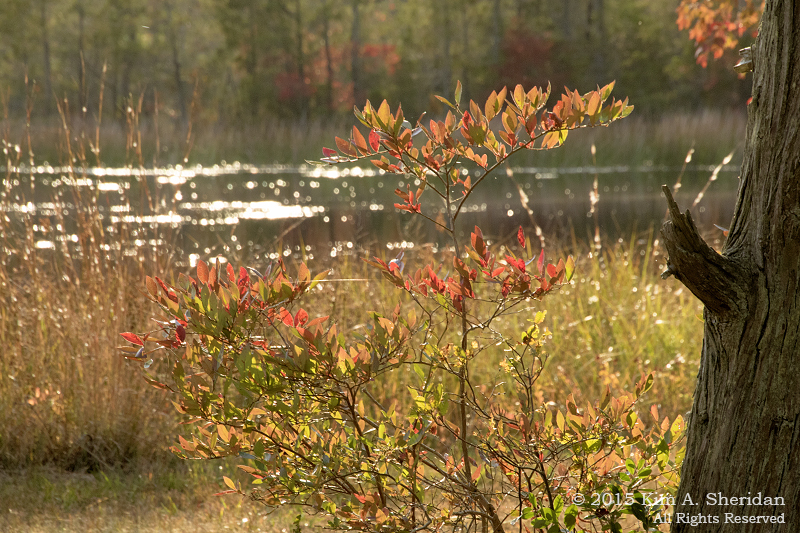
151021_NJ Harrisville Pond Kayak_6871acsHarrisville Lake bedazzles with ruby, garnet and topaz gems amongst the emeralds. Lady Autumn’s finest jewels provide some lovely and unexpected color in the Pine Barrens.
Lost on the Lakes

150821_MI LSP Lost Lake Kayak_1665acsNow, as the cold days draw near, close your eyes and dream…dream of a Michigan summer…

The sun shines brightly in an azure sky laced with fluffy white clouds. All is quiet but for the fading voices ashore and the rhythm of the paddle. Dip, swish, drip, drip; dip, swish, drip, drip.

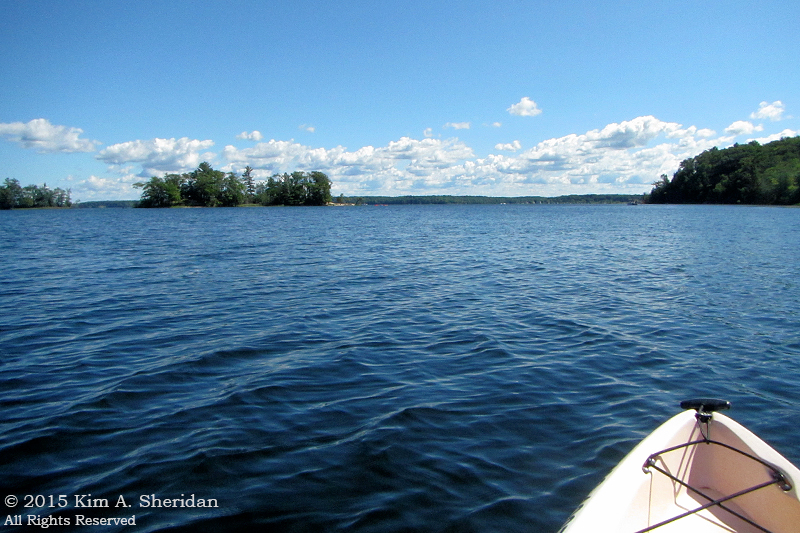
150821_MI LSP Hamlin Kayak_1527acsThe kayak glides effortlessly across the deep blue of Hamlin Lake toward an island of rich greenery and white sands. A cool breeze brushes warm skin and paints ripples on the canvas of the water.

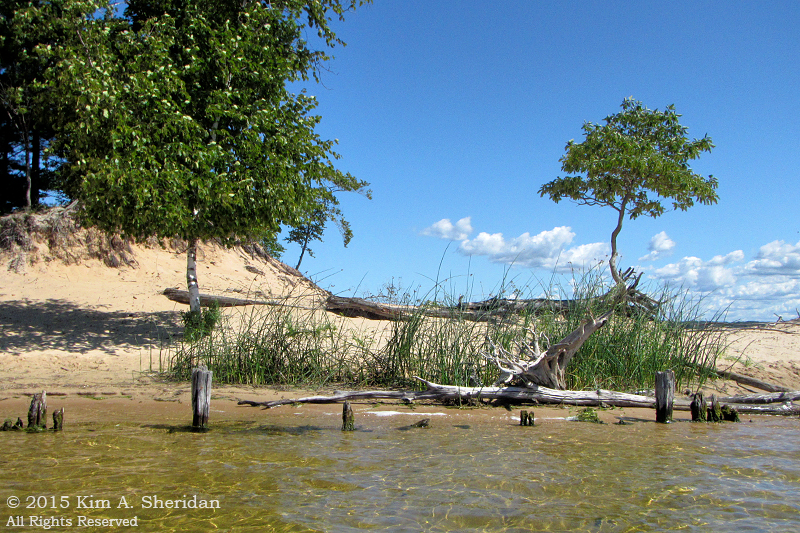
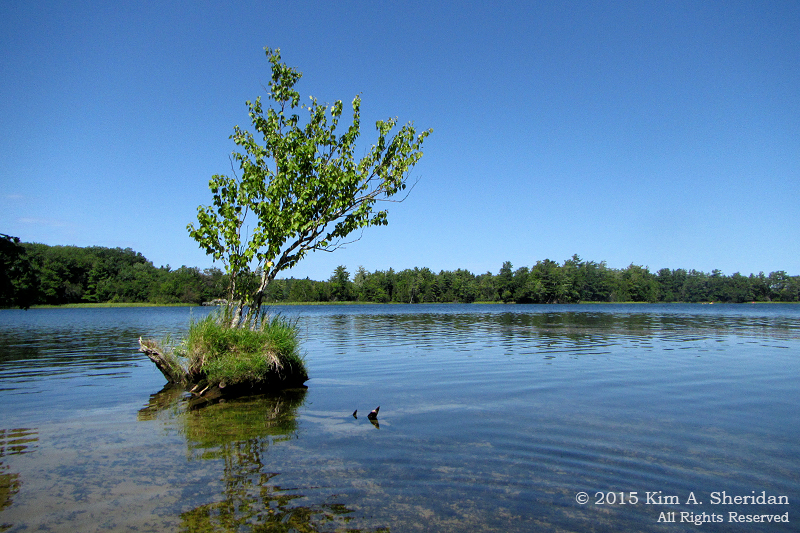
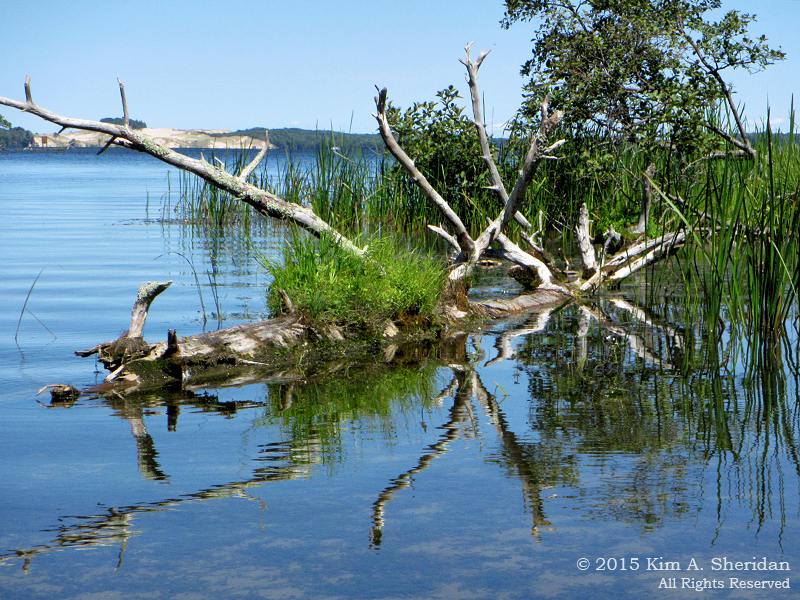
150821_MI LSP Hamlin Kayak_1546acsAt the small island’s tip, driftwood and old pilings bleach in the sun while a single tree keeps watch. A kayak rests on the shore, awaiting the return of its paddlers from an exploration of the island’s wild interior.

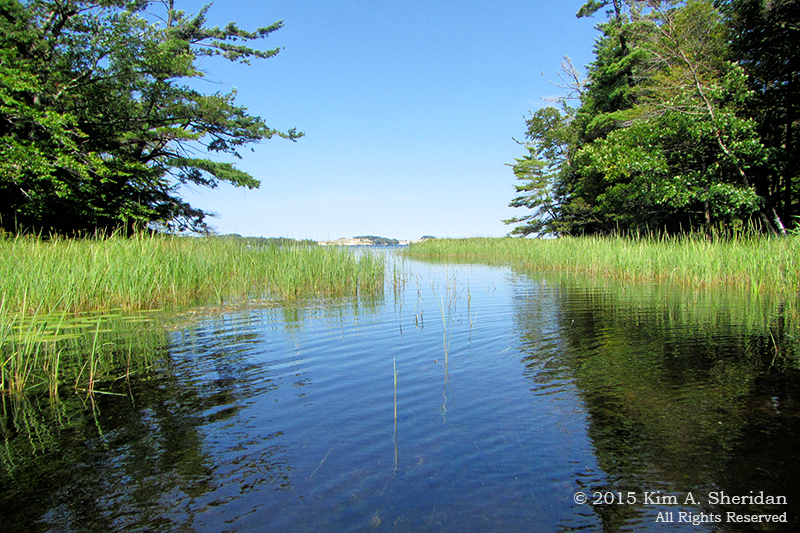
Across Hamlin Lake lies the inviting inlet of the much smaller Lost Lake. A spit of land barely ten feet wide separates the two lakes.

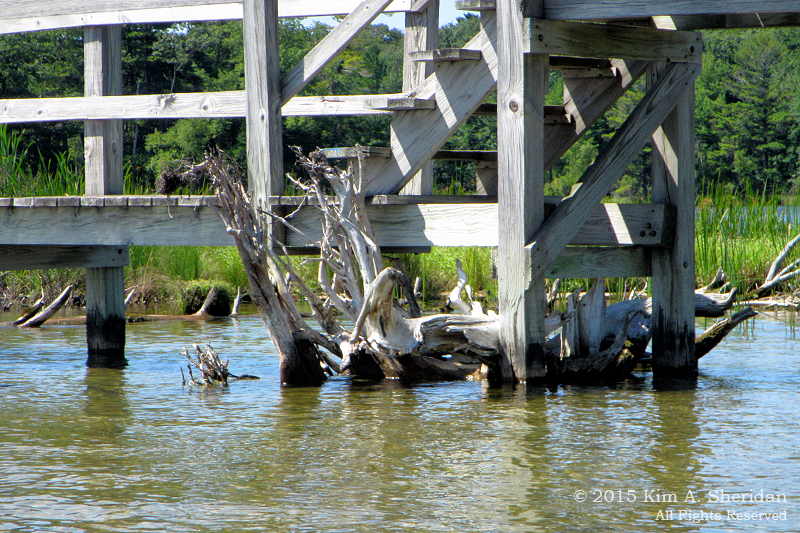
150821_MI LSP Hamlin Kayak_1598acsThe Lost Lake Trail spans the inlet on an elevated walkway. Underneath, an uprooted stump has wedged itself under the bridge. This is the land of drowned forests, cut down and buried under water in the name of progress. Progress complete, the lakes are now a place for play.

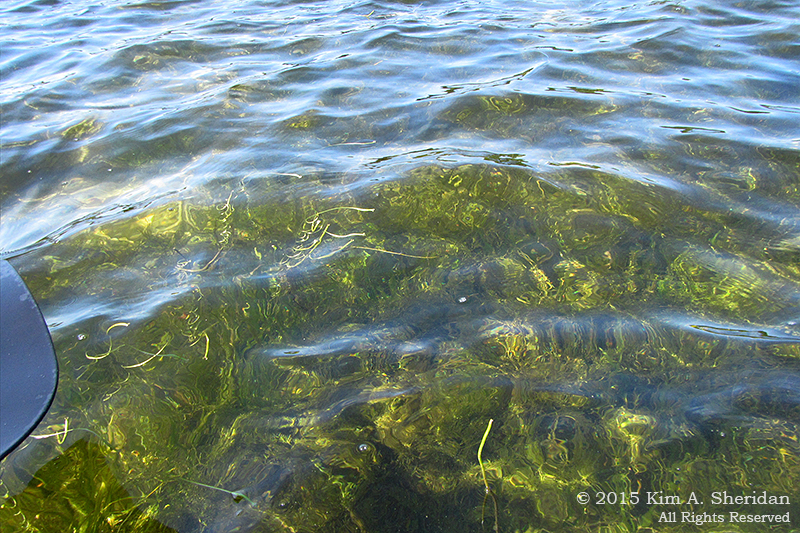
150821_MI LSP Hamlin Kayak_1550acsLost Lake is serene, and the water amazingly clear. Every tree stump and aquatic plant can be seen with clarity.

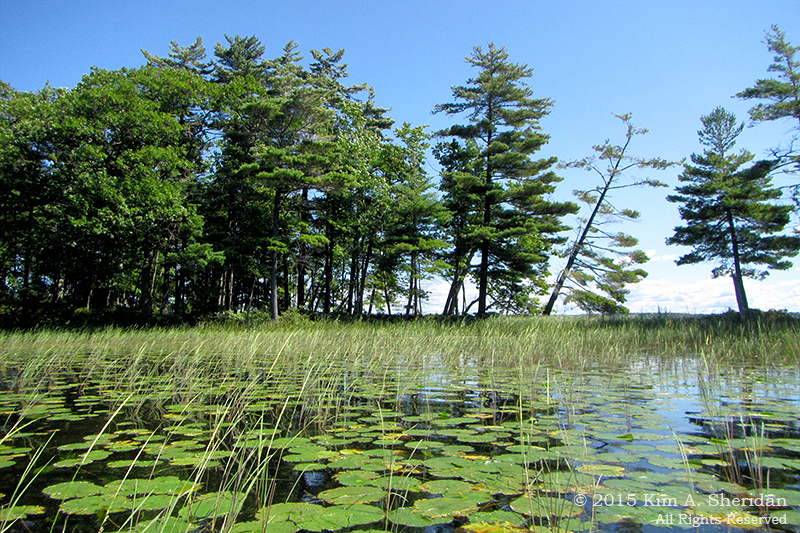
150821_MI LSP Lost Lake Kayak_1620The coves offer a sheltered place for water lilies and sedges to grow. On the isthmus, a tree leans at a precarious angle. The peacefulness of a summer’s day is deceptive; the Lake Michigan coast is a harsh environment, and whipping winter winds take their toll on trees clinging to the water’s edge.

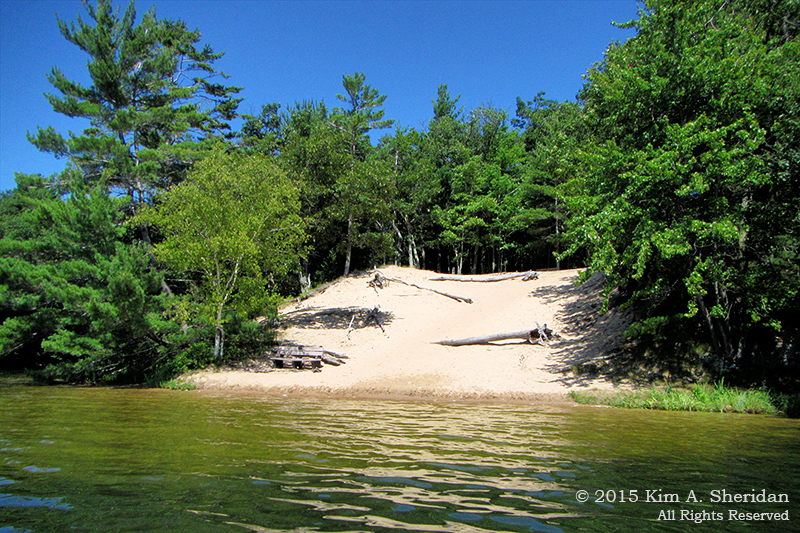
150821_MI LSP Lost Lake Kayak_1661acsA towering sand dune offers a place to stop, rest and explore.

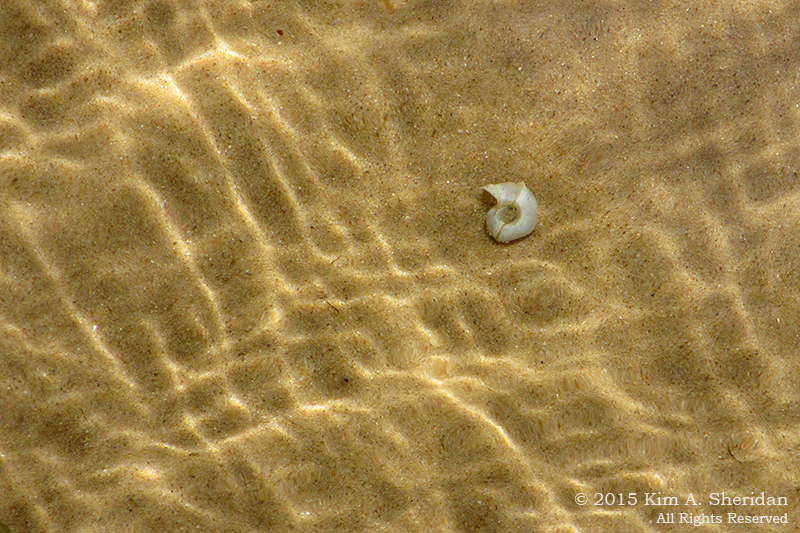
150821_MI LSP Lost Lake Kayak_1681acsIf snails would seek sanctuary from predators, they will not find it here. The shallows of Lost Lake offer no hiding place. Yet again, the crystal clear water astounds.

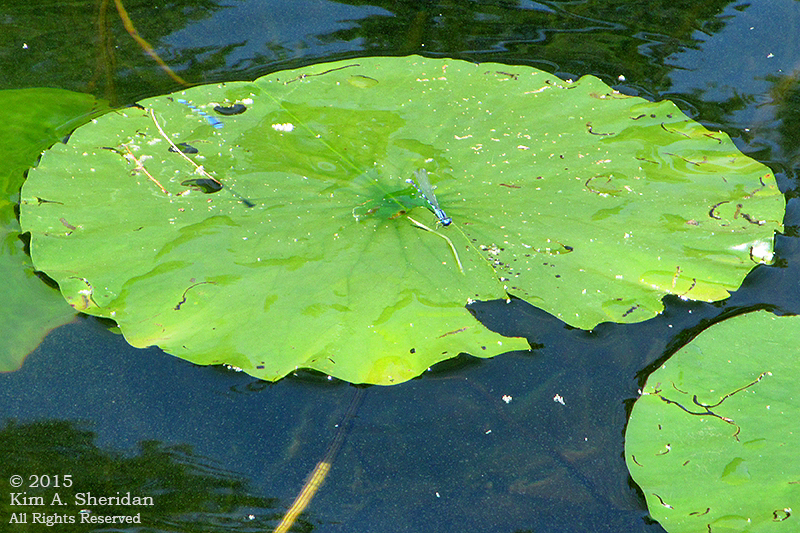
150821_MI LSP Lost Lake Kayak_1712acsA pair of damselflies patrols over a field of water lilies.

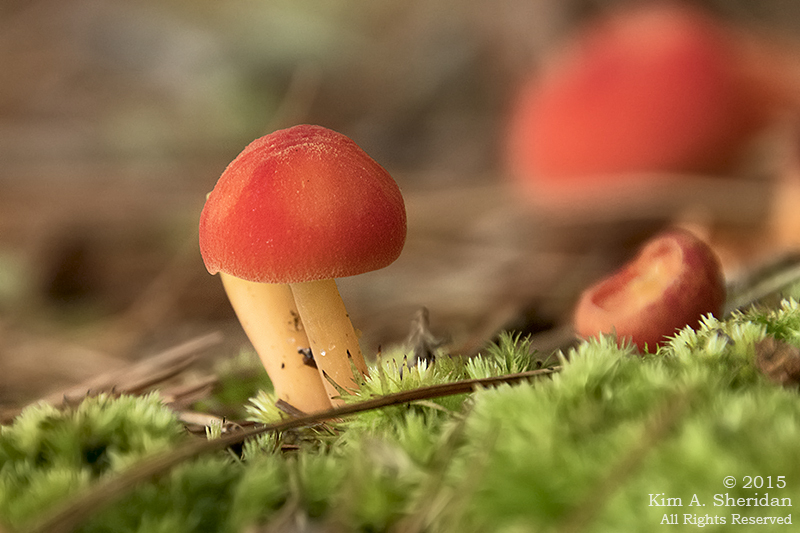
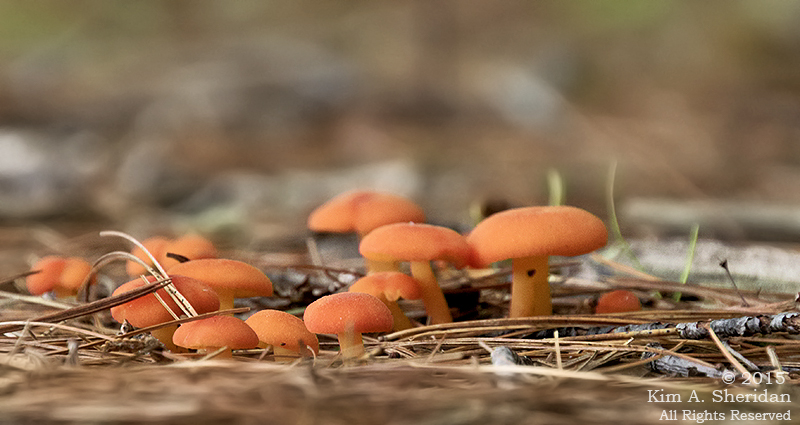
150820_MI LSP Lost Lake Trail_5156acsWee mushrooms loom large over moss and pine needles, a landscape in miniature on the forest floor.

150820_MI LSP Lost Lake Trail_5163acsTiny treasures such as this captivate the imagination and tempt the soul to linger.

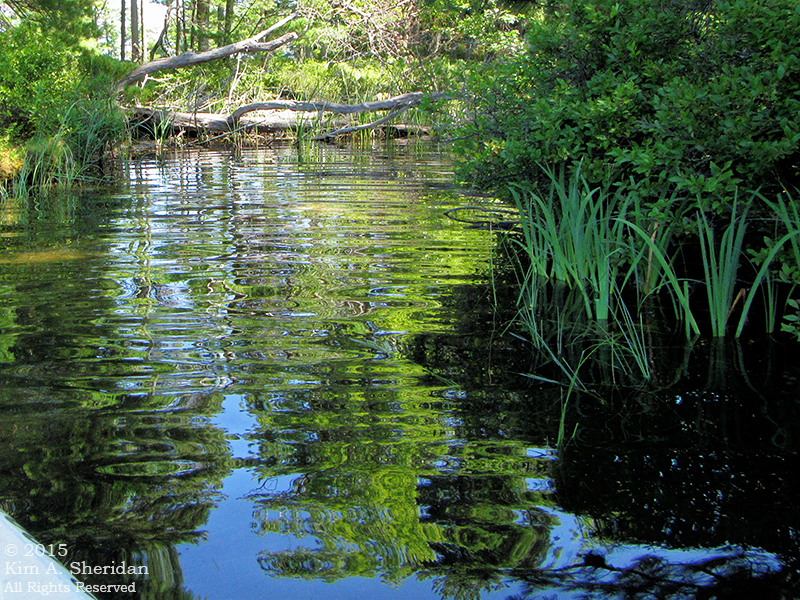
150821_MI LSP Lost Lake Kayak_1728acsBut nearby the narrow entrance to a small cove beckons, dark and mysterious.

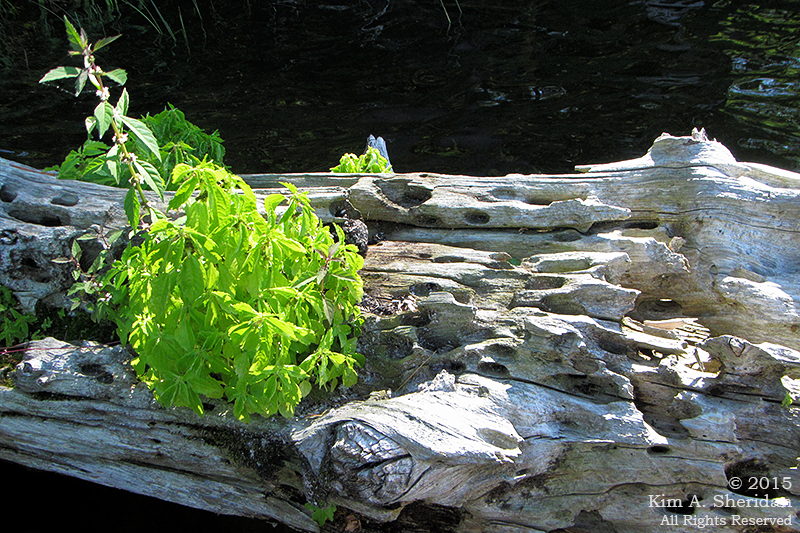
150821_MI LSP Lost Lake Kayak_1754acsAt its mouth, a fallen log has been eaten away by time like Swiss cheese. In one nook, new life has taken root.

150821_MI LSP Hamlin Lake Kayak_1814acsNothing is so tenacious as a plant. It takes but a tiny bit of soil, tucked in a crevice of an old tree stump, for a new tree to sprout and grow. Water, soil, light. What more could a tree wish?

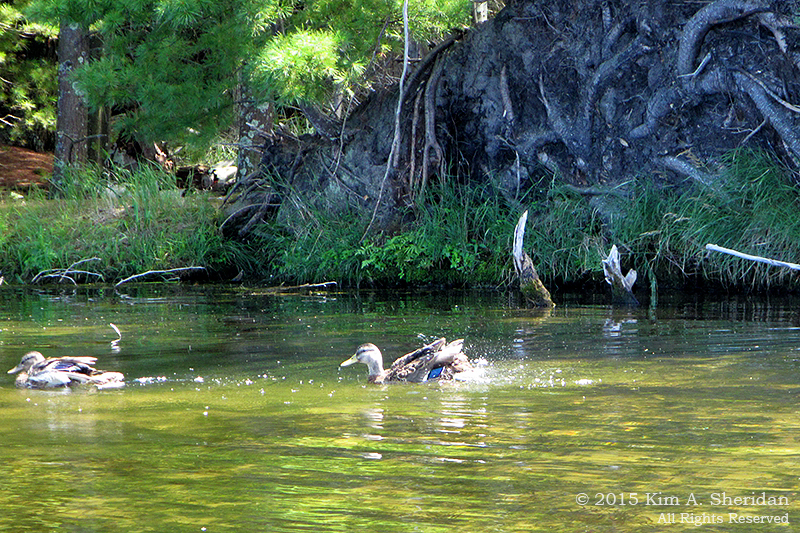
150821_MI LSP Hamlin Kayak_1900acsMallards splash and bathe by the roots of an overturned tree…

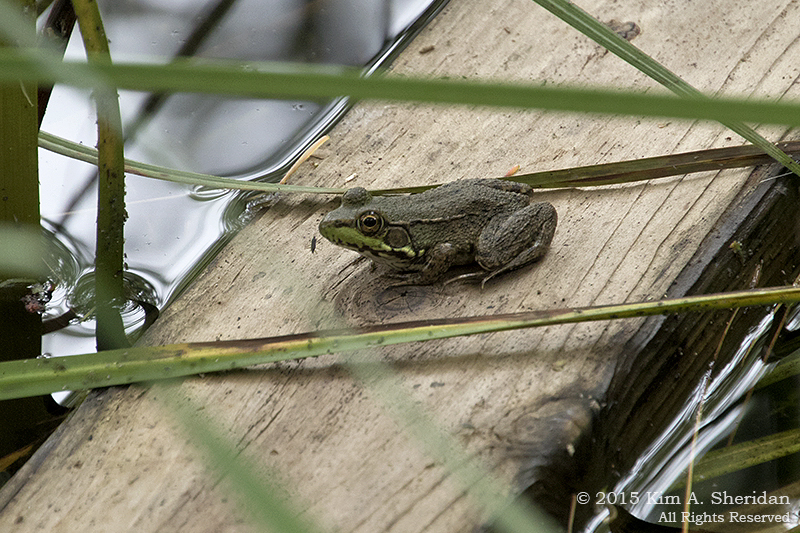
150820_MI LSP Lost Lake Trail_5134acs…while a green frog idles in the shade.

150821_MI LSP Hamlin Lake Kayak_1846acsAn intricate entwining of twisted white limbs adorned with greenery graces the shore. Tree sculpture is but one form of Nature’s artwork.

All too soon, fierce winter will intrude upon peaceful meditations of summer. When it comes, find sanctuary in dreams of sheltered coves and sand beaches. The dip, swish, drip, drip of the paddle. The plants swaying sinuously beneath the clear water, the sparkle of the sun on the surface, the sand and the trees reflected there.

150821_MI LSP Hamlin Kayak_1890acsSavor the moments spent lost in reverie… on the lost lakes.

On The Massanutten

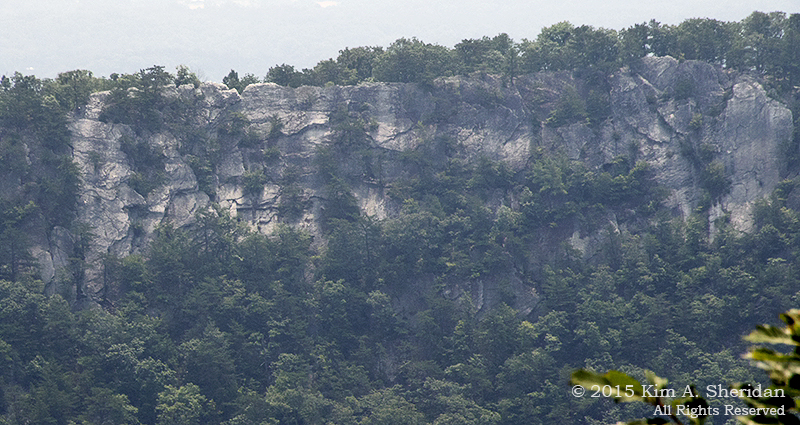
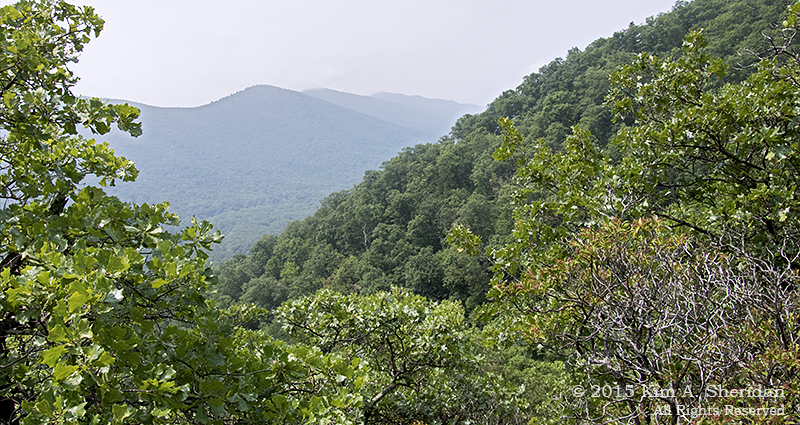
150705_VA Massanutten_0708acsOn Skyline Drive, in all but the deepest fog, there is no missing the Massanutten. How can you overlook a 50 mile long mountain that runs through the heart of the Shenandoah Valley? It’s so big it has its own valley, for gosh sakes!

Signal Knob, Massanutten’s northern peak, has long held a fascination for my friends and me. So, naturally, we wanted to climb to the top of it.

5 miles each way? 2700 feet of elevation gain?

What could go wrong?

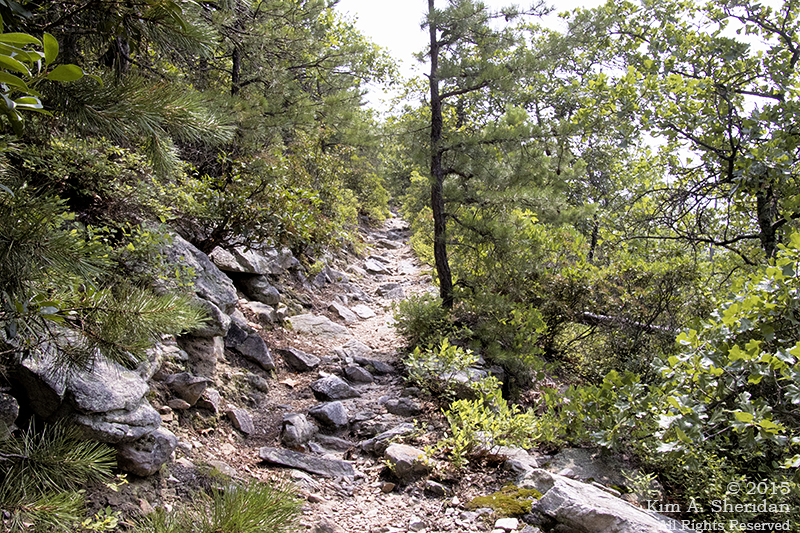
150705_VA Massanutten_0799aAt first, the narrow Signal Knob trail climbed gently along a small run through deep moist woods. Ferns, mosses and shrubs adorned the understory. We passed on old building and then a spring. Beyond that the trail turned sharply and began to climb steeply.

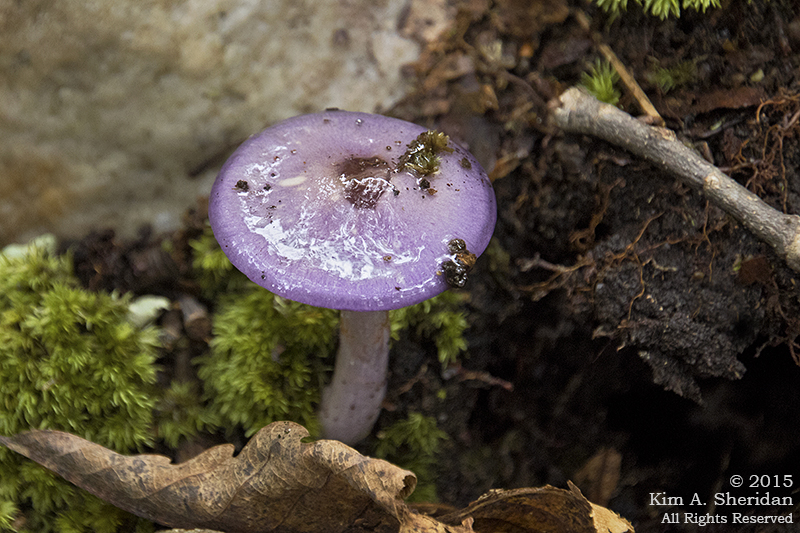
150705_VA Massanutten_0774acsJust past the spring I found a purple mushroom. Purple!

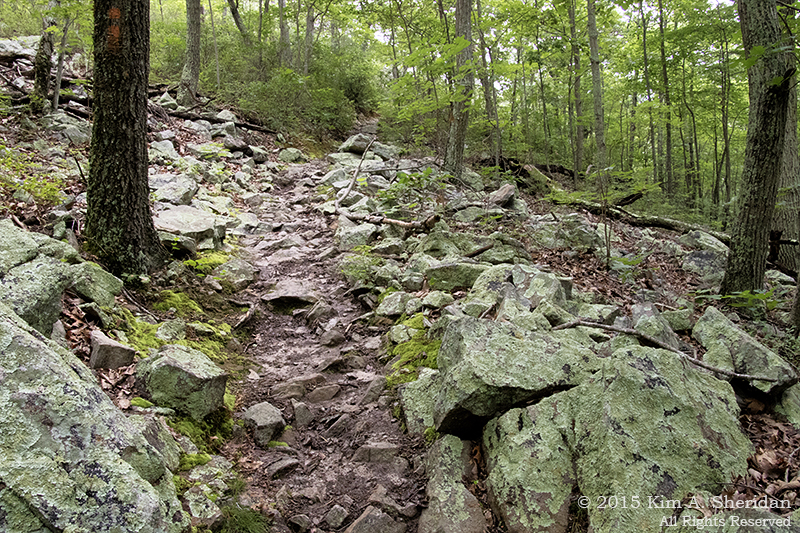
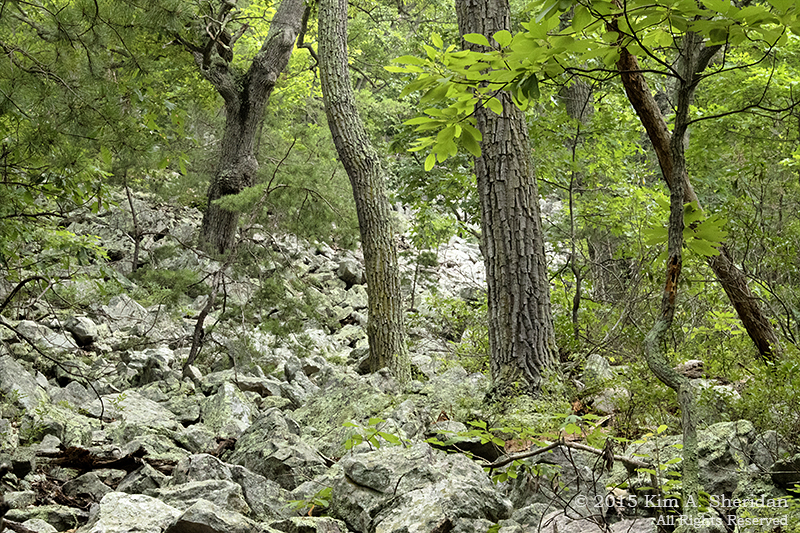
150705_VA Massanutten_0800acsThe forest became drier as we climbed higher, and we started seeing talus slopes to the left. Talus, or scree, is an accumulation of broken rock and boulders that have crumbled, and then tumbled, from cliffs higher on the mountain. The lichens that cover the rocks give them their greenish tint.

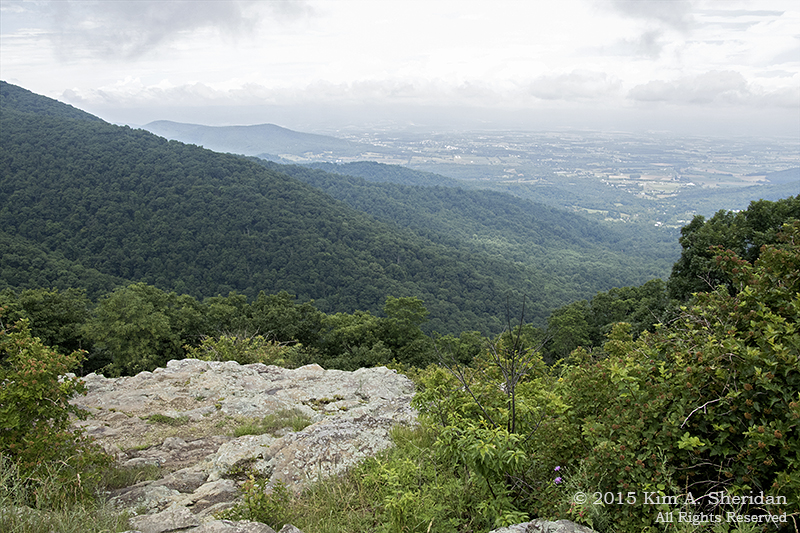
150705_VA Massanutten_1011acsThe trees thinned to the right and we began to get views across a valley to another slope. An argument ensued between Don, who was certain we were hiking on the west arm of the Massanutten and looking at the east arm, and Robb, who was certain he knew where north was and that Don had it backwards. This argument continued for most of the walk, and I am not certain it ever got cleared up satisfactorily.

Because they weren’t listening to me. I suggested that we were hiking on the east arm of the Massanutten, and looking across a small valley at another ridge on the same east arm, in the opposite direction of the other arm of the mountain. Guess who was right?

You got it. But does anyone ever listen to me? Nope, no one ever listens to me.

150705_VA Massanutten_0992acsArguments (temporarily) shelved, we continued up the trail. Soon the habitat got seriously weird.

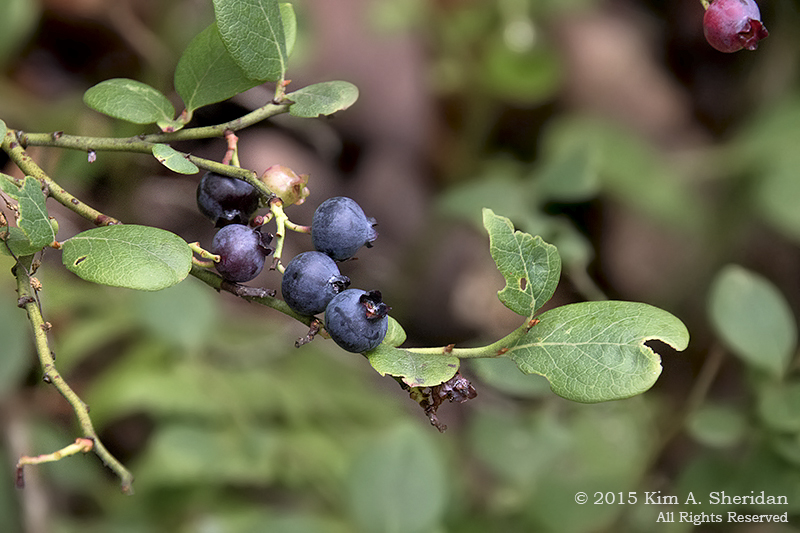
150705_VA Massanutten_0853acsThe first hint was the presence of low-bush blueberry.

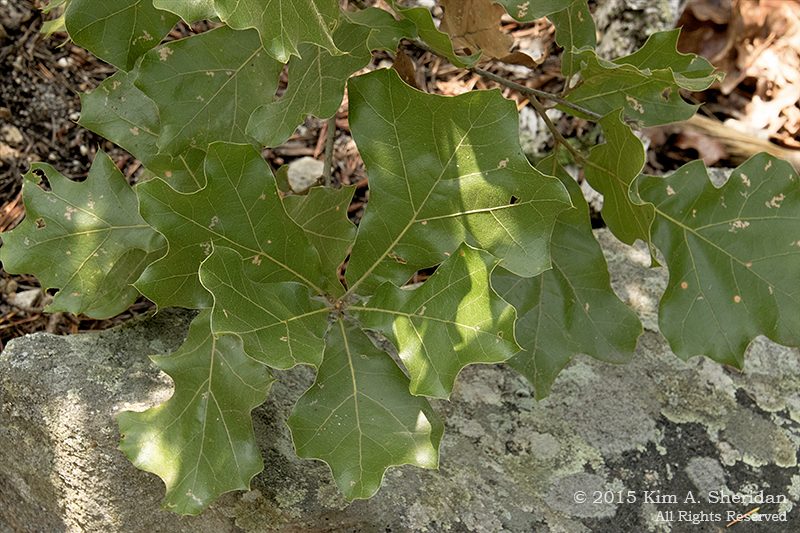
150705_VA Massanutten_0990aFollowed by black jack oak. Mountain laurel. Sand on the trail.

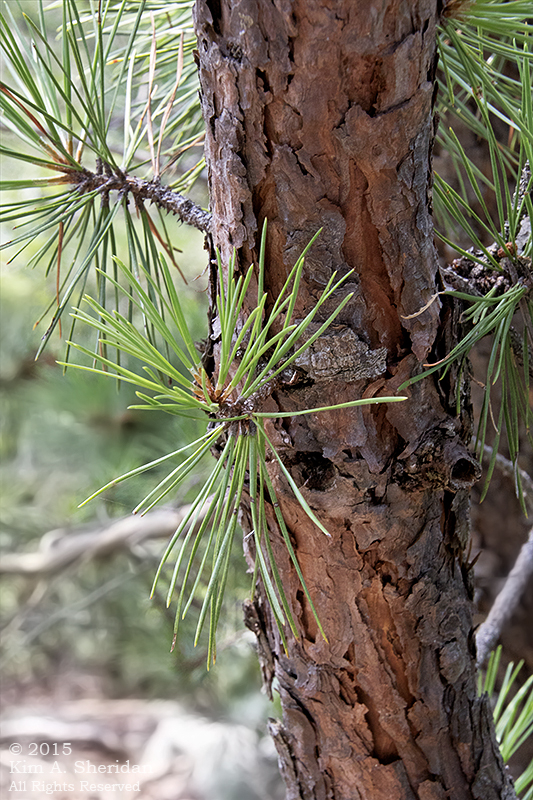
150705_VA Massanutten_0987acsPines with three needles, and – oh look! Needles growing out of the trunk. Pitch pines!

Wait, did we take a wrong turn? How did we end up in the New Jersey Pine Barrens?

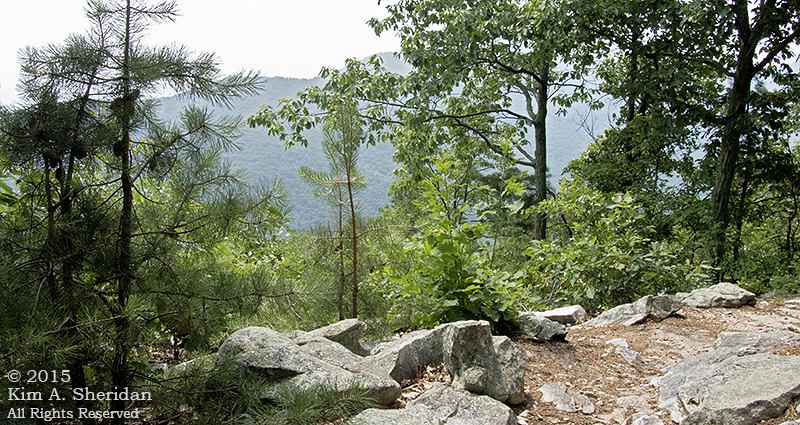
We didn’t, of course. In this part of the Appalachians, dry southwest-facing slopes with poor sandy soil support many of the same trees and plants we see in the Pine Barrens.

The similarity in flora to the Pinelands fascinated us for the rest of the hike.

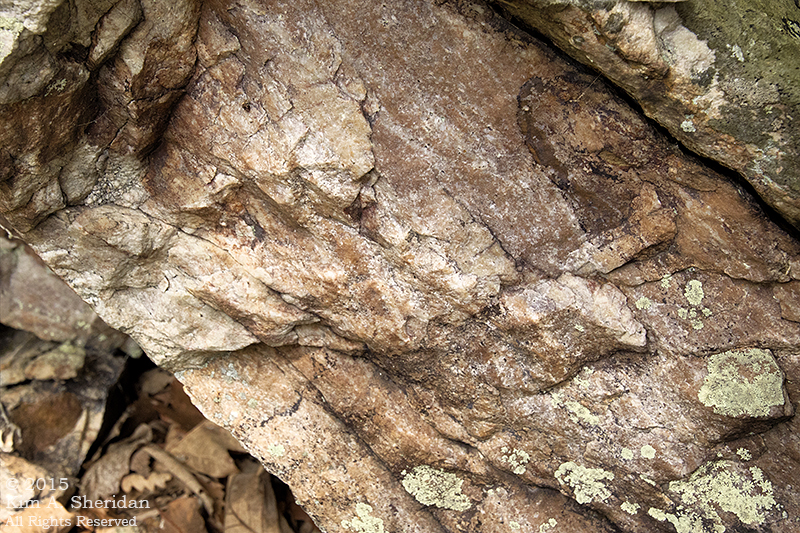
150705_VA Massanutten_0856acsHere’s one of the rare rocks that wasn’t covered in lichen and moss. The weathering of the quartz-rich stone here was the source of the sand under our feet.

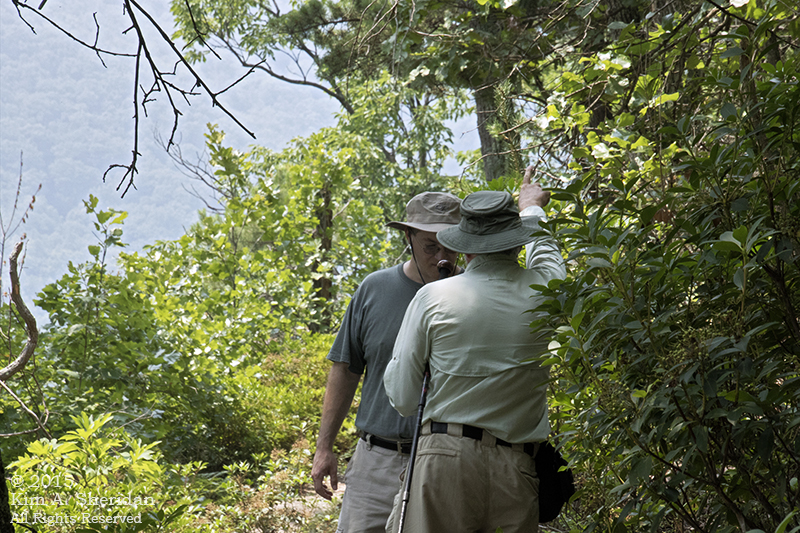
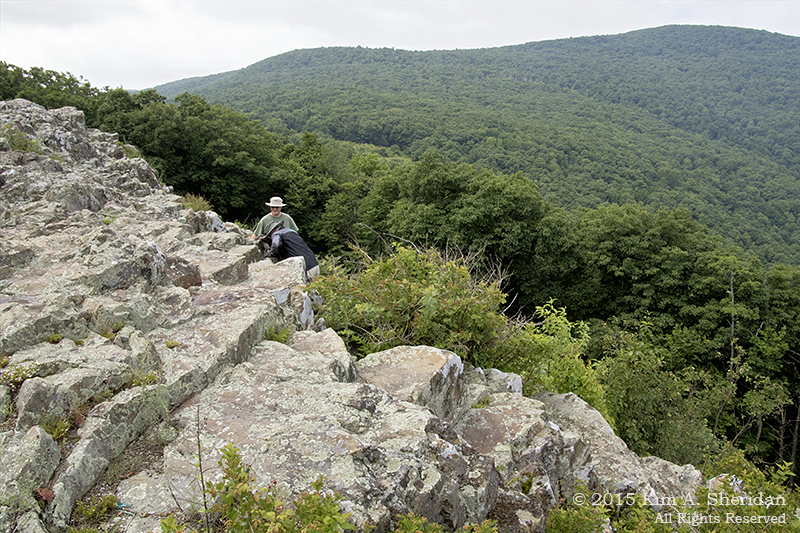
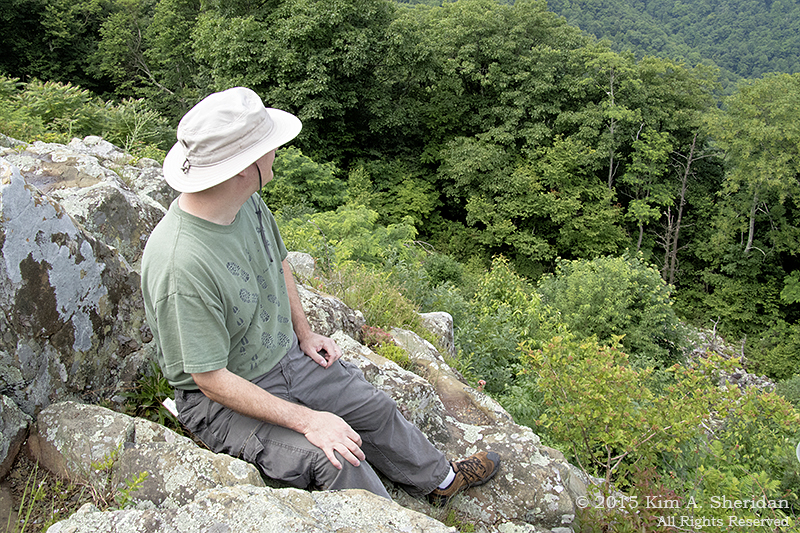
150705_VA Massanutten_0893acsThere were lots of rock formations along the way, one of which Robb just had to climb…

150705_VA Massanutten_0931acs1Don just had to follow…

and then me too, because it was such a nice cool place to rest.

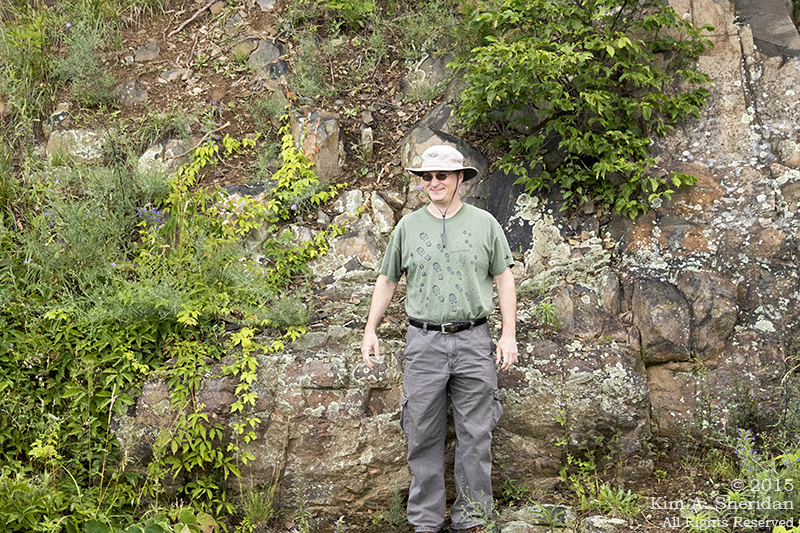
Then I just had to take their picture.

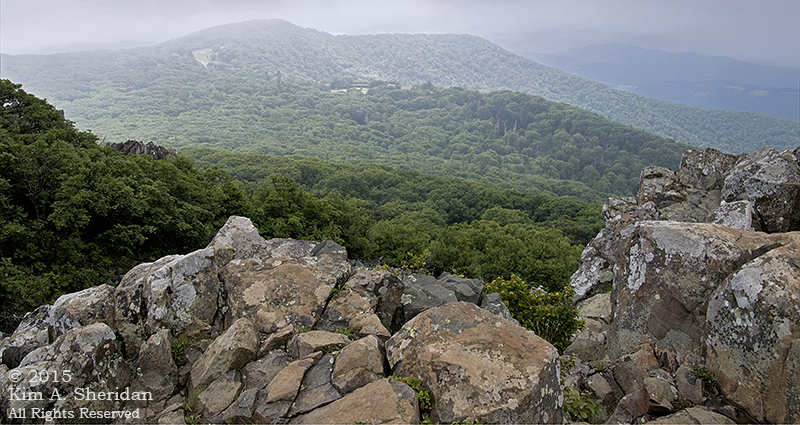
150705_VA Massanutten_1034acsA short time later we reached the Buzzard Rock Overlook. That’s “Overlook.” I thought we were standing on Buzzard Rock, and was unimpressed.

150705_VA Massanutten_1047acsThen I learned we were looking across the valley at Buzzard Rock, which was a dramatic rock formation on the other side of the Passage Creek valley.

At this point we had been hiking for 2½ hours but had covered only 1½ miles of the 5 miles to Signal Knob. The trail from there only gets steeper and rockier. By now, any thought Don had of getting to Signal Knob had vanished, and we all agreed Buzzard Rock Overlook was enough. Besides, it was time for lunch.

With that, we turned around and walked down the way we had come up. A 10 mile hike to Signal Knob turned into a 3 mile walk to Buzzard Rock Overlook. Don claimed that was the plan all along. Conquer the Massanutten?

150705_VA Massanutten_1004acsMaybe we gentled it a little.

No matter. We’d scrambled over rocks, argued over directions, puzzled over trees and shrubs, exclaimed over magic mushrooms, marveled over views. In the end, we’d gained something far more awesome than we’d bargained for, an intimate experience with a massive mountain.

All in a day on the Massanutten.

Oh, Shenandoah! (Reprise)

150704_VA Shenandoah National Park_0514acsIndependence Day, 2015. The day Don and I returned to the scene of the crime. The offense? Visiting a National Treasure without Robb. This Fourth of July we were to serve the term of our punishment.

Three months after we left Shenandoah National Park, we returned for a weekend, this time with Robb in tow. A chance for Don and I to introduce him to the wonders of Skyline Drive.

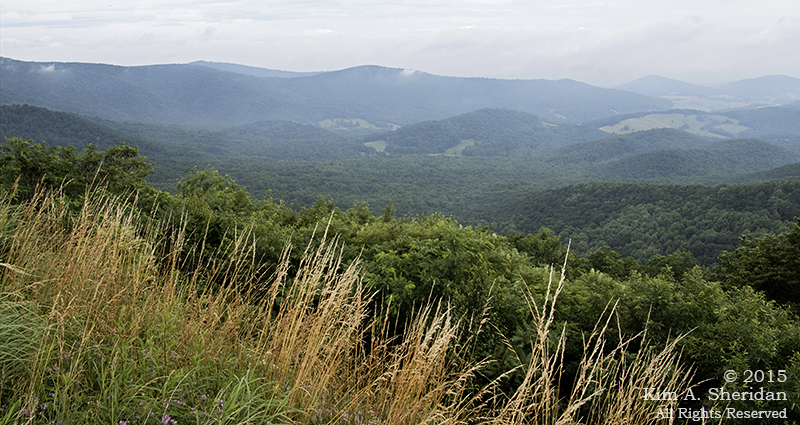
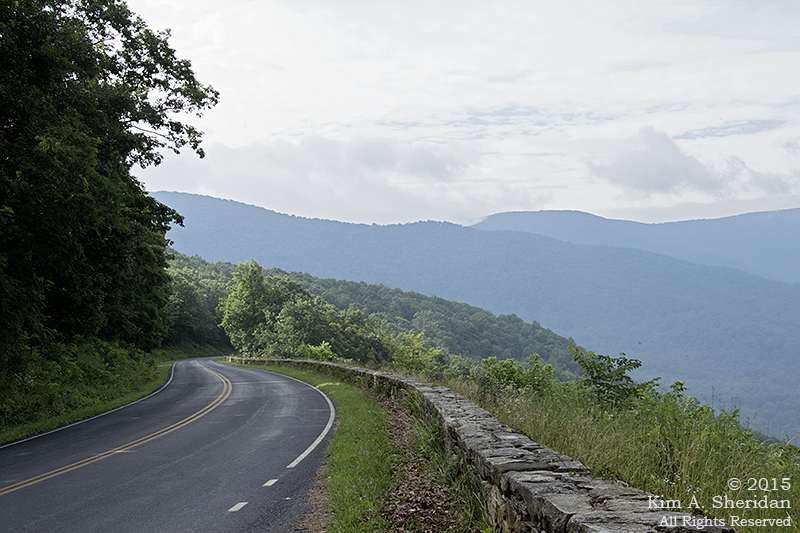
150704_VA Shenandoah National Park_0485 aWhat a change in the landscape! When we left in April, the mountainsides were mostly brown with tinges of the lime green of new spring growth. Now all is lush dark green.

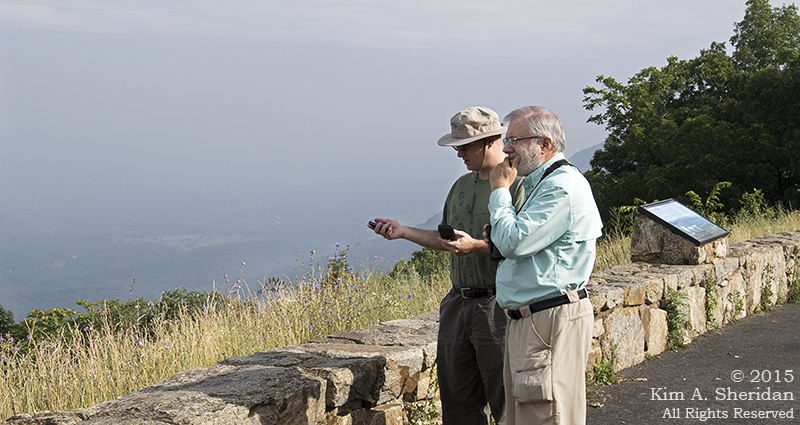
150704_VA Shenandoah National Park_0400 acsWith plans to hike to up The Massanutten toward Signal Knob the next day, Robb and Don took the opportunity to take a compass heading and puzzle over the proper approach.

150704_VA Shenandoah National Park_0423 acsRobb on one of the rock faces that line parts of the east side of Skyline Drive. Now who’s doing the hard time?

150704_VA Shenandoah National Park_0551acsWith all these vast mountain vistas and valley views in a new environment, what’s Robb looking at? Plants, of course.

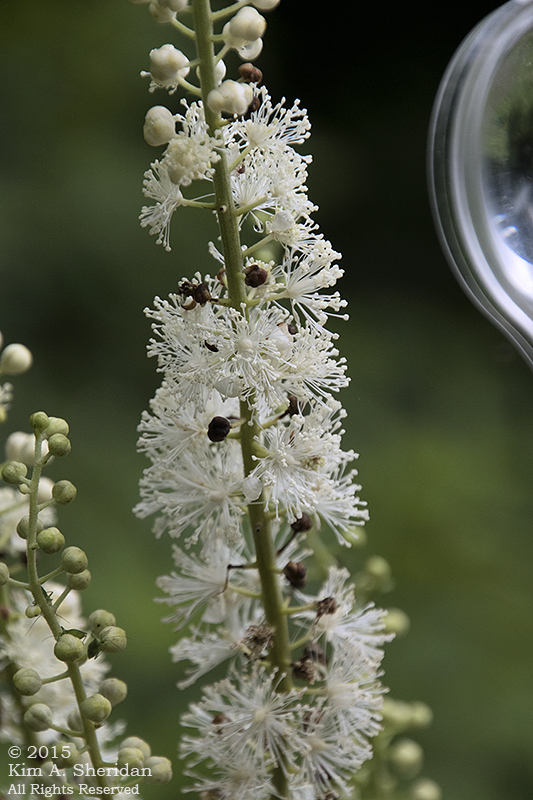
There’s this one spiky flower we kept seeing along the roadsides as we were driving.

We couldn’t identify it on the move, but it was never present at the overlooks.

Finally Robb and I walked back along the road to take a closer look.

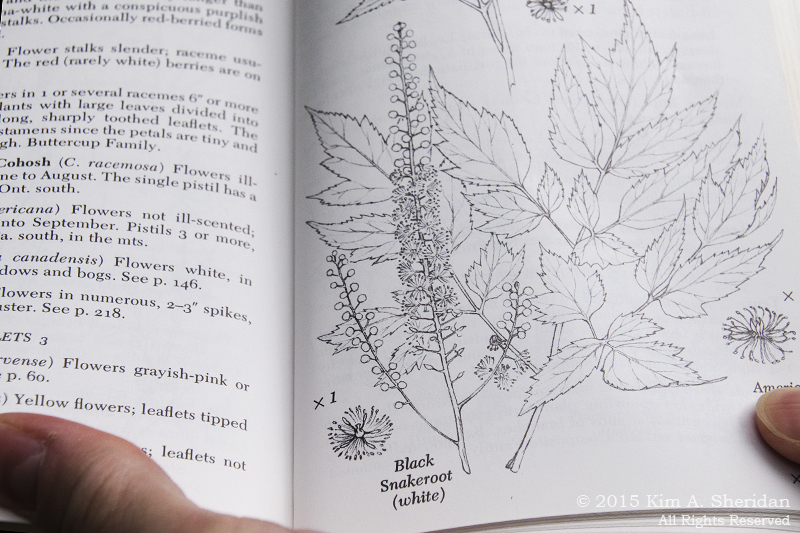
150704_VA Shenandoah National Park_0559acsArmed with a hand lens and Newcomb’s Wildflower Guide, we were able to identify it as Cimicifuga racemes, commonly called Black Snakeroot or Black Cohosh. Mystery solved!

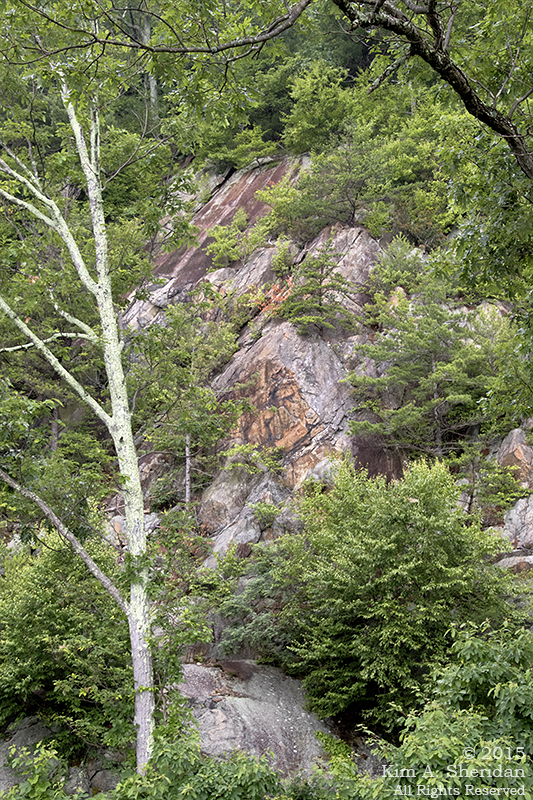
150704_VA Shenandoah National Park_0616acsA tree and granite vignette.

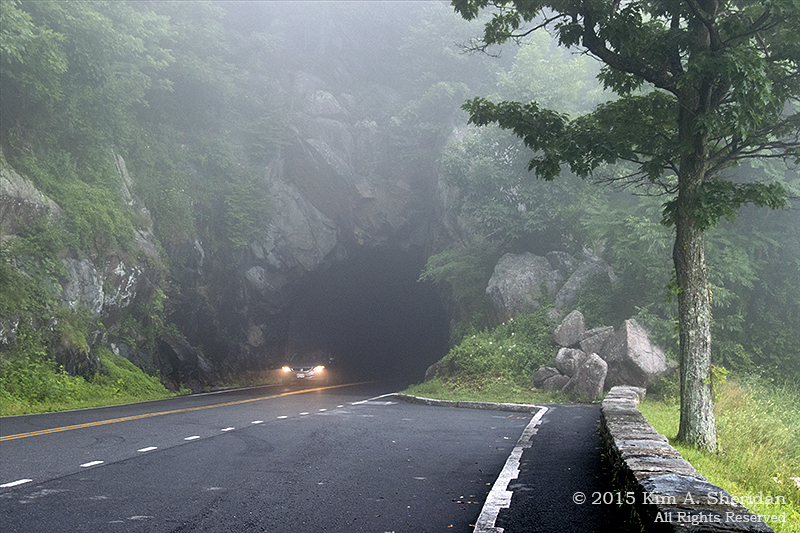
150704_VA Shenandoah National Park_0585acsHeadlights appear from the mist. Shenandoah’s only tunnel bores 670 feet through the granite of Marys Rock. Fog along the Skyline Drive. How – familiar.

150704_VA Shenandoah National Park_0619acsFranklin Cliffs never ceases to delight. I could spend the whole day here, clambering around on the rocks. Who says crime doesn’t pay?

150704_VA Shenandoah National Park_0647acsMan vs. mountain. From the looks of it, the mountain won.

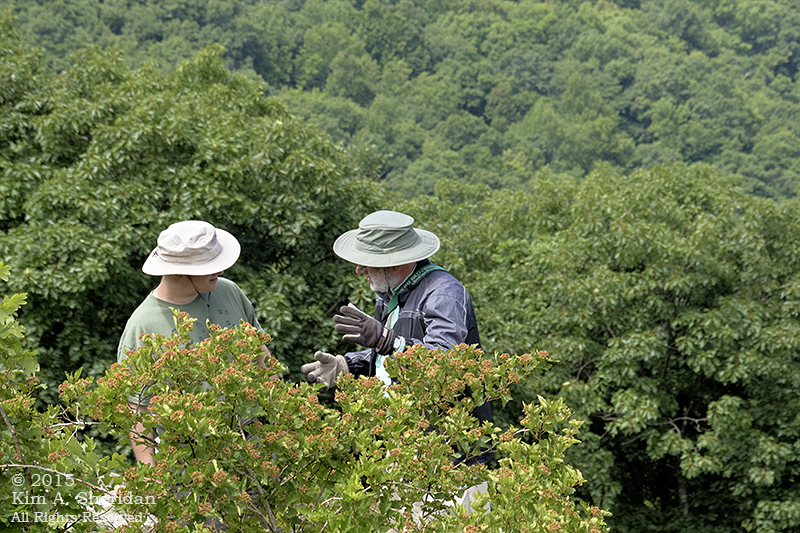
150704_VA Shenandoah National Park_0686acsAlways an argument with these two.

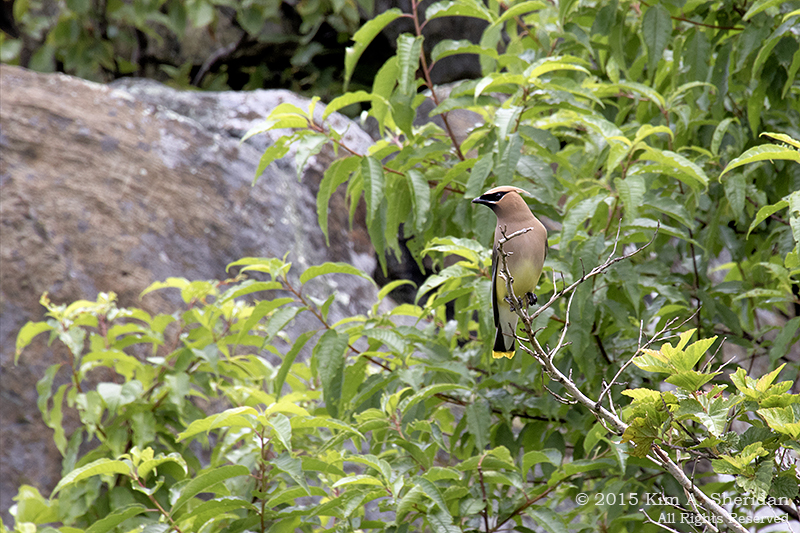
150704_VA Shenandoah National Park_0628acsCedar Waxwing, wearing a robber’s mask.

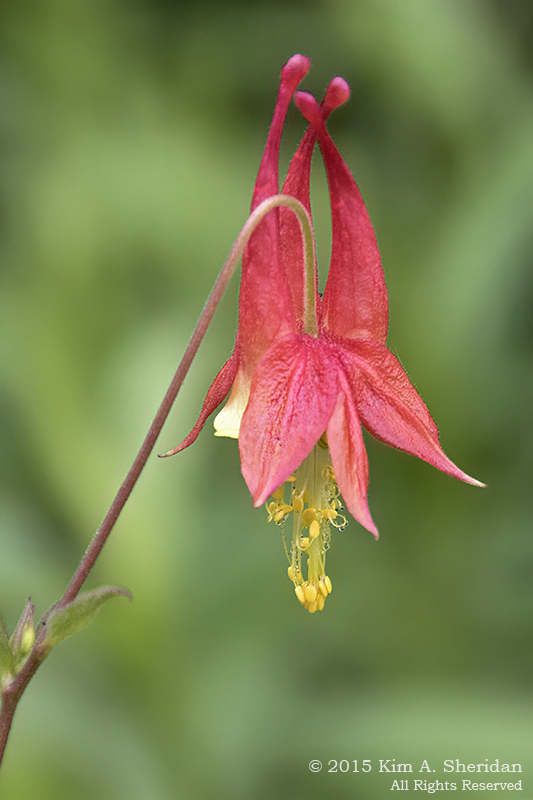
150704_VA Shenandoah National Park_0548acs copyColumbine.

Robb and I had wanted to walk to a waterfall. Small problem – the crowds. It was the Fourth of July in one of America’s most popular National Parks, after all.

We opted instead to take the hike to the top of Stony Man, knowing Robb would love scrambling around on the boulders.


150704_VA Shenandoah National Park_0690acsExcept that those boulders were covered with people. On the horizon, ominous dark clouds were quickly swallowing the views. And as we turned to leave, the skies opened up.

Oh great. Thunder and lightning. And there were Don and I on the second highest peak in Shenandoah, clutching metal trekking poles. Cruel and unusual punishment.

The rain was relentless, and we were walking downhill in a rushing streambed that used to be a trail. Oddly, I was thoroughly enjoying it. I’d not been feeling well that day, but the rain was cooling and rejuvenating. Even when I had to pour it out of my “waterproof” boots at trail’s end.

As we reached our car, the rains stopped. But of course. By the time we returned to Skyland Resort for a brief stop, the skies were clearing and the sun was coming out. The mountain air had a delicious washed-clean feel to it.

Later, in a nondescript hotel room, a different kind of washing took place. Don used a hair dryer on his cash, blowing dry each individual paper bill. Money laundering at its most elemental.

Same scenery, different crime.

150704_VA Shenandoah National Park_0666aRobb relishing the view from Franklin Cliffs, while Don and I served out our sentence for neglecting him, with no time off for good behavior.

If spending a day in Shenandoah National Park is “punishment”, I’m going to have to be very, very naughty.

Where The Wild Things Are

150829_PA HNWR Little Blue Heron_6388acs

Little Blue Heron, Juvenile

This time, I did it right. After months of not putting myself in position to make good nature images, of always being in the wrong place at the wrong time with the wrong equipment doing the wrong thing – this time I did it right.

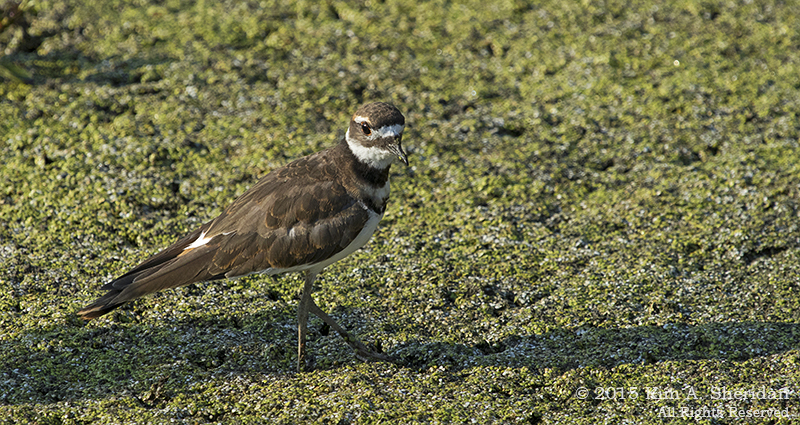
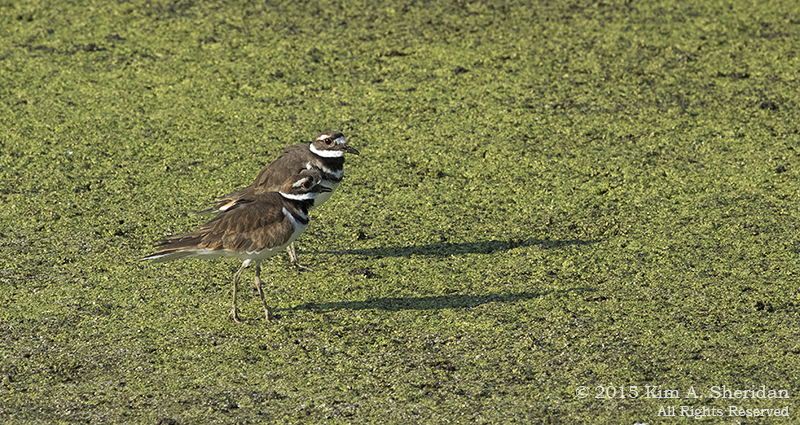
Killdeer

Killdeer

Right time? Early morning when the light is good and the wildlife is active – check.

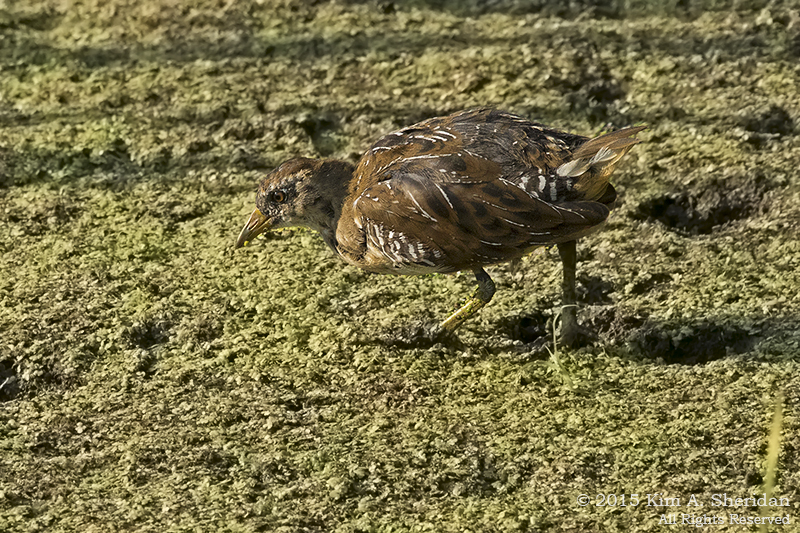
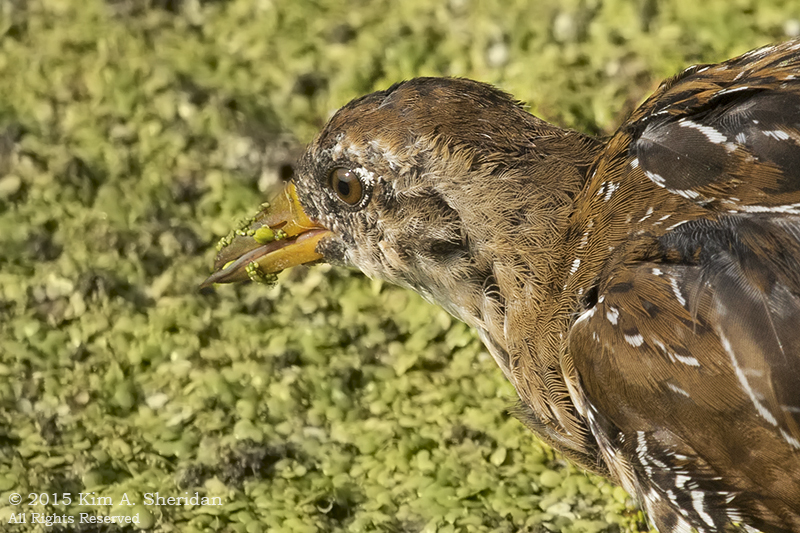
Sora

Sora

Right place? The boardwalk at John Heinz National Wildlife Refuge, where interesting birds like Soras and Virginia Rails and Glossy Ibises have been the talk of the town, and social media, for weeks – check.

A small bug casts a big shadow

A small bug casts a big shadow

Right equipment? Binoculars and Canon 7D Mark II camera with the 100-400mm lens, in my hands and not back in the car – check.

150829_PA HNWR Marsh Wren_6201acs

Marsh Wren, juvenile

Doing the right thing? Two hours of watching and waiting patiently, on my own, instead of rushed by the need to keep up with fast-moving friends – check.

Sora

Sora

The result? Actual photos of wildlife! Killdeer. Sora.

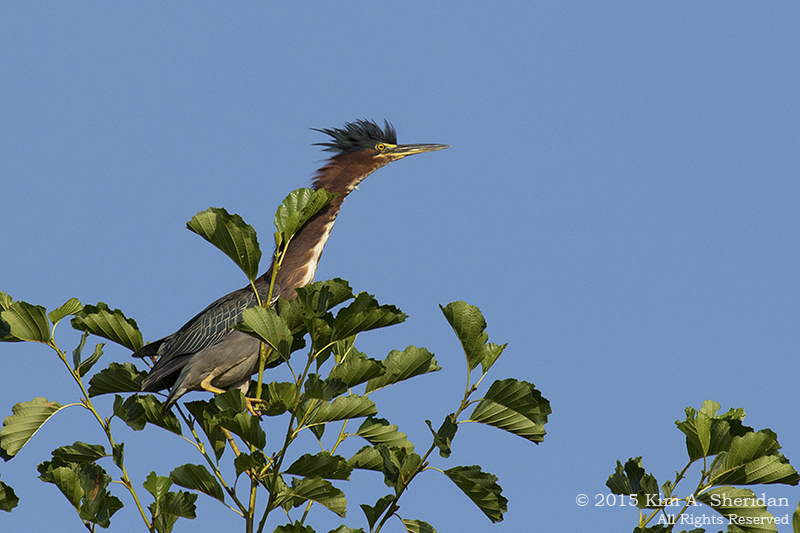
Green Heron

Green Heron

Little Blue Heron. Green Heron, at the top of a tree, no less!

Bug standoff

Bug standoff

Even a stand-off between two bugs on a leaf.

150829_PA HNWR Killdeer_6009acs

Killdeer

This is where the wild things are.

150829_PA HNWR Sora_6132acs

And I think we found the wildlife photographer.