Independence Day I: Wissahickon Wanderings

or

What I Did On The Fourth of July
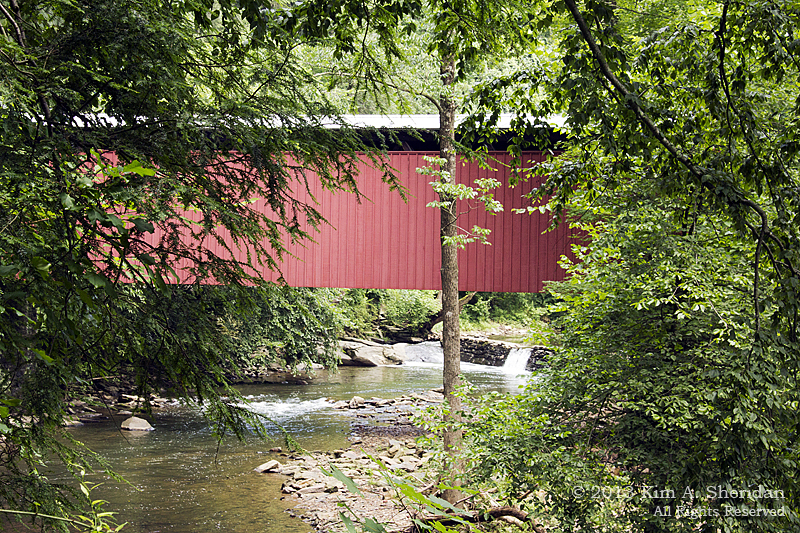
1 Wissahickon_4690 aThis year ranked as one of my more unusual Independence Day holidays. Several Refuge friends and I went exploring in Fairmount Park and then the Morris Arboretum.

Fairmount Park in Philadelphia is the one of the largest urban park systems in the US, and spreads throughout much of the city. The 1800 acre portion along the Wissahickon Creek, known as the Wissahickon Valley, is actually a gorge, with the wooded slopes rising nearly 200 feet above the Creek. It’s as close to wilderness as one could be in a big city.

Our primary goal here was to see the Thomas Mill Road Covered Bridge. To reach it we took a long, easy walk down Forbidden Drive.
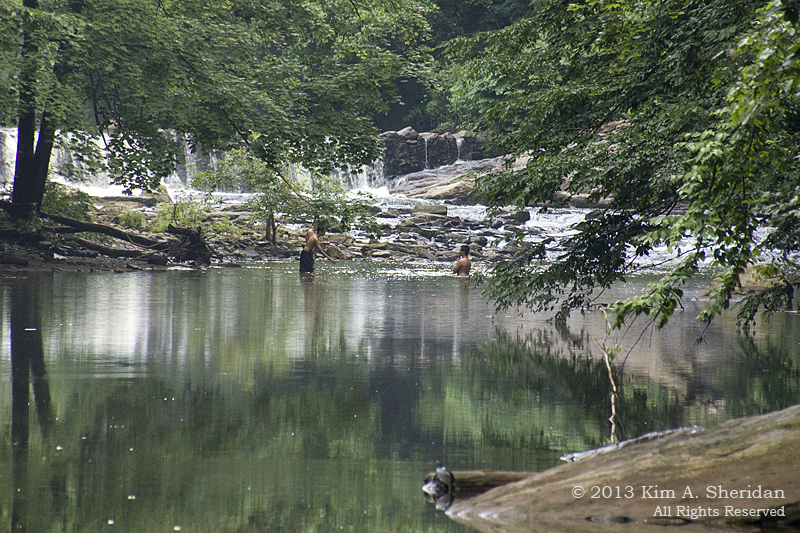
1 Wissahickon_4480 aKids swimming in the Creek. It was hot and humid, and later in the day I really wanted to join them.
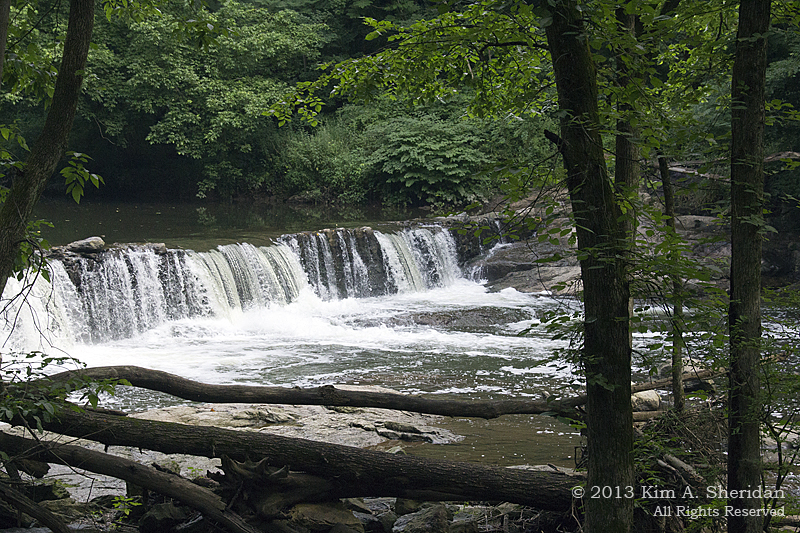
1 Wissahickon_4487 aOne of the remnant dams along the Creek. The dams supplied water to run the waterwheels of the lumber, paper, and grist mills that once populated the Valley.
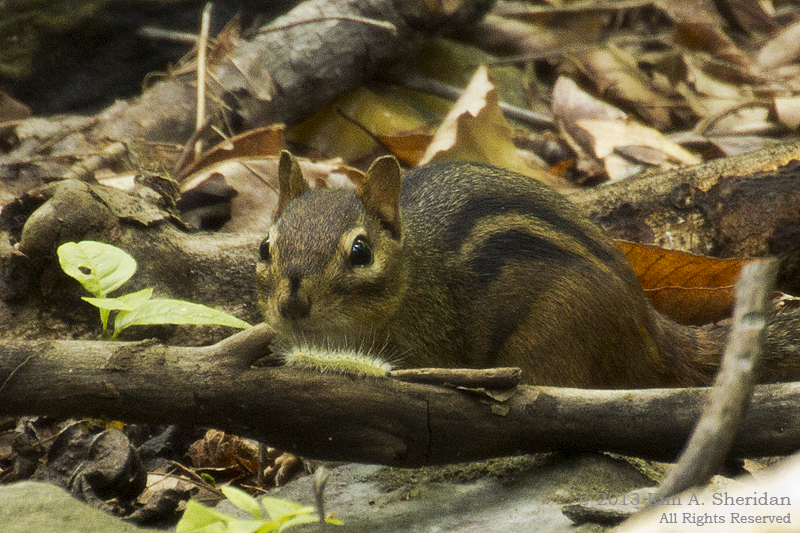
Wissahickon Valley Chipmunk_4533 acs  “Oh look – lunch!”

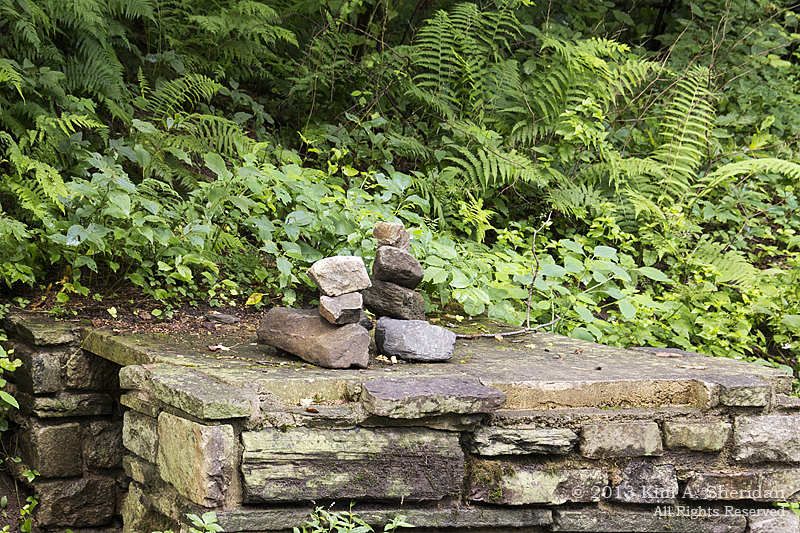
1 Wissahickon_4500 acsTrail art, by humans.

ButterfliesI spent some time trying to persuade at least one Eastern Tiger Swallowtail butterfly to be still long enough for a picture. Didn’t have much luck.
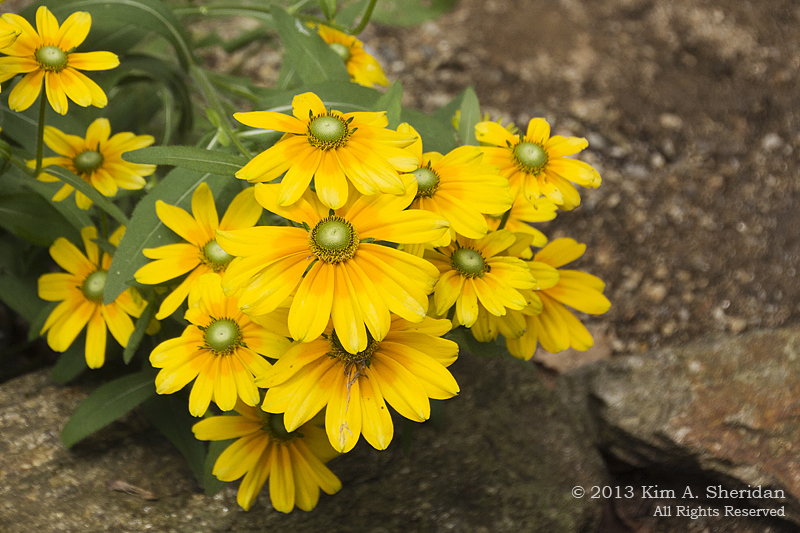
1 Wissahickon_4570 a More trail art. Courtesy of Mother Nature this time.

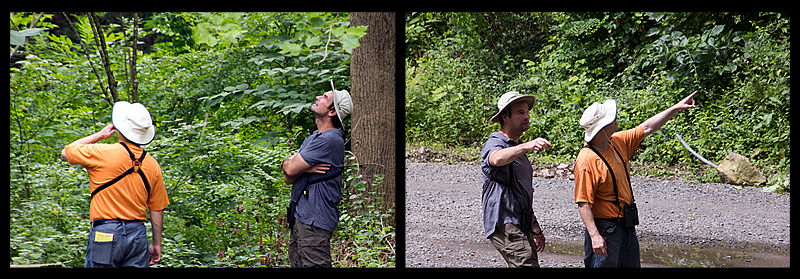
When you walk anywhere with the botanically-inclined, you can expect frequent discussions on the identity of this or that plant. Here’s Robb (in orange) and Jeff arguing, ahem, discussing the identification of a tree.Jeff & Robb“This tree over here?” “No! THAT tree over THERE!”
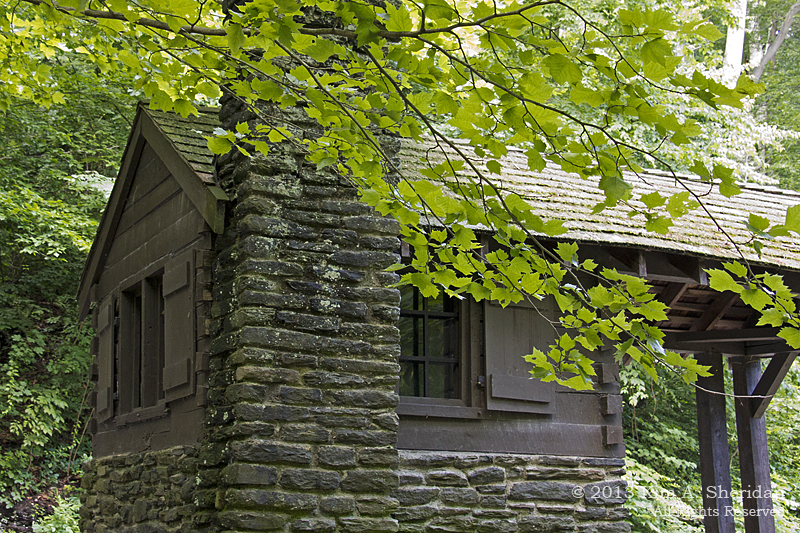
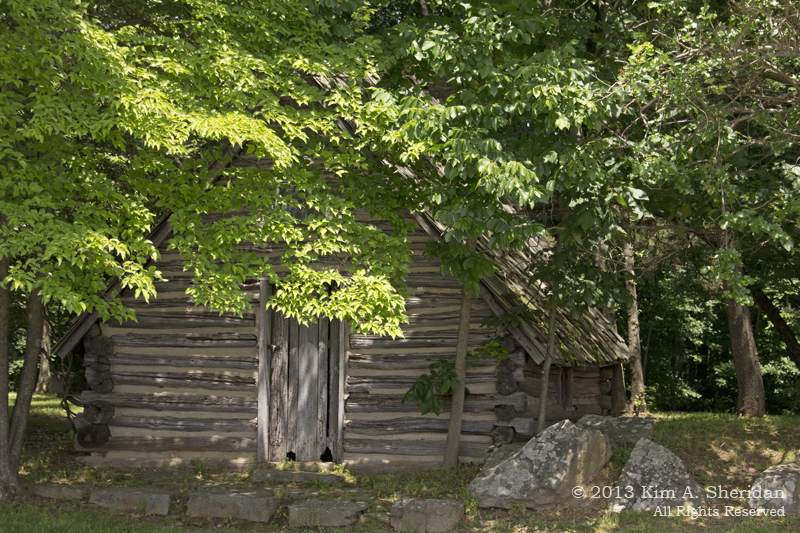
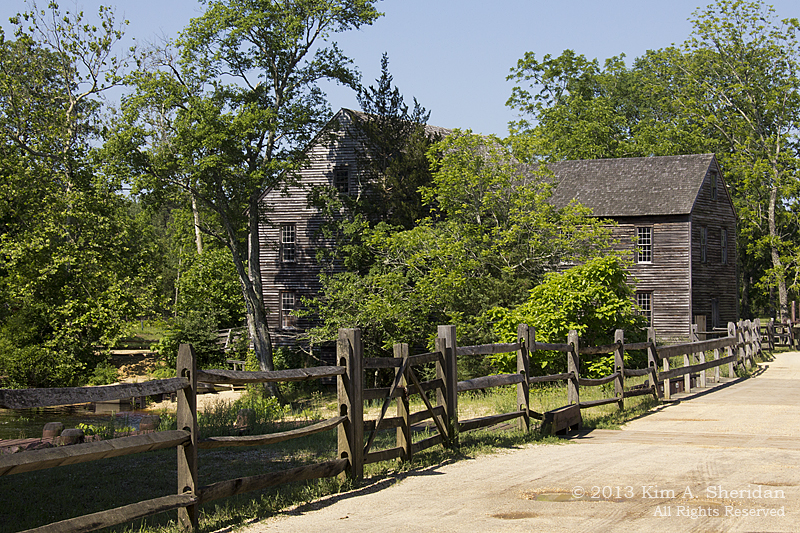
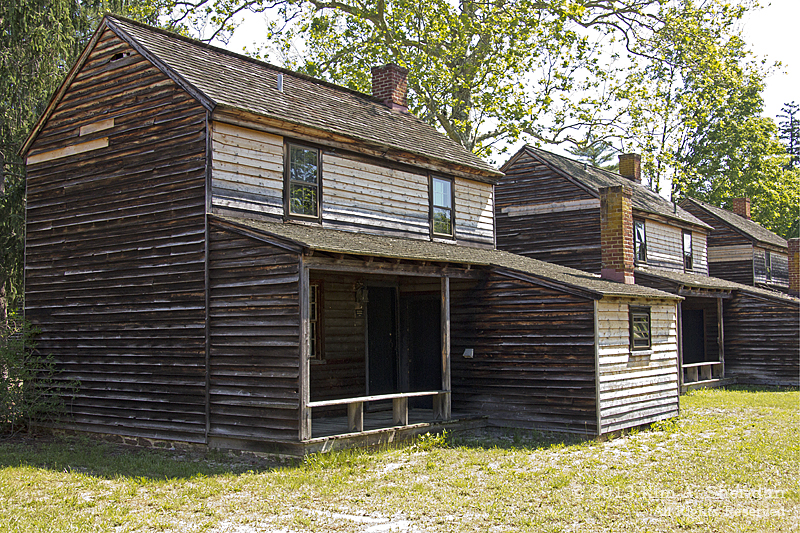
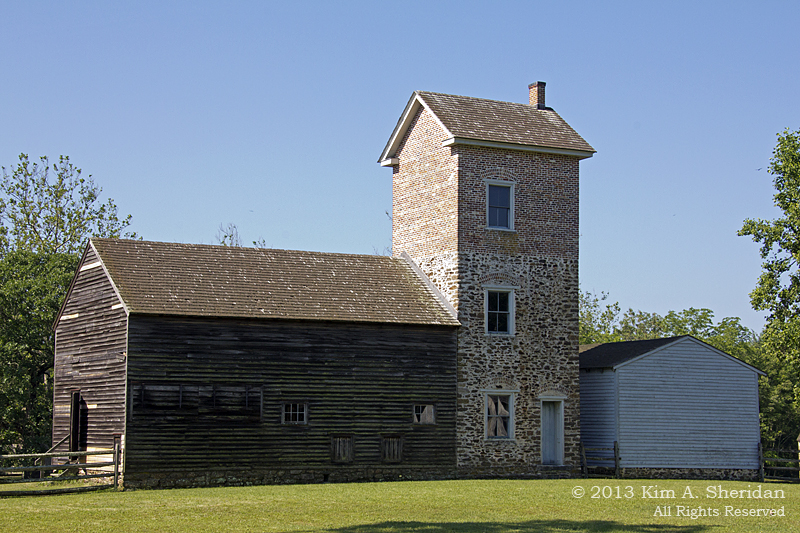
1 Wissahickon_4545 aReally cool old building, originally part of a nearby mill, but rebuilt by the Works Projects Administration (WPA)  in 1938. They were used to shelter the Fairmount Park Guards who once patrolled the park.
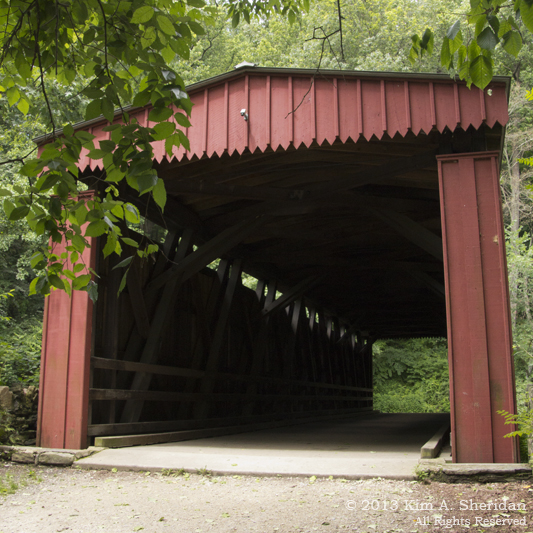
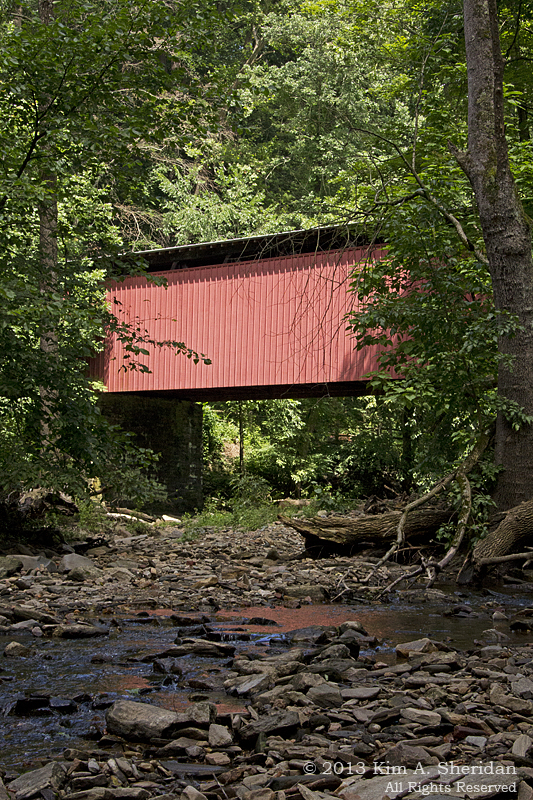
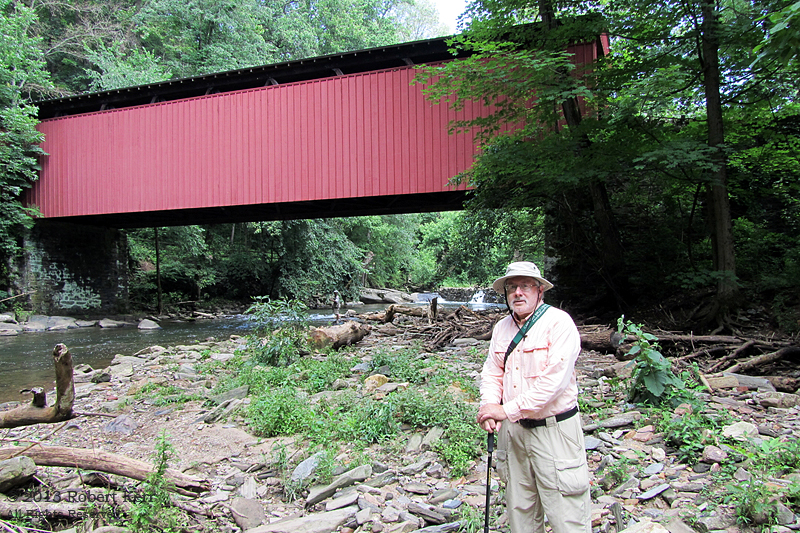
1 Wissahickon_4710 1 Wissahickon_4719 a Ahhh! At last! The Thomas Mill Road Covered Bridge.

It was built in 1737, and restored by WPA in 1938. It’s the last covered bridge in the Valley, and the only covered bridge in a major U.S. city.

There’s something picturesque about a covered bridge. I think it’s the play of red against the green foliage.

Aren’t all covered bridges red?

Here’s Don, looking every bit the bold explorer, in front of the bridge.covered bridge acs
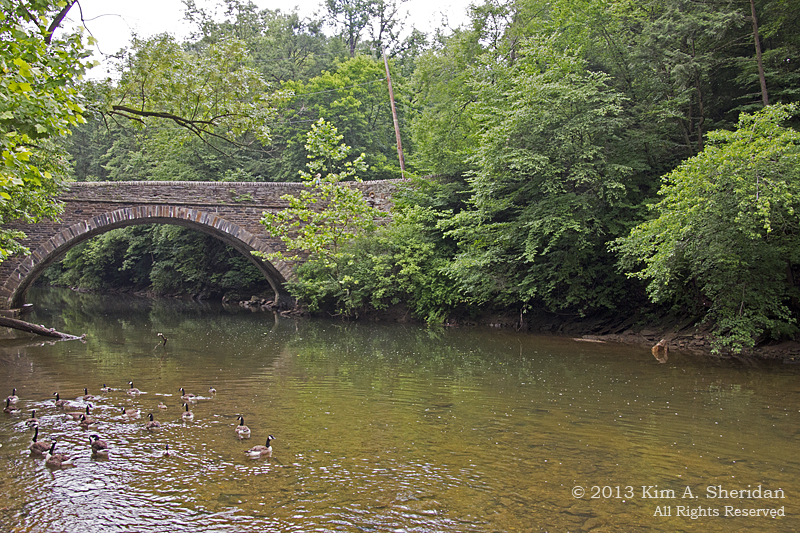
We crossed over the Creek here, and came back to Valley Green via the trail. A totally different walk. Where the Forbidden Drive was wide, the trail was narrow; where it was flat, the trail climbed sharply up and down; where the Drive was crowded with bikers and runners and horses, the trail was – well, not empty, but certainly less crowded.

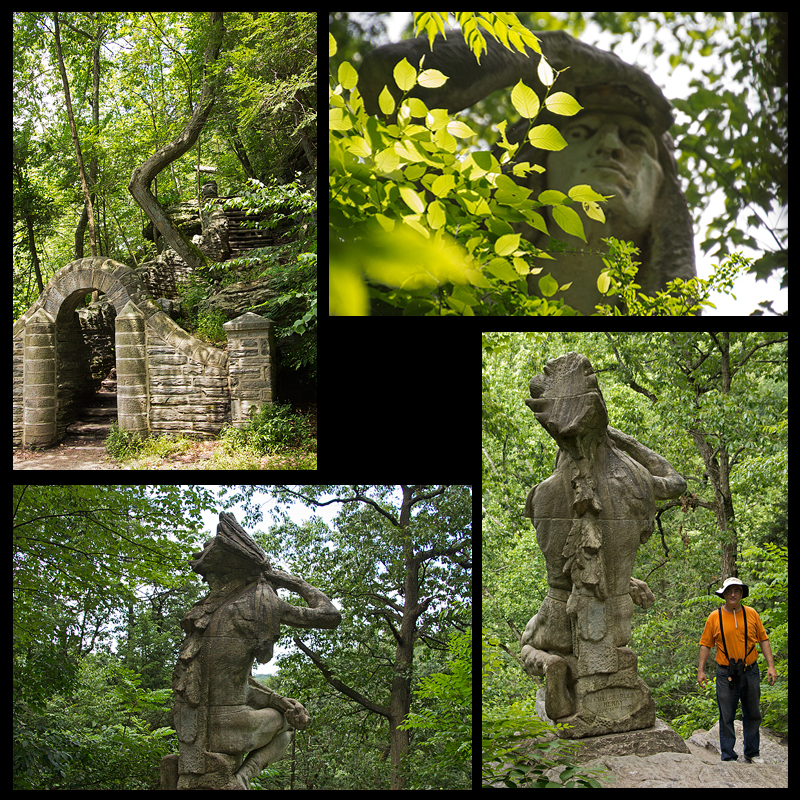
Our goal along the trail side of the Wissahickon was “The Indian”. The Valley was once the home of the Lenni-Lenape people. In 1902, after they were long gone, a 15 foot high sculpture was erected in their honor. It depicts a Lenni-Lenape warrior, kneeling and shading his brow as he watches his tribe depart from the region. Of course, the artist couldn’t be bothered to differentiate among the traditions of the various Native American nations that lived here. Which is why an Eastern Woodland Indian is wearing a Western Plains Indian headdress.

On the Forbidden Drive side we’d come upon a sign marking the Indian statue, placed high up on the far bank of the creek.  The only trouble was, we couldn’t see the statue for the trees.

With the help of some other trekkers, we found the pathway to the Indian.This was a short but tough trail that went straight up; you get some idea of the steepness of the Gorge from this set of stairs. We found ourselves below the base of the statue. This was a great view, and I wanted a great shot, but as you can see but I blew the focus. Oh, well, I will just have to go back.Indian collageUp at the top we got a perspective I am quite familiar with from my wildlife photography – the rear end. Here you can see that the statue is slightly more than two Robbs high. And since the Indian’s kneeling – well, that’s one big Indian.
Leaving our friend, we discovered a much easier path back down to where the main trail awaited. Wish we’d known that before!  From here back to the car, the trail got tougher, as we needed to clamber over roots, tree trunks, rocks and even small streams. A couple of times I found it easier to slide on my bum. Eventually we made it back to Valley Green, where another adventure awaited – finding a restaurant that was open on the Fourth of July.
1 Wissahickon_4471 aMy dad grew up very close to the Wissahickon Valley in the 1930s and ’40s, and spent a lot of time there. And told me a lot of tall tales from his boyhood. This first visit just made me more determined to see more of the area he knew so well.

Coming up: Independence Day II: A Morris Mosaic

Photo of Don courtesy of Robb Kerr

Historical information courtesy of the Friends of the Wissahickon  http://www.fow.org/about-park
The Critter Radio Sports Update

HNWR Painted Turtle_6615 aHey, hey, hey sports fans! This is Shelly Zuppa with your sports update here on KRTR 99.9 FM – Critter Radio. Today we have a real treat for all you sports fans – live coverage of yesterday’s hotly contested Herp Swamp Hockey match. Nothing like the timely coverage you’ll get here on Critter Radio! Let’s throw it over to our play-by-play announcer.

Hi, folks, I’m Myrtle Turtle the Dapper Snapper, and welcome to the Marsh Arena. For the Herp Swamp Hockey novices out there, let’s review the game. The league is restricted to herps – reptiles and amphibians, in other words. No fish, no fowl. No rules, no referees, no holds barred. Four teams for all the marbles, competing on land and in water.

HNWR_5624 a Looks like we’re all set for the match to start. The crowd is trembling with anticipation…

HNWR_9701 a…as their favorite players from the Tinicum Turtles take the field.

CM Higbee Beach_9885 aRight off the bat, the Higbee Beach Fence Lizards take the offensive by going on defense. These guys would lead the league if the game were Freeze Tag. At the first whiff of an opponent, they become motionless. “If I don’t move – you can’t see me!” is their battle cry.

HNWR Snake_7379 ACSThe strategy must have worked, because we can see they’ve got this Garter Snake player from Serpents United on the rocks.

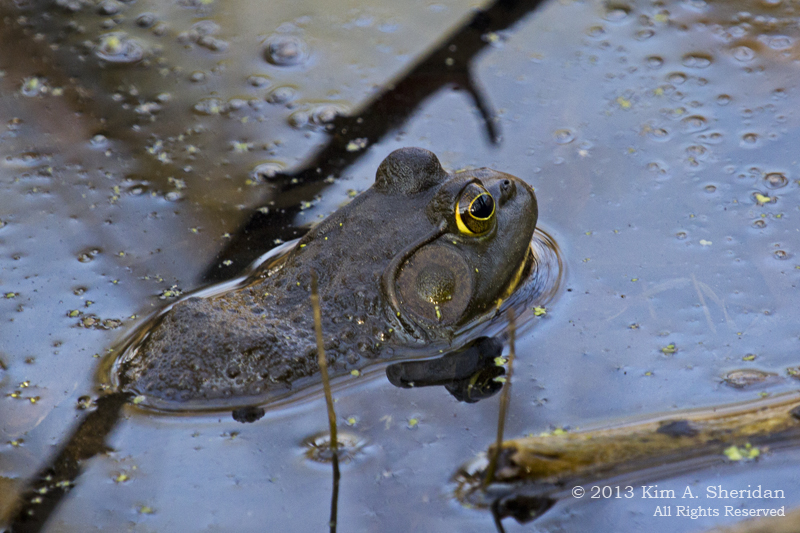
HNWR Bullfrog_7722 ASMeanwhile, this American Bullfrog is mired deep in his own zone. Maybe water polo is more his game.

HNWR Tadpoles_5187 aHalftime entertainment keeps to the water with a nice display of synchronized swimming by three baby fish. Yes, folks, there’s nothing we Snapping Turtles like better than a good fish fry. Or three…

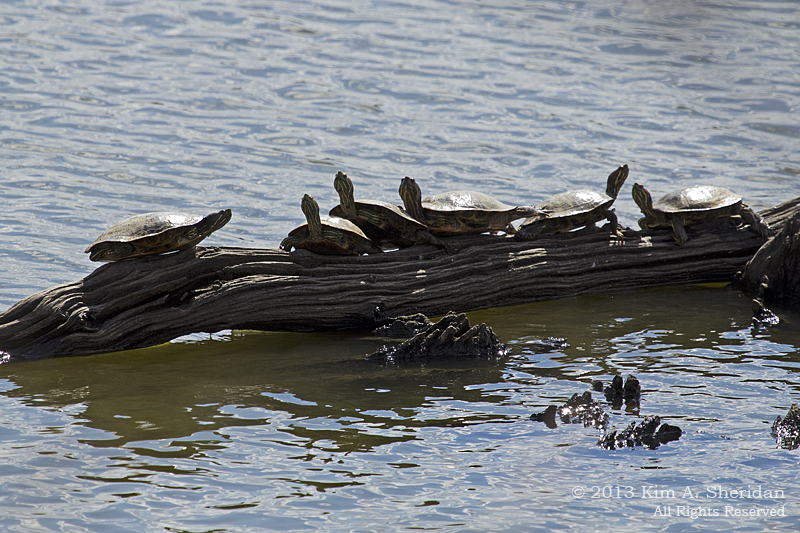
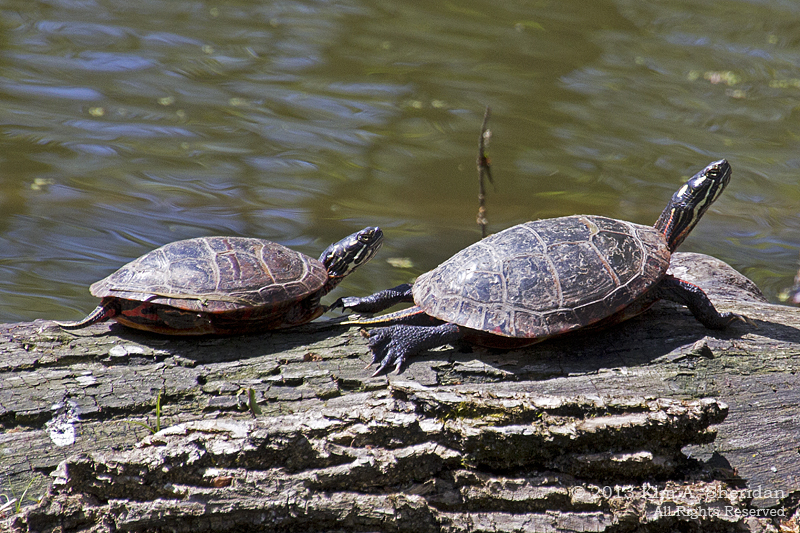
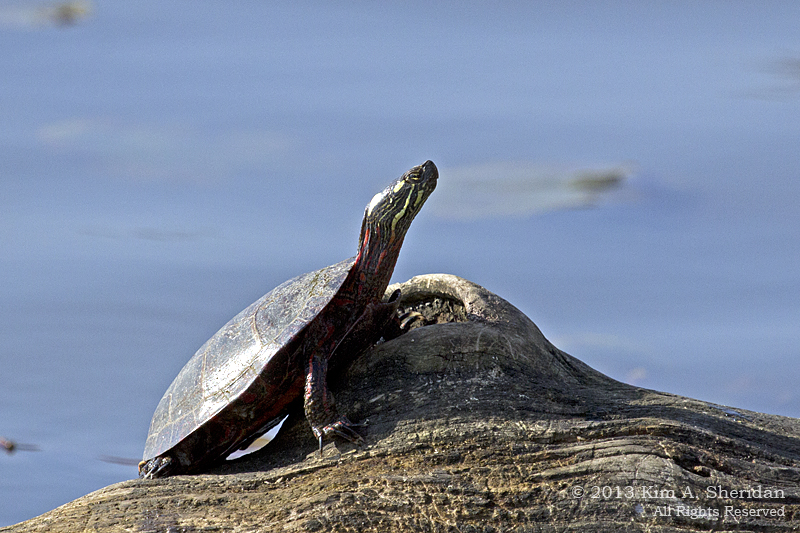
Tinicum_6389 Alt 2 AS OrigBack to the action, these Painted Turtles from Heinz seem to have been benched. The Tinicum Turtles try to overwhelm other teams with sheer numbers, but spend most of the game sunning themselves on the sidelines. It’s enough to make a fellow turtle weep.

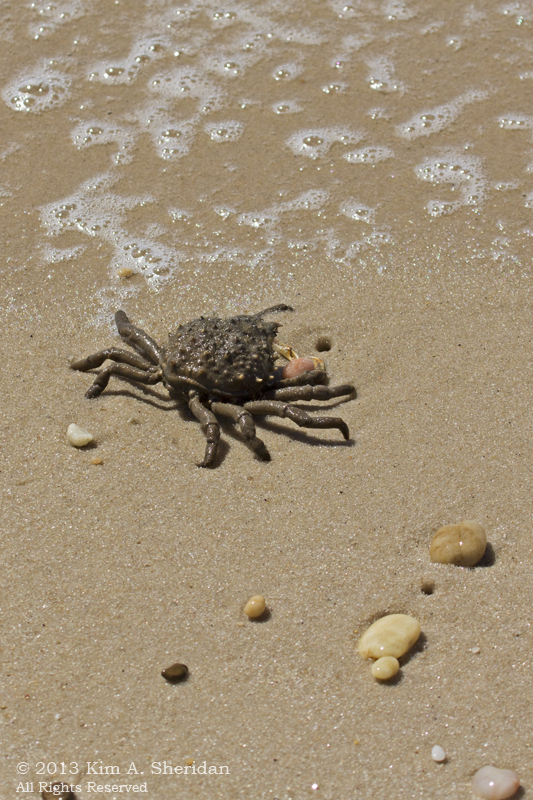
CM Higbee Beach_9945 aWait, folks, what’s this… There’s a Spider Crab on the field and creeping away with the ball… Oh my gosh, we have a streaker! Don’t look, Ethel!

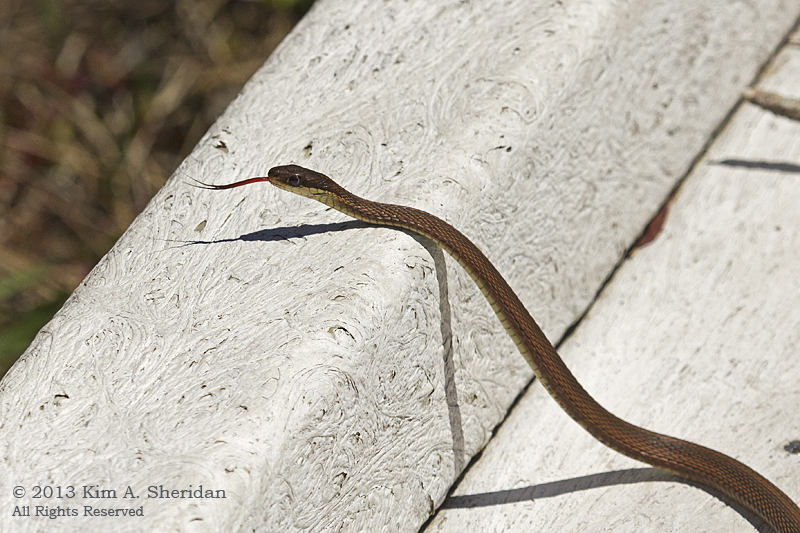
CMPSP Snake_9767 aThe Cape May fan contingent is not happy with this turn of events, as a Ribbon Snake shows his displeasure.

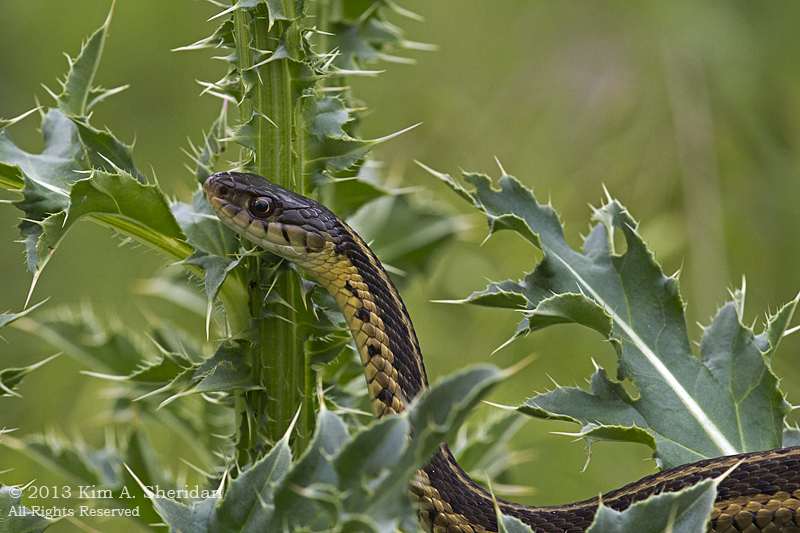
HNWR_2233 aWith time running out, Serpents United have taken a risky strategy by sending a Garter Snake player deep into the opposition’s Thistle to try to score. It’s a highly unusual place for a snake – but…

CM Higbee Beach_9942 aYES! He scores!

GOOOOOAL!

And the Serpents take the match!

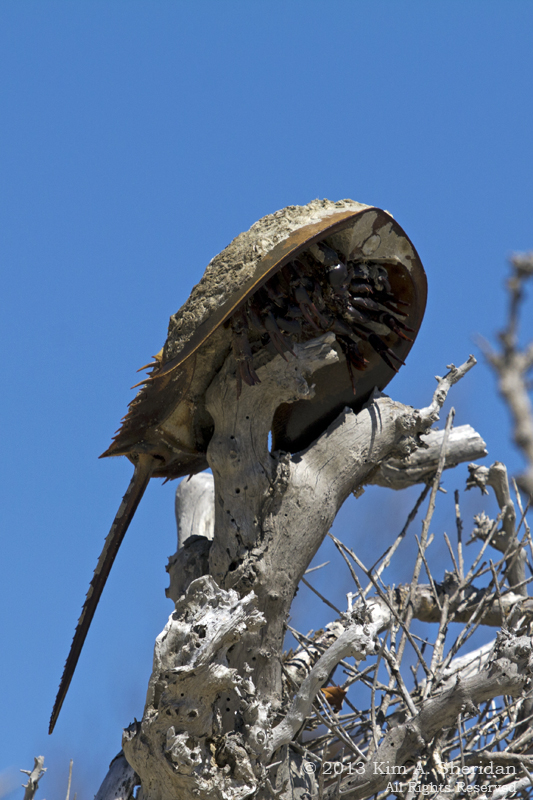
Well, folks, it’s all over but the shouting. This Horseshoe Crab spectator seems overwhelmed with emotion. What an exciting game!

The rematch is bound to be a barn-burner. Be sure to tune in again to catch all the action right here on KRTR Critter Radio.

Blimp_3787 a copyI’m Myrtle Turtle the Dapper Snapper from the Marsh Arena – good night!

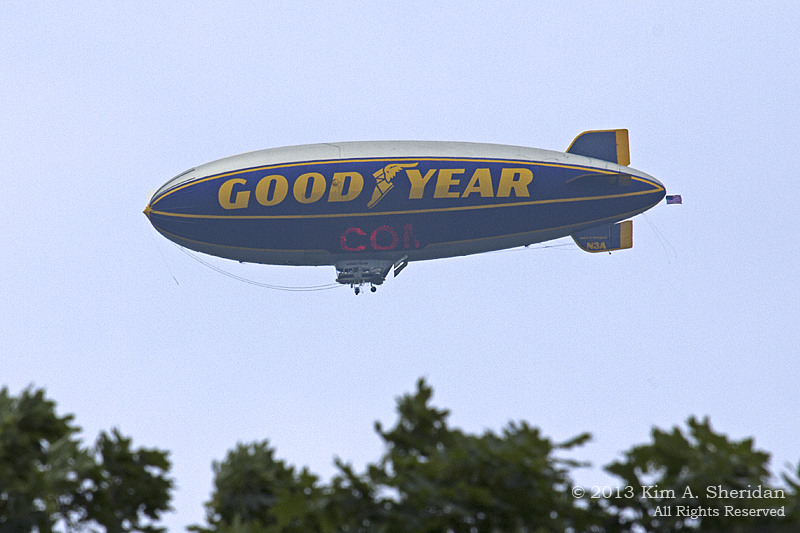
Aerial coverage provided by the Goodyear Blimp.

FUN FACT: Most crabs that walk on land do so sideways, but the Spider Crab usually goes forward. It’s particularly fond of draping itself with all sorts of adornments, including living sea plants, bits of shell and other oddities. Presumably this is for concealment, but maybe the crab’s just really fashion forward!

Coming up: Independence Day: Wissahickon Wanderings

Pine Barrens Ramble: Into The Woods

Pine Barrens Marthas Furnace_3343 aSo what is the Pine Barrens anyway, and why is it barren?

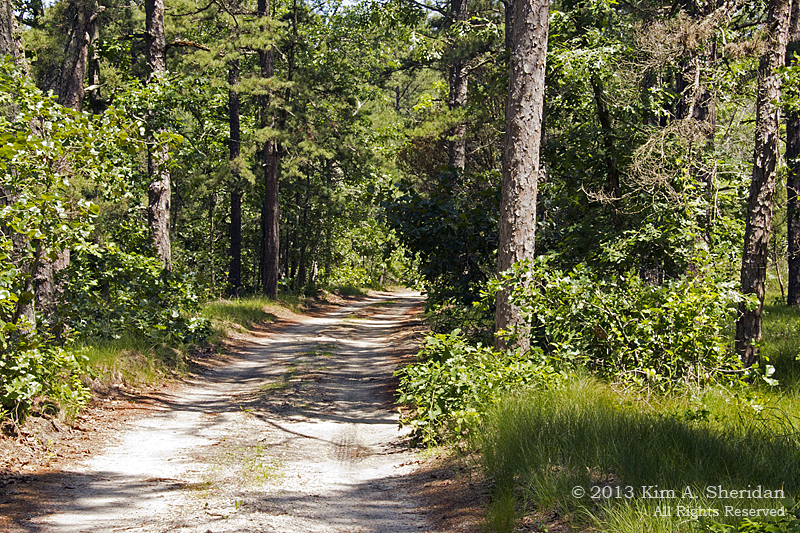
Pine Barrens Harrisville_3340 aThe Pine Barrens is a vast area in the southern New Jersey coastal plain, sandy and heavily forested. It was called “barren” by early European settlers, who found that the crops they planted wouldn’t grow there because of the acidic, sandy soil. The area is by no means an ecological desert. Oak and Pitch pine thrives there, including the rare pygmy Pitch Pine, and there are orchids, carnivorous plants and numerous other plant species. Amongst the forest are boggy wetlands, and tea-colored rivers. Here too are blueberry and cranberry growers, ghost towns, and preserved historic villages.

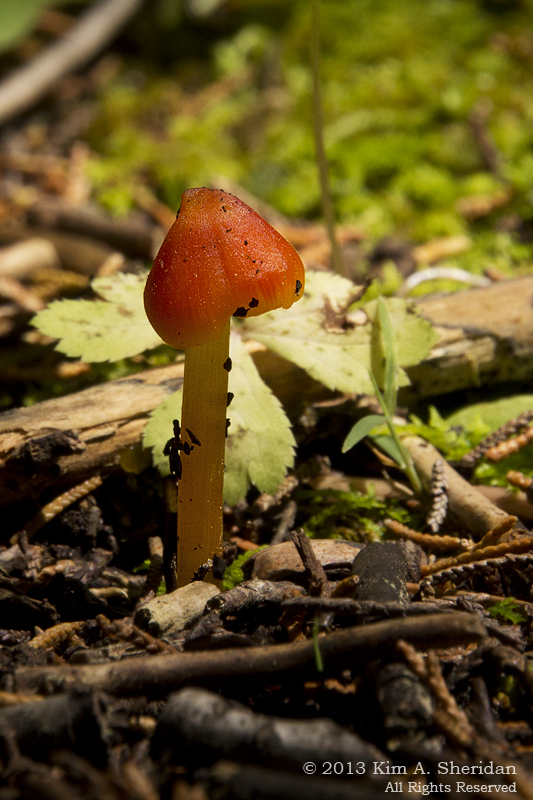
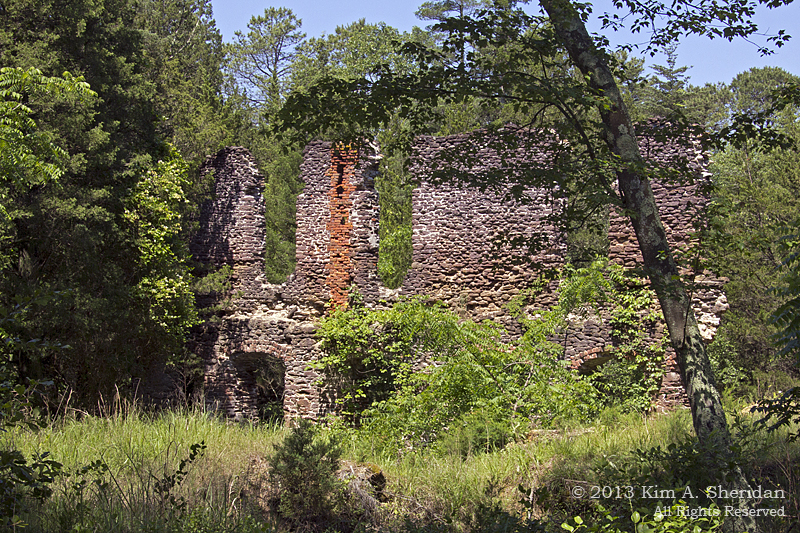
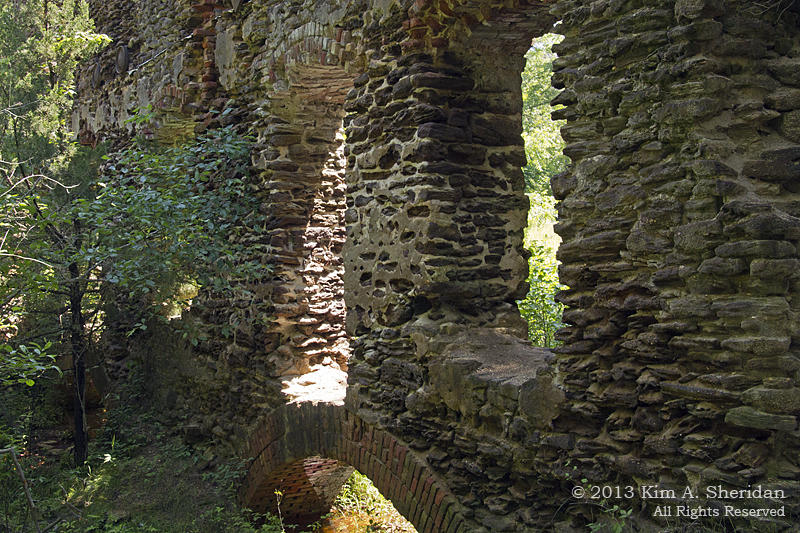
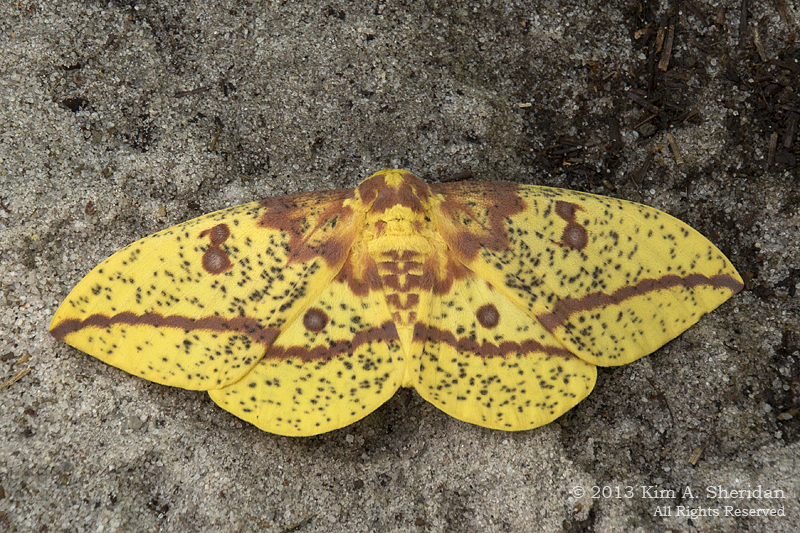
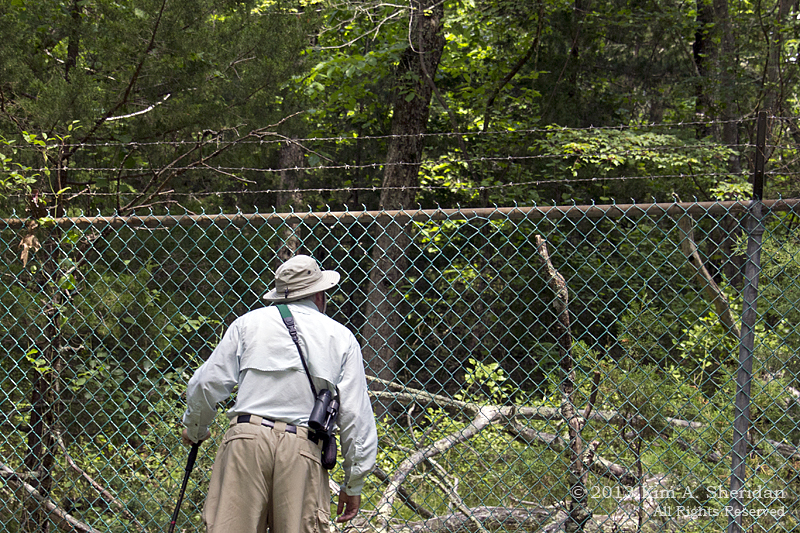
Like Batsto, which I visited with friends not long ago. Our intention had been to take a guided nature walk led by a friend of Don’s, but we arrived to find it had been cancelled. So we went exploring on our own.Pine Barrens Harrisville_3295 aThese are the ruins of the paper mill at Harrisville, one of many ghost towns dotting the Pine Barrens. Most of it is enclosed with chain link fence. While Ned and I were figuring out how to shoot over the fence, Don and Robb found another vantage point. (Wink, wink) There was just one wall left standing – but it was a really cool wall!Pine Barrens Harrisville_3314 aWe then decided to take the trail to Martha’s Furnace ourselves. Why, is anyone’s guess, as you’ll see in a minute. The trail was my first taste of hiking in the Pine Barrens. The sand road wound through a forest of predominantly pitch pine. The soft white sand is known as “sugar sand” for its consistency. I could hear lots of birds, but didn’t have much luck seeing them in the dense trees. And no bears!Pine Barrens Marthas Furnace_3359 aWe did find an Imperial Moth (above) that was so still, the boys mistook it for a leaf. Then they thought it was dead. (It wasn’t.) We also spent some time with a Fowler’s Toad, (below) wearing Toad Army camouflage. I was the one to find both of these creatures; maybe my wildlife spotting skills are improving.Pine Barrens Marthas Furnace_3426 a

Pine Barrens Marthas Furnace_3371 a

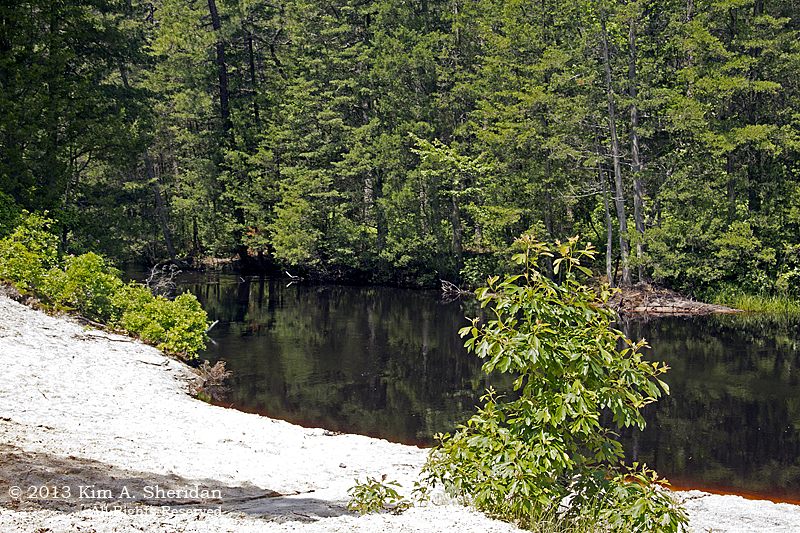
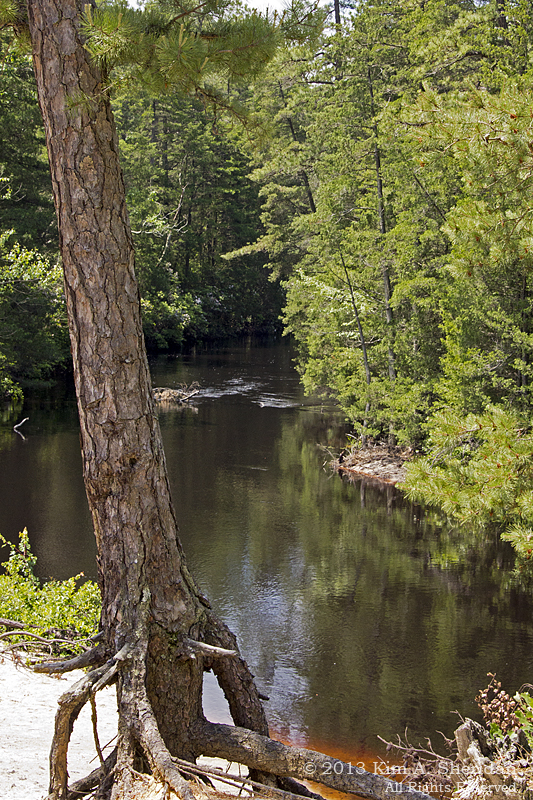
Pine Barrens Marthas Furnace_3397 a2At a couple of points the road ran down to the Oswego River. Definitely my favorite part of the trip. The dark brown water gets its color from tannins from the cedar tress combining with iron in the ground. Looks like you are canoeing in a tea cup!

Martha is another ghost town, this time centering on a bog-iron furnace. Years ago the state surveyed the ruins, and then buried it and fenced it in. So, of course, when we got there, there was nothing to see but a mound of dirt covered with weedy shrubs and trees inside a fence.

Actually, if the scheduled walk had happened, we’d have had a knowledgeable naturalist to show us numerous interesting plants and critters. It was never really about Martha itself.

Pine Barrens Marthas Furnace_3439 aHere’s Don trying to figure out why we came. Well, the walk was nice.

Even on our own, my first taste of the Pine Barrens whetted my appetite for more.Pine Barrens Marthas Furnace_3395 Conservation Piece: In 1978, the Pine Barrens became the country’s first National Reserve, when 1,100,000 acres was designated the New Jersey Pinelands National Preserve.  The area comprises most of seven counties, three state forests, and two National Wild and Scenic Rivers. The Reserve was created to protect not only the natural beauty of the area, but its history, folklore, and unique culture. The place continues to be largely rural, and may be the closest New Jersey gets to “wilderness”.Pine Barrens Marthas Furnace_3382 a

Coming Thursday: The Stars and Stripes Forever

Pine Barrens Ramble: Batsto

Pine Barrens Batsto a_3198Wander deep into the heart of the pine woods of New Jersey, and step back in time.  Here lies Batsto Village, a NJ Historic Site that has been restored to its 19th century glory as a bog iron industrial town. From the mid-1700s to the mid-1800s, bog ore was taken from the banks of rivers and streams, turned into iron, and used to make various household items. After the decline of the iron business, Batsto enjoyed a short heyday as a glass-making town.

Pine Barrens Batsto Ore Boat acs_3184The remains of an ore boat used to transport raw bog iron to the furnace.

Pine Barrens Batsto Sawmill_3232 aA sawmill operated at the site for over 200 years.

Pine Barrens BatstoBlacksmith Wheelwright_3208 aBlacksmiths, wheelwrights and other tradesmen had important roles to fill in the life of the town.

Pine Barrens Batsto Corn Crib_3218 aFarmers raised the grains and animals that fed the village. Above is the corn crib. The piggery, below was used to slaughter and process pigs. The water needed flowed from a tank in the tower to a processing tub.Pine Barrens Batsto Piggery a_3190

Pine Barrens Batsto_3270 aThe Village houses consisted of single and duplex cottages dating to the early 1880s. They housed the village workers and their families.

Batsto CollageAround town (clockwise from top left): Water pump, outhouse, wagon and wheel, tools in the blacksmith shop, a mill stone from the water-powered Gristmill (1828) which ground wheat, corn and other grains.

On our recent visit we enjoyed exploring the various buildings and imagining what life was like back then. Pretty spartan living!

Compared with industrial areas today, it’s hard to believe this little collection of wood and stone buildings was considered a state-of-the-art industrial center back then.

I was particularly taken by the wonderful textures and patterns of the weathered wood. And the very funky shape of the corn crib!

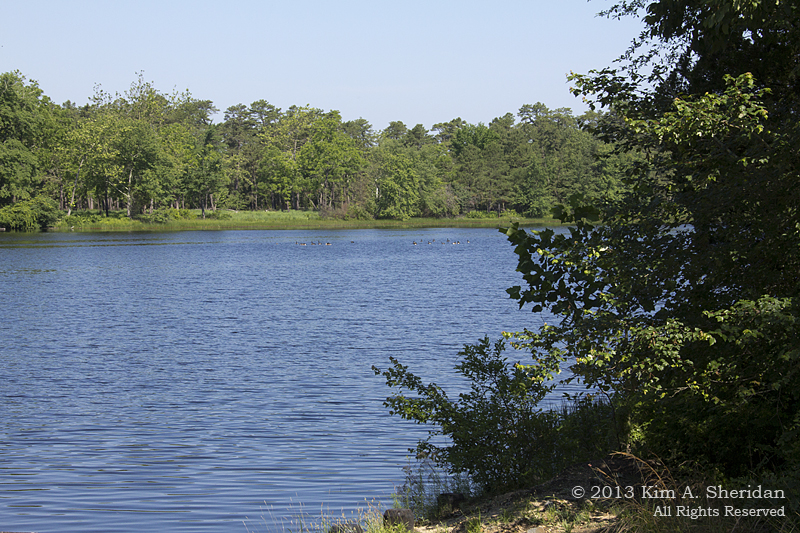
I took a moment to wander down to Batsto Lake, drawn as always by the siren call of water…Pine Barrens Batsto_3230 a

Interested in learning more? http://www.batstovillage.org/default.htm

Coming up: Pine Barrens Ramble: Into the Woods

Baby Steps

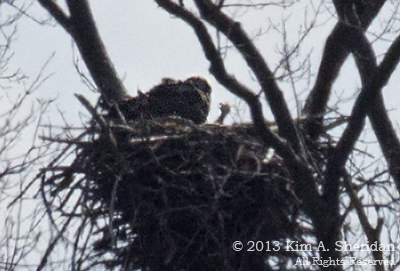
HNWR Eagle_5605 A3How did we go from this tiny little fellow looking up at his parent…

HNWR Eagle_3868 a2

to this broad-shouldered young Eagle soaring among the trees…

IN JUST ELEVEN WEEKS?

Yes, folks, the Bald Eagle chicks at Heinz Refuge have fledged! They took their first flights over the last weekend, and were already accomplished veterans by the time I saw them on Tuesday. Admittedly, they don’t go far, just fly laps around their Oak Island home, and they still spend time in the nest. But they are flying!HNWR Eagle_3884 acs

HNWR Eagle_3907 aIt looked to me like they were doing a fine job of maneuvering and landing in the trees. They have a new favorite perch, on a large bare tree to the right of the nest. I photographed one Eaglet there, and it wasn’t until I got the photos on the computer that I saw the other was right next to him, but hidden behind some foliage.

Even more surprising was this photo, where I was focused on one Eaglet (center) landing, and only discovered in processing that I’d caught the other Eaglet (upper left) in flight!HNWR Eagle_3882 a

The last flight we saw was a little rocky for one young bird. Seems a few Red-winged Blackbirds decided to chase him, even hitting him on the back a couple of times. I’m sure he was thinking “Mom! Help! What IS this?” Life out of the nest is all new to these guys.

I’ve been watching birds fly for many years. It never gets old, and watching the raptors fly is especially awe-inspiring. But nothing has moved me as much as these young Eagles’ short flights. What a thrill. It’s been a privilege to watch them grow.

Here are a few other young birds at Heinz right now. For starters, Yellow Warbler. HNWR Yellow Warbler_3486 a HNWR Gnatcatcher_2266 aHNWR RW BB_2064 a Blue-gray Gnatcatchers in a row (above)

Red-winged Blackbird (right)

Barn Swallow (below)HNWR Barn Swallow_2035 a

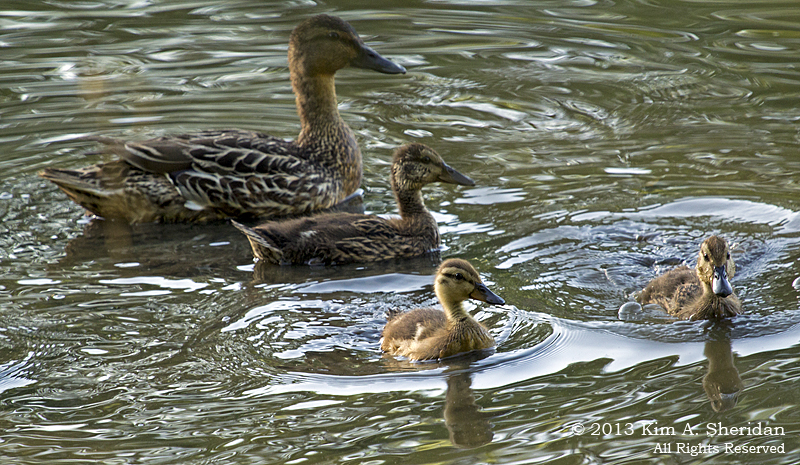
HNWR Mallard Ducklings_1794 a2Female Mallard and ducklings (above)

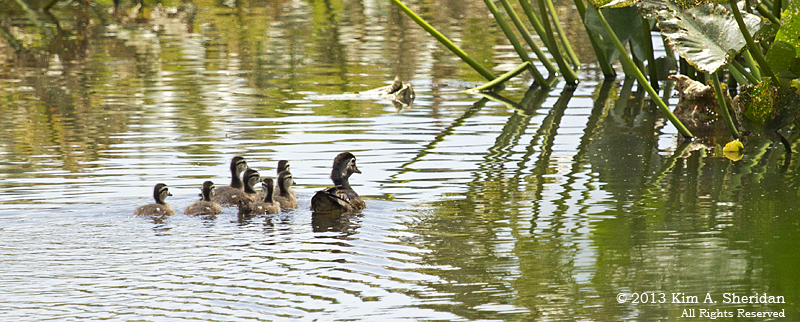
Female Wood Duck and ducklings (below)HNWR Wood Ducklings_3624 a

FUN FACT: Baby Wood Ducks have a big obstacle to overcome right from the start. The parents choose a nest cavity, either in a tree or man-made boxes. The nest is as much as 60 feet off the ground, and although it’s often over water, it may be over dry land. Soon after hatching, the ducklings have to make their way to water. Mom calls to them from the ground below. They can’t fly yet, so that means they have to JUMP from the nest! It doesn’t hurt them though. I’ve never seen this in person, only in documentaries, but apparently, Wood Ducklings bounce!

For en excellent video of one duckling’s leap of faith, check out this clip from Nature on PBS: http://video.pbs.org/video/2295315469/

Coming up: Pine Barrens Ramble

Eager For Beaver

Beaver Wanted Pster 1

In which… three intrepid explorers go search of a wild critter and get far more than they bargained for.

The Setting: Hoy’s Pond, a deepwater pond with a fishing dock across the road from the impoundment at Heinz Refuge.

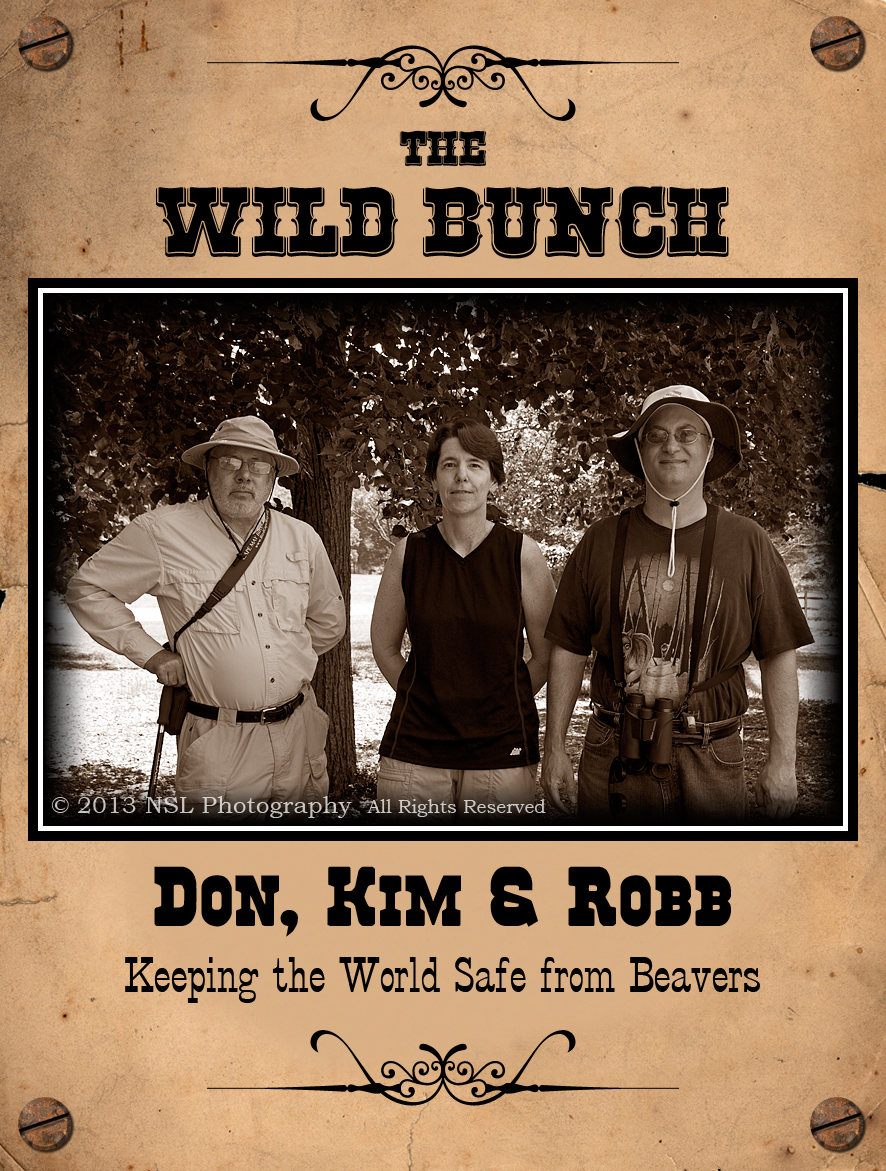
Wild Bunch Poster 1

The Players: Don, Robb and I; Mr. Beaver.

Beaver Collage 4Prelude: Fall 2012. Gnawed trees begin appearing at the Refuge, sure signs of North American Beaver activity.

First Things First: March 27, 5:30 PM. I spy Mr. Beaver on the far side of Hoy’s Pond. Of course, that would happen to be the one time I didn’t have my camera with me. No one believed me.

The Second Time Around: June 6, 8:15 PM. Robb has a close encounter with Mr. Beaver at the dock, and comes away with a short cell phone video. Plans are laid for the Great North American Beaver Expedition.

Third Time’s the Charm: June 11. Robb, Don and I set out for Hoy’s Pond. Along the way, Don regaled us with stories of a fatal beaver attack in Belarus. He and Robb debated how to protect themselves from marauding beavers – mostly by hiding behind me.

We arrived at Hoy’s Pond at 7:30, which Don assured us is much too early, as he had arranged for Mr. Beaver to appear precisely at 8:15. Don is often wrong but never in doubt. Sure enough, there was Mr. Beaver, thirty feet away in the pond to our left. (See the Hoy’s Pond photo, above; Mr. Beaver is visible to the left of the walkway.)

HNWR Beaver_3124 aRobb spotted him first, and put me on to him quickly. Don was slower to get with the program. Mr. Beaver swam in a circle near the shore, then under the dock, then back under the walkway. Then he turned and swam RIGHT AT US. (Look at the bow wave of that critter!)

HNWR Beaver_3168 aWhen he was some 20 feet away, Don and Robb, being the courageous and chivalrous gentlemen that they are, beat a hasty retreat, leaving me to fend for myself. I was focused solely on GETTING THE SHOT.

HNWR Beaver_3143 a 2When the boys’ cries of alarm (“It’s gonna CHARGE!”) became too much to bear, I took a step back. Whereupon Mr. Beaver gave a tremendous SLAP of his tail and disappeared, never to be seen again. We were all startled at the size of the tail slap. The resulting splash looked like he’d leaped from the water and did a tremendous belly flop.

The whole encounter lasted a scant but exhilarating two minutes. Leaving us with a tremendous tale to tell.  Of course, Mr. Beaver gets larger and more ferocious with each retelling…

HNWR Beaver_3137 aFUN FACTS: Adult Beavers weigh from 35 to 60 pounds, and have poor eyesight. Their good hearing and strong sense of smell more than make up for this. They can swim well and stay under water for up to 15 minutes. Their sharp teeth continue to grow throughout their lives, so it’s a good thing they have trees to gnaw on! Beavers eat trees and tree bark, as well as other plants. The dams they build are for protections and shelter; the largest one ever built was over 2500 feet long!

Always remember wild animals are unpredictable and should be viewed with caution and respect. Beavers are generally peaceful critters who dislike biting, but those teeth are SHARP and capable of delivering a fatal wound. Furthermore, too much attention can stress an animal. Moral of the story: always use extreme caution when dealing with any wild creature, and respect its right to go about its life without human interference. Remember, you’re the visitor on THEIR turf; be a good house-guest!

“Hoy’s Pond with Beaver” photo courtesy of Don Nigroni.

“The Wild Bunch” photo courtesy of Ned S. Levi, professional photographer. Taken with my amateur equipment, and Canon to boot.

Thanks, Don and Ned!

Coming up: Baby Steps

Wee Furry Beasties

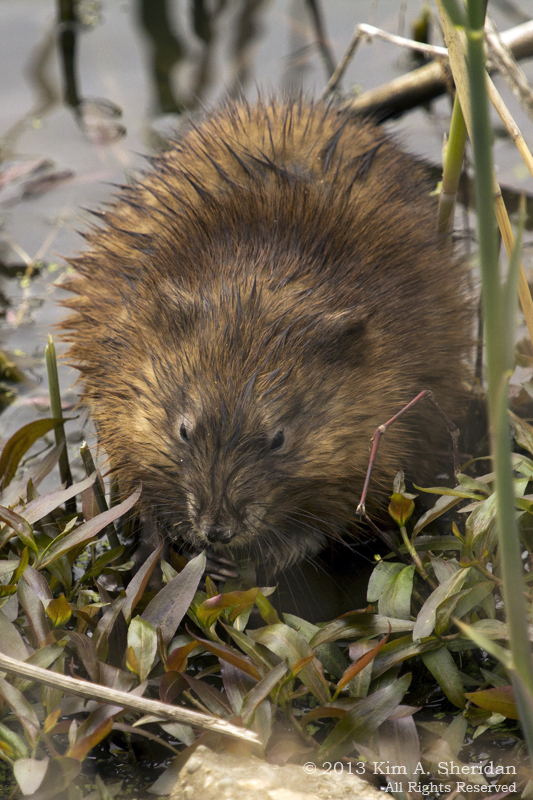
4 HNWR Muskrat_8941 ASGood morning, all you bonny lads and lassies out there in Animal Kingdom! This is the “Wee Furry Beasties” Countdown Show on 99.9 KRTR – Critter Radio! I’m your host Fergus Alastair MacRatt, comin’ at you with all the warm and fuzzy hits you need to get you through your day.

Let’s get right to the countdown, shall we? Kicking it off at Number Six, we have the King of Nibbles himself, Brer Rabbit, with his hare-raisin’ version of “Little Bunny Foo Foo”.Rabbit 2 Vertical

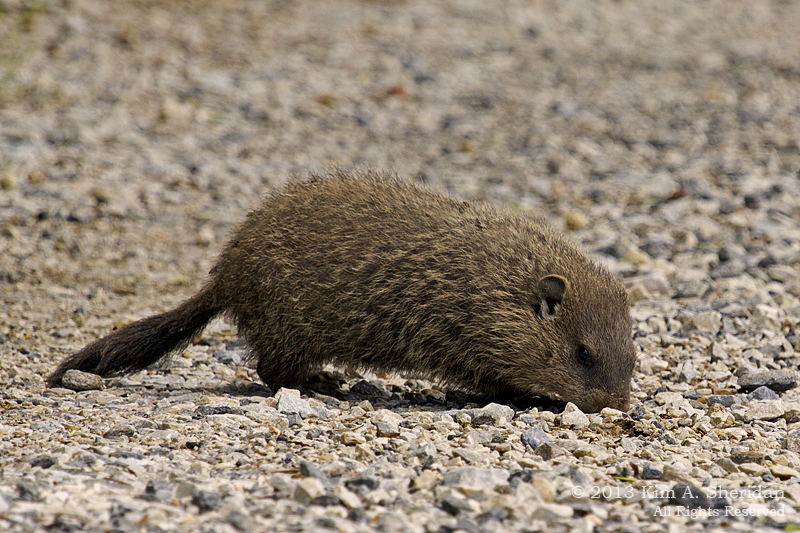
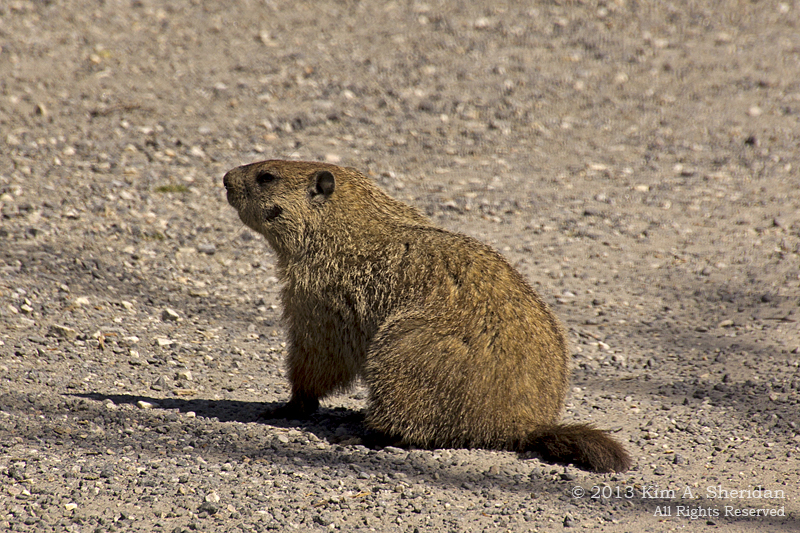
HNWR Groundhog_2990 aHere’s a fair Groundhog lassie and her wee bairn that just can’t resist the call of the open highway. At Number Five, it’s Big Mama Woodchuck and Whistlepig Junior, singing “On the Road Again”.HNWR Groundhog_5585 AS

Next we have Slinky Mink checkin’ in from Michigan’s Big Sable River. Look at that pink nose – this lad needs some sunscreen! Doesn’t stop him from rockin’ out with our Number Four hit, “Pop! Goes The Weasel”.LSP 3 Mink_8666 ac

My, it’s early in the day for this yawnin’ Raccoon! Our next performer, Little Rascal, had a bit of a nap, but he’s awake now, and swingin’ in the Number Three spot with “Don’t Sit Under The Apple Tree”.HNWR_5757 ACS

Now, we all know how chipmunks love to stuff their little furry faces with good eats. Everybody’s favorite Chipmunk, Alvin, reckons he likes dancin’ with the lassies even more. In at Number Two, here he is now with “Cheek To Cheek”.LSP Big Sable 3 Trail_8169 crop ACS Orig

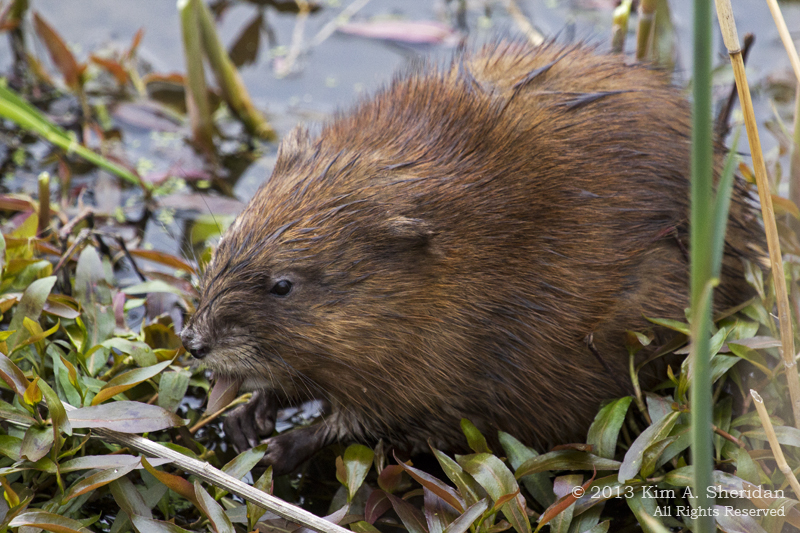
Ah, savin’ the best for last! You know, we Muskrats get a bad rap sometimes, but really we’re just rockin’ along, tryin’ to get along. 4HNWR Muskrat_8917 ANobody says it better than Susie & Sam with our Number One hit, “Muskrat Love”.

Well, that’s it folks, this week’s “Wee Furry Beasties” Countdown.

Next up on “Forest Follies”, we have a mind-boggling tale of three foolish humans (and really, is there any other kind?) Aye, seems they set out one evening to track down a ferocious varmint, and got a wee bit more than they bargained for.

Until then, I’m Fergus Alastair MacRatt, keepin’ it wild on 99.9 KRTR – Critter Radio!CMPSP Muskrat_9717 acs 2

Warblers and Waxwings

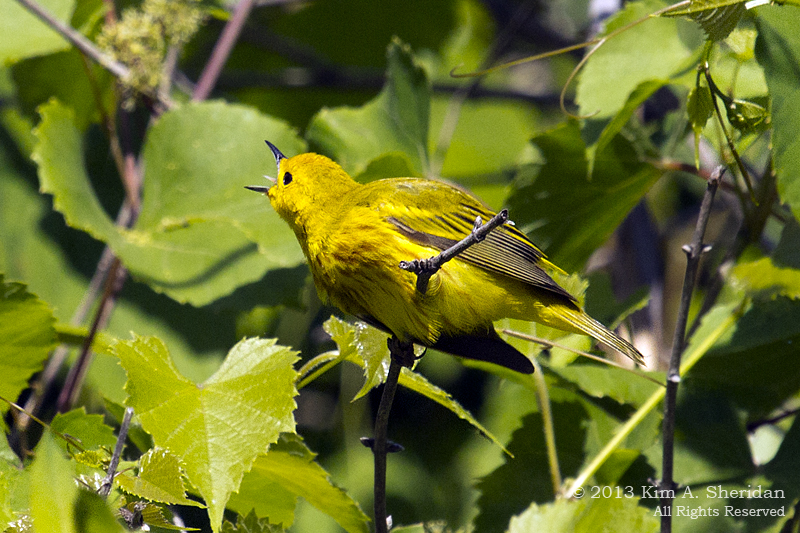
HNWR Yellow Warbler_1244 aI was really looking forward to spring migration season at Heinz Refuge – lots of guided walks with veteran birders, warblers everywhere, lots of cool things to photograph. Events conspired against me, and the hoped-for images of migrating warblers in stunning breeding plumage eluded me. Actually, the warblers eluded me. Not that they weren’t here, only that they are so small and so quick that they’re REALLY hard to photograph. That they hang out in dark woodlands doesn’t help.

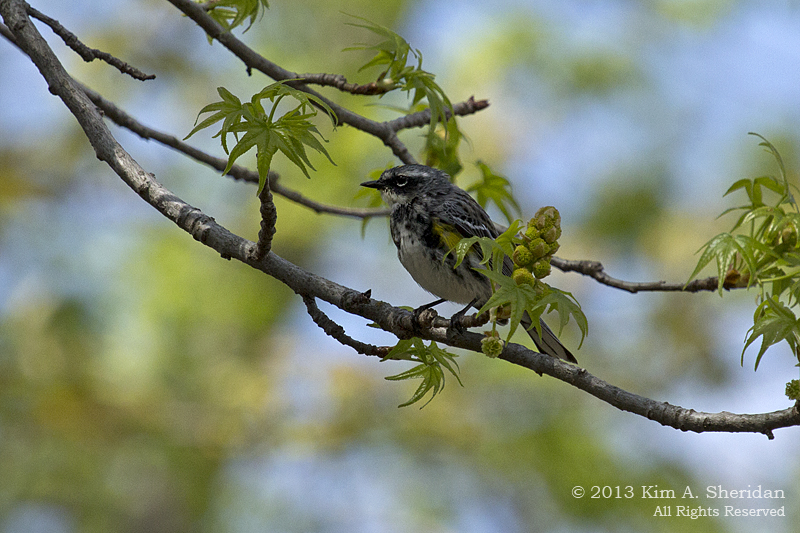
Here are a few I managed to capture. Yellow Warbler (top) nests at Heinz.HNWR Yellow Rump_8547 a

CM Higbee Beach_9926 aYellow-rumped Warbler (above) was just passing through.


Prairie Warbler (right) at Higbee Beach WMA in Cape May.


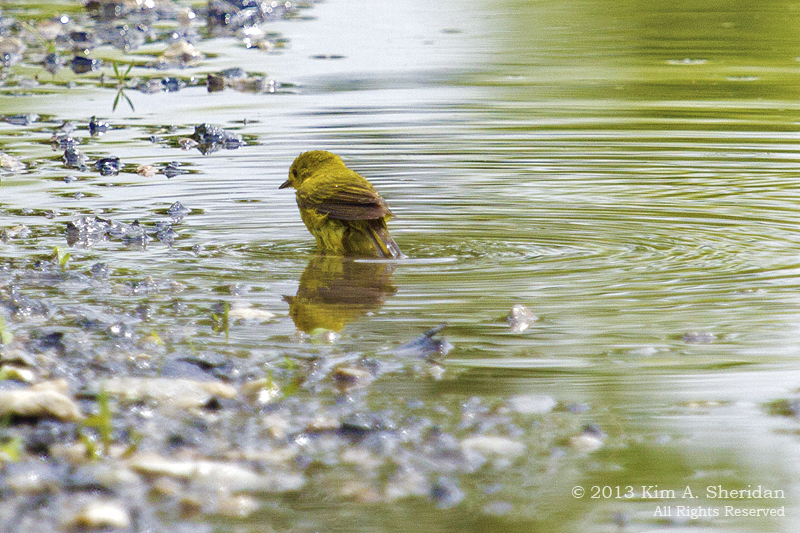
More Yellow Warblers, wet and dry. Our cover boy has a lot to say for himself.HNWR_2406 aHNWR Yellow Warbler_1245 a

Bird List_2477 aFamily and friends know that I am an incorrigible list maker. So it should be no surprise that when I started watching birds, I became a “lister”. Birders often keep lists of the different species they see. The most common is the life list, but there can be year lists, trip lists, location lists… you get the idea.

Since last October, when I started going on the guided bird walks at Heinz Refuge, my life list has more than doubled.

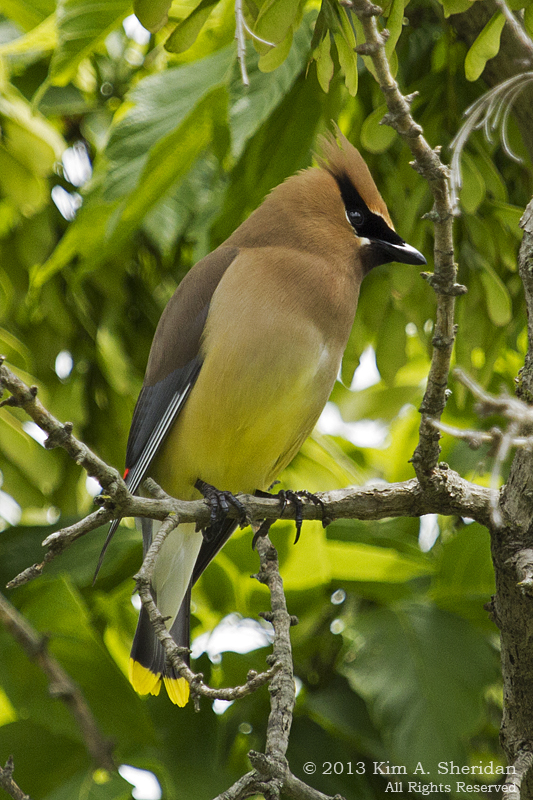
HNWR_2449 aOne bird has eluded me for too long. I saw my first Cedar Waxwing in 2001. I got a really good close look, too. Unfortunately it was dead. It had flown into a window at my house, which happens to birds all too often. I’ve waited 12 years to finally see a live one.

They’ve arrived at Heinz in force now, and I spent a long time one evening happily watching a flock fly in and out of the trees. They have a subtle, silky beauty that appeals to me. I love the blush on the chest fading to a soft yellow belly, all set off by that wonderful black mask.
HNWR Cedar Waxwing_1119 aFUN FACT: Note the waxy red wing tips. (Not to be confused with the yellow tail tip.) The number of these red tips increase with age; juveniles don’t have them at all. So it’s been speculated that the amount of red helps Cedars to sort themselves out by age during breeding season. Cedar Waxwings eat predominantly fruit, and have been known to overindulge on overripe berries. It’s possible the bird that flew into my window years ago was intoxicated. Flying under the influence!

HNWR_2457 aAt last!

Coming up: Wee Furry Beasties

Hot and Bothered

HNWR Swallow_1218 aWhat does a bird have to do to get some relief from this heat?

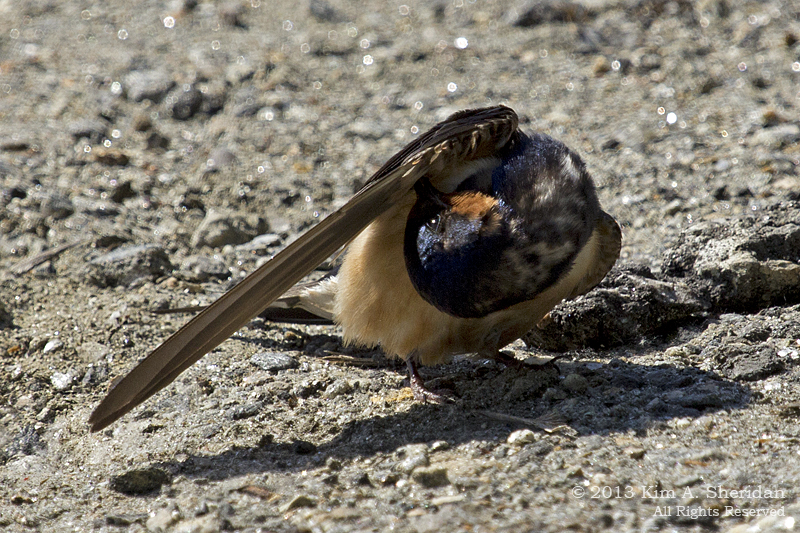
HNWR Swallow_0985 aAnd what in the world is this bird’s problem? Is he hurt? Sick? Drunk?

Well, no – just hot and bothered. Summer arrived with a hot, muggy THUMP this past weekend. Only the first of June, and already well into the year’s first heat wave. On Heinz Refuge trails, groups of young Barn Swallows (above) were behaving very strangely. Birds don’t sweat, so they will leave their mouths open wide to facilitate evaporative cooling. Just like dogs pant.

Birds are also often bugged (sorry) by ectoparasites, little insects and mites that get under their feathers. Rolling around in the dust helps get rid of the pests. Another way is known as “anting”, a little-understood HNWR Swallow_0971 abehavior that involves letting ants crawl over their bodies. The theory is that ants secrete some substance that is toxic to the ectoparasites.

Hey, if it’s ants these little birds want, they can come over to my house – I’ve got plenty!

HNWR Gnatcatcher_9353 aNesting birds were bothered by more than the heat this day. I saw a Blue-gray Gnatcatcher (above) chasing a much larger American Robin, and a Robin chasing a squirrel! A good HNWR Oriole_1204 amother will take on anyone who threatens her young.

We found a nest built by a female Baltimore Oriole (right), and a Ruby-throated Hummingbird (below) sitting on her nest.

HNWR Hummingbird Nest_1344 aFUN FACT: The camo look you see in the Hummingbird nest comes from a covering of lichens, held together with spider silk. Hummingbirds are the only birds that can fly backward!

Snow Geesenwrslogo 2Then there were these odd ducks. Geese, actually – SNOW Geese. Snow Geese nest in the far North, and winter in huge flocks (but not at Heinz.) The irony of three migrating through just in time for a heat wave was not lost on anyone.

The dark Goose is a relatively unusual color morph of the Snow Goose. Known as the “Blue Goose”, it’s the mascot of the National Wildlife Refuge System.

Catbird SequenceOf course, Gray Catbirds know that nothing soothes the savage beast on a hot day better than a nice cool bath.

Coming up: Warblers and Waxwings