Sleeping Bear Dunes: The Scenic Drive

00 A LegendSleeping Bear Dunes National Lakeshore in northwest Michigan’s Lower Peninsula encompasses 50,000 acres, including 65 miles of Lake Michigan shoreline, and the Manitou Islands. There are 100 miles of hiking trails, winding through forests, lakes, beaches and those famous dunes. Within the Lakeshore are historic sites like the company town of Glen Haven, three former U.S. Life-Saving Service Stations, and the Port Oneida Rural Historic District.

00 Lake Mich Pan 2 ACWith only a day at Sleeping Bear Dunes, and so much to see and do, where do you start? That’s easy: with all the “touristy” things! Chief among them is the Pierce Stocking Scenic Drive. This 7.4 mile drive was built in the late 1960s by lumberman Pierce Stocking to show visitors the natural wonders of the area he loved. It became part of the Lakeshore after his death in 1976. The drive winds through the woods and along the dunes, offering spectacular views at 12 stops along the way.
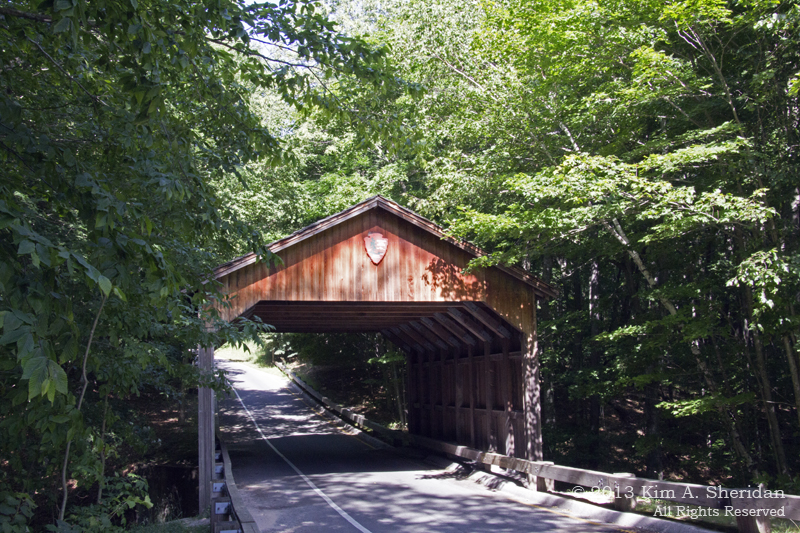
01 MI Sleeping Bear Dunes_6493 aThe Covered Bridge. I’m a sucker for covered bridges anywhere, but this one is especially scenic. And topped with a National Park Service arrowhead, no less. It’s nestled in a forest of maple and beech trees which blankets the steep hills and valleys.
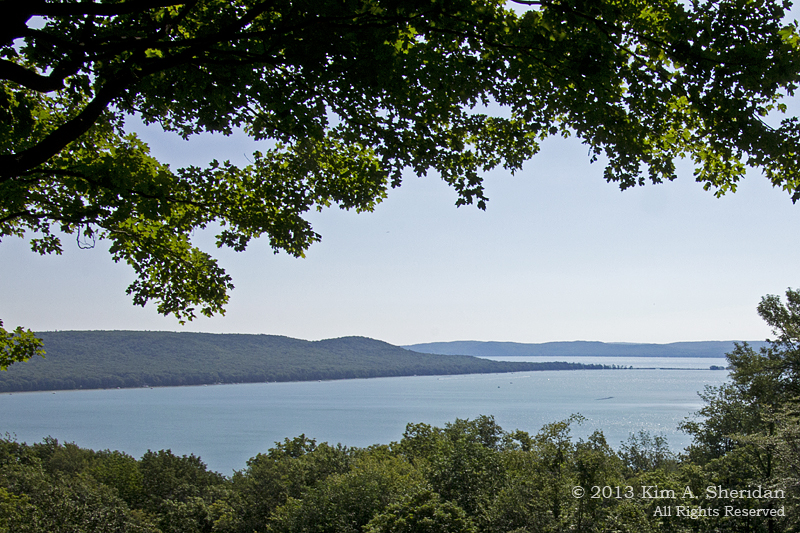
02 MI Sleeping Bear Dunes_6499 aGlen Lake Overlook. Glen Lake, like Lake Michigan and the other smaller lakes of the area, was carved out by glaciers long ago. As the ice melted, deposits of sand and gravel were left behind to form hills. The hill at the left is known as Alligator Hill because of its resemblance to an alligator’s snout, not because there are alligators on the hill!

03 MI Sleeping Bear Dunes_6526aDune Overlook. Here you can see some of the dunes that make up the Lakeshore. Most of the dunes have been around for ages, and the vegetation that covers their surfaces helps to stabilize them. Occasionally the wind scours a depression free of plants and creates an area known as a “blowout”.
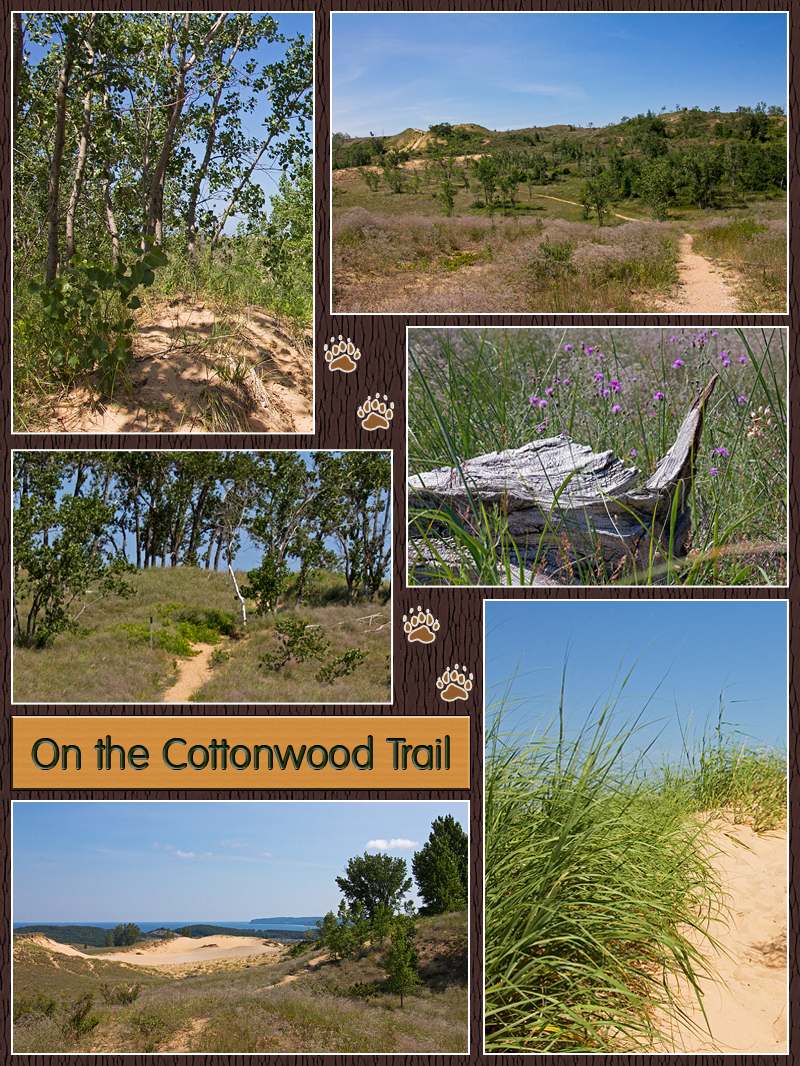
04 Cottonwood CollageThe Cottonwood Trail. One and a half miles through the dunes, up and down hills of soft sand in a blazing sun. Not usually my idea of a good time, but I really enjoyed this walk. There were great views to be had at the top of those sand hills: the “Dune Climb”, the D. H. Day Farm, Glen Lake and Lake Michigan.  The trail gets its name from the stands of Cottonwood trees that provide welcome shade as well as beauty. Lots of interesting wildflowers and shrubs can be found here, including buffaloberry, dune grass, the threatened Pitcher’s Thistle, and bearberry. I recognized not a single one, not being smart enough to pick up a trail map until I got back from the hike.  I wished more than once that my Weed Warrior friends were along; they would have had a blast identifying plants.

07 Beech Maple Collage aThe Maple/ Beech Forest. Coming down the backside of the dunes, you plunge into a cool, leafy green forest. The predominant trees here are Sugar Maple and American Beech, with Hemlock, Basswood and Black Cherry trees scattered throughout. This is a climax forest, the last stage in the transition of ecosystems from dunes to woods.

09  A MI Sleeping Bear Dunes_6718 a Lake Michigan Overlook. Lake Michigan was carved out by glaciers, and filled when the ice melted nearly 12,000 years ago. The water shimmers through crystalline shades of blue and aqua, varying with the lake depth. The bluffs that line the shore are 450 feet high, and precariously steep. The NPS warns people not to run down the dunes, both to protect the fragile ecology of the dunes and prevent further erosion, and to protect visitors.

Sure, it’s easy to go DOWN the dune, and there’s an inviting swim at the bottom. But then you have to climb back UP, a chore that can take up to two hours as you crawl upwards over gravel and loose sand.  Occasionally people need to be rescued, and the nearby town of Glen Arbor has a four wheel drive vehicle for just that purpose.
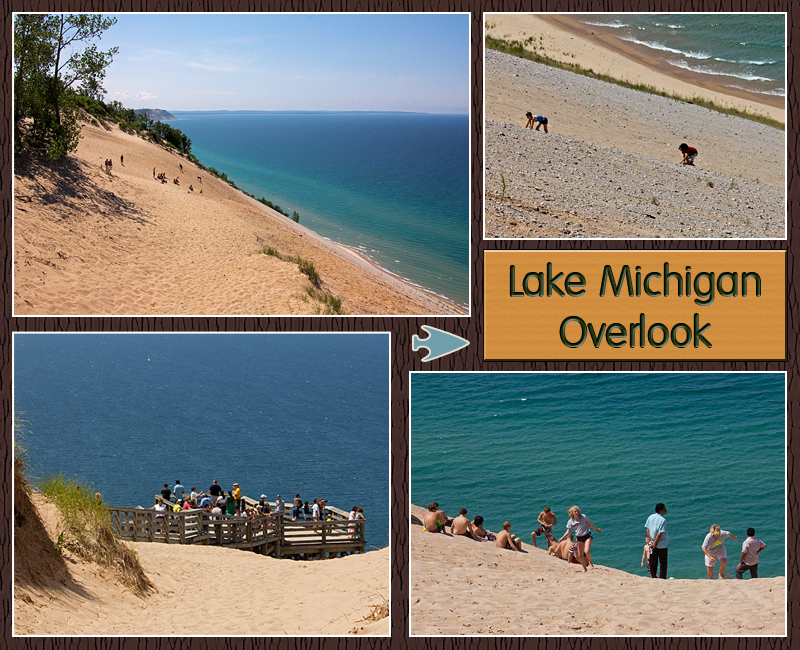
09 Lake Mich Overlook CollageAll the warnings don’t stop people from trying it. You can see how steep it is, and how hard it is to get back up. Better to take in the view from the observation platform, but hold onto your hat! It’s windy out there.
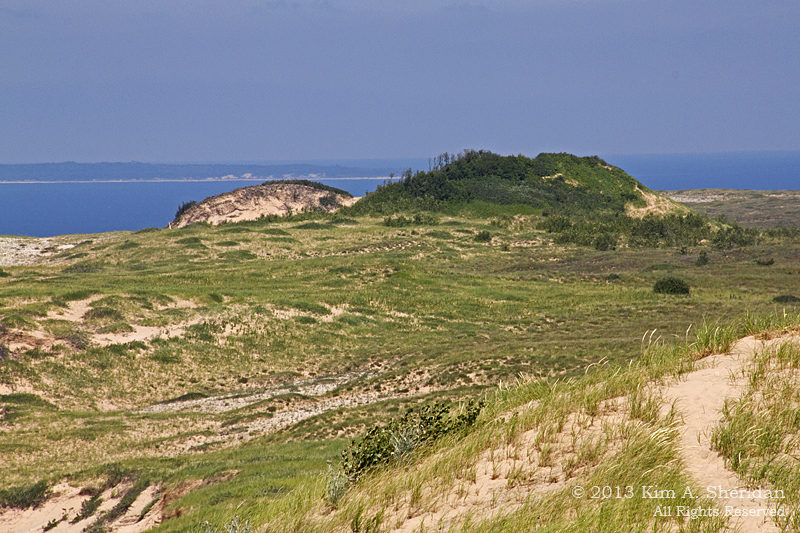
10 MI Sleeping Bear Dunes_6746a Sleeping Bear Dune. Here is the dune of legend. At one time it did look like a sleeping black bear. It was also inland from the edge of the bluff, and stood 234′ high. Over the years the front of the bluff has eroded away, as has part of the dune itself. It is now at the edge of the bluff and only 132′ high. In time it will disappear altogether. Across the water at the left is one of the Manitou Islands.

11 MI Sleeping Bear Dunes_6834aNorth Bar Lake. North Bar Lake was once a bay. Over time wave action has worked to carry sand across the mouth of the bay and close it off nearly completely. Only a small channel remains to connect it to the Big Lake. The warm waters make the lake a popular swimming destination and children can’t resist playing in the channel.
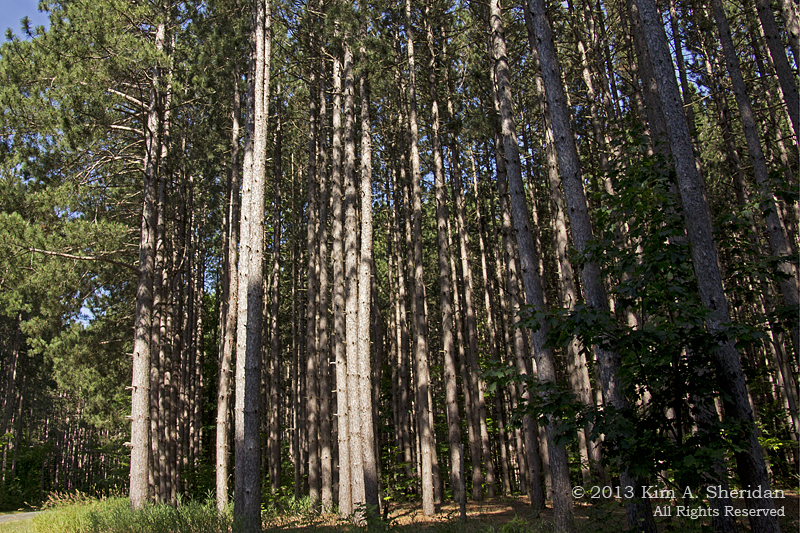
12 MI Sleeping Bear Dunes_6488aPine Plantation. A few posts back we talked about the stands of pines planted to replace the forests that had been logged a century ago. These are red pines, and you can see how they are planted close together in uniform rows. When trees grow like this, it is difficult for other vegetation and other types of trees to get the space, light and nutrients they need. In Sleeping Bear Dunes, the National Park Service is gradually and selectively cutting pines to encourage a more natural mixed forest. That’s the kind of logging I can get behind.

 FUN FACT: Sleeping Bear Dune, like many of the high dunes along the Lake Michigan coast, is a “perched dune”. What is a perched dune, you ask? No, it doesn’t perch on a tree branch like a bird. What it perches on is a glacial moraine bluff. Okay, what’s a “moraine”? It’s any accumulation of debris left behind by glaciers, in this case gravel and sand. Much of the geology of this area was formed by glaciers, from the deep depressions that became lakes, to the bluffs and hills deposited by retreating ice.

13 Lake Mich Bar Lake Pan ACSSleeping Bear Dunes National Lakeshore was established in 1973, and is run by the National Park Service; in 2011, a “Good Morning America” viewer poll named it the “Most Beautiful Place in America”. Who am I to argue with that?

Coming up: Dune Culture

Farm Country

Country Road Pan a Ahh, Western Michigan. My yearly escape from the pavement, smog and traffic of suburbia. Here I find relief in sparkling lakes, sandy beaches, deep green forests, and spectacular sunsets – with nary a traffic jam in sight.

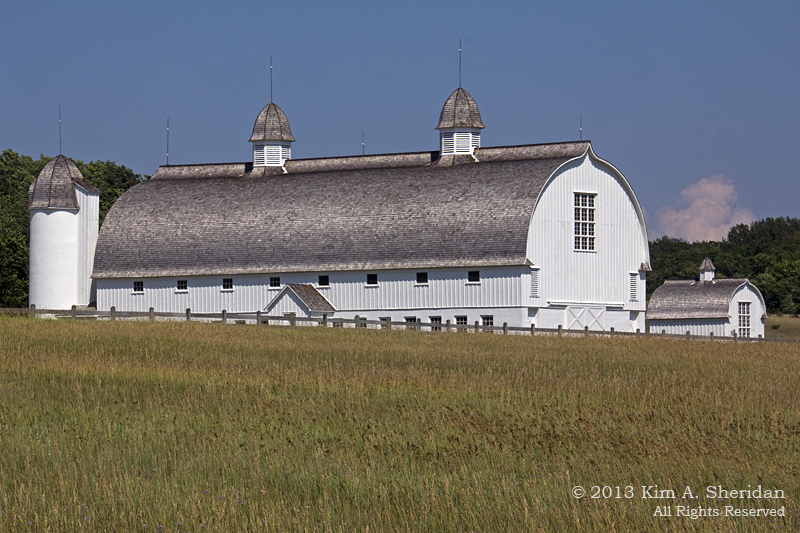
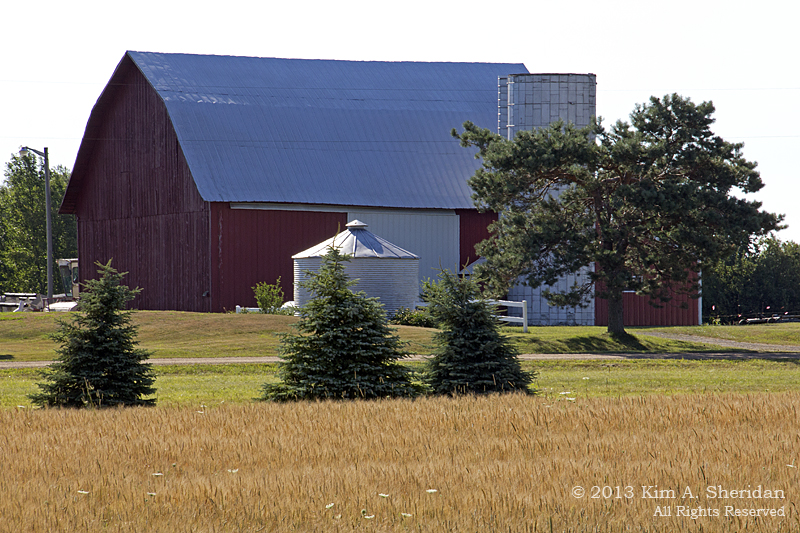
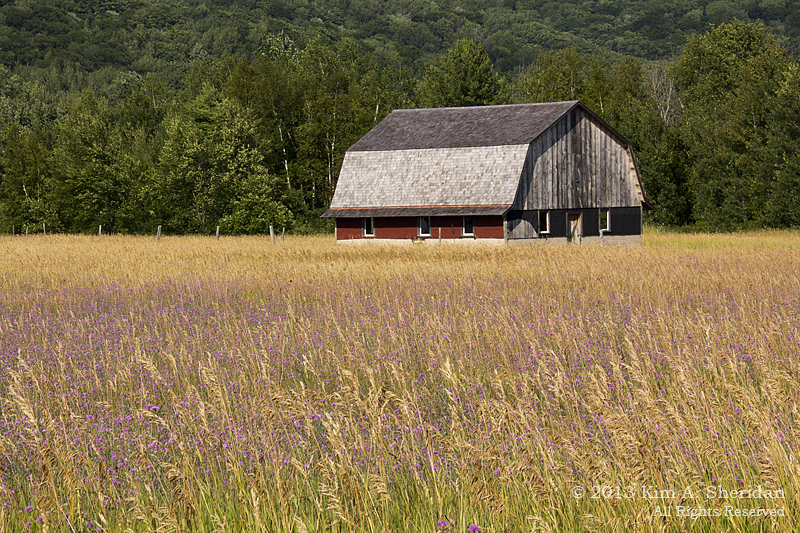
MI Sleeping Bear Dunes_6989aAnd then there are the farms. Lots of farms. Lots of farms with fields of green and gold dusted with purple.

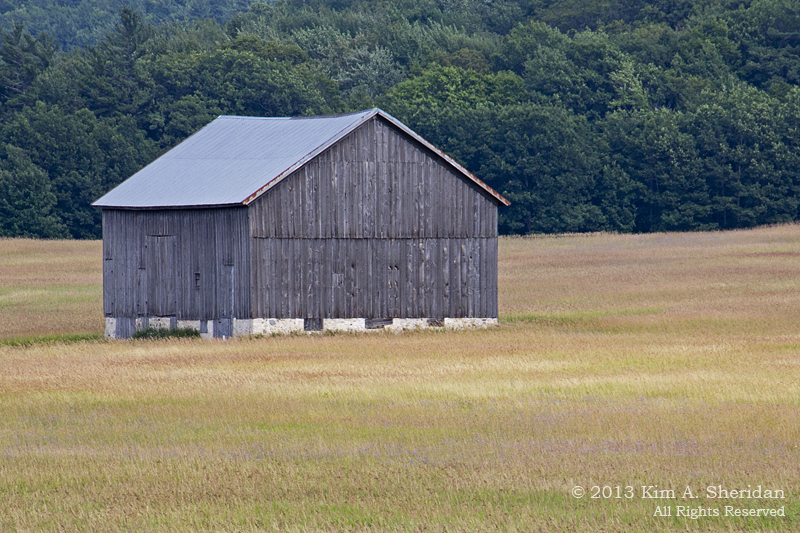
MI Sleeping Bear Dunes_6897aAnd the barns! Red barns, white barns, beautifully weathered old barns.

DSC_0288 aThe area near the coast is a hot bed of fruit production, thanks to Lake Michigan’s warming influence and a longer growing season. Fruits grown include peaches, pears and plums, apples and apricots. But what Mason County is famous for is its tart cherries. Wonderful, dark, juicy cherries.

Guilty confession: this is a stock photo, not one of mine. There sat a bowl of beautiful cherries in Betsey’s kitchen, and it never occurred to me to take a photo. Stupid me – I ate them instead.

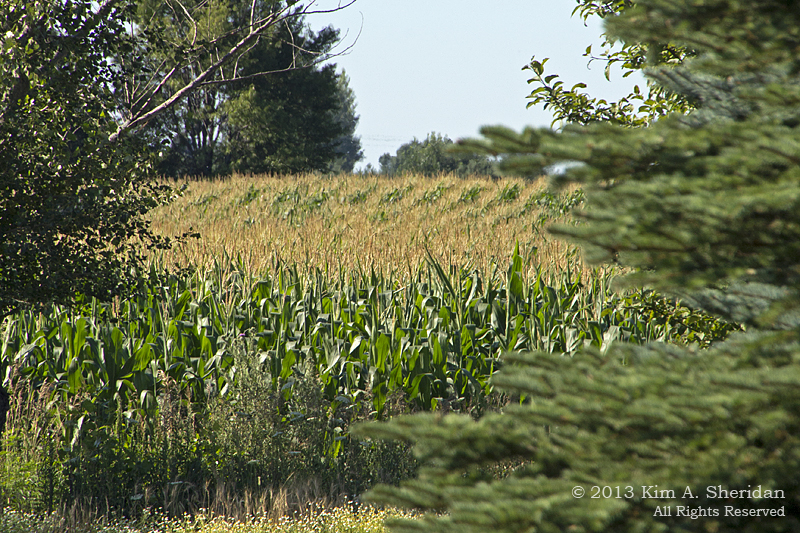
MI Farm Country_7577a MI Farm Country_7573aMI Farm Country_7597a Of course, there are other things raised here besides fruit. Like asparagus and snap beans. Corn and wheat. Dairy cows and other livestock. Christmas trees!

MI Sleeping Bear Dunes_6985a MI Farm Country_7623aMoo cow.

MI Farm Country_7610a MI Nordhouse Dunes_5952aOn a corner in the middle of nowhere, a country store. Well, to a suburban girl like me it seems like the middle of nowhere. No doubt the locals consider it a congested intersection. In fact, you can find it on Google Maps – at the corner of West Nurnberg and North Quarterline Roads. Reckon that’s progress for you.

MI Farm Country_7594a MI Farm Country_7618a

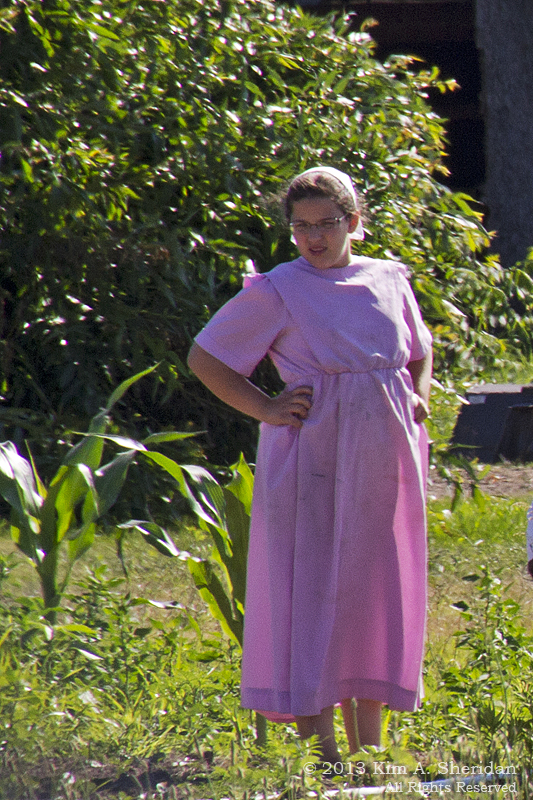
Mennonite girl working in a roadside field. Farming is a way of life for the sizable population of Mennonites and Amish in Michigan, as it is for communities in Lancaster, Pennsylvania and other locales.

Country Roads Collage b The dirt and gravel roads I traveled on in Michigan had me wishing for my trusty Forester SUV instead of a rental sedan. I wouldn’t have tried the road at bottom left even if it wasn’t a private road.

MI Sleeping Bear Dunes_7043aMI Farm Country_7566aThe End.

Coming up: Sleeping Bear Dunes

Back in Time: White Pine Village

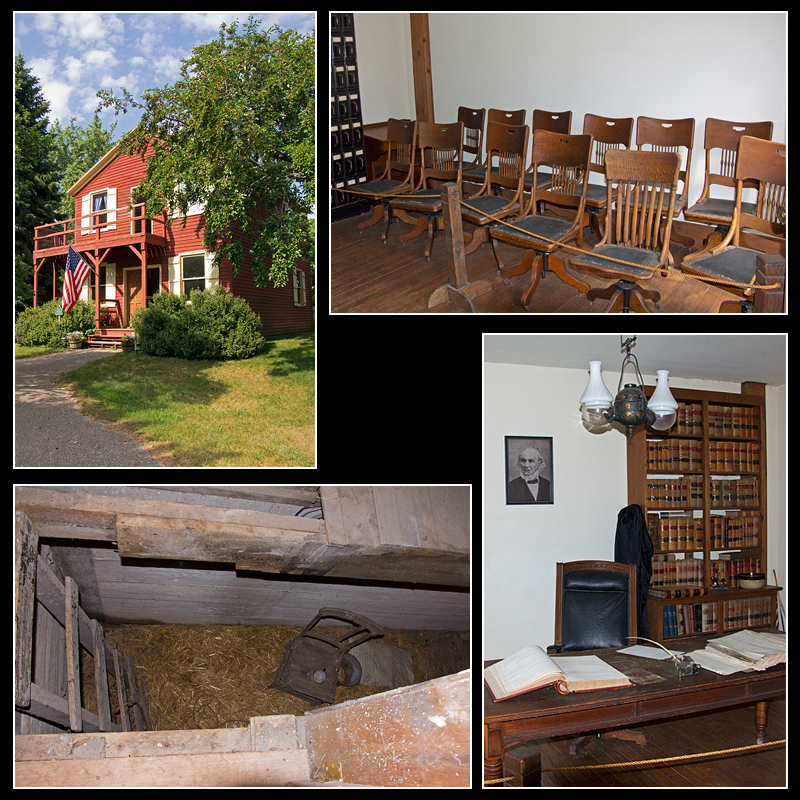
White Pine Collage 2 Okay, class, settle down and pay attention. Today’s lesson is history, and our field trip to Historic White Pine Village will give us a glimpse of life in 19th century Mason County, Michigan… Walk the paths and explore the buildings of a logging and farming community frozen in time. Let’s take a tour, shall we? Stay together, please!

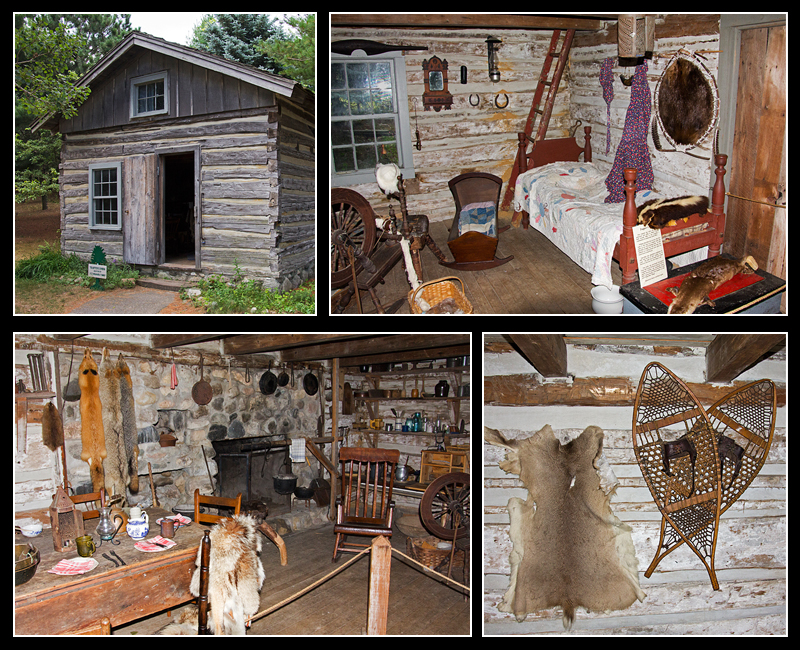
WPV Trapper CollageThe first Europeans to arrive in Mason County, Michigan – around 1835, before it was Mason County – were the trappers. Foremost among them was William Quevillon, who built this log cabin in 1850. Five years later Quevillon was appointed postmaster, and this tiny cabin became the first authorized post office in Mason County, while still housing a family of six. Think your mail is slow and expensive? Postage on a letter to a nearby town was 50 cents, and mail was delivered just four times a year!

1847 saw the first permanent settlers. Burr Caswell, his wife and four children arrived by schooner. With no proper harbor at the time, the family’s livestock had to swim to shore. The coast was a dense wilderness of tall pine trees, wolves and other critters, and the closest settler was in Manistee, 30 miles away. Did I mention it snows 90” a year here? WPV Courthouse CollageBy 1855, there were enough settlers to form Mason County, and Caswell’s frame house did double duty as the county seat. With the family upstairs, the main floor became the courtroom. The jail was this comfy space in the basement. The county seat moved to Lincoln Village in 1861, and the Caswells got their home back.

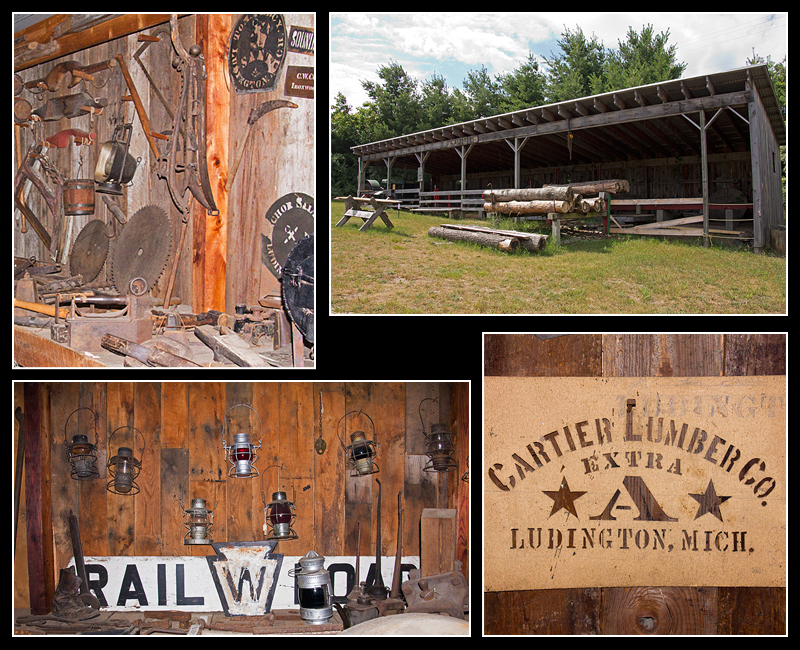
WPV Lumber CollageWith all those tall pine trees, it was inevitable that lumbering would become the predominate industry in the area. The first mill was built on Pere Marquette Lake in the late 1840s. Other mills followed -14 on Pere Marquette Lake alone – and by the 1870s, business was booming. The sawmill shed pictured holds a 48’ portable sawmill that would have been moved from camp to camp. The railroad arrived around 1875. Competition was fierce among the lumber barons, but by 1910, the lumber industry was collapsing, as the timber supply had become completely depleted.

WPV Firehouse Collage In a lumbering community, fires were a constant threat, so fire departments were needed. Ludington’s first fire house was  organized in 1883. The fire engine is a 1928 model.

WPV Farmhouse CollageFarming was and continues to be very important in Mason County. In 1880, Thomas Burns Sr. paid $1,190 for 80 acres of land to raise apples, peaches, cherries, vegetables, chickens, cows and grain. Thomas and his wife Mary had nine children, all of whom were needed to keep the farm running. Cooking was done on a wood stove, washing on the back porch, and – ahem – other things in the outhouse. The tiny bedrooms are just barely bigger than the beds they house.

WPV Barn Collage The Burns family would have had a barn similar to this, built without nails. The windmill was used to pump water from the well. A typical farm would use many pieces of machinery, including plows, hay loaders, grain drills, wagons and corn binders.

WPV Schoolhouse CollageThe Burns children would have attended a school – in the winter only – like the Marchido Schoolhouse, built around 1895. Imagine going to school every day here – kids of all ages together with one teacher, wood stove for heat, outside privy. Every child has a slate and desk, there’s a piano in one corner, and even a dunce cap. Better behave yourself!

WPV Store Collage Every town needs a General Store. There are all kinds of items for sale here: soaps, spices, dishes, dry goods, barrels of flour and molasses, axes, pots, pens and paper, buttons, even saddles.

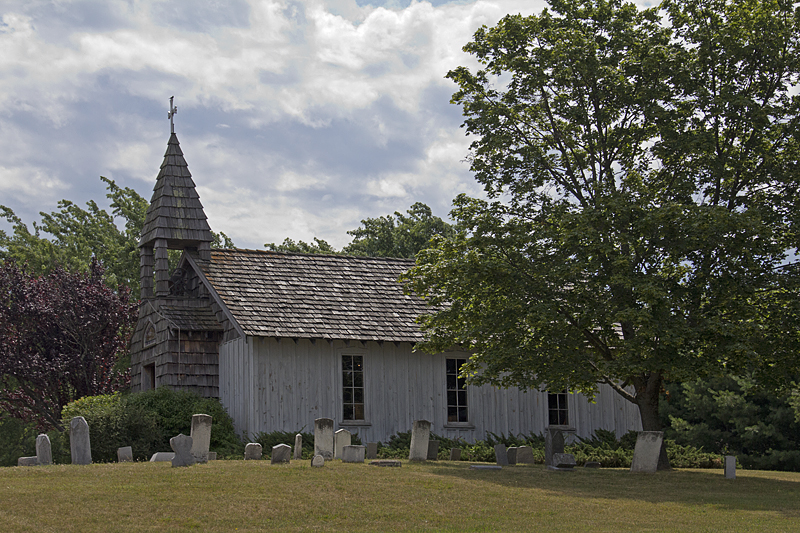
MI White Pine - 10 Chapel_5519ascThe simple architecture of White Pine Chapel is typical of Protestant churches of the community.

If you’ve visited my Michigan gallery page, you will be familiar with Epworth Heights. To put the Methodist resort in historical perspective, it was founded in 1894, with the first cottages built the following year. Imagine – just 47 years after the arrival of the first permanent settlers, Mason County is popular enough to  have its own resort!

Photograph_of_Banks_of_White_Pine_Logs_in_Northern_Michigan_-_NARA_-_2129576

White Pine logs, Michigan, ca. 1910

CONSERVATION PIECE: Commercial logging in Western Michigan in the late 1800s had a devastating effect on the environment. Wide scale clearcutting left a landscape of stumps and woody debris; erosion was widespread, and fires frequently broke out. Furthermore, these areas were intentionally burned to provide farmland, which they were ill-suited for.

Fortunately, wiser minds began to see the danger, even while the destruction was going on. In 1887, the Forestry Commission was formed to protect and restore the state’s forests, three years before lumber production would reach its peak. In 1900, state reserves were created for reforestation. In 1938, Manistee National Forest was formed; it now encompasses 540,187 acres, including portions of Mason County.

Today, a large part of the logged areas have been reforested, with white and pine forests replaced by aspen, birch, oak and jack pine. The production of wood and forest products continues, albeit with an emphasis on sustainability and preserving the health and diversity of habitat and waterways. Particular care is taken to protect threatened species such as the Kirtland’s Warbler, Piping Plover, Karner Blue Butterfly and Pitcher’s Thistle. In addition, a wide range of recreational opportunities exist within the forest.

In other words, Michigan’s forests may not be pristine, but they’re a darn sight better than they were in 1890, and the days of uncontrolled clearcutting are long gone.

I hope you’ve paid attention, class. There will be a pop quiz tomorrow…

Coming soon: Farm Country

Michigan’s Natural Heritage: Cadillac Marsh

Michigan has 101 State Parks. So far, I had only seen one of them. Obviously, that had to be fixed!

Mitchell CollageIt was also time to get away from the Lake Michigan dune area, much as I love it, so I headed inland. The town of Cadillac is home to Lake Cadillac, Lake Mitchell, and in between, Mitchell State Park.

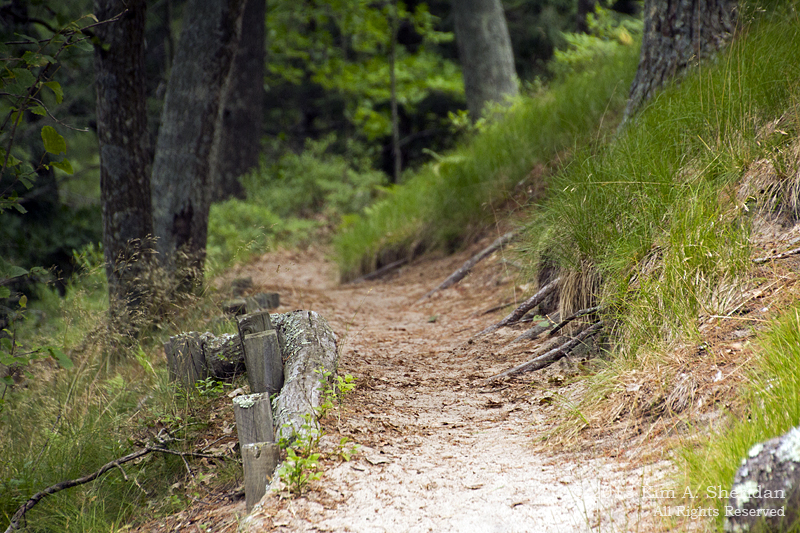
MI Mitchell SP_7198 a Within the park is the Mitchell Heritage Nature Trail. It’s a 2½ mile trail encircling a marsh, and just the thing to keep me out of trouble for a couple of hours. Or eaten alive, which was certainly my fear starting out. The trail began as a lovely walk through an old growth forest of maple, oak and pine. Turned out it was also home to gangs of marauding vampires in mosquito disguise. Knowing that I was headed for a marsh, I thought it could only get worse. Luckily, I was wrong; apparently these were strictly arboreal skeeters.
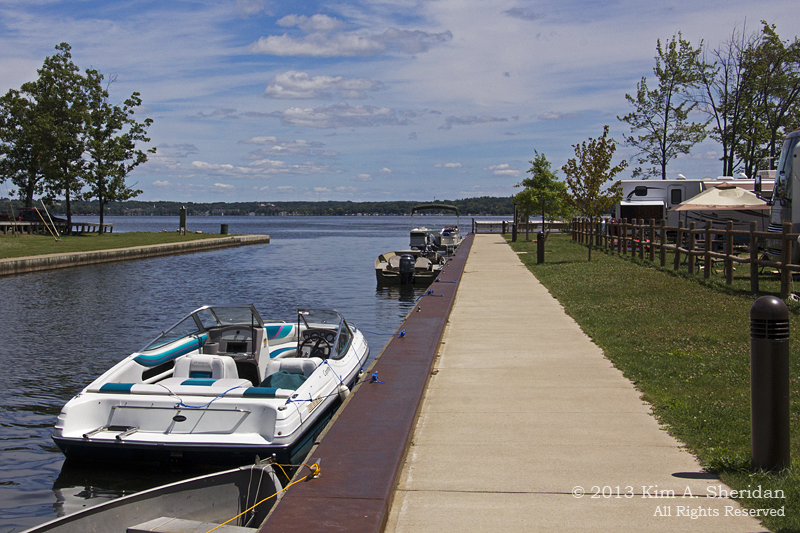
MI Mitchell SP_7201 aA brief meadow interlude, followed by a plunge into more woods just beyond.

MI Mitchell SP Flower_7242 a Buttonbush (Cephalanthus occidentalis.) A shrub that grows in marshes or on the edge of streams or lakes. It offers nectar to bees and butterflies, seeds for ducks and shorebirds and leaves for deer. Songbirds nest in the plant and small critters like insects, frogs and salamanders use it for cover. In other words, this is a friendly plant! (Thanks to Weed Warrior pal Mike for the identification.)

MI Mitchell SP_7239The observation deck offered a wide view of the marsh. From a distance it looks like a confusing tangle of green, doesn’t it? Look closely and you may see that there are dozens of different plants and shrubs here. Great habitat for wildlife. The Goldfinches sure loved it!

MI Mitchell SP_7264 aOutside the trail was a canal that reminded me of a castle moat. This was home to lots of turtles.

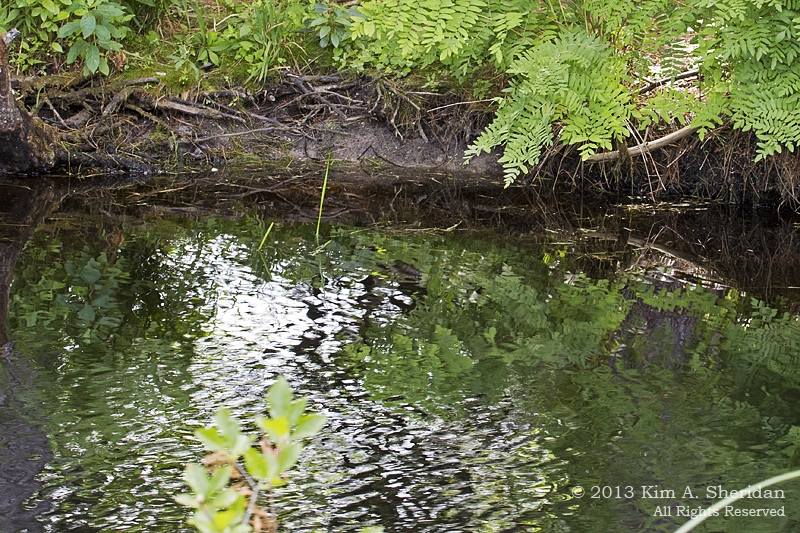
MI Mitchell SP_7246 aFerns reflected in the dark waters of the canal.

MI Mitchell SP_7212 a

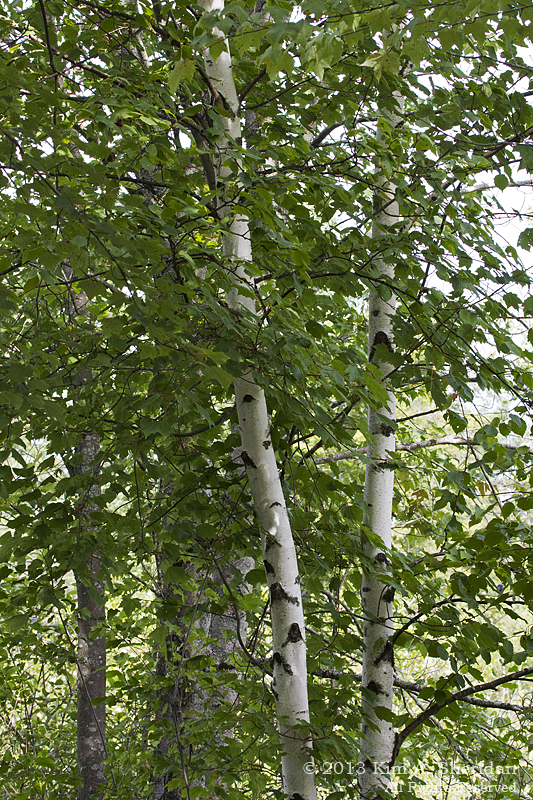
Birch trees. But of course.

MI Mitchell SP_7230 aFUN FACT: This is a secondary growth forest. The original forest of white pine was decimated by logging in the late 1800s, and fire after that. White birch is often called the “fire tree”, because fire exposes minerals that spur the growth of birches, and it’s one of the first trees to reforest a burned area. This is an older birch woodland that is already transitioning to a beech and maple forest.

Young birch saplings often drew nourishment from the old pine stumps and grew up around them. Eventually the stumps would rot away underneath. These weird roots are the result!

MI Mitchell SP Lake Mitchell_7512 a2Back from the trail, at the more recreation oriented part of the park, here is Lake Mitchell (above), and the Clam Lake Canal (below.) The canal was built in 1873 to float logs between the lakes for the lumber industry, and is a third of a mile long.   MI Mitchell SP Lakes_7529 aMI Mitchell SP Lake Cadillac_7523 aAt the end of the canal, Lake Cadillac.

MI Mitchell SP_7378 aHappy trails!

Coming up: Back in Time: White Pine Village

Michigan’s Natural Heritage: The Ludington Dunes

MI Nordhouse Dunes Lake & Dune_5846 aMy dad told many fond tales of his boyhood summers spent on the shore of Lake Michigan. It sounded wonderful – lakes, beaches and forests – right up my alley. So when my California cousins invited me to join them at the family home in Ludington, Michigan, I jumped at the chance. This is the third summer they’ve opened their home and their hearts to me, and I’ve loved every minute of the chance to spend time with family. And, like my father, grandfather and great-grandfather, I’ve fallen in love with Michigan! During my stay, I’ve taken full advantage of the opportunity to explore the natural areas on the Northwest coast of Michigan’s Lower Peninsula. Of course, I’ve taken enough pictures to fill a multitude of blog posts. So we’d better get started!

Nordhouse Collage 2 This was the first year I got to the Nordhouse Dunes Wilderness Area north of Ludington State Park and Hamlin Lake. Lying within Manistee National Forest, the Lower Peninsula’s only federally designated Wilderness Area encompasses 3450 acres of forest, dunes and interdunal ponds and marshes. The dunes were formed nearly 4000 years ago and can range as high as 140 feet. The Ludington Dunes Ecosystem has the largest area of fresh water interdunal ponds in the world. So why is it that every pond I’ve seen between the dunes in the last two years has been dry? Drought has taken its toll, on the ponds and the critters that live in them.

MI Nordhouse Dunes Marsh_5826 aOn the way to the trail-head, I drove through Manistee National Forest along a gravel and dirt road. Along the way, I stopped to check out the marsh area of Hamlin Lake (above) and the pine woods surrounding it (below). Notice how the trees grow in straight rows close together. This is a pine plantation, an area of pines planted for reforestation after the original trees were cleared in the logging boom of the late 1800s. Naturally-growing forests don’t look like this.MI Nordhouse Dunes Tree & Trail_5833 a

The trails through the Wilderness Area are legion, and as they say, “minimally signed.” Meaning, there are NO markers. Navigation even with a map is tough, as there are numerous social trails and wildlife paths not shown on the map. I tried to take the one trail that had trail markers, only to come to an intersection of four trails where the only marker pointed back the way I came! So, I obeyed it, and went back the way I came. Never let it be said I don’t do what I’m told.

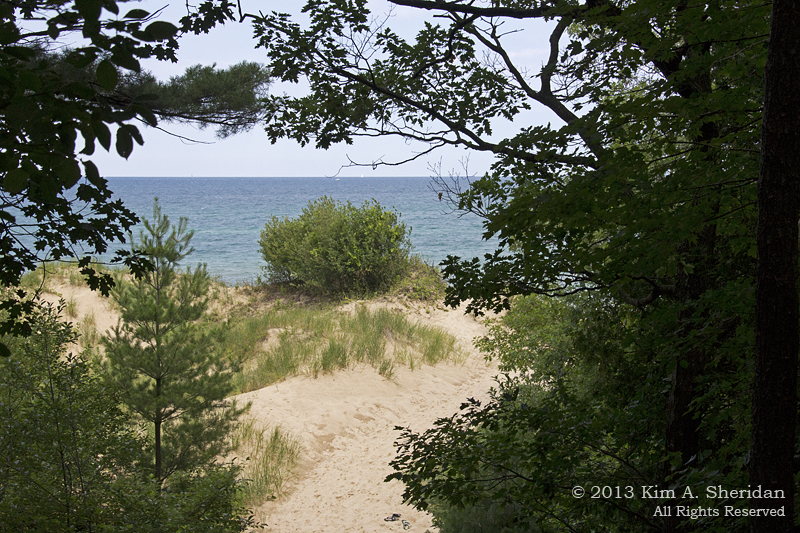
MI Nordhouse Dunes Lake & Dune_5838 aMI Nordhouse Dunes Tree & Trail_5883 aMost of my hike went along a trail that paralleled Lake Michigan, along a wooded ridge above the lake. This was easy to follow without getting lost, and offered some great “peek-a-boo” views of Lake Michigan (above). At the edge of the trail, the side of the ridge dropped steeply away to the dunes 100 feet below. Not the place to search the treetops for birds while you are walking! Birch trees are numerous among the hemlock, beech, maple and pine trees of the forest. Birches are my all-time favorite tree; I can’t resist photographing their beautiful white trunks again and again.

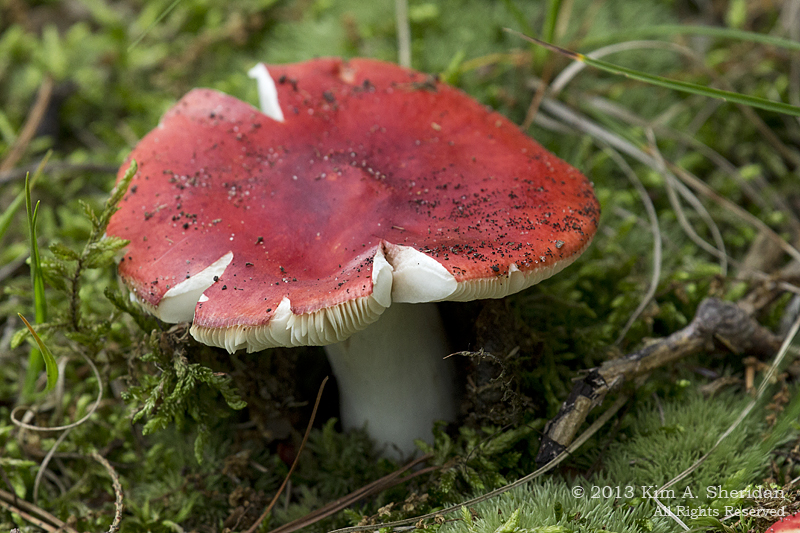
MI Nordhouse Dunes Mushroom_5869 aI’m sure I saw a tiny fairy peek out from under the cap of this mushroom. Didn’t you?

MI Nordhouse Dunes Tree & Trail_5926 aThe Road goes ever on and on…

Ludington Collage 3Ludington State Park is nearly 5300 acres of sand dunes, ponds, wetlands and forests on a strip of land between Lake Michigan to the west and Hamlin Lake to the east. It’s a popular place for boating, fishing, swimming and camping. The black and white striped Big Sable Lighthouse stands guard at Big Sable Point and offers a wonderful view of the dunes, woods and lakes to those who climb it, as I did last year. The eight trails winding through the varied habitats of the Park are what keep drawing me back year after year. This year I tackled the Lost Lake and Island Trail, which follows a wooded sand dune ridge along Lost Lake before turning toward Hamlin Lake and returning through marshlands over a series of small islands.

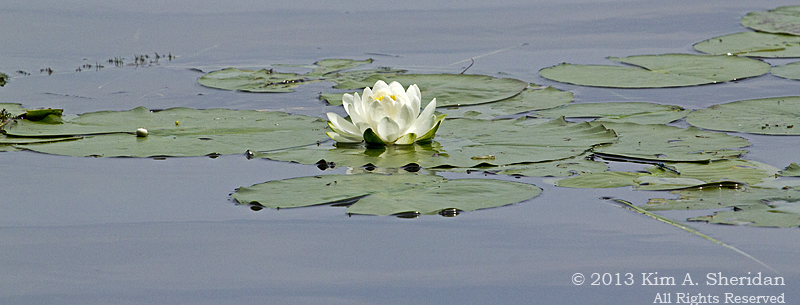
MI LSP Lost Lake-Island Trail_5992 aLost Lake (above) and water lily (below).MI LSP Lost Lake-Island Trail Flower Tree_6467 a

Views of Lost Lake. MI LSP Lost Lake-Island Trail_6188 a MI LSP Lost Lake-Island Trail Flower Tree_6037 a

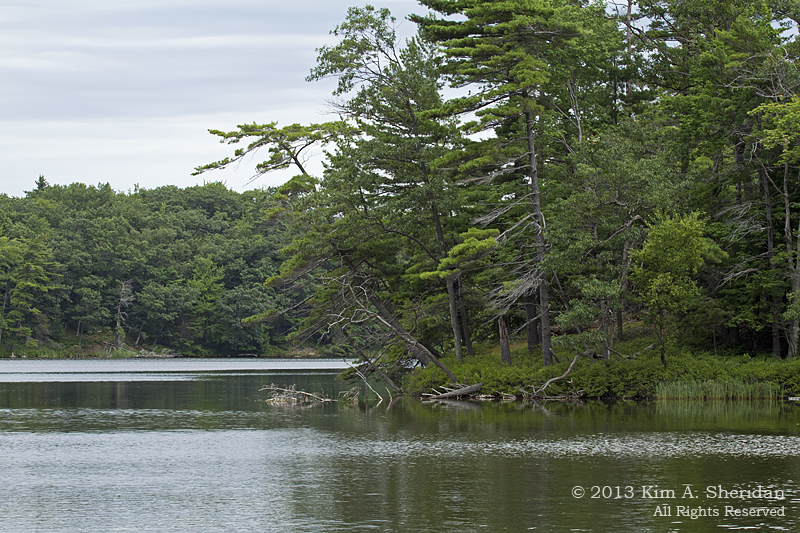
MI LSP Lost Lake-Island Trail Flower Tree_6196 aMI LSP Lost Lake-Island Trail Flower Tree_6175 aMI Ludington SP_6257 a2Hamlin Lake is man-made, created in 1856 as a holding pond for logs awaiting processing at Charles Mears’ sawmill. Subsequent dam collapses wiped out the village of Hamlin, and the lumber mill closed. But the lake was becoming popular for recreation, and a new dam was built in 1914. The shoreline is dotted with old tree stumps, often with grass or tiny trees growing on them (above). Nature’s version of gardening in miniature. It amazes me where things will grow.

Sand dunes line the shore of the Hamlin Lake (right).

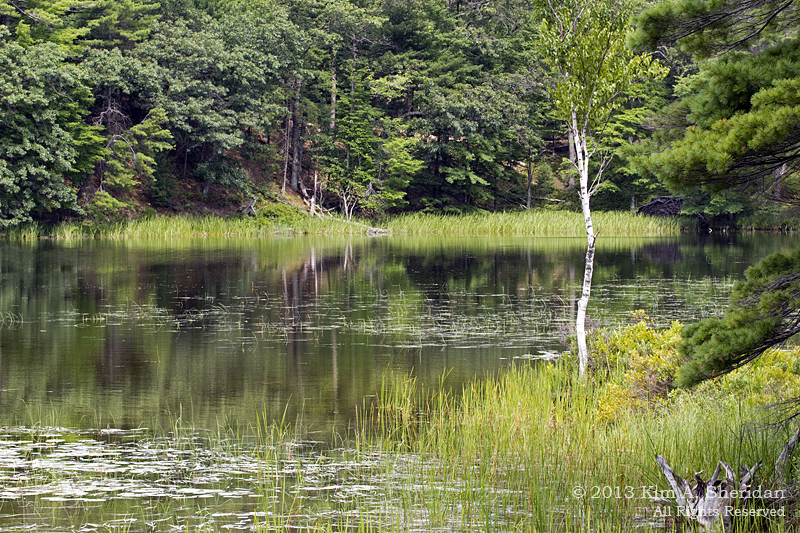
See? I can’t resist birch trees. Here’s why – white tree, green leaves, blue water. Can’t you just feel the breeze brushing your face here in the shade?MI LSP Sable River Trail_7179 a

Coming up: Michigan’s Natural Heritage: Cadillac Marsh

Wee Furry Beasties

4 HNWR Muskrat_8941 ASGood morning, all you bonny lads and lassies out there in Animal Kingdom! This is the “Wee Furry Beasties” Countdown Show on 99.9 KRTR – Critter Radio! I’m your host Fergus Alastair MacRatt, comin’ at you with all the warm and fuzzy hits you need to get you through your day.

Let’s get right to the countdown, shall we? Kicking it off at Number Six, we have the King of Nibbles himself, Brer Rabbit, with his hare-raisin’ version of “Little Bunny Foo Foo”.Rabbit 2 Vertical

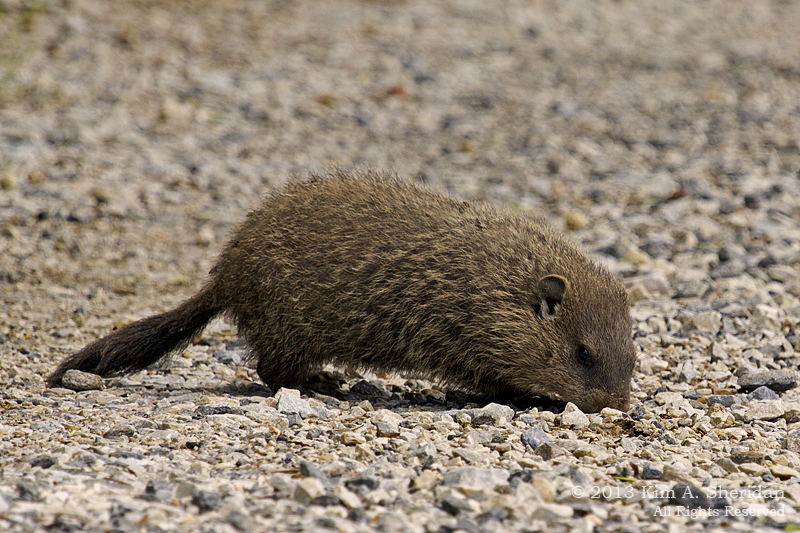
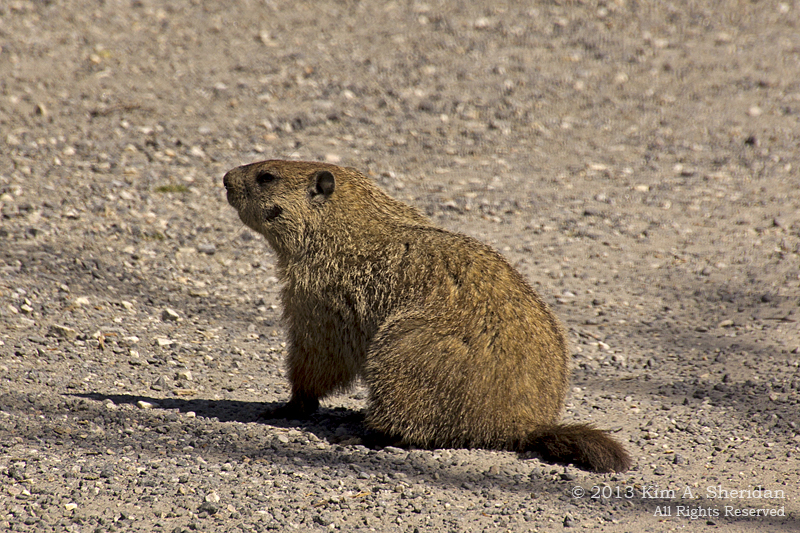
HNWR Groundhog_2990 aHere’s a fair Groundhog lassie and her wee bairn that just can’t resist the call of the open highway. At Number Five, it’s Big Mama Woodchuck and Whistlepig Junior, singing “On the Road Again”.HNWR Groundhog_5585 AS

Next we have Slinky Mink checkin’ in from Michigan’s Big Sable River. Look at that pink nose – this lad needs some sunscreen! Doesn’t stop him from rockin’ out with our Number Four hit, “Pop! Goes The Weasel”.LSP 3 Mink_8666 ac

My, it’s early in the day for this yawnin’ Raccoon! Our next performer, Little Rascal, had a bit of a nap, but he’s awake now, and swingin’ in the Number Three spot with “Don’t Sit Under The Apple Tree”.HNWR_5757 ACS

Now, we all know how chipmunks love to stuff their little furry faces with good eats. Everybody’s favorite Chipmunk, Alvin, reckons he likes dancin’ with the lassies even more. In at Number Two, here he is now with “Cheek To Cheek”.LSP Big Sable 3 Trail_8169 crop ACS Orig

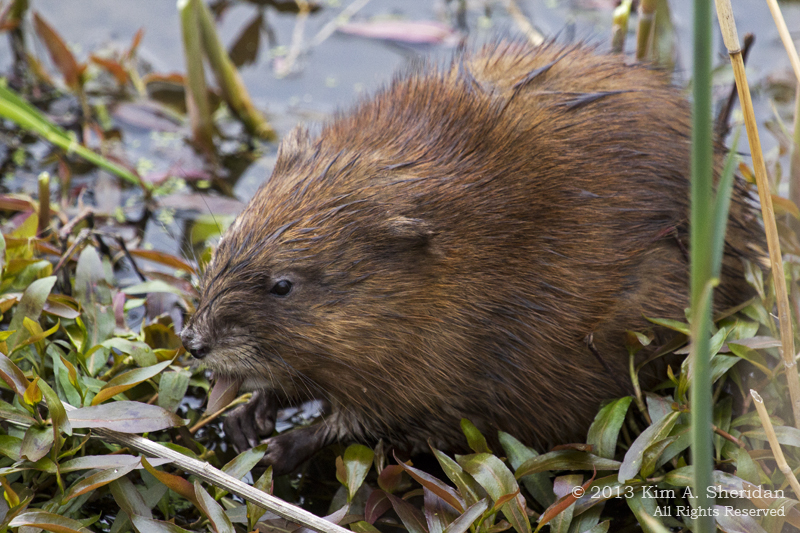
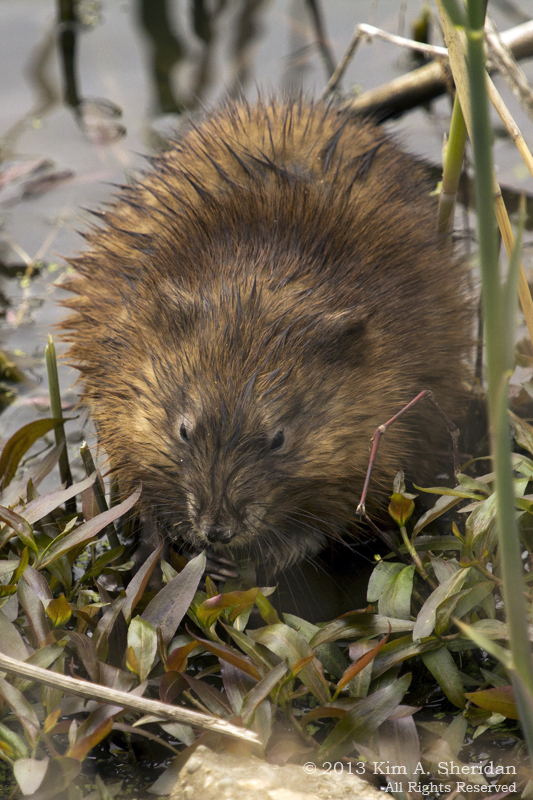
Ah, savin’ the best for last! You know, we Muskrats get a bad rap sometimes, but really we’re just rockin’ along, tryin’ to get along. 4HNWR Muskrat_8917 ANobody says it better than Susie & Sam with our Number One hit, “Muskrat Love”.

Well, that’s it folks, this week’s “Wee Furry Beasties” Countdown.

Next up on “Forest Follies”, we have a mind-boggling tale of three foolish humans (and really, is there any other kind?) Aye, seems they set out one evening to track down a ferocious varmint, and got a wee bit more than they bargained for.

Until then, I’m Fergus Alastair MacRatt, keepin’ it wild on 99.9 KRTR – Critter Radio!CMPSP Muskrat_9717 acs 2