Git Along Little Doggies

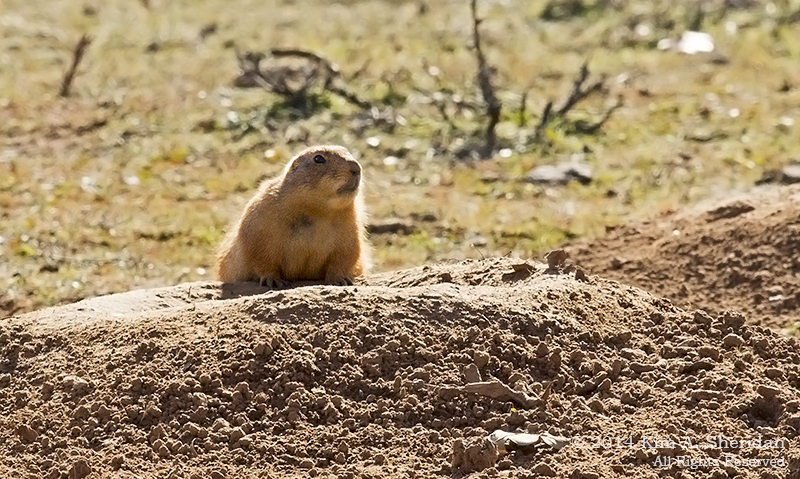
Fort Worth NCR Prairie Dog_8343acs Getting my daily dose of wildlife while visiting family on vacation can be frustrating. At home I know when and where to go to find cool critters. Heinz Refuge and Cape May in early May for warblers, the Delaware Bayshore in late May for horseshoe crabs and red knots, Hawk Mountain in the fall for raptors. When I go away to visit family, it’s an excellent opportunity to visit new places. But the timing of the visits isn’t always conducive to wildlife spotting.

Fort Worth NCR Prairie Dog_8314aI go to Texas in the winter. Except at White Rock Lake (where there’s always something happening) I pretty much have to take what I can get.

That means a lot of landscape and plant photography, and accepting that brown is the color of the day.

Fort Worth Nature Center and Refuge was no different when I visited; lots of neat habitat, not a lot of wildlife.

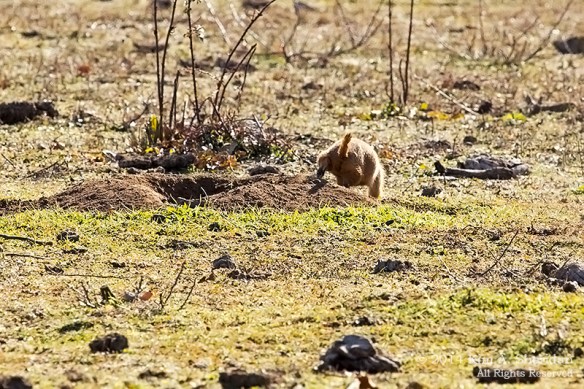
Except for the prairie dogs!
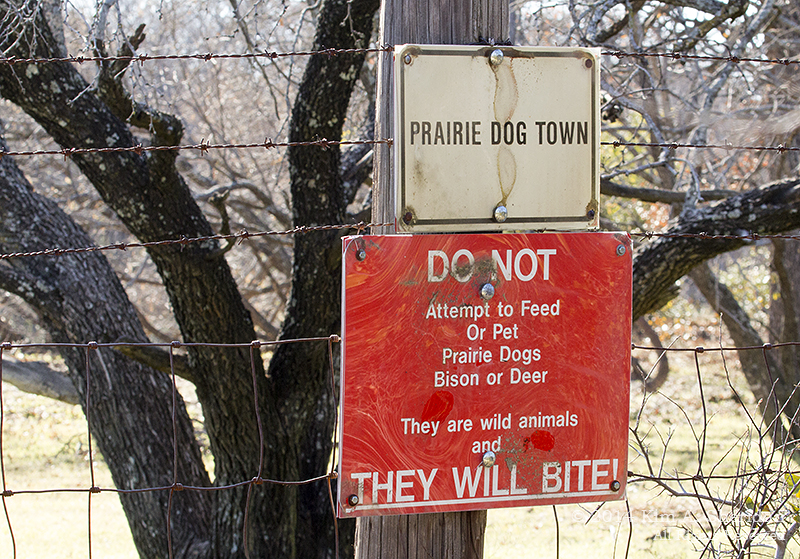
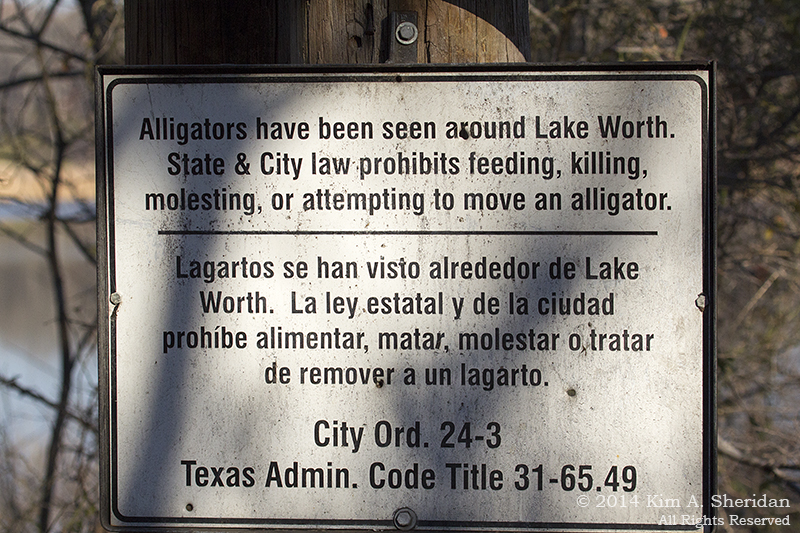
Fort Worth NCR Prairie Dog_8278acs The Nature Center has a prairie dog town. It’s a large area of fenced prairie; I’m not sure whether the fence is to keep the prairie dogs in, or the humans out. The sign above would seem to indicate the latter.
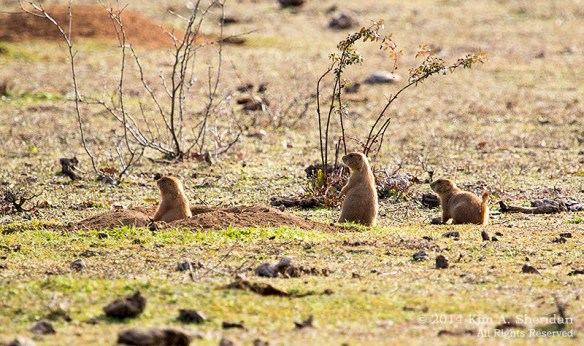
Fort Worth NCR Prairie Dog_8481acsInside the enclosure, a good number of the little rodents go about their lives. Yes, they are rodents, related to squirrels. The “dog” name comes from their high-pitched bark. Prairie dogs are highly social. They live together in family groups, sometimes called a coterie; a number of groups comprise a ward, and a number of wards make up a town.

The land is peppered with the entrances to their burrows. Weather is harsh in the prairies, and burrows offer protection from floods, hailstorms, fires and temperature extremes. Below the ground are a number of separate chambers for sleeping, raising babies, food storage and elimination. There may be as many as 6 entrances to a burrow. The craters serve as lookout posts and ventilation.

FUN FACT: Burrow holes have different shapes and heights. When the wind blows, air moves into the burrow through the lower, more rounded dome craters; it passes through the burrow and exits through the higher, sharper-edged rim crater.

Fort Worth NCR Prairie Dog_8444acsPrairie dogs dance! Nuzzling and grooming is common among family groups. It’s ridiculously cute when they do this. Call it the Texas Two-step.

Fort Worth NCR Prairie Dog_8448acsCONSERVATION PIECE: Not everyone thinks prairie dogs are cute. They feed on grasses, sedges and roots, keeping the vegetation short and churning up the soil. This benefits the habitat by enriching the plant life and attracting other wildlife. Their burrows can provide homes for other critters as well. Because of their importance to the plains, prairie dogs are considered a keystone species.

Despite this, farmers and ranchers often consider them pests, and eliminate them where possible. This has contributed to a population nose-dive, which has had a ripple effect across the plains. The endangered black-footed ferret, which relies on prairie dogs for shelter and food, has been driven to near-extinction by their eradication.

Fort Worth NCR Prairie Dog_8359acsPrairie dogs have a number of predators besides humans, including raptors, coyotes, snakes and ferrets. So they need to be wary. Living communally affords them safety in numbers. One or more prairie dogs will be on lookout duty at all times.

FUN FACT: Things get interesting when a threat is detected. Prairie dogs have a large repertoire of barks and calls. Years of study have revealed that these calls are capable of indicating not only which species of animal is threatening the colony, but can describe the individual animal. A prairie dog call for a tall human is different than the call for a short one!

Fort Worth NCR Prairie Dog_8494acsAlways on the lookout, a lone sentry stands guard.

Fort Worth NCR Prairie Dog_8346aAll clear!

Fort Worth NCR Prairie Dog_8355acsAnd off we go.

Little Park on the Prairie

Fort Worth NCR Landscape_8216acs

Fort Worth NCR Grass_8111 aDeep in the heart of Texas’s largest metroplex is the Fort Worth Nature Center and Refuge. Its 3,621 acres include a number of different habitats, from lake and river to marsh, woodland to prairie.

The Visitor Center offers exhibits and educational programs, and there are miles of trails to explore.

All this in a city-owned and operated nature center that has been a National Natural Landmark since 1980.

Fort Worth NCR Landscape_7982 a Fort Worth NCR Sign_7991aBison have their own range to roam here, and prairie dogs have a town. Other critters that call the Nature Center home include armadillos, raccoons, bobcats, deer, opossum, beaver, lizards, snakes – and alligators!

I didn’t see an alligator, and I don’t know whether I am sad or glad about that. All I saw of the bison were the calling cards they left behind. No bobcats, or lizards.

And not one dang armadillo!

Fort Worth NCR Landscape_7998a

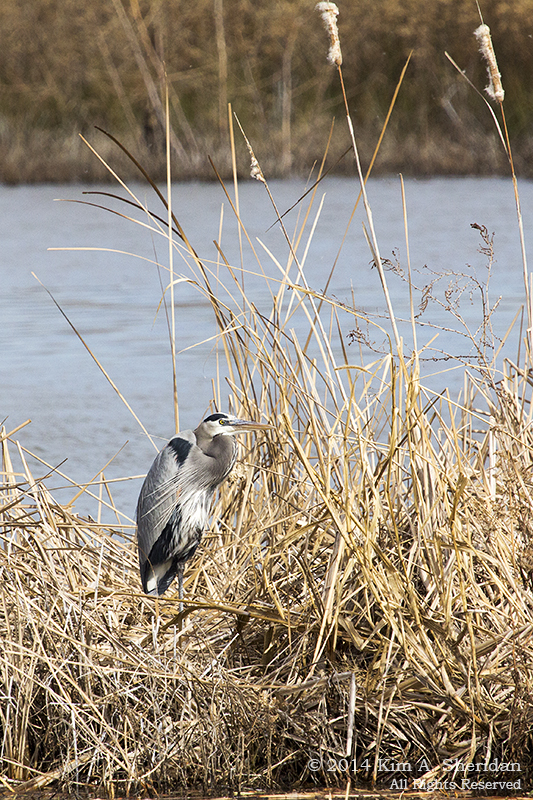
Fort Worth NCR Bird_8087 a I did get to see ducks, cormorants and herons on Lake Worth. Great Blue Heron, at left.

Fort Worth NCR Landscape_8108 a This is the West Fork of the Trinity River, which flows into Lake Worth. A kayaker paddled slowly past. Surely he had the best views of the day. There was a small mob of cardinals moving through the trees at the river’s edge. It was the most cardinals I’ve ever seen in one place before.

Fort Worth NCR Cowboy_8182 aWhat a REAL cowboy in Texas does is drive to a place of natural beauty on a blue-sky day. Then proceed to dry-wash and wax his car in the parking lot. In his Stetson.
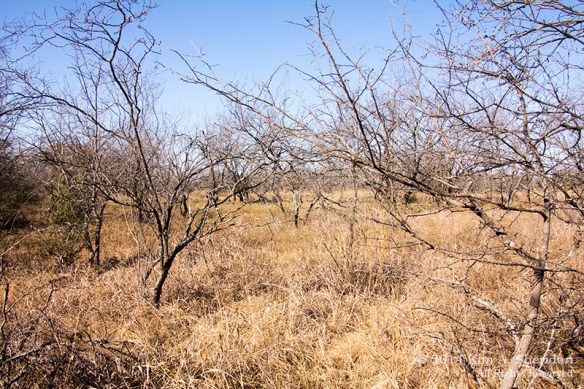
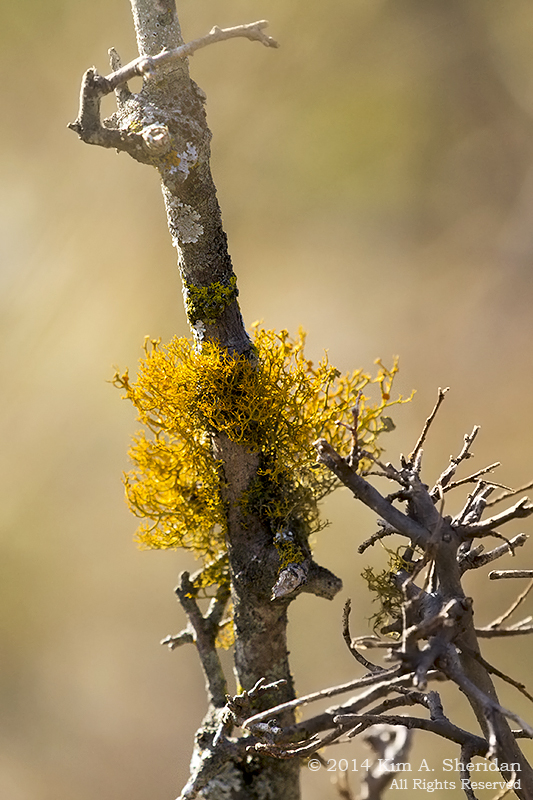
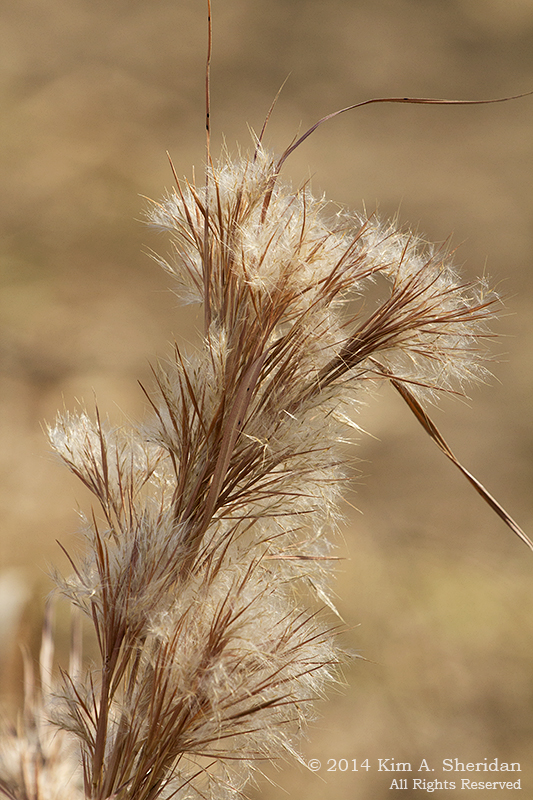
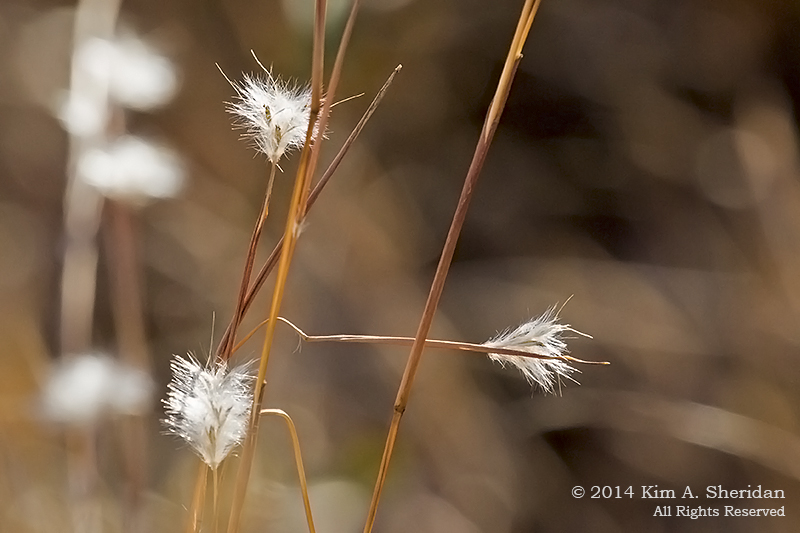
Fort Worth NCR Landscape_8251 acs My favorite landscape here at the Nature Center was the prairie. To my Eastern eyes, it’s exotic. Full of grasses, odd plants, and small twisted trees.Fort Worth NCR Landscape_8270 aFort Worth NCR Plant_8535 acs Fort Worth NCR Grass_8513 a

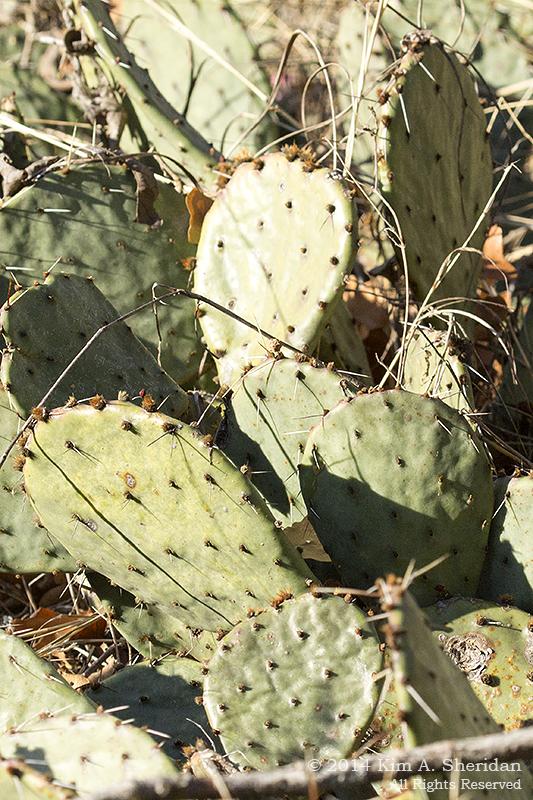
Fort Worth NCR Cactus_8036 acs Cactus.

Of course.

Fort Worth NCR Rock & Dirt_8254 acsThe red dirt was pockmarked with the footprints of strange creatures. At first I thought these might be the tracks of a feral pig, which are abundant in Texas. Upon reading a little about it, I learn that the dewclaws of the pig, which are the small impressions in the lower right of the track, are usually spaced wider than the main hoof.

This track likely belonged to the more familiar animal below.

Fort Worth NCR Deer_8557 acsA lone deer grazes contentedly as the sun sank low in the sky. She seems unaware of the highways and overpasses, gas stations and strip malls of the city so close. For her, and other inhabitants of the Fort Worth Nature Center, life is good here on the wild edge.

Waiting

HNWR_7534acs2 There is a moment during the approach of a summer thunderstorm when nature teeters on a razor’s edge. To the east, the sky is a brilliant blue; to the west, dark storm clouds boil. In between, just for an instant, everything stops. The wind dies, squirrels go still, birds cease their chattering. The air is thick with tension, quivering with electricity and the promise of the storm to come. Soon enough the wind will rise and the heavens open. But in this serene snippet of time, Nature is hushed, holding her breath… waiting.

Early spring is equally on the cusp, at the meeting place of seasons. The frantic weeks when the trees and plants explode with flowers and new greenery are the future. The winter coat of brown the land still wears is the past. But now the sky is blue, and the sun is warm. On days such as these, it seems that humans and wildlife alike are filled with anticipation. Waiting.

Buds Magnolia_7861acsYoung spring buds of the magnolia dream of being flowers. The first bee of the season dreams of the flowers to be. Waiting.

Tyler Flowers_7646acsTyler Frogspawn_7677a Promise in a jelly filling floats in vernal bogs and pools. These are the eggs of the wood frog. Each dark spot holds the potential of a tadpole, each tadpole the hope of a frog.

Tyler Frog Wood_7753acsMale wood frogs, having passed the winter in a state of frozen animation, are alive and looking for love. Waiting.
FUN FACT: Wood frogs make antifreeze! They survive the winter by freezing, their metabolism shutting down and their hearts stopping. A special antifreeze substance they manufacture limits the freezing of their cells, although ice does form in between the cells. When the weather warms up, they thaw out and go in search of mates.

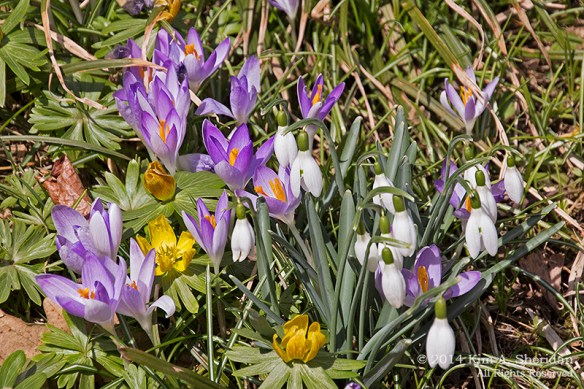
Tyler Flowers_7620aTyler Flowers_7609a Early blooming flowers like snowdrops, crocus, and winter aconite bring a welcome splash of color to a drab landscape. For them, the wait is over; this is their time to shine.

Nest Box Day 1_7793acs A new home has been constructed, in hopes of attracting a feathered family. Waiting.

Flowers Scilla_7823aCali_7901acsA sleepy dog in the sunshine waits for nothing, content to be in the moment.

3 HNWR Tree Swallow_5543 ASCold winds and rain will interrupt our reverie soon enough. The fullness of spring is yet over the horizon. For now, it is enough to join other creatures in the sun, listen to the liquid trill of the northern cardinal and watch the tree swallows twitter on their nest boxes. For now, in this still, quiet moment, Nature holds her breath, dreaming, anticipating…

Waiting.Flowers Crocus_7814acs

The Sounding Board: To Hunt or Not to Hunt?

The Sounding Board Header 1 cs2

First in an occasional series exploring a motley collection of issues. Opinions expressed here are solely those of the Wild Edge Blog Mistress, not WordPress.com. Furthermore they are constantly evolving. Feel free to comment, applaud or argue. Try to change my mind! Please keep it respectful and pleasant.

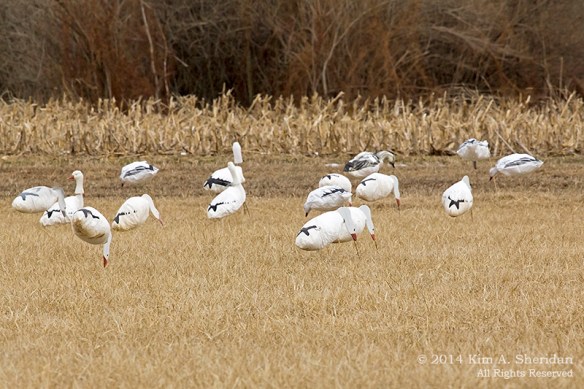
While driving around the perimeter of Middle Creek WMA, I came upon a small flock of geese in a field. I couldn’t believe my luck – they were SO close. Then I put my camera up to my eye, and this is what I saw:

Middle Creek Decoys_5751 acsHmm. Snow goose windsocks. A loudspeaker was playing goose calls, and a man in white coveralls lay prone amidst the faux geese. My first thought was that there was some sort of research project going on.
How naïve. It took several days for me to realize that this was a hunting layout.

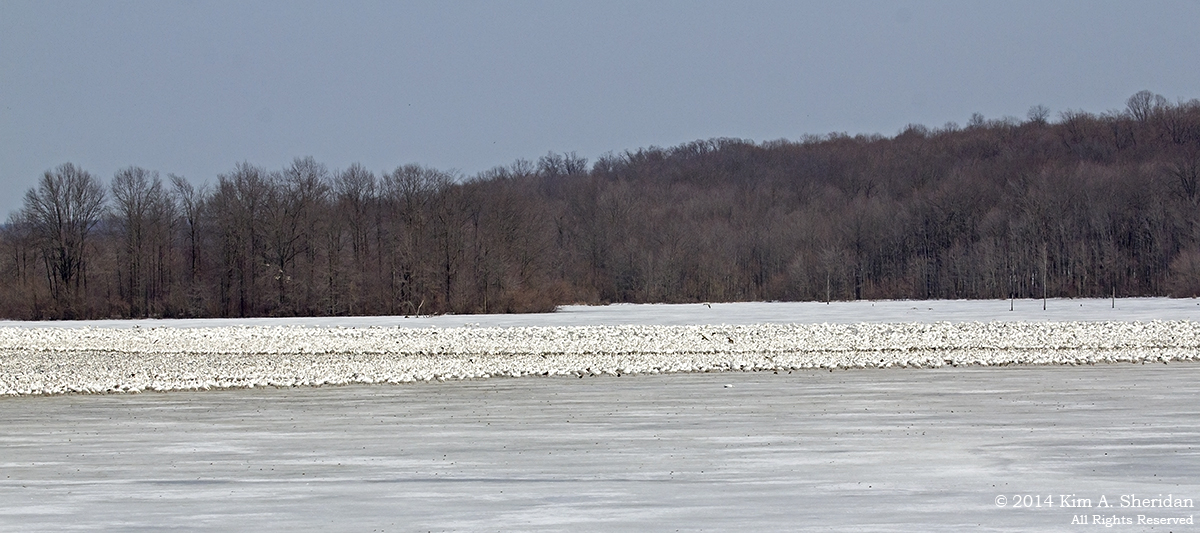
Snow goose hunting was banned in 1916 when population numbers were too low. Since the geese discovered the waste grain bounty in the 1970s, snow goose populations have boomed. The Atlantic Flyway population that passes through Pennsylvania has grown from 50,000 in the mid-1960s to over one million in recent years. Other flyway populations are expanding even more. Estimates have placed total growth at close to 9% a year.

Middle Creek Snow Geese Distant_5442 acsIt turns out you can have too much of a good thing. The exploding numbers of snow geese have put tremendous pressure on habitats the goose uses. Particularly vulnerable are the fragile Arctic wetlands where the goose breeds. The damage caused by these voracious eating machines not only impacts their own breeding success, but threatens that of nesting shorebirds and other species that share their habitats.

Snow goose hunting was reinstated in the 1970s for population control. Today, a population goal of 500,000 has been set for the Atlantic Flyway population, and in 2008, the USFWS has finalized a Conservation Order allowing Pennsylvania and other states to conduct a Conservation Hunting Season for snow geese. The conservation season differs in that it extends into the migration season, and allows the use of electronic recordings and decoys. Middle Creek WMA is both a refuge for migratory snow geese, and a strictly-monitored hunting area where specially licensed sportsmen can hunt geese for the purpose of population control.

I should mention that there were no live geese to be seen anywhere near that field. Those goose decoys? Clearly the real ones weren’t buying it.

I’ve got a love/hate thing going with hunting. On an individual basis, I hate to see any animal die before its time. Nature has other ideas, of course; big fish eat the little fish, bigger fish eat the big fish, and so on. The cycle of life.

But Man stepped in and started monkeying around with the system, removing predators, destroying habitat, suppressing wildfires, hunting, or banning hunting. We humans bear a heavy burden of responsibility to step in and manage populations so they don’t get out of control.

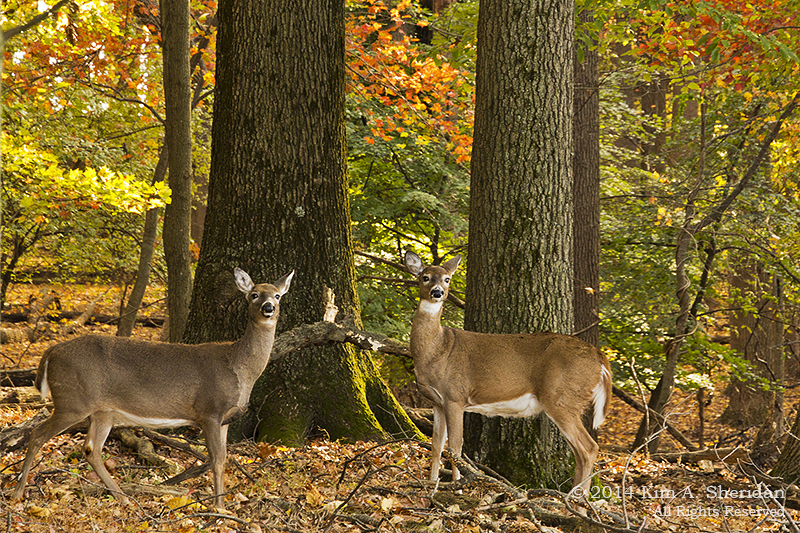
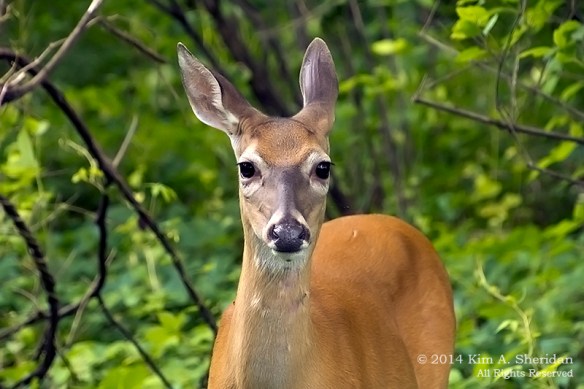
Valley Forge_0246a ACS Print Take the white-tailed deer, for instance. In Pennsylvania, like so many other places, it’s a pest. Way too many deer are living in habitat that can support a population a tenth of its actual size. The deer destroy the understory that many other critters, from songbirds to small mammals, depend on. Not to mention the damage a car-deer collision can do, to both car and deer, and in my area these encounters are legion.

HNWR Deer_7189 ASCDeer, and snow geese, are beautiful animals, and I love seeing and photographing them. But I also see the bigger picture. Populations have exploded, largely due to the intervention of Man. Is it right to allow other animals suffer from the habitat depredation caused by the deer and geese? Is it right to allow the deer to starve in the winter when there isn’t enough browse to support the whole population?

I don’t believe so. Are there answers other than hunting? Maybe. I won’t go into deer contraception here. That’s a controversial issue that is beyond the scope of my expertise. I will say only that my gut tells me it’s inadequate to the job of managing the deer effectively. Man created this problem, and has a moral imperative to seek solutions. Well-regulated hunting is an important tool maintaining animal populations at a level healthy for themselves and the other species with which they share their environment.

Sometimes you have to take a step back to see the forest rather than the trees.Tinicum_7427 AS Orig

Huntin’ Armadillos: Hagerman NWR

TX Hagerman NWR_5999a Hagerman National Wildlife Refuge: 11,320 acres on the Big Mineral arm of Lake Texoma, along the border of Texas and Oklahoma. Bit off the beaten path for a Pennsylvania chick, isn’t it? Except that last month found me in Dallas spending time with family. Inevitably I got itchy for the great outdoors. This year I conned my cousin Jensen into spending a day at Hagerman, mostly by promising him armadillos. Jensen is a talented photographer with a good eye who focuses on landscapes and sports. This would be his first time birding – and armadillo hunting.

TX Hagerman NWR_6017aThe day didn’t start out auspiciously. 45° to a Southern boy with thin blood and no socks is darn near intolerable. The wind wasn’t helping matters; nor were the thick gray clouds. The weather only served to accentuate the stark landscapes, and send us scurrying back to the warmth of Jensen’s SUV.

TX Hagerman NWR_6310acs Then we saw one good bird, a Red-tailed Hawk, and then another, this time a Northern Harrier (above) in flight. Suddenly the day didn’t look so bad! By the time we’d driven along the Wildlife Drive to where the Snow Geese were, the wind was abating and the sun was trying to break out.

TX HagermanSnow Geese_6256aAh, the Snow Geese! There were hundreds of them, as there always are, gathered in a grassy field across from the lake. TX HagermanSnow Geese_6340aMore poured in from somewhere over the trees. Watching large flocks of Snow Geese fly always amazes me. They never fly into each other, even when the flight paths of individual squadrons cross. When I looked at these photos later, I discovered that there were a few smaller but very similar Ross’s Geese mixed in.

TX Hagerman NWR_6488aOne of the odd things about Hagerman NWR is that it is dotted with oil wells. Many of them are sitting out at the end of narrow peninsulas jutting out into the lake. The Turkey Vulture above startled us as we were walking down one such spit of land. It burst up out of the vegetation at the water’s edge right next to us, and we’d never even known it was there. One of the many Turkey Vultures at Hagerman.

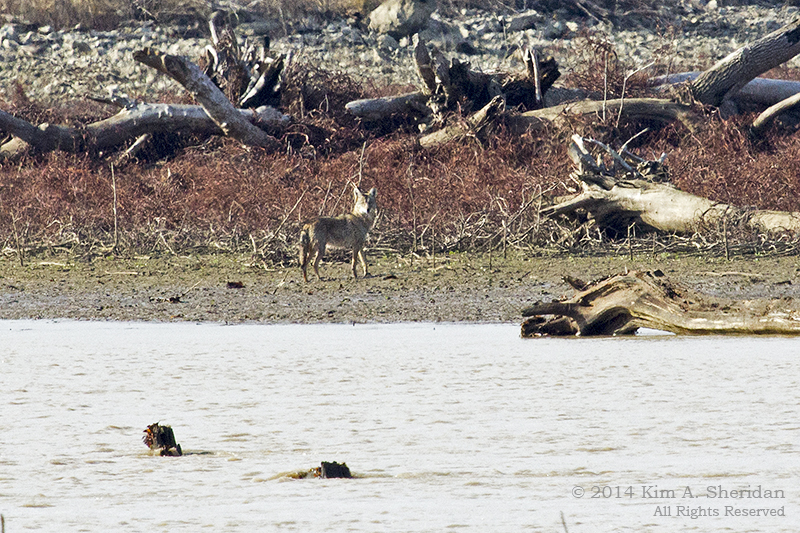
TX Hagerman NWR_6500acs Off in the distance, we saw something brown splashing across a creek. An armadillo? No such luck, but what we saw was just as good. Jensen said “Fox!” just as I yelled “Coyote!”  TX Hagerman NWR_6514aMr. Coyote turned and looked back at us before disappearing into the brush. I’d never seen a coyote before.

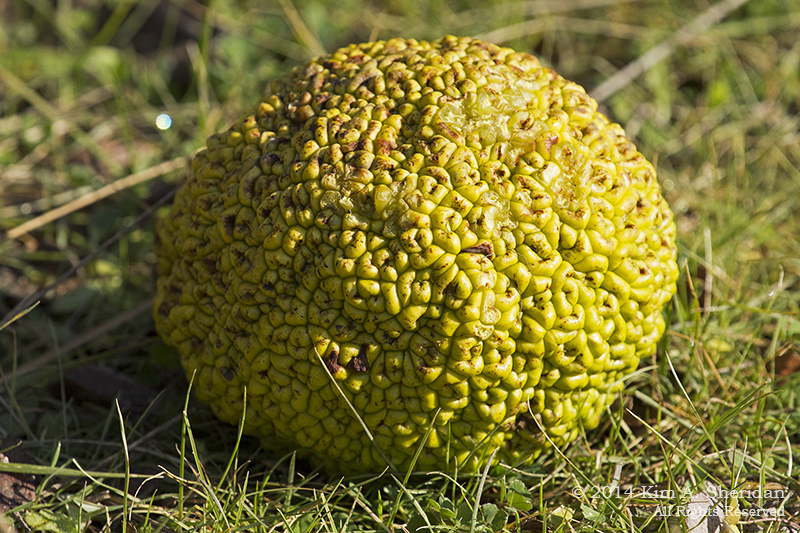
TX Hagerman NWR_6618acs We spent some time walking along a couple of different trails, across marshy areas and through woods. These strange seeds littered the ground. Jensen said they called them “crabapples” as kids. Sorry, cuz, wrong again. The sign says they’re the fruit of the Osage Orange.

FUN FACT: Well, okay, we have to give Jensen partial credit, because a common name for these fruits is “hedge apple”; in Texas, “horse apple” is common. For centuries the Osage Orange tree was found only in a limited area near the Red River valley, a portion of which is now Lake Texoma. They spread throughout the Plains after they were widely planted as living fences in long hedgerows. Aggressive pruning turned them into tight thorny hedges. Barbed wire made the trees obsolete, but their strong termite-resistant wood makes great fence posts that don’t rot.

Maybe those hedges are keeping the armadillos out?

TX Hagerman NWR_6634acsBoth Western and Eastern Meadowlark are found at Hagerman. I’m not a good enough birder to tell the difference from a photo. Supposedly, their songs are quite different, but these birds weren’t talking!

TX Hagerman NWR_6673acs The ponds around the Refuge are good wintering places for waterfowl. We saw several kinds of ducks, including Mallards, Ruddy Ducks, Gadwalls, and this Northern Shoveler. There were also a number of Great Blue Herons.

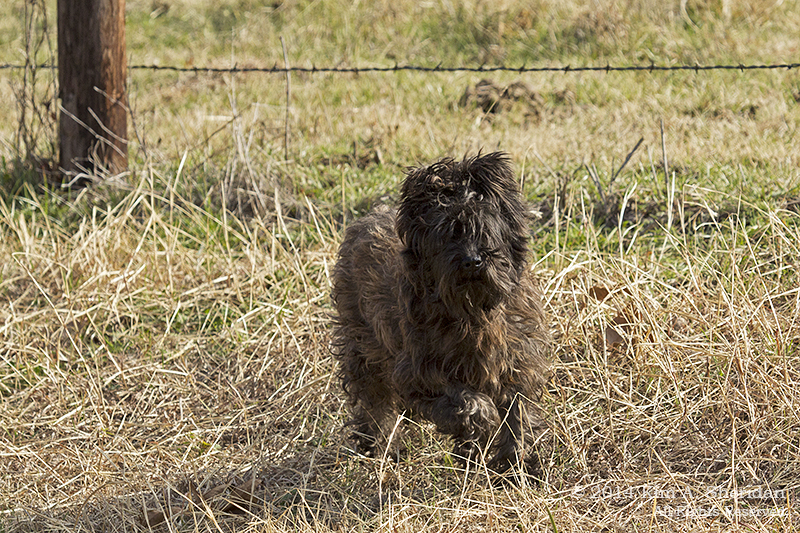
TX Hagerman NWR_6907acsAt one point, the Refuge road passed through a small cattle ranch. This little Texan farm dog chased our SUV fiercely through his territory, despite not being any taller than our hubcaps.

TX HagermanSnow Geese_6724acs Also escorting us along the road was this flock of snow geese. No more dark clouds now – nothing but blue skies!

THE ONE THAT GOT AWAY: There’s always one on every trip, isn’t there? This time it was a Greater Roadrunner, along the side of the road just feet away from our car. Of course this was AFTER we’d put our cameras away and left the Refuge!

The Road Runner and Wile E. Coyote in one day? I guess that was too much to ask!

And still no armadillos.TX Hagerman NWR_6686acs

Snowed In

Snow at Home_5661acs Snow at Home_5660acsThe mere threat of a snowstorm is enough to induce panic. We scurry to the store to buy milk, bread and eggs – obviously in desperate need of French toast – and then hunker down as if we won’t be free of our homes for a month. When the snow stops, all we can see is the hours of shoveling, and the icy roads on which we’ll have to skid our way around town. We’ve lost our childhood delight in the wonders of the falling snow, in the way it transforms even the most familiar landscapes.

Fortunately, there’s a cure for this malady, and it’s a simple as picking up a camera and looking at the white-frosted world through its lens.

During the storm, a Carolina chickadee finds shelter in a gray birch tree, while a dark-eyed junco finds plenty to eat under my bird feeders.Snow at Home_5624acs

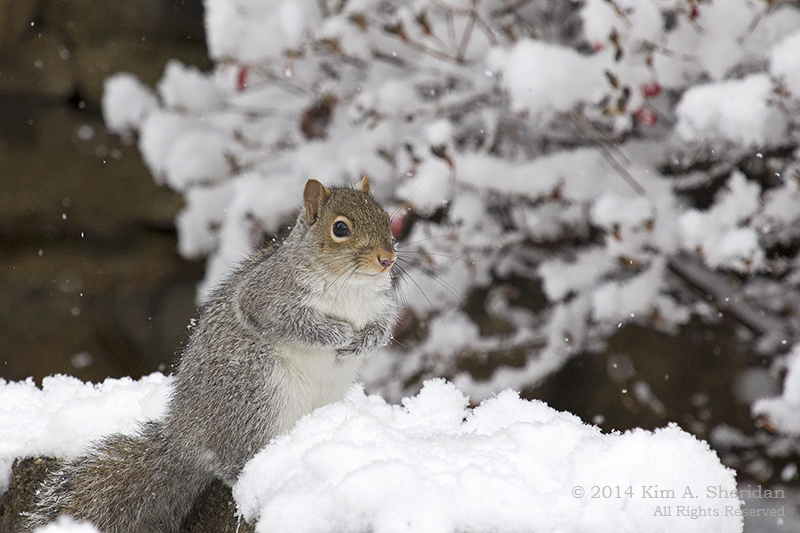
Snow at Home_5634acsMr. Squirrel ignores the food in front of him, and instead plots to raid the can of birdseed. The grass is always greener to our furry friend.

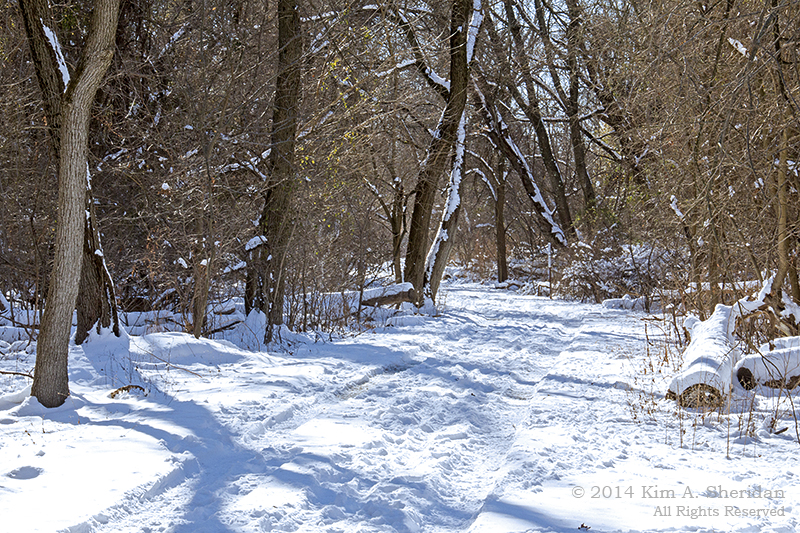
HNWR In Snow_8817a HNWR In Snow_8924acsA sunny day right after the storm entices us out to walk the trails at Heinz NWR.

This is the first time I’ve seen the Refuge covered in snow, and it’s delightful. Even the most ordinary things take on a new look.

Our old friend the chicken fungus now wears the face of Old Man Winter.

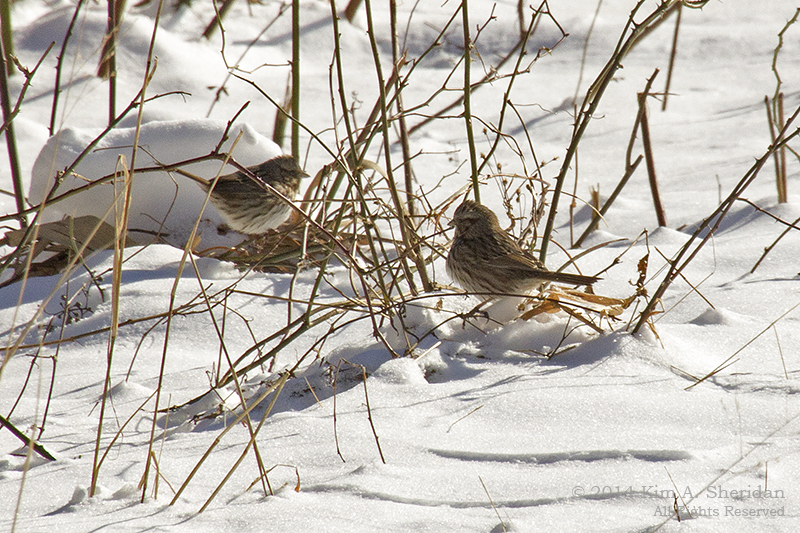
HNWR In Snow_8890a HNWR In Snow_8780aSparrows flit about among the grasses. We see tiny bird tracks and larger deer tracks everywhere. The snow is like Facebook for critters, recording their every movement for us to read.

HNWR In Snow_9005a HNWR In Snow_8863a HNWR In Snow_8902a HNWR In Snow_8931acs HNWR In Snow_8872aWinter is the time for beavers to get busy.

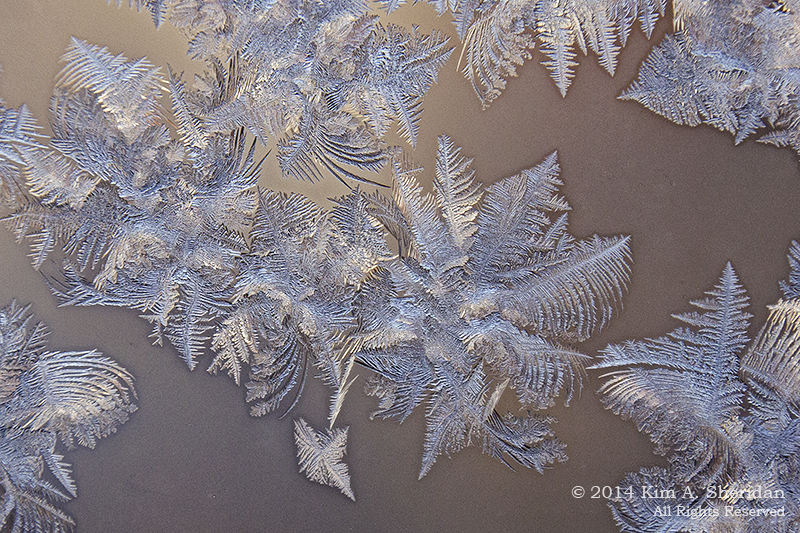
Frost_9058acs 2 Even a 2° morning has its charms. The polar vortex etches little ice feathers on my windows. Look quickly! The warmth of the house starts melting these beauties before I can even finish photographing them.

It’s so easy to come down with a case of snow panic with every storm. We all need to slow down, stop worrying and put down the shovel long enough to partake of the cure. An unhurried walk in a winter wonderland gives us a fresh look at our familiar world, and the gentle touch of Mother Nature’s magic lifts our souls.  HNWR In Snow_8909a

Snowy Days Are Here Again

Forsythe Snowy Owl_5213aIt was the news report that finally did it.

All week long, by word of mouth and the Internet, I’d been following the dispatches of a horde from the North. But when reports actually appeared on the TV news broadcasts, I knew I’d have to do something about it. I knew I’d have to face the invaders myself.

I gathered my lieutenants and headed into the bitter wind on a hastily arranged reconnaissance mission.

Forsythe Snowy Owl_5182aAnd who were these invaders, these large, nearly white creatures, with sharp talons and luminous yellow eyes? Abominable Snowmen? No, snowy owls.

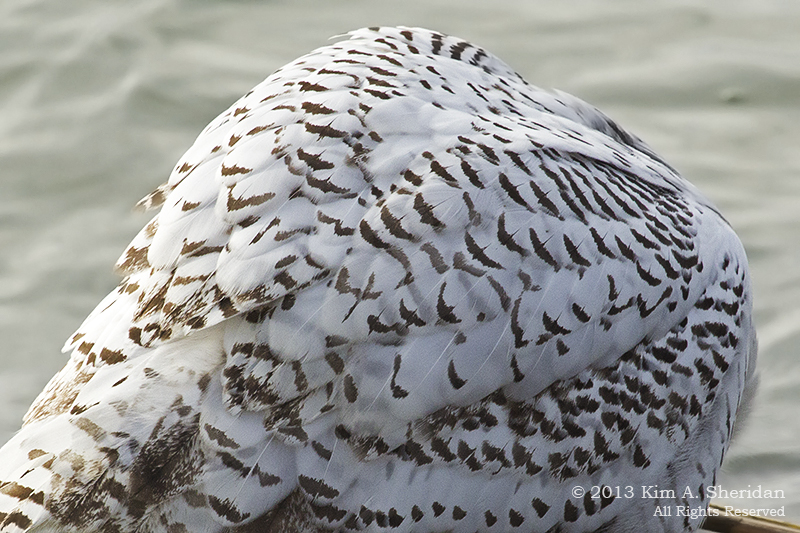
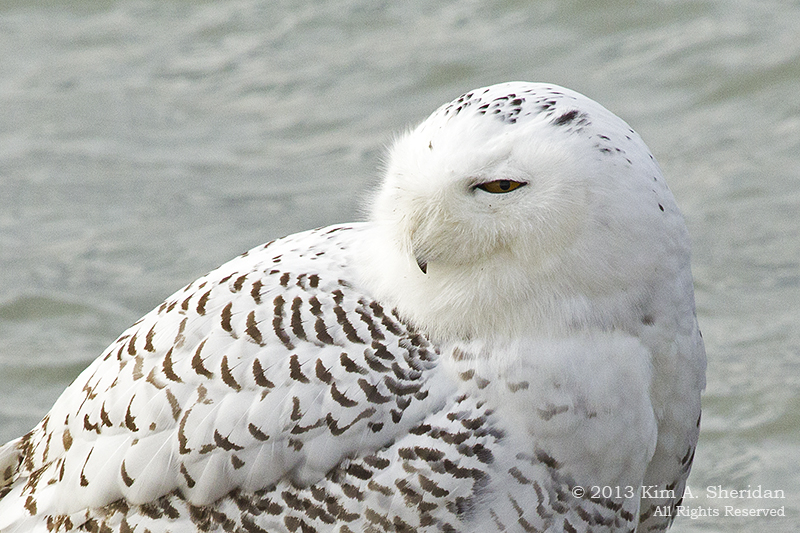
1 Snowy Owl_5105aThese large owls range from the usually all white adult male to females and juveniles who are white with dark bars and spots. In North America, they make their living on the grasslands and open tundra of the Arctic, hunting lemmings and other small mammals, by day as well as night.

Forsythe Snowy Owl_5205a In many years, New Jersey might see two or three of these large birds at most. But this year, since Thanksgiving, there have been reports of over twenty snowy owls in the state, many clustered along the shore and the Delaware Bay. Other Mid-Atlantic states are reporting similar influxes of owls. Reports of snowy owls being seen in Pennsylvania are coming in from Berks, Chester and Lancaster counties as well as State College and Presque Isle State Park on Lake Erie. The birds are turning up in Long Island, New York, Ohio, and Boston, as far south as North Carolina, and there’s even been one vacationing in Bermuda, and another in Florida.

What in the name of Harry Potter is going on?

Snowy owls are among a number of species of birds subject to winter irruptions in which large numbers of birds appear in areas far outside their normal range. These events are unpredictable in both their frequency and intensity. It would appear that the winter of 2013-2014 is shaping up to be an irruption year of historic proportions.

Forsythe Snowy Owl_5214CONSERVATION PIECE: Experts are divided on the cause of the irruption. The easy answer is the cyclical fluctuation of the lemming population, their main food source up north. The owls may produce large numbers of owlets when lemmings are abundant but skip breeding altogether when prey is scarce. The driving force behind the irruption may well be an overabundance of prey, leading to an owl population boom. Come the Arctic winter, there are more owls than available food. There may be other factors involved, however. At this point, ornithologists have more questions than answers.

FUN FACT: The snowy owls are looking for treeless areas that resemble the tundra they’re used to, so they’re most likely to be seen in places like beaches, marshes and fields, and, oddly, airports. In fact, in the highly developed Northeast, where native grasslands have all but disappeared, airports may be the best available open habitat for these birds. Sightings of owls – and conflicts with aircraft – have occurred at several airports along the East Coast

Forsythe Snowy Owl_4764a After researching the latest owl sightings online, Robb, Don and I decided our best chance of seeing a snowy owl would be at Forsythe NWR at the Jersey Shore. We thought the best we’d do would be a short look at one fairly far away, so when we got a good look at this bird above looking out over the marsh, we were pretty pleased.

Forsythe Snowy Owl_4870aLittle did we know that there was another owl further down the road, calmly sitting on the rocks not 30 feet from a large group of birders and photographers. Look closely to see it perched at the water’s edge just right of center, above. We watched this white beauty for at least a half hour.

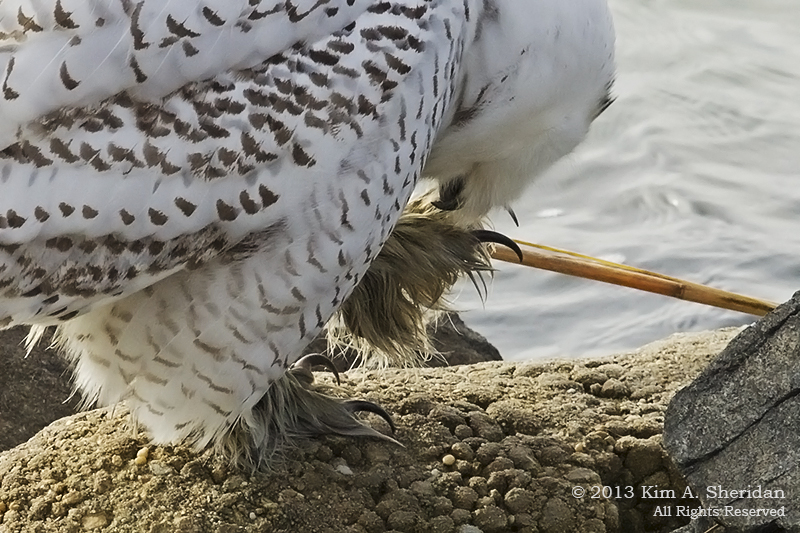
Preening Collage 1 We spoke in hushed tones as the bird calmly preened, running feathers through its beak one by one. When it was time to move on, it was hard to tear ourselves away. Since that day, there have been many more reports of owl sightings, and it appears they are here for the winter. I am hopeful I will get another chance to see another of these majestic birds, but my first encounter with a snowy owl was a real hoot!

LOCAL FOCUS: If you are interested in seeing these magnificent birds for yourself, there are a number of opportunities. Check the Cornell Laboratory of Ornithology’s online bird survey, eBird, which has been tracking the irruption thanks to reports of hundreds of amateur observers. Their article on the phenomenon includes links to real-time maps showing the most recent sightings. http://ebird.org/content/ebird/news/gotsnowies2013/

3 In Your Face_5288aHappy Whoo Year!

Coming up: Snowed In

Dallas, On the Wild Edge

White Rock Lake Birds_5593a Winter scenery from deep in the heart of Texas. All in an urban or suburban setting. All within a short drive of Dallas.

Great-tailed Grackle at White Rock Lake, above.

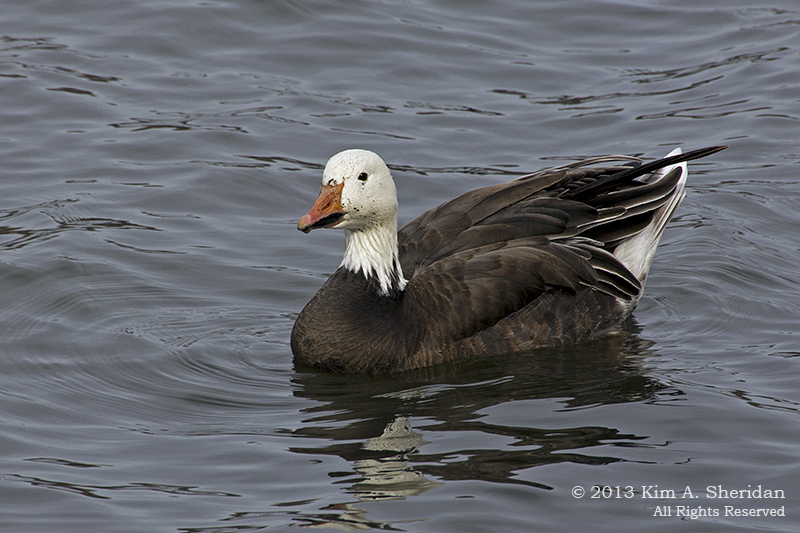
White Rock Lake Birds_5616aSnow Goose, White Rock Lake – the “Blue Goose” color morph.

White Rock Lake_6637b Eastern Fox Squirrel, White Rock Lake.

White Rock Lake_6857aMonk Parakeets, White Rock Lake.

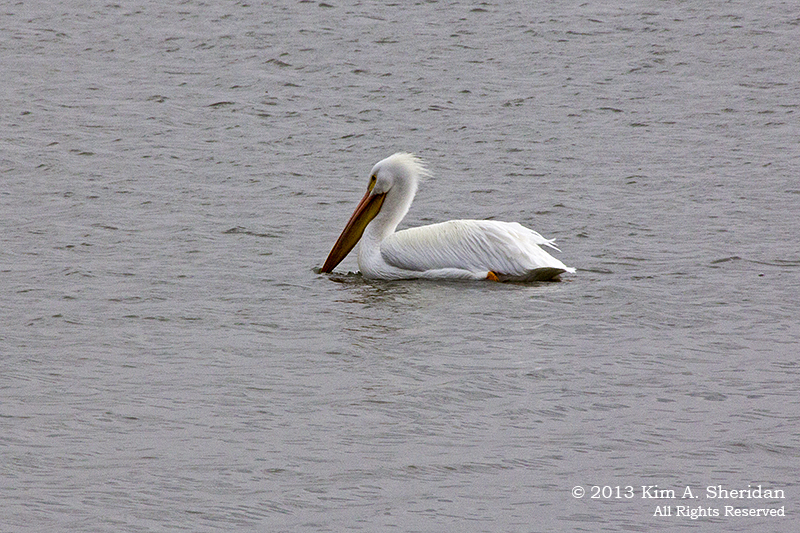
White Rock Lake_6802a American White Pelican, White Rock Lake, above and below.White Rock Lake_6877a

Trinity River AC_5434a Trinity River Audubon Center.

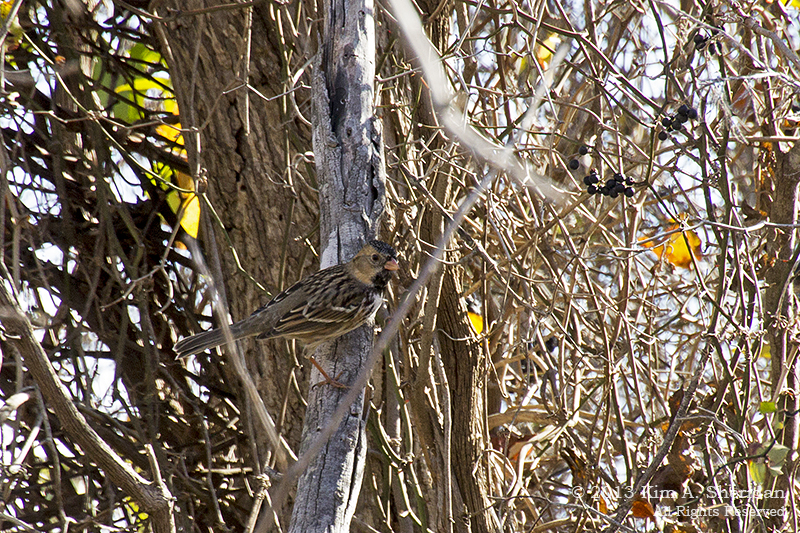
Trinity River AC_5304aHarris’s Sparrow, Trinity River Audubon Center.

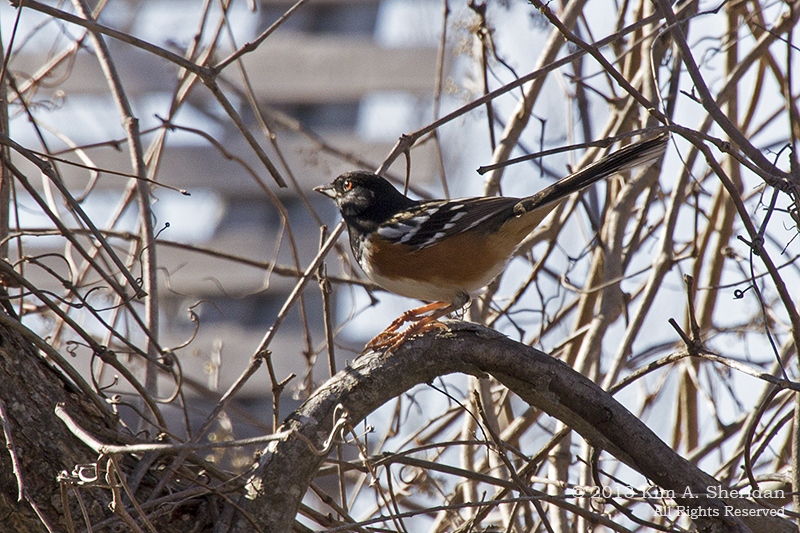
Trinity River AC_5349a Spotted Towhee, Trinity River Audubon Center.

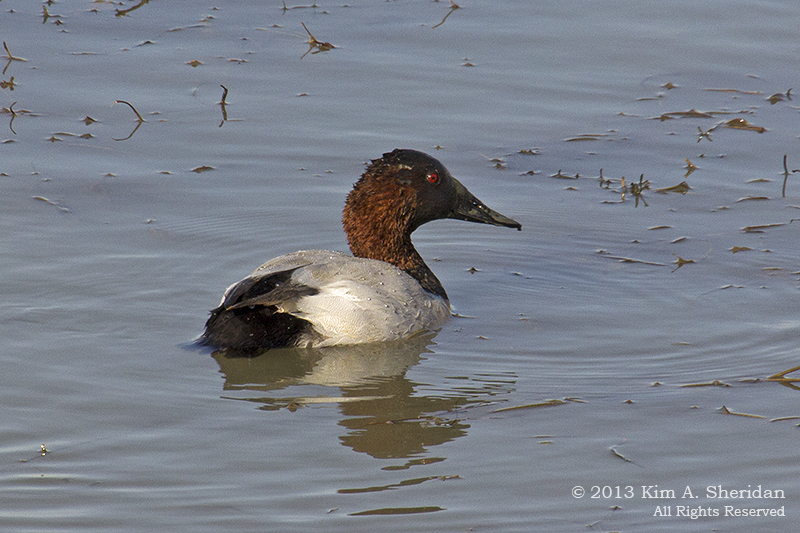
Cedar Hill State Park_6087a Canvasback, Cedar Hill State Park.

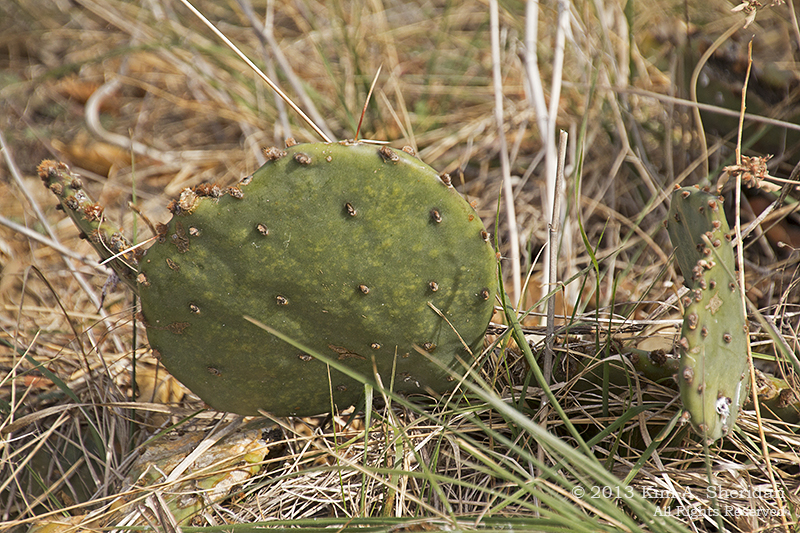
Cedar Hill State Park_6234aCactus, of course. Cedar Hill State Park.

Cedar Hill State Park_6204aGreater Roadrunner, Cedar Hill State Park.

BEEP-BEEP!

Coming up: Christmas at Longwood Gardens

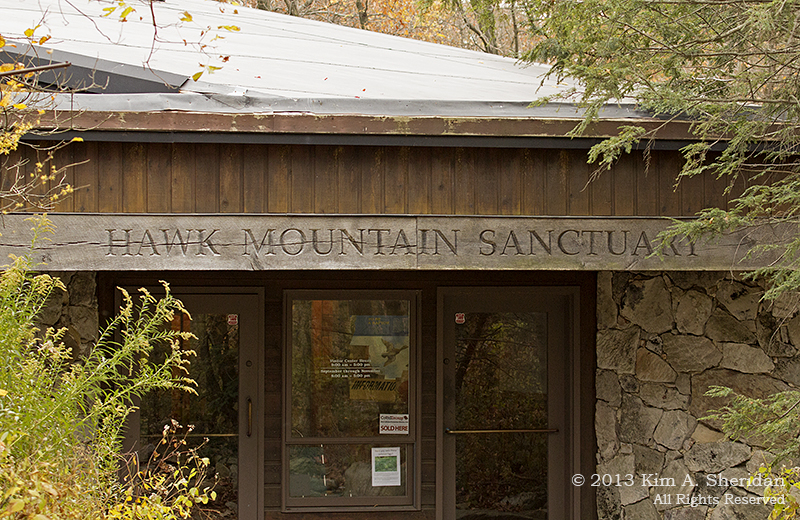
Hawk Mountain

Hawk Mountain_0372a Welcome to the Endless Mountain, a long ridge known as Kittatinny that stretches 300 miles from Maryland northeastward through Pennsylvania and New Jersey into southern New York. Hawk Mountain Sanctuary sits on that ridge, and is internationally known as a premier place to watch the spectacle of fall raptor migration. Cross winds that hit face of the ridge create updrafts that southward migrating raptors use to carry them over the mountain.

On a clear fall day, with a northwest wind after a cold front, one might be treated to hawks, falcons and eagles flying past in large numbers and at close range. The day Colleen, Erika and I went to Hawk Mountain was not one of those days. It was a fun fall outing for us anyway.

Hawk Mountain Rock_0573aHawk Mountain is in the Ridge and Valley ecoregion, and is completely different from the flat Atlantic Coastal Plain of Heinz Refuge and southern New Jersey that I spend so much time in. For starters, there are hills. LARGE hills. Then there are the rocks. These range from small stones to enormous boulders. Like these at Bald Lookout (above).

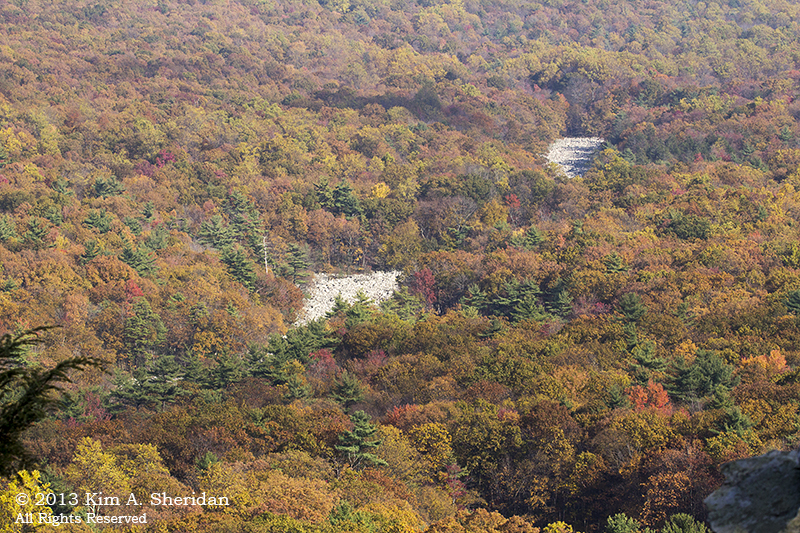
Hawk Mountain_0800a From South Lookout we could see the River of Rocks below, a geologic feature that looks like water but is actually an Ice Age boulder field.

Hawk Mountain_0515aThe Lookout Trail was easy at first, well-groomed and relatively flat. Along the way we spotted a few small birds, including this Hermit Thrush (above) and a Tufted Titmouse (below), who was not giving up his leaf toy without a fight.Hawk Mountain_0491a

Hawk Mountain_0637a After Bald Lookout, the trail became much more rocky and challenging. There’s lots to see along the way, though, and stopping to look is a great excuse to catch your breath. The variety of mosses scattered among the stones made for an interesting vignette (above). A lot of the rocks like this one (below) are covered in lichens.Hawk Mountain Rock_0422a

We finally arrived at the North Lookout, and here I learned a valuable lesson: camera and binoculars go INSIDE the daypack at Hawk Mountain while on the trails. I overbalanced on a boulder and sat down VERY hard. I was lucky, just a scraped shin and bruised bum, but I could have done some significant damage to my equipment.

Okay, folks, we’re here and ready for the Raptor Show!  Apparently the hawks didn’t get the message. On this day, the birds that flew over the ridges were so far away as to be no more than specks. The official spotters, who were armed with scopes, told us that we saw Red-tailed and Red-shouldered Hawks, and even a Golden Eagle, but they all looked like little black dots to me.

Hawk Mountain_0721a  Dear Mom and Dad, I went to Hawk Mountain and all I got was this lousy Turkey Vulture…

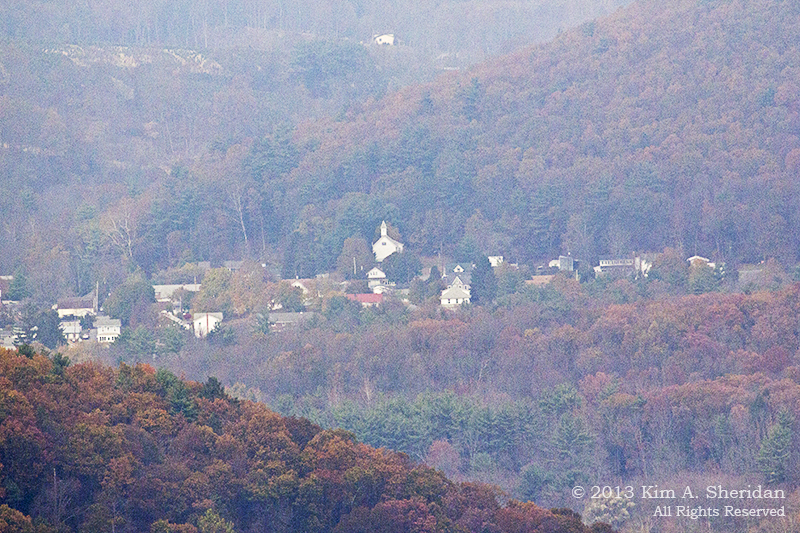
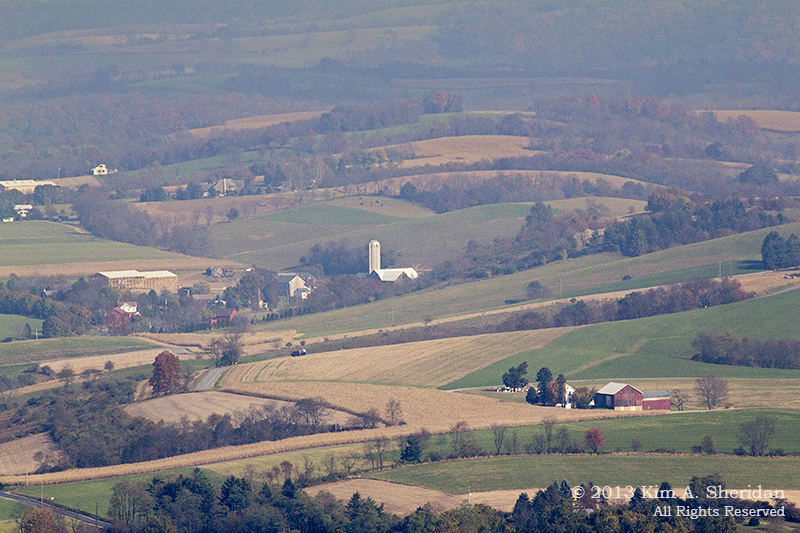
Hawk Mountain_0715aEven the hills were shrouded in mist, muting the brilliant fall color and making landscape photography difficult. Nestled in among the trees were some farms and little towns, just visible through the haze.Hawk Mountain_0822a

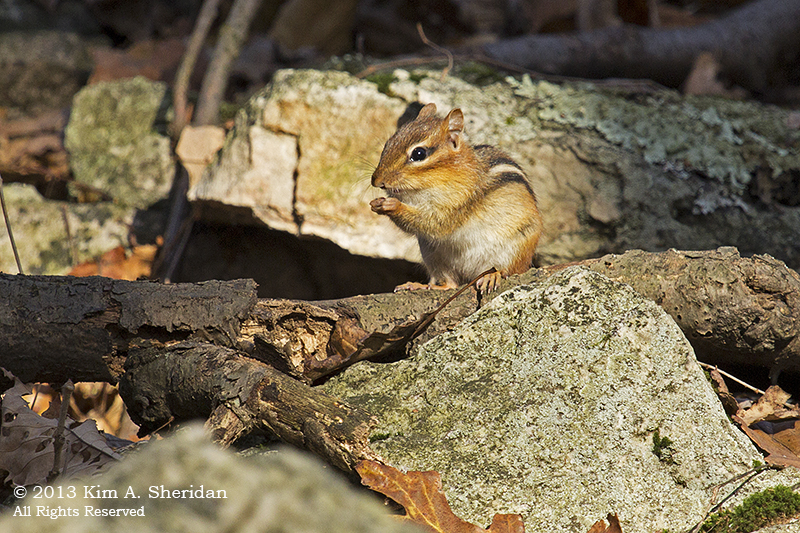
Of course, within ten minutes of leaving North Lookout, the sun broke out and the sky turned brilliant blue. No doubt the hawks were laughing at us hapless humans. I think even this little chipmunk was laughing at us. But we enjoyed the day, so we had the last laugh!Hawk Mountain_0789a

 CONSERVATION PIECE: During the Great Depression, the Pennsylvania Game Commission paid $5 for each hawk killed, which led to the widespread slaughter of raptors. Hawk Mountain was a popular place to stand and shoot hundreds of passing hawks for sport. Dead hawks at the SlideConservationists began to oppose the killing, and one ornithologist recovered and photographed the abandoned carcasses. Those photographs reached a New York activist named Rosalie Edge, who in 1934 leased 1,400 acres on Hawk Mountain and immediately imposed a hunting ban. The next year she opened Hawk Mountain to the public to watch the hawks migrate. She then purchased the land and gave it to the Hawk Mountain Sanctuary Association in 1938. Hawk Mountain has been a wonderful place to witness the marvel of migration ever since.

Want more information? http://www.hawkmountain.org/

Historical photo courtesy of Hawk Mountain Sanctuary Association      http://www.hawkmountain.org/who-we-are/history/page.aspx?id=387 


Crab Dance

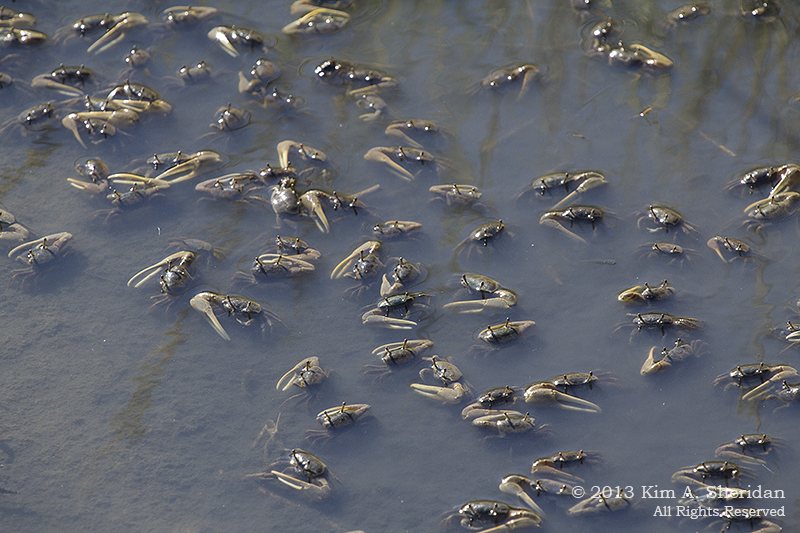
Forsythe NWR Crab_6482a Have you ever noticed something for the first time, and after that you see it everywhere? For me, this was the summer of the Fiddler Crab. Why I’d never noticed them before escapes me, but after my first encounter with a few at the Wetlands Institute in Stone Harbor, I saw them just about everywhere I went. Usually in large numbers!

Fiddler crabs are small crabs that live in salt-water and brackish water marshes, beaches and mudflats. They are colonial and social critters that are active during the day.

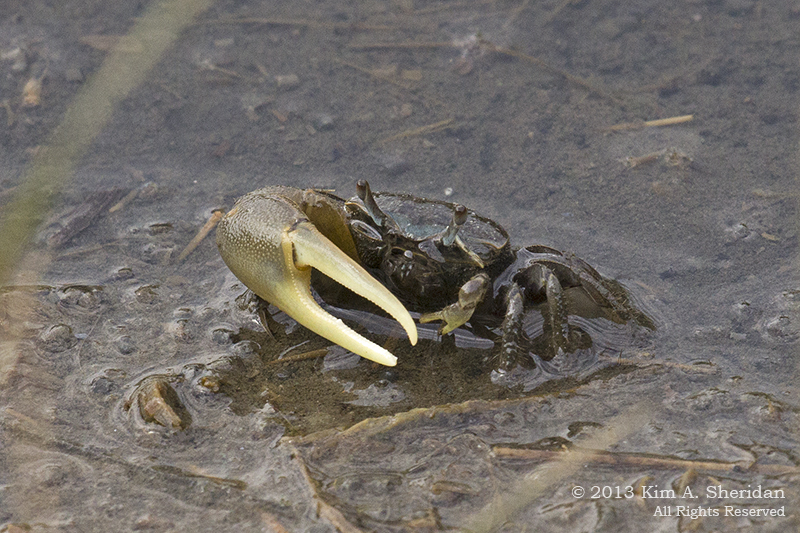
Stone Harbor Wetlands Institute_2629aThe male crabs are particularly odd-looking because one of their front claws is grossly enlarged. It’s used to court females and engage in ritualized combat with other males. In tai chi, we have a move that looks just like this!

FUN FACT: Fiddler crabs molt their shells as they grow. If a male loses his large claw, he will grow a new one during the next molt, on the opposite side of his body. The movements of his small claw against the large one resemble someone playing a fiddle, hence the name.

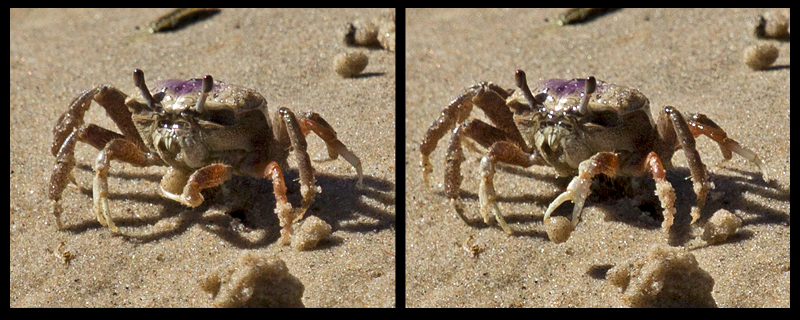
Crab Collage 1Fiddlers eat by scooping up mud or sand (left), removing algae and other organic material, and then returning the mud in the form of a pellet (right). Females like this one rapidly alternate between both claws as they feed. A male crab’s large claw is useless to eat with, so he has to eat one-handed.

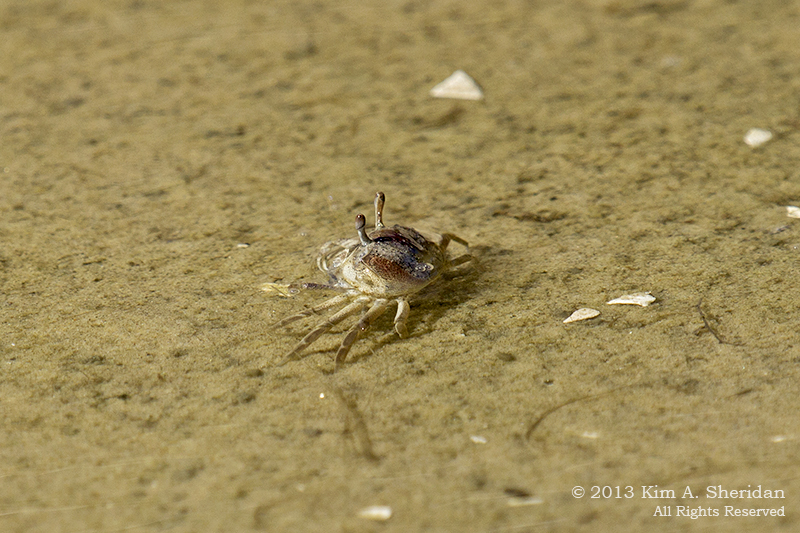
OC Corsons Fiddler Crabs_4642a Here is a fiddler crab near her burrow, with sand pellets to the side. They dig their burrows one pellet at a time, carrying it under their body as much as five feet away before returning to fetch another pellet. These burrows can be as deep as two feet! That’s a lot of work for an inch long crab.

Cape May Skimmer Peep_6854aThe marsh bank below this Semipalmated Sandpiper is riddled with crab holes. The burrows are important shelters from not only predators, but the daily ebb and flow of the tides. Fiddler crabs have biological clocks synchronized to the tides, and retreat to the burrows when high tide approaches, plugging the entrance with mud.

OC Corsons Fiddler Crabs_4621aThe smaller crab here approached this larger female very tentatively, and then tried to scurry past her. Only to have the large female scurry right alongside. They moved in parallel like that for quite some way. Was this a territorial dispute? Is the small crab a juvenile? Some of life’s little mysteries we’ll never solve!

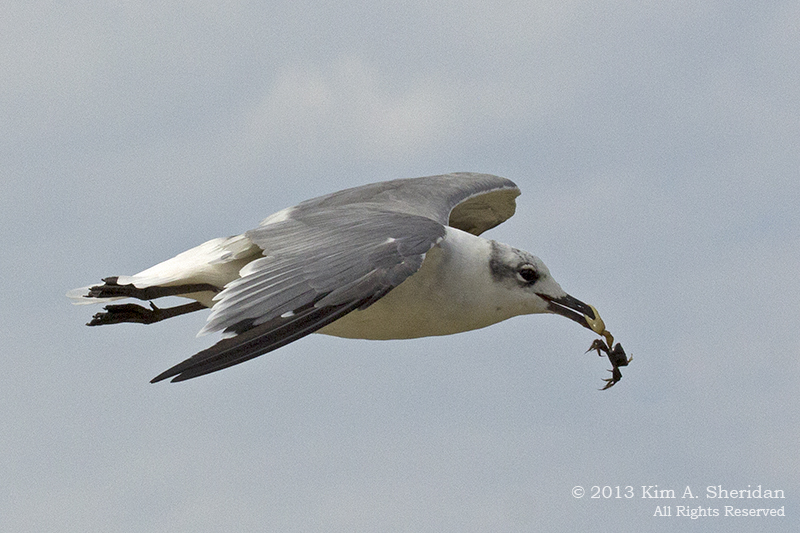
OC Corsons Fiddler Crabs_4533aIt’s a big world out there for a little crab. They have a lot of predators. Threats can come from larger crabs like the marsh crab, diamondback terrapins, and even mink and raccoons. Then there are the dangerous birds, like Great and Snowy Egrets, Great Blue Herons, terns, and gulls.

Stone Harbor Wetlands Institute_2528 Gull and CrabSometimes the crab fights back. I’m not sure who’s captured who!

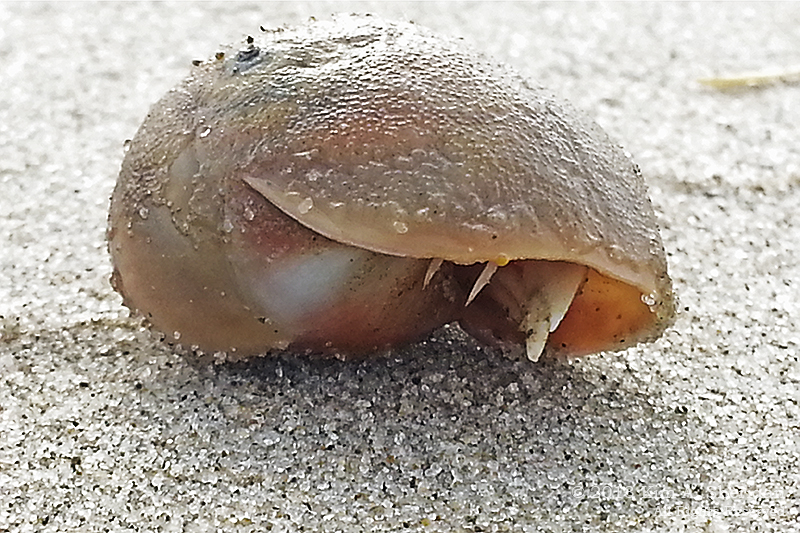
OC Hermit Crab_091753a Here’s a different sort of crab – a flat-clawed hermit crab. Hermit crabs are soft-bodied, and must find someone else’s shell to live in, typically abandoned sea snail shells. I collect a type of moon shell known as a shark’s eye. Usually they’re empty, but I was delighted to find someone at home in this one! I couldn’t coax him out to play, though. Hermits are usually nocturnal, so probably he’d have rather been napping. (It makes me cringe to admit it, but these are cell phone photos. It was all I had with me at the time.)

FUN FACT: Hermit crabs need to replace their shells as they outgrow them. Crabs like to shop for new shells, trying various ones on for size. Sometimes this leads to fights, or a number of crabs ganging up on one whose home they covet. Sometimes they form a “vacancy chain”. A new shell in the neighborhood will draw a crowd of hermit crabs. The largest crab in the group will move into it, leaving his shell behind. That will be taken by the next largest crab, leaving his shell to the third largest, and so on down the line!

OC Hermit Crab_092723Take time to look at the little things in life. You never know what you might find!

Coming up: Looking for Fall