On The Ridgeline

MI Ludington State Park_9626aLudington State Park is only five minutes away from my family’s home in Michigan. Its lakes, dunes, woodlands and miles of trails draw me there time and again.

MI Ludington State Park_9390acsThe Island Trail running between Hamlin Lake and Lost Lake is my favorite place to explore. Birch, maple and pine trees line the sandy path.

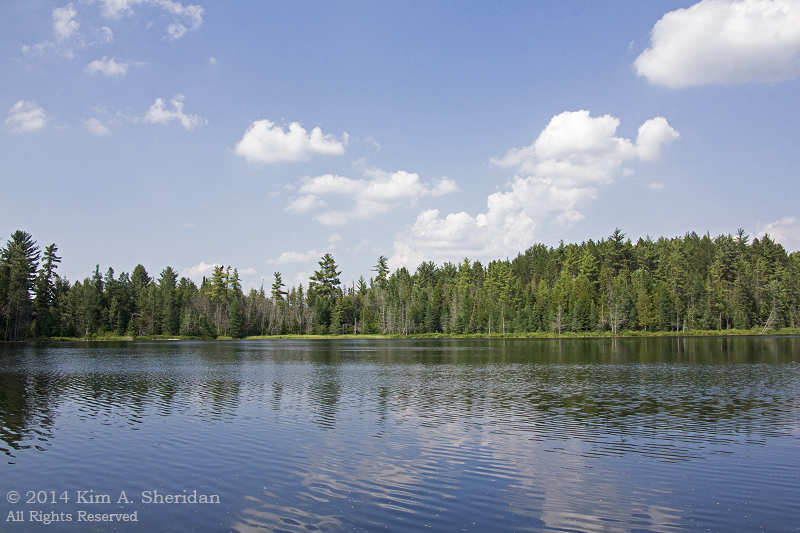
On one hand, grassy marsh meadows soon give way to dark Lost Lake. On the other, big Hamlin Lake lies sparkling in the sun.
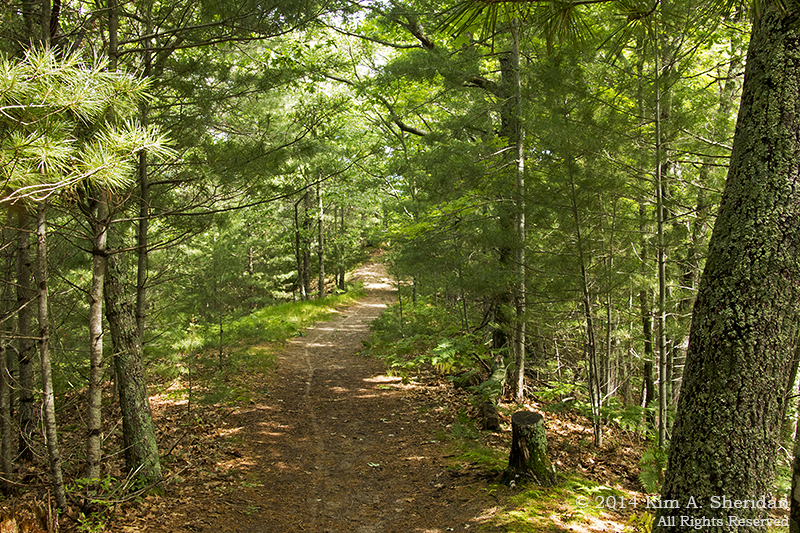
MI Ludington State Park_9420acsThis year I finally had a chance to walk the Ridge Trail and complete the loop. As you would expect from its name, the Ridge Trail runs along a sand dune ridge. Unlike the smaller grassy beach dunes, these dunes are wooded.

The trail climbs so steeply at first as to need wooden stairs, and then settles into a gentler rise. The top of the ridge is narrow; just on either edge of the trail, the land drops precipitously into deep valleys.

MI Ludington State Park_9516acsThe higher you climb, the more exposed the ridge becomes. Old tree stumps show the effects of wind, rain and sun.

MI Ludington State Park_9430acsIf you’re tired from the climb, you can have a seat. Dunes are living things, constantly shifting with the winds. Here the sand is slowly devouring this bench.

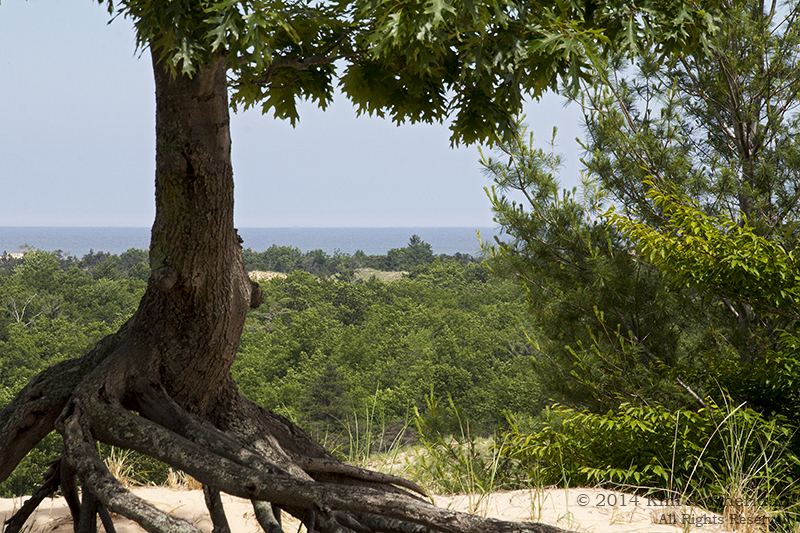
MI Ludington State Park_9541aAs the dune is blown away from the bases of the trees, it reveals a marvelous tangle of twisted roots. Lichen and moss clothe the exposed bark.

Roots like this and the weathered remains of old trees lie everywhere on the ridge, a sculpture garden left behind by elfin artists.
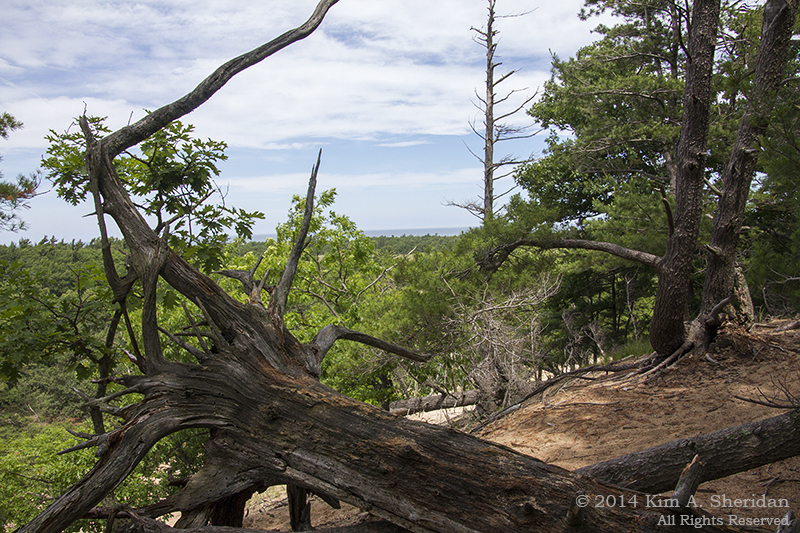
MI Ludington State Park_9578aFrom the summit, Lake Michigan appears, playing peek-a-boo between the fallen trees.
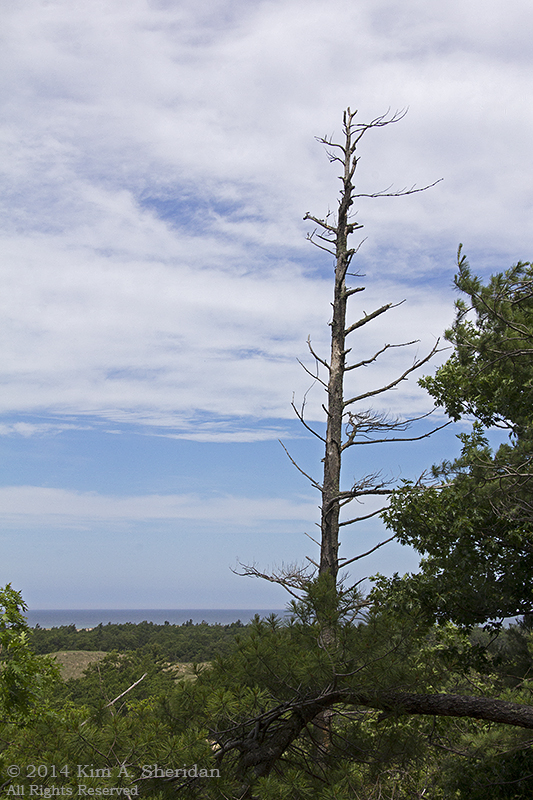
MI Ludington State Park_9586acsThe Old Sentinel.

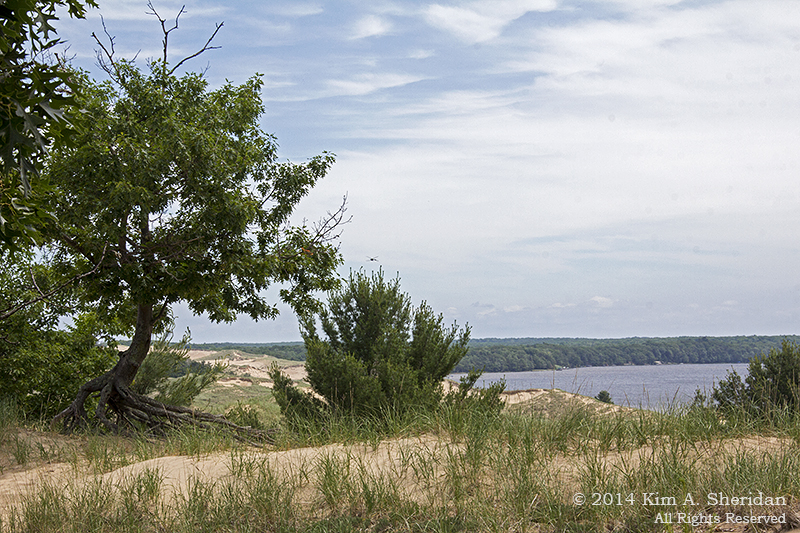
MI Ludington State Park_9616acsFurther along, a side trail winds through open dunes to overlook Hamlin Lake. A great spot for lunch, except for the mayflies. Can you see that X-shaped thing hovering over the small bush in the center? (As always, click the photo to see a larger image.)

No, that’s not a tiny spaceship. It’s a mayfly that managed to photo-bomb my perfectly nice landscape shot.

FUN FACT: Mayfly naiads (the immature stage) live a year or two on the bottom of lakes, molting several times. The final molt produces the adult mayfly, which will live only a day or two. They’re harmless to humans – except that often they all mature at once, creating swarms that can really annoy the unsuspecting picnicker.

MI Ludington State Park_9695aWhat goes up must come down, and soon enough the Ridge Trail descends to rejoin the Island Trail.

Last winter was rough here in Michigan, and portions of the path must be traversed with care. Erosion along the shore of Hamlin Lake undermines soil and trees alike.

MI Ludington State Park_9760aIn a marshy bay of Hamlin Lake, a Great Blue Heron pauses from fishing to offer a fitting benediction to a happy day on the trail.

The Forest Primeval

MI Hartwick Pines 1 Old Growth Forest_9078acsNo cathedral built by man could match the majesty of this forest sanctuary.

MI Hartwick Pines 1 Old Growth Forest_9082aRugged russet trunks rise straight and true to the arched ceiling of deep verdant green.

All is hushed but for the small rustlings of squirrel and chipmunk congregants below, and the whisperings of the wind in the pines that tower above.

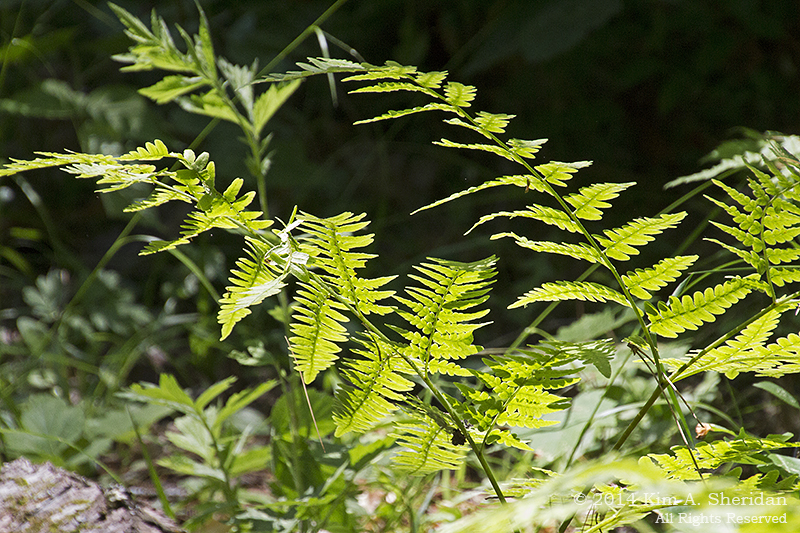
MI Hartwick Pines 1 Old Growth Forest_9104aThe floor is laid, not with stone, but lush ferns and wildflowers. Where some old giant has fallen, light streams through the canopy as through stained glass. Porcupines, pine martens and bears have all walked the aisles of this forest older than time.

The air is still, the mood solemn, the spirit mysterious, eerie, primeval.

MI Hartwick Pines 1 Old Growth Forest_9101aOnce upon a time, pine forests covered 10 million acres of the North Country. Now only small remnants remain. This 49 acre old growth white pine forest endures at Hartwick Pines State Park in Michigan.

The pines here are thought to be over 300 years old, stand 120 feet or more, and may reach four feet in diameter at breast height. Eastern hemlocks and red pines attend these kings. Below them is a shaded understory so dark, it seems eternally twilight.

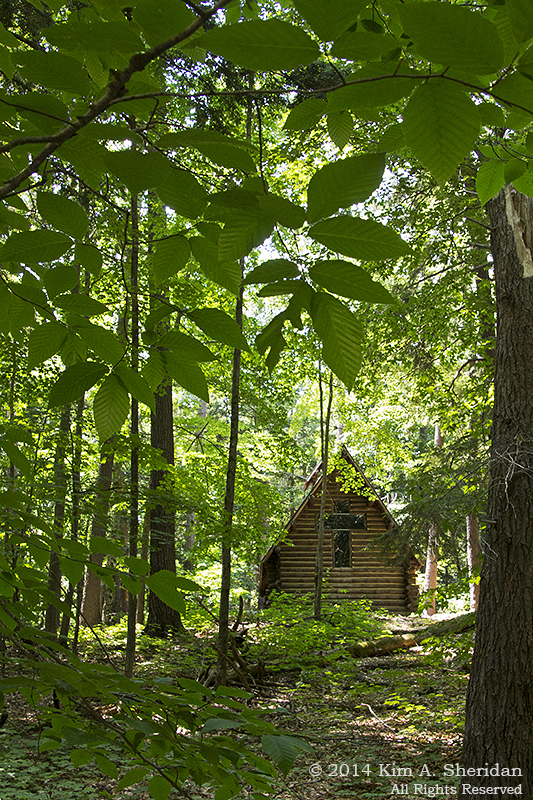
MI Hartwick Pines 1 Old Growth Forest_9116aAt the edges, where maples and beeches mingle with the pines, rests a small chapel.

A church within a church.

Quaint and cozy, yet somehow superfluous.

Are not the pines themselves enough to inspire reverence in such a setting?

Must people seek the Creator within walls while all of Creation stands without?

MI Hartwick Pines 2 Scenic Drive_9214sStep from the forest cathedral, and other mysteries beckon the soul.
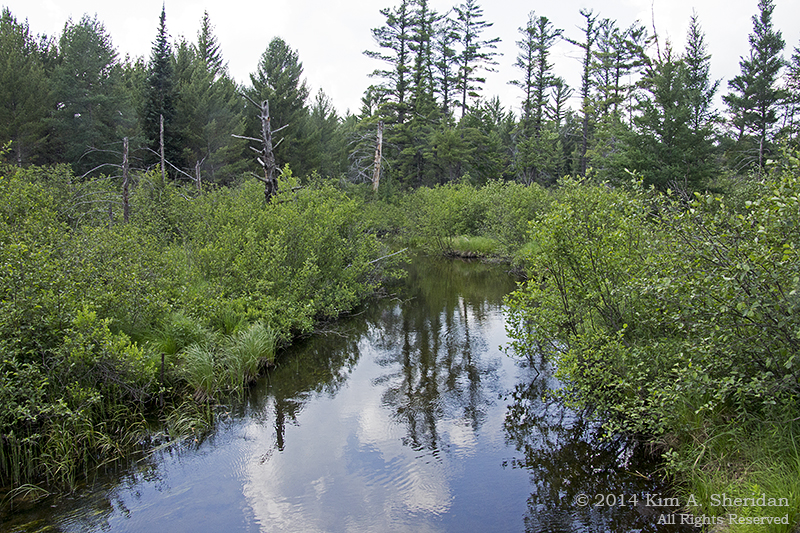


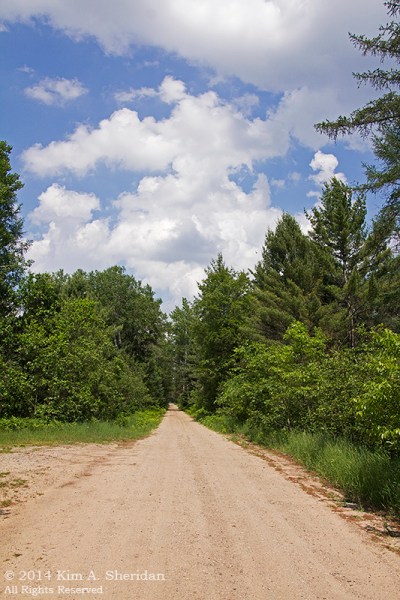
This dirt road, for instance.

Don’t you want to know what’s around the next bend?

Let’s see what we can find.

MI Hartwick Pines 2 Scenic Drive_9134aThe Au Sable River meanders its way through wetlands and woods, singing a soft hymn as it goes.

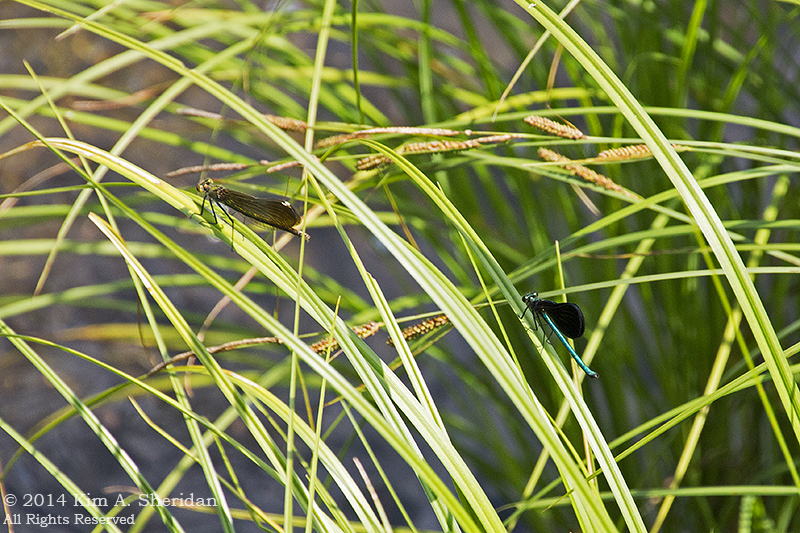
MI Hartwick Pines 2 Scenic Drive_9173aTwo very different dragonflies share a pew.

MI Hartwick Pines 2 Scenic Drive_9185acsA Northern Crescent butterfly preaches from a sunflower lectern.


MI Hartwick Pines 2 Scenic Drive_9211a

A choir of brightly cloaked angels.


MI Hartwick Pines 3 Nature Trail_9245acsGlory, Glory, Hallelujah!

Glory Lake reflects the glory of northern Michigan in the colors of azure sky, cobalt water, and emerald pines. At the top of a tall tree nearby perches an Osprey, looking for prey.

Glory Lake, and its sister, Bright Lake, are kettle ponds formed during Michigan’s glacier period. Ice blocks that broke off from the glaciers formed depressions that filled with water after the glaciers retreated.

MI Hartwick Pines 3 Nature Trail_9294acsA trail leads from the ponds into a diverse woodland.

Besides the aspen at left, there are white, red and jack pines.

Spruce, hemlock, and cedar.

Beech, maple and oak trees.

Shrubs, ferns, wildflowers, and a potpourri of plants are also abundant.

It’s a botanist’s dream.


MI Hartwick Pines 3 Nature Trail_9286a

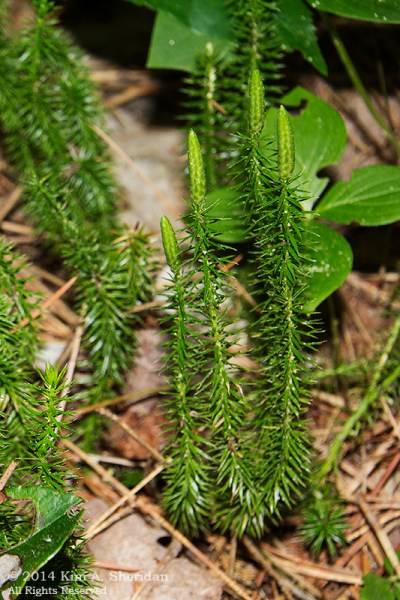
Behold! – Lycopodium!

These are club mosses, but don’t be fooled by that name. They are not true mosses at all, but vascular plants.

Like teeny tiny Christmas trees a few inches high, they bring joy to those who spot them.

These little plants are much favored by the true of heart.

MI Hartwick Pines 3 Nature Trail_9281aAt trail’s end, a quiet spot for contemplation. From towering pine trees to miniscule club mosses, ferocious dragonflies to gentle butterflies, the mysteries of the land inspire reverence and wonder.

May Nature’s blessings be with you all. Go in peace.

Michigan Rara Avis

MI Grayling State Forest Kirtlands_8872acsHow far would you travel to see a rare bird?

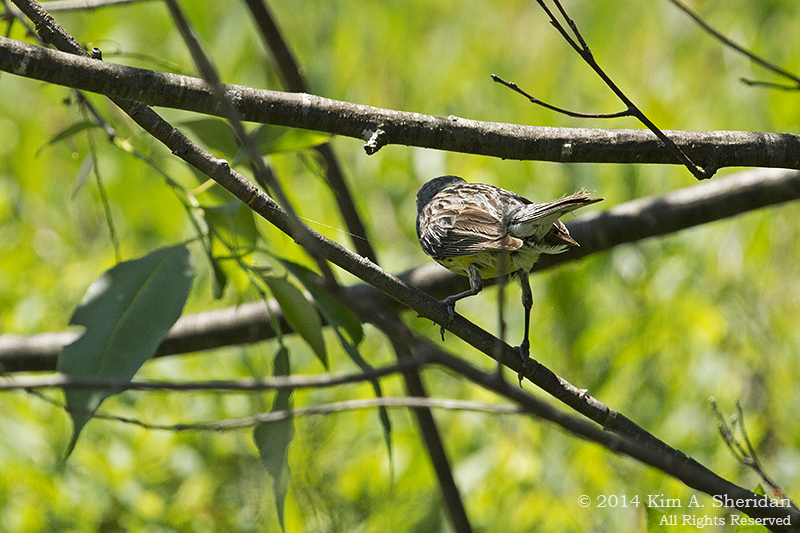
I flew 800 miles and then drove 150 more to see this one: a Kirtland’s Warbler (Life Bird #188).

Okay, full disclosure; I was going to Michigan anyway. I did plan my trip for late June and then drive across the state for a glimpse of this bird, though. I didn’t fool around trying to find this rare, flitty little warbler by myself, either. I took a tour sponsored by Michigan Audubon and led by a very knowledgeable young woman.

What’s so special about this bird that people travel hundreds of miles and take tours to see it?

MI Grayling State Forest Kirtlands_8914aKirtland’s Warbler is a Federal Endangered Species, and it nests only in young jack pine forests in Michigan and Wisconsin. It was listed as an Endangered Species in 1967. In 1973 the Kirtland’s Warbler Recovery Team was created, with representatives from the U.S. Fish and Wildlife Service, U.S. Forest Service, Michigan Department of Natural Resources, Michigan Audubon and other organizations. The following year 167 singing male warblers were recorded, a record low number.

Conservation measures enacted by the Kirtland’s Warbler Recovery Team are working. In 2011, 1,828 singing males were recorded, well beyond the plan goal of 1,000. In fact, the number of warblers has exceeded the recovery goal for over a decade.

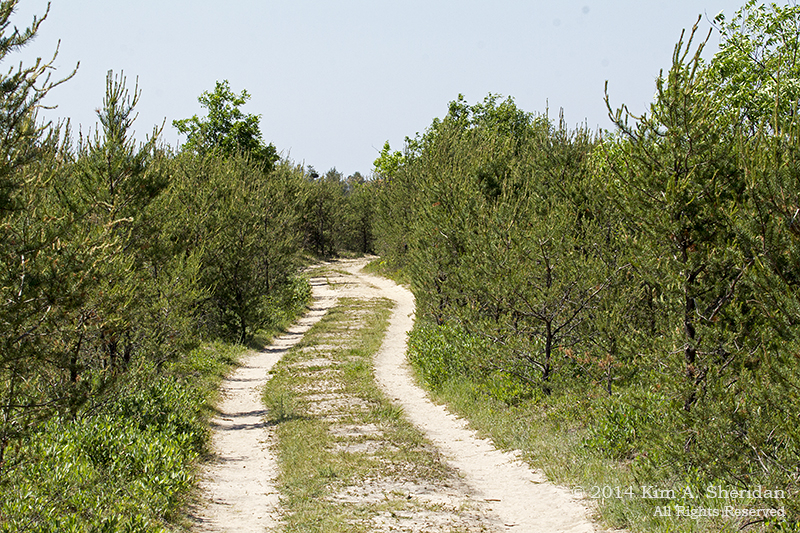
MI Grayling State Forest Jack Pine_8868aTwo-track road through a jack pine plantation in Grayling State Forest, an area actively managed for Kirtland’s Warbler.

MI Grayling State Forest Jack Pine_9039acsPine cone of a jack pine tree. See how it’s closed up, with its seeds still inside? This is a serotinous cone. It only opens and drops its seeds under the high temperatures of a wildfire. Jack pines have adapted to take advantage of frequent fires.

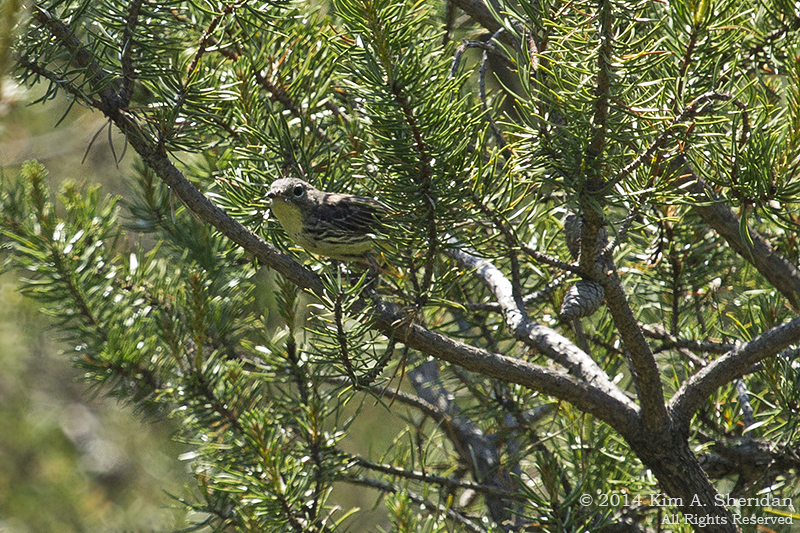
MI Grayling State Forest Kirtlands_8892acsKirtland’s Warblers have adapted to take advantage of jack pines. Young pines, that is. They nest on the ground under cover of the drooping lower branches. One pair needs at least 8 acres, and maybe as much as 30, of small pines. Once those trees reach twenty feet, the birds no longer nest there. Historically, frequent wildfires maintained this young jack pine habitat. Since this is the only tree the warblers nest in, they are dependent not only on jack pines, but frequent fire.

Except that fire is a tricky thing to manage. In 1980 a controlled burn got out of control and led to a wildfire that burned 25,000 acres and killed a USFS biologist. So now the Recovery Team relies on that nemesis of many environmentalists, clear-cutting. Areas of about 4,000 acres each year are logged and replanted with jack pine seedlings on a rotating basis, ensuring that there is always suitable habitat for the Kirtland’s Warbler.

Also, Brown-headed Cowbirds frequently lay their eggs in Kirtland’s Warbler nests, leading the warblers to raise cowbirds rather than their own young. So cowbird control is a critical part of the plan.

MI Grayling State Forest Kirtlands_8901acsEven though the Kirtland’s Warbler has exceeded its recovery goal, the need to suppress natural wildfires to protect life and property means that continued management with human intervention will be needed. But it’s not just this little half-ounce warbler that benefits. Young jack pine habitat is beneficial for wild turkeys, badgers, white-tailed deer, snowshoe hares, numerous birds and at least two threatened plant species.

MI Grayling State Forest Kirtlands_9054aOh, it figures. My closest and sharpest photo of a Kirtland’s, and what do I get? A bird butt! Turn around, please…

Please?

MI Grayling State Forest Kirtlands_9055aThat’s better, but now there’s a stick in the way. Move a little to the left, please?

These fashion models, they’re just so flighty.

MI 2 Buttersville South Breakwater_9960acsHere’s a bird I did not plan for. This is a Piping Plover (Life Bird #189). I found him in Buttersville Park, just south of the Ludington South Breakwater.

On the Atlantic Coast Piping Plovers have Threatened status, but in the Great Lakes region they are officially Endangered. These little guys like to nest right on the beach and dunes, in cobblestones or sparse vegetation. Humans and pets using the beach disturb the birds, sometimes leading to nest abandonment. In addition, people and vehicles may accidentally crush eggs or tiny young chicks. Add in predation by wild animals and habitat loss due to beach development and it’s no wonder this tiny bird is in trouble.

People are helping the Piping Plover, though. Nesting habitat is identified and monitored, with human access restricted where necessary. Active nests are fenced to keep people and predators out.

MI 2 Buttersville South Breakwater_9976aWait! Don’t fly away mad!

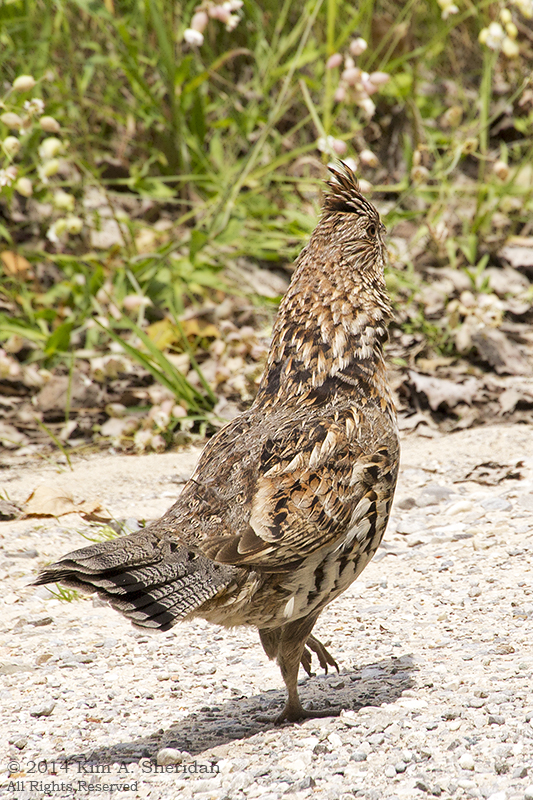
MI 4 SLBE Port Oneida Grouse_0916aAnother completely unexpected bird, this Ruffed Grouse (Life Bird #190) is anything but rare. In fact, they are widespread all across the U.S. They are really elusive and hard to see, though – in some areas.

My friend Don, convinced he’ll never see a Ruffed Grouse, has made it his life’s goal to hear one drumming in its spring courtship ritual.

Imagine his surprise when I e-mailed this photo taken at Sleeping Bear Dunes National Lakeshore.

MI 4 SLBE Port Oneida Grouse_0892acsFor that matter, imagine my surprise when I turned down a dirt road and came upon this bird strutting around. It paraded slowly down the road for quite some time while I took photos right from the front seat of my car. It didn’t seem at all concerned by my presence. It appears that, unlike shy Eastern grouse, Midwestern birds are much bolder.

MI 4 SLBE Port Oneida Grouse_0890acs

I’m ready for my close-up now.

Light Up The Sky

MI Fireworks_2027acsThe Fourth of July celebration in Ludington, Michigan moves to the lake in the evening. Fireworks are a great excuse for one big beach party!

MI Fireworks Beach_1892acsComplete darkness doesn’t arrive here until 10:30, so there’s plenty of time for other entertainment. People gather in droves at the city park, and bonfires stud the shore of Lake Michigan. Fireworks start going off up and down the coast long before dark.

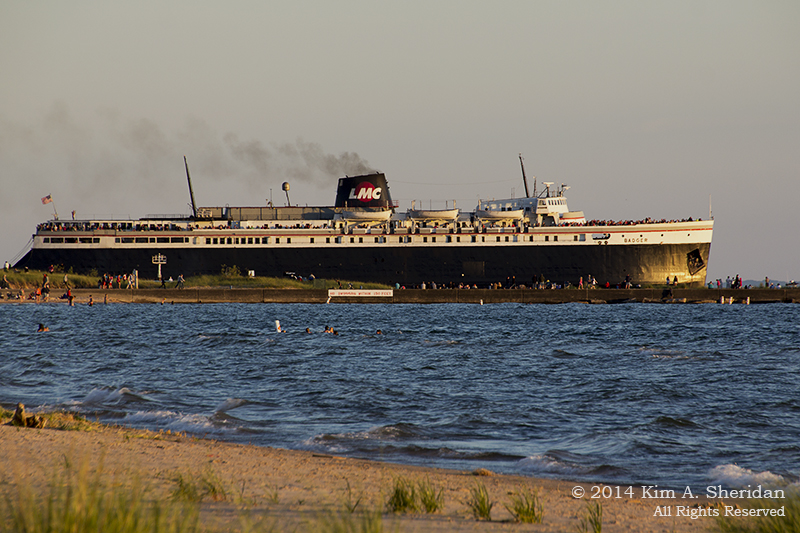
MI Fireworks Badger_1844acsLucky boat owners will anchor off the shore for a unique view. Others will sign on for a special tour by the S. S. Badger, Ludington’s beloved car ferry.

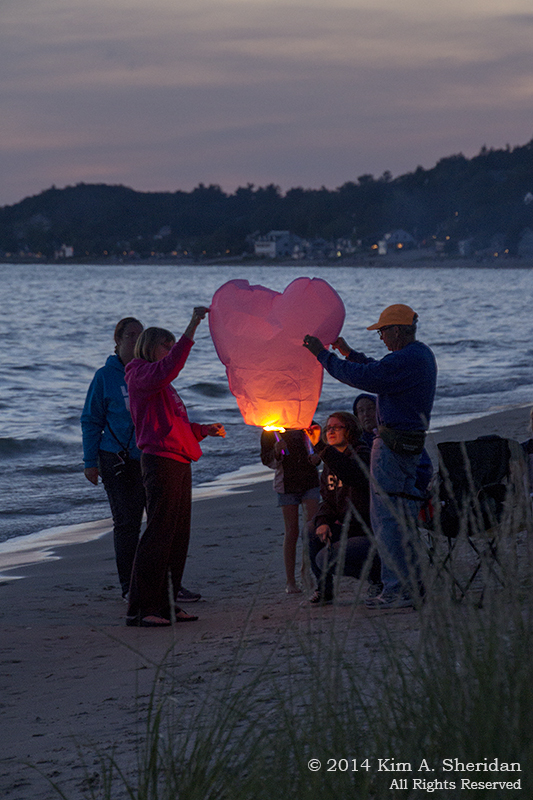
MI Fireworks Lantern_1926acsUnique lanterns drift through the air.

MI Fireworks Lantern_1916acs

As darkness falls, another lantern is prepared for flight.

MI Fireworks Badger_1957acsThe Badger, maneuvering into position to give her passengers the best view. Let the show begin!

MI Fireworks_2001aMI Fireworks_2002a

MI Fireworks_2007aMI Fireworks_2010MI Fireworks_2011aMI Fireworks_2033aMI Fireworks_2040aMI Fireworks_2046a

After the grand finale, Mother Nature lights up the sky over Club Mich with her own brand of pyrotechnics.MI Fireworks Stars_2065acs

Small Town Americana

MI Parade 2_1154acsNothing says the Fourth of July more than a small town parade. And nobody does it better than the small Western Michigan town of Ludington. Everybody turns out to celebrate the country’s birthday. One parade participant estimated the crowd at 30,000, quite a feat for a town of 8,000.

People start lining up chairs at dawn. When the show gets under way at 2 in the afternoon, spectators are packed three and four deep on the sidewalks for the entire one mile route.

MI Parade 1 Audience_1714aMax’s owners cheerfully waved me to an adjacent open spot on the curb when they saw my camera. Front row seat! Everybody’s genuinely friendly in Michigan.

MI Parade 2_1186aThe parade started with a bang, courtesy of the Civil War re-enactors and their cannon.

Youngsters  know to be prepared for the concussion when the cannon goes BOOM!

MI Parade 2_1260aAlso making noise was the Ludington High School Band.

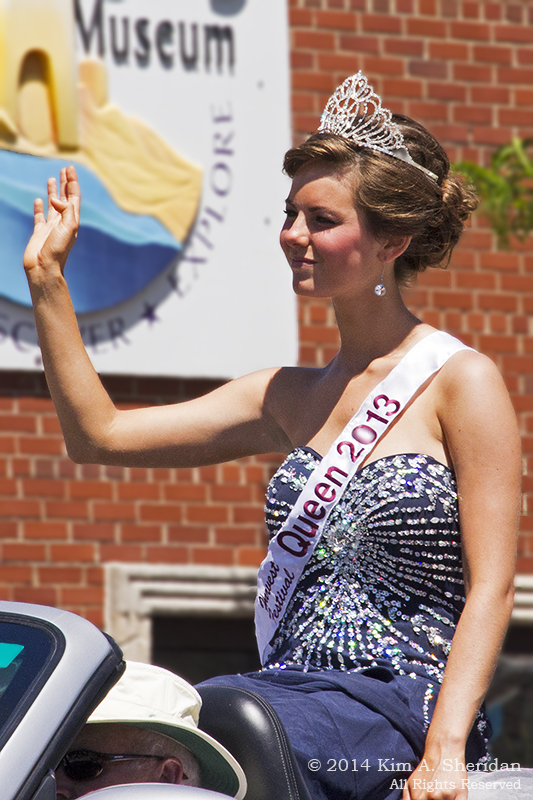
MI Parade 2_1526acs copyThe Harvest Festival Queen, from neighboring Scottville, waves to the crowd.


MI Parade 1 Audience_1575acs4

Not every beauty was participating in the parade. A few were watching it, and hoping for candy.

MI Parade 1 Audience_1630a

Future Miss Ludington.

MI Parade 2_1542acsThere are certain requirements for any parade. Like floats…

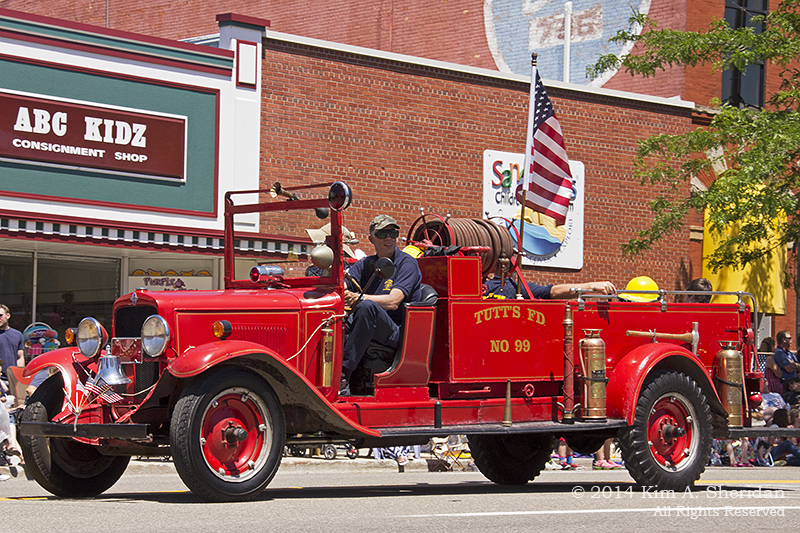
MI Parade 2_1214aThe local contingent of fire engines…

MI Parade 2_1664aMI Parade 2_1633acsA long line of classic cars…

MI Parade 2_1703aAnd in farm country, tractors.

MI Parade 2_1712aAlso marching in the parade were gymnastics and dance groups, the Rotary Club’s Briefcase Brigade, Smokey Bear, a young fife and drum unit, and a string band that had me wondering at first how the Mummers got here from Philadelphia.

The 4-H Club and Mason County Sherriff’s Office each brought their equestrian units, with the obligatory clean-up crews, who got big cheers from the crowd.

This entire 2-hour spectacle was just the warm-up act for the main attraction…

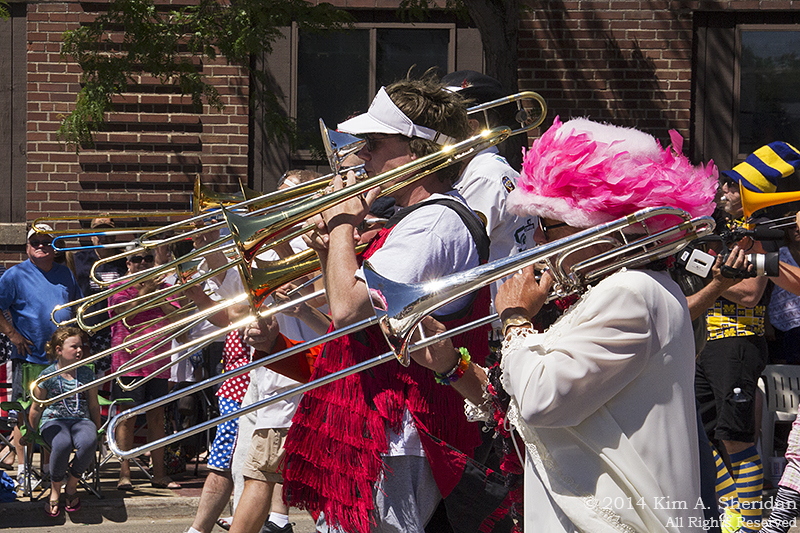
MI Parade 9 Scottville Clown Band_1744acsThe World Famous Scottville Clown Band!

MI Parade 9 Scottville Clown Band_1757acsEveryone in Michigan knows the Scottville Clown Band. They’ve been around since 1903, after all.

For those who aren’t familiar with them, I have no idea how to describe them and do them justice.

Philadelphians might look at it this way: Take a really good brass band, throw them in a vat with the wenches and clowns of a Mummers Comic Club, stir it up, and what you’ve got is the Scottville Clown Band.

MI Parade 9 Scottville Clown Band_1755aRowdy, bawdy, and hilarious, these guys are also very talented musicians. They come from all over to perform many times over the course of a year. They also sponsor music and performing arts scholarships and fund a band shell in Scottville.

MI Parade 9 Scottville Clown Band_1816acsMostly they just make people happy.

MI Parade 9 Scottville Clown Band_1784aLike drum lines everywhere, Scottville’s drummers are mild-mannered and well-disciplined.

MI Parade 9 Scottville Clown Band_1813acs Oval 3Of course there has to be a tuba-player in a tutu.

MI Parade 2_1601acsTime to wave good-bye to this year’s Fourth of July parade.

Stroll down to the beach, maybe enjoy an adult beverage or two, and rest up. The party continues with fireworks tonight!MI Parade 2_1317a


The Golden Cave

ImageWhat more likely place to go hunting for gold than in the heart of the city?

My merry band of adventurers caught wind of an abandoned mine deep in the wilds of the Wissahickon Valley, and quickly signed up for a tour. We set off one day for an easy stroll down Forbidden Drive where it borders cool, green and leafy Wissahickon Creek.

Wissahickon 6 Trail_9805acsThere was no shortage of flowers and greenery to admire along the way.

Further along, a staircase led down the embankment to a small dam in the creek.

One of our group is a talented professional photographer who is generous with his photographic wisdom, and I soak it all up like a sponge.

At the dam, Ned gave me a homework assignment: photograph the water flowing over the wall at different shutter speeds.

Dam Collage I know which one I like better – how about you? (Click to see larger image.)

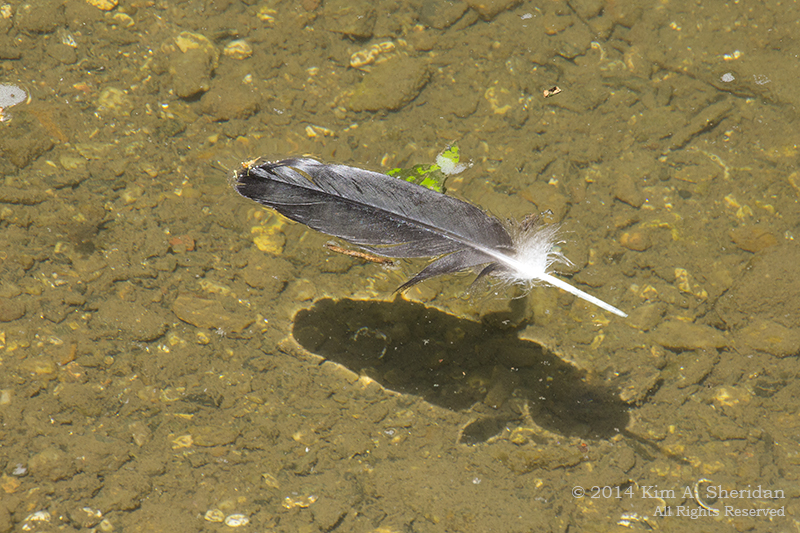
Wissahickon 2 Livezy Dam_9612aWhen he wasn’t looking, I forsook my homework and took a photo of a feather drifting lazily down the creek.

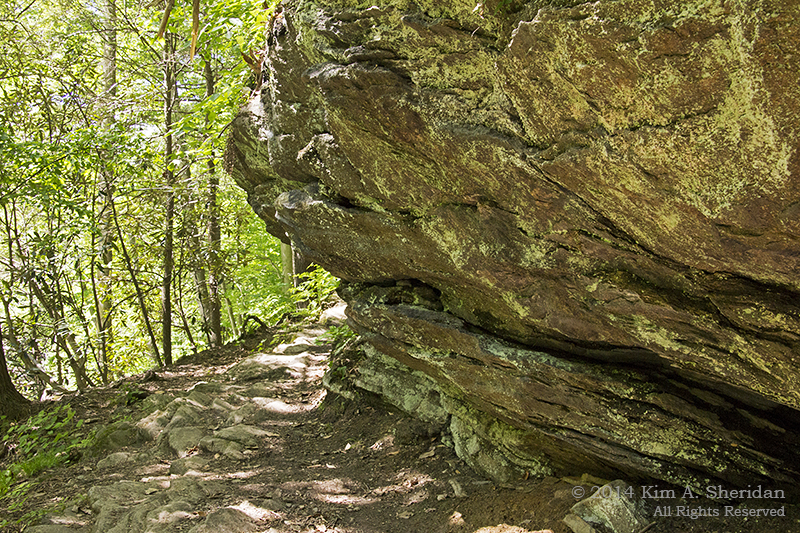
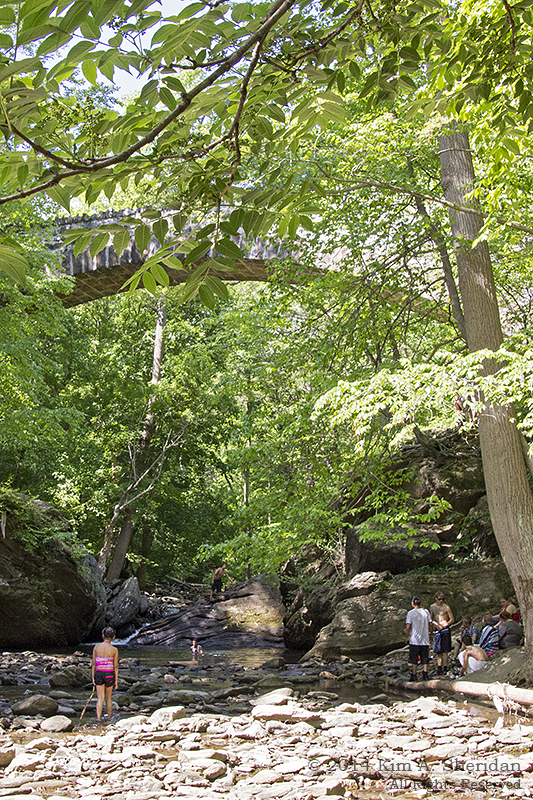
Wissahickon 3 Gold Mine Cave_9668aFrom a side trail, we got our first glimpse of the gold mine. This outcropping hides a small cave near its base that once was home to a mining operation, way back when in the 1760s.

The Roxborough Mining Company, consisting of a handful of German immigrants, excavated this manmade cave with hand drills and black powder. According to legend they were searching for gold, but having found none, soon abandoned the endeavor.

Wissahickon 3 Gold Mine Cave_9685acAnother legend claims this cave was a hidden storehouse of grain during Revolutionary days. Today it holds only tourists like us. Though the cave goes back some distance, the roof is low; here you can see the entrance is half a Robb high.

Wissahickon 4 Trail_9712acsAn old stone bridge carried us across the creek. A casual amble for us no longer; the trail was much more challenging on the other side.

Wissahickon 4 Trail_9730aThe pathway wound around rocks, over tree roots, and up and down hillsides. At times, it was crossed by rivulets of water; at other times those rivulets made their bed in the trail.

Wissahickon 6 Trail_9772aThe Valley is actually a gorge, with steep rocky hillsides. Here’s Don picking his way down the trail, aided by his trusty walking stick, and a convenient set of stairs.

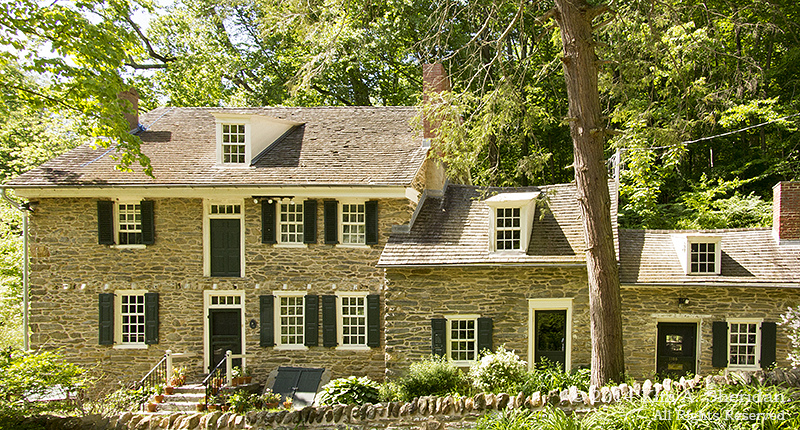
Wissahickon 7 Livezy House_9812aThis is the Livezy House, built by a Quaker farmer and miller in 1749.

Wissahickon 8 Devils Pool_9839aAh, Devil’s Pool. Cresheim Creek drains into the Wissahickon here in this deep green glen. Like many of the watery places along the creek, it is a popular, and illegal, swimming hole.

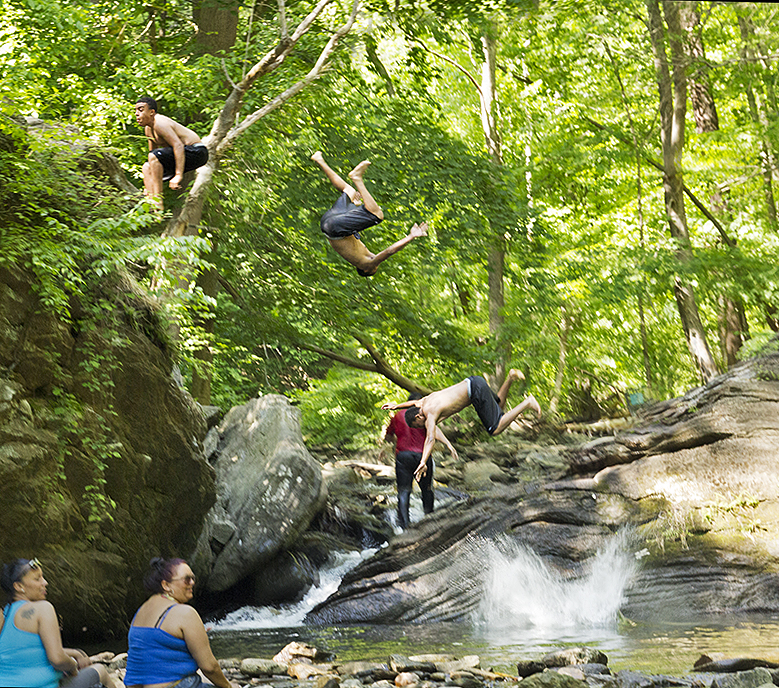
It’s also dangerous. Too many people are tempted to jump from rocks up to 20 feet high into a pool that is just 5 to 7 feet at its deepest. Drownings are not unheard of here. Frequently polluted water adds to the list of hazards.

Devils Pool Collage 2bThis time-lapse photo proves that young daredevils are not easily deterred by the risks. Here I blended four shots into one to capture all the action of a backward somersault into the pool.

Wissahickon 4 Trail_9702aLike any urban area, Philadelphia is crowded, noisy, and paved-over. Yet within the city limits, in the Wissahickon Valley, Nature holds on as tenaciously as ferns cling to life in a rockface. Definitely urban living on the Wild Edge!


Mt. Cuba In Bloom

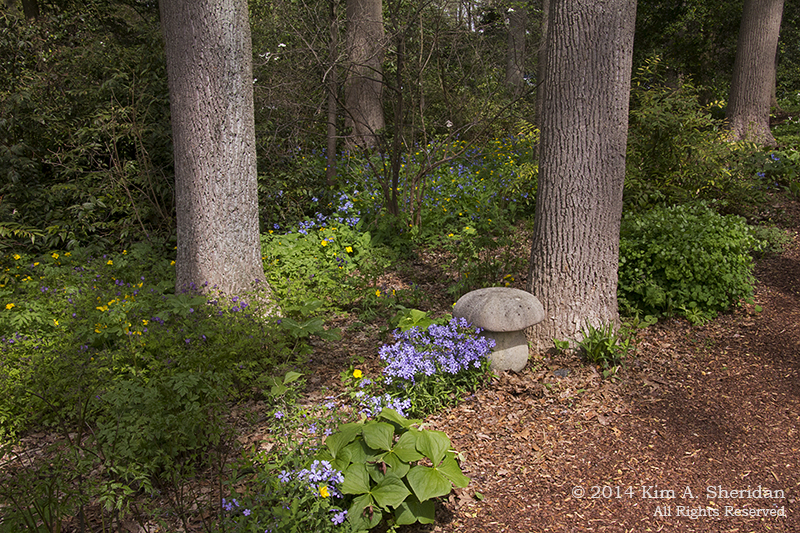
Mt Cuba 3 Woodland_6193aThe calendar is marching inexorably toward summer. Humidity is building, and the mercury is oozing toward 90 degrees. It seems like only yesterday that we were locked in snow and ice, and suddenly it’s hot. Did we even have a spring this year?

Mt Cuba 1 Formal_6038aYes, we did. Like her sister Autumn, Lady Spring is an elusive and ephemeral tease. This year, perhaps pouting at the persistence of the Winter Queen, Spring’s arrival was late, and her stay short. But she did grace us with her presence. I have the evidence!

Mt Cuba 3 Woodland_6397acs copyAll of these photos were taken at Mt. Cuba Center in Delaware. Mt. Cuba is a botanical garden with a commitment to using and promoting native plants in its 50 acre cultivated gardens and 500 acre natural areas.

The center offers many classes on horticulture and conservation, and maintains a Trial Garden where various native plants are studied.

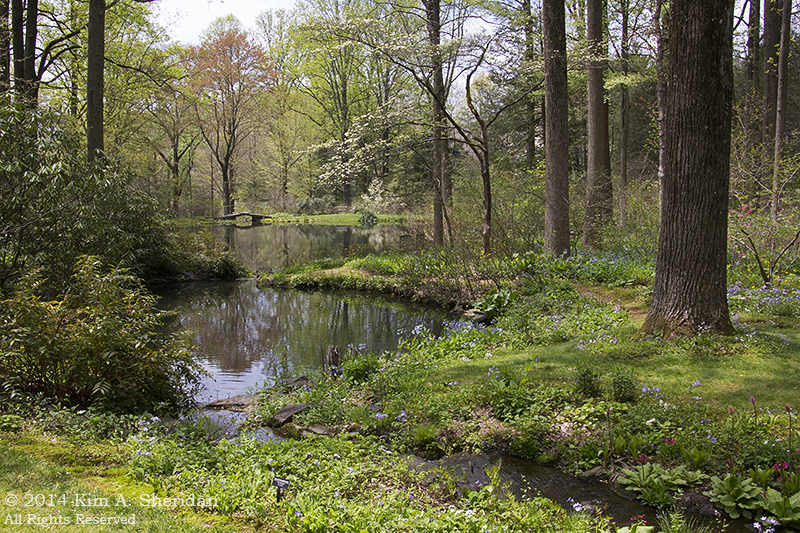
Mt Cuba 4 Ponds_6538aThe pathway leads through a variety of habitats, including woods, meadows and ponds.

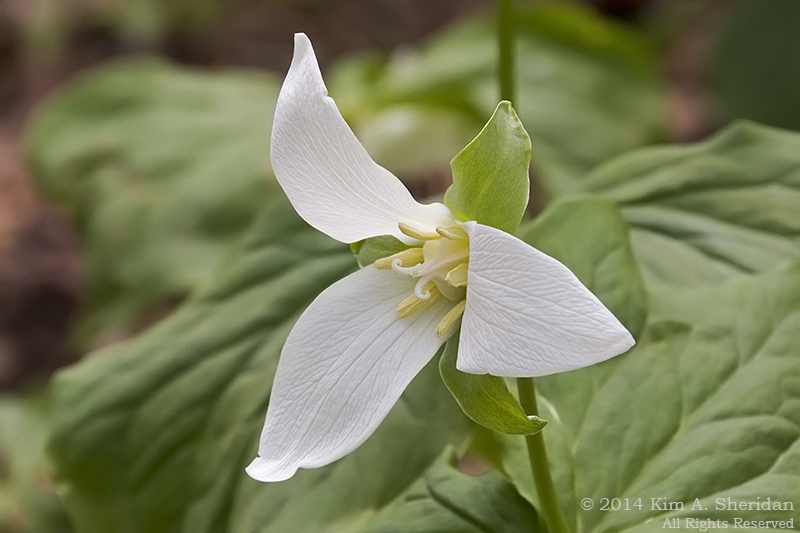
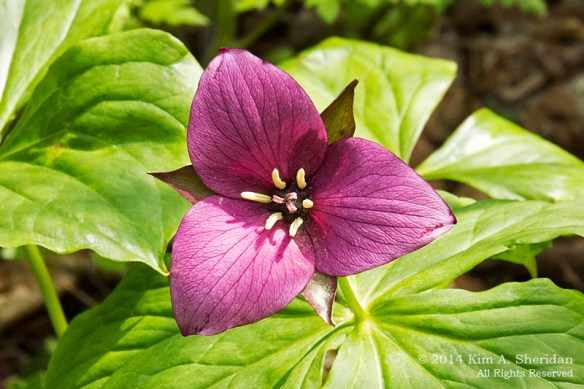
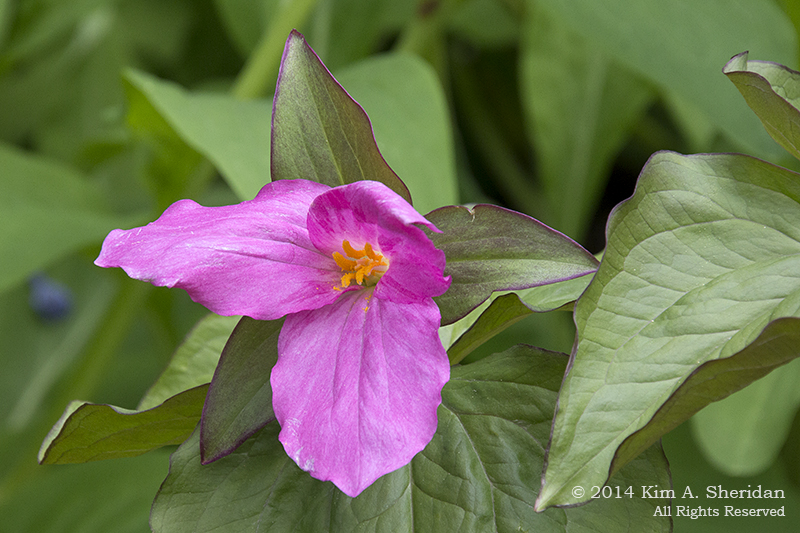
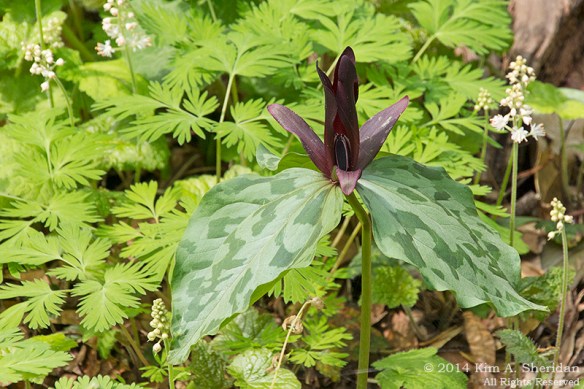
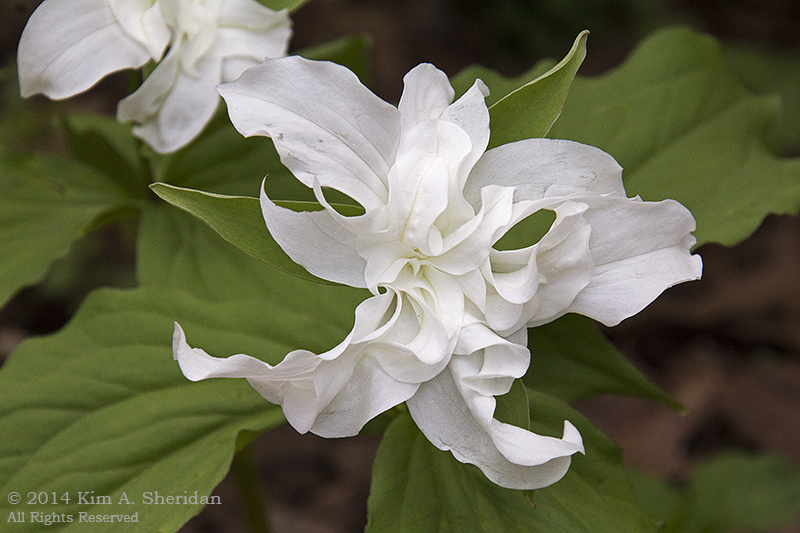
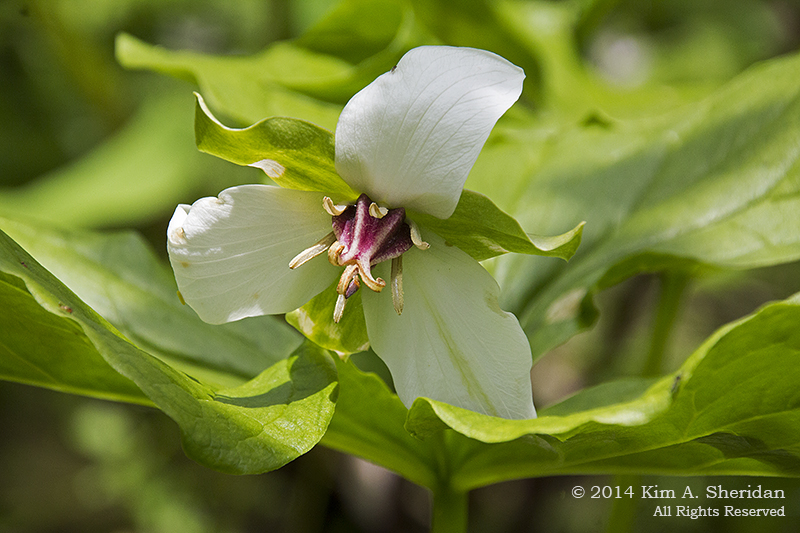
Mt Cuba 2 Trillium_6266acsThe stars of the show in spring are the Trilliums. They even get their own garden!Mt Cuba 2 Trillium_6122acsMt Cuba 2 Trillium_6276a

Mt Cuba 2 Trillium_6115aSome Trilliums wear camo…

Mt Cuba 2 Trillium_6253aOr come in double-flowered forms.

Mt Cuba 3 Woodland_6088aA shady spot for one of Her Ladyship’s sprites to sit and enjoy her lunch.

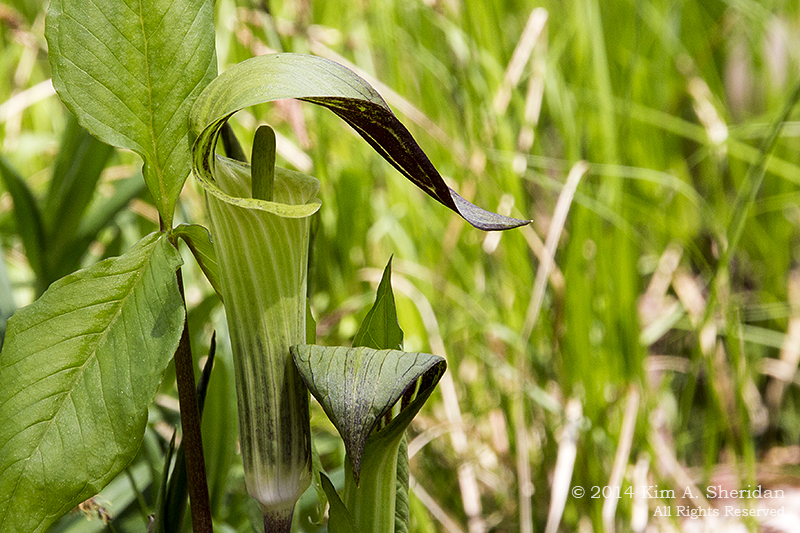
Mt Cuba 3 Woodland_6416aJack in the Pulpit.

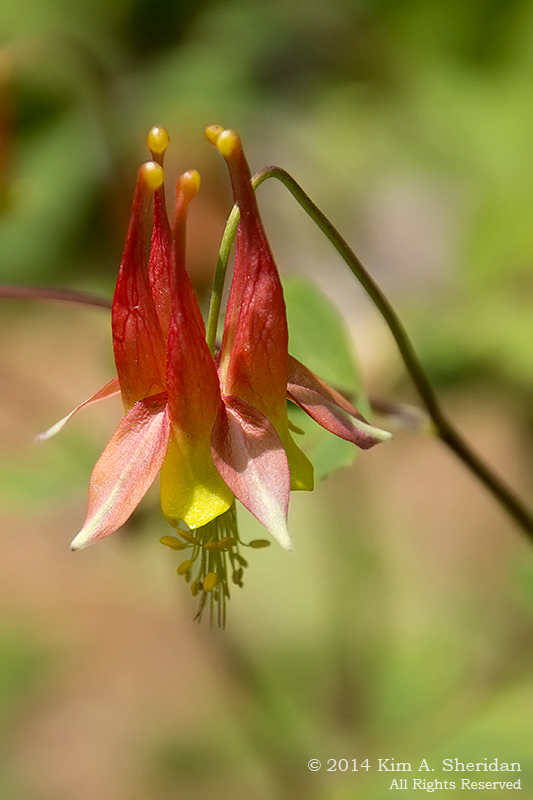
Mt Cuba 3 Woodland_6569acs copyColumbine.

These neat flowers were at both Shenk’s Ferry and Mt. Cuba. They gave me fits trying to get a good photo.

Mt Cuba 4 Ponds_6485acsNow the Summer Queen is knocking at the door. Lady Spring kept us in suspense this year, and her appearance was brief, but oh, was it worth the wait!


Shenk’s Ferry Wildflower Preserve

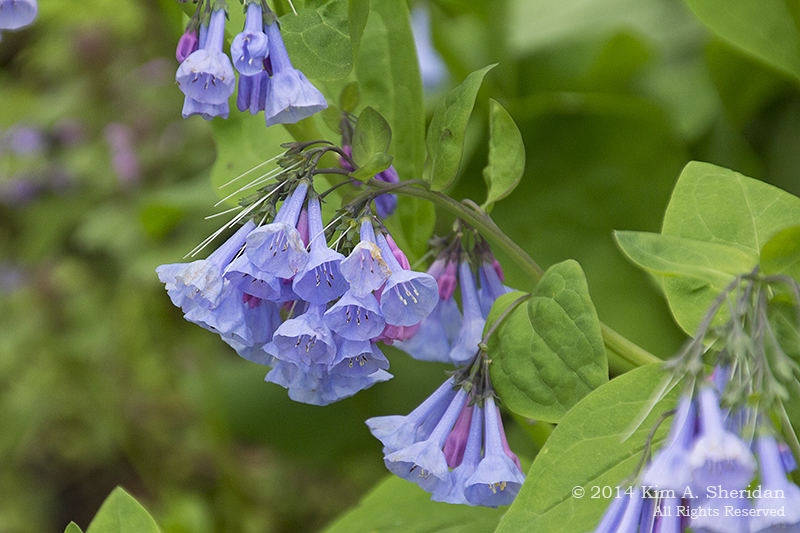
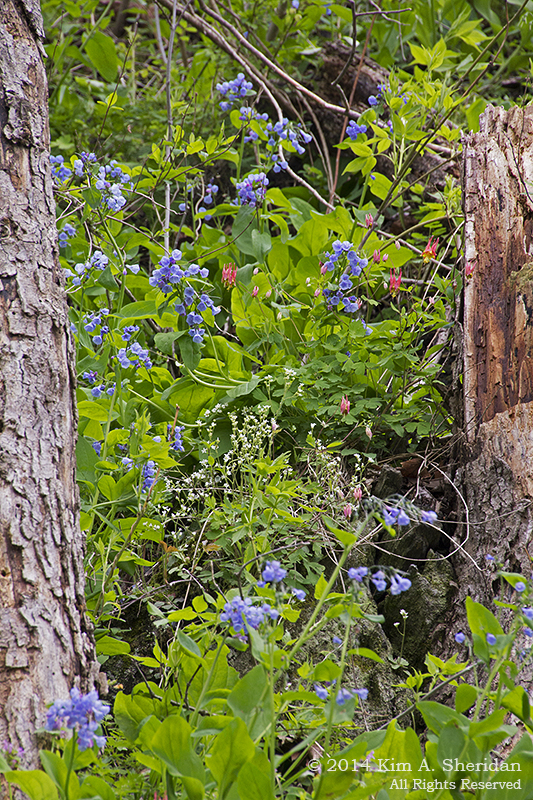
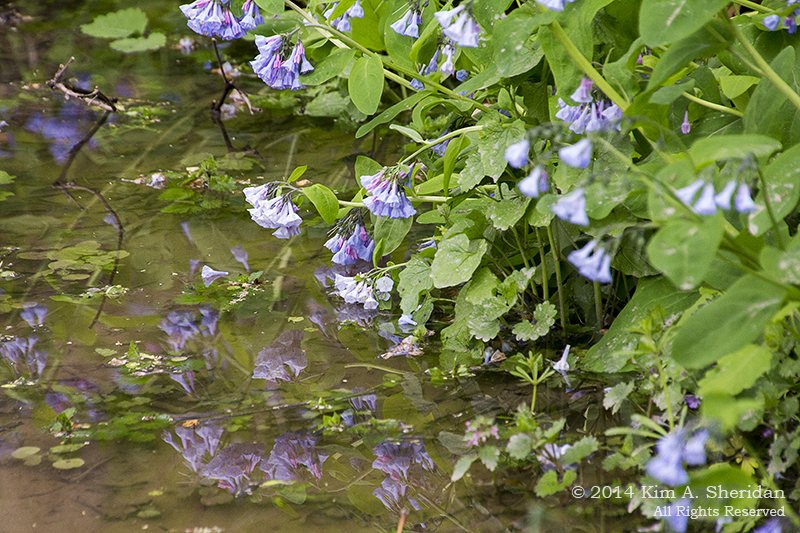
Shenks Ferry WF Bluebell_5526 aCan you imagine life as a spring ephemeral wildflower? You’ve lain dormant for months, through the summer heat and the cold days of winter. As the weather begins to warm, you awaken. You have a few short weeks to do all your work for the year. Leaf out, feed, bloom, reproduce and set seed; all need to be accomplished before the tree canopy above you leafs out and blocks precious sunlight, and the air turns hot. Better get busy!     Virginia Bluebell, above.

Shenks Ferry WF Trillium_5796acsShenk’s Ferry Wildflower Preserve, along the Susquehanna River in Lancaster County, is well-known for its variety of wildflowers. Over 70 different species bloom in the spring, with another 60 peaking during the summer.     Trillium.

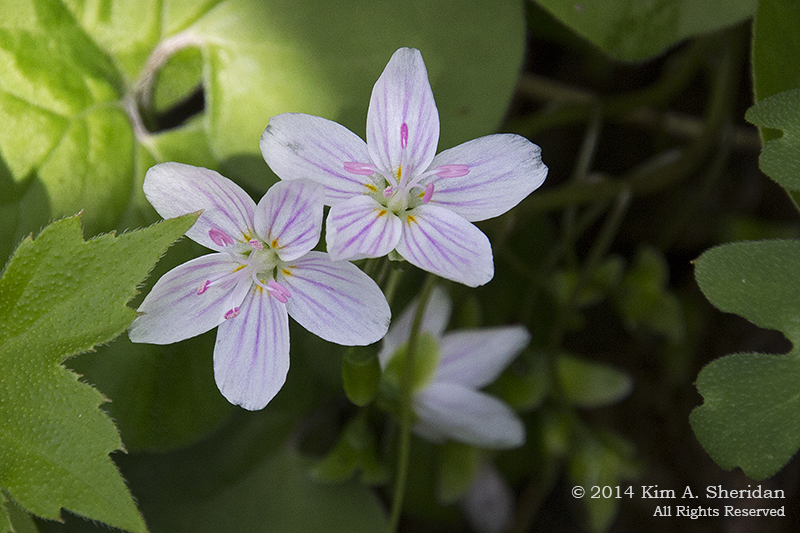
Shenks Ferry WF Spring Beauty_5779 aDon’t expect a cultivated garden if you visit, though. Oh no! This is a wild woodland glen whose main trail traces the path of creek valley. Wildflowers, many tiny, are scattered along the forest floor under the trees, tucked away in the lush understory. Finding these little beauties is worth the effort though.     Spring Beauty.

Shenks Ferry WF Bluebell_5973aI thought learning to identify different bird species was tough, but it’s nothing compared to plants. I’ve only been studying identification for two years or so, and I’m trying to learn birds, plants, trees, dragonflies, butterflies and lots of other critters  – all at the same time.

I’ve tried to put common names to as many of these flowers as I can. If I’ve identified something incorrectly, or not at all, and you know its proper name, PLEASE leave a comment!

Virginia Bluebells and Wild Columbine.

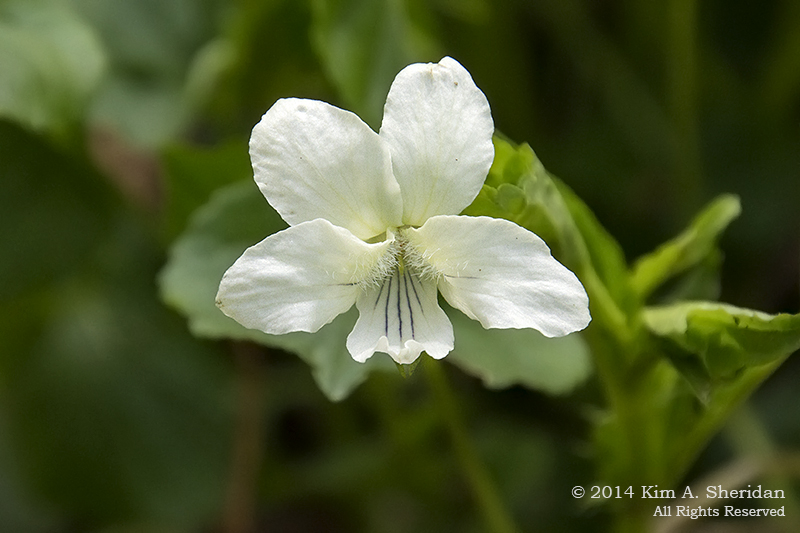
Shenks Ferry WF_5754acsIn most cases I’ve only gotten as far as a family or genus name, not the individual species. For instance, this is a Violet. Which one, I have no idea.

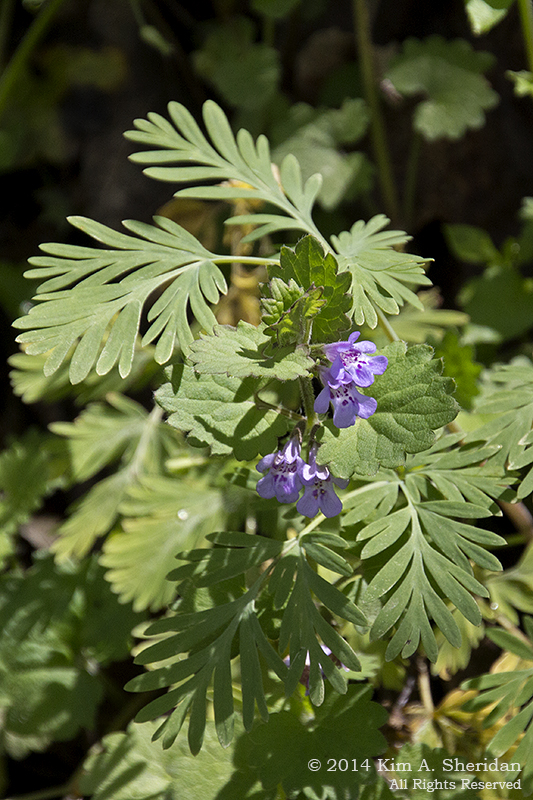
Shenks Ferry WF_5587 aI think this might be another Violet.

Or something else entirely.

In identifying plants, the flower is the first classification to make (which can be a problem if the plant isn’t in bloom). The next step is to classify the plant itself (wildflower, shrub, vine) and then look at the leaves.

Don’t let the leaves in this photo fool you; they’re from two different plants.Shenks Ferry WF Squirrel Corn_5597a


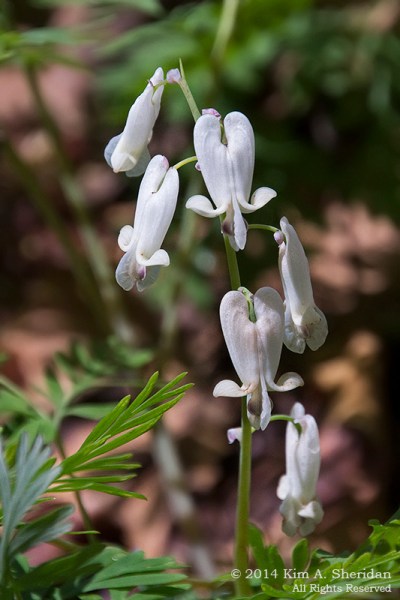
Here’s Squirrel Corn.

At first I had it labeled as Dutchman’s Breeches, then I looked at Wild Bleeding Heart.

All three plants are in the Dicentra genus, so they’re cousins, and near look-alikes.

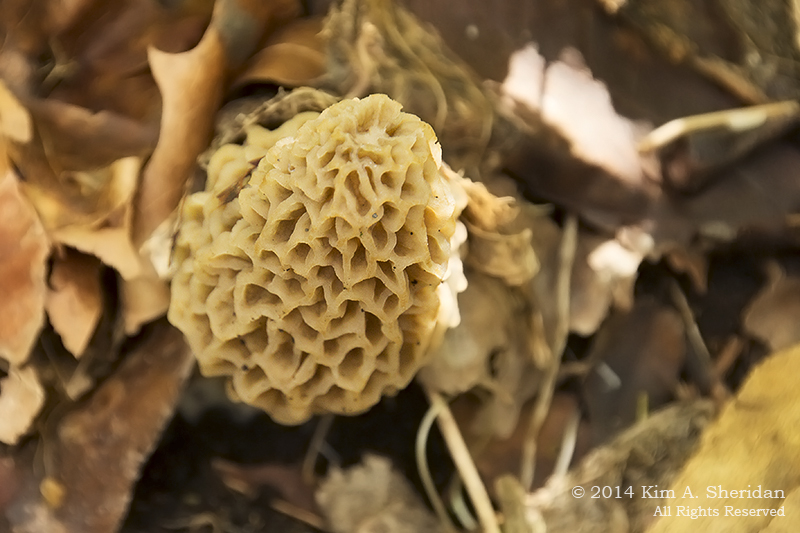
Shenks Ferry Morel_5607 acsThis isn’t a wildflower, but a mushroom known as a morel. It will be as short-lived as the spring ephemerals.

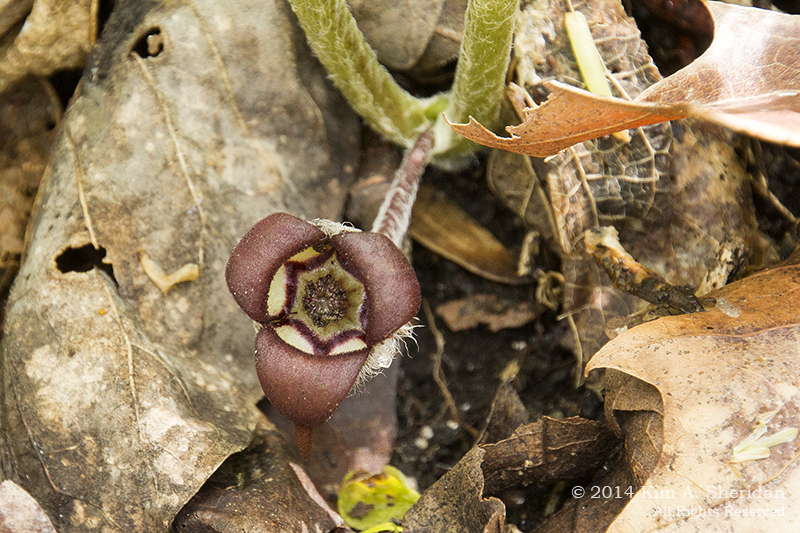
Shenks Ferry WF_5605 aI have no idea. Do you?

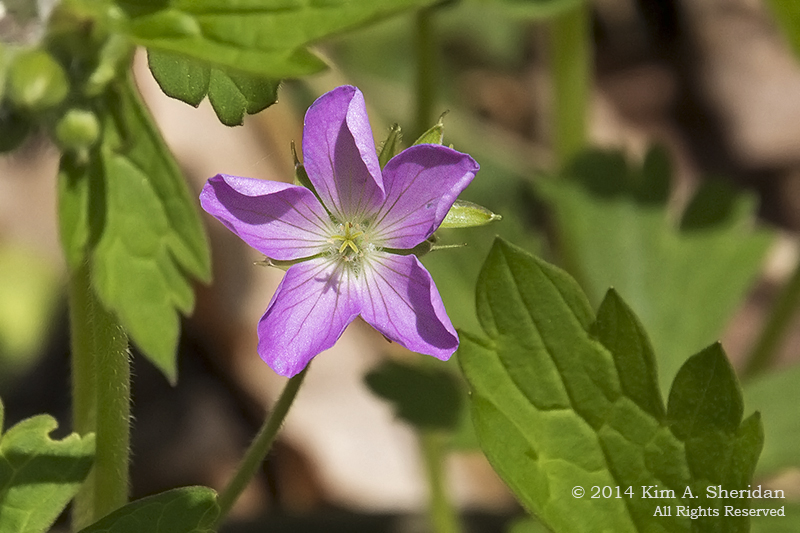
Shenks Ferry WF Wild Geranium_5883acs copyWild Geranium.

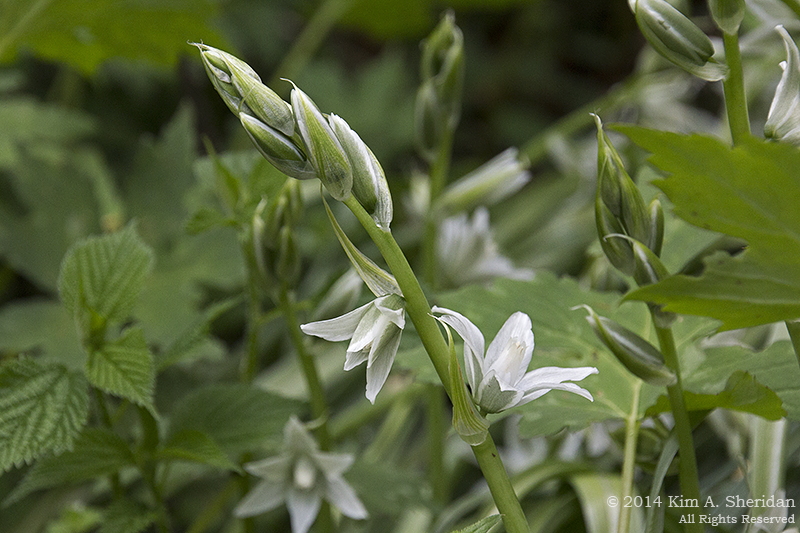
Shenks Ferry WF_5731 aDoes anyone know this lovely lady’s name?

Once the heat sets in, and the trees cast permanent shade, your time to get productive work done has passed. Is this the end for you? Not at all. Though your flowers and perhaps your leaves will wither, you have firm roots in the soil. Like all ephemeral wildflowers, you will go dormant, sleeping away the passing seasons until spring arrives and you blossom anew.

Shenks Ferry WF Bluebell_5998 acs

Nesting Instinct

HNWR Goose Nest_0455 acsWell, what’s with Miss Grumpy? Here she is giving me the old stare-down. What’s got her tail feathers in a twist?

She’s sitting on eggs, that’s what. For some reason she decided to build her nest awfully close to one of Heinz Refuge’s trails. A heavily traveled trail at that, especially in the heart of warbler migration season. She got very little privacy as she incubated the next generation of Canada Geese. Geese are known for being aggressive at times. Fortunately for Refuge bird watchers, she wasn’t going to leave that nest unattended.

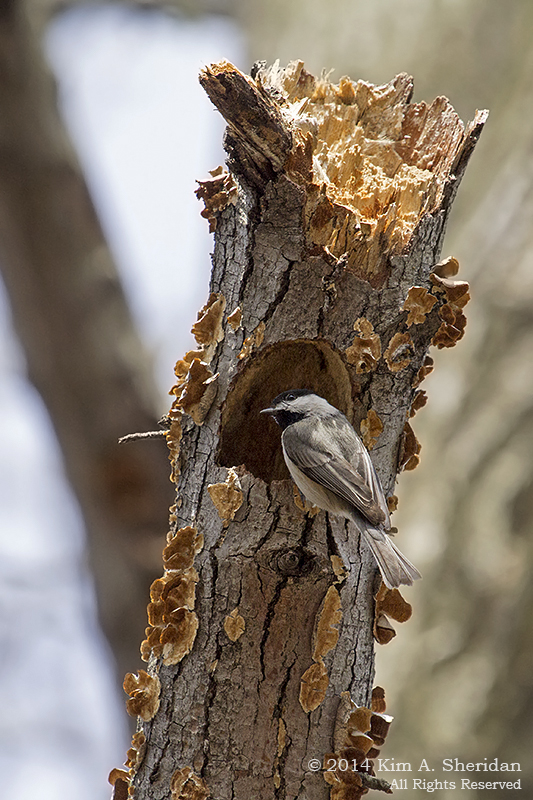
HNWR Chickadee_0041 acsNearby a pair of Carolina Chickadees were moving into a nice home in an older development. Chickadees are a personal favorite, and I was looking forward to seeing these two raise a family. Darned if I could find that tree again, though.

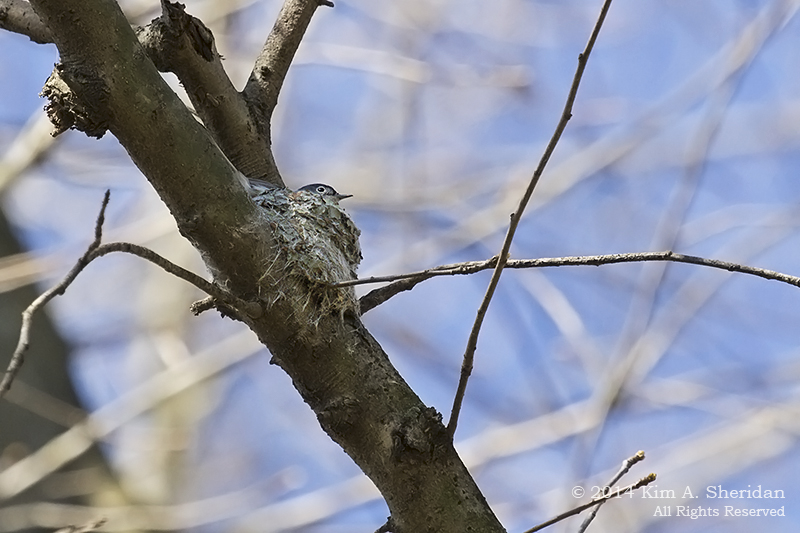
HNWR Gnatcatcher_4976 acsBlue-gray Gnatcatchers were really busy building nests all around Heinz during late April. We watched this one pick up pieces of a spider web to fortify the construction.

HNWR Eagle_9390 acsNot every nesting attempt is successful. This was the fifth season our resident Bald Eagles have incubated eggs at Heinz. Unfortunately, about the time the eggs were expected to hatch, the adults stopped sitting on the nest. They would never have abandoned viable eggs or nestlings. Something went wrong, but just what remains a mystery. It’s not uncommon for Eagles – or any other bird – to have a nest fail occasionally. Sad, but a part of life in the wild. The Eagles are still around, and they will try again next year.

HNWR Owlet_1189 acsGreat Horned Owls returned to a favorite place at the Refuge. Here’s the result, a bouncing baby owlet. This was taken in late April, when he was still covered in down and looked much like a Muppet. A few weeks ago he started “branching”, moving out of the nest to nearby branches in preparation for his first flight.

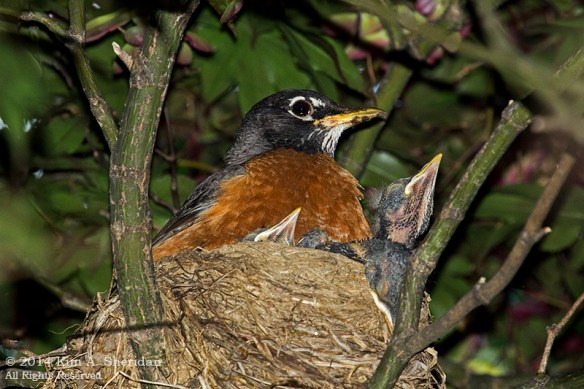
Meanwhile, back at my house in the suburban wilds, I watched as an American Robin with a beak full of caterpillars flew into the red maple tree that stands in front of my porch. Sure enough, I found the tree occupied by a nest and four baby robins.

Robin Nest_9888 acsWhen I first saw them on a Sunday evening, they were only partially feathered, with heads that barely reached over the side of the nest. Both robin parents share in the care of the babies. Every time Mom or Dad appeared, the little ones craned their heads on wobbly necks and opened their beaks in hopes of something yummy. Then they would go quiet until the next food delivery a few minutes later.

Robin Nest_9915 acsThey kept both parents hopping from sunup until nightfall, when Mom and her brood finally settled in for the night.

Robin Nest_0310What a difference a few days makes! By Friday the chicks were fully feathered and much larger. The nest was overflowing with birds! When one youngster turned around and flexed his wings, the others were pushed to the side of the nest and looked as if they might fall out completely.

Robin Nest_0088 aThey still looked to their parents for all their needs.

FUN FACT: Robins eat insects and fruit, with a preference for insects in the morning and fruit later in the day. Ever seen a robin run a few feet across a lawn, stop and cock his head? He’s listening for worms; robins find a lot of their prey by hearing its movements underground. In the fall, when fruit is a larger part of their diet, they may overindulge in ripened and fermented berries, and become intoxicated.

Robin Nest_0272I knew it was only a matter of time before the kids left home. Young robins stay in the nest about two weeks, and time was almost up. Sunday night the nest was empty. Juvenile robins still need to be fed for awhile, and it will take them up to two weeks to become good fliers. After they left the nest, the chicks scattered; one in my tree, another in a neighbor’s, the last two who knows where. Four times the work for Mom and Dad! The parents are still protective, too. I saw one chase a squirrel all the way across the street. Five days after fledging, I watched a parent feeding one of the youngsters in my garden. When this group of siblings is independent, the parents will likely nest again; robins normally have two to three broods a year.

Raising a brood of hungry growing chicks is demanding, time-consuming work. Knowing what she has in store, perhaps our Mother Goose could be forgiven for being a little grumpy!