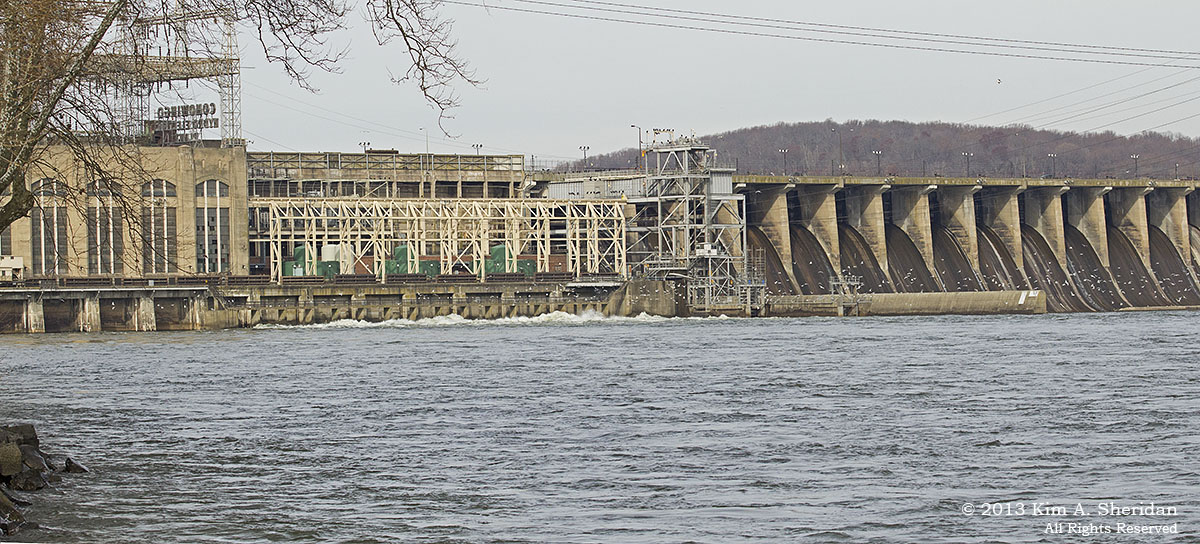
Conowingo Dam

Dam_Panorama2 The Conowingo Dam on the Susquehanna River in Maryland is a 4,648 foot long power plant with 11 turbines capable of producing 572 MW of electricity when running at peak capacity. Also known as the Conowingo Hydroelectric Generating Station, when it was constructed in 1928 it was the second largest hydroelectric project in the United States, bested only by Niagara Falls. With a maximum height of 94 feet, it consists of four distinct…

“WAIT!” you’re saying. “This is supposed to be a nature blog! Why are we talking about a DAM? What could possibly be of interest to us there?”

Well…

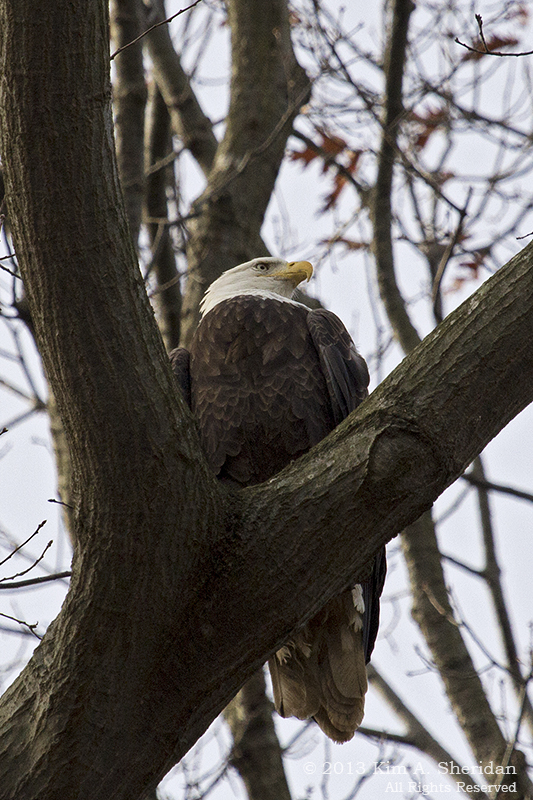
This:Conowingo Eagle_4423a
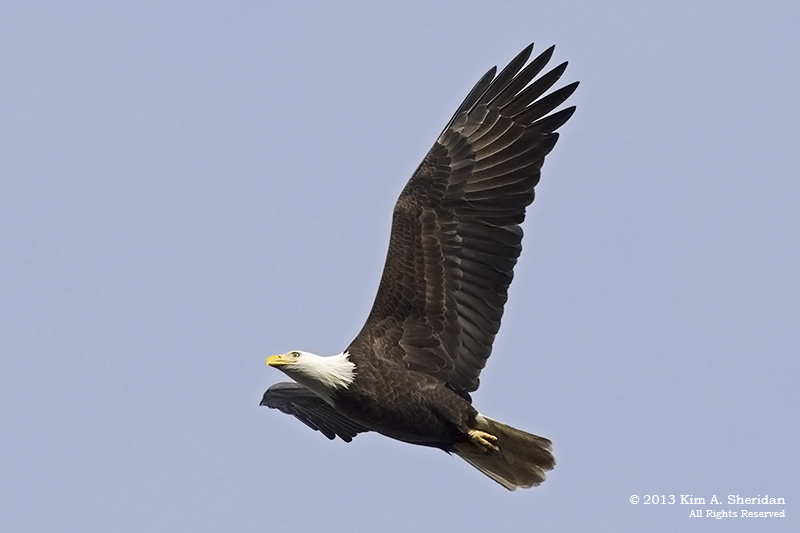
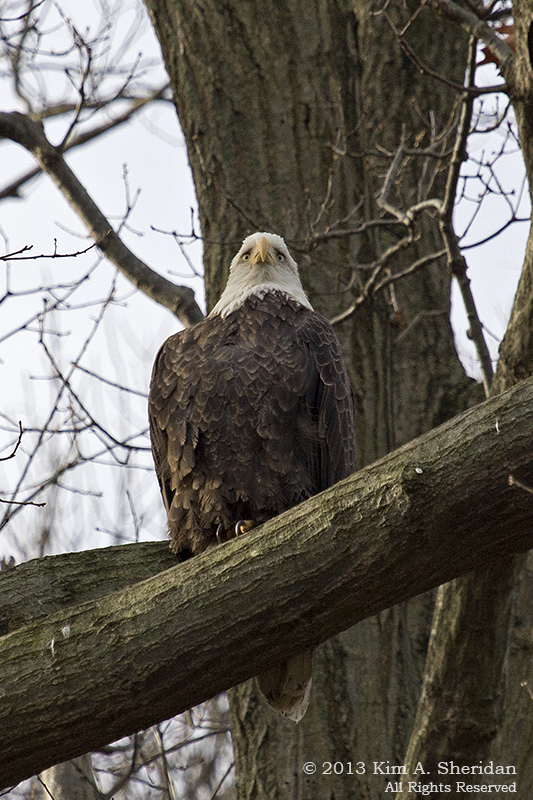
And maybe this:Conowingo Eagle_4490a

And even this:Conowingo Eagle_4112a

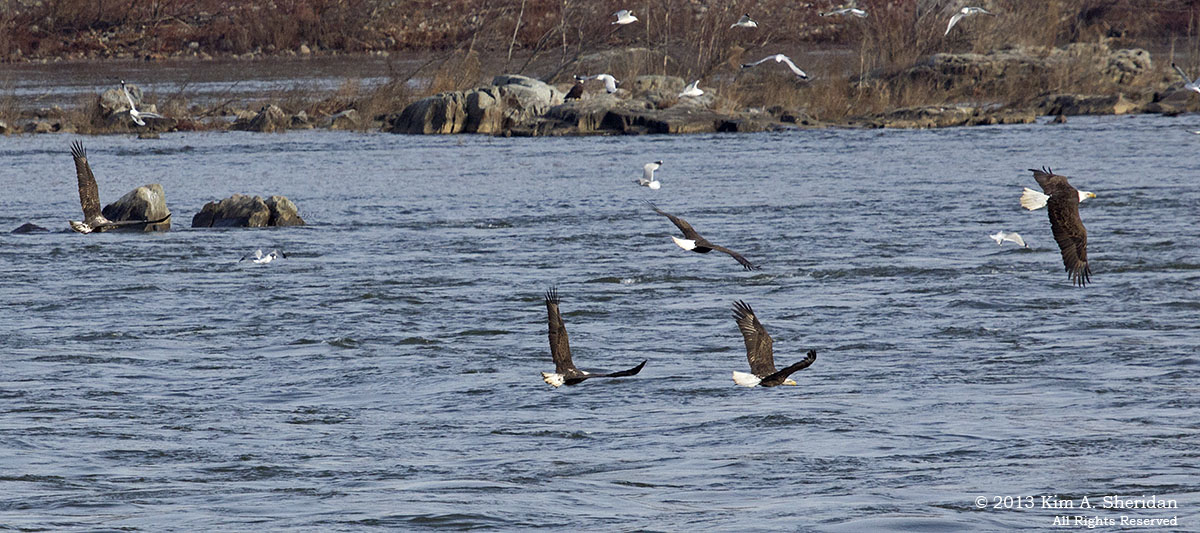
Five Bald Eagles in one shot? (And there’s a sixth in the picture somewhere. Can you find it?) Yes, folks, this was taken just downstream of Conowingo Dam, and those eagles represent maybe 5% of the eagles present there on the Saturday after Thanksgiving. 154, by one very approximate count. Every fall, in November and December, eagles gather downstream of the dam in large numbers. 50, 100, sometimes even more.

“What for?” you ask. Fish, of course. When the turbines are running, fish get sucked through the intake tubes and are discharged below the dam, stunned or dead. Easy picking for piscivorous (fish-eating) birds like Bald Eagles.Conowingo Eagle_4142a
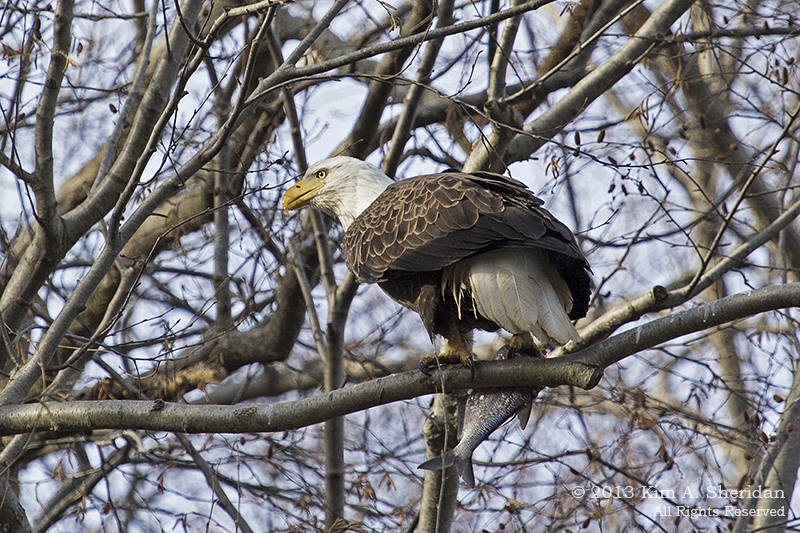
“Why late fall?” you ask. The dam only operates when electricity demand is high. In other words, late fall and winter. By January, most eagles are returning to their nesting sites to raise a new family, and they will be tied to those sites through the summer. But in the fall, they are free to go where the fish are, and in my area, that’s Conowingo.

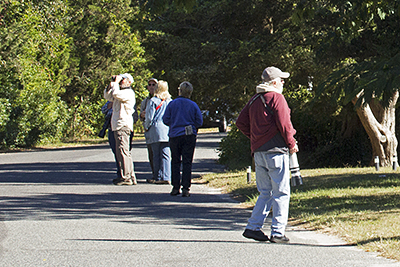
Birders in the know flock to Conowingo to watch the spectacle. Photographers, too. All the cold weather gear was necessary; it was 25 degrees. Definitely not for the faint of circulation. I lost my feet after the first hour.Conowingo Dam People_4639a
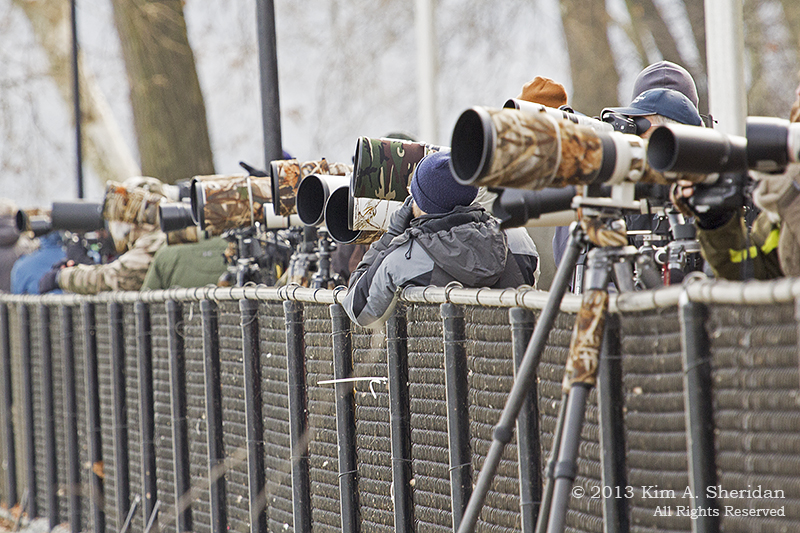
You have to be prepared to wait a long time; it’s not non-stop action. Even though several turbines were running when I arrived at 8 AM, the eagles were very quiet, content to perch on trees or rocks across the river and wait. One or two were obliging enough to perch in trees directly behind us and pose. Or maybe they were amusing themselves watching all the stupid humans shiver.

The wait paid off after more than an hour when more turbines started up. Fifteen minutes later it was like someone had thrown a switch: suddenly it was a Bald Eagle Bonanza. There were eagles catching fish. Eagles dropping fish. Eagles fighting over fish. Eagles stealing fish from other eagles. Sometimes I didn’t know which bird to follow. Other times they flew so close overhead I couldn’t zoom out fast enough.
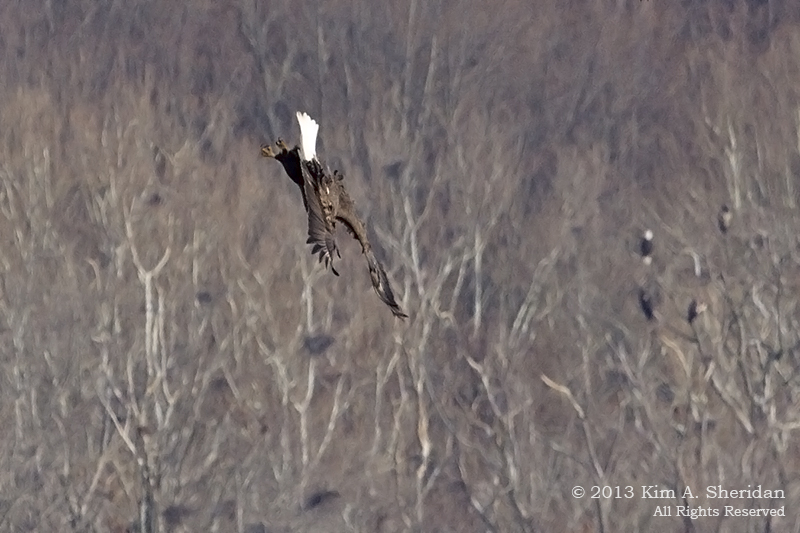
Conowingo Eagle_4094a Bald Eagle diving on a fish in the Susquehanna River. Note the four other Eagles in the tree in the background, waiting for their chance.
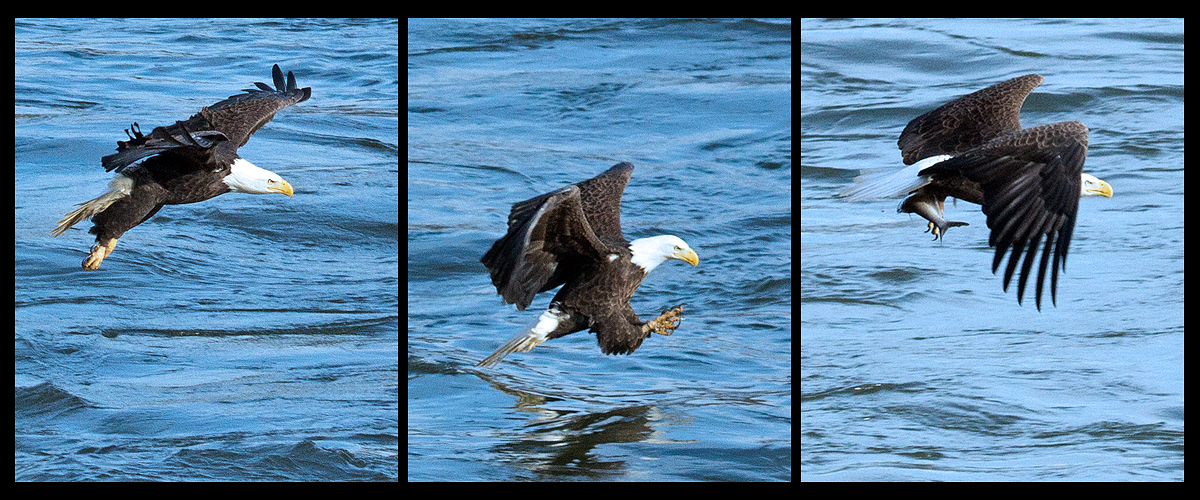
Collage 1           Approach                             Landing gear down                 In-flight food service.
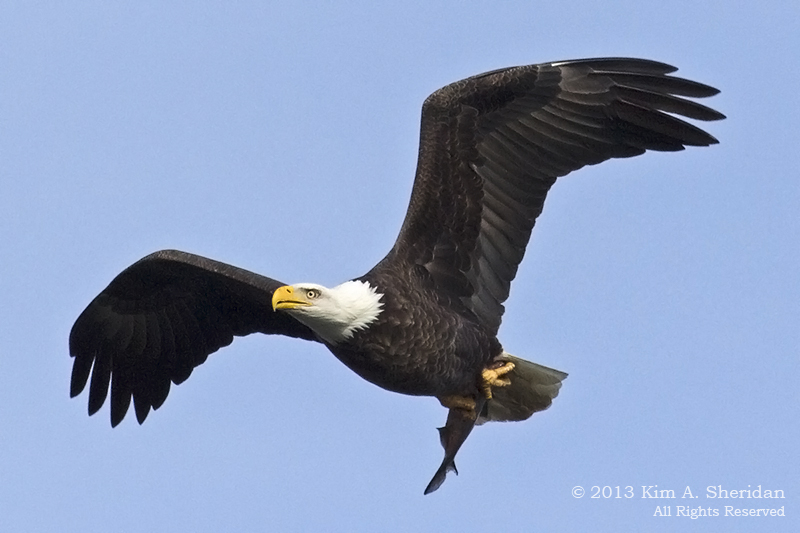
Conowingo Eagle_4282a And away we go with dinner.

Conowingo Eagle_4440aConservation Piece: This bird looks worried. About the American shad, perhaps?  This migratory fish lives in the ocean, but returns to freshwater rivers like the Susquehanna to spawn, usually during the spring or summer. Their numbers have been seriously depleted by fishing, water pollution – and the construction of dams like Conowingo, which block passage to their spawning grounds. Exelon, who operates the dam, has been working to restore the American shad to the Susquehanna River through the operation of two fish lifts at Conowingo Dam. The company has also built a Fisherman’s Park at the foot of the dam, for fishing, bird-watching, and photography. They even run an annual Bald Eagle Photo Contest!
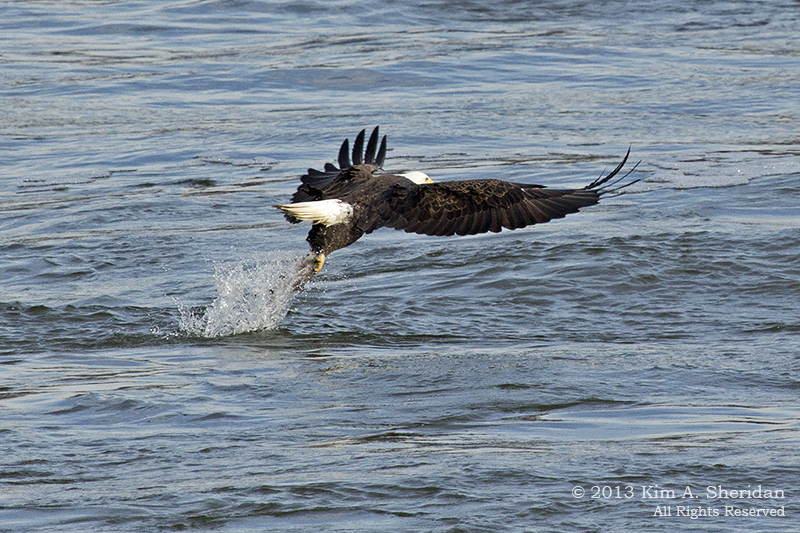
Conowingo Eagle_4255aComing up: The Kids’ Table

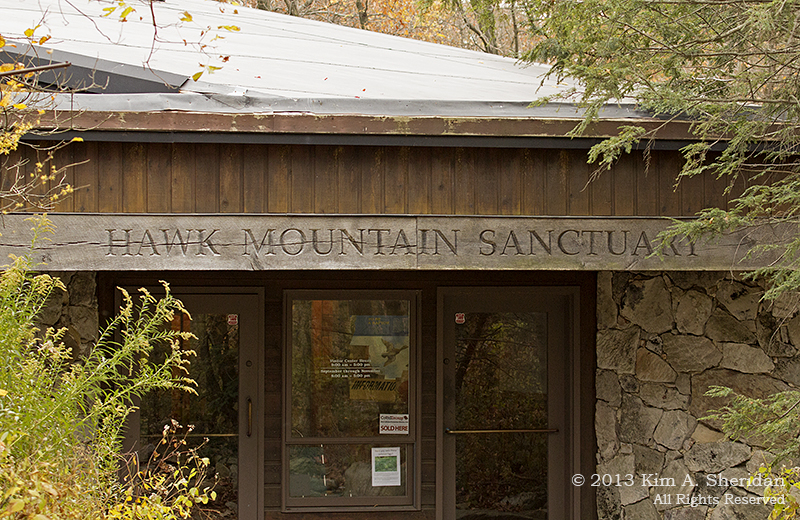
Hawk Mountain

Hawk Mountain_0372a Welcome to the Endless Mountain, a long ridge known as Kittatinny that stretches 300 miles from Maryland northeastward through Pennsylvania and New Jersey into southern New York. Hawk Mountain Sanctuary sits on that ridge, and is internationally known as a premier place to watch the spectacle of fall raptor migration. Cross winds that hit face of the ridge create updrafts that southward migrating raptors use to carry them over the mountain.

On a clear fall day, with a northwest wind after a cold front, one might be treated to hawks, falcons and eagles flying past in large numbers and at close range. The day Colleen, Erika and I went to Hawk Mountain was not one of those days. It was a fun fall outing for us anyway.

Hawk Mountain Rock_0573aHawk Mountain is in the Ridge and Valley ecoregion, and is completely different from the flat Atlantic Coastal Plain of Heinz Refuge and southern New Jersey that I spend so much time in. For starters, there are hills. LARGE hills. Then there are the rocks. These range from small stones to enormous boulders. Like these at Bald Lookout (above).

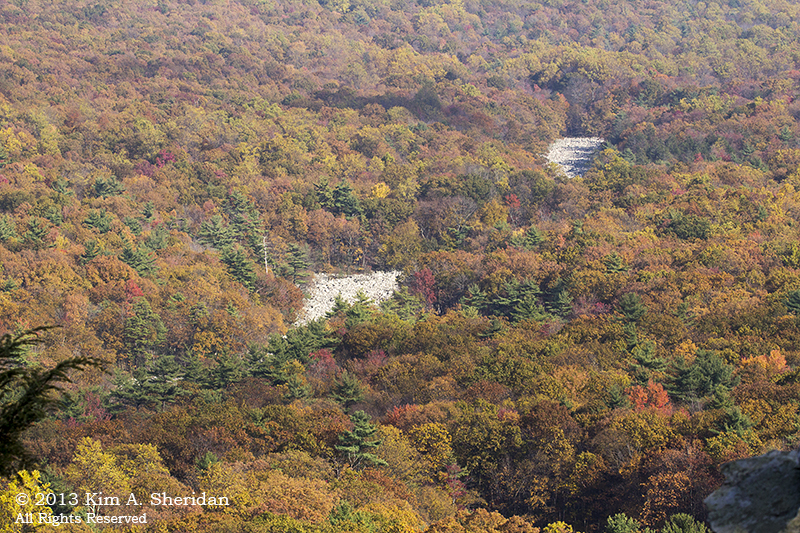
Hawk Mountain_0800a From South Lookout we could see the River of Rocks below, a geologic feature that looks like water but is actually an Ice Age boulder field.

Hawk Mountain_0515aThe Lookout Trail was easy at first, well-groomed and relatively flat. Along the way we spotted a few small birds, including this Hermit Thrush (above) and a Tufted Titmouse (below), who was not giving up his leaf toy without a fight.Hawk Mountain_0491a

Hawk Mountain_0637a After Bald Lookout, the trail became much more rocky and challenging. There’s lots to see along the way, though, and stopping to look is a great excuse to catch your breath. The variety of mosses scattered among the stones made for an interesting vignette (above). A lot of the rocks like this one (below) are covered in lichens.Hawk Mountain Rock_0422a

We finally arrived at the North Lookout, and here I learned a valuable lesson: camera and binoculars go INSIDE the daypack at Hawk Mountain while on the trails. I overbalanced on a boulder and sat down VERY hard. I was lucky, just a scraped shin and bruised bum, but I could have done some significant damage to my equipment.

Okay, folks, we’re here and ready for the Raptor Show!  Apparently the hawks didn’t get the message. On this day, the birds that flew over the ridges were so far away as to be no more than specks. The official spotters, who were armed with scopes, told us that we saw Red-tailed and Red-shouldered Hawks, and even a Golden Eagle, but they all looked like little black dots to me.

Hawk Mountain_0721a  Dear Mom and Dad, I went to Hawk Mountain and all I got was this lousy Turkey Vulture…

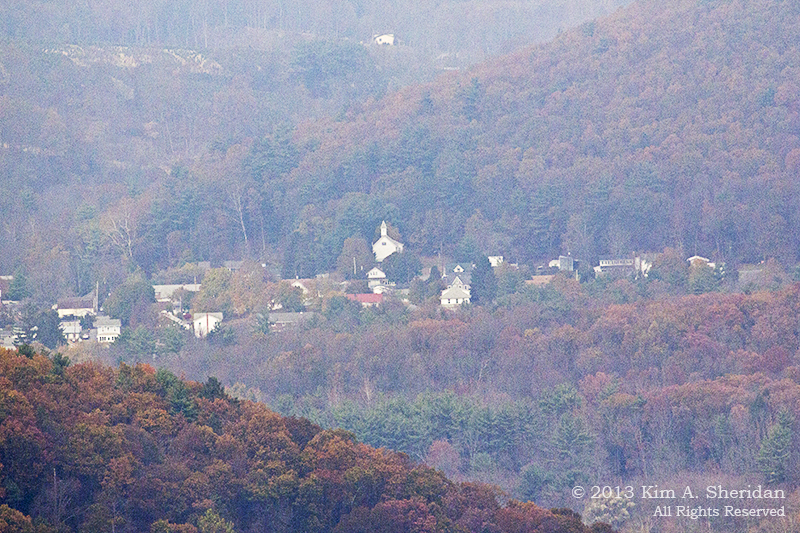
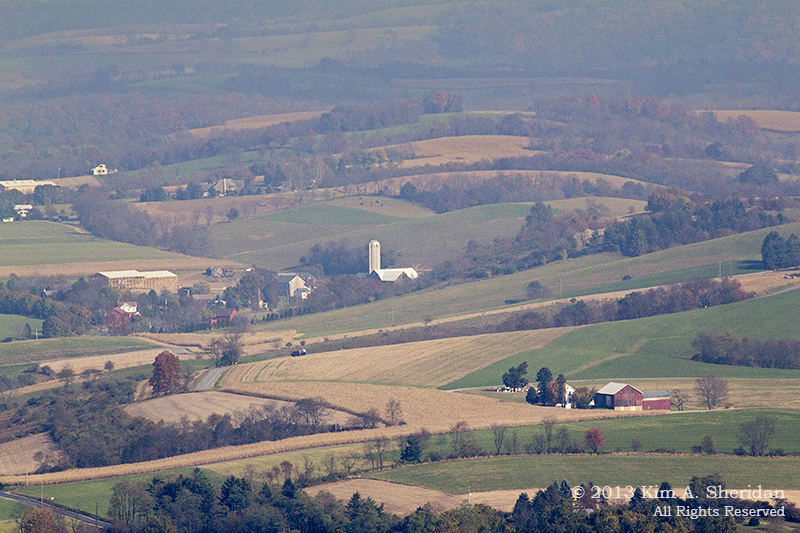
Hawk Mountain_0715aEven the hills were shrouded in mist, muting the brilliant fall color and making landscape photography difficult. Nestled in among the trees were some farms and little towns, just visible through the haze.Hawk Mountain_0822a

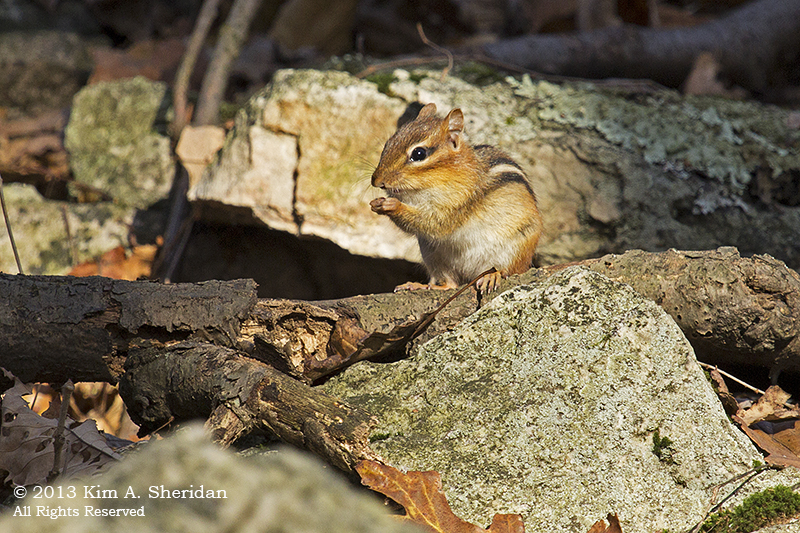
Of course, within ten minutes of leaving North Lookout, the sun broke out and the sky turned brilliant blue. No doubt the hawks were laughing at us hapless humans. I think even this little chipmunk was laughing at us. But we enjoyed the day, so we had the last laugh!Hawk Mountain_0789a

 CONSERVATION PIECE: During the Great Depression, the Pennsylvania Game Commission paid $5 for each hawk killed, which led to the widespread slaughter of raptors. Hawk Mountain was a popular place to stand and shoot hundreds of passing hawks for sport. Dead hawks at the SlideConservationists began to oppose the killing, and one ornithologist recovered and photographed the abandoned carcasses. Those photographs reached a New York activist named Rosalie Edge, who in 1934 leased 1,400 acres on Hawk Mountain and immediately imposed a hunting ban. The next year she opened Hawk Mountain to the public to watch the hawks migrate. She then purchased the land and gave it to the Hawk Mountain Sanctuary Association in 1938. Hawk Mountain has been a wonderful place to witness the marvel of migration ever since.

Want more information? http://www.hawkmountain.org/

Historical photo courtesy of Hawk Mountain Sanctuary Association      http://www.hawkmountain.org/who-we-are/history/page.aspx?id=387 


Looking For Fall

Autumn at Home_0145a Has anyone seen Autumn?

I’ve been searching for her everywhere. Autumn is an elusive elf, playing peek-a-boo among the trees, teasing us with glimpses of bright color, evading us when we look too hard, then turning up where we least expect her.

OC 51st Street_5653 bCould September’s seaside goldenrod be a feather boa in her wardrobe?

Tuckahoe WMA_5526a Maybe her early colors adorn Tuckahoe trees.

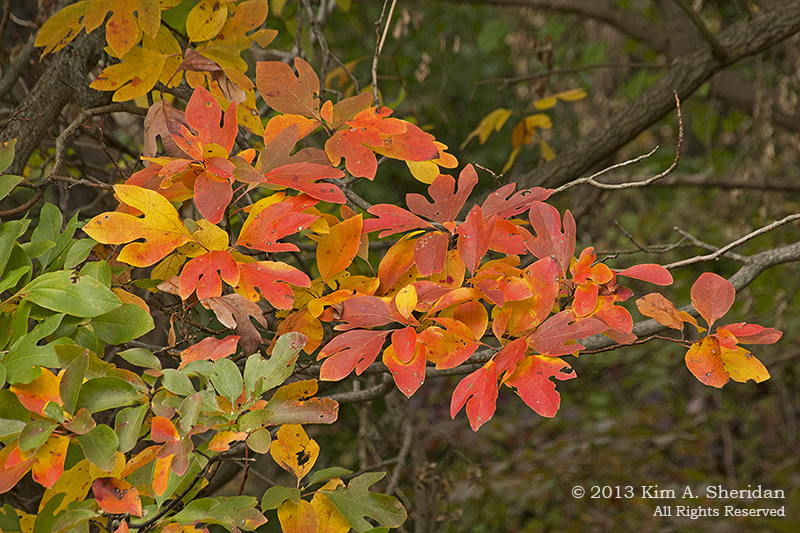
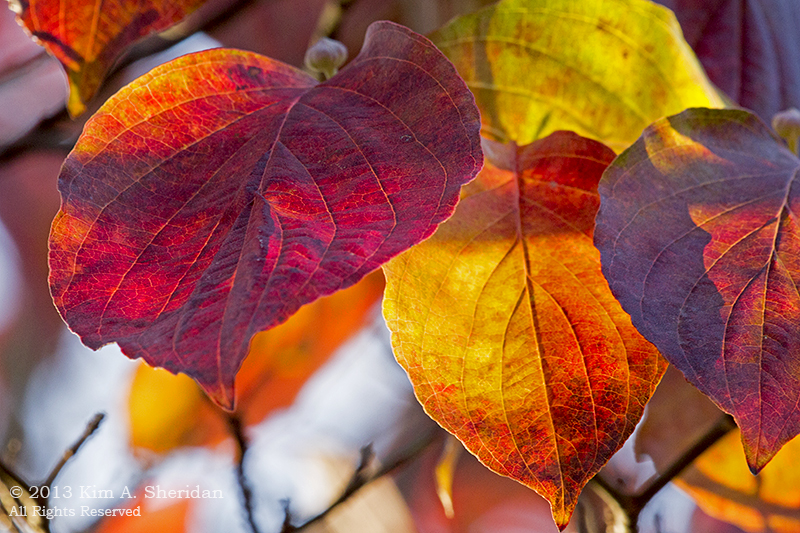
Tyler Bigfoot_8588aPerhaps Autumn’s paint pot anoints the Sassafras leaves.

Tyler Bigfoot_8599a Has anyone seen Fall?

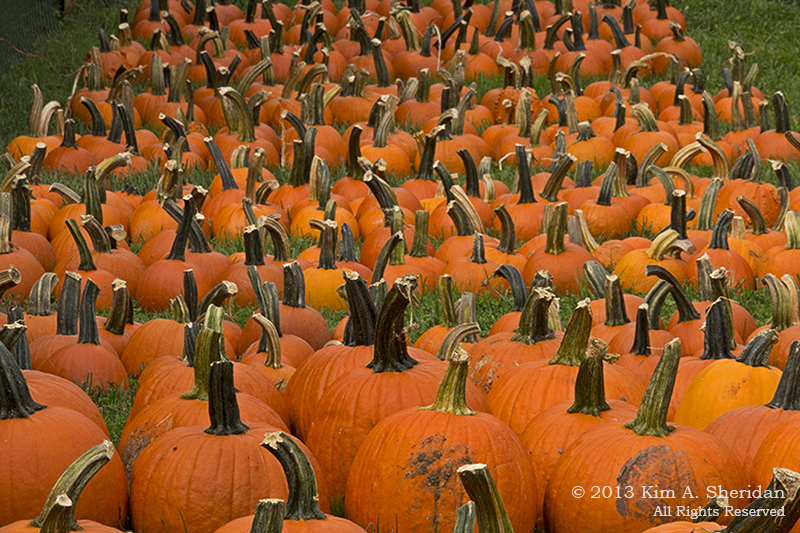
Did you see her pixie cousins darting among the marching jack o’lanterns?

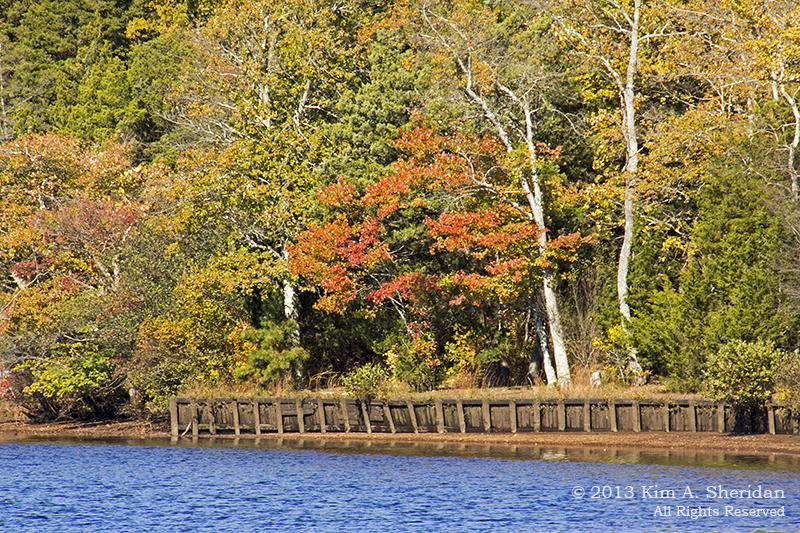
Pine Barrens_9624aStrange things lurk in the Pine Barrens of New Jersey. An elven queen knows better than to flout her presence along the Mullica River…

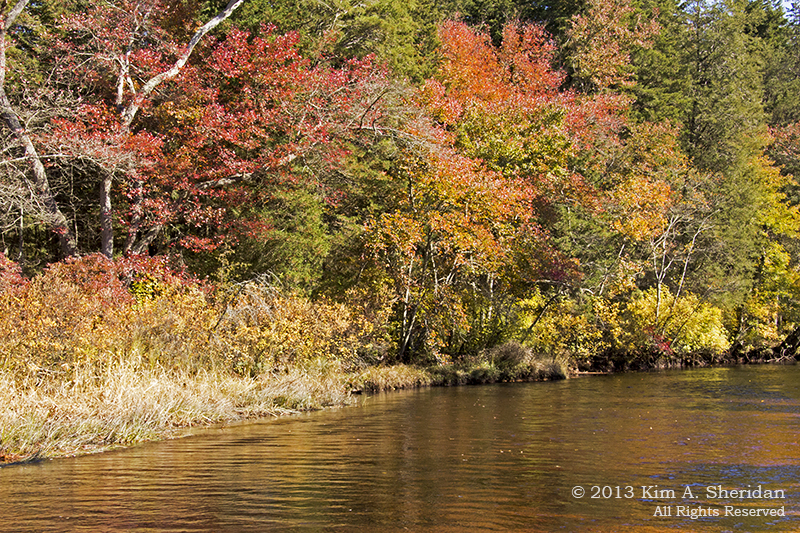
Pine Barrens_9639a Though occasionally she can’t entirely hide her exuberance.

Pine Barrens_9849aCould the tea-colored waters of the Wading River be her magic elixir?

Autumn at Home_0153aHas anyone seen Fall?

Lady Autumn played hide-and-seek with me one morn amid the dogwoods and the maples in my small Eden at home.Autumn at Home_0310aAutumn at Home_0295a

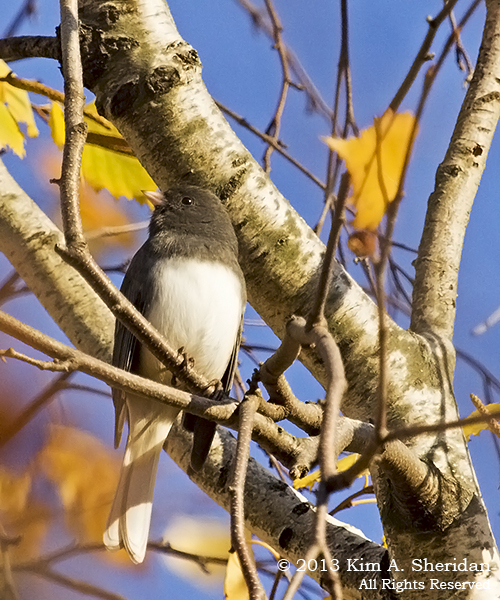
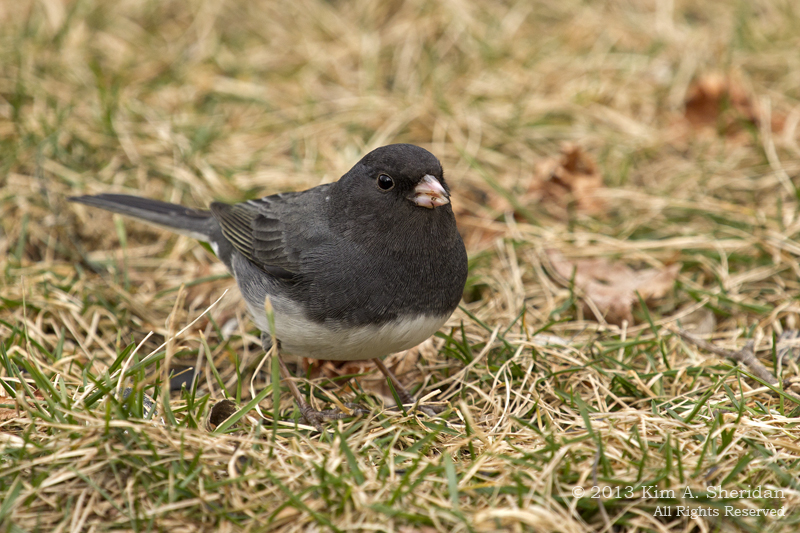
Autumn at Home_0193acs Oh, look! Here is one of her Ladyship’s attendants. The first Dark-eyed Junco of the season awaits her wishes.

Autumn at Home_0332aHave you seen Autumn?

Coming up: The Search Continues

Back In Business

HNWR Yellowlegs_8781 a KRTR 99.9 Critter Radio brings you the Critter Traxx Traffic Report, sponsored –

*** WE INTERRUPT REGULARLY SCHEDULED PROGRAMMING TO BRING YOU THIS SPECIAL UPDATE ***

This just in – With the government now open, John Heinz National Wildlife Refuge is BACK IN BUSINESS!

HNWR_9263 aYes, folks, my favorite hangout is up and running. The recent government shutdown followed immediately on the heels of my two weeks at the Shore, and I found myself away from Heinz for nearly five weeks. So it was with eager anticipation that I returned for a bird walk this weekend. Would the Refuge look much different? Would there be any fall color showing yet? What birds would be out and about? Would there be interesting things to see?

The Refuge rarely disappoints, particularly after so long away. Here are some ordinary images of ordinary birds on an ordinary Saturday at Heinz that was somehow anything but ordinary.

HNWR Yellowlegs_8750 a  Greater Yellowlegs.

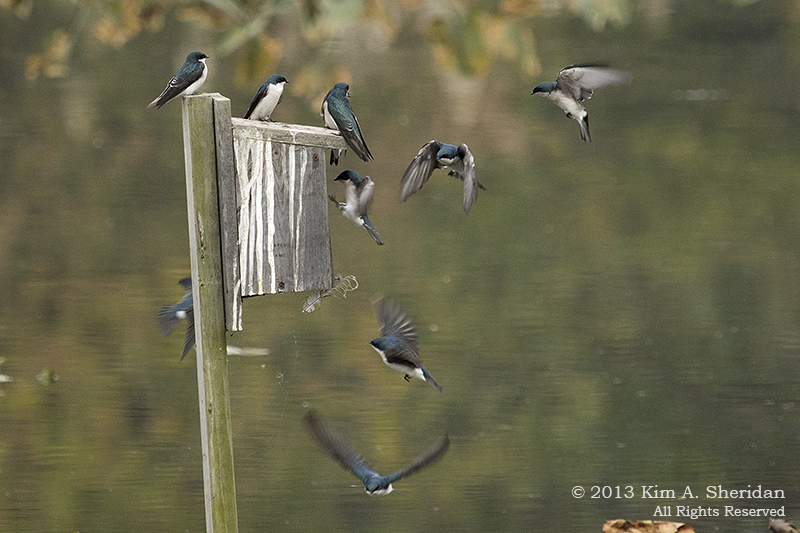
HNWR Swallow_8806 aHNWR Swallow_8863 aTree Swallows are here in large numbers. They were busily quarreling over a number of nest boxes, even though it isn’t nesting season. We think there might be insect nests inside, and that’s what’s causing the chaos.

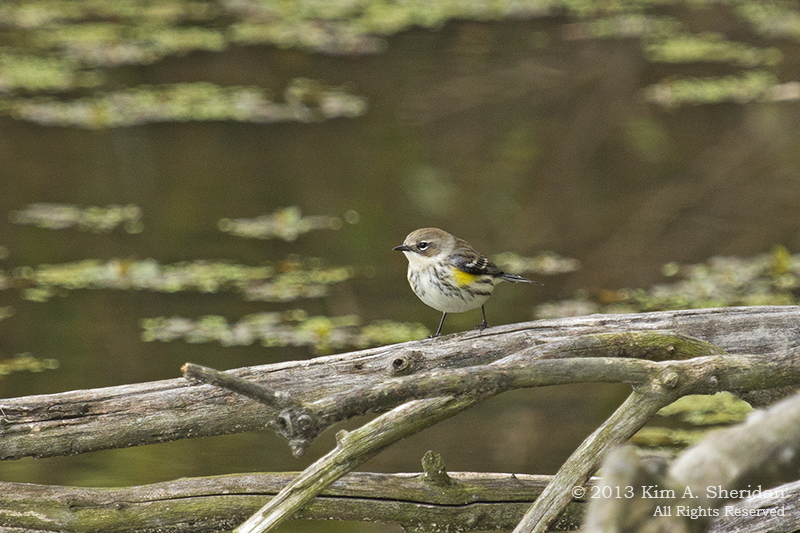
HNWR Yellow Rump_8891 a It’s fascinating to watch the way Nature changes through the seasons. Every naturalist should have a place they go frequently throughout the year, and Heinz NWR is that place for me. Last October I took my first guided bird walk here, led by Mary Ellen, and the most prominent bird was the Yellow-rumped Warbler. How fitting that exactly a year later, I should go on another of Mary Ellen’s walks, and Yellow-rumps would again dominate the walk. I have now come full circle!

FUN FACT: Phenology: the study of the timing of recurring events in the life-cycles of plants and animals. For instance, the flowering of trees, the birth of baby animals, migration, hibernation; all recur from year to year. Yellow-rumped warblers migrate through Heinz in mid-October. These events are influenced by seasonal changes and their timing may be altered by climate change. If a plant blooms weeks earlier than in the past due to a warmer climate, the insects and birds that depend on it may arrive too late to take advantage of it. And if you’re allergic to it, you may start sneezing a lot earlier!

HNWR Teal_8988 aGreen-winged Teal, one of six species of ducks we saw.

HNWR Wood Duck_9051 acs2 Here’s a duck I’ve been trying to photograph in breeding plumage since the spring – Wood Duck. This is the closest I’ve gotten so far, and they’re not very close. But they are spectacular.

HNWR Redtail_9197 aRed-tailed Hawk.

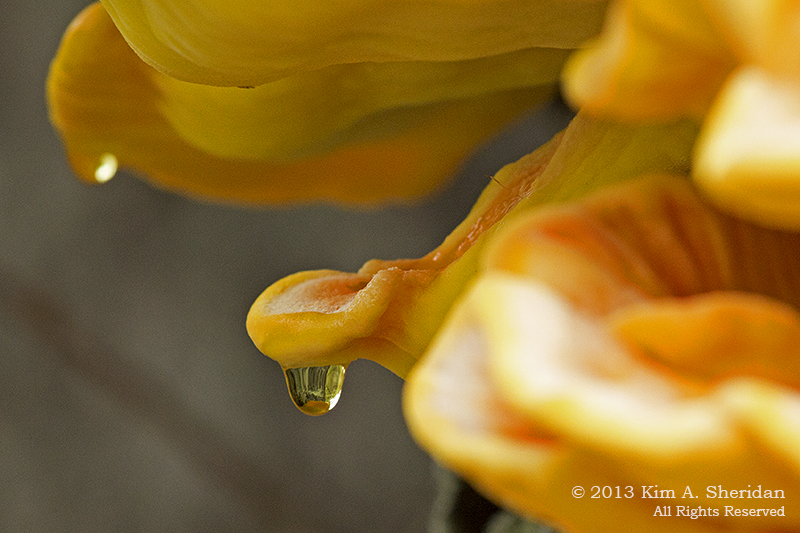
HNWR Fungus_9222 a I am told that this strange apparition is a Chicken Fungus, that it’s edible, and furthermore that it tastes like – chicken. I didn’t try it.

And with good reason – there are a lot of toxic fungi out there. Best to just admire them for their looks, and leave the taste-testing to the experts. Which I definitely am not.

HNWR Fungus_9245

*** WE NOW RETURN YOU TO YOUR REGULARLY SCHEDULED PROGRAMMING ***

Coming up: The Critter Radio Traffic Report (I promise)

Migration Meanderings: Fallout

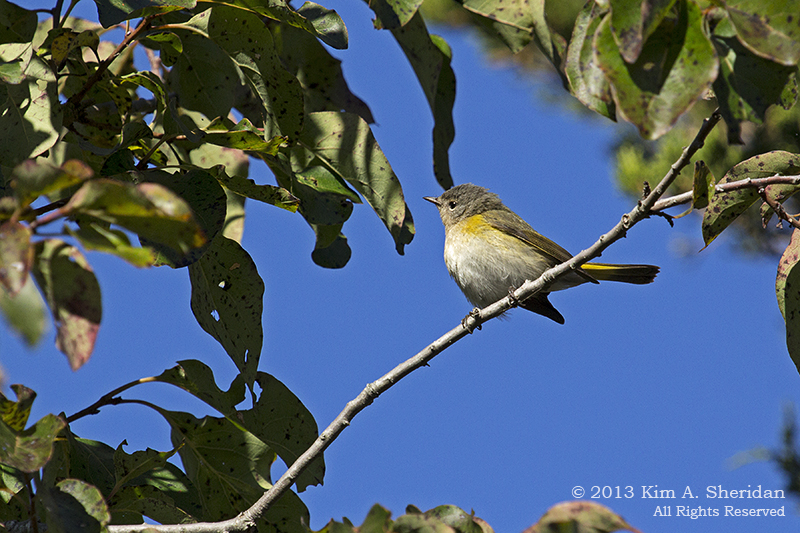
Cape May Lily Lake_4850 a Imagine that you’re a Warbler, like the American Redstart above. You weigh just a few ounces. You’ve spent a short, frenzied summer raising a brood of hungry nestlings. Or maybe you’re one of those recently fledged young birds. Now that the weather is cooling and food becoming scarce, your biological clock is driving you to make the long flight south, hundreds or even thousands of miles. You want to stay over land wherever possible, but here you are with water pressing in from both sides: the Atlantic Ocean to your left and the Delaware Bay to your right and in front. Soon or later you will have to cross Delaware Bay. But you’ve been flying all night (to avoid predators) and right now you’re hungry and tired. What do you do?

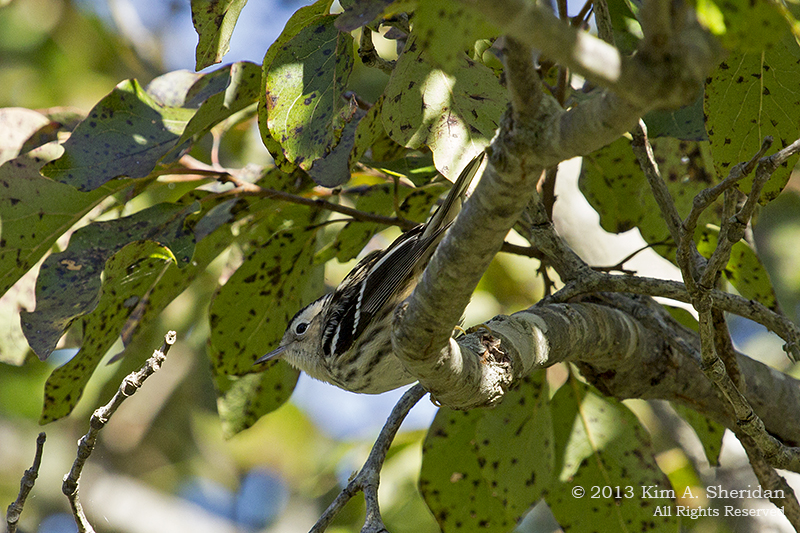
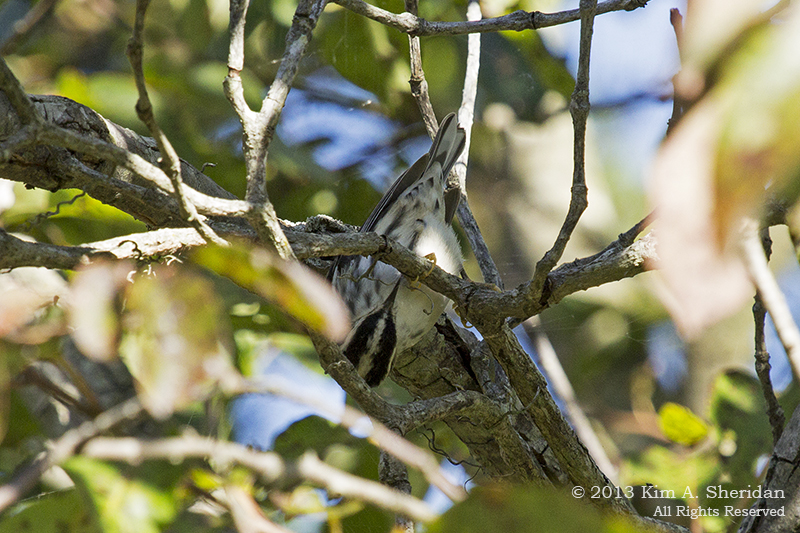
Cape May Lily Lake_4883 aCape May Lily Lake_5035 aLook! Here are all these nice food-laden trees just below. An all-you-can-eat buffet! Never mind the crowd of birders and photographers standing on people’s front lawns to watch your every move. On this day in September, for you and dozens of your warbler compatriots, Cape May Point, NJ is the place to be. Black-and-White Warbler, above.

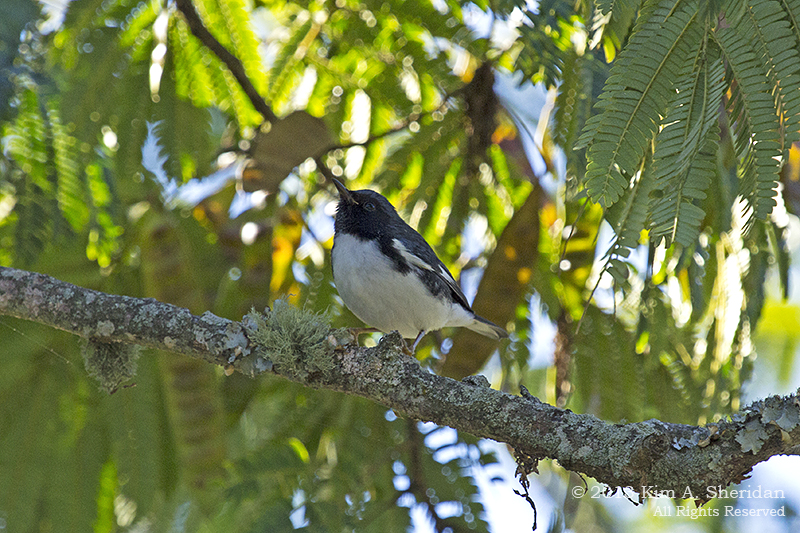
Cape May Lily Lake_5014 a Simple geography makes Cape May County a migrant trap – a hotspot for winged creatures migrating south in the fall. Birds by the thousands follow land as far as they can, and the geography funnels them all over Cape May Point. Before crossing the water, many hungry birds must come down to rest and eat. Black-throated Blue Warbler, above.

Cape May Lily Lake_5158 aPhotographing you tiny warblers is a challenge. If you’d only stop moving! Add to that the challenge of identification. In fall you’re out of the more obvious breeding plumages, plus there are juveniles mixed in, who look different from their parents. I’m not really up to par yet on naming these birds, and so rely heavily on more experienced birders. When all else fails, I fall back on my photos and the field guides. Cape May Warbler (above) – I think.

Cape May Lily Lake_4862 a Are you this flexible? Black-and-White Warbler again, leaving no food tidbit unturned.

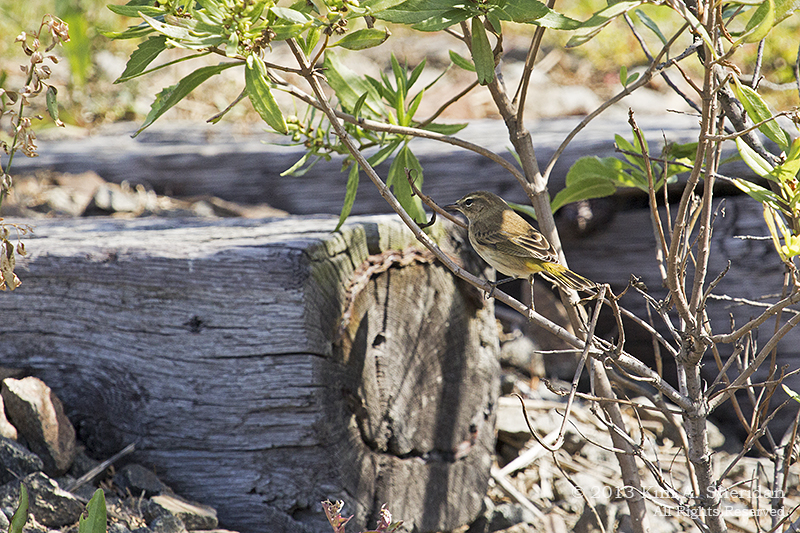
OC 51st Street_5872 aWarblers show up in other places, too. Palm Warbler, Ocean City.

FUN FACT: A tiny Blackpoll Warbler needs to double its weight to fly from New England to South America each year. In human terms, that means a 150 pound person would need to gain 15 pounds a day until they reached 300 pounds!

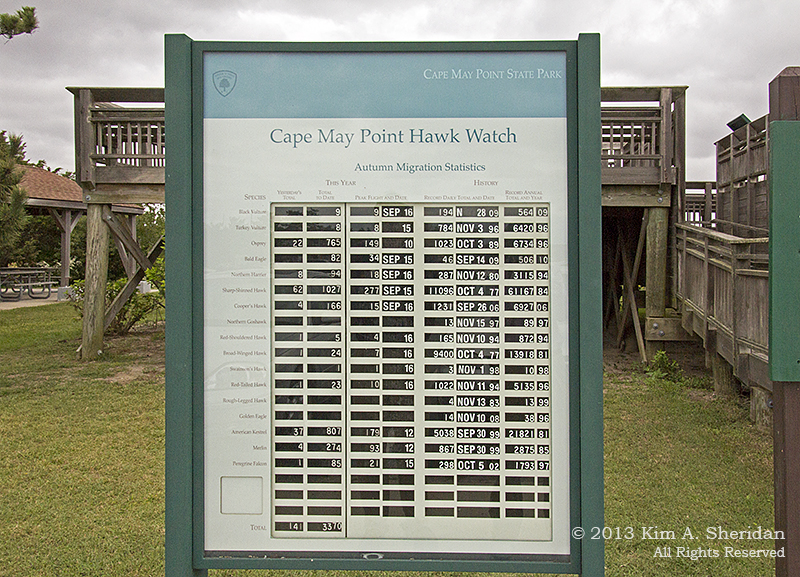
Cape May_8250 aIt’s not just warblers on the move in the fall. Imagine you’re a raptor, soaring on the thermals over Cape May Point. Bald Eagles, Kestrels, Red-tailed Hawks and more join you in the sky; Northern Harriers hunt over the marsh.  See that wooden platform filled with people? That’s the Cape May Hawk Watch, and the people are there just to watch you migrate. They keep score, too!

Tuckahoe WMA_5596 aThe Osprey above was lingering at Tuckahoe WMA before departing for warmer winter digs.

OC Corsons Inlet_3413 a Collage Maybe you’re one of these Tree Swallows, hunting mosquitoes at Corson’s Inlet State Park in Ocean City.

OC Corsons Inlet_3407 aYou might be one of the shorebirds, waders, gulls and terns that are fueling up to move south. Here a few fish try to evade a hungry Laughing Gull at Corson’s Inlet SP.

Cape May Meadows_3974 a Is this prehistoric looking bird a friend of yours? Glossy Ibis, South Cape May Meadows.

Cape May Point State Park_4209 aHo, hum, not another Egret? Actually, no. This is a juvenile Little Blue Heron. Mature adults are a dark dusky blue, but the juveniles are white, and look a lot like Egrets. Cape May Point SP.

Forsythe NWR Bird_6188 aPerhaps you are a dainty Forster’s Tern, flying slowly, head down, looking for prey. There it is! A sudden dive straight down, and you’ve got lunch. Edwin B. Forsythe NWR.

Forsythe NWR Bird_6142sBlack Skimmers at Forsythe NWR.

Well-fed and rested, you’re ready to continue your journey south. But you’ll have company; after all, birds aren’t the only winged creatures migrating in the fall.

Coming up: Migration Meanderings: The Flight of Kings

Salt Marsh Safari

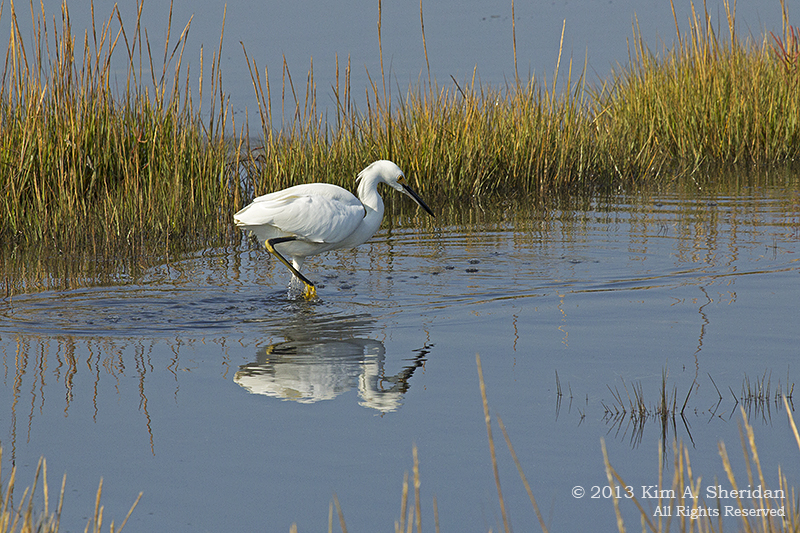
Cape May Skimmer Egret_6493 a The day started quietly, with a drive through mist-shrouded farms and forests tinged with early fall color. The calendar said “October”, but by the time we arrived at the dock, the day was already doing a fine imitation of summer. We were here on Cape May Harbor for the Salt Marsh Safari, a two-hour tour on the 40-foot Skimmer through the back bays of Cape May. Before we even got on the boat, we had some great looks at Snowy Egrets (above.)Cape May Skimmer_6484 a

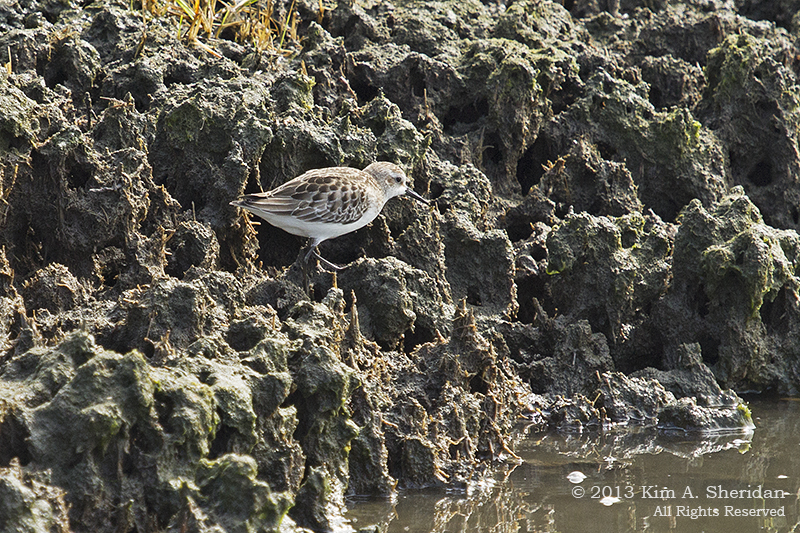
Cape May Skimmer Peep_6823 a FUN FACT: Here’s a Semipalmated Sandpiper. A big name for a little bird! Its feet have short webs between the toes, hence the name. The holes in the mud are made by crabs, a few of which we’ll meet in an upcoming post.

Cape May Skimmer Tri Color_6638 aSome of those aboard were veterans of springtime Skimmer trips, and reported that there weren’t nearly as many birds this go-round. It didn’t bother me, as I still saw two life birds this trip. Quality over quantity! Here’s the first lifer, Tri-colored Heron.

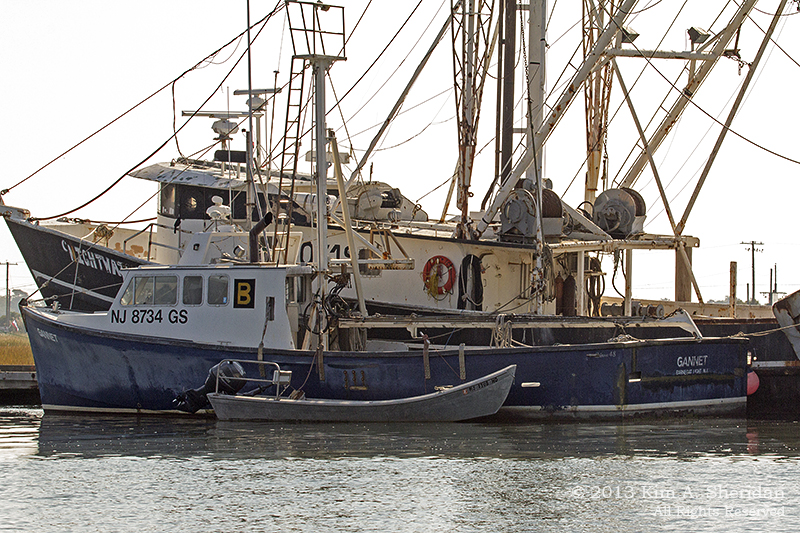
Cape May Skimmer_6525 aThese are not the Skimmer, but a couple of fishing boats anchored along the harbor.

Speaking of fishing, a couple of times our captains scooped up marine life with a bucket for us to examine. There were sea urchins, shrimp, crabs, and a sea star at least six inches across. We also found a couple of large whelks. Most people know these for the empty shells found on the beach, but they are actually snails. Every time the captain tickled the soft creature inside the shell, it fired back with a jet of water.

Cape May Skimmer_6969 a Here’s the second life bird, Whimbrel. The captain brought the boat in for a really close view. Being on a boat has its advantages. As does that long downturned bill, for the Whimbrel. It’s perfect for digging yummy tidbits out of the mud.Cape May Skimmer_6986 a

Shameless plug: if you’re in the Cape May area and want to learn about the wildlife of the marshes, or just want a relaxing boat ride, check out the Skimmer. The captains are friendly and really know their stuff. http://www.skimmer.com/default.html

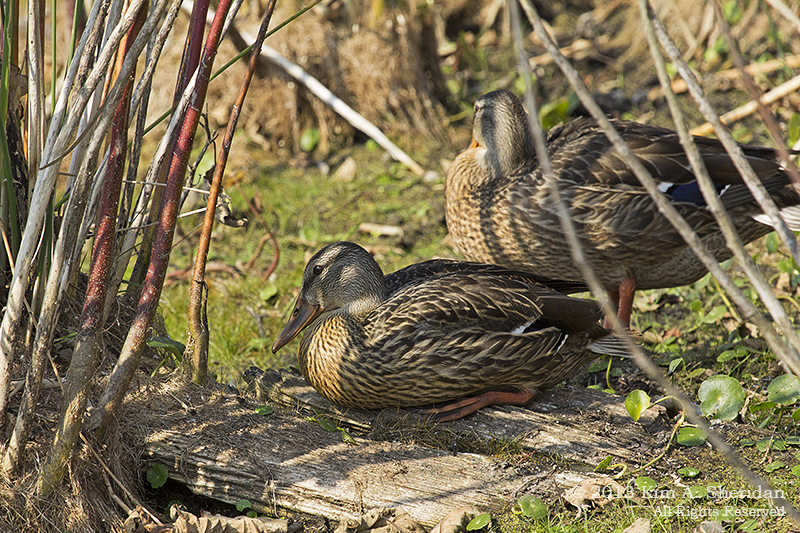
Cape May Point SP Duck_7099 a After lunch, we went for a land-based trek through Cape May Point State Park. With marshes, ponds and forests, there’s always a lot to see here. As the afternoon wore on, the unseasonable heat was getting to animals and humans alike. A couple of Mallards found a nice patch of shade.

Cape May Point SP Frog_7292 aA Green Frog knew how to keep cool.

Cape May Point SP Butterfly_7315 a Seaside Goldenrod was in bloom everywhere, and attracting lots of butterflies and bees. This bee is loaded with pollen. Cape May Point SP Bee_7020 a

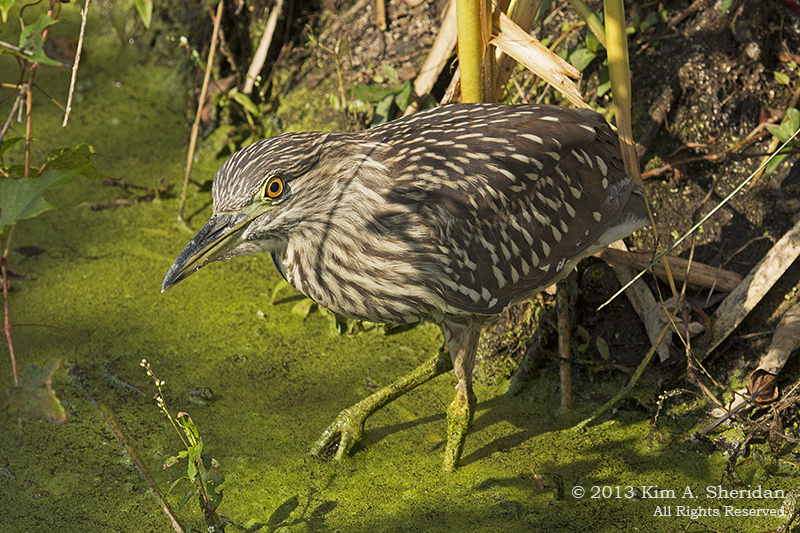
Cape May Point SP Night-heron_7207 a Here’s the Bird of the Afternoon. This is a juvenile Black-crowned Night-heron. We found him at the base of a footbridge crossing a small stream. He couldn’t have been more than ten feet away, and he barely budged the whole time we were taking his portrait.

It may have felt like summer, but the golden hues hint at autumn to come. What better way to spend a glorious fall day than soaking it all up in Cape May.Cape May Skimmer_6731 a

Coming up: Migration Meanderings

More Winter Birds

Feeder Birds_8384 ACS Feeder Birds_8392 ACSYes, I know it’s barely fall. While we’re waiting for the leaves to turn here in the East, it seemed a good time to look back at some images from last winter. To remind us what lies in store when it gets cold…

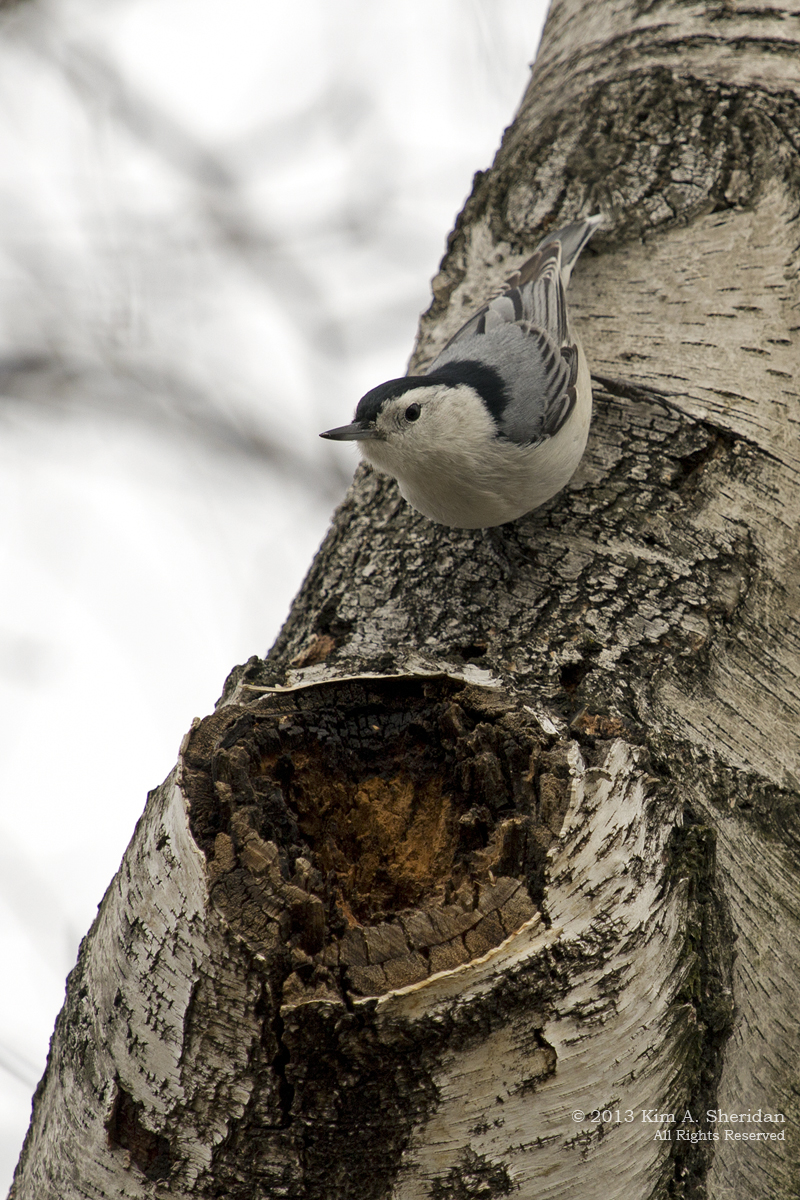
The Dark-eyed Junco (above) and White-breasted Nuthatch were feeder visitors in my backyard. Also the first subjects for my new 400mm zoom lens.

HNWR Pintail_9336 ACS Northern Pintail, John Heinz National Wildlife Refuge

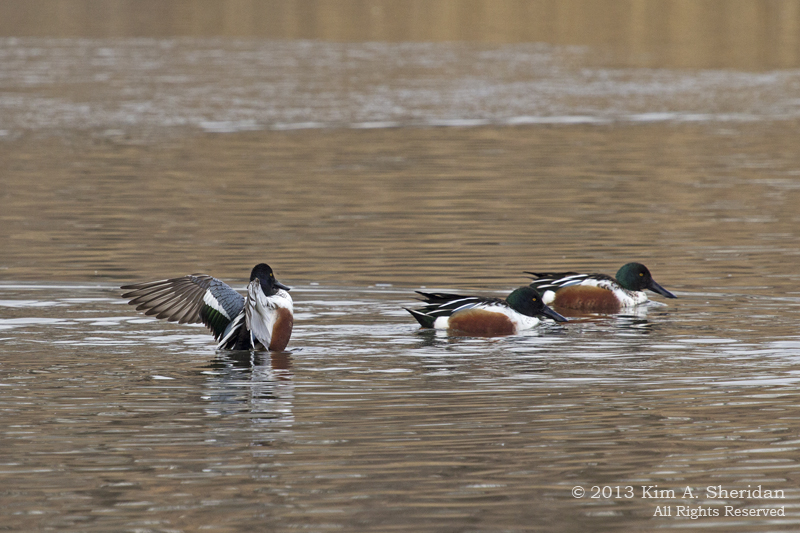
HNWR Shoveler_9383 ACSNorthern Shovelers, Heinz NWR

Ocean City Sanderling_1191 ACS Sanderling, Ocean City, NJ

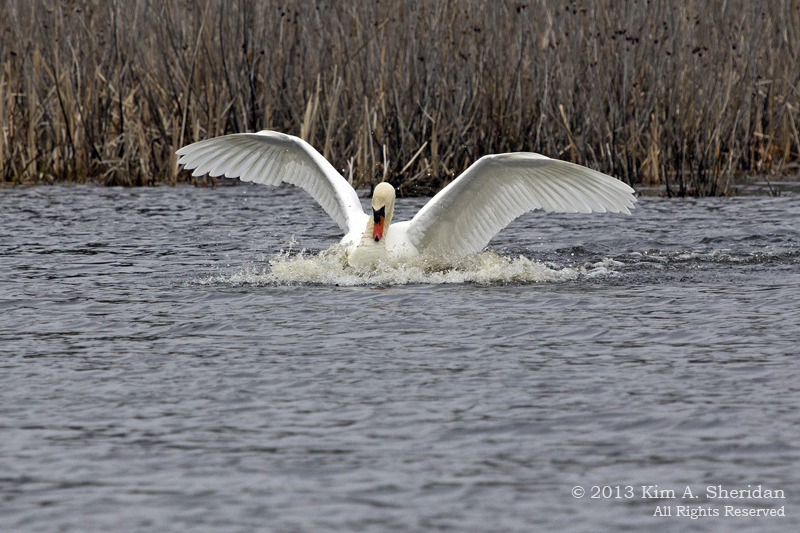
Cape May SP Swan_1425 ACSMute Swan, Cape May Point, NJ

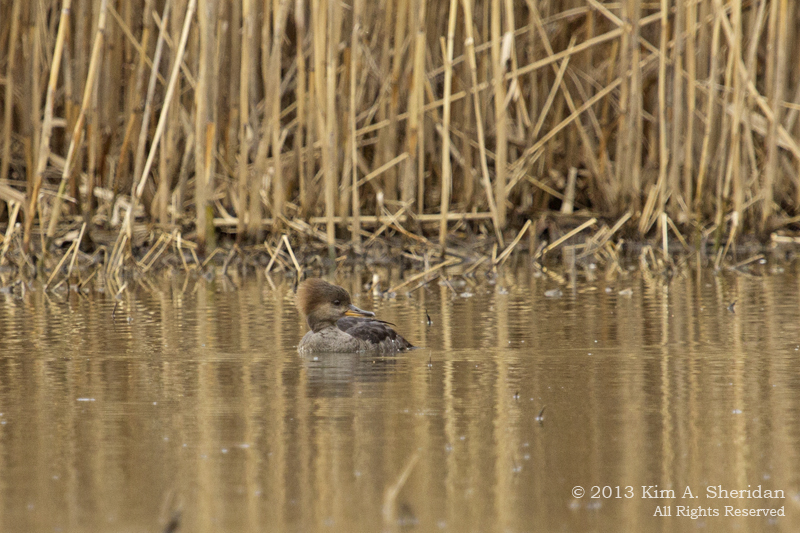
HNWR Merganser_2441 ACS Common Merganser female, Heinz NWR

HNWR Evening_4352 ACSCarolina Wren, Heinz NWR

Middle Creek WMA_3463 ACS Middle Creek WMA_3447 ACSSnow Geese at Middle Creek Wildlife Management Area in Lancaster County, PA. Snow Geese gather by the thousands on their winter feeding grounds. I had no sooner pulled up to a hill covered with geese when they took off. A giant cloud of geese, whirling and spinning as one. It was an amazing sight.

I like to look at this image at the right, pick out a goose, and imagine what he may be thinking.

  • “Does anyone know where we’re going?”
  • “Mom always told me not to follow the crowd.”
  • “Can’t a guy get some peace and quiet around here?”
  • “Why is everybody following me?”
  • “If you’re not the lead horse, the view never changes.”
  • “I wish that goose next to me had used deodorant this morning…”

Middle Creek WMA_3490 ACS Clone

Coming up: Something more seasonal, I promise!

Cold Duck

Barnegat Merganser_0158 ACS Let’s take a little trip back to the images that inspired this blog in the first place. In February I went on my first trip with the Heinz Refuge Photo Group, to Barnegat Light on the Jersey Shore. In the winter the Inlet attracts a variety of ducks and shorebirds you don’t get to see other times of the year.
Barnegat Landscape_0163 ACSThe challenge is getting to them! To get close you have to walk out on the stone jetty, which can be dangerous when it’s wet or icy. People have been known to fall between the rocks and get stuck.

Barnegat Landscape_0880 ACS The day of our visit was sunny, cold and very windy. Fortunately the jetty was dry, and we walked the whole length of it. The ducks were very close in, I saw 6 new bird species, and it was a great photo day for me and my new zoom lens.

All of these birds were new species for me.

Barnegat Longtail_0402 ACSLong-tailed Duck

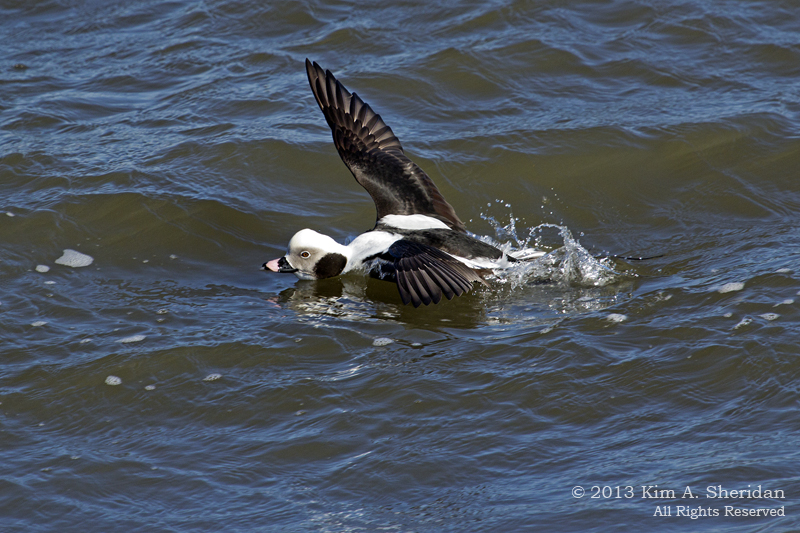
Barnegat Longtail_0266 ACS Long-tailed Duck with an itch, and demonstrating a perfect belly-flop.Barnegat Longtail_0381 ACS

Barnegat Merganser_0241 ACS Red-breasted Merganser, well-coifed, and on a bad hair dayBarnegat Merganser_0499 ACS

Barnegat Loon_0924 ACSCommon Loon – my first view of Loons. They were silent though. So I didn’t hear their signature eerie calls.Barnegat Loon_0331 ACS

Barnegat People Colleen_0826 ACS What the well-dressed photographer wears at Barnegat Inlet. Double mufflers! Colleen, trying to keep warm.

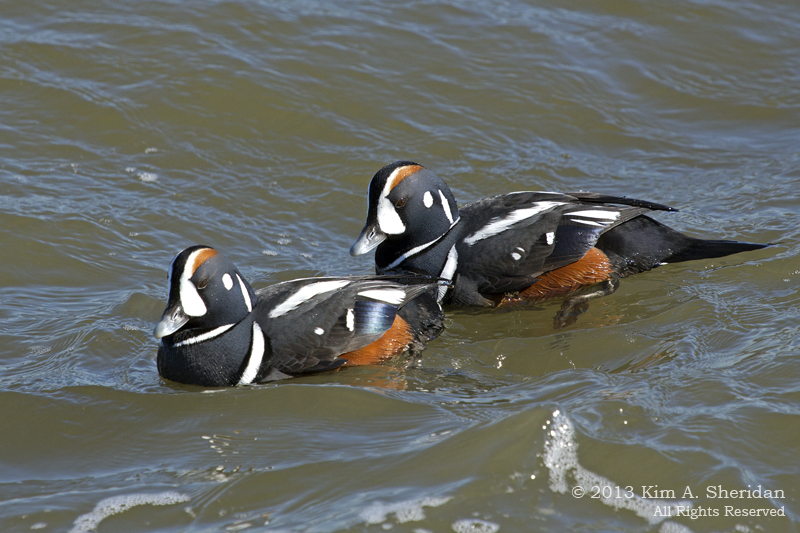
Barnegat Harlequin_0599 ACSThe stars of the Barnegat Show are the Harlequin Ducks. The colors of the males’ plumage are amazing. They were out at the end of the jetty, so we had to walk a long way to see them. Hopping from large boulder to large boulder was slow and tiring. The payoff was worth it, though!

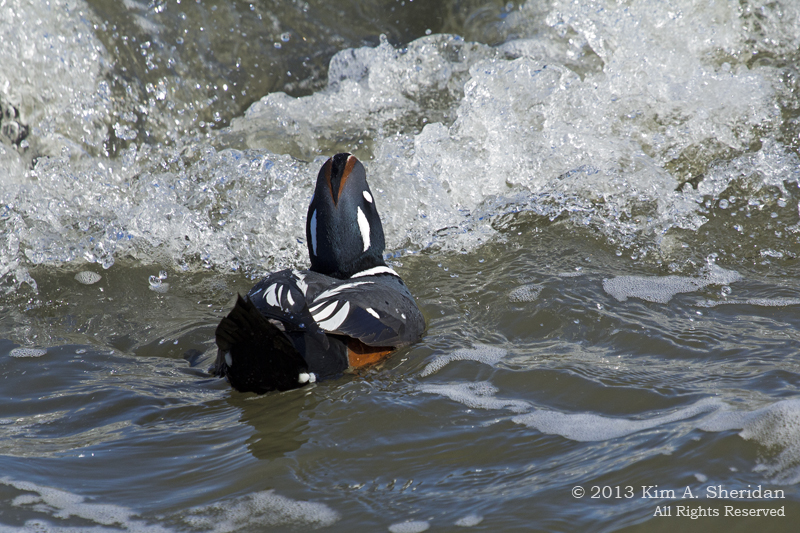
Barnegat Harlequin_0745 ACS Harlequins like the surf rough, and had no difficulty standing up to the waves, even if it meant getting a face full of water. Cold water.

Barnegat Harlequin_0628 ACS

Coming up: More Winter Birds

Michigan’s Shy Wildlife

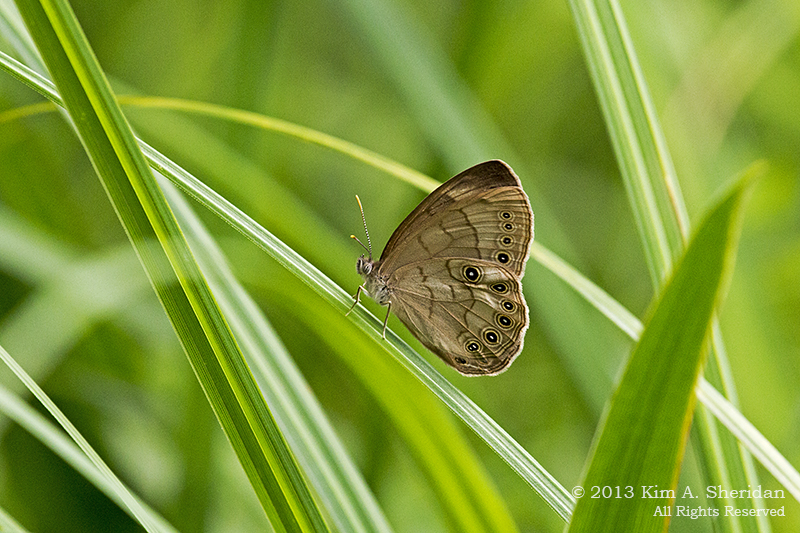
MI LSP Lost Lake-Island Trail Northern Pearly-eye_6060a I went to Michigan hoping to come home with lots of amazing wildlife shots. Last year I saw minks, for gosh sakes. And this year I have this great new long telephoto zoom lens. Confoundingly, Michigan critters are quite camera shy. No mink, no deer, only one chipmunk.

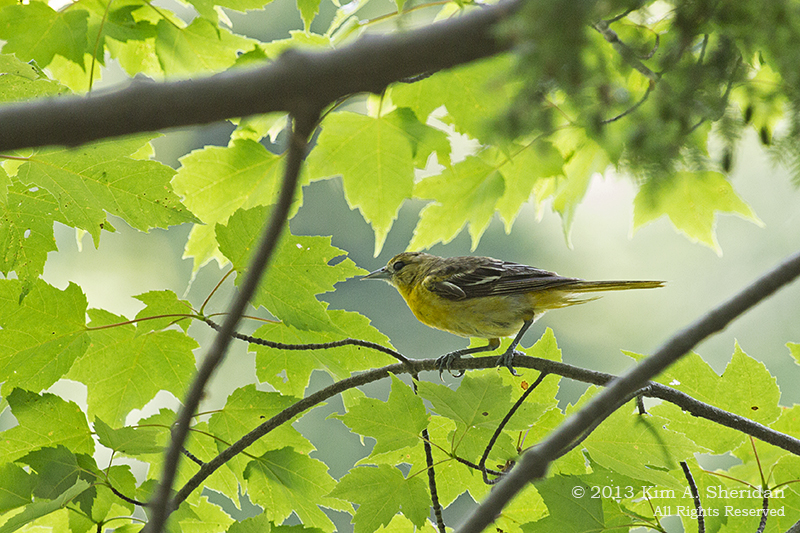
Birds – oh, yes, there were birds. I could hear them all around me, nattering away constantly. But they insisted on playing hide-and-seek with me, teasing with brief flashes of black and yellow, but never settling down long enough to visit.

Here are some of the animals I did manage to capture, mostly of the winged variety. Above is a Northern Pearly-eye Butterfly in Ludington State Park. Check out the natty striped antennas.

MI LSP Lost Lake-Island Trail Bird_6213aAmerican Redstart, Ludington State Park.

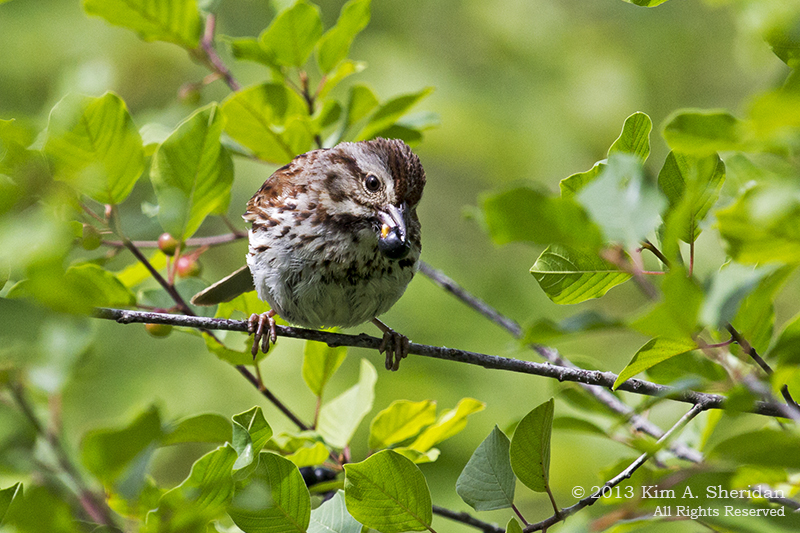
MI Mitchell SP Bird_7291aSong Sparrow, Mitchell State Park.

MI Mitchell SP Bird_7415aChickadee, Mitchell State Park.

MI LSP Lost Lake-Island Trail Bird_6402aUnidentified Warbler, Nordhouse Dunes Wilderness Area. Maybe a female or juvenile Blackburnian? A little help, anyone?

Eagle Filmstrip 1 No text A juvenile Bald Eagle searches for prey, spots his quarry, closes in, and – IMPACT!

Eagle Filmstrip 2 No Text

To the victor goes the spoils.

Looks like fish for lunch today.

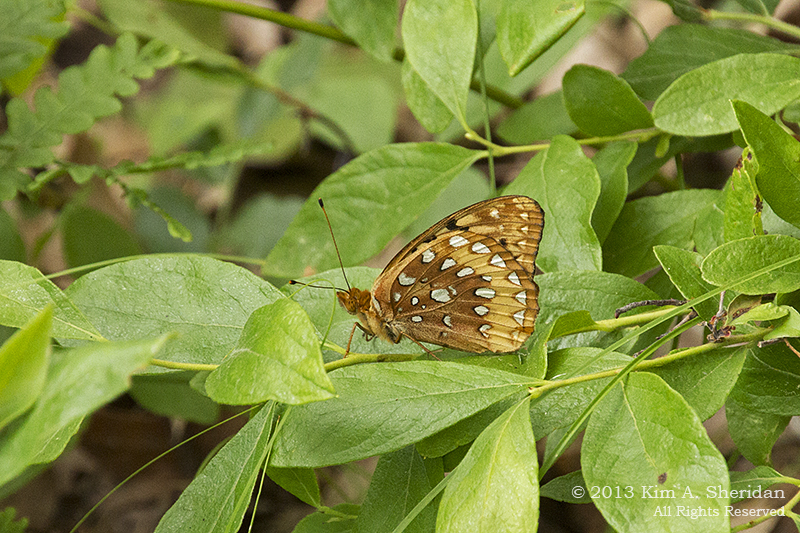
MI Nordhouse Dunes GSF Butterfly_5898aGreat Spangled Fritillary, Nordhouse Dunes Wilderness Area. Who comes up with these names, anyhow?

MI LSP Sable River Trail Common Buckeye_7084a Common Buckeye, Ludington State Park.

MI LSP Lost Lake-Island Trail Widow Skimmer_6452aWidow Skimmer, Ludington State Park.

MI LSP Sable River Trail E Pondhawk_7051aEastern Pondhawk, Ludington State Park.

MI Mitchell SP Ruby Meadowhawk Dragonfly_7458aSometimes dragonflies, butterflies and birds of the same species come in different colors. Usually it’s a male/ female thing. For instance, here’s a Ruby Meadowhawk female. Not particularly Ruby, is it? MI Mitchell SP Ruby Meadowhawk Dragonfly_7365aBut here’s the male Ruby Meadowhawk, and now it’s obvious where the name came from. Mitchell State Park.

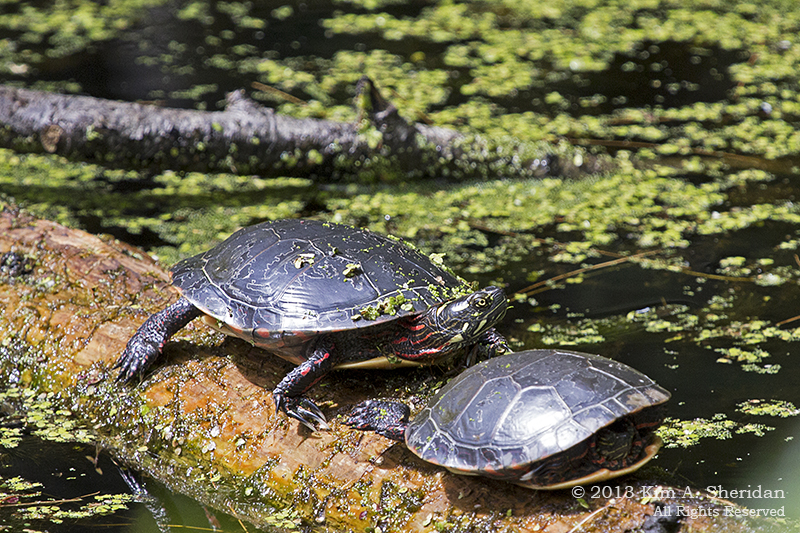
MI Mitchell SP Wildlife Midland Painted_7353aAnd now, for some scaly things: Midland Painted Turtle, Mitchell State Park. The front fellow’s a little shy, typical of most of the critters I saw – or didn’t see – in Michigan.

Near misses: Occasionally along the Mitchell Heritage Nature Trail I would hear “shish-shishhh-shish” as a small snake slithered off into the grass. I rarely actually saw them. I also heard the distinctive banjo-like “twang” of a Green Frog a few times.

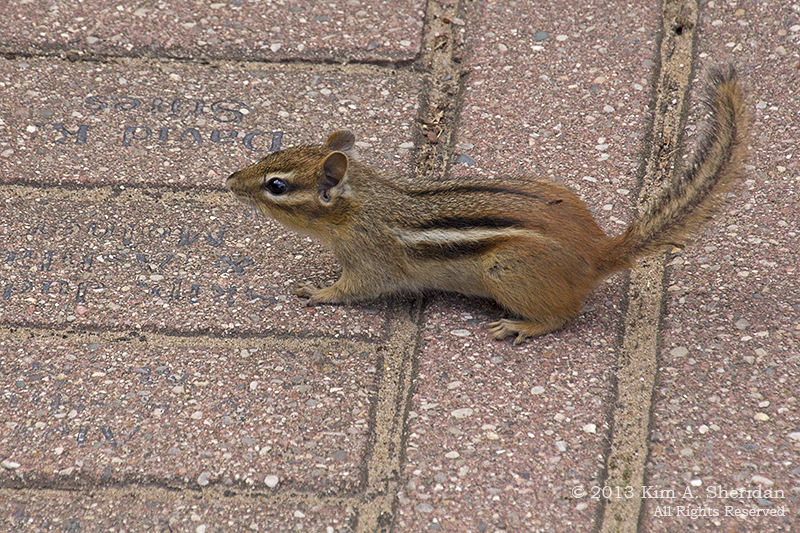
MI White Pine Village_5430aEnding on a furry note: Chipmunk, White Pine Village.

Coming up: Mich-mash

Baby Steps

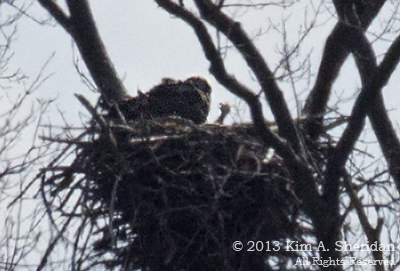
HNWR Eagle_5605 A3How did we go from this tiny little fellow looking up at his parent…

HNWR Eagle_3868 a2

to this broad-shouldered young Eagle soaring among the trees…

IN JUST ELEVEN WEEKS?

Yes, folks, the Bald Eagle chicks at Heinz Refuge have fledged! They took their first flights over the last weekend, and were already accomplished veterans by the time I saw them on Tuesday. Admittedly, they don’t go far, just fly laps around their Oak Island home, and they still spend time in the nest. But they are flying!HNWR Eagle_3884 acs

HNWR Eagle_3907 aIt looked to me like they were doing a fine job of maneuvering and landing in the trees. They have a new favorite perch, on a large bare tree to the right of the nest. I photographed one Eaglet there, and it wasn’t until I got the photos on the computer that I saw the other was right next to him, but hidden behind some foliage.

Even more surprising was this photo, where I was focused on one Eaglet (center) landing, and only discovered in processing that I’d caught the other Eaglet (upper left) in flight!HNWR Eagle_3882 a

The last flight we saw was a little rocky for one young bird. Seems a few Red-winged Blackbirds decided to chase him, even hitting him on the back a couple of times. I’m sure he was thinking “Mom! Help! What IS this?” Life out of the nest is all new to these guys.

I’ve been watching birds fly for many years. It never gets old, and watching the raptors fly is especially awe-inspiring. But nothing has moved me as much as these young Eagles’ short flights. What a thrill. It’s been a privilege to watch them grow.

Here are a few other young birds at Heinz right now. For starters, Yellow Warbler. HNWR Yellow Warbler_3486 a HNWR Gnatcatcher_2266 aHNWR RW BB_2064 a Blue-gray Gnatcatchers in a row (above)

Red-winged Blackbird (right)

Barn Swallow (below)HNWR Barn Swallow_2035 a

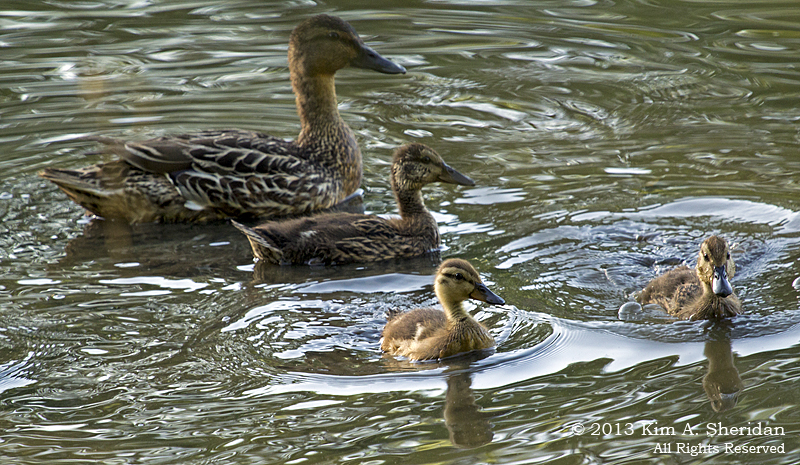
HNWR Mallard Ducklings_1794 a2Female Mallard and ducklings (above)

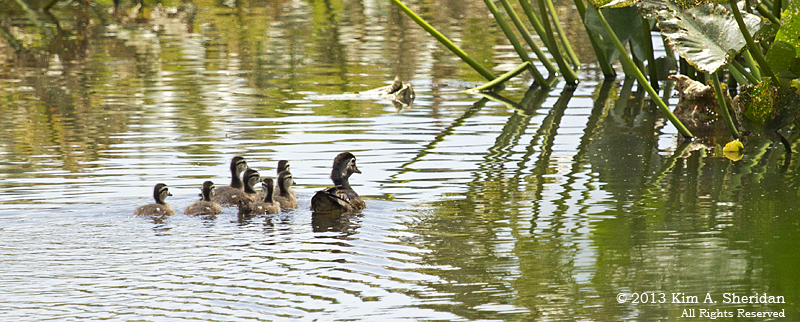
Female Wood Duck and ducklings (below)HNWR Wood Ducklings_3624 a

FUN FACT: Baby Wood Ducks have a big obstacle to overcome right from the start. The parents choose a nest cavity, either in a tree or man-made boxes. The nest is as much as 60 feet off the ground, and although it’s often over water, it may be over dry land. Soon after hatching, the ducklings have to make their way to water. Mom calls to them from the ground below. They can’t fly yet, so that means they have to JUMP from the nest! It doesn’t hurt them though. I’ve never seen this in person, only in documentaries, but apparently, Wood Ducklings bounce!

For en excellent video of one duckling’s leap of faith, check out this clip from Nature on PBS: http://video.pbs.org/video/2295315469/

Coming up: Pine Barrens Ramble