Watery New Horizons

The first river you paddle runs through the rest of your life. It bubbles up in pools and eddies to remind you who you are. –Lynn Noel

1-197807xx_Delaware Campsite 2acsMy first river was the Upper Delaware, in the Pocono Mountains in 1976. I was a teenager at Girl Scout camp and I fell in love with paddling right away. Memories of the river come floating back – blue skies, dark green hills, drifting quietly down the calm sections. The fun of running the rapids – Mongaup, the Eel Trap, Skinner’s Falls – and the frustration when we hit a rock or got stuck. Grey misty afternoons, and the one bright morning when the early sun bedazzled us with a myriad of sparkling diamonds on the river’s surface. I lived in canoes for four wonderful summers and paddling has coursed through my veins ever since. (The photo above was taken at an overnight campsite along the Delaware in 1978 with a Kodak Instamatic camera. Gotta love that ‘70s film look!)

Ghostbusters!Don started paddling in the 90s, on Darby Creek in a folding kayak. “I think that first time out in my folding kayak was a lot of fun and a big relief once I realized that my watercraft floated! Pine Barrens river trips came later… and I might have thought how peaceful and quiet it was and how isolated the spot was though it was all so near a major metropolitan area.”
140906_HNWR Kayak_9128acsRobb just started paddling recently, and his first kayak trip, to a rain-swollen Batsto River, left him cold. Being separated from your boat and stuck in a tree can do that. “[My first river] was Batsto and I remember being in a tree because of Don’s advice.” Later trips have gone more smoothly than that first experience, and Don and I are crossing our fingers that Robb comes to enjoy the sport as much as we do.

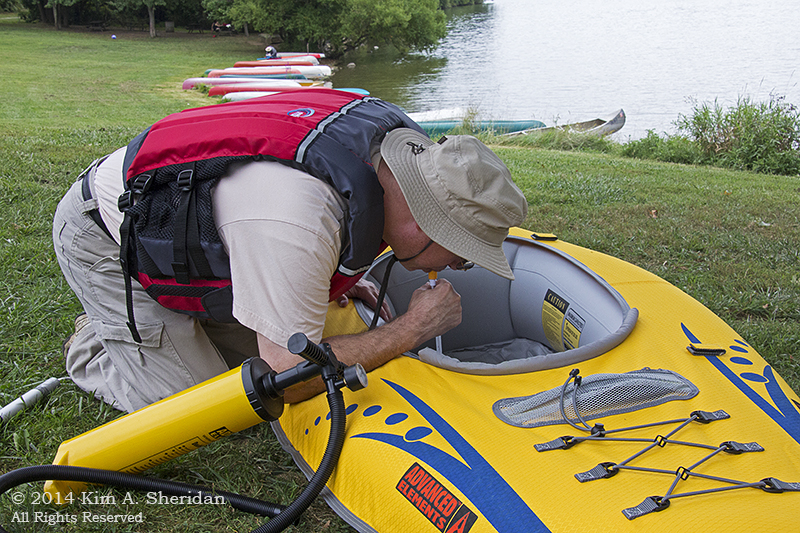
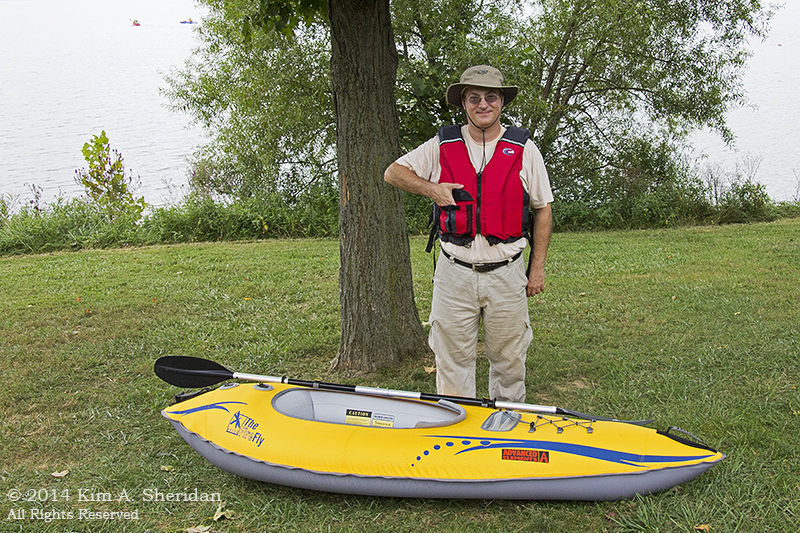
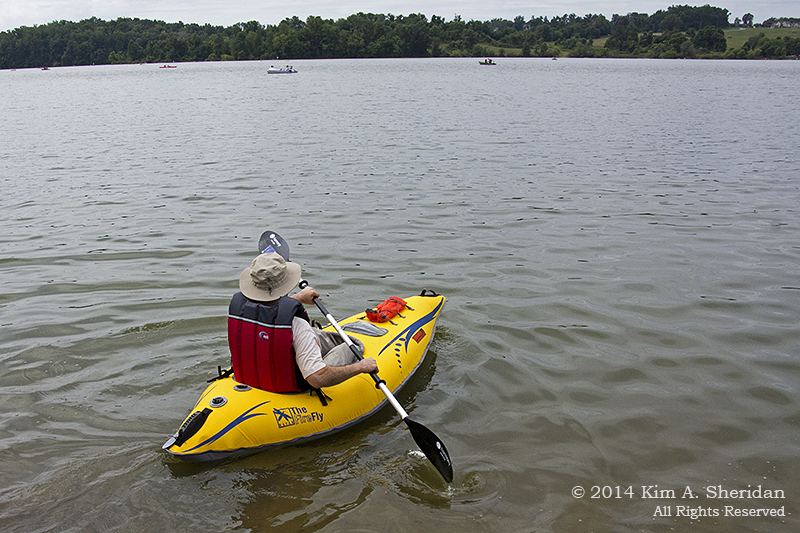
Don’s the only one with a kayak (an inflatable one, no less) so he coaxed Robb into the purchase of his own small inflatable boat called the Firefly. The Firefly took her maiden voyage on a cloudy and cool day at Marsh Creek Lake; she and her captain were a sight to behold. Once the boat was ready, that is.

140830_Marsh Creek Kayak_8446acsPumpa-pumpa-pumpa!

140830_Marsh Creek Kayak_8461acsPuffa-Puffa-Puffa!

140830_Marsh Creek Kayak_8498acsNapoleon at Waterloo, in his snazzy new vest.

140830_Marsh Creek Kayak_8524acsAre you sure this thing will float?

140830_Marsh Creek Kayak_8554acs_CaptionA journey of a thousand miles begins with a single paddle stroke.
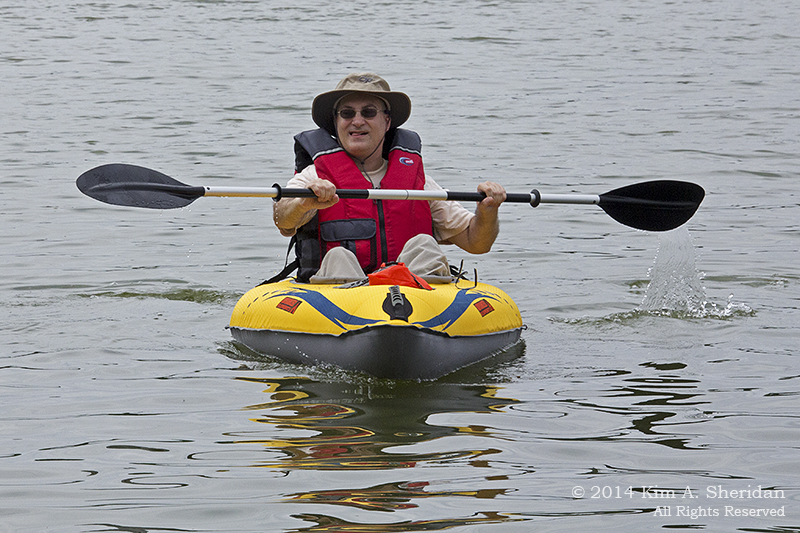
140830_Marsh Creek Kayak_8592acsThe boat goes faster if you stick out your tongue.

140830_Marsh Creek Kayak_8632acsBoys and their bitty blow-up tub toys. For some reason Don wears a rain hat when he paddles, no matter what the weather.

One week later, the sun was out and the heat nigh unbearable. Nonetheless, the guys were back at it on Darby Creek in Heinz National Wildlife Refuge.
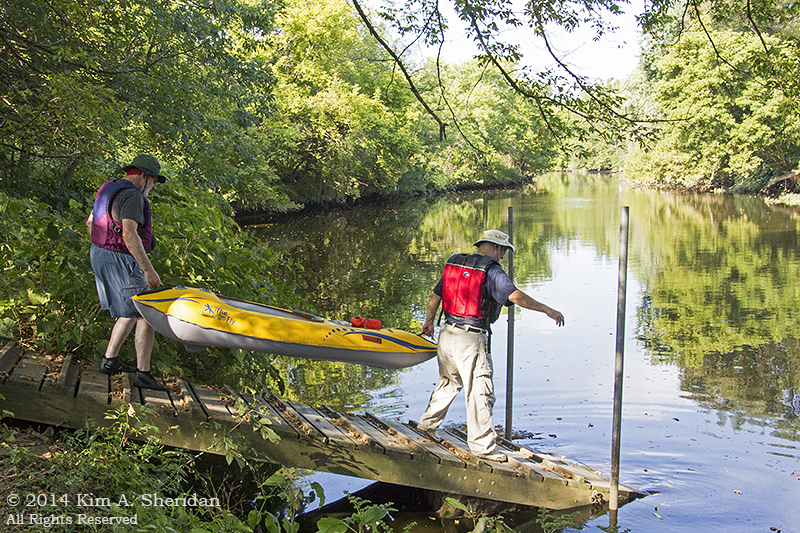
140906_HNWR Kayak_8888aDarby Creek is tidal, and the water level varies greatly. This is the boat launch near high tide. At low tide it’s all mud flats.

140906_HNWR Kayak_8998aDon tells Robb where to go. As always.

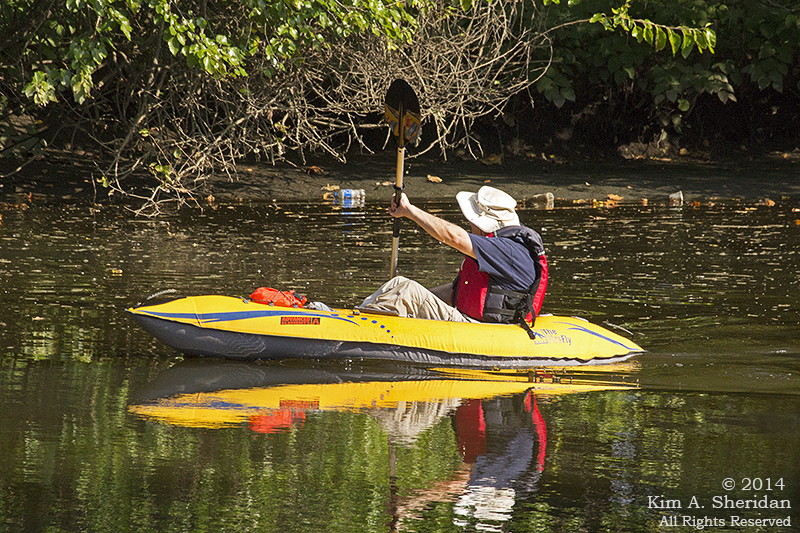
140906_HNWR Kayak_9059aTrash is a constant problem along Darby Creek, and it all washes downstream to Heinz NWR. Every April there’s a watershed-wide cleanup, but by September, that’s just a distant memory. Please, folks, put your trash in trash cans. Better yet, recycle it!

Don & Robb Kayak CollageThe synchronicity of the paddle strokes is frightening. Click on the image to get a closer look.
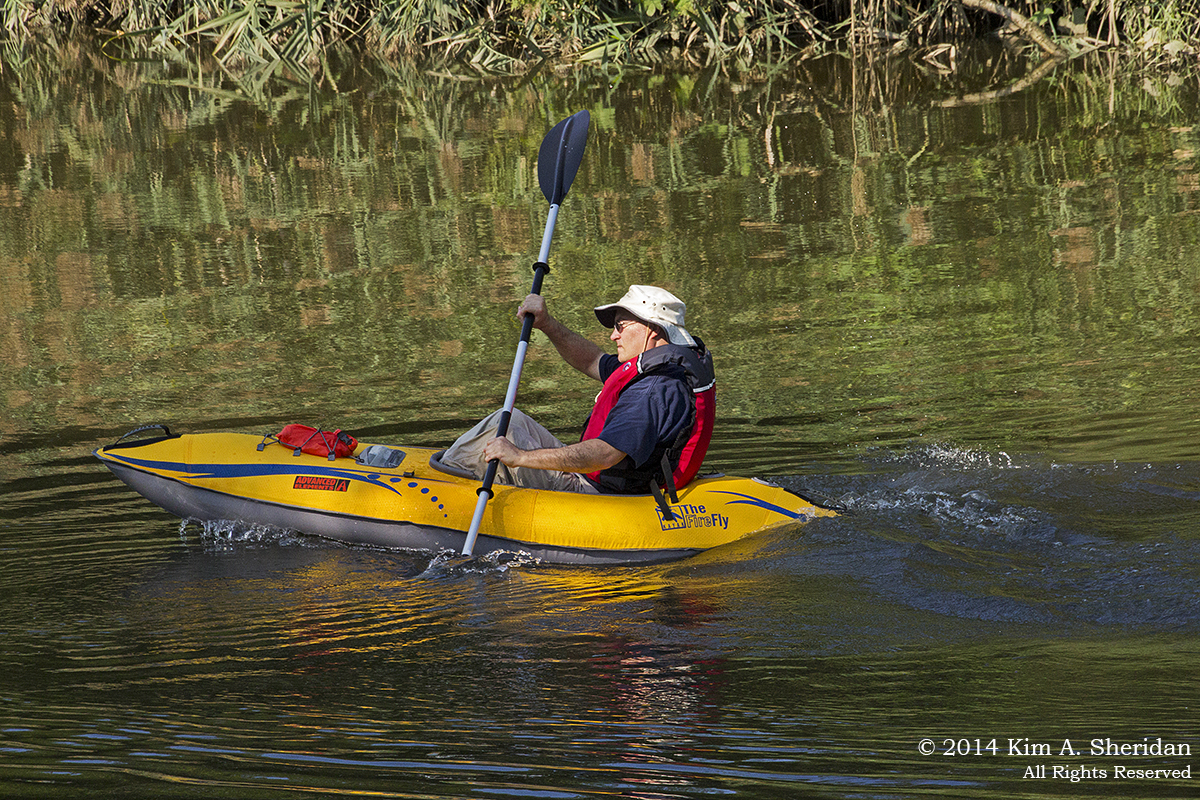
140906_HNWR Kayak_9100acsOh, the power in the stroke. The concentration on the face. The wake behind the boat. No question, Captain Robb is a stud.

You may be wondering why I have been left behind on dry land. It’s not all that uncommon. Actually, I have my eye on a hard-shell kayak, and hope to test paddle it sometime soon. Never let it be said that I rushed into any decision impulsively.

For now, I have dreams, dreams of paddling…

140906_HNWR Kayak_9248aAround the bend and out of sight, with a whole watery world shining on the horizon.

Everyone must believe in something. I believe I’ll go canoeing. – Henry David Thoreau


Nesting Instinct

HNWR Goose Nest_0455 acsWell, what’s with Miss Grumpy? Here she is giving me the old stare-down. What’s got her tail feathers in a twist?

She’s sitting on eggs, that’s what. For some reason she decided to build her nest awfully close to one of Heinz Refuge’s trails. A heavily traveled trail at that, especially in the heart of warbler migration season. She got very little privacy as she incubated the next generation of Canada Geese. Geese are known for being aggressive at times. Fortunately for Refuge bird watchers, she wasn’t going to leave that nest unattended.

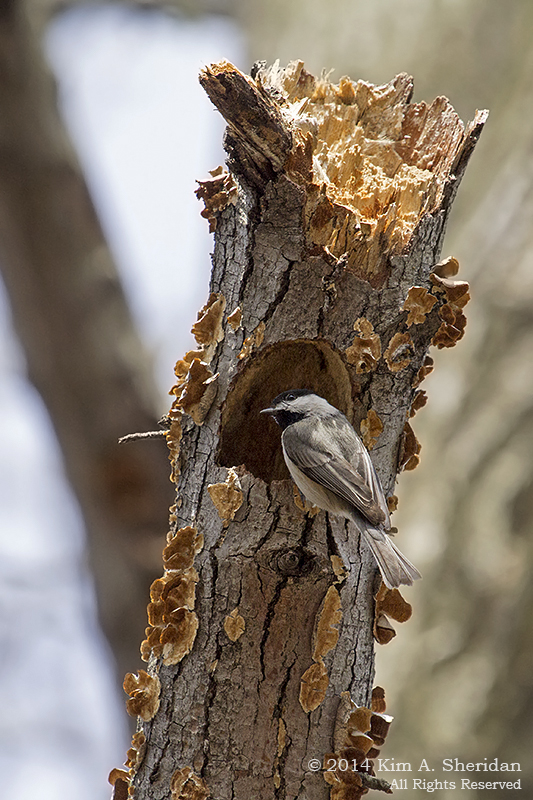
HNWR Chickadee_0041 acsNearby a pair of Carolina Chickadees were moving into a nice home in an older development. Chickadees are a personal favorite, and I was looking forward to seeing these two raise a family. Darned if I could find that tree again, though.

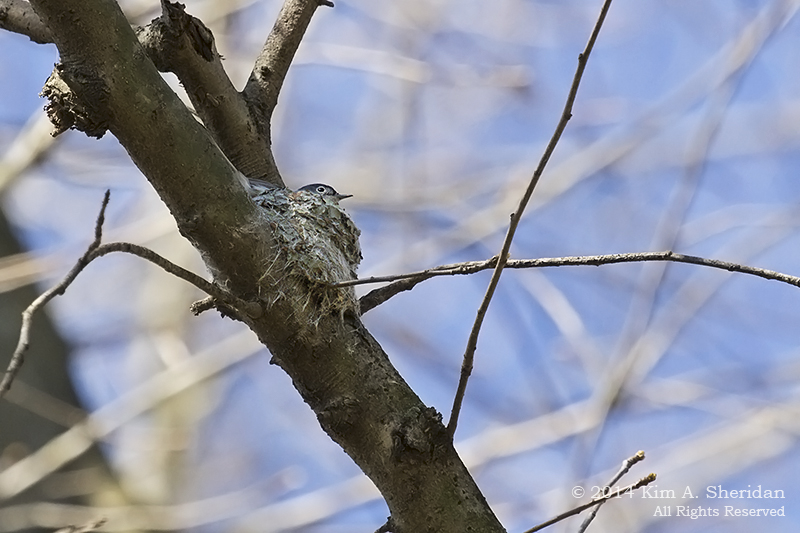
HNWR Gnatcatcher_4976 acsBlue-gray Gnatcatchers were really busy building nests all around Heinz during late April. We watched this one pick up pieces of a spider web to fortify the construction.

HNWR Eagle_9390 acsNot every nesting attempt is successful. This was the fifth season our resident Bald Eagles have incubated eggs at Heinz. Unfortunately, about the time the eggs were expected to hatch, the adults stopped sitting on the nest. They would never have abandoned viable eggs or nestlings. Something went wrong, but just what remains a mystery. It’s not uncommon for Eagles – or any other bird – to have a nest fail occasionally. Sad, but a part of life in the wild. The Eagles are still around, and they will try again next year.

HNWR Owlet_1189 acsGreat Horned Owls returned to a favorite place at the Refuge. Here’s the result, a bouncing baby owlet. This was taken in late April, when he was still covered in down and looked much like a Muppet. A few weeks ago he started “branching”, moving out of the nest to nearby branches in preparation for his first flight.

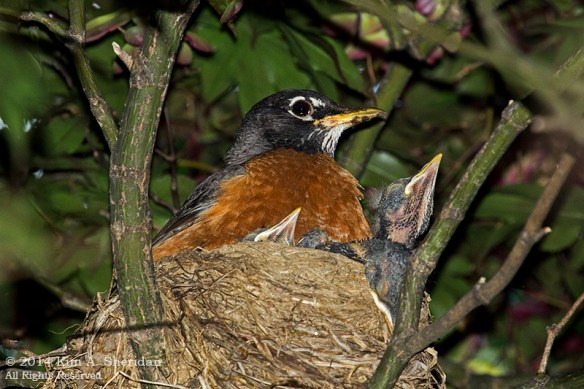
Meanwhile, back at my house in the suburban wilds, I watched as an American Robin with a beak full of caterpillars flew into the red maple tree that stands in front of my porch. Sure enough, I found the tree occupied by a nest and four baby robins.

Robin Nest_9888 acsWhen I first saw them on a Sunday evening, they were only partially feathered, with heads that barely reached over the side of the nest. Both robin parents share in the care of the babies. Every time Mom or Dad appeared, the little ones craned their heads on wobbly necks and opened their beaks in hopes of something yummy. Then they would go quiet until the next food delivery a few minutes later.

Robin Nest_9915 acsThey kept both parents hopping from sunup until nightfall, when Mom and her brood finally settled in for the night.

Robin Nest_0310What a difference a few days makes! By Friday the chicks were fully feathered and much larger. The nest was overflowing with birds! When one youngster turned around and flexed his wings, the others were pushed to the side of the nest and looked as if they might fall out completely.

Robin Nest_0088 aThey still looked to their parents for all their needs.

FUN FACT: Robins eat insects and fruit, with a preference for insects in the morning and fruit later in the day. Ever seen a robin run a few feet across a lawn, stop and cock his head? He’s listening for worms; robins find a lot of their prey by hearing its movements underground. In the fall, when fruit is a larger part of their diet, they may overindulge in ripened and fermented berries, and become intoxicated.

Robin Nest_0272I knew it was only a matter of time before the kids left home. Young robins stay in the nest about two weeks, and time was almost up. Sunday night the nest was empty. Juvenile robins still need to be fed for awhile, and it will take them up to two weeks to become good fliers. After they left the nest, the chicks scattered; one in my tree, another in a neighbor’s, the last two who knows where. Four times the work for Mom and Dad! The parents are still protective, too. I saw one chase a squirrel all the way across the street. Five days after fledging, I watched a parent feeding one of the youngsters in my garden. When this group of siblings is independent, the parents will likely nest again; robins normally have two to three broods a year.

Raising a brood of hungry growing chicks is demanding, time-consuming work. Knowing what she has in store, perhaps our Mother Goose could be forgiven for being a little grumpy!

Essence of Gold

Tyler Flowers_8591 a

Nature’s first green is gold,

Her hardest hue to hold.

Her early leaf’s a flower;

But only so an hour.

Then leaf subsides to leaf.

So Eden sank to grief,

So dawn goes down to day.

Nothing gold can stay.

-Robert Frost

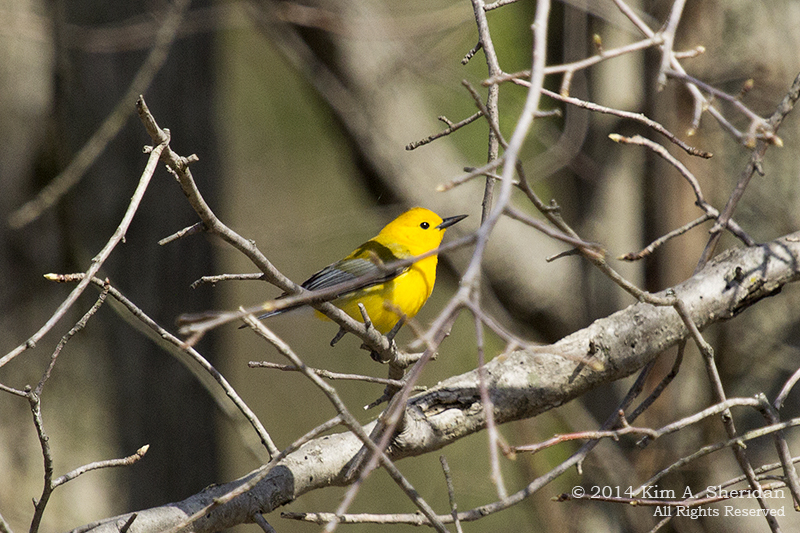
HNWR Warbler Prothonotary_9247 acsProthonotary Warbler

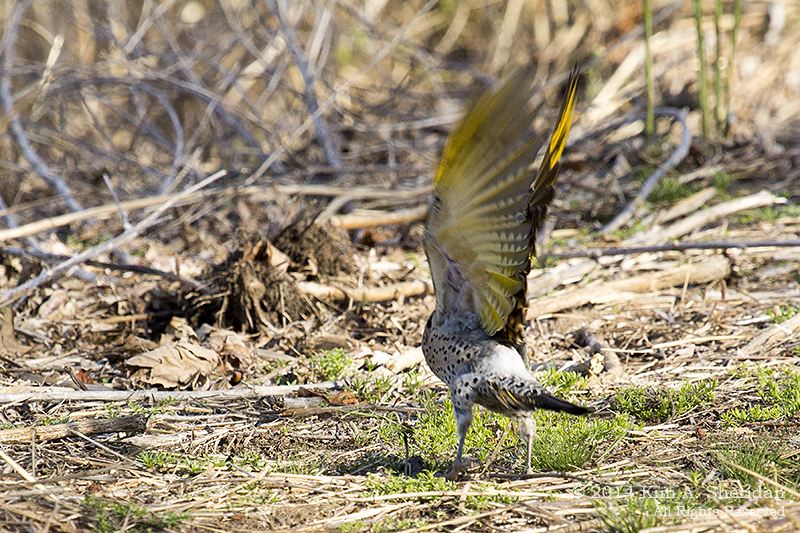
HNWR Flicker_9449 acsNorthern Flicker, showing why it is known as “Yellow-shafted Flicker”

HNWR Warbler Palm_9707 aPalm Warbler

HNWR Bee Redbud_0162 aBumblebee on redbud blossoms

HNWR Sparrow Savannah_0343 aSavannah Sparrow

HNWR Warbler YeRu_5420 acsYellow-rumped Warbler

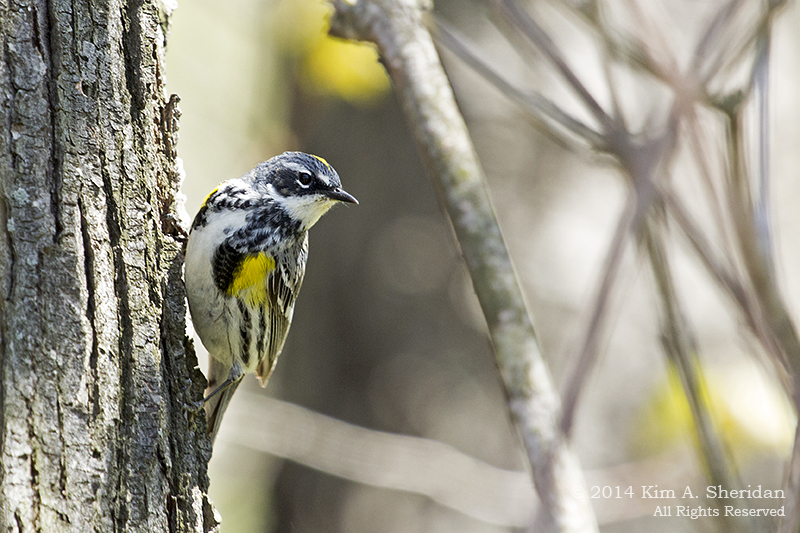
HNWR Warbler YeRu_5437 aYellow-rumped Warbler, showing the yellow rump

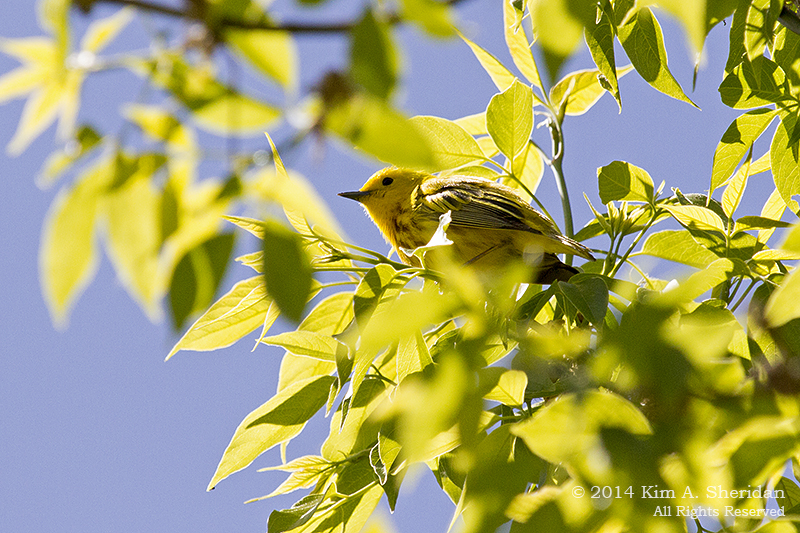
HNWR Warbler Yellow_5327 aYellow Warbler

Mt Cuba_6194 a

The golden days of Spring, soon to give way to the deep green of Summer

Mt Cuba_6557 acs

The Five O’clock Flock Rock

Critter Radio Logo v3Good evening, critters! This is KRTR 99.9 FM Critter Radio!
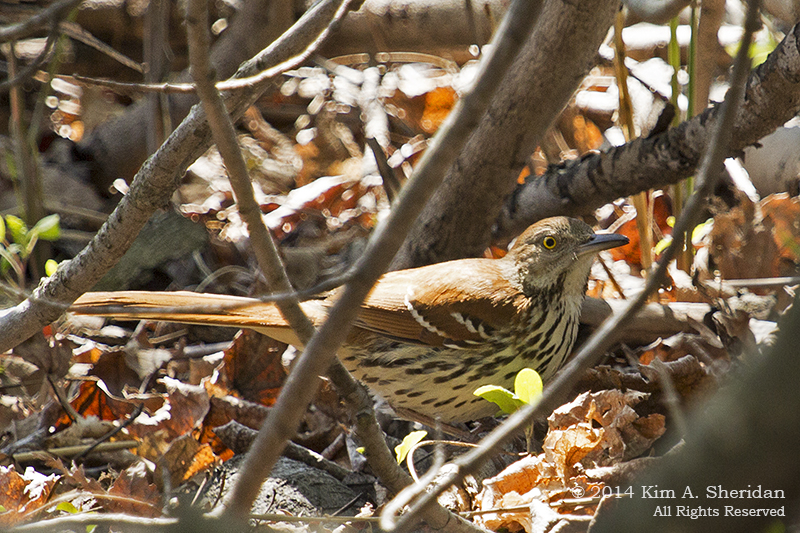
HNWR Thrasher_9454 acsI’m Thrasher Locke, the top jock on the avian block. Welcome to the Five O’clock Flock Rock, where we take stock every Thursday of the tunes that make our listeners swoon. Now that spring has finally sprung, our intrepid band of roving reporters is roaming the Refuge, rounding up requests from right and left.

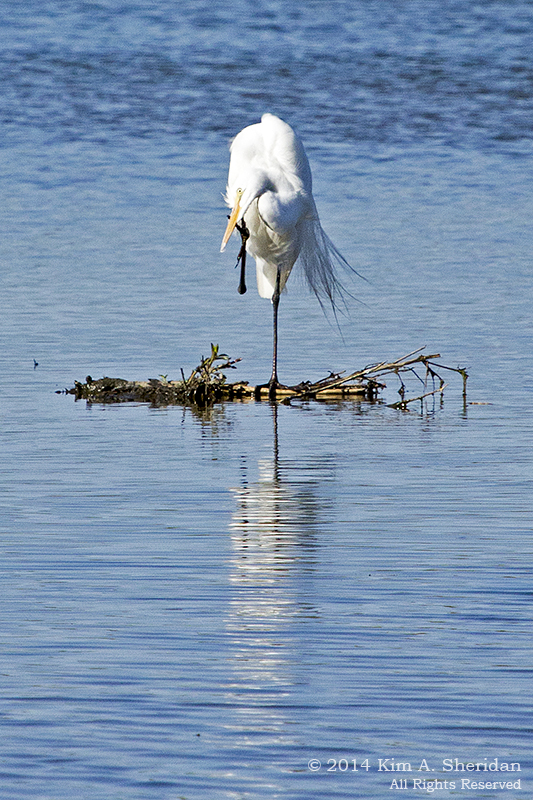
HNWR Egret_1243 aWell, waddya know?

A request is coming through my Egret tech’s earpiece right now!

Let’s get this party started, shall we?

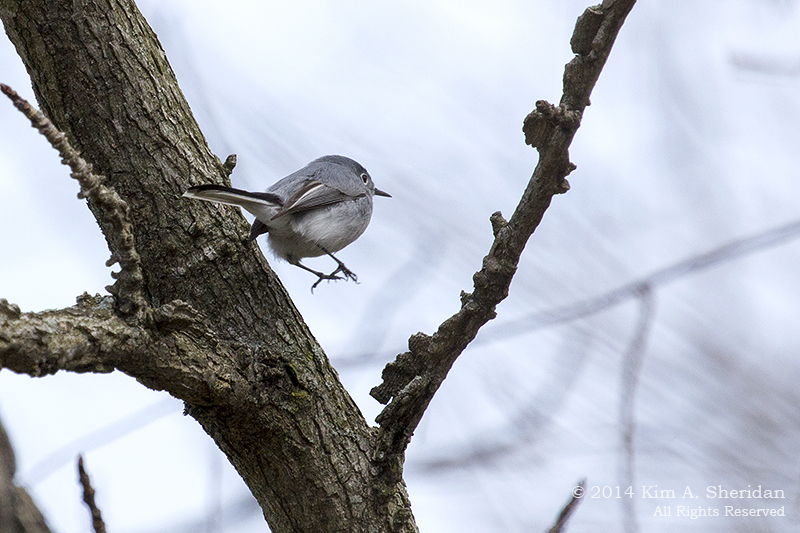
HNWR Gnatcatcher_0122 a And here’s the perfect party-starter, requested by a hearty Blue-gray Gnatcatcher smartly darting from branch to branch: “Jump! (For My Love)”.

HNWR WP Downy_5314 acsAll day long the Downy Woodpecker has been a-hammerin’ and a-drillin’ on the job. Now that the whistle’s blown, it’s time to blow off steam with “If I Had A Hammer”.

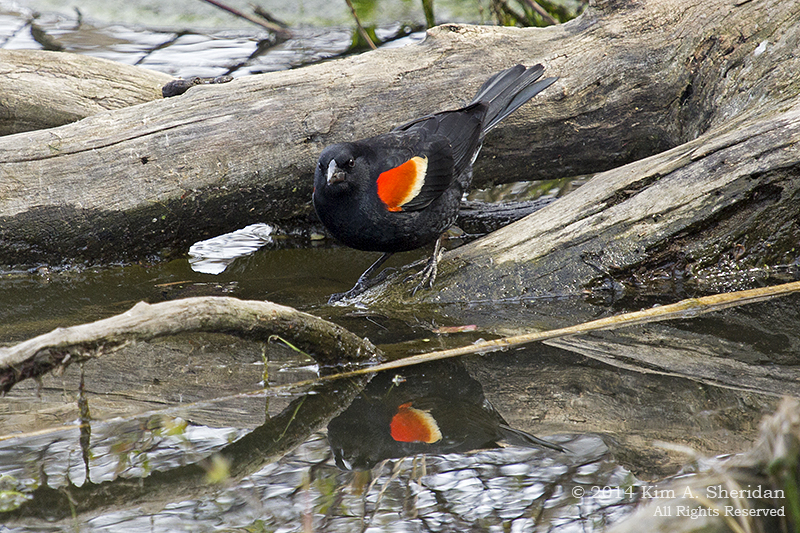
HNWR RWBB_9997 acs Red-winged Blackbirds have always been smart-alecky showoffs, posturing and preening in the tree tops. What would this puffed up poser admiring his reflection at the pond’s perimeter suggest but “I’m Too Sexy”?

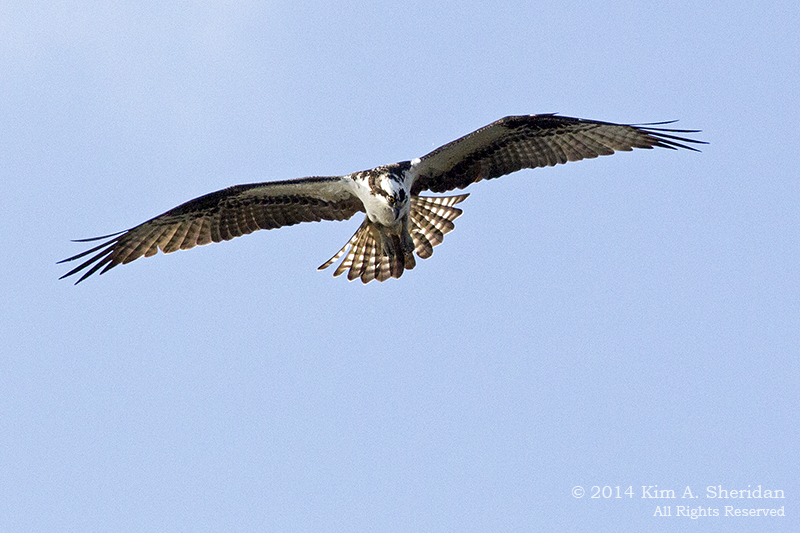
HNWR Osprey_9522 acsDinnertime is nigh, and for an Osprey on the sly, fish are no small fry. Time to fly high in the deep blue sky to “Take A Look Around”.

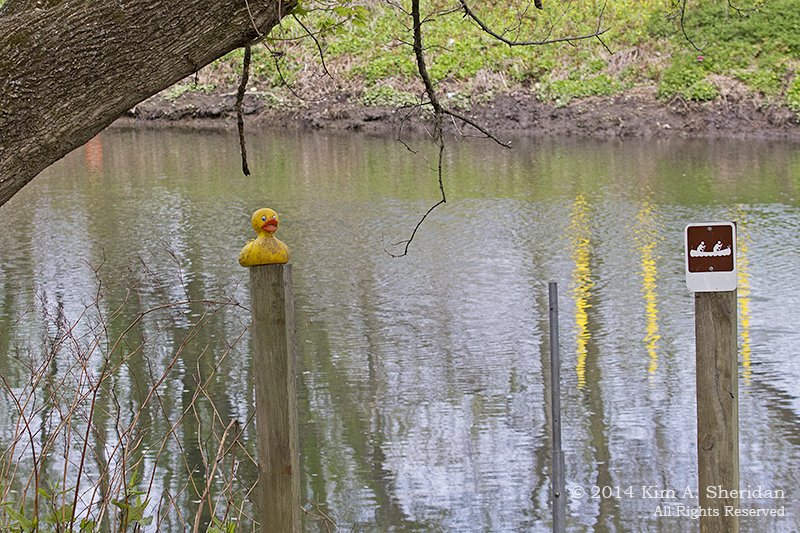
HNWR Ducky_9986 acs There’s a controversial newcomer in the Tinicum Marsh. He claims to be a new subspecies of Yellow Warbler. The locals say he’s full of hot air. Scolding songbirds suppose that “Rubber Duckie” will set him straight.

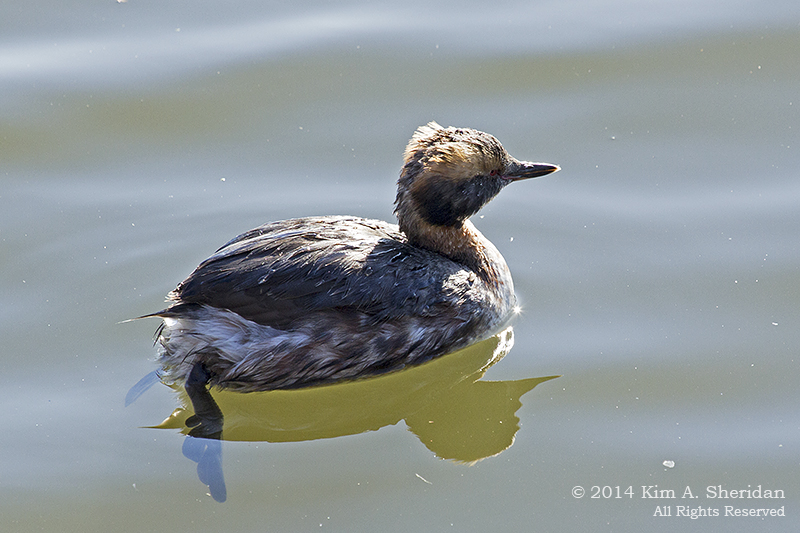
HNWR Grebe_8434 a Horned Grebes are groovy dudes. This bohemian bird by the boardwalk can’t bear the bickering and believes “Bridge Over Troubled Waters” will smooth some ruffled feathers.

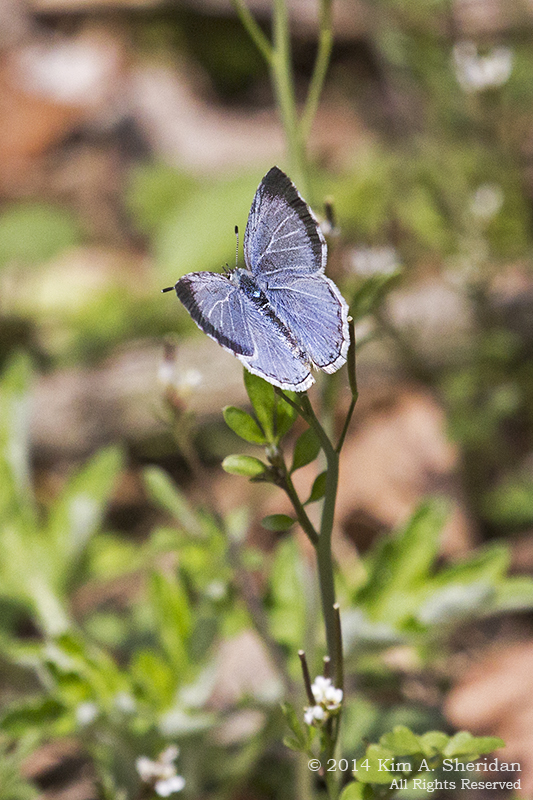
HNWR Butterfly_9952 acs Butterflies are similarly sensitive, the gentle peacemakers of meadows and woods.

This Spring Azure means to maintain the mellow mood with “Blue Velvet”.

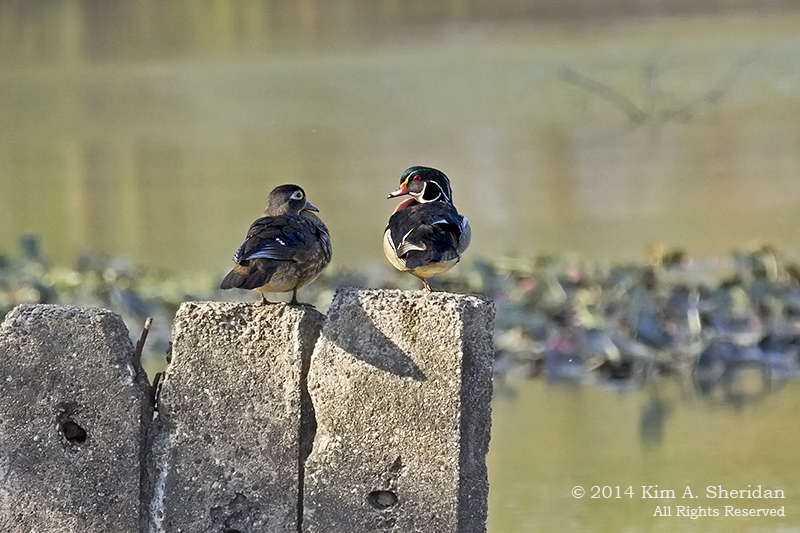
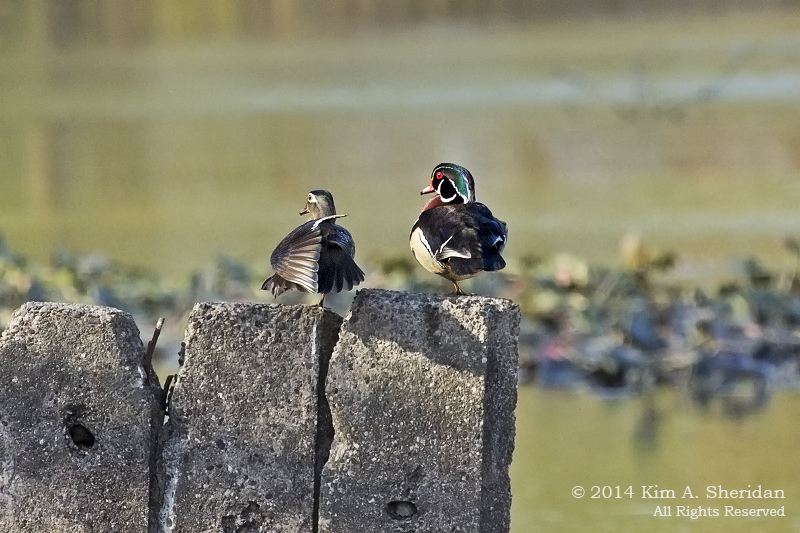
HNWR Wood Duck_1281 acsBack on the lake, it’s make or break for a Wood Duck drake with romance on his mind. “I Only Have Eyes For You” is the song of choice to woo his lady love. Surely this champion charmer will sweep her off her webbed feet.

HNWR Wood Duck_1320 acs No such luck! This lady duck has too much pluck to be stuck with sappy love songs. She just wants to dance! Cue up “Shake Your Groove Thing” for this disco mama!

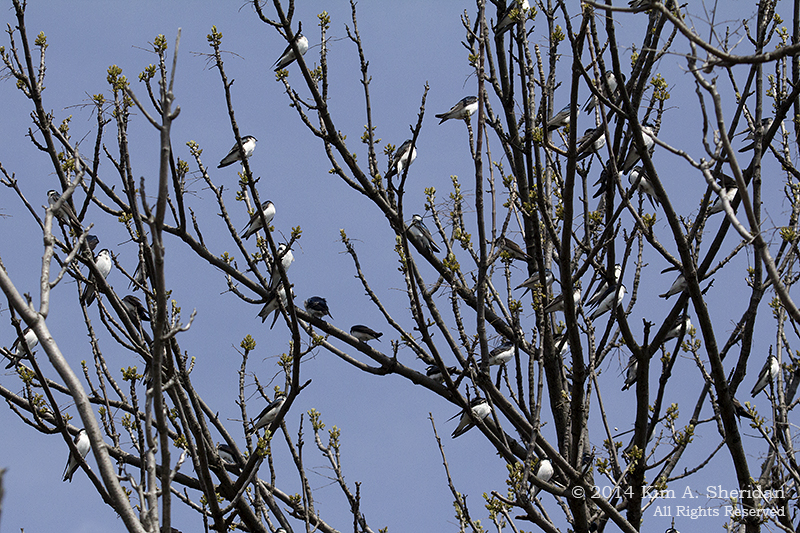
HNWR Swallow_9815 acsThe feathered flock has the final word as the Five O’clock Flock Rock comes to a close. As the swallows knock their socks off to “Rock Around The Clock”, we’ll shimmy off into the shadows. Never fear, our roving reporters will be here, out and about next Thursday to see who’s rockin’ at the Refuge! I’m Thrasher Locke the avian jock here on KRTR 99.9 FM, Critter Radio, keeping it funky and keeping it wild!

Waiting

HNWR_7534acs2 There is a moment during the approach of a summer thunderstorm when nature teeters on a razor’s edge. To the east, the sky is a brilliant blue; to the west, dark storm clouds boil. In between, just for an instant, everything stops. The wind dies, squirrels go still, birds cease their chattering. The air is thick with tension, quivering with electricity and the promise of the storm to come. Soon enough the wind will rise and the heavens open. But in this serene snippet of time, Nature is hushed, holding her breath… waiting.

Early spring is equally on the cusp, at the meeting place of seasons. The frantic weeks when the trees and plants explode with flowers and new greenery are the future. The winter coat of brown the land still wears is the past. But now the sky is blue, and the sun is warm. On days such as these, it seems that humans and wildlife alike are filled with anticipation. Waiting.

Buds Magnolia_7861acsYoung spring buds of the magnolia dream of being flowers. The first bee of the season dreams of the flowers to be. Waiting.

Tyler Flowers_7646acsTyler Frogspawn_7677a Promise in a jelly filling floats in vernal bogs and pools. These are the eggs of the wood frog. Each dark spot holds the potential of a tadpole, each tadpole the hope of a frog.

Tyler Frog Wood_7753acsMale wood frogs, having passed the winter in a state of frozen animation, are alive and looking for love. Waiting.
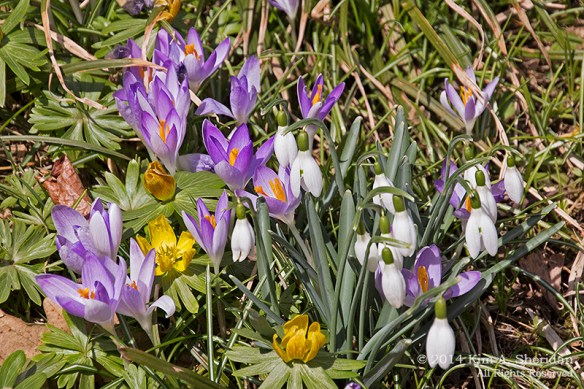
FUN FACT: Wood frogs make antifreeze! They survive the winter by freezing, their metabolism shutting down and their hearts stopping. A special antifreeze substance they manufacture limits the freezing of their cells, although ice does form in between the cells. When the weather warms up, they thaw out and go in search of mates.

Tyler Flowers_7620aTyler Flowers_7609a Early blooming flowers like snowdrops, crocus, and winter aconite bring a welcome splash of color to a drab landscape. For them, the wait is over; this is their time to shine.

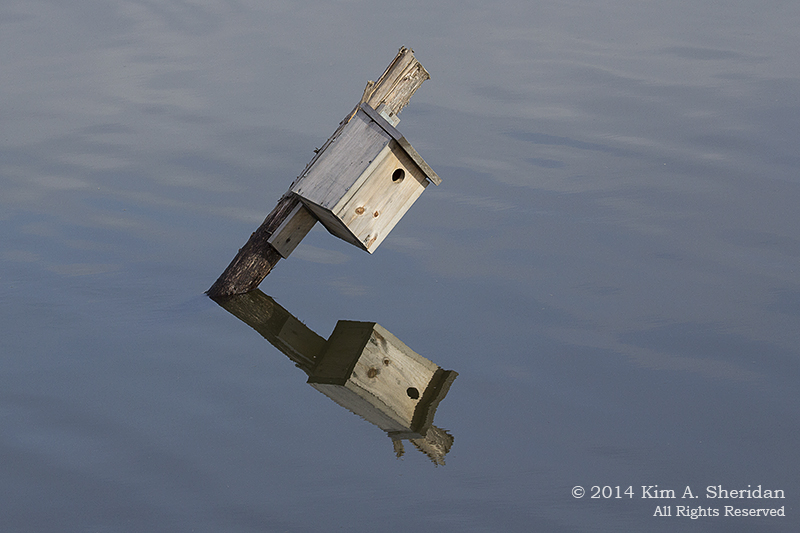
Nest Box Day 1_7793acs A new home has been constructed, in hopes of attracting a feathered family. Waiting.

Flowers Scilla_7823aCali_7901acsA sleepy dog in the sunshine waits for nothing, content to be in the moment.

3 HNWR Tree Swallow_5543 ASCold winds and rain will interrupt our reverie soon enough. The fullness of spring is yet over the horizon. For now, it is enough to join other creatures in the sun, listen to the liquid trill of the northern cardinal and watch the tree swallows twitter on their nest boxes. For now, in this still, quiet moment, Nature holds her breath, dreaming, anticipating…

Waiting.Flowers Crocus_7814acs

Winter in the Rearview Mirror

HNWR_4862 a It’s been a tough winter; it turned out to be the second snowiest winter on record. Thankfully the arrival of spring is both imminent and welcome. As the seasons change at Heinz Refuge, here’s a last look at winter, receding in the rearview mirror.

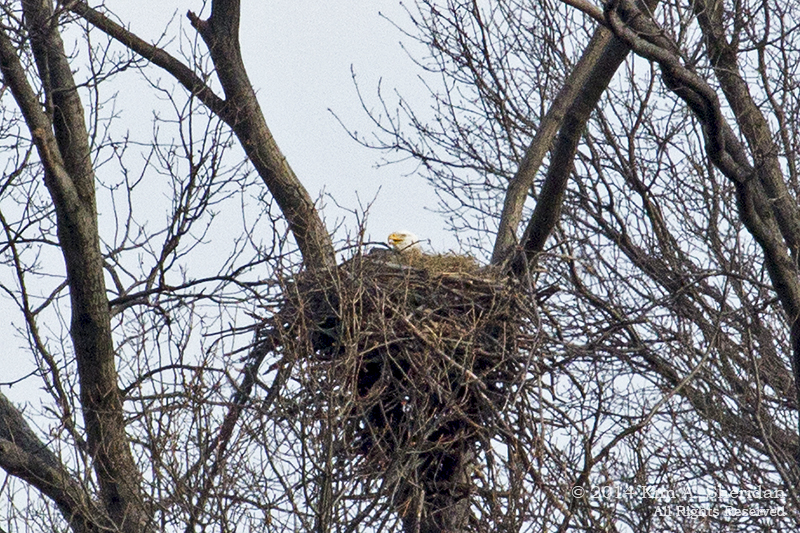
HNWR Eagle_5236 aAlready the promise of spring is being fulfilled. Our resident Bald Eagles are incubating eggs, and we are eagerly anticipating the arrival of eaglets soon.

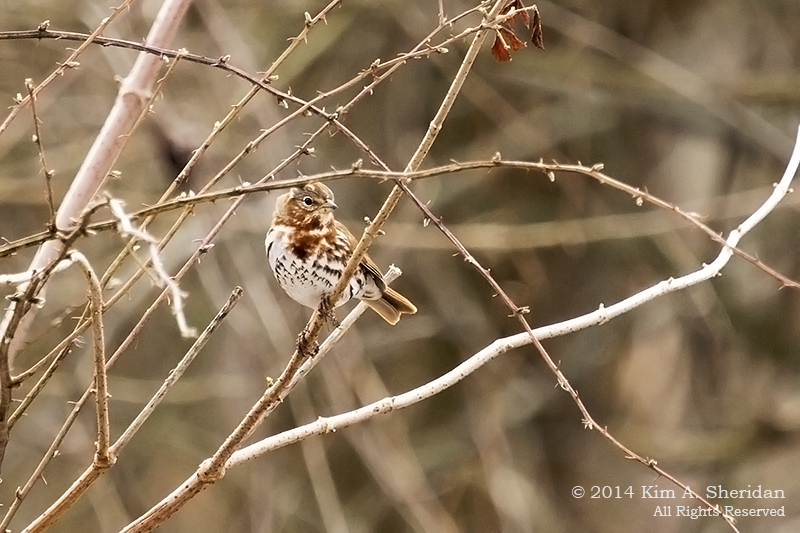
HNWR Sparrow Fox_6514 acs Fox Sparrow on the Pipeline Trail.

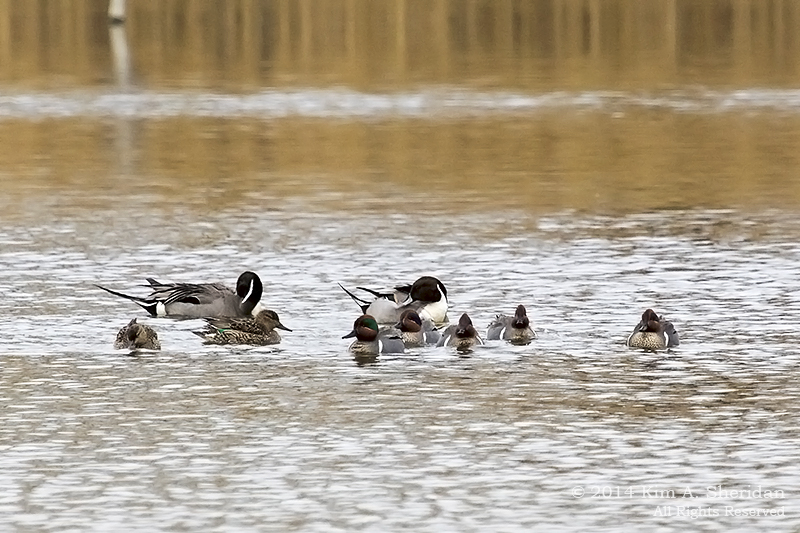
HNWR Duck Pintail Teal_6432 acsOld-timers at the Refuge can’t remember a winter where the impoundment has been frozen solid for so long. Now it’s open water, for the first time since January. And guess what that means? The ducks have come back! Northern Pintails are in the rear – note the long tails that give them their name. Green-winged Teal in front. If you look closely at the second Teal from the left, you can just see the green speculum, or wing patch. (Remember you can click the image for a larger view.)

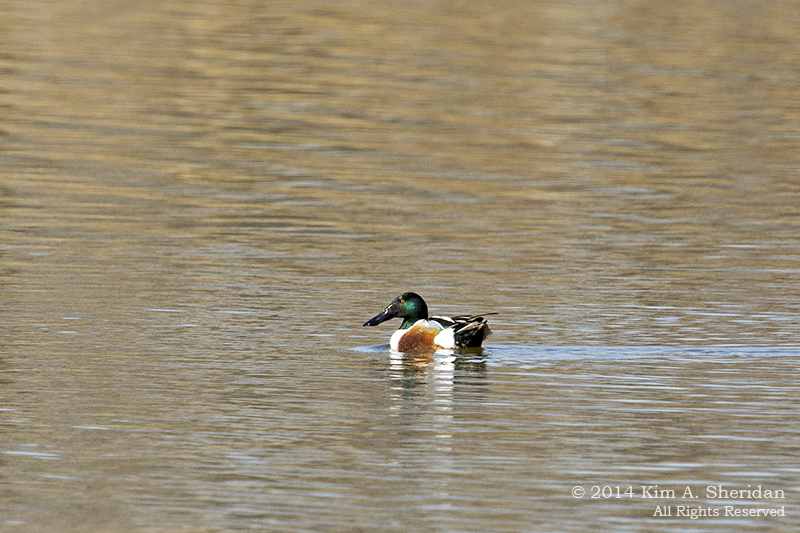
HNWR Duck Shoveler_6596 acs Northern Shoveler.

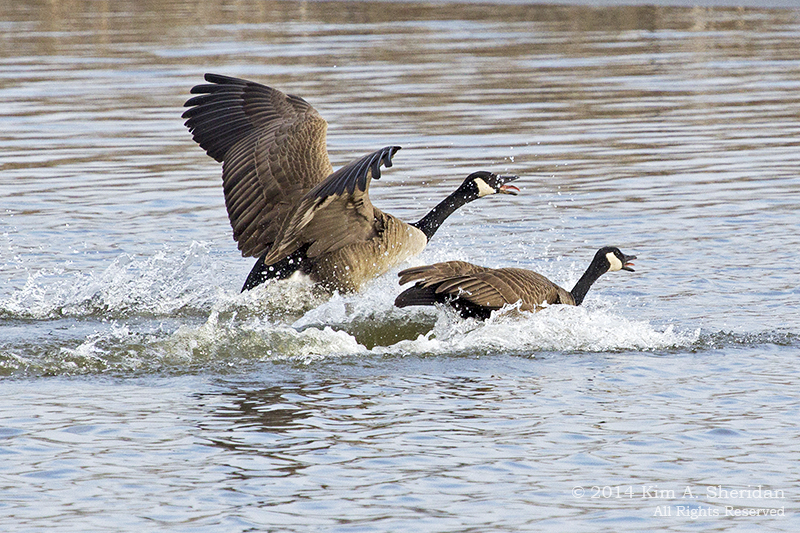
HNWR Goose_5184 acs2Duck, duck, goose. Ever wonder if birds have tongues? Here’s proof positive! Canada Geese, honking on the go.

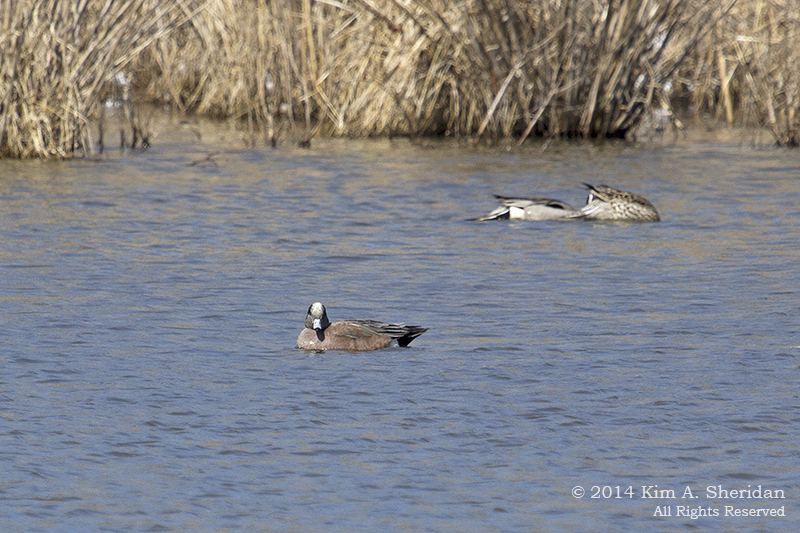
HNWR Duck Wigeon_6638 acs An American Wigeon tries to stare me down.

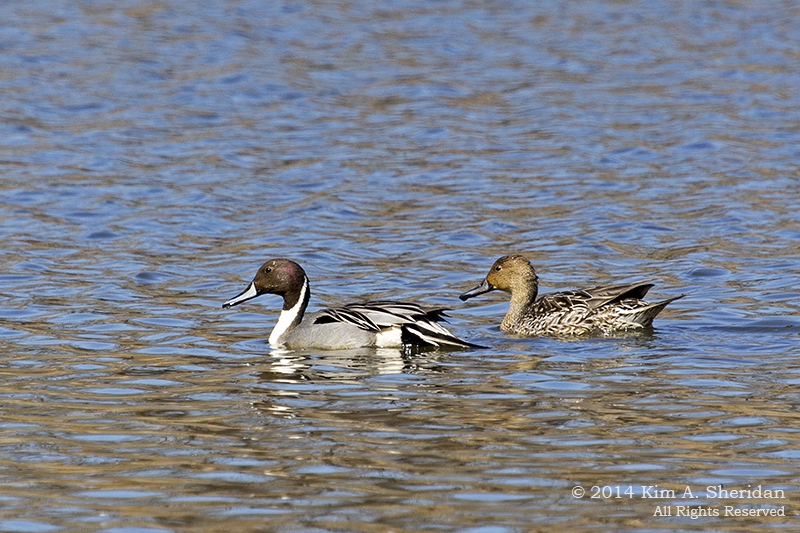
HNWR Duck Pintail_6630 acsA pair of Northern Pintails, male and female.

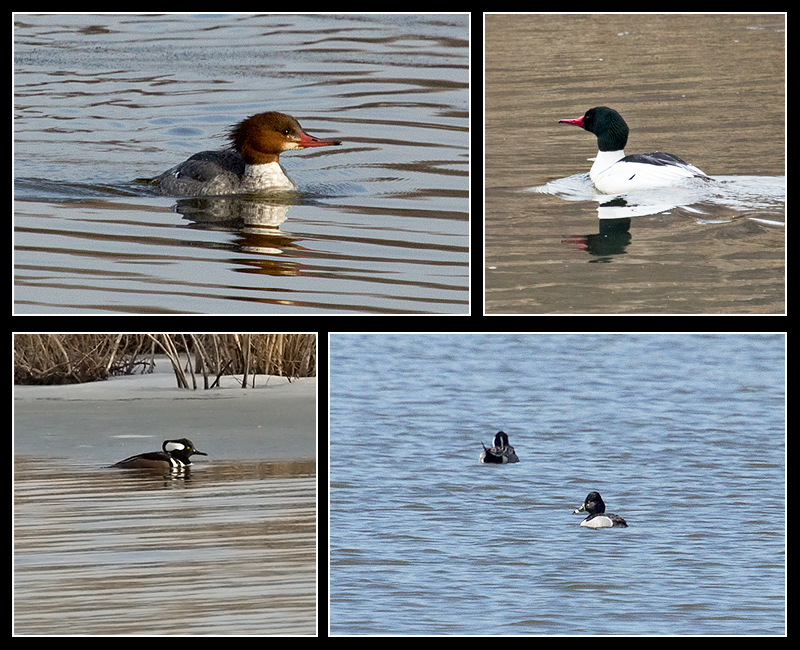
Duck Collage 4 Here’s a duck roundup. Clockwise from top left, female Common Merganser, male Common Merganser, Ring-necked Duck, Hooded Merganser.

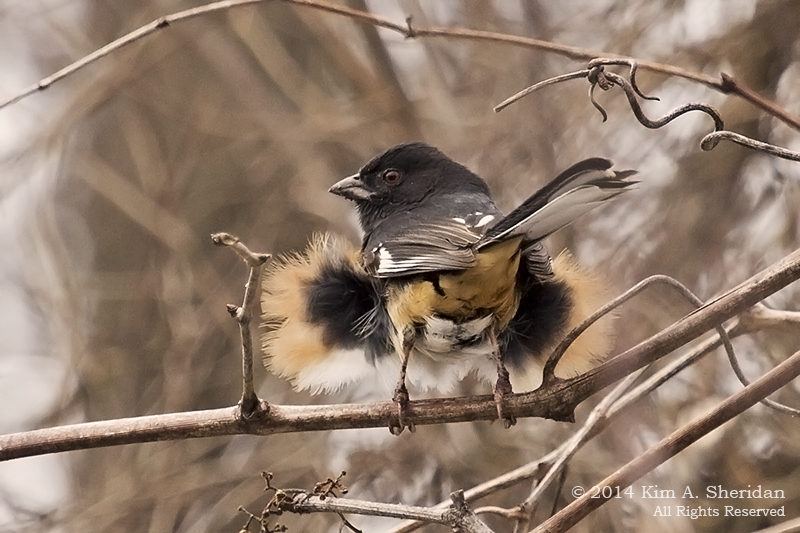
HNWR Towhee_6504 acsEastern Towhee is shaking his tail feathers, clearly excited to wave goodbye to winter.

Welcome Spring!

Snowed In

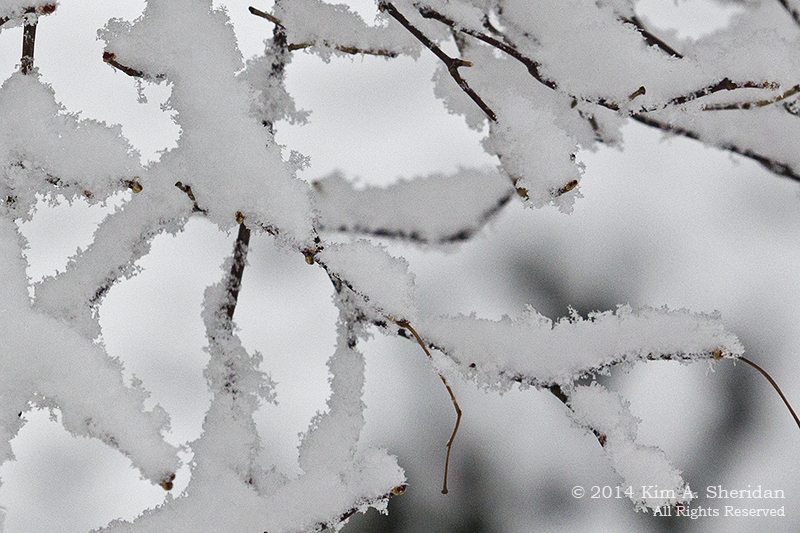
Snow at Home_5661acs Snow at Home_5660acsThe mere threat of a snowstorm is enough to induce panic. We scurry to the store to buy milk, bread and eggs – obviously in desperate need of French toast – and then hunker down as if we won’t be free of our homes for a month. When the snow stops, all we can see is the hours of shoveling, and the icy roads on which we’ll have to skid our way around town. We’ve lost our childhood delight in the wonders of the falling snow, in the way it transforms even the most familiar landscapes.

Fortunately, there’s a cure for this malady, and it’s a simple as picking up a camera and looking at the white-frosted world through its lens.

During the storm, a Carolina chickadee finds shelter in a gray birch tree, while a dark-eyed junco finds plenty to eat under my bird feeders.Snow at Home_5624acs

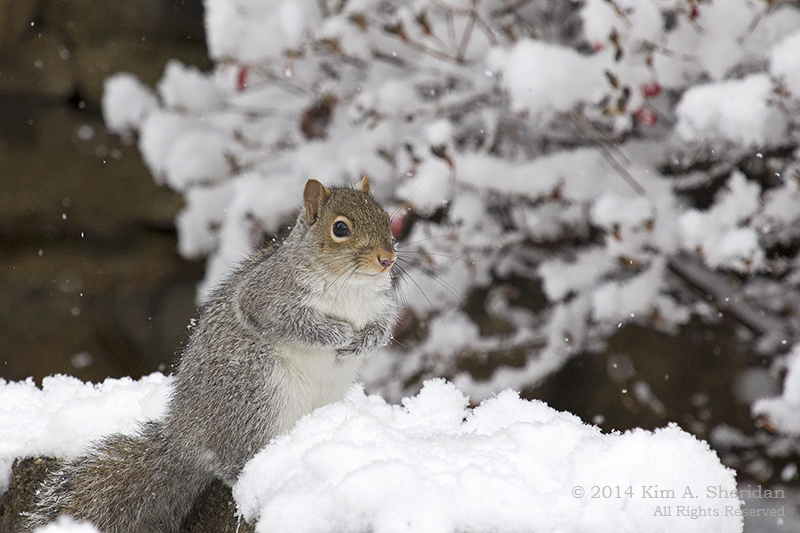
Snow at Home_5634acsMr. Squirrel ignores the food in front of him, and instead plots to raid the can of birdseed. The grass is always greener to our furry friend.

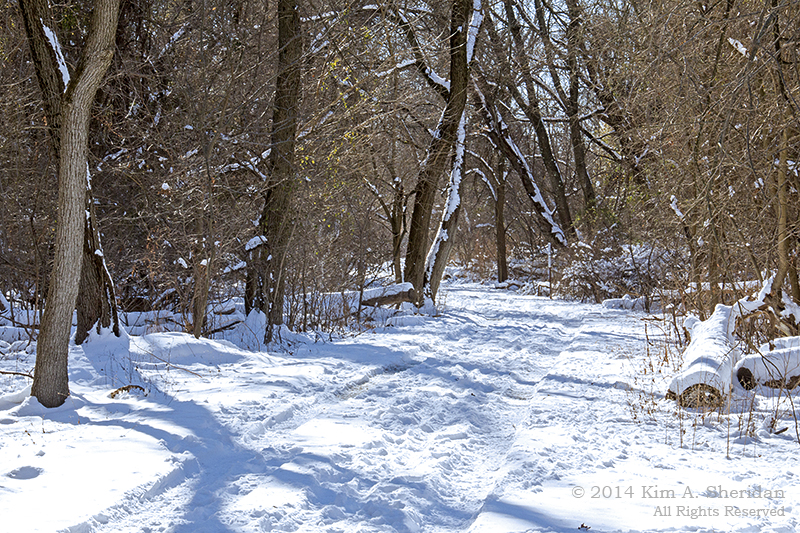
HNWR In Snow_8817a HNWR In Snow_8924acsA sunny day right after the storm entices us out to walk the trails at Heinz NWR.

This is the first time I’ve seen the Refuge covered in snow, and it’s delightful. Even the most ordinary things take on a new look.

Our old friend the chicken fungus now wears the face of Old Man Winter.

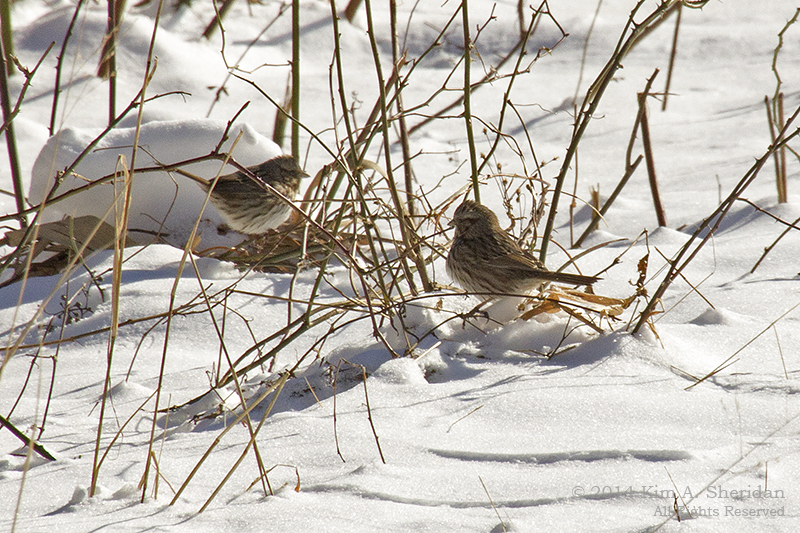
HNWR In Snow_8890a HNWR In Snow_8780aSparrows flit about among the grasses. We see tiny bird tracks and larger deer tracks everywhere. The snow is like Facebook for critters, recording their every movement for us to read.

HNWR In Snow_9005a HNWR In Snow_8863a HNWR In Snow_8902a HNWR In Snow_8931acs HNWR In Snow_8872aWinter is the time for beavers to get busy.

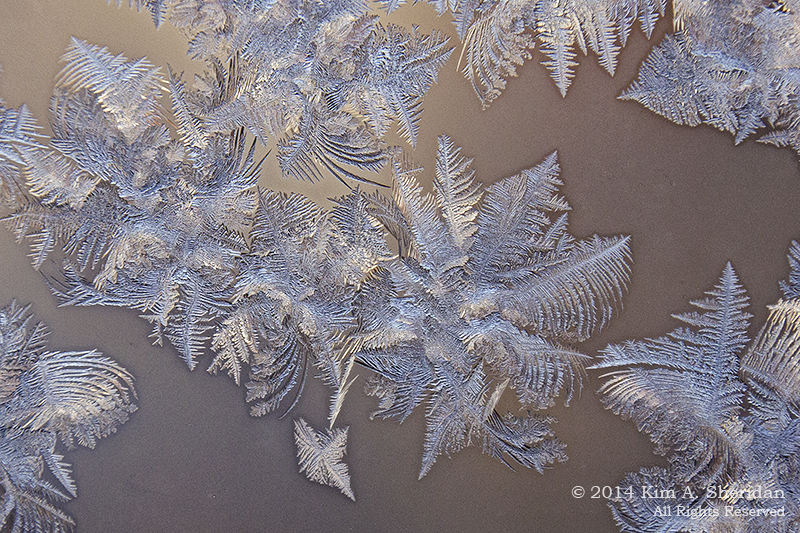
Frost_9058acs 2 Even a 2° morning has its charms. The polar vortex etches little ice feathers on my windows. Look quickly! The warmth of the house starts melting these beauties before I can even finish photographing them.

It’s so easy to come down with a case of snow panic with every storm. We all need to slow down, stop worrying and put down the shovel long enough to partake of the cure. An unhurried walk in a winter wonderland gives us a fresh look at our familiar world, and the gentle touch of Mother Nature’s magic lifts our souls.  HNWR In Snow_8909a

The Search Continues

Hawk Mountain_0399a If you would seek Lady Autumn, you must tackle the quest with tenacity. Her Ladyship will not show her brilliant colors in places that are easy for you to attain. Slow treks over rocks and steep slopes may well be the order of the day. And you may be left with bruised legs, bruised bum and bruised ego at the end of that day.

Was it worth it? You be the judge. Hail the Queen, wearing a misty veil on Hawk Mountain.Hawk Mountain_0804aHawk Mountain_0362aHawk Mountain_0704

HNWR Fall_0981aIf you would seek Lady Autumn, you must practice patience. Her Ladyship is not to be rushed. She will sample the many garments and baubles in her wardrobe over days and weeks before she achieves perfection in her raiment.

You must be willing to wait for her; she arrives in her own time. But when she does, what a show she puts on!

Hail the Queen, fashionably late at Heinz Refuge.  HNWR Fall_0940a HNWR Fall_0878aHNWR Fall_1129a

Marsh Creek_1999If you would seek Lady Autumn, you must not dally.  Her Ladyship does not linger long in her best adornments. Tarry even a little and you will be met with only bare branches and leaf-strewn paths.

Fear not. If you are willing of heart, even you, O Couch Potato, may find some lingering tokens of her presence.
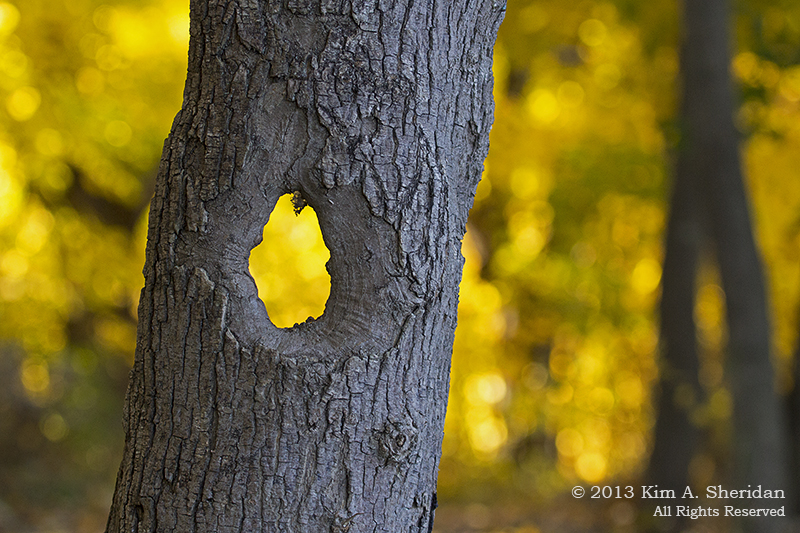
Hail the Queen, playing peek-a-boo at Marsh Creek State Park. Marsh Creek_1178a Marsh Creek_1567a

Have you seen Autumn?Marsh Creek_2015a

Coming up: Hawk Mountain

Back In Business

HNWR Yellowlegs_8781 a KRTR 99.9 Critter Radio brings you the Critter Traxx Traffic Report, sponsored –

*** WE INTERRUPT REGULARLY SCHEDULED PROGRAMMING TO BRING YOU THIS SPECIAL UPDATE ***

This just in – With the government now open, John Heinz National Wildlife Refuge is BACK IN BUSINESS!

HNWR_9263 aYes, folks, my favorite hangout is up and running. The recent government shutdown followed immediately on the heels of my two weeks at the Shore, and I found myself away from Heinz for nearly five weeks. So it was with eager anticipation that I returned for a bird walk this weekend. Would the Refuge look much different? Would there be any fall color showing yet? What birds would be out and about? Would there be interesting things to see?

The Refuge rarely disappoints, particularly after so long away. Here are some ordinary images of ordinary birds on an ordinary Saturday at Heinz that was somehow anything but ordinary.

HNWR Yellowlegs_8750 a  Greater Yellowlegs.

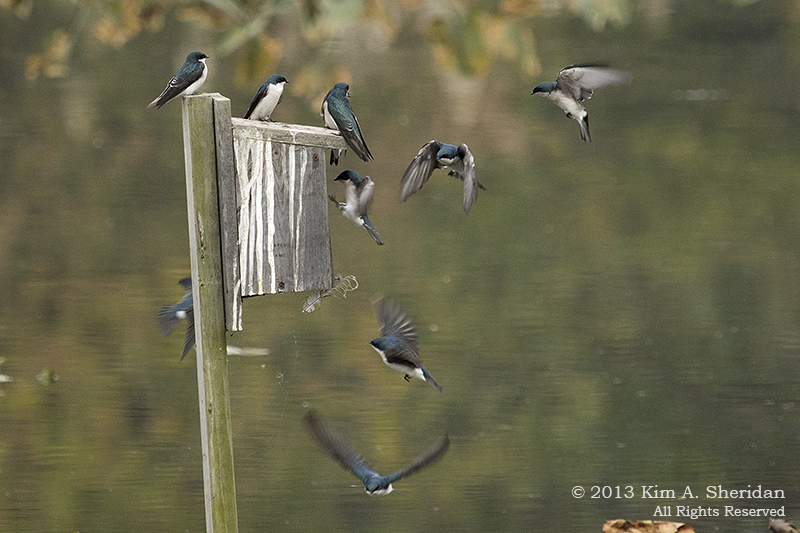
HNWR Swallow_8806 aHNWR Swallow_8863 aTree Swallows are here in large numbers. They were busily quarreling over a number of nest boxes, even though it isn’t nesting season. We think there might be insect nests inside, and that’s what’s causing the chaos.

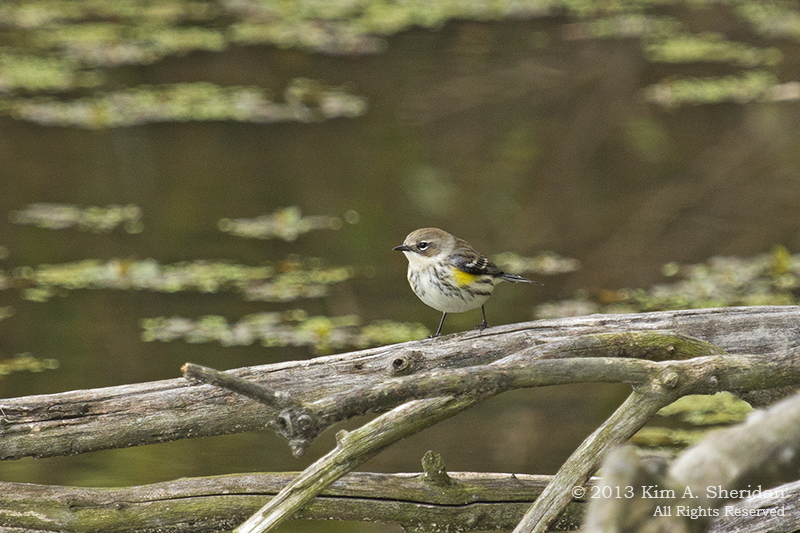
HNWR Yellow Rump_8891 a It’s fascinating to watch the way Nature changes through the seasons. Every naturalist should have a place they go frequently throughout the year, and Heinz NWR is that place for me. Last October I took my first guided bird walk here, led by Mary Ellen, and the most prominent bird was the Yellow-rumped Warbler. How fitting that exactly a year later, I should go on another of Mary Ellen’s walks, and Yellow-rumps would again dominate the walk. I have now come full circle!

FUN FACT: Phenology: the study of the timing of recurring events in the life-cycles of plants and animals. For instance, the flowering of trees, the birth of baby animals, migration, hibernation; all recur from year to year. Yellow-rumped warblers migrate through Heinz in mid-October. These events are influenced by seasonal changes and their timing may be altered by climate change. If a plant blooms weeks earlier than in the past due to a warmer climate, the insects and birds that depend on it may arrive too late to take advantage of it. And if you’re allergic to it, you may start sneezing a lot earlier!

HNWR Teal_8988 aGreen-winged Teal, one of six species of ducks we saw.

HNWR Wood Duck_9051 acs2 Here’s a duck I’ve been trying to photograph in breeding plumage since the spring – Wood Duck. This is the closest I’ve gotten so far, and they’re not very close. But they are spectacular.

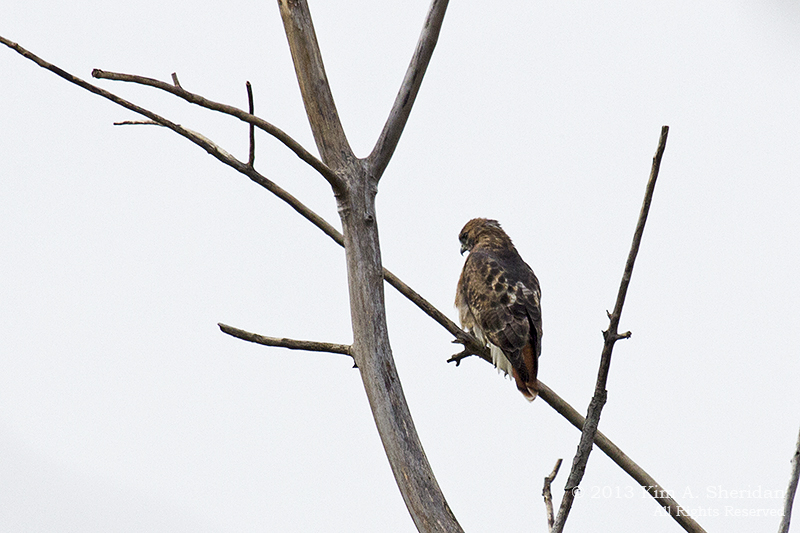
HNWR Redtail_9197 aRed-tailed Hawk.

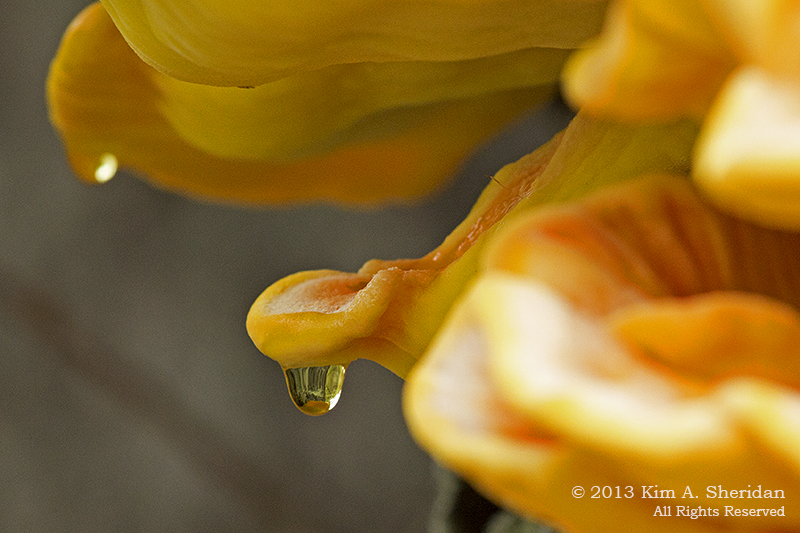
HNWR Fungus_9222 a I am told that this strange apparition is a Chicken Fungus, that it’s edible, and furthermore that it tastes like – chicken. I didn’t try it.

And with good reason – there are a lot of toxic fungi out there. Best to just admire them for their looks, and leave the taste-testing to the experts. Which I definitely am not.

HNWR Fungus_9245

*** WE NOW RETURN YOU TO YOUR REGULARLY SCHEDULED PROGRAMMING ***

Coming up: The Critter Radio Traffic Report (I promise)

Migration Meanderings: The Flight of Kings

Stone Harbor Wetlands Institute_2764 a Many years ago, my family was enjoying an early evening at the Jersey Shore when a butterfly fluttered by. Okay, nothing remarkable there. What followed was: a nearly identical butterfly passed by, followed in swift progression by two more, then three, five, eight more… In a matter of minutes we went from a clear evening sky to a cloud of butterflies, dozens of them, all flying one direction – south. We looked at each other and asked “Do butterflies migrate?”

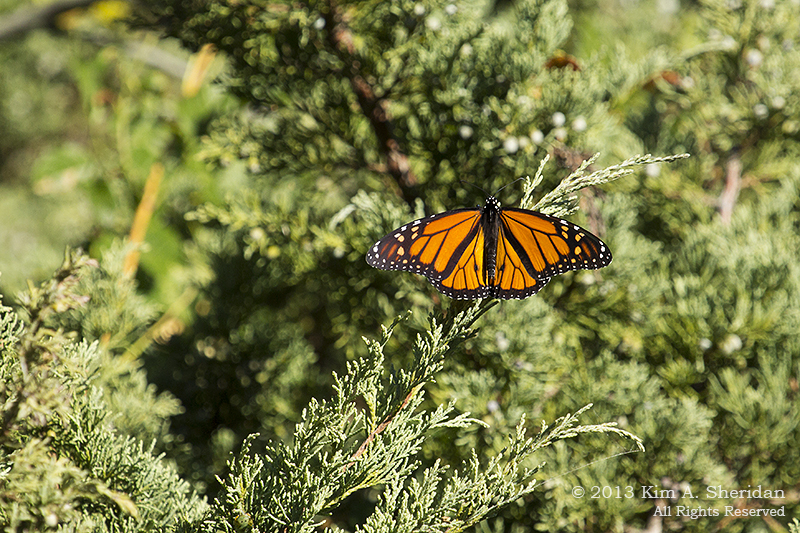
Cape May Lily Lake_4811 aWe didn’t know it then, but we were witnessing the migration of the Monarch butterflies. Scientists now know that these orange and black insects fly from the northern U.S. and Canada to overwintering grounds in Mexico. Just like for birds, Cape May County is an important stopover for migrating Monarch butterflies.

Cape May Lily Lake_4840 aA Monarch butterfly has a four inch wingspan and weighs a fraction of an ounce, yet it still manages to fly 2,500 miles in a short period of time. What may be even more amazing is that the butterflies that fly south have never been to Mexico. Neither have their parents, or grandparents or great-grandparents. It’s their great-great grandparents that left Mexico the previous February. They made it as far as Texas or Oklahoma before laying the eggs that would become the first generation of the year.

That first generation went through the life cycle of egg, caterpillar and chrysalis before becoming butterflies that would continue the journey north during their six week life.

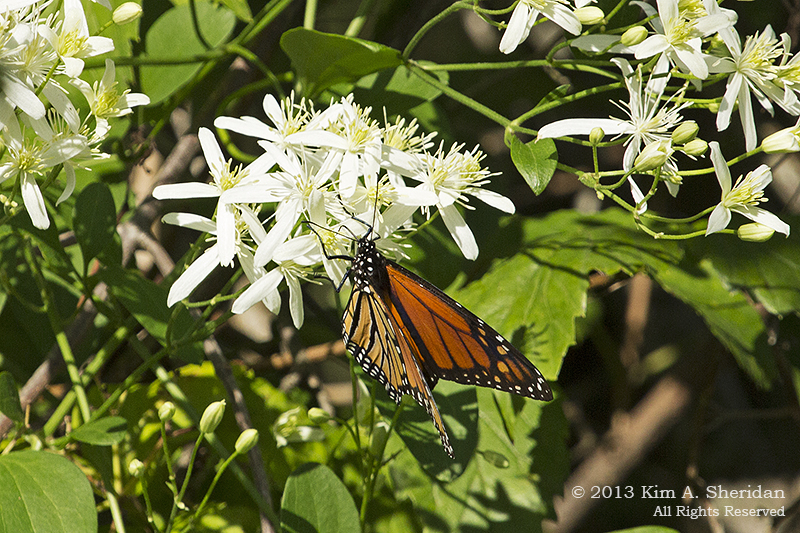
HNWR BF-Monarch_0357 a The second generation was born in May or June; the third generation in July or August. This butterfly is from that third generation; it was photographed at Heinz NWR in August.

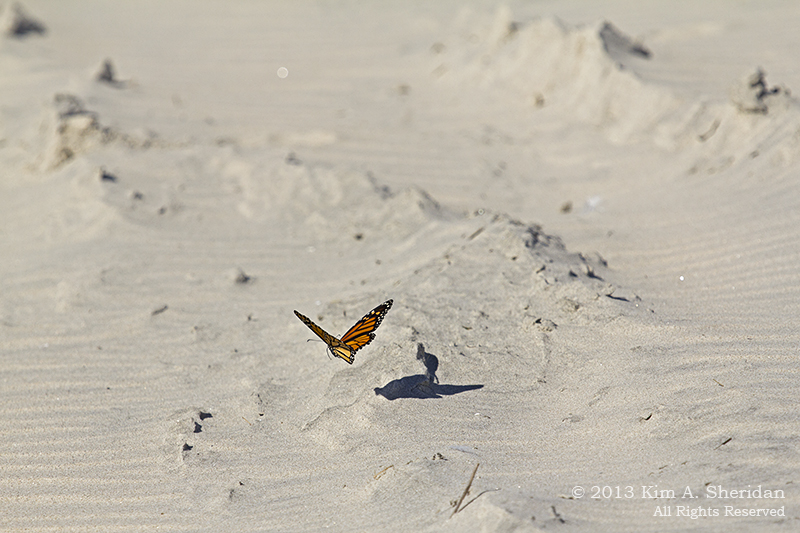
OC Corsons Inlet_4753 aThe other Monarchs shown in this post were seen in Cape May County in September; they are members of the fourth and final generation of the year, born in September or October. These are the butterflies that migrate south. They don’t immediately start a new reproductive cycle as their parents did. Instead they enter a non-reproductive phase known as diapause, which can last six to eight months. During that time, they fly to Mexico, spend the winter, and then return north to start the next year’s cycle.

Stone Harbor Wetlands Institute_2796 aAll that flying is accomplished on an all-liquid diet consisting mainly of the nectar of plants like milkweed, goldenrod, aster, and others. The butterflies drink the nectar through a straw-like appendage called a proboscis, shown coiled up, above. The Monarch caterpillars are much more finicky – they only eat plants of the milkweed family. So Monarch females are careful to seek out milkweeds on which to lay their eggs.

FUN FACT: Monarchs are poisonous! A chemical in the milkweed they eat as caterpillars provides a distasteful and dangerous defense against predators. And the predators know it, and avoid them. This in turn is exploited by the Viceroy butterfly, which isn’t poisonous but looks very similar to the Monarch, an adaptation called mimicry.

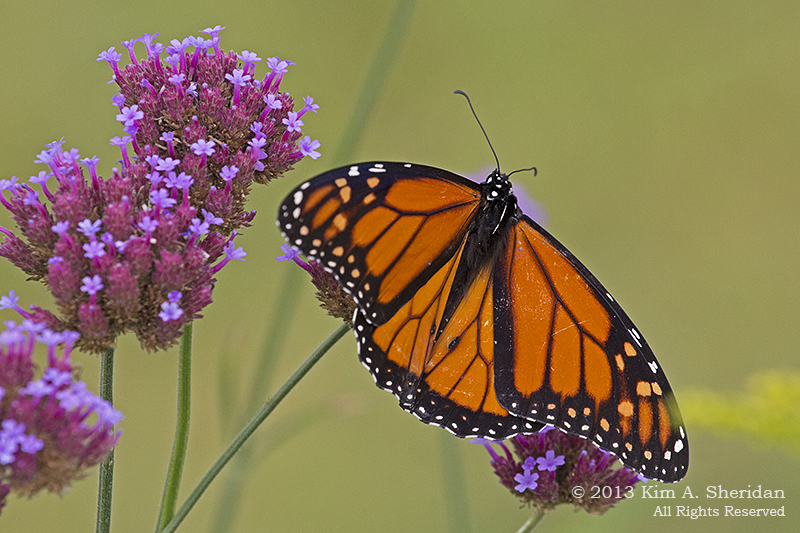
Stone Harbor Wetlands Institute_2771 a This is a male Monarch. How do I know? See those small black spots on the hind wing near the end of the abdomen? That’s how. Females don’t have those spots.

CONSERVATION PIECE: The Monarch butterfly’s survival as a species is threatened both by deforestation in their wintering grounds and the disappearance of milkweed plants due to herbicide use in the U.S. Want to help the Monarch thrive? Go to your local garden shop, ask for milkweed plants native to your area, and plant them in your yard. Host a caterpillar!

Cape May Point State Park_4100 aIt just wouldn’t be September at the shore without these tiny Kings of the Air.

Coming up: The Critter Radio Traffic Report