Back In Business

HNWR Yellowlegs_8781 a KRTR 99.9 Critter Radio brings you the Critter Traxx Traffic Report, sponsored –

*** WE INTERRUPT REGULARLY SCHEDULED PROGRAMMING TO BRING YOU THIS SPECIAL UPDATE ***

This just in – With the government now open, John Heinz National Wildlife Refuge is BACK IN BUSINESS!

HNWR_9263 aYes, folks, my favorite hangout is up and running. The recent government shutdown followed immediately on the heels of my two weeks at the Shore, and I found myself away from Heinz for nearly five weeks. So it was with eager anticipation that I returned for a bird walk this weekend. Would the Refuge look much different? Would there be any fall color showing yet? What birds would be out and about? Would there be interesting things to see?

The Refuge rarely disappoints, particularly after so long away. Here are some ordinary images of ordinary birds on an ordinary Saturday at Heinz that was somehow anything but ordinary.

HNWR Yellowlegs_8750 a  Greater Yellowlegs.

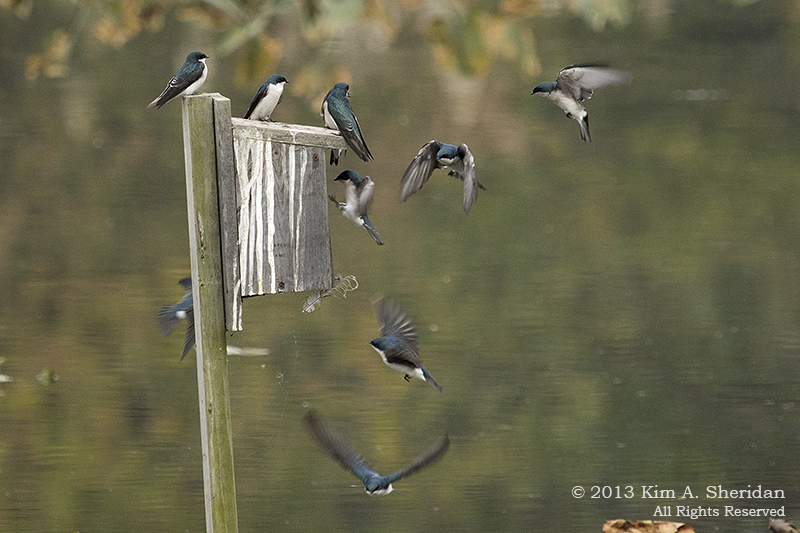
HNWR Swallow_8806 aHNWR Swallow_8863 aTree Swallows are here in large numbers. They were busily quarreling over a number of nest boxes, even though it isn’t nesting season. We think there might be insect nests inside, and that’s what’s causing the chaos.
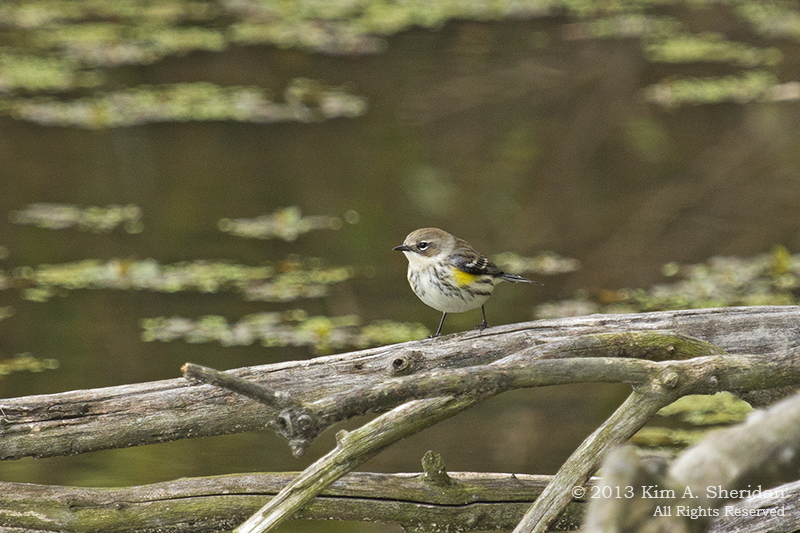
HNWR Yellow Rump_8891 a It’s fascinating to watch the way Nature changes through the seasons. Every naturalist should have a place they go frequently throughout the year, and Heinz NWR is that place for me. Last October I took my first guided bird walk here, led by Mary Ellen, and the most prominent bird was the Yellow-rumped Warbler. How fitting that exactly a year later, I should go on another of Mary Ellen’s walks, and Yellow-rumps would again dominate the walk. I have now come full circle!

FUN FACT: Phenology: the study of the timing of recurring events in the life-cycles of plants and animals. For instance, the flowering of trees, the birth of baby animals, migration, hibernation; all recur from year to year. Yellow-rumped warblers migrate through Heinz in mid-October. These events are influenced by seasonal changes and their timing may be altered by climate change. If a plant blooms weeks earlier than in the past due to a warmer climate, the insects and birds that depend on it may arrive too late to take advantage of it. And if you’re allergic to it, you may start sneezing a lot earlier!

HNWR Teal_8988 aGreen-winged Teal, one of six species of ducks we saw.

HNWR Wood Duck_9051 acs2 Here’s a duck I’ve been trying to photograph in breeding plumage since the spring – Wood Duck. This is the closest I’ve gotten so far, and they’re not very close. But they are spectacular.
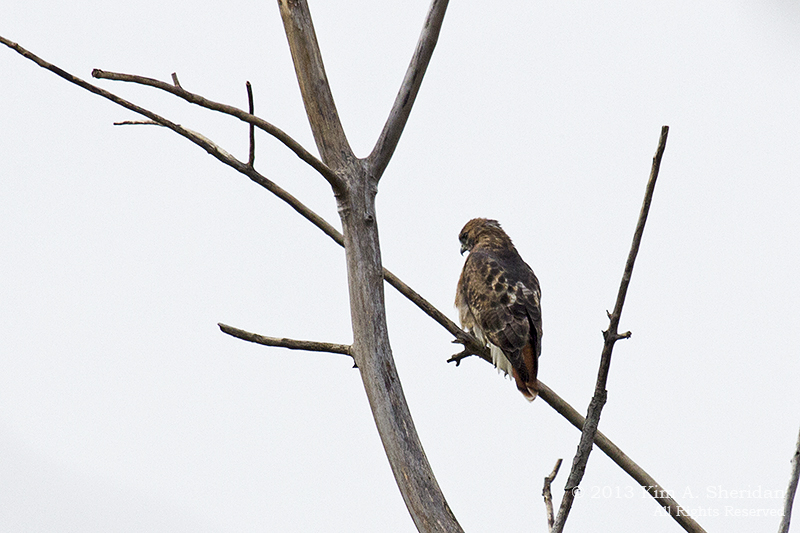
HNWR Redtail_9197 aRed-tailed Hawk.

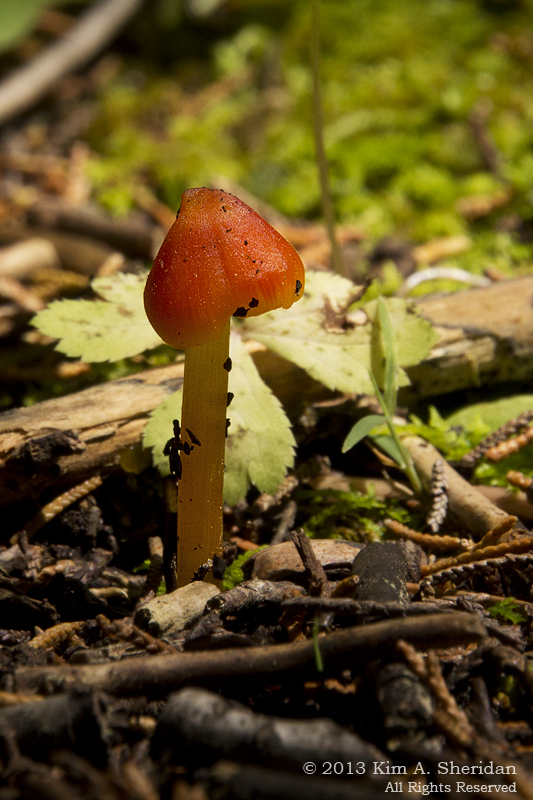
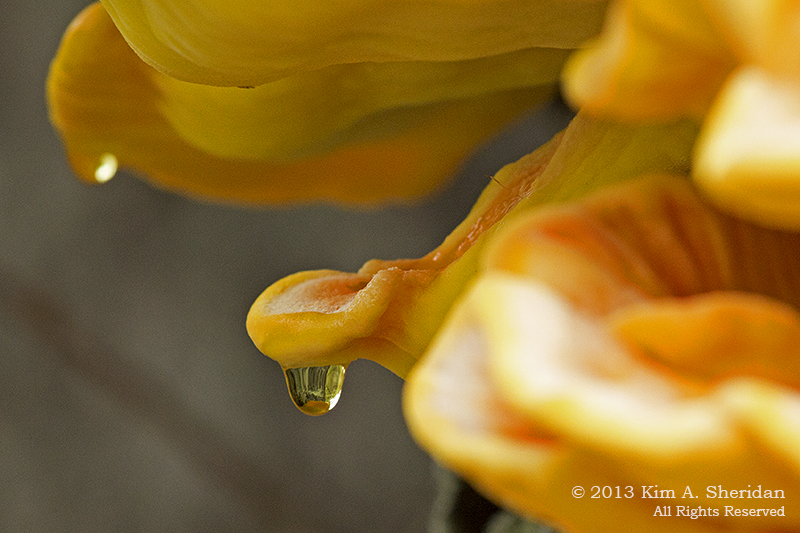
HNWR Fungus_9222 a I am told that this strange apparition is a Chicken Fungus, that it’s edible, and furthermore that it tastes like – chicken. I didn’t try it.

And with good reason – there are a lot of toxic fungi out there. Best to just admire them for their looks, and leave the taste-testing to the experts. Which I definitely am not.
HNWR Fungus_9245

*** WE NOW RETURN YOU TO YOUR REGULARLY SCHEDULED PROGRAMMING ***

Coming up: The Critter Radio Traffic Report (I promise)

Migration Meanderings: The Flight of Kings

Stone Harbor Wetlands Institute_2764 a Many years ago, my family was enjoying an early evening at the Jersey Shore when a butterfly fluttered by. Okay, nothing remarkable there. What followed was: a nearly identical butterfly passed by, followed in swift progression by two more, then three, five, eight more… In a matter of minutes we went from a clear evening sky to a cloud of butterflies, dozens of them, all flying one direction – south. We looked at each other and asked “Do butterflies migrate?”

Cape May Lily Lake_4811 aWe didn’t know it then, but we were witnessing the migration of the Monarch butterflies. Scientists now know that these orange and black insects fly from the northern U.S. and Canada to overwintering grounds in Mexico. Just like for birds, Cape May County is an important stopover for migrating Monarch butterflies.

Cape May Lily Lake_4840 aA Monarch butterfly has a four inch wingspan and weighs a fraction of an ounce, yet it still manages to fly 2,500 miles in a short period of time. What may be even more amazing is that the butterflies that fly south have never been to Mexico. Neither have their parents, or grandparents or great-grandparents. It’s their great-great grandparents that left Mexico the previous February. They made it as far as Texas or Oklahoma before laying the eggs that would become the first generation of the year.

That first generation went through the life cycle of egg, caterpillar and chrysalis before becoming butterflies that would continue the journey north during their six week life.

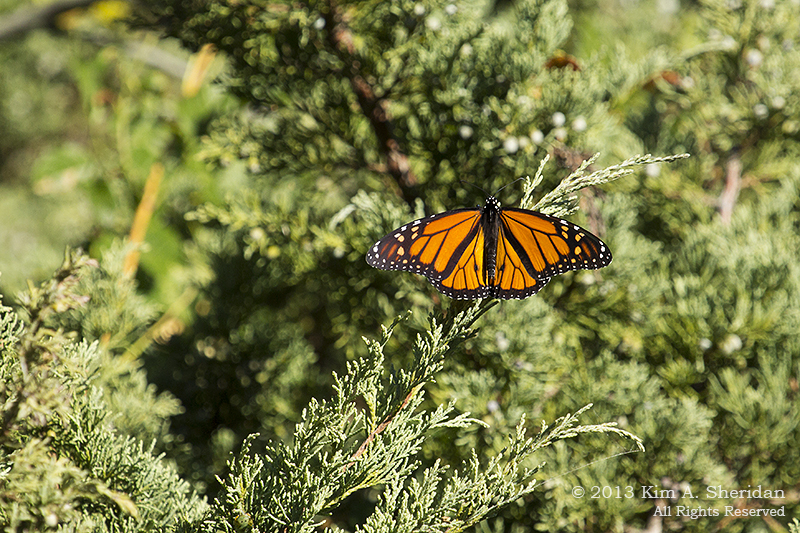
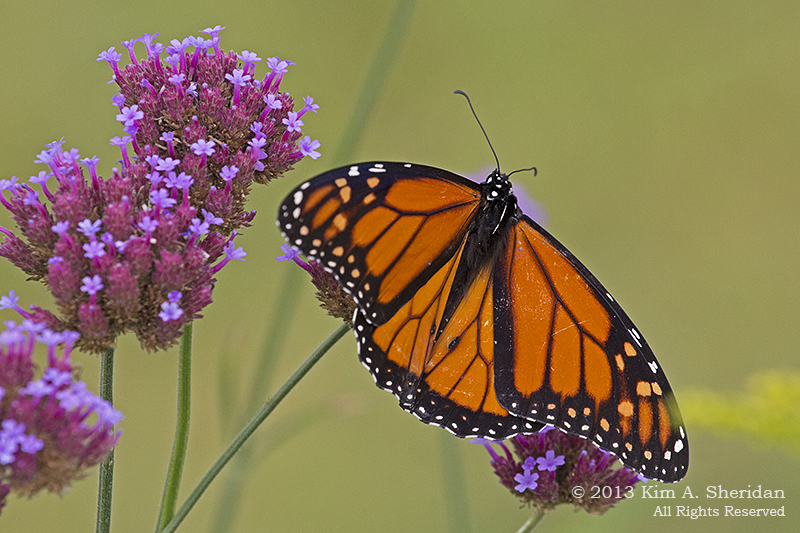
HNWR BF-Monarch_0357 a The second generation was born in May or June; the third generation in July or August. This butterfly is from that third generation; it was photographed at Heinz NWR in August.

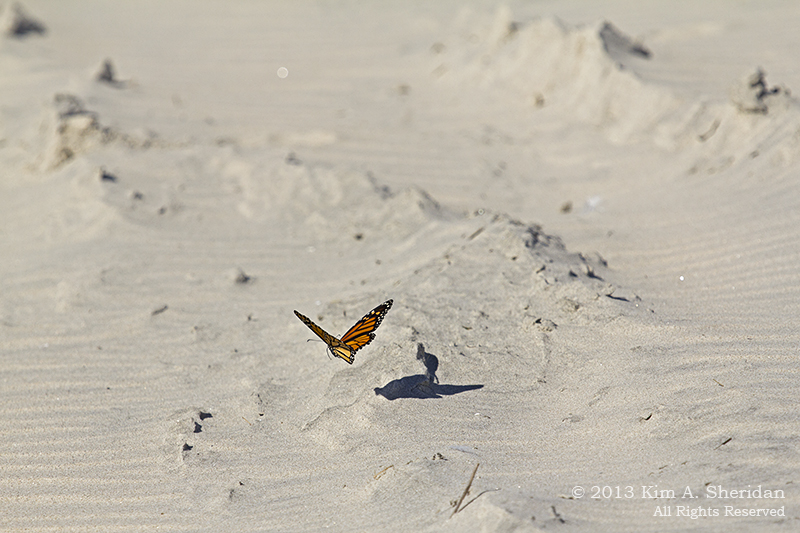
OC Corsons Inlet_4753 aThe other Monarchs shown in this post were seen in Cape May County in September; they are members of the fourth and final generation of the year, born in September or October. These are the butterflies that migrate south. They don’t immediately start a new reproductive cycle as their parents did. Instead they enter a non-reproductive phase known as diapause, which can last six to eight months. During that time, they fly to Mexico, spend the winter, and then return north to start the next year’s cycle.

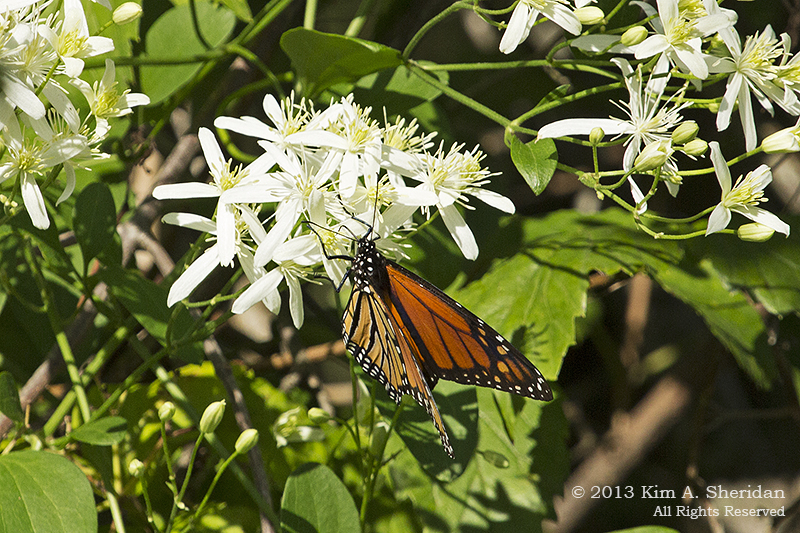
Stone Harbor Wetlands Institute_2796 aAll that flying is accomplished on an all-liquid diet consisting mainly of the nectar of plants like milkweed, goldenrod, aster, and others. The butterflies drink the nectar through a straw-like appendage called a proboscis, shown coiled up, above. The Monarch caterpillars are much more finicky – they only eat plants of the milkweed family. So Monarch females are careful to seek out milkweeds on which to lay their eggs.

FUN FACT: Monarchs are poisonous! A chemical in the milkweed they eat as caterpillars provides a distasteful and dangerous defense against predators. And the predators know it, and avoid them. This in turn is exploited by the Viceroy butterfly, which isn’t poisonous but looks very similar to the Monarch, an adaptation called mimicry.

Stone Harbor Wetlands Institute_2771 a This is a male Monarch. How do I know? See those small black spots on the hind wing near the end of the abdomen? That’s how. Females don’t have those spots.

CONSERVATION PIECE: The Monarch butterfly’s survival as a species is threatened both by deforestation in their wintering grounds and the disappearance of milkweed plants due to herbicide use in the U.S. Want to help the Monarch thrive? Go to your local garden shop, ask for milkweed plants native to your area, and plant them in your yard. Host a caterpillar!

Cape May Point State Park_4100 aIt just wouldn’t be September at the shore without these tiny Kings of the Air.

Coming up: The Critter Radio Traffic Report

Salt Marsh Safari

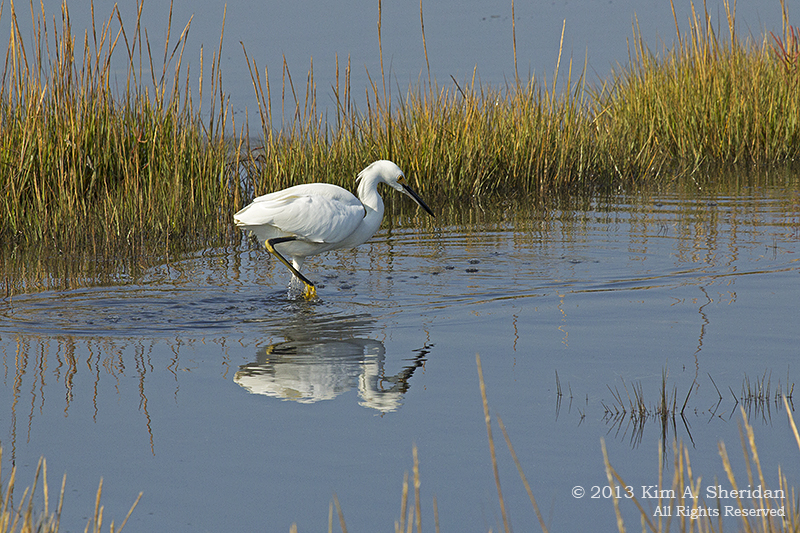
Cape May Skimmer Egret_6493 a The day started quietly, with a drive through mist-shrouded farms and forests tinged with early fall color. The calendar said “October”, but by the time we arrived at the dock, the day was already doing a fine imitation of summer. We were here on Cape May Harbor for the Salt Marsh Safari, a two-hour tour on the 40-foot Skimmer through the back bays of Cape May. Before we even got on the boat, we had some great looks at Snowy Egrets (above.)Cape May Skimmer_6484 a

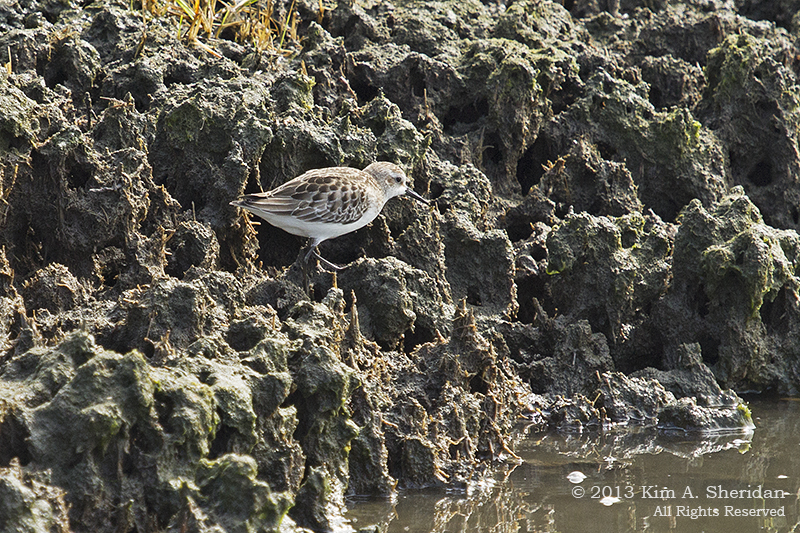
Cape May Skimmer Peep_6823 a FUN FACT: Here’s a Semipalmated Sandpiper. A big name for a little bird! Its feet have short webs between the toes, hence the name. The holes in the mud are made by crabs, a few of which we’ll meet in an upcoming post.

Cape May Skimmer Tri Color_6638 aSome of those aboard were veterans of springtime Skimmer trips, and reported that there weren’t nearly as many birds this go-round. It didn’t bother me, as I still saw two life birds this trip. Quality over quantity! Here’s the first lifer, Tri-colored Heron.

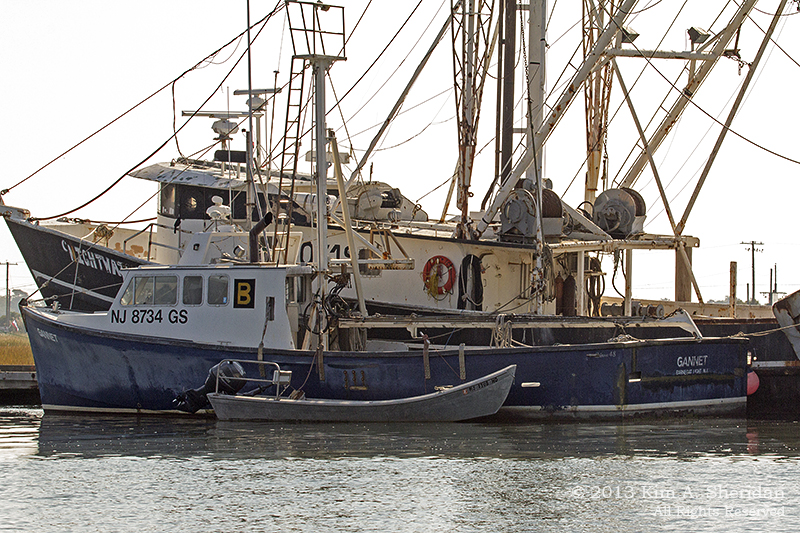
Cape May Skimmer_6525 aThese are not the Skimmer, but a couple of fishing boats anchored along the harbor.

Speaking of fishing, a couple of times our captains scooped up marine life with a bucket for us to examine. There were sea urchins, shrimp, crabs, and a sea star at least six inches across. We also found a couple of large whelks. Most people know these for the empty shells found on the beach, but they are actually snails. Every time the captain tickled the soft creature inside the shell, it fired back with a jet of water.

Cape May Skimmer_6969 a Here’s the second life bird, Whimbrel. The captain brought the boat in for a really close view. Being on a boat has its advantages. As does that long downturned bill, for the Whimbrel. It’s perfect for digging yummy tidbits out of the mud.Cape May Skimmer_6986 a

Shameless plug: if you’re in the Cape May area and want to learn about the wildlife of the marshes, or just want a relaxing boat ride, check out the Skimmer. The captains are friendly and really know their stuff. http://www.skimmer.com/default.html

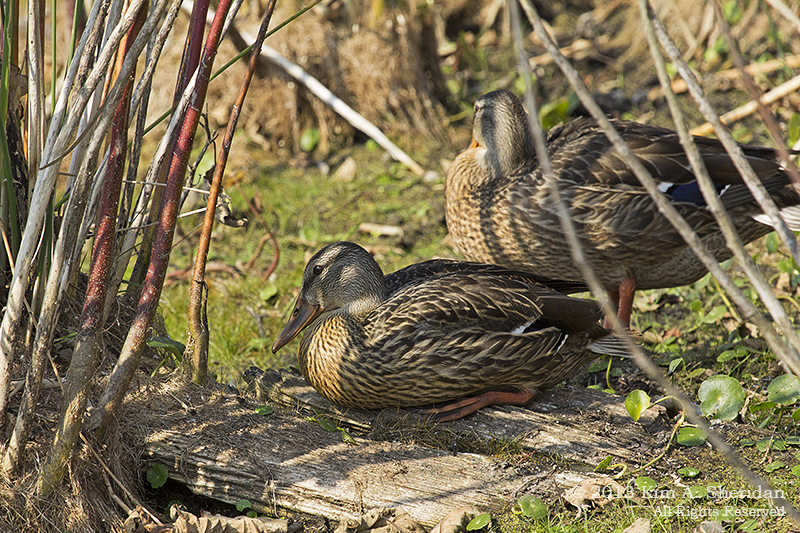
Cape May Point SP Duck_7099 a After lunch, we went for a land-based trek through Cape May Point State Park. With marshes, ponds and forests, there’s always a lot to see here. As the afternoon wore on, the unseasonable heat was getting to animals and humans alike. A couple of Mallards found a nice patch of shade.

Cape May Point SP Frog_7292 aA Green Frog knew how to keep cool.

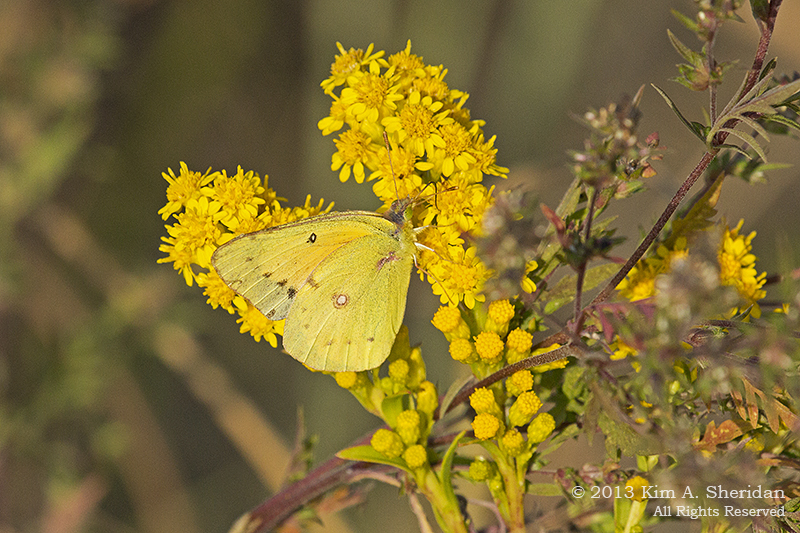
Cape May Point SP Butterfly_7315 a Seaside Goldenrod was in bloom everywhere, and attracting lots of butterflies and bees. This bee is loaded with pollen. Cape May Point SP Bee_7020 a

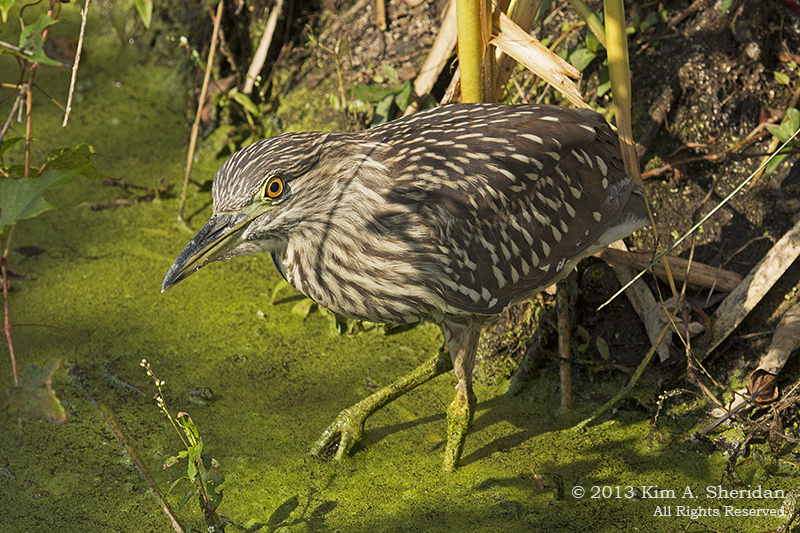
Cape May Point SP Night-heron_7207 a Here’s the Bird of the Afternoon. This is a juvenile Black-crowned Night-heron. We found him at the base of a footbridge crossing a small stream. He couldn’t have been more than ten feet away, and he barely budged the whole time we were taking his portrait.

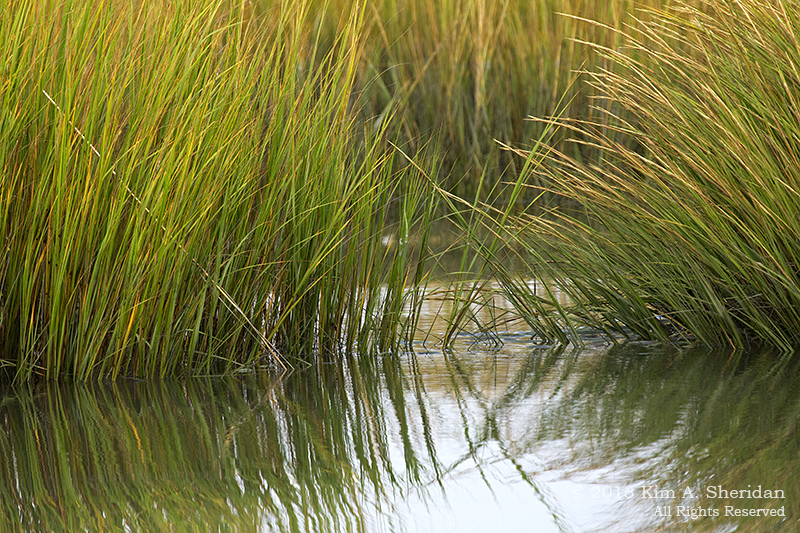
It may have felt like summer, but the golden hues hint at autumn to come. What better way to spend a glorious fall day than soaking it all up in Cape May.Cape May Skimmer_6731 a

Coming up: Migration Meanderings

More Winter Birds

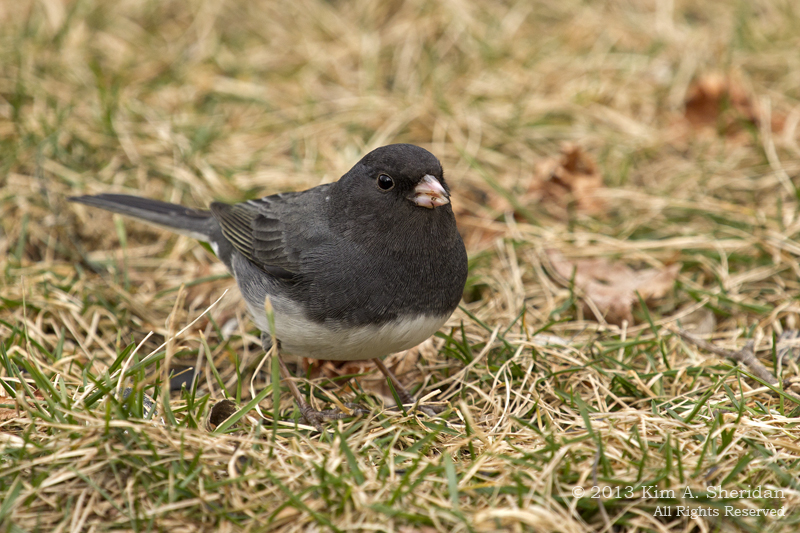
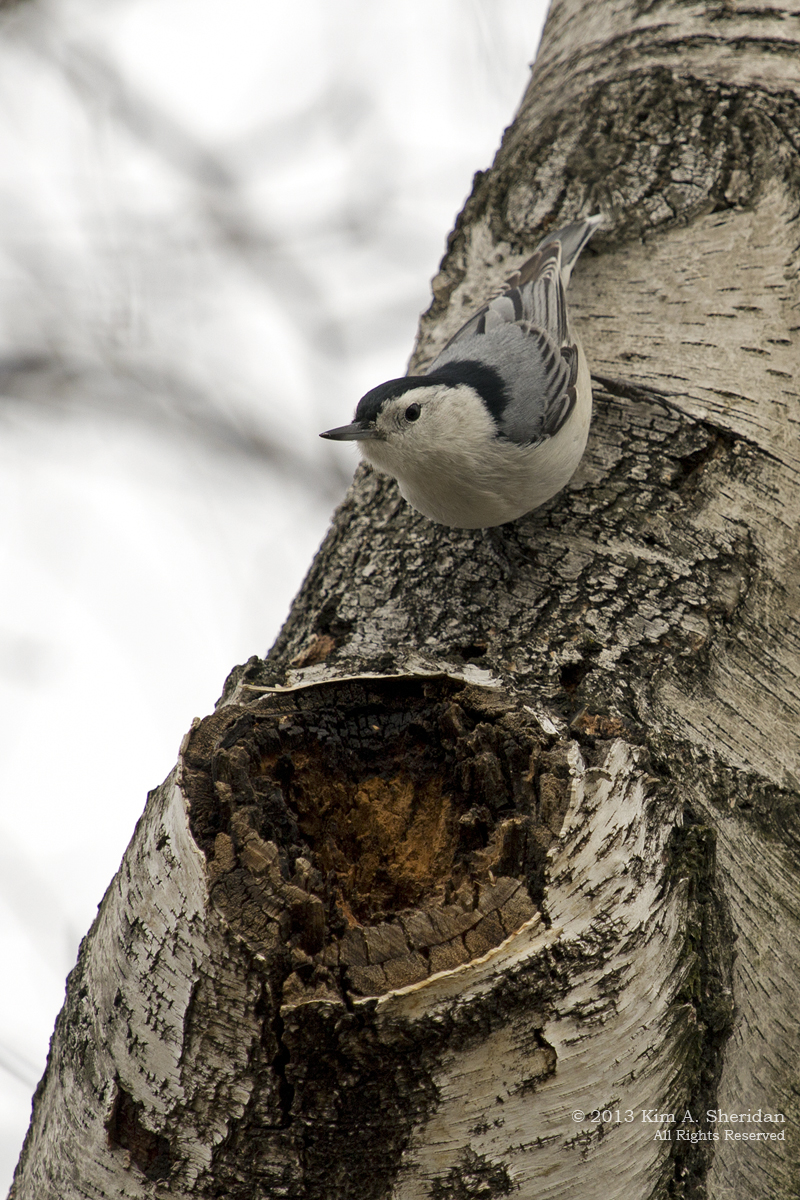
Feeder Birds_8384 ACS Feeder Birds_8392 ACSYes, I know it’s barely fall. While we’re waiting for the leaves to turn here in the East, it seemed a good time to look back at some images from last winter. To remind us what lies in store when it gets cold…

The Dark-eyed Junco (above) and White-breasted Nuthatch were feeder visitors in my backyard. Also the first subjects for my new 400mm zoom lens.

HNWR Pintail_9336 ACS Northern Pintail, John Heinz National Wildlife Refuge

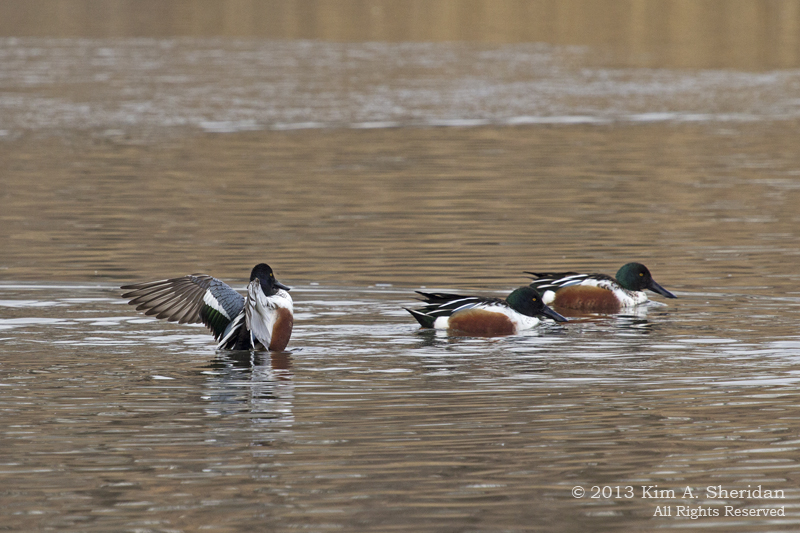
HNWR Shoveler_9383 ACSNorthern Shovelers, Heinz NWR

Ocean City Sanderling_1191 ACS Sanderling, Ocean City, NJ

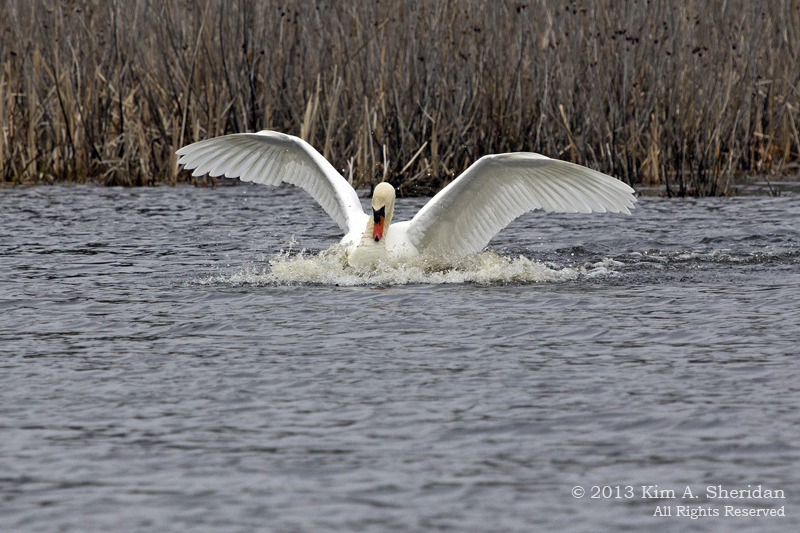
Cape May SP Swan_1425 ACSMute Swan, Cape May Point, NJ

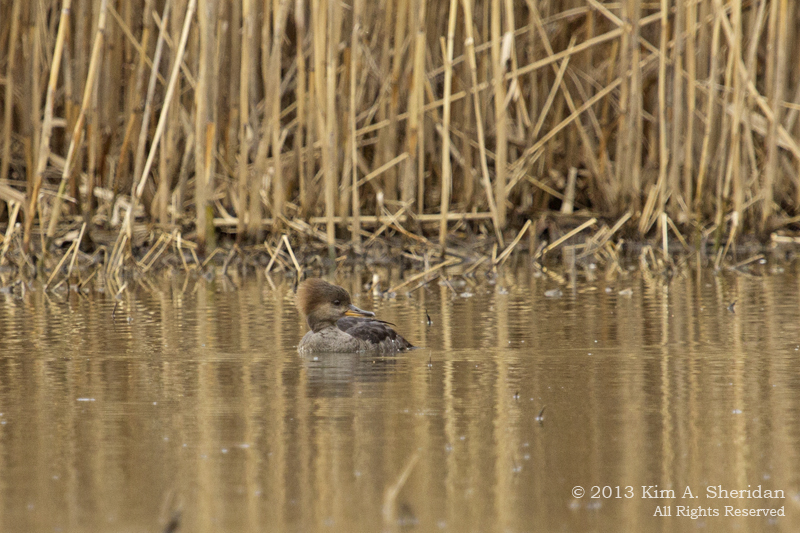
HNWR Merganser_2441 ACS Common Merganser female, Heinz NWR

HNWR Evening_4352 ACSCarolina Wren, Heinz NWR

Middle Creek WMA_3463 ACS Middle Creek WMA_3447 ACSSnow Geese at Middle Creek Wildlife Management Area in Lancaster County, PA. Snow Geese gather by the thousands on their winter feeding grounds. I had no sooner pulled up to a hill covered with geese when they took off. A giant cloud of geese, whirling and spinning as one. It was an amazing sight.

I like to look at this image at the right, pick out a goose, and imagine what he may be thinking.

  • “Does anyone know where we’re going?”
  • “Mom always told me not to follow the crowd.”
  • “Can’t a guy get some peace and quiet around here?”
  • “Why is everybody following me?”
  • “If you’re not the lead horse, the view never changes.”
  • “I wish that goose next to me had used deodorant this morning…”

Middle Creek WMA_3490 ACS Clone

Coming up: Something more seasonal, I promise!

Michigan’s Shy Wildlife

MI LSP Lost Lake-Island Trail Northern Pearly-eye_6060a I went to Michigan hoping to come home with lots of amazing wildlife shots. Last year I saw minks, for gosh sakes. And this year I have this great new long telephoto zoom lens. Confoundingly, Michigan critters are quite camera shy. No mink, no deer, only one chipmunk.

Birds – oh, yes, there were birds. I could hear them all around me, nattering away constantly. But they insisted on playing hide-and-seek with me, teasing with brief flashes of black and yellow, but never settling down long enough to visit.

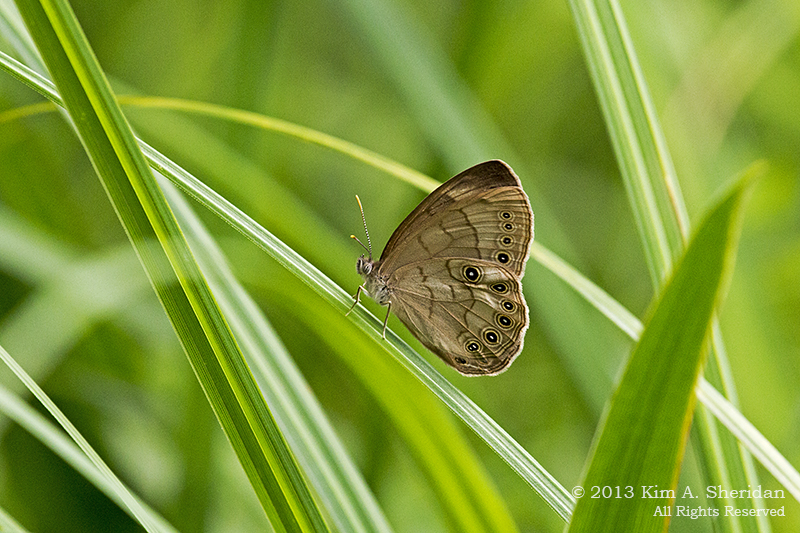
Here are some of the animals I did manage to capture, mostly of the winged variety. Above is a Northern Pearly-eye Butterfly in Ludington State Park. Check out the natty striped antennas.

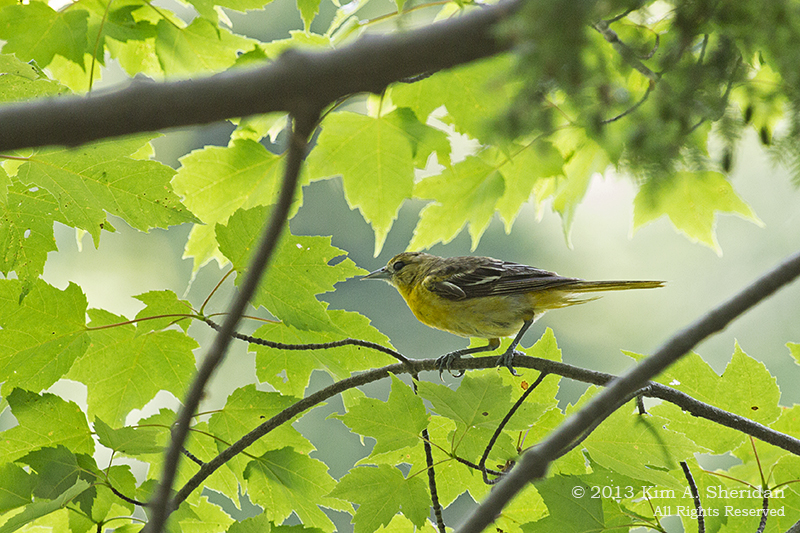
MI LSP Lost Lake-Island Trail Bird_6213aAmerican Redstart, Ludington State Park.

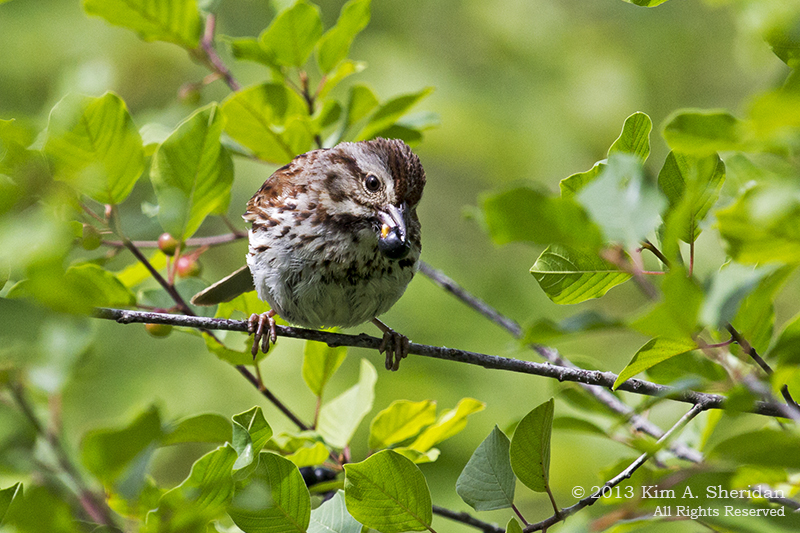
MI Mitchell SP Bird_7291aSong Sparrow, Mitchell State Park.

MI Mitchell SP Bird_7415aChickadee, Mitchell State Park.

MI LSP Lost Lake-Island Trail Bird_6402aUnidentified Warbler, Nordhouse Dunes Wilderness Area. Maybe a female or juvenile Blackburnian? A little help, anyone?

Eagle Filmstrip 1 No text A juvenile Bald Eagle searches for prey, spots his quarry, closes in, and – IMPACT!

Eagle Filmstrip 2 No Text

To the victor goes the spoils.

Looks like fish for lunch today.

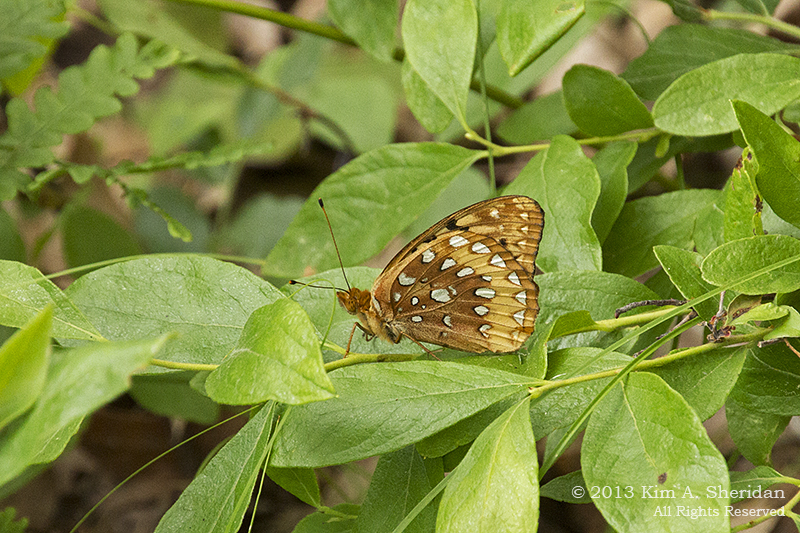
MI Nordhouse Dunes GSF Butterfly_5898aGreat Spangled Fritillary, Nordhouse Dunes Wilderness Area. Who comes up with these names, anyhow?

MI LSP Sable River Trail Common Buckeye_7084a Common Buckeye, Ludington State Park.

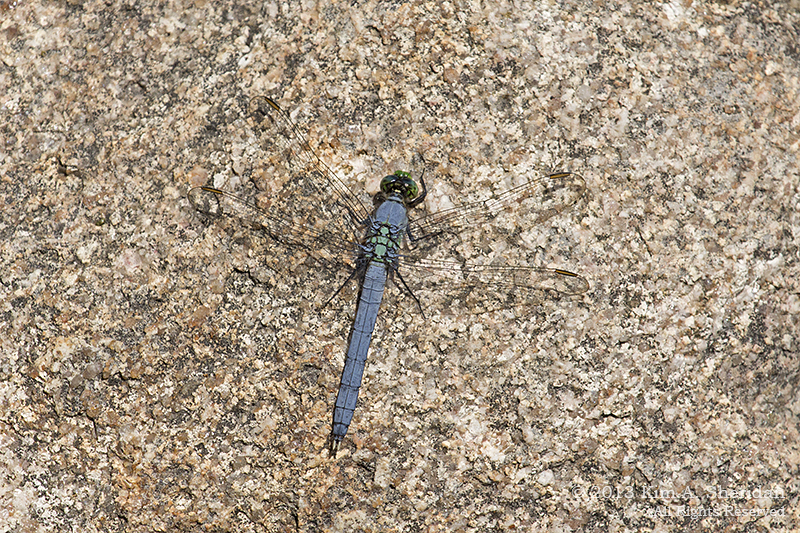
MI LSP Lost Lake-Island Trail Widow Skimmer_6452aWidow Skimmer, Ludington State Park.

MI LSP Sable River Trail E Pondhawk_7051aEastern Pondhawk, Ludington State Park.

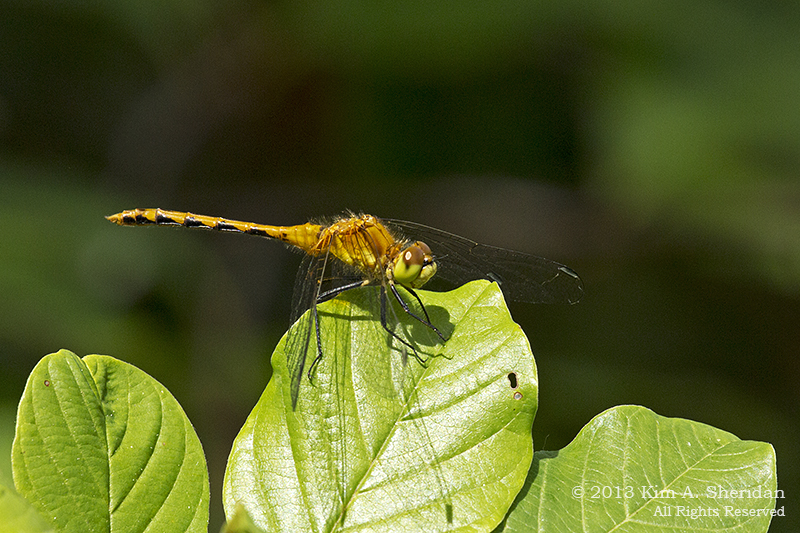
MI Mitchell SP Ruby Meadowhawk Dragonfly_7458aSometimes dragonflies, butterflies and birds of the same species come in different colors. Usually it’s a male/ female thing. For instance, here’s a Ruby Meadowhawk female. Not particularly Ruby, is it? MI Mitchell SP Ruby Meadowhawk Dragonfly_7365aBut here’s the male Ruby Meadowhawk, and now it’s obvious where the name came from. Mitchell State Park.

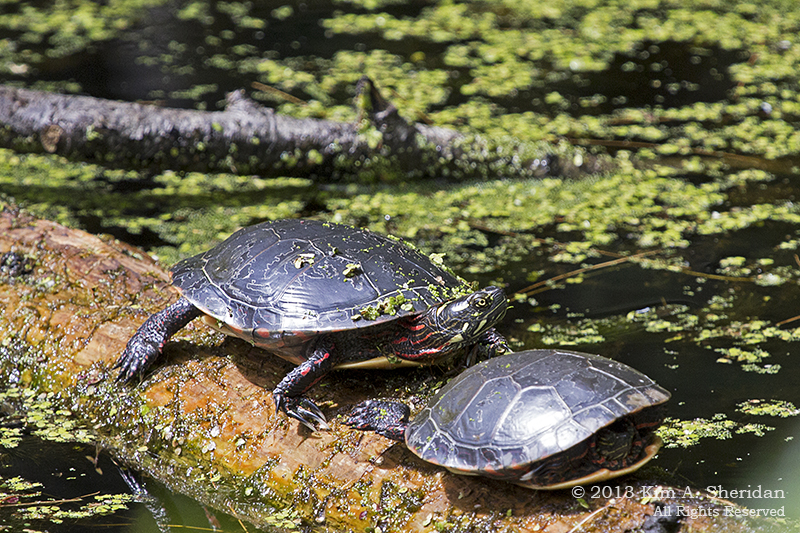
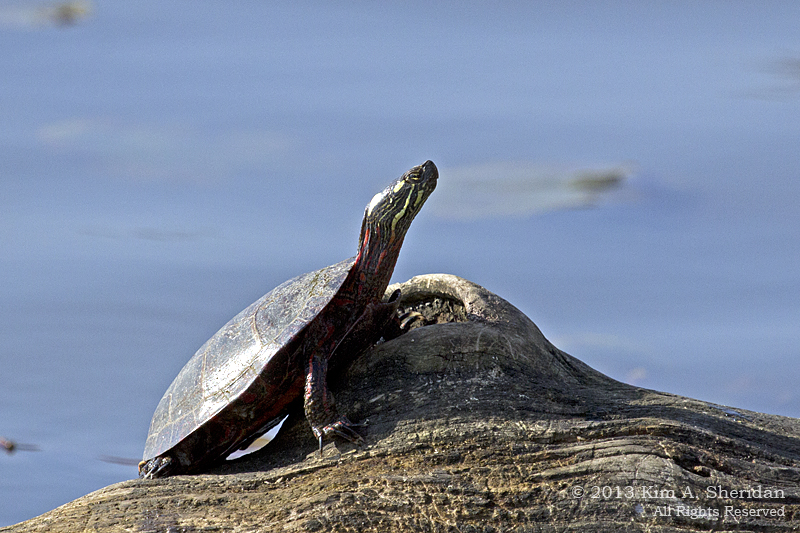
MI Mitchell SP Wildlife Midland Painted_7353aAnd now, for some scaly things: Midland Painted Turtle, Mitchell State Park. The front fellow’s a little shy, typical of most of the critters I saw – or didn’t see – in Michigan.

Near misses: Occasionally along the Mitchell Heritage Nature Trail I would hear “shish-shishhh-shish” as a small snake slithered off into the grass. I rarely actually saw them. I also heard the distinctive banjo-like “twang” of a Green Frog a few times.

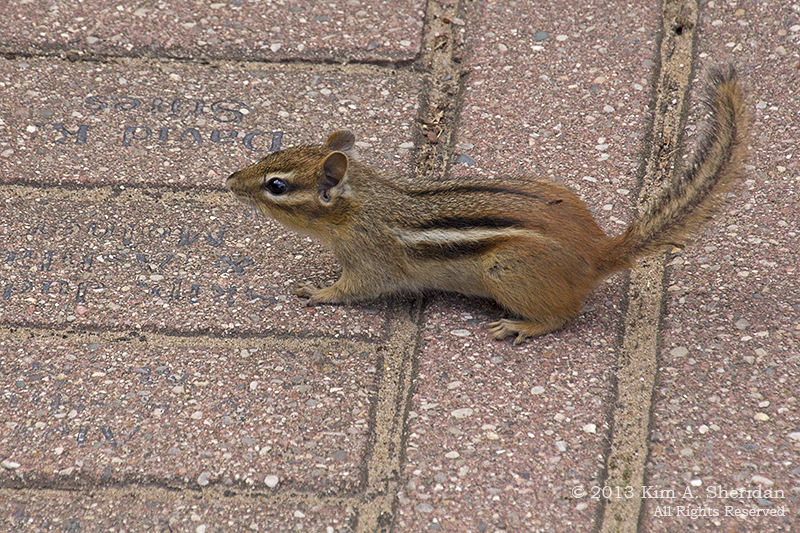
MI White Pine Village_5430aEnding on a furry note: Chipmunk, White Pine Village.

Coming up: Mich-mash

The Critter Radio Sports Update

HNWR Painted Turtle_6615 aHey, hey, hey sports fans! This is Shelly Zuppa with your sports update here on KRTR 99.9 FM – Critter Radio. Today we have a real treat for all you sports fans – live coverage of yesterday’s hotly contested Herp Swamp Hockey match. Nothing like the timely coverage you’ll get here on Critter Radio! Let’s throw it over to our play-by-play announcer.

Hi, folks, I’m Myrtle Turtle the Dapper Snapper, and welcome to the Marsh Arena. For the Herp Swamp Hockey novices out there, let’s review the game. The league is restricted to herps – reptiles and amphibians, in other words. No fish, no fowl. No rules, no referees, no holds barred. Four teams for all the marbles, competing on land and in water.

HNWR_5624 a Looks like we’re all set for the match to start. The crowd is trembling with anticipation…

HNWR_9701 a…as their favorite players from the Tinicum Turtles take the field.

CM Higbee Beach_9885 aRight off the bat, the Higbee Beach Fence Lizards take the offensive by going on defense. These guys would lead the league if the game were Freeze Tag. At the first whiff of an opponent, they become motionless. “If I don’t move – you can’t see me!” is their battle cry.

HNWR Snake_7379 ACSThe strategy must have worked, because we can see they’ve got this Garter Snake player from Serpents United on the rocks.

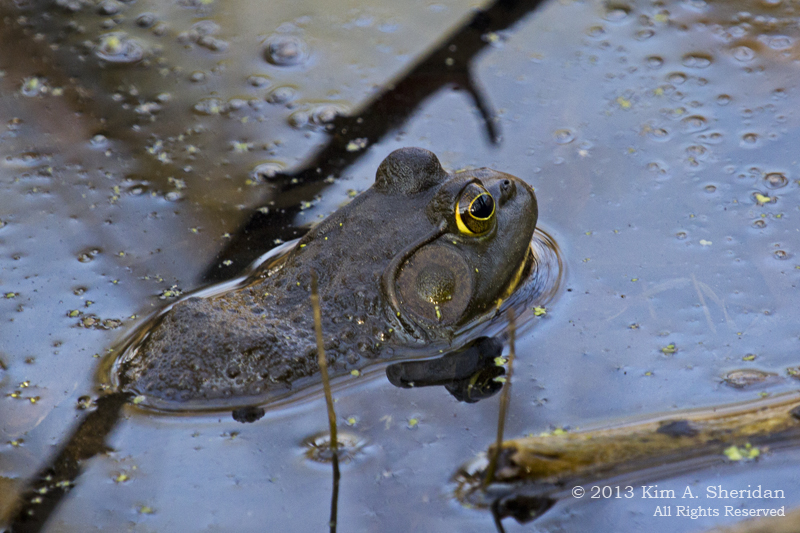
HNWR Bullfrog_7722 ASMeanwhile, this American Bullfrog is mired deep in his own zone. Maybe water polo is more his game.

HNWR Tadpoles_5187 aHalftime entertainment keeps to the water with a nice display of synchronized swimming by three baby fish. Yes, folks, there’s nothing we Snapping Turtles like better than a good fish fry. Or three…

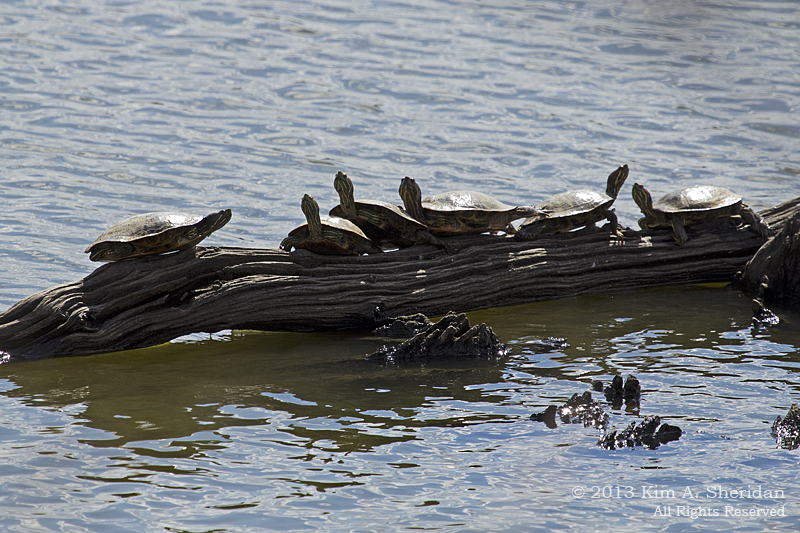
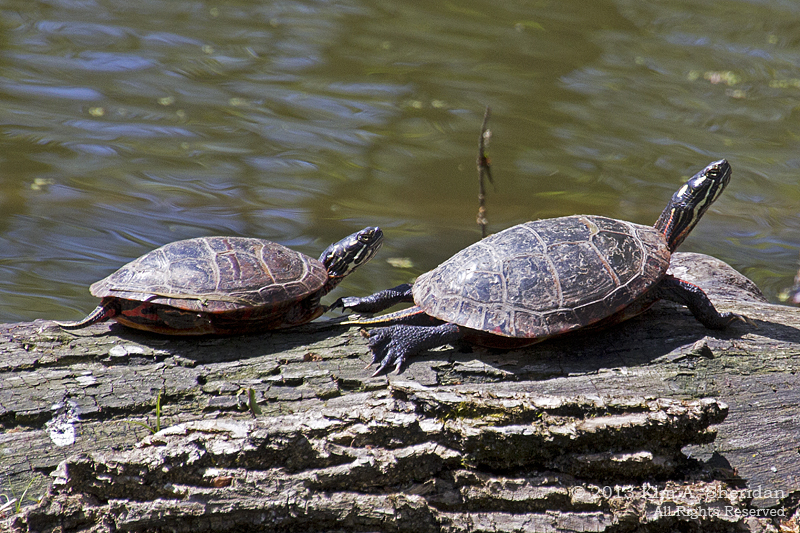
Tinicum_6389 Alt 2 AS OrigBack to the action, these Painted Turtles from Heinz seem to have been benched. The Tinicum Turtles try to overwhelm other teams with sheer numbers, but spend most of the game sunning themselves on the sidelines. It’s enough to make a fellow turtle weep.

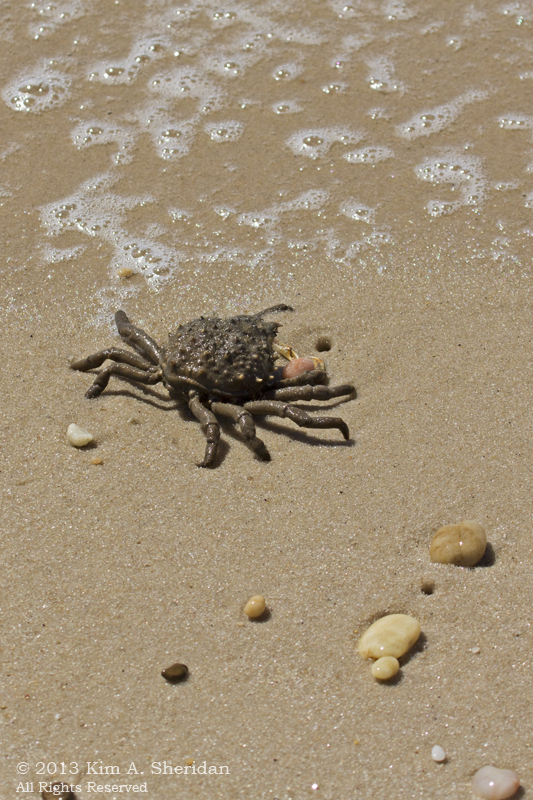
CM Higbee Beach_9945 aWait, folks, what’s this… There’s a Spider Crab on the field and creeping away with the ball… Oh my gosh, we have a streaker! Don’t look, Ethel!

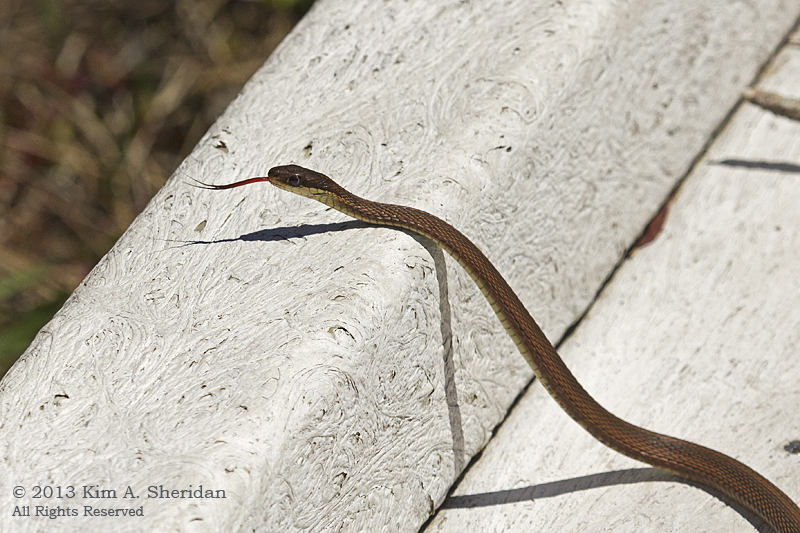
CMPSP Snake_9767 aThe Cape May fan contingent is not happy with this turn of events, as a Ribbon Snake shows his displeasure.

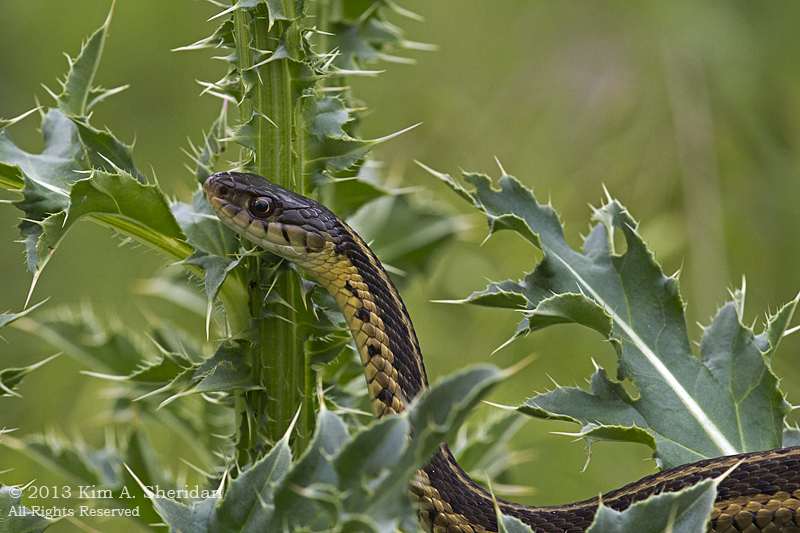
HNWR_2233 aWith time running out, Serpents United have taken a risky strategy by sending a Garter Snake player deep into the opposition’s Thistle to try to score. It’s a highly unusual place for a snake – but…

CM Higbee Beach_9942 aYES! He scores!

GOOOOOAL!

And the Serpents take the match!

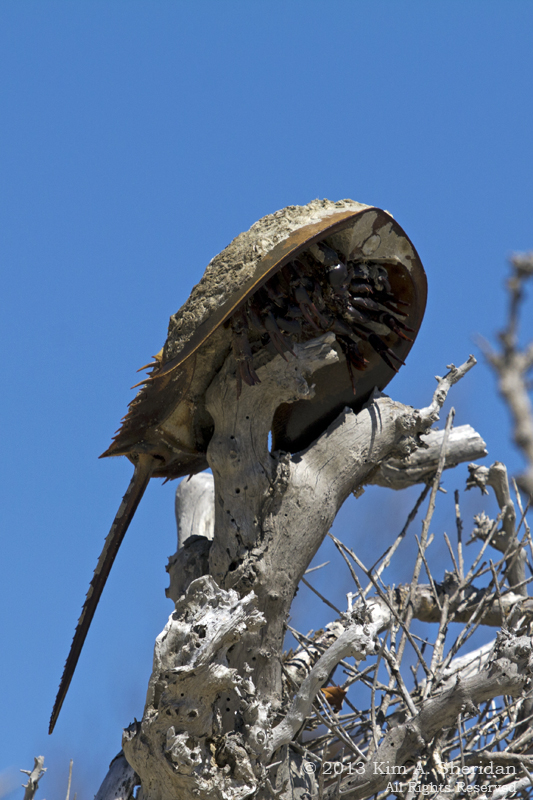
Well, folks, it’s all over but the shouting. This Horseshoe Crab spectator seems overwhelmed with emotion. What an exciting game!

The rematch is bound to be a barn-burner. Be sure to tune in again to catch all the action right here on KRTR Critter Radio.

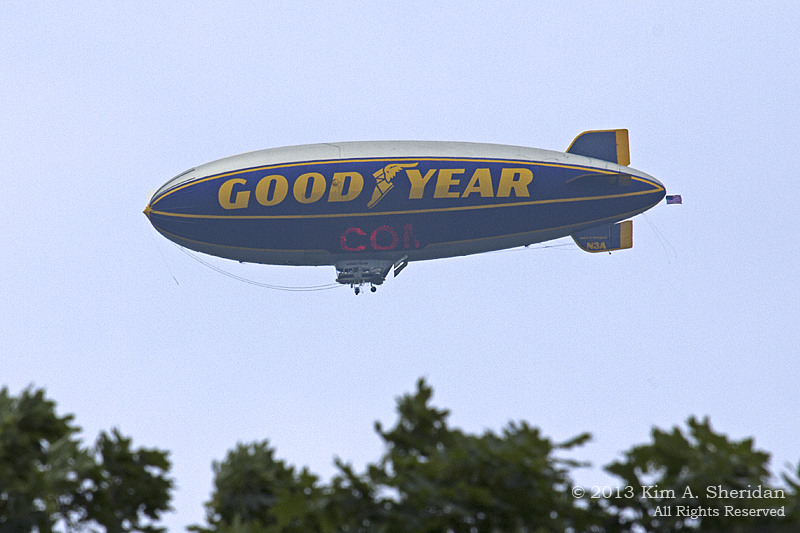
Blimp_3787 a copyI’m Myrtle Turtle the Dapper Snapper from the Marsh Arena – good night!

Aerial coverage provided by the Goodyear Blimp.

FUN FACT: Most crabs that walk on land do so sideways, but the Spider Crab usually goes forward. It’s particularly fond of draping itself with all sorts of adornments, including living sea plants, bits of shell and other oddities. Presumably this is for concealment, but maybe the crab’s just really fashion forward!

Coming up: Independence Day: Wissahickon Wanderings

Pine Barrens Ramble: Into The Woods

Pine Barrens Marthas Furnace_3343 aSo what is the Pine Barrens anyway, and why is it barren?

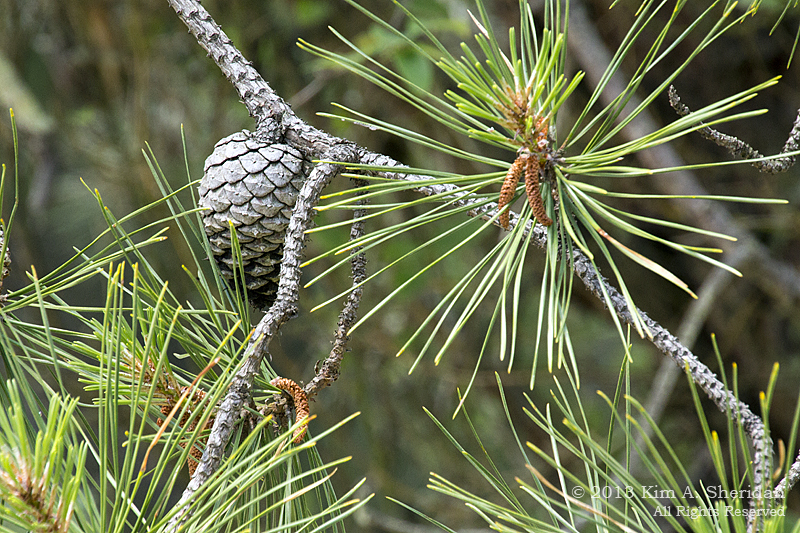
Pine Barrens Harrisville_3340 aThe Pine Barrens is a vast area in the southern New Jersey coastal plain, sandy and heavily forested. It was called “barren” by early European settlers, who found that the crops they planted wouldn’t grow there because of the acidic, sandy soil. The area is by no means an ecological desert. Oak and Pitch pine thrives there, including the rare pygmy Pitch Pine, and there are orchids, carnivorous plants and numerous other plant species. Amongst the forest are boggy wetlands, and tea-colored rivers. Here too are blueberry and cranberry growers, ghost towns, and preserved historic villages.

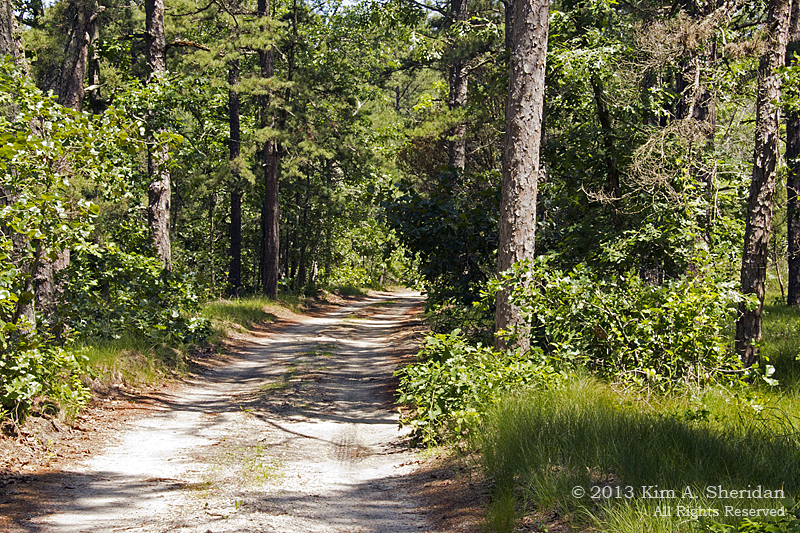
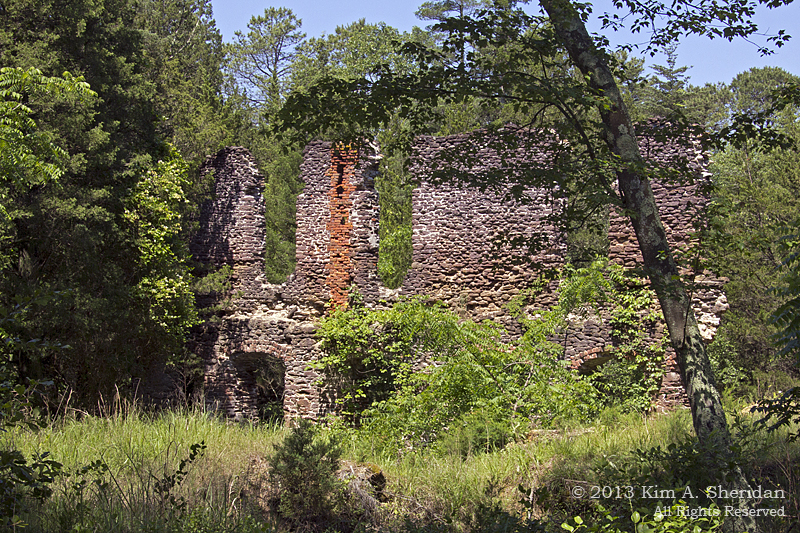
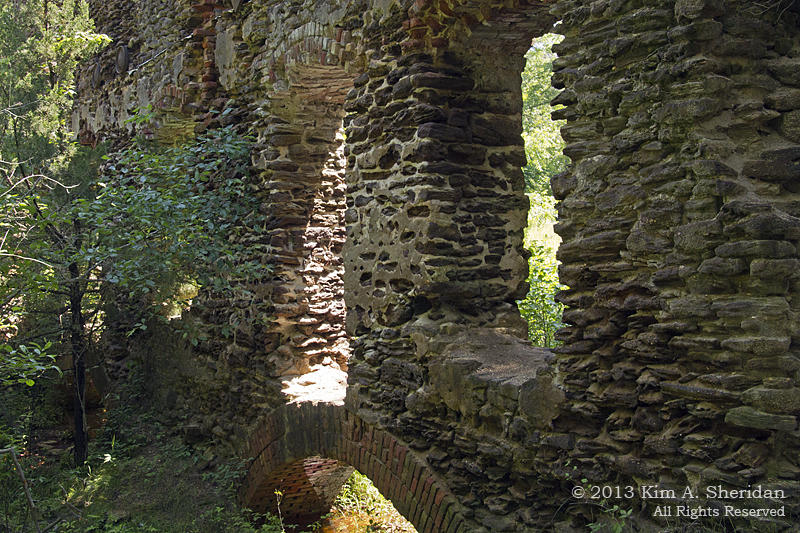
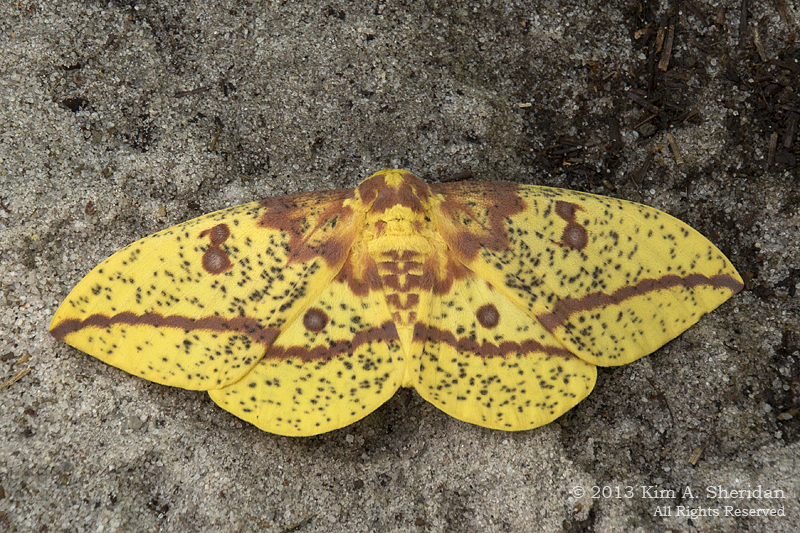
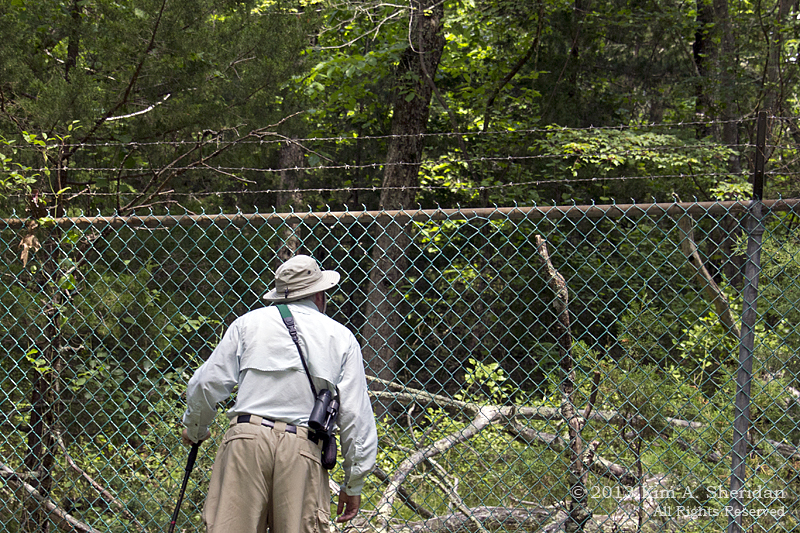
Like Batsto, which I visited with friends not long ago. Our intention had been to take a guided nature walk led by a friend of Don’s, but we arrived to find it had been cancelled. So we went exploring on our own.Pine Barrens Harrisville_3295 aThese are the ruins of the paper mill at Harrisville, one of many ghost towns dotting the Pine Barrens. Most of it is enclosed with chain link fence. While Ned and I were figuring out how to shoot over the fence, Don and Robb found another vantage point. (Wink, wink) There was just one wall left standing – but it was a really cool wall!Pine Barrens Harrisville_3314 aWe then decided to take the trail to Martha’s Furnace ourselves. Why, is anyone’s guess, as you’ll see in a minute. The trail was my first taste of hiking in the Pine Barrens. The sand road wound through a forest of predominantly pitch pine. The soft white sand is known as “sugar sand” for its consistency. I could hear lots of birds, but didn’t have much luck seeing them in the dense trees. And no bears!Pine Barrens Marthas Furnace_3359 aWe did find an Imperial Moth (above) that was so still, the boys mistook it for a leaf. Then they thought it was dead. (It wasn’t.) We also spent some time with a Fowler’s Toad, (below) wearing Toad Army camouflage. I was the one to find both of these creatures; maybe my wildlife spotting skills are improving.Pine Barrens Marthas Furnace_3426 a
Pine Barrens Marthas Furnace_3371 a

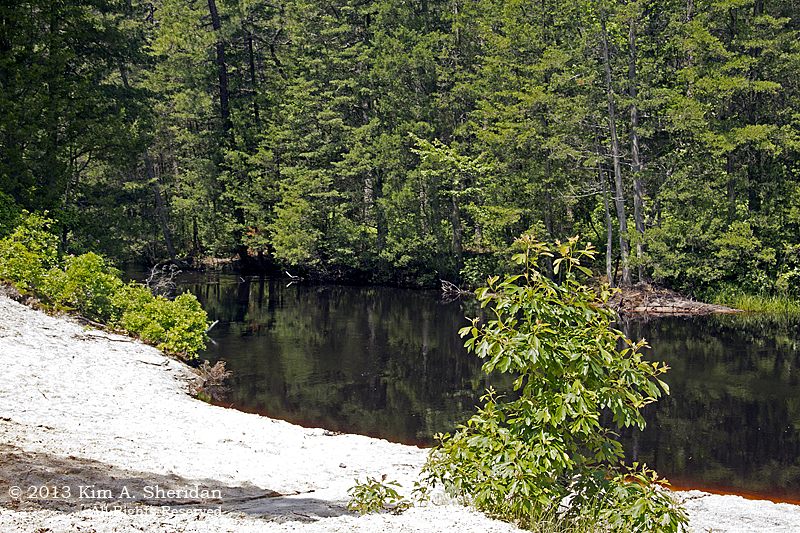
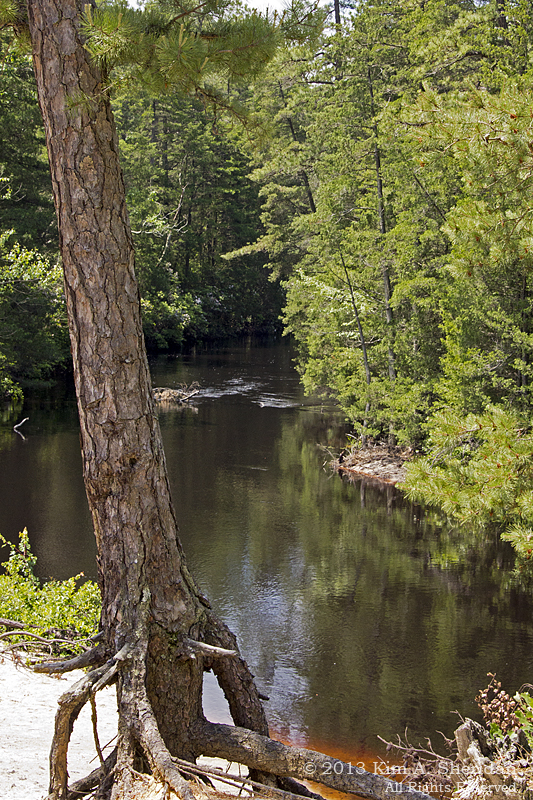
Pine Barrens Marthas Furnace_3397 a2At a couple of points the road ran down to the Oswego River. Definitely my favorite part of the trip. The dark brown water gets its color from tannins from the cedar tress combining with iron in the ground. Looks like you are canoeing in a tea cup!

Martha is another ghost town, this time centering on a bog-iron furnace. Years ago the state surveyed the ruins, and then buried it and fenced it in. So, of course, when we got there, there was nothing to see but a mound of dirt covered with weedy shrubs and trees inside a fence.

Actually, if the scheduled walk had happened, we’d have had a knowledgeable naturalist to show us numerous interesting plants and critters. It was never really about Martha itself.

Pine Barrens Marthas Furnace_3439 aHere’s Don trying to figure out why we came. Well, the walk was nice.

Even on our own, my first taste of the Pine Barrens whetted my appetite for more.Pine Barrens Marthas Furnace_3395 Conservation Piece: In 1978, the Pine Barrens became the country’s first National Reserve, when 1,100,000 acres was designated the New Jersey Pinelands National Preserve.  The area comprises most of seven counties, three state forests, and two National Wild and Scenic Rivers. The Reserve was created to protect not only the natural beauty of the area, but its history, folklore, and unique culture. The place continues to be largely rural, and may be the closest New Jersey gets to “wilderness”.Pine Barrens Marthas Furnace_3382 a

Coming Thursday: The Stars and Stripes Forever

Baby Steps

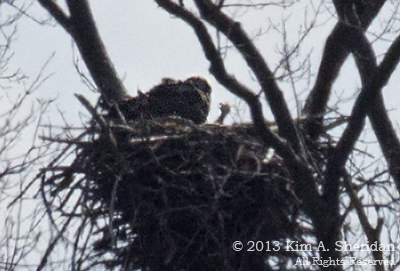
HNWR Eagle_5605 A3How did we go from this tiny little fellow looking up at his parent…

HNWR Eagle_3868 a2

to this broad-shouldered young Eagle soaring among the trees…

IN JUST ELEVEN WEEKS?

Yes, folks, the Bald Eagle chicks at Heinz Refuge have fledged! They took their first flights over the last weekend, and were already accomplished veterans by the time I saw them on Tuesday. Admittedly, they don’t go far, just fly laps around their Oak Island home, and they still spend time in the nest. But they are flying!HNWR Eagle_3884 acs

HNWR Eagle_3907 aIt looked to me like they were doing a fine job of maneuvering and landing in the trees. They have a new favorite perch, on a large bare tree to the right of the nest. I photographed one Eaglet there, and it wasn’t until I got the photos on the computer that I saw the other was right next to him, but hidden behind some foliage.

Even more surprising was this photo, where I was focused on one Eaglet (center) landing, and only discovered in processing that I’d caught the other Eaglet (upper left) in flight!HNWR Eagle_3882 a

The last flight we saw was a little rocky for one young bird. Seems a few Red-winged Blackbirds decided to chase him, even hitting him on the back a couple of times. I’m sure he was thinking “Mom! Help! What IS this?” Life out of the nest is all new to these guys.

I’ve been watching birds fly for many years. It never gets old, and watching the raptors fly is especially awe-inspiring. But nothing has moved me as much as these young Eagles’ short flights. What a thrill. It’s been a privilege to watch them grow.

Here are a few other young birds at Heinz right now. For starters, Yellow Warbler. HNWR Yellow Warbler_3486 a HNWR Gnatcatcher_2266 aHNWR RW BB_2064 a Blue-gray Gnatcatchers in a row (above)

Red-winged Blackbird (right)

Barn Swallow (below)HNWR Barn Swallow_2035 a

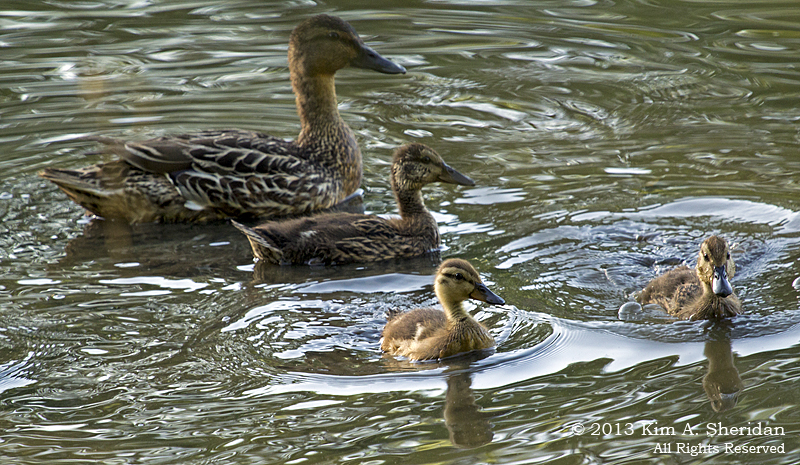
HNWR Mallard Ducklings_1794 a2Female Mallard and ducklings (above)

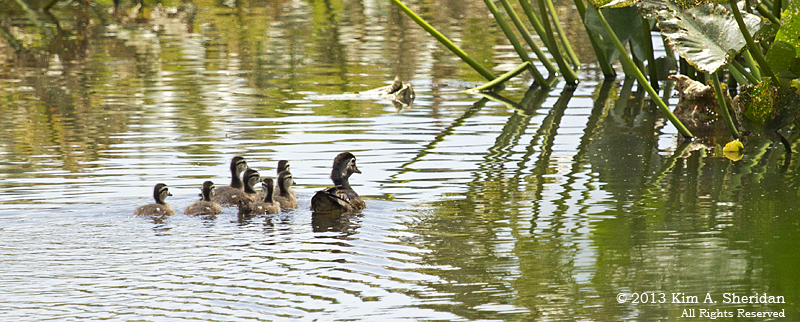
Female Wood Duck and ducklings (below)HNWR Wood Ducklings_3624 a

FUN FACT: Baby Wood Ducks have a big obstacle to overcome right from the start. The parents choose a nest cavity, either in a tree or man-made boxes. The nest is as much as 60 feet off the ground, and although it’s often over water, it may be over dry land. Soon after hatching, the ducklings have to make their way to water. Mom calls to them from the ground below. They can’t fly yet, so that means they have to JUMP from the nest! It doesn’t hurt them though. I’ve never seen this in person, only in documentaries, but apparently, Wood Ducklings bounce!

For en excellent video of one duckling’s leap of faith, check out this clip from Nature on PBS: http://video.pbs.org/video/2295315469/

Coming up: Pine Barrens Ramble

Eager For Beaver

Beaver Wanted Pster 1

In which… three intrepid explorers go search of a wild critter and get far more than they bargained for.

The Setting: Hoy’s Pond, a deepwater pond with a fishing dock across the road from the impoundment at Heinz Refuge.

Wild Bunch Poster 1

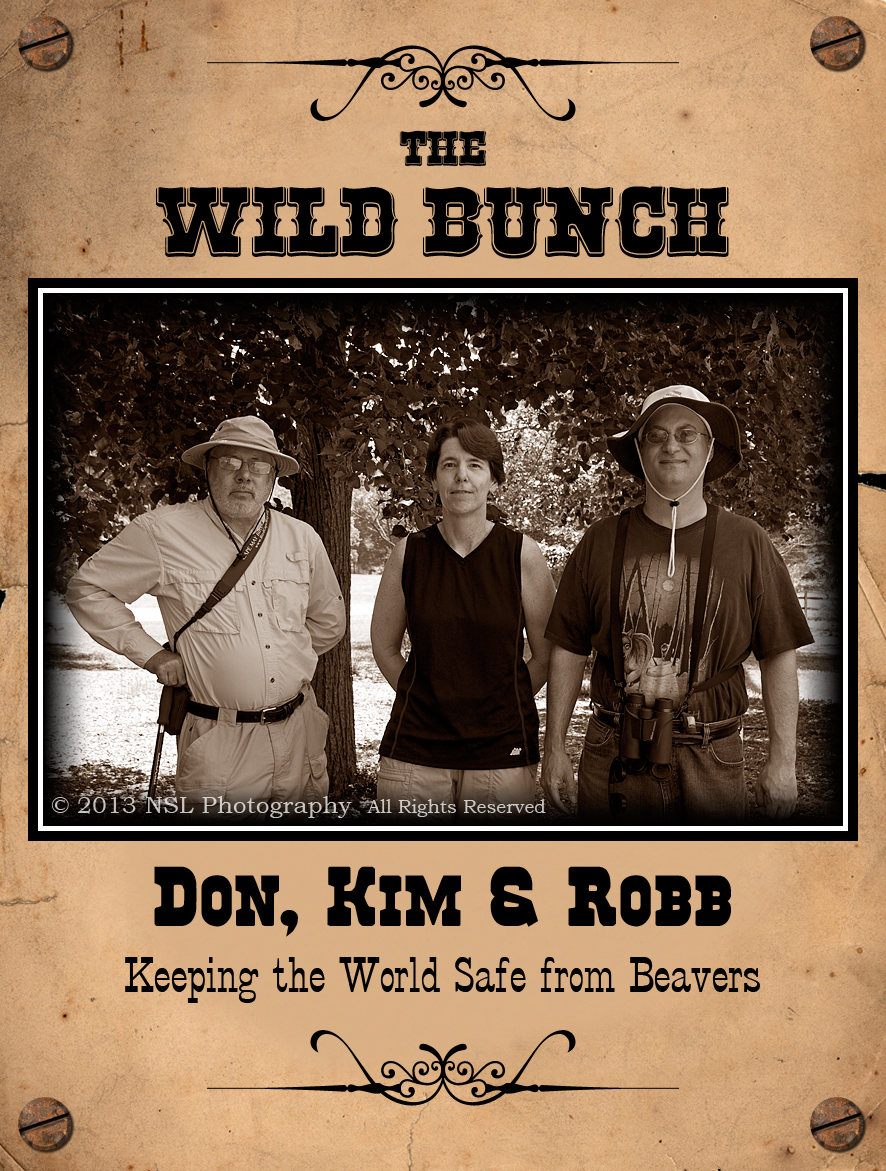
The Players: Don, Robb and I; Mr. Beaver.

Beaver Collage 4Prelude: Fall 2012. Gnawed trees begin appearing at the Refuge, sure signs of North American Beaver activity.

First Things First: March 27, 5:30 PM. I spy Mr. Beaver on the far side of Hoy’s Pond. Of course, that would happen to be the one time I didn’t have my camera with me. No one believed me.

The Second Time Around: June 6, 8:15 PM. Robb has a close encounter with Mr. Beaver at the dock, and comes away with a short cell phone video. Plans are laid for the Great North American Beaver Expedition.

Third Time’s the Charm: June 11. Robb, Don and I set out for Hoy’s Pond. Along the way, Don regaled us with stories of a fatal beaver attack in Belarus. He and Robb debated how to protect themselves from marauding beavers – mostly by hiding behind me.

We arrived at Hoy’s Pond at 7:30, which Don assured us is much too early, as he had arranged for Mr. Beaver to appear precisely at 8:15. Don is often wrong but never in doubt. Sure enough, there was Mr. Beaver, thirty feet away in the pond to our left. (See the Hoy’s Pond photo, above; Mr. Beaver is visible to the left of the walkway.)

HNWR Beaver_3124 aRobb spotted him first, and put me on to him quickly. Don was slower to get with the program. Mr. Beaver swam in a circle near the shore, then under the dock, then back under the walkway. Then he turned and swam RIGHT AT US. (Look at the bow wave of that critter!)

HNWR Beaver_3168 aWhen he was some 20 feet away, Don and Robb, being the courageous and chivalrous gentlemen that they are, beat a hasty retreat, leaving me to fend for myself. I was focused solely on GETTING THE SHOT.

HNWR Beaver_3143 a 2When the boys’ cries of alarm (“It’s gonna CHARGE!”) became too much to bear, I took a step back. Whereupon Mr. Beaver gave a tremendous SLAP of his tail and disappeared, never to be seen again. We were all startled at the size of the tail slap. The resulting splash looked like he’d leaped from the water and did a tremendous belly flop.

The whole encounter lasted a scant but exhilarating two minutes. Leaving us with a tremendous tale to tell.  Of course, Mr. Beaver gets larger and more ferocious with each retelling…

HNWR Beaver_3137 aFUN FACTS: Adult Beavers weigh from 35 to 60 pounds, and have poor eyesight. Their good hearing and strong sense of smell more than make up for this. They can swim well and stay under water for up to 15 minutes. Their sharp teeth continue to grow throughout their lives, so it’s a good thing they have trees to gnaw on! Beavers eat trees and tree bark, as well as other plants. The dams they build are for protections and shelter; the largest one ever built was over 2500 feet long!

Always remember wild animals are unpredictable and should be viewed with caution and respect. Beavers are generally peaceful critters who dislike biting, but those teeth are SHARP and capable of delivering a fatal wound. Furthermore, too much attention can stress an animal. Moral of the story: always use extreme caution when dealing with any wild creature, and respect its right to go about its life without human interference. Remember, you’re the visitor on THEIR turf; be a good house-guest!

“Hoy’s Pond with Beaver” photo courtesy of Don Nigroni.

“The Wild Bunch” photo courtesy of Ned S. Levi, professional photographer. Taken with my amateur equipment, and Canon to boot.

Thanks, Don and Ned!

Coming up: Baby Steps

Wee Furry Beasties

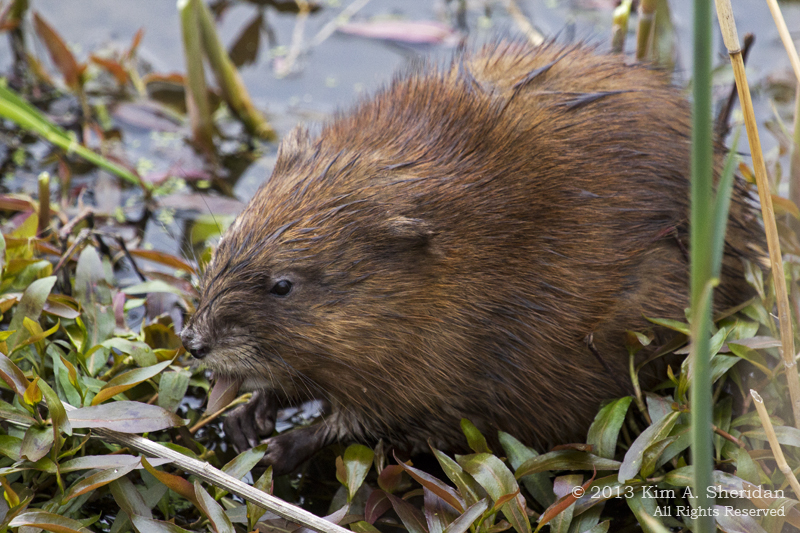
4 HNWR Muskrat_8941 ASGood morning, all you bonny lads and lassies out there in Animal Kingdom! This is the “Wee Furry Beasties” Countdown Show on 99.9 KRTR – Critter Radio! I’m your host Fergus Alastair MacRatt, comin’ at you with all the warm and fuzzy hits you need to get you through your day.

Let’s get right to the countdown, shall we? Kicking it off at Number Six, we have the King of Nibbles himself, Brer Rabbit, with his hare-raisin’ version of “Little Bunny Foo Foo”.Rabbit 2 Vertical

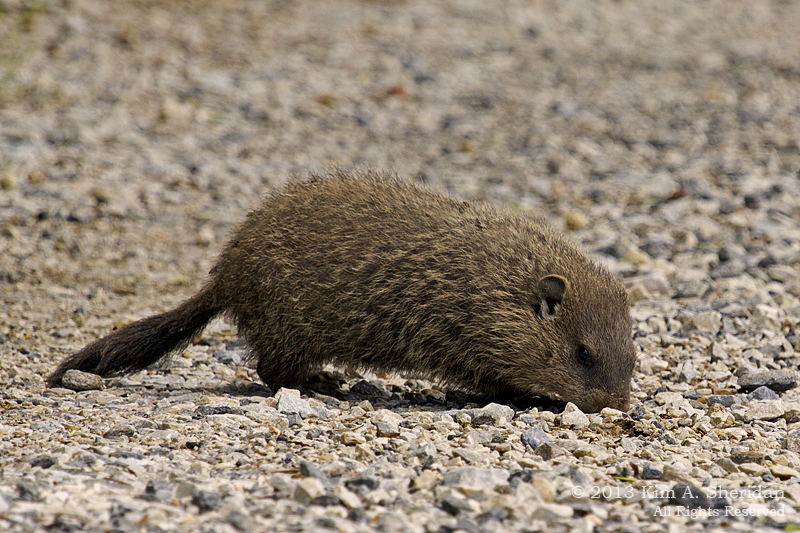
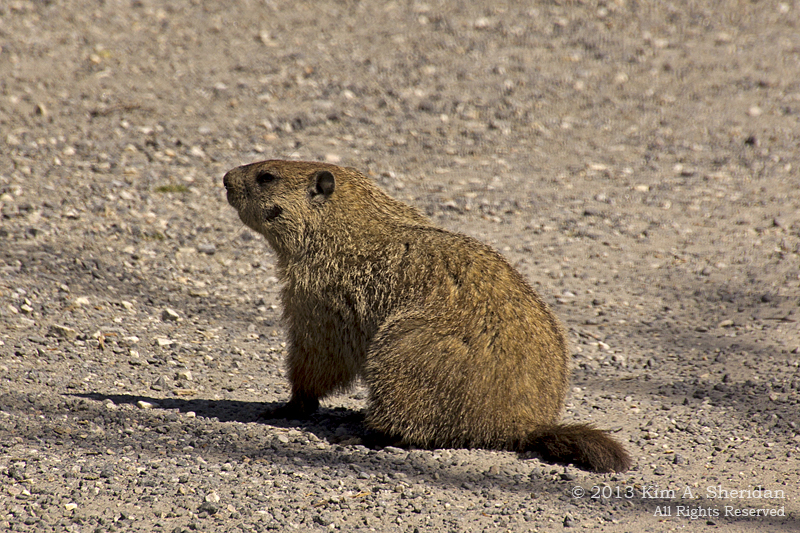
HNWR Groundhog_2990 aHere’s a fair Groundhog lassie and her wee bairn that just can’t resist the call of the open highway. At Number Five, it’s Big Mama Woodchuck and Whistlepig Junior, singing “On the Road Again”.HNWR Groundhog_5585 AS

Next we have Slinky Mink checkin’ in from Michigan’s Big Sable River. Look at that pink nose – this lad needs some sunscreen! Doesn’t stop him from rockin’ out with our Number Four hit, “Pop! Goes The Weasel”.LSP 3 Mink_8666 ac

My, it’s early in the day for this yawnin’ Raccoon! Our next performer, Little Rascal, had a bit of a nap, but he’s awake now, and swingin’ in the Number Three spot with “Don’t Sit Under The Apple Tree”.HNWR_5757 ACS

Now, we all know how chipmunks love to stuff their little furry faces with good eats. Everybody’s favorite Chipmunk, Alvin, reckons he likes dancin’ with the lassies even more. In at Number Two, here he is now with “Cheek To Cheek”.LSP Big Sable 3 Trail_8169 crop ACS Orig

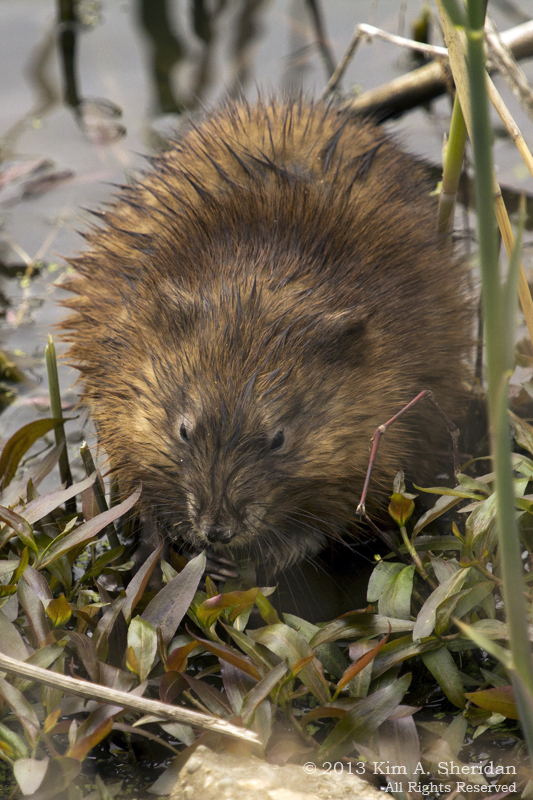
Ah, savin’ the best for last! You know, we Muskrats get a bad rap sometimes, but really we’re just rockin’ along, tryin’ to get along. 4HNWR Muskrat_8917 ANobody says it better than Susie & Sam with our Number One hit, “Muskrat Love”.

Well, that’s it folks, this week’s “Wee Furry Beasties” Countdown.

Next up on “Forest Follies”, we have a mind-boggling tale of three foolish humans (and really, is there any other kind?) Aye, seems they set out one evening to track down a ferocious varmint, and got a wee bit more than they bargained for.

Until then, I’m Fergus Alastair MacRatt, keepin’ it wild on 99.9 KRTR – Critter Radio!CMPSP Muskrat_9717 acs 2