Watery New Horizons: Part II

141030_Lake OswegoLaunch_124522acsOh, the places we’ll go!

No longer tied to the land, limited in our vision to the edge of the shore. Now the whole watery world opens up before us, and we are free to explore each cove, each inlet, each river bend. Wildlife, once skittish, will meet our gaze with fearlessness and dance for our pleasure. Oh, the places we’ll go!

141009_New Kayak _132554aYup, I finally got my own kayak. Here she is still in the store. She’s officially a “Pungo” model, but I have dubbed her Calypso, in honor of explorer and conservationist Jacques Cousteau.

141011_New Kayak_9248aReady to go home. The first thing everyone says is “It’s the same color as your car!” As if I would get anything other than blue. Blue, the color of the clear sky, azure butterflies, bluebells, and blueberries. Blue, the color of water…

Oh, the places we’ll go!

Like Lake Oswego in the Pine Barrens, for Calypso’s maiden voyage on a cool but bright October day.

141030_Lake Oswego Kayak Launch_2080aUnlike friends Don and Robb, I chose a hard-shell kayak over an inflatable model. No PUMPA-PUMPA-PUMPA for me. I just have to lift a 50 pound boat onto and off my car. That turned out to be easy. Reaching the tie-down straps, however, is another story. Nice to have a handy-dandy stepladder available.
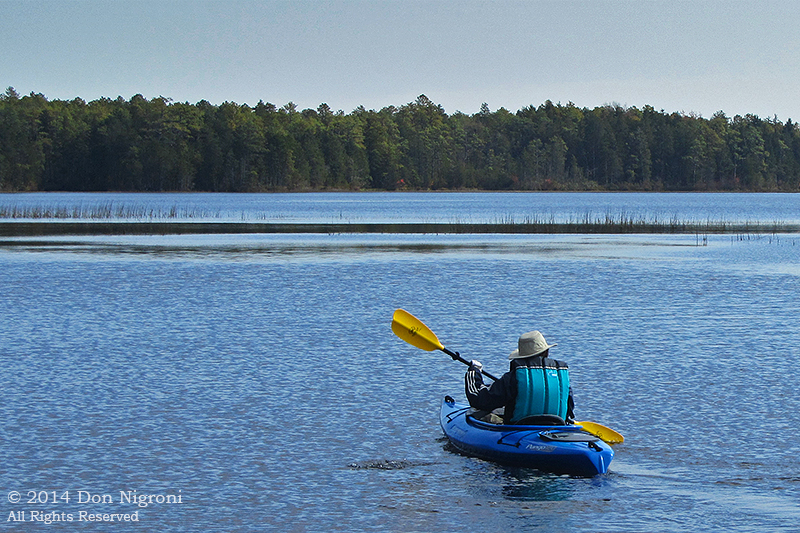
141030_Lake Oswego Kayak Launch_2094acsA journey of a thousand miles begins with a single paddle stroke.

141030_Lake Oswego Kayak Launch_2096acsI had the lake to myself. Unfortunately, finding a warm calm day on a weekend to get the three of us together had proven impossible. On Launch Day, Robb was at work. Though Don accompanied me to the lake, he declined to paddle.  Something about a new book. No worries. I enjoyed the peace and solitude and the chance to get to know my new craft.

Oh, the places we’ll go!
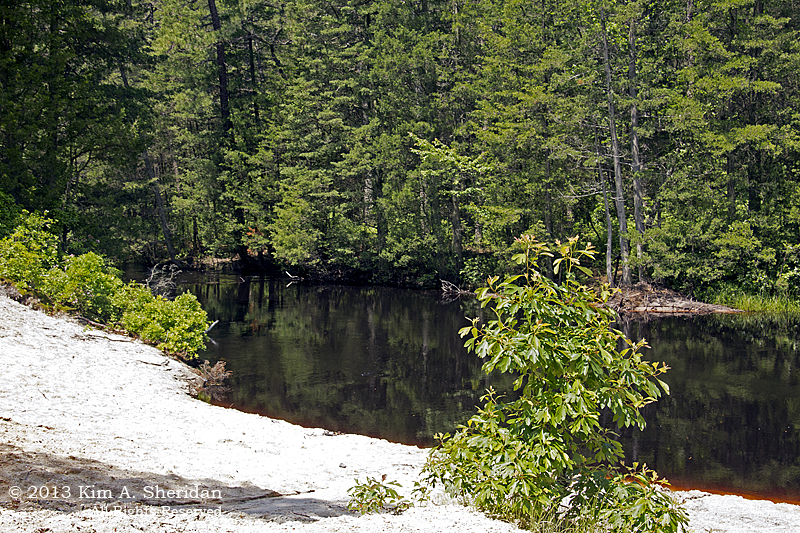
130615_Pine Barrens Marthas Furnace_3371 aAnd where might we three voyagers go? Why, there’s a world of possibilities! We might explore the Oswego River downstream from the lake that shares its name.

131026_Pine Barrens_9849aThe tea-colored water of the Mullica River in the Pine Barrens looks inviting…
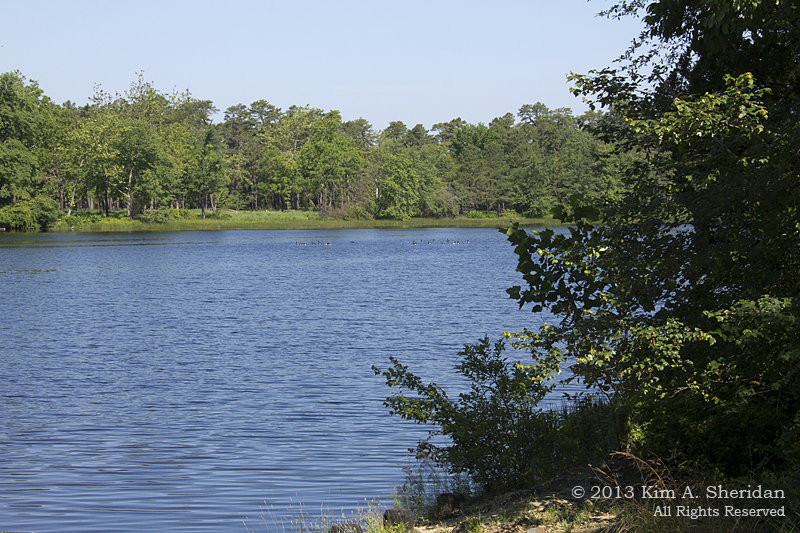
130615_Pine Barrens Batsto_3230 aAs do Batsto Lake and River.

Oh, the places we’ll go!
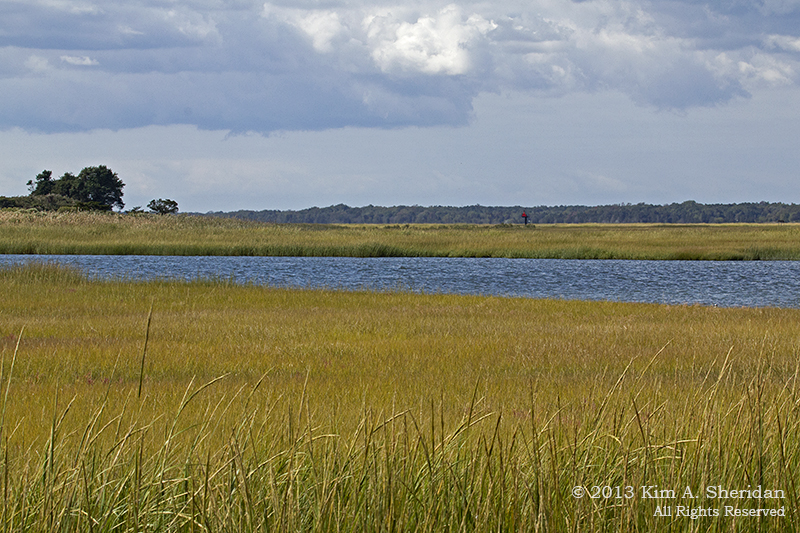
130927_OC 51st Street_5847 aThe Jersey Shore is a treasure trove of bays, marshes and tidal creeks to explore, like this creek near Ocean City.
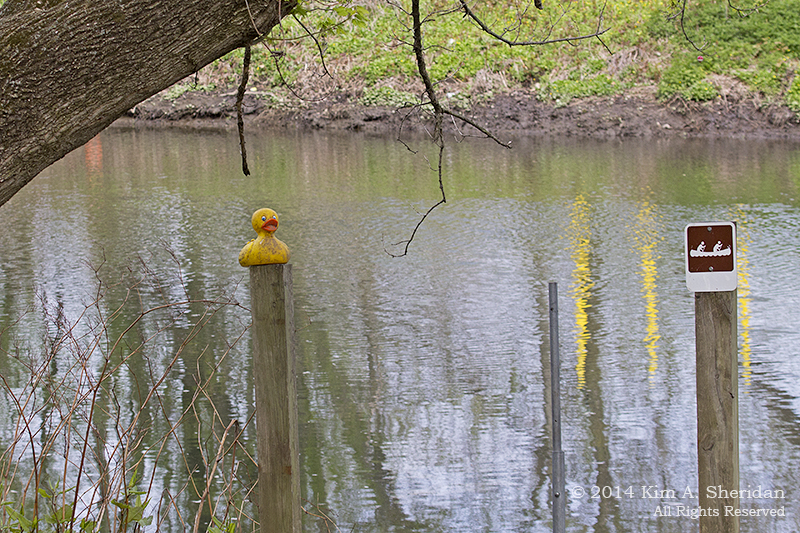
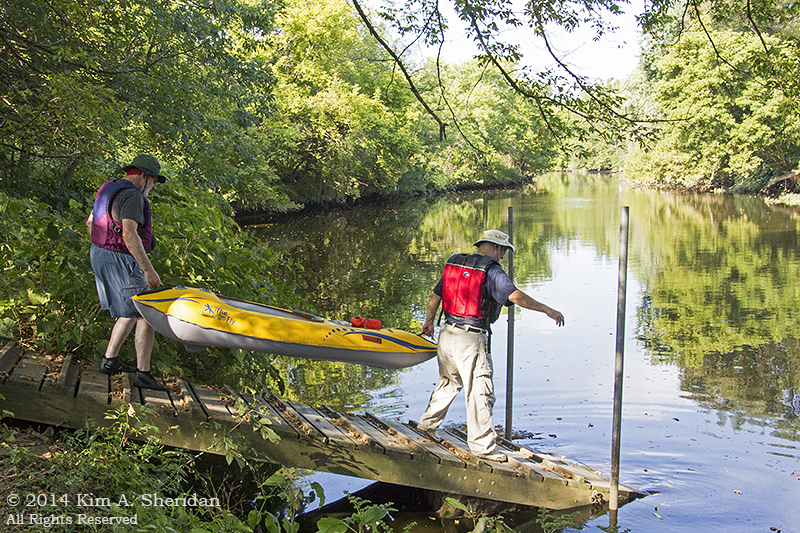
140422_HNWR Ducky_9986 acsOf course I want to explore Heinz Refuge on Darby Creek. The guys had already ventured out in their itty-bitty blow-up tub toys. On the canoe launch, their mascot awaited their safe return.

140511_Nockamixon Fishing Pier_8239 acsLake Nockamixon beckons, with Haycock Mountain looming on the watery horizon.

With the approach of winter, it’s likely that this would be my only trip with Calypso this year. But come next spring, I will be ready for adventure at the first hint of warmth.

For now, I have dreams, dreams of paddling…

Around the bend and out of sight, with a whole watery world shining on the horizon.

141030 Lake Oswego Kayak Launch_2097 acsOh, the places we’ll go!

Wild Horses

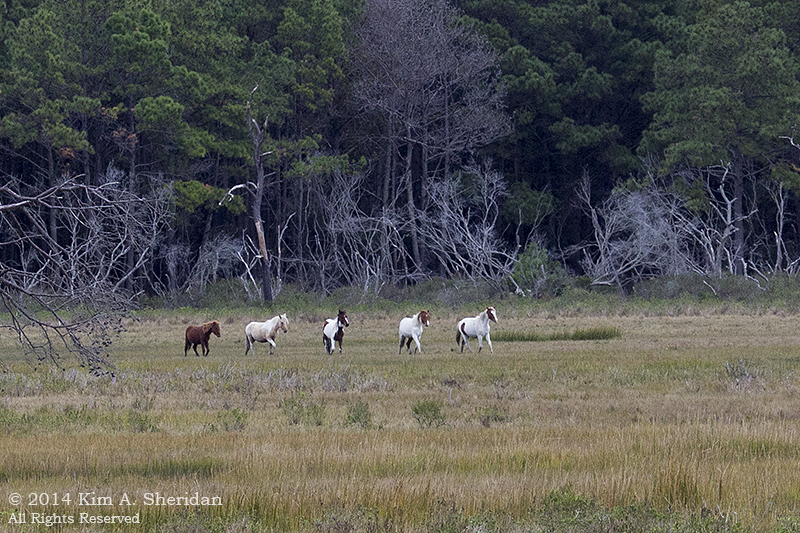
141017_Chincoteague NWR_9571 aThundering hooves pound the grasslands. Over the rise the herd appears, horses with manes flowing in the wind of their own passage. Their varied colors of chestnut and sorrel, palomino and pinto mirror the reds, tans and golds of the canyons and mesas that edge the Plains.

Say “wild horses” and this is the image that springs to mind, mustangs roaming the deserts and prairies, an echo of the Old West. Coastal salt marshes and maritime forests are not where you would expect to find these wild creatures. Yet the southeastern coast is dotted with small herds of ponies. One of the most famous of these herds lives in the Chincoteague National Wildlife Refuge, which is part of Assateague Island National Seashore in Virginia and Maryland.

141019_Chincoteague NWR Woodland Trail_1230 acsLocal legend says that the Assateague ponies are descendents of horses that struggled ashore from a shipwreck. More likely they are the offspring of tax-evaders! Farmers in the 17th century would turn their animals loose on the island to avoid the taxes levied on free-roaming mainland livestock.

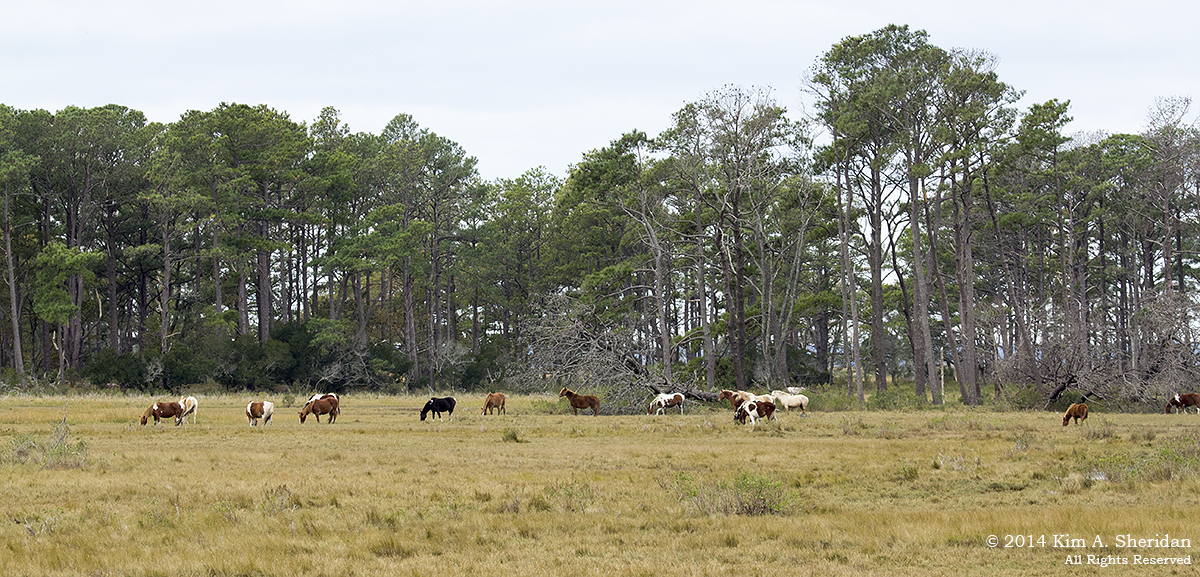
141019_Chincoteague NWR Beach Road_1728Today there are two herds on Assateague Island. The northern Maryland herd is owned by the National Park Service, and roams free in the Assateague Island National Seashore. The southern Virginia herd is privately owned by the Chincoteague Volunteer Fire Department. Once a year, on “Pony Penning Days”, they are driven across the channel to Chincoteague Island. Many of the young foals are auctioned off before the herd is swum back to Assateague. This helps keep the horse population at a healthy level, and proceeds benefit the fire company.

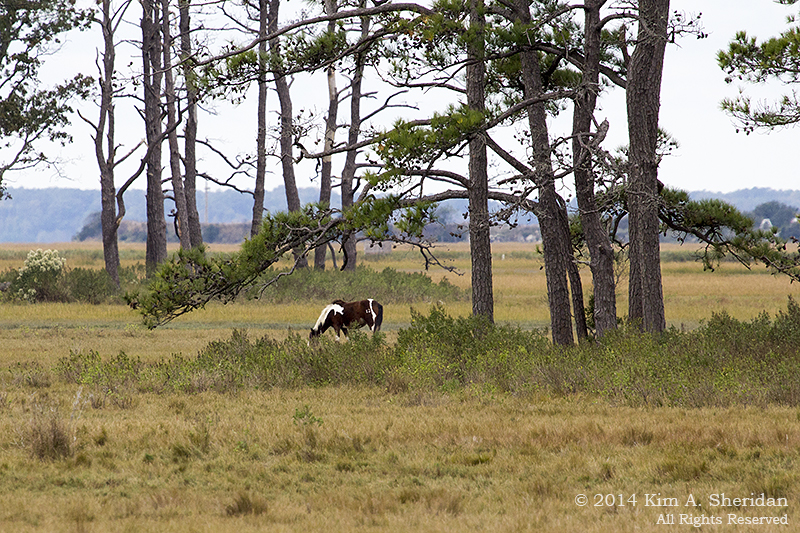
141019_Chincoteague NWR Beach Road_1742 aLone horse under a loblolly pine, the predominate tree of the maritime forest here.

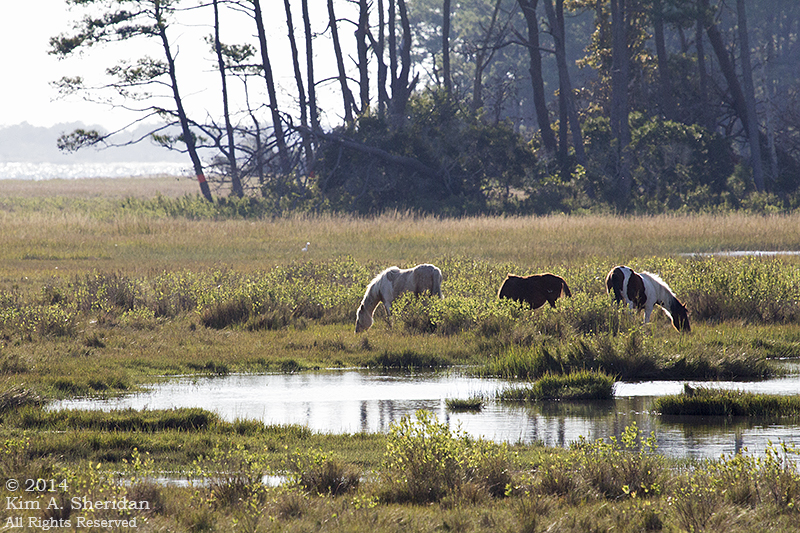
141019_Chincoteague NWR Woodland Trail_1226 acs2The wild horses live rough, no cushy stables for them. Cold stormy winters find them in the shrub thickets and woods. The moderate months of spring and fall are spent in the marshes. In summer, heat, humidity and hordes of biting insects drive them to the beach and into the water.

141019_Chincoteague NWR Woodland Trail_1331Dead trees and shrubs are everywhere, fascinating in their naked beauty. The salt marsh is a harsh mistress.

For the ponies, too. Most of my photos were of headless horses, their faces buried in the grass. They graze constantly. I thought their rotund appearance meant the ponies ate well. In fact, it’s just the opposite. Their diet of salt marsh cord grass and salt hay is abundant but poor in nutritional value. It’s also salty, which leads the horses to drink twice the amount of water a domestic horses would drink. Those round tummies are the result of water bloat.

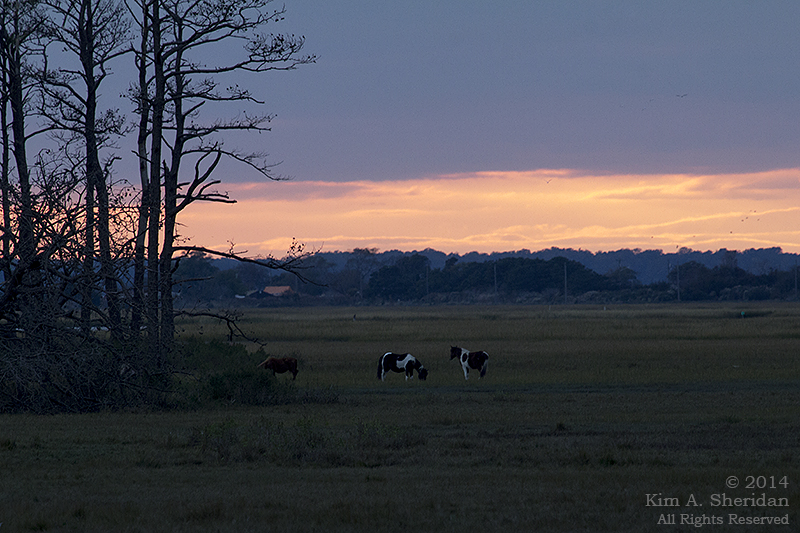
141018_Chincoteague NWR_0957 acsLike many children, I grew up on Marguerite Henry’s 1947 book Misty of Chincoteague, about Pony Penning Days. Little did I dream I’d someday get to see those wild ponies, grazing peacefully at sunset.

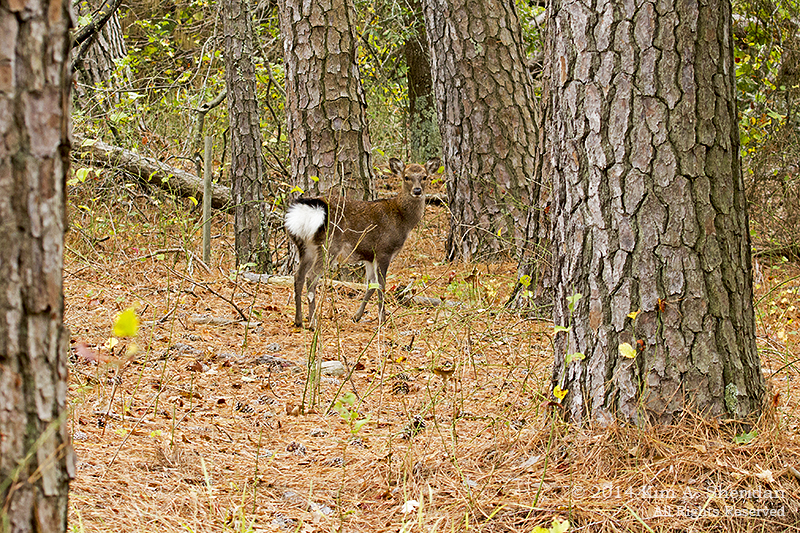
141019_Chincoteague NWR Woodland Trail_1209 aThere’s another critter with hooves at Chincoteague NWR that’s equally captivating. This is a Sika Elk.

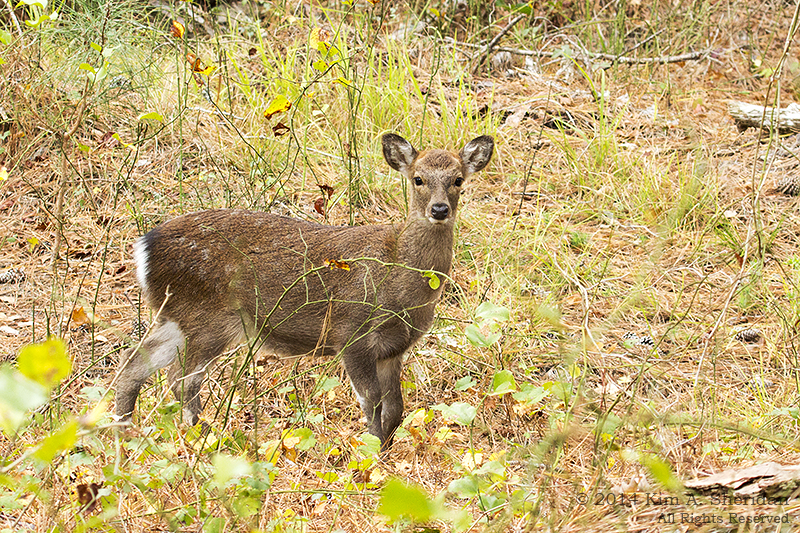
They look like a smaller version of the native White-tailed Deer. But they are a non-native species introduced from Asia by an Eastern Shore man named Clemment Henry in the early 1900s. He released a half dozen elk onto James Island in Chesapeake Bay, and from there the population grew and spread.

141019_Chincoteague NWR Woodland Trail_1204 aWe encountered several Sika Elk on a walk through the woods. They regarded us with much curiosity, coming closer to us to get a good look when we stood quietly. See the spots on the white rump? They remain throughout adulthood, unlike the native White-tails. This elk demonstrated an unusual way of bounding away that I can only describe, poorly, as a stiff-legged bounce. Watching it hop had us in stitches.

Yes, like the wild horses of Assateague Island, these little Sika Elk are quite “endeering”!

141019_Chincoteague NWR Woodland Trail_1360 acs

Small Delights

140918_OC Corsons Inlet_1489 acs

The beauty of the natural world lies in the details.

– Natalie Angier

It’s a big world out there, and sometimes overwhelming. Serenity can be found in tiny treasures. Spend time looking closely at the form of a flower, the lacy veins of a leaf, the tiny grains of sand, and feel the wider world melting away.

 Notice the small things. The rewards are inversely proportional.

– Liz Vassey

Regular readers of the Wild Edge may notice that I am drawn to small subjects: dragonflies, snails, lizards, flowers, seeds. While I enjoy landscape photography, it usually isn’t long before I’m isolating part of a scene, or zooming in close on some little detail.

So it was inevitable; I recently purchased a macro lens. For the uninitiated, macro lenses take extreme close-up photos, often of very small subjects. I took it for a walk along the bay beach at Corson’s Inlet State Park, at the southern tip of Ocean City.

140918_OC Corsons Inlet_1466 acsNow I will readily admit I violated the First Law of Macro Photography: I didn’t use a tripod. This was just a trial run, and I didn’t expect anything of the session. To my surprise, a few photos seemed worthy of sharing here. If only to inspire you with the beauty to be found if you take a really close look at the small details of Nature around you.

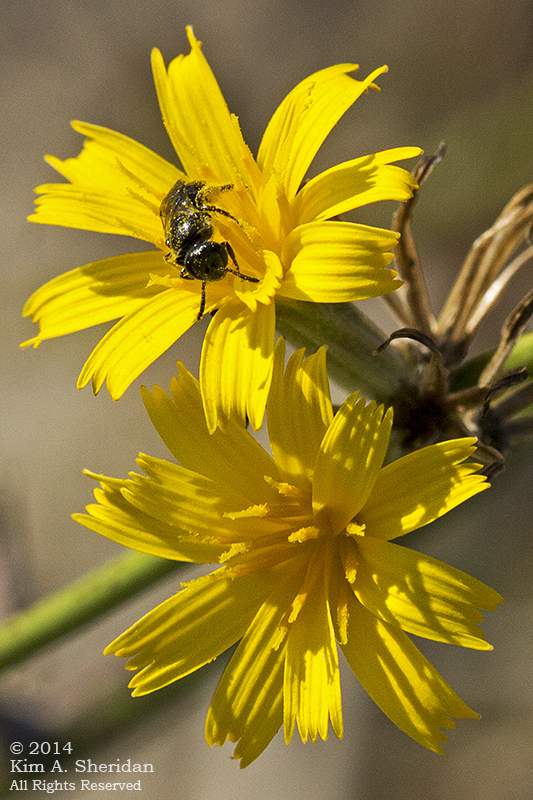
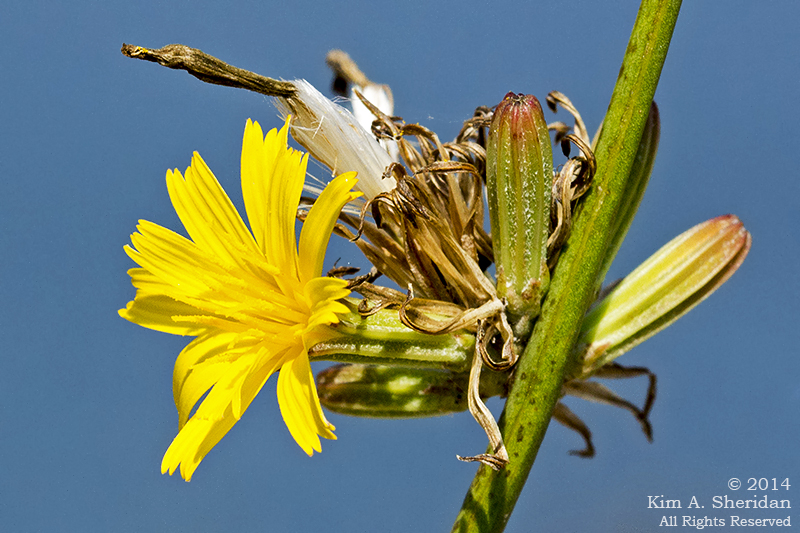
Notice not just the flowers, but the wasp. Not just the wasp, but the grains of pollen on the wasp. Pollen hitching a ride on flying insects is one way plants reproduce.

 Details create the big picture.

– Sanford I. Weill

140918_OC Corsons Inlet Crabs_1638 aA tiny Ghost Crab stares down a leaf. His mottled coloration camouflages him against the sand. We’ll meet his kind again soon.

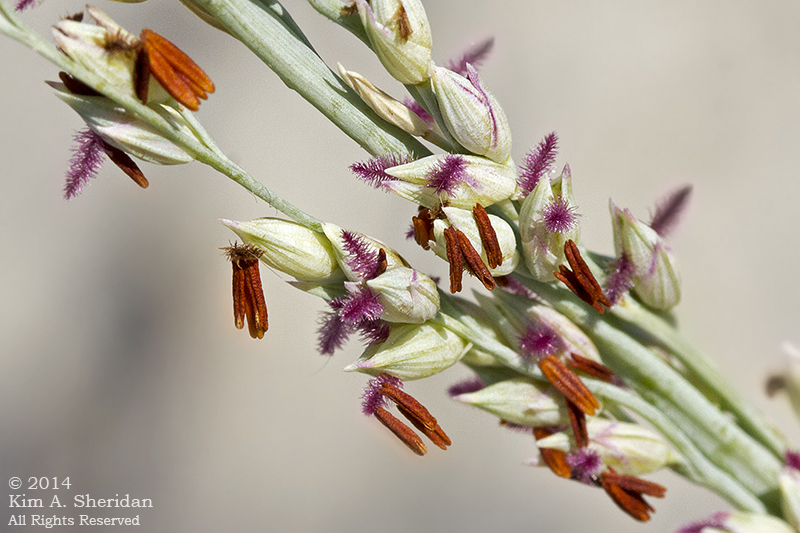
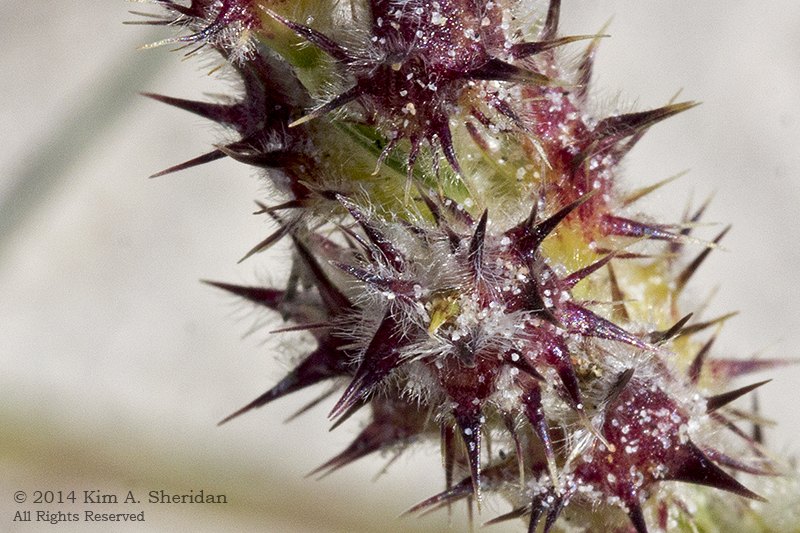
140918_OC Corsons Inlet_1507acsHairs for catching pollen. Spikes for – what? Protection against being eaten?

140918_OC Corsons Inlet_1553 acsAnother seed pod sports the punk-rock spiky look.

 To see a world in a grain of sand and heaven in a wild flower

Hold infinity in the palms of your hand and eternity in an hour.

– William Blake

140918_OC Corsons Inlet_1568 aGrains of sand on a clam shell. Sand is nothing less than teeny-tiny rocks and minerals, many grains as translucent as glass.

140918_OC Corsons Inlet_1599 acsSand and shell on an autumn leaf. The lacy veins carry vital materials in and out of the leaf, including chlorophyll, a green pigment critical to the energy production of photosynthesis. When chlorophyll production ceases in fall, the green fades away and the red and yellow pigments already present in the leaf are revealed.

 I still get wildly enthusiastic about little things… I play with leaves. I skip down the street and run against the wind.

– Leo Buscaglia

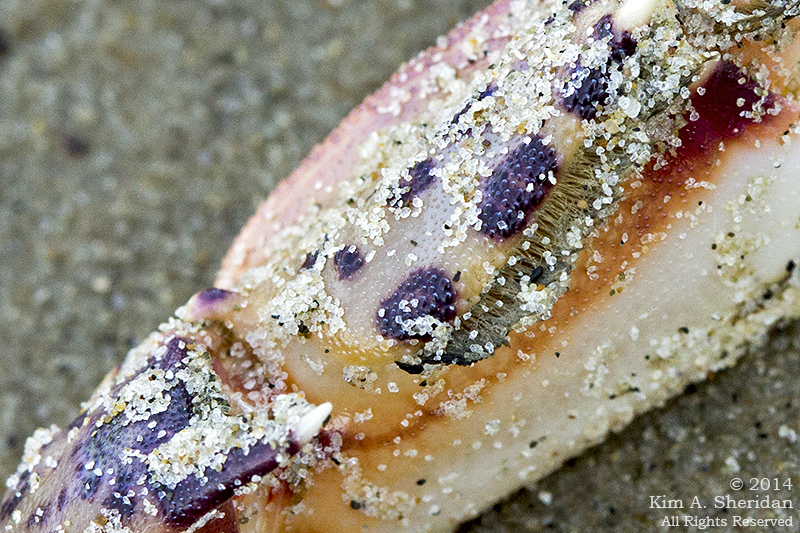
 140918_OC Corsons Inlet_1605 acsA closer look at a crab leg, dressed in the colors of a sunset.

140918_OC Corsons Inlet_1488 acs 2When it all feels too much, take  time for a walk, and lose yourself in the tiny details of life at the wild edge.

In all things of nature there is something of the marvelous.

– Aristotle

Tern, Tern, Tern

140917_Osprey_1010acsAll across the Jersey Shore, dainty dancers are on the wing. These elegant ballerinas in crisp black, gray and white dart and pirouette effortlessly. At times they hover almost motionlessly high above the stage, then plummet to the surface and back up in one smooth motion. Who are these dazzling performers taking a turn around the dance floor? Why, Terns of course!

This September, the Cape May birding community was abuzz with the arrival of a rare bird. A Whiskered Tern, which breeds in Eastern Europe and winters in Africa, had somehow found its way across the Atlantic Ocean. This is only the third appearance of this species in North America. The bird split its time between Bunker Pond and the beach for a number of days, giving lots of birders a thrill. Of course, I wanted to see it too.

140917_Cape May Point Whiskered Tern_1504aI arrived just in time for the performance. The Whiskered Tern was only there a short while, and never stopped flying. Unlike terns that dive into the water to feed, Whiskered Terns swoop low along the water’s surface where they pick up bugs. The movement is distinctive.

140917_Cape May Point Whiskered Tern_1538acs3Lots of people got great images of the Whiskered Tern; I wasn’t one of them. Here’s why it was so hard to photograph – the Tern was very far away and in constant motion. Click on this wide-angle photo and try to find it; the arrow points to it in the inset at top right.

140917_Cape May Point Black Tern_1463aAnother uncommon bird was the Black Tern, above. Again, always flying and always far away. It shares the same swoop-and-pluck feeding style as the Whiskered Tern, and they were often seen together.

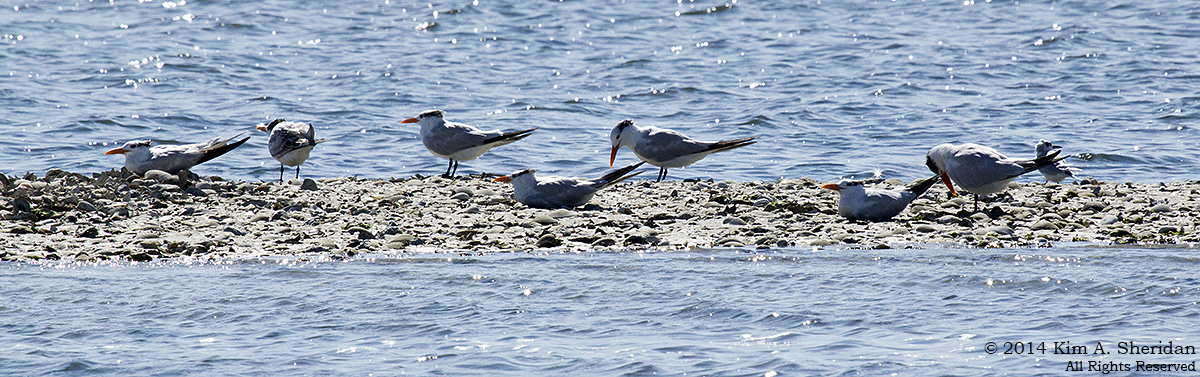
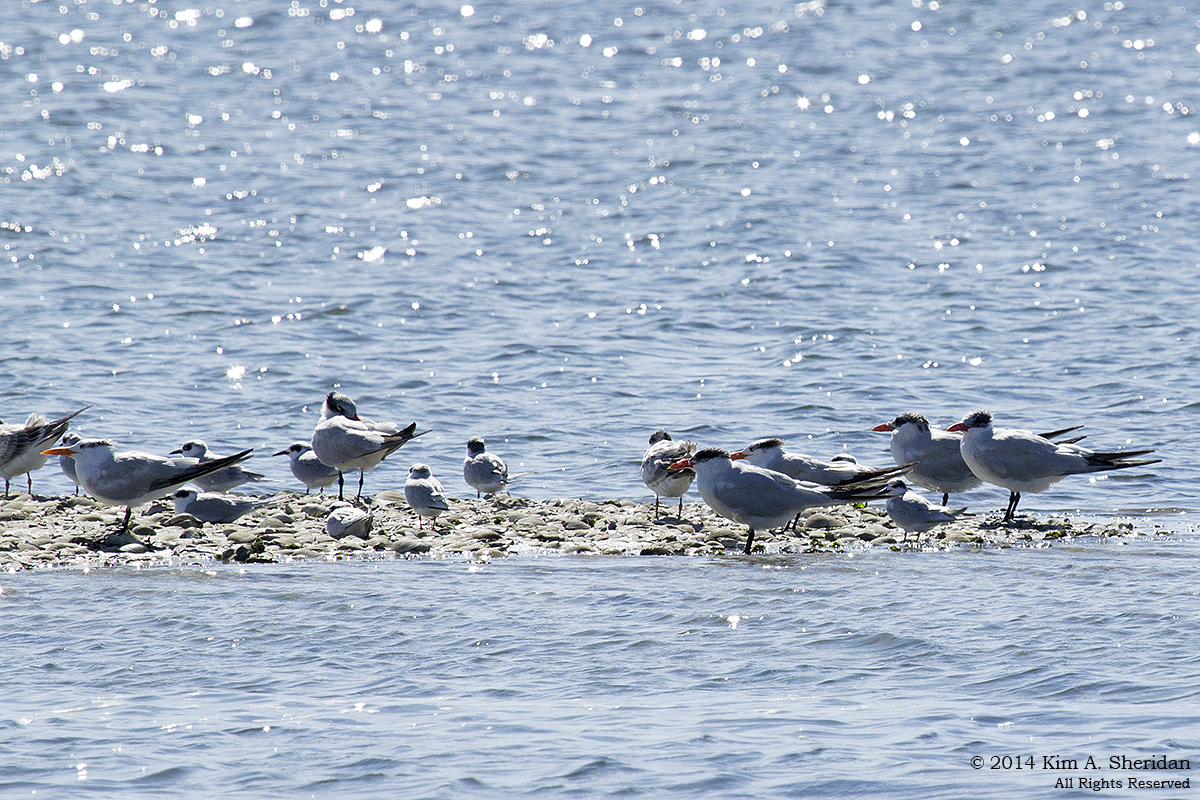
140917_Osprey_1019acsOn a sliver of sand in the middle of the bay a cluster of Terns waits to take the stage. There are three different species here. The small birds are Forster’s Terns, the supporting players of the company. The large bird on the left with the orange bill is a Royal Tern. At the other end of the island, from left to right, we have a red-billed Caspian Tern, a Royal just behind him, and two more Caspians.

140926_Forsythe NWR_3357Farther north at Edwin B. Forsythe National Wildlife Refuge, the theater is an intake where the tidal water flows into and out of the impoundment.

The fishing here is great, and the Forster’s Terns take full advantage of it.

Photographing them is simply a matter of pointing your camera at them and letting them fly in and out of the frame. And they do.

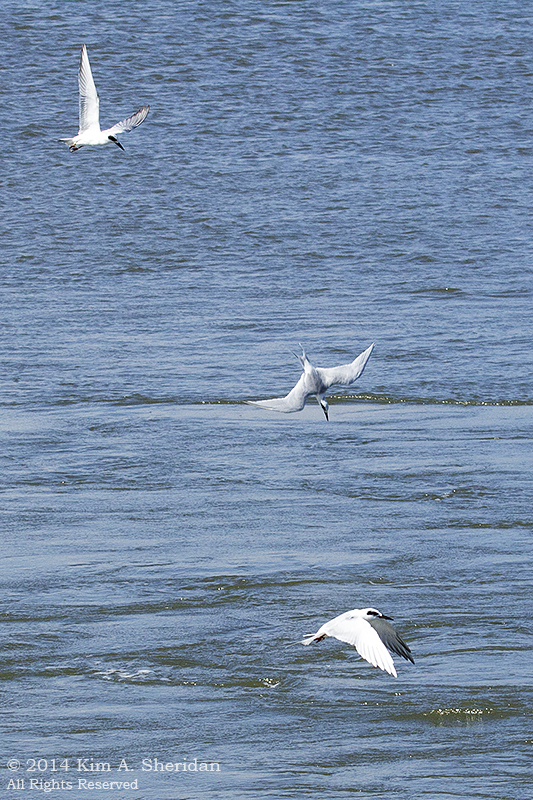
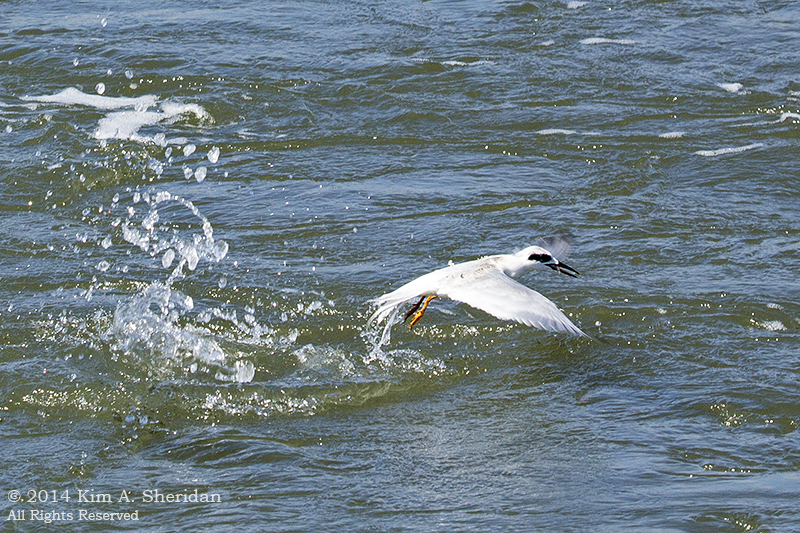
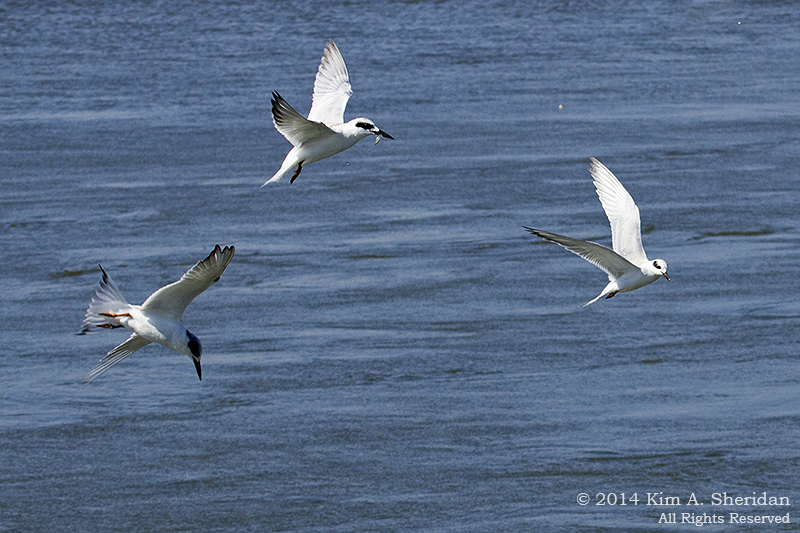
Delicate little terns swirl, twirl and whirl continuously. In turn they dive straight downward and plunge under the water, to come up in a burst of spray, circle around and dive again. It’s an aerial ballet.

140926_Forsythe NWR_3380acsEntrée.

140926_Forsythe NWR_3379acsEn pointe.

140926_Forsythe NWR_3446acsPas de deux.

140926_Forsythe NWR_3398acsPas de trois.

140926_Forsythe NWR_3393aThe corps de ballet.

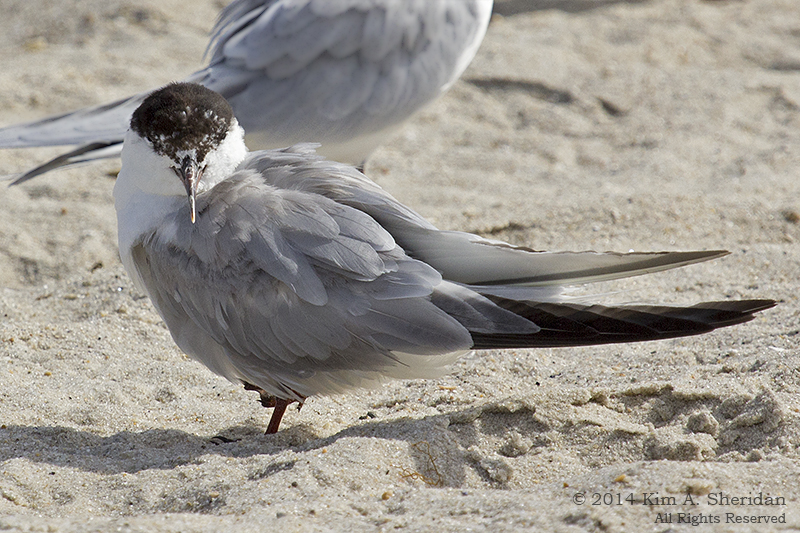
140923_Cape May Point State Park_2452acs 2Common Tern takes a bow, as the curtain falls on today’s performance.

Storm Morning

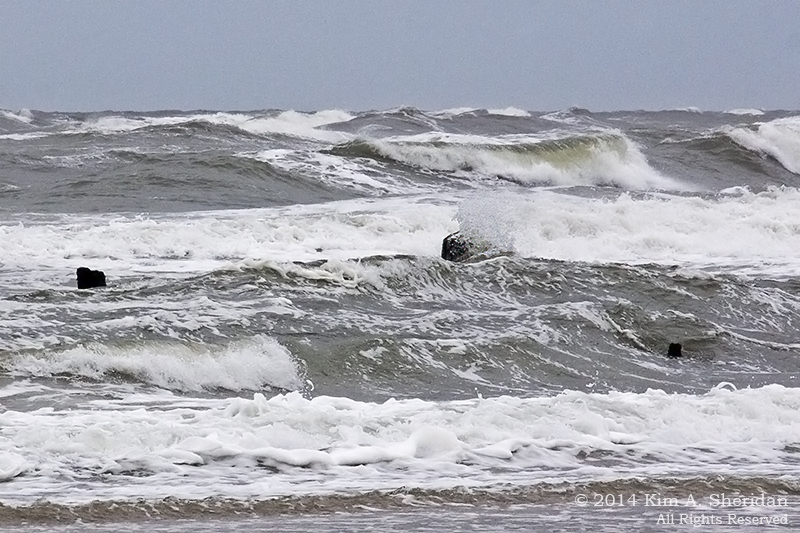
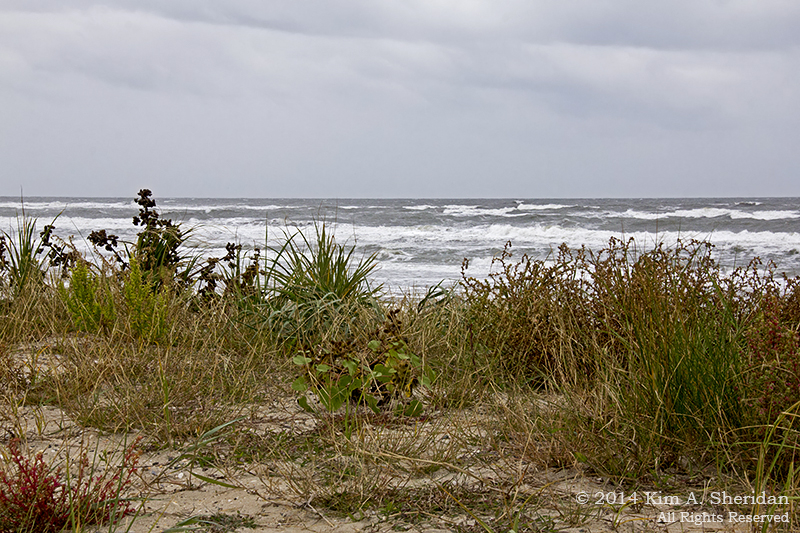
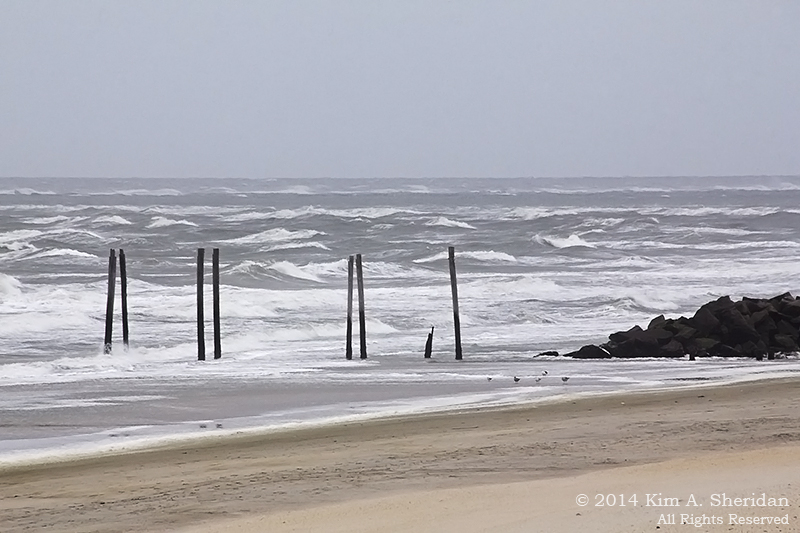
140924_OC Stormy Beach_2878acsSometimes a day at the beach isn’t “a Day at the Beach”…

140924_OC Stormy Beach_2886acsFor two days the Jersey Shore was buffeted by high winds and draped with ominous gray clouds. The heavy rains came at night.

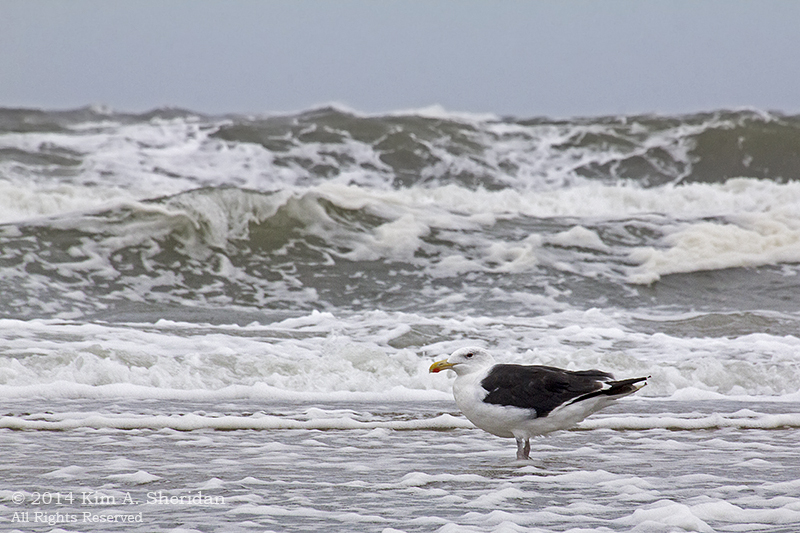
140924_OC Stormy Beach_2870acs140924_OC Stormy Beach_2816acsGreat Black-backed Gulls have the bulk to cope with the wind. The tiny Sanderlings were blown this way and that.

140924_OC Stormy Beach Seafoam_2774aSea foam at the water’s edge jiggled in its best Jell-o impression, trembling violently before breaking loose to dance up the beach. Small dollops skimmed just above the sand’s surface like pucks on an air hockey table.

FUN FACT: A scientifically-minded friend saw sea foam and burdened it with the moniker of “surfactant”. Unromantic, but partially correct. Foam is formed of air, water and a surfactant. Surfactants are compounds that reduce the surface tension of water, allowing air bubbles to form. Each surfactant molecule has a hydrophobic (water-repellent) end and a hydrophilic (water-loving) end. In a group, they line up in such a way that a thin layer of water is between the hydrophilic ends and takes the shape of a sphere – a bubble. Put lots of bubbles together, throw in wind-agitated wave action, and you’ve got foam.

140924_OC Stormy Beach_2885acsSurfactants can be man-made, like fertilizers, emulsifiers and detergents; that’s why soap lathers into bubbles when you take a bath. In the ocean, the surfactants are usually dissolved organic matter such as algae, seaweed, and other tiny marine organisms. That organic matter is a vital part of the marine food web that would otherwise go unnoticed. In a way, sea foam is microscopic life made visible in quivering, dancing morsels of bubbles.

A Tempestuous Tanka
Or, The Downside of Scientific Correctness

Tempest-tossed waves crash
Wind-blown surfactant dances
‘Neath scudding gray skies.
Surfactant? No! On my beach,
Wind-blown sea-foam dances by.

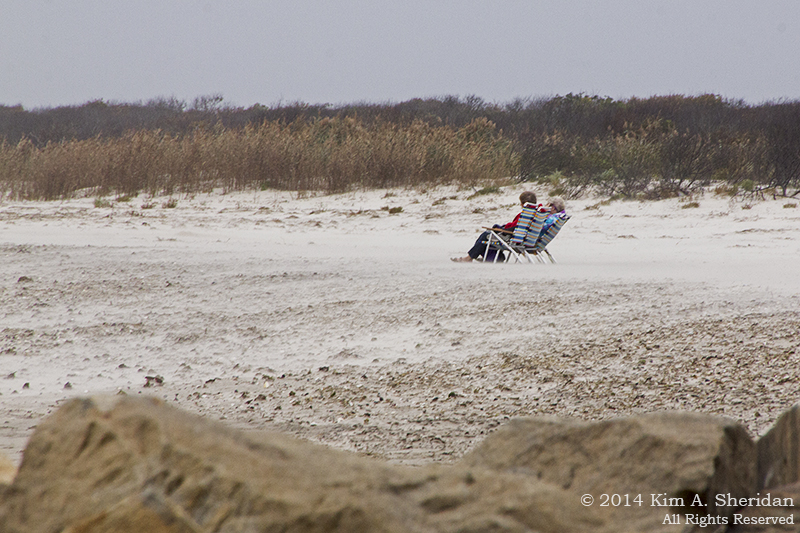
140924_OC Stormy Beach_2696acs A creamy mist hovered inches above the ground. Creamy, by appearance. The sensation was of being pelted with a thousand stinging little grains of sand.

140924_OC Stormy Beach_2888acs…Which didn’t dissuade these two beach goers. There’s always someone who will sit on the beach, no matter what the weather.

140924_OC Stormy Beach_2899acsA bad day at the beach is better than a good day anywhere else!
140924_OC Stormy Beach_2679acs

Watery New Horizons

The first river you paddle runs through the rest of your life. It bubbles up in pools and eddies to remind you who you are. –Lynn Noel

1-197807xx_Delaware Campsite 2acsMy first river was the Upper Delaware, in the Pocono Mountains in 1976. I was a teenager at Girl Scout camp and I fell in love with paddling right away. Memories of the river come floating back – blue skies, dark green hills, drifting quietly down the calm sections. The fun of running the rapids – Mongaup, the Eel Trap, Skinner’s Falls – and the frustration when we hit a rock or got stuck. Grey misty afternoons, and the one bright morning when the early sun bedazzled us with a myriad of sparkling diamonds on the river’s surface. I lived in canoes for four wonderful summers and paddling has coursed through my veins ever since. (The photo above was taken at an overnight campsite along the Delaware in 1978 with a Kodak Instamatic camera. Gotta love that ‘70s film look!)

Ghostbusters!Don started paddling in the 90s, on Darby Creek in a folding kayak. “I think that first time out in my folding kayak was a lot of fun and a big relief once I realized that my watercraft floated! Pine Barrens river trips came later… and I might have thought how peaceful and quiet it was and how isolated the spot was though it was all so near a major metropolitan area.”

140906_HNWR Kayak_9128acsRobb just started paddling recently, and his first kayak trip, to a rain-swollen Batsto River, left him cold. Being separated from your boat and stuck in a tree can do that. “[My first river] was Batsto and I remember being in a tree because of Don’s advice.” Later trips have gone more smoothly than that first experience, and Don and I are crossing our fingers that Robb comes to enjoy the sport as much as we do.

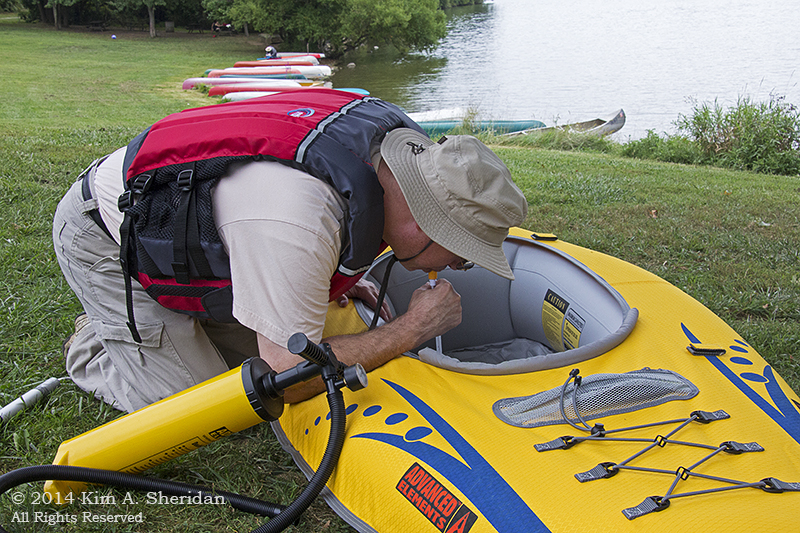
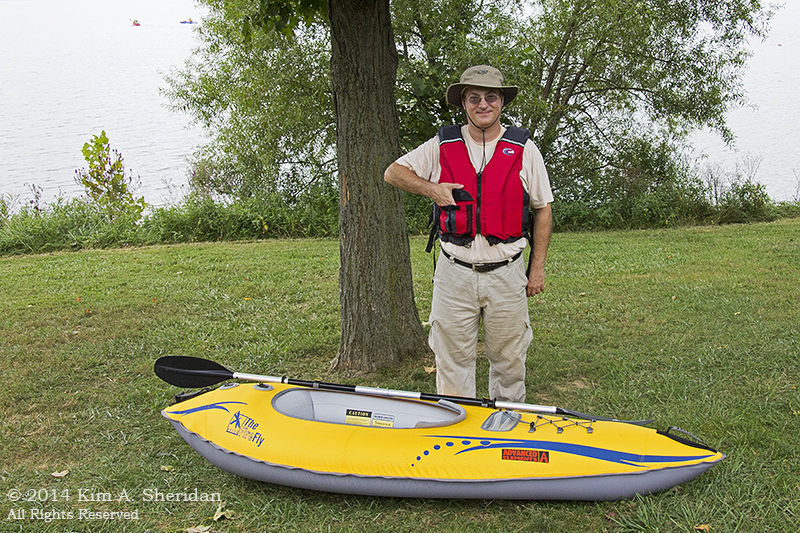
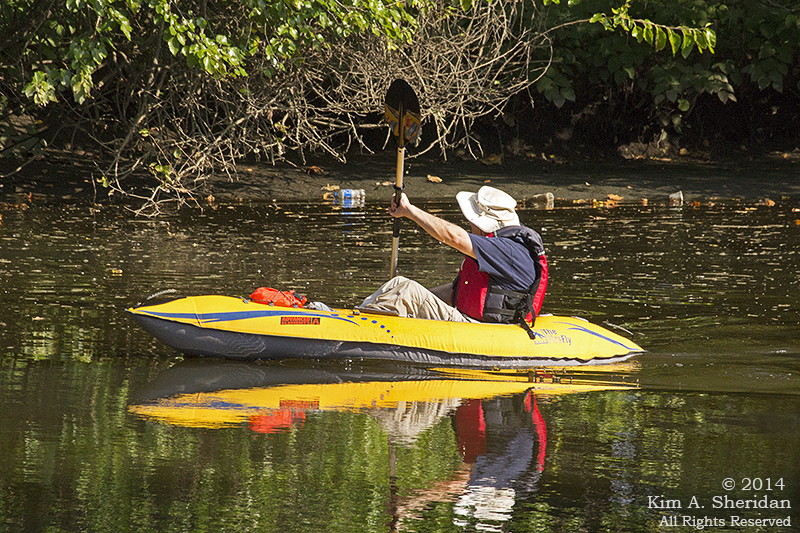
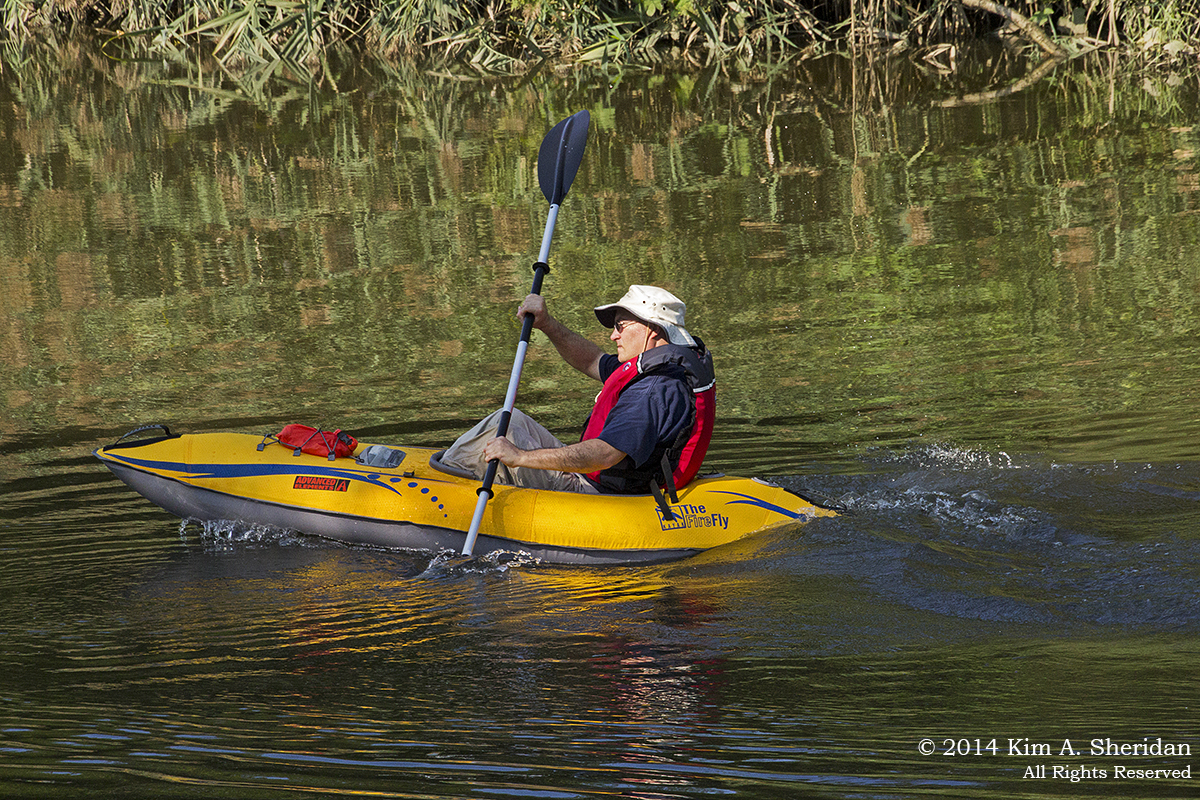
Don’s the only one with a kayak (an inflatable one, no less) so he coaxed Robb into the purchase of his own small inflatable boat called the Firefly. The Firefly took her maiden voyage on a cloudy and cool day at Marsh Creek Lake; she and her captain were a sight to behold. Once the boat was ready, that is.

140830_Marsh Creek Kayak_8446acsPumpa-pumpa-pumpa!

140830_Marsh Creek Kayak_8461acsPuffa-Puffa-Puffa!

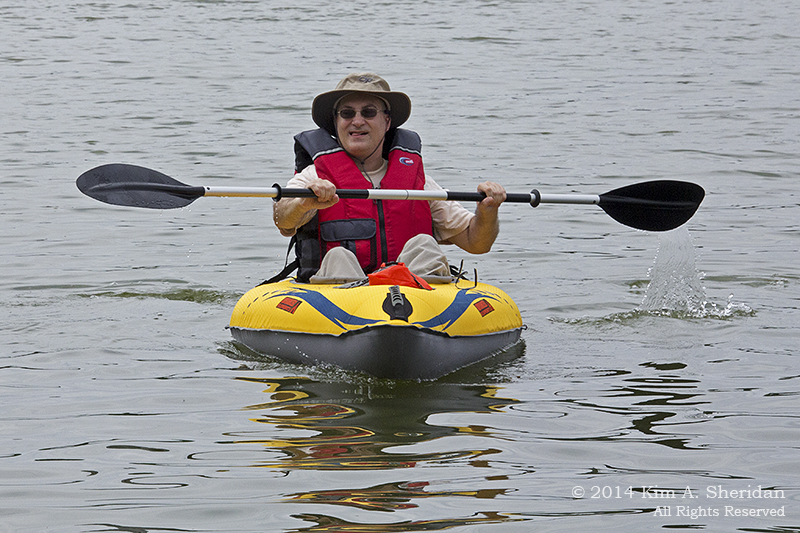
140830_Marsh Creek Kayak_8498acsNapoleon at Waterloo, in his snazzy new vest.

140830_Marsh Creek Kayak_8524acsAre you sure this thing will float?

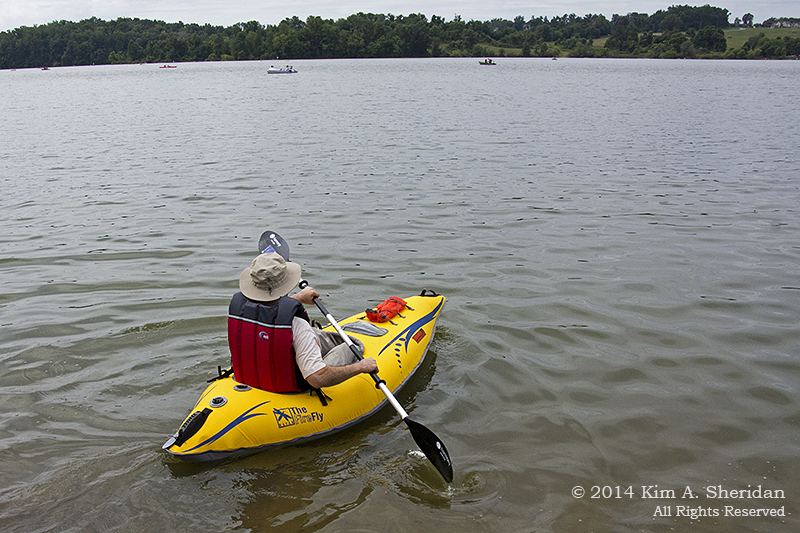
140830_Marsh Creek Kayak_8554acs_CaptionA journey of a thousand miles begins with a single paddle stroke.

140830_Marsh Creek Kayak_8592acsThe boat goes faster if you stick out your tongue.

140830_Marsh Creek Kayak_8632acsBoys and their bitty blow-up tub toys. For some reason Don wears a rain hat when he paddles, no matter what the weather.

One week later, the sun was out and the heat nigh unbearable. Nonetheless, the guys were back at it on Darby Creek in Heinz National Wildlife Refuge.

140906_HNWR Kayak_8888aDarby Creek is tidal, and the water level varies greatly. This is the boat launch near high tide. At low tide it’s all mud flats.

140906_HNWR Kayak_8998aDon tells Robb where to go. As always.

140906_HNWR Kayak_9059aTrash is a constant problem along Darby Creek, and it all washes downstream to Heinz NWR. Every April there’s a watershed-wide cleanup, but by September, that’s just a distant memory. Please, folks, put your trash in trash cans. Better yet, recycle it!

Don & Robb Kayak CollageThe synchronicity of the paddle strokes is frightening. Click on the image to get a closer look.

140906_HNWR Kayak_9100acsOh, the power in the stroke. The concentration on the face. The wake behind the boat. No question, Captain Robb is a stud.

You may be wondering why I have been left behind on dry land. It’s not all that uncommon. Actually, I have my eye on a hard-shell kayak, and hope to test paddle it sometime soon. Never let it be said that I rushed into any decision impulsively.

For now, I have dreams, dreams of paddling…

140906_HNWR Kayak_9248aAround the bend and out of sight, with a whole watery world shining on the horizon.

Everyone must believe in something. I believe I’ll go canoeing. – Henry David Thoreau


Baby Wrens

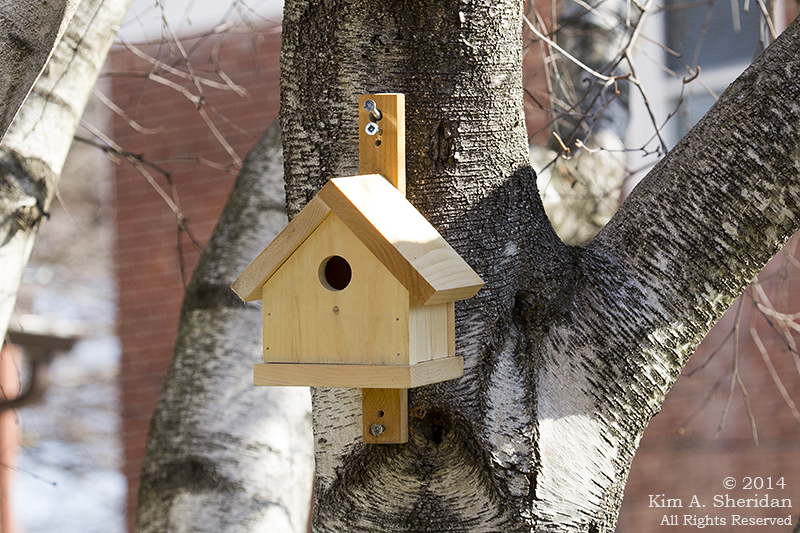
140401_Nest Box Day 1_7793acsApril 1: FOR RENT – CHEEP!
One room condo, great location, close to schools, kind landlady. Perfect for growing family! House sparrows need not apply.

140622_Wren Move In_8806 acsJune 22: Move-in day!

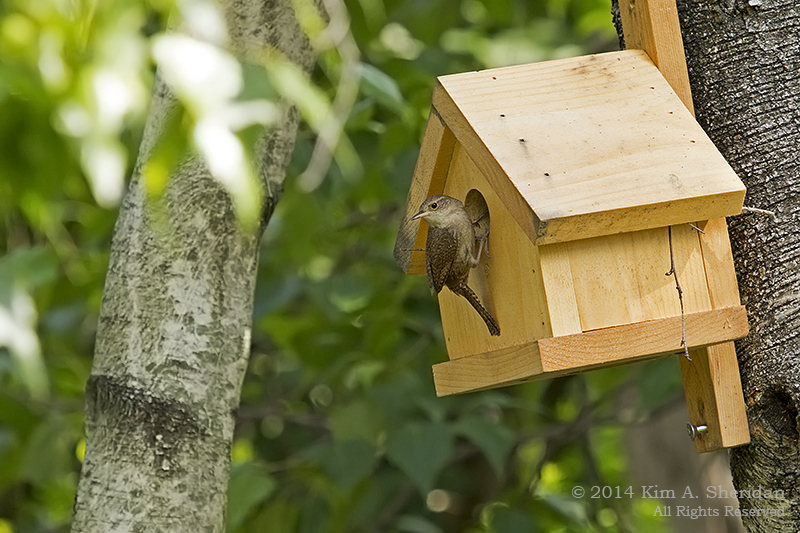
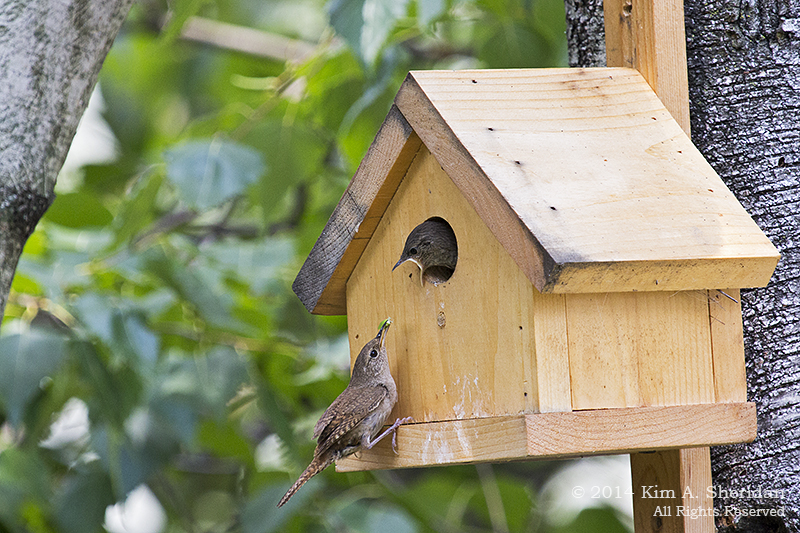
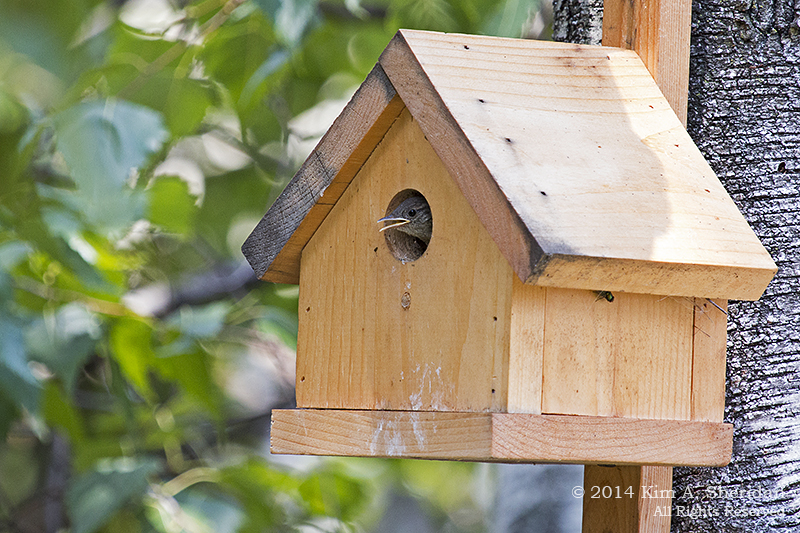
July 21: I’m a baby bird hostess again! Finally there are baby wrens in the nest box. Can’t see them, but I hear their chatter when a parent comes in with food.

140726_Wren Nestlings_4188acs copy

July 26: Feed me!

140727_Wren Nestlings_4520aFeed me!

140727_Wren Nestlings_4509aFEED ME!

140727_Wren Nestlings_4372acsJuly 27: No dessert until you eat your bees!

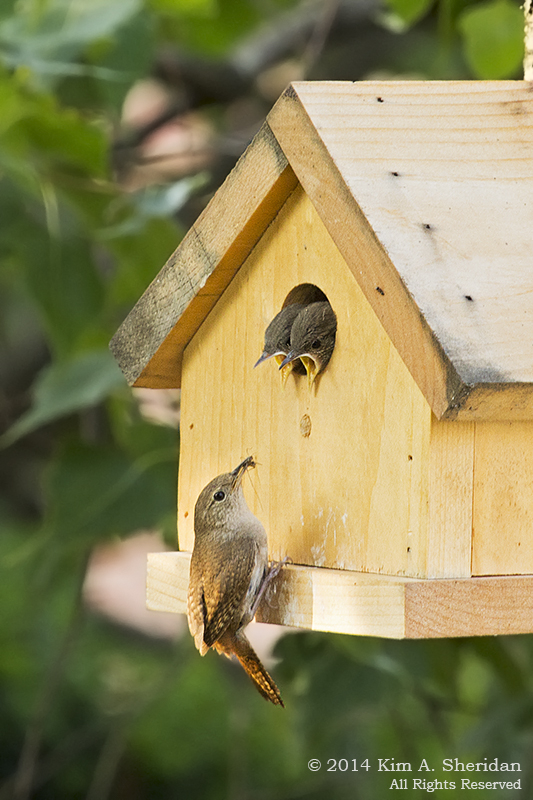
140727_Wren Nestlings_4453acsThere are at least 3 baby wrens in my box.

140727_Wren Nestlings_4486acsJuly 28: It’s a big wide world out there, little one. Are you sure you’re ready?

Apparently so, my wren babies have left the nest box!

140729_HNWR Evening_4653aJuly 29: Meanwhile, back at the Refuge…other baby wrens are out of the nest and being fed by other harried parents.

The always amazing Circle of Life.

Last Call

140702_MI Sunset 2_0416aThe sun is slowly setting on summer. The Fourth of July feels like yesterday. Now it is Labor Day, and autumn awaits.

One last glance at this summer’s Michigan memories.

MI 2 Buttersville South Breakwater_0223acsSand cliffs along Lake Michigan.

MI 2 Buttersville South Breakwater_0159acsKingfisher with fish.

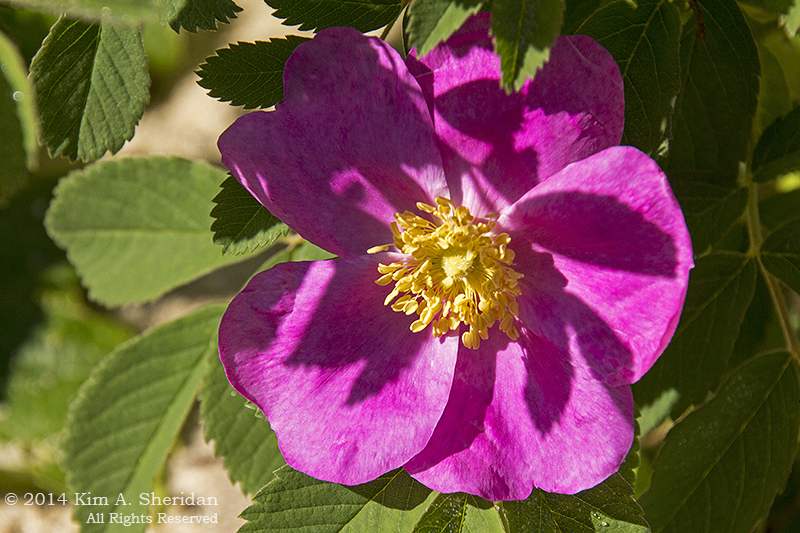
MI 2 Buttersville South Breakwater_9945aFlowers in Buttersville Park, south of Ludington’s harbor.

MI 2 Buttersville South Breakwater_0242acsBusy bee.

MI 3 Buttersville Beach_0246acs50 shades of green.

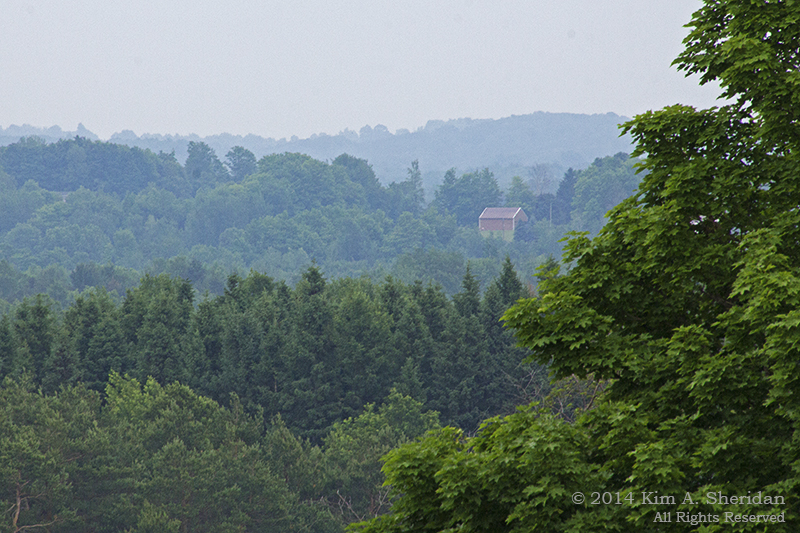
MI US-31 Overlook_9332acsBarn in the mist.

MI US-31 Overlook_9319aUS-31 overlook on a drizzly evening.

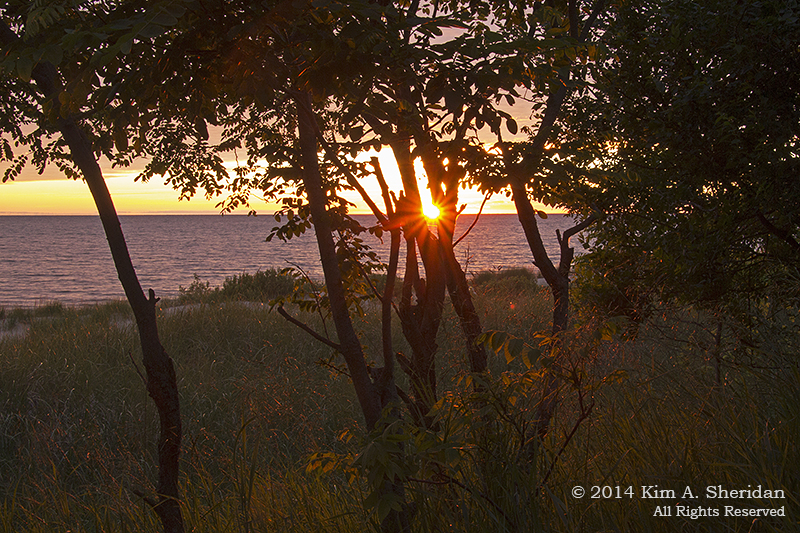
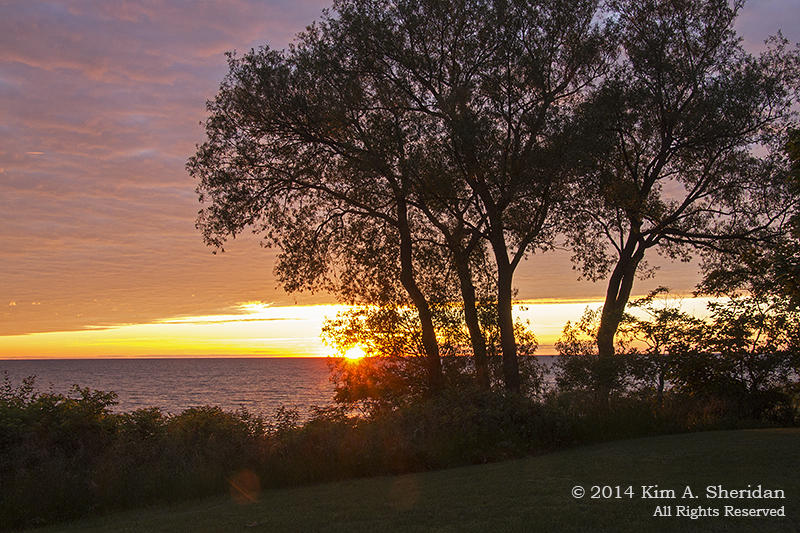
140702_MI Sunset 2_0414acsSunset from the backyard.

140702_MI Sunset 2_0483aLake Michigan on fire.

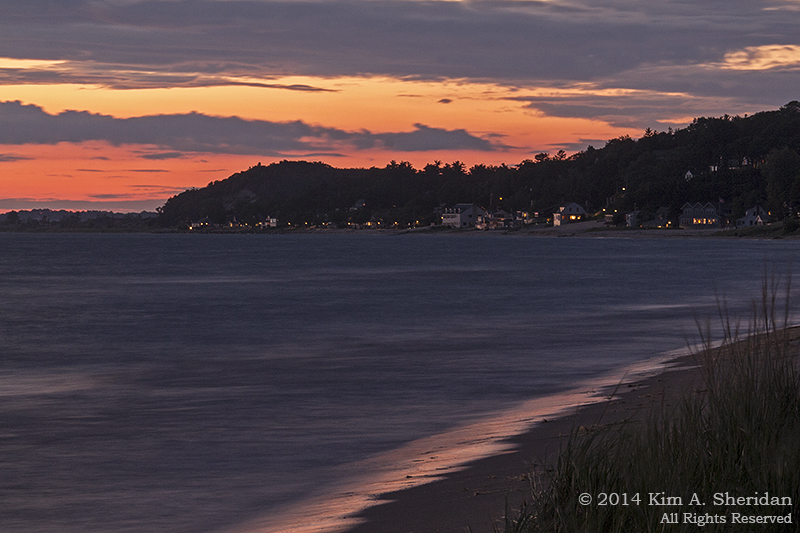
140701_MI Sunset 1_9913aThe lights of Epworth Heights.

140701_MI Sunset 1_9910acsClub Mich at twilight. Time to bid farewell.

Sweet dreams!

Up North

140703_MI 1 SLBE Platte River_0724acsUp North: more than a location, it’s a distinctly Michigan state of mind. At once relaxed and adventurous, and in tune with the natural beauty of the land.

140703_MI 3 Leland_0873acsNo time in Michigan would be complete without a road trip to Sleeping Bear Dunes National Lakeshore, the beating heart of Up North.

This year, however, I expanded my northern Michigan horizons beyond Sleeping Bear.

I traveled the scenic byway of M-22 from Manistee to Leland, covering 76 miles of its 116-mile length.

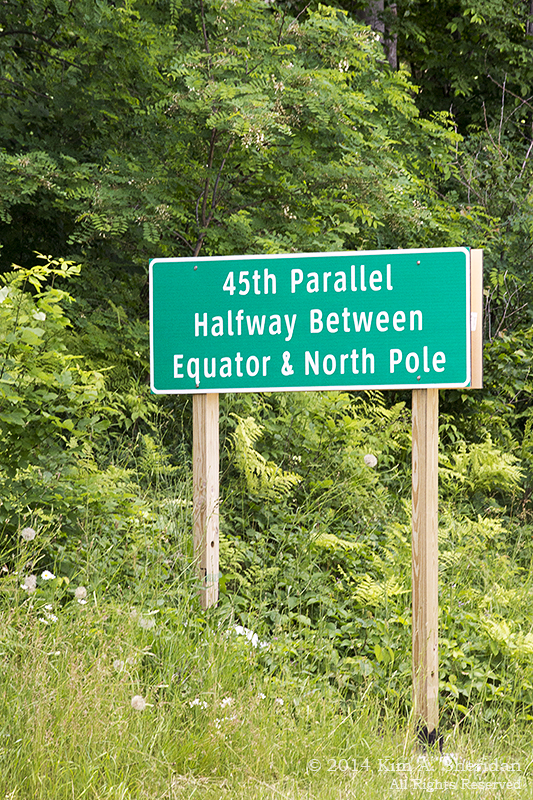
Just south of Leland, I crossed the 45th parallel, which I can say without doubt is the farthest north I have ever been.

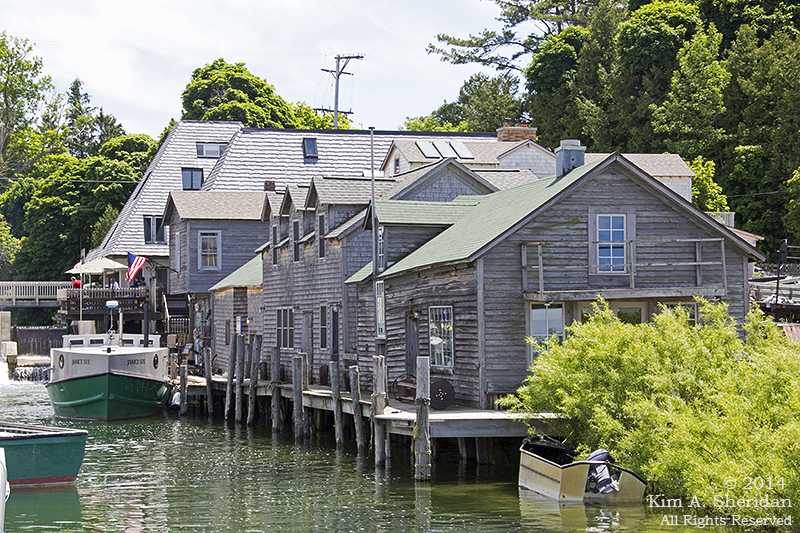
140703_MI 3 Leland_0843aAlong the mouth of the Leland River lies Fishtown, a collection of preserved rustic fishing shanties. Most now house quaint shops, but Fishtown remains an active working waterfront. The weathered walls of these shanties have withstood many years of Michigan’s brutally harsh winters, and they wear their tenacity proudly.

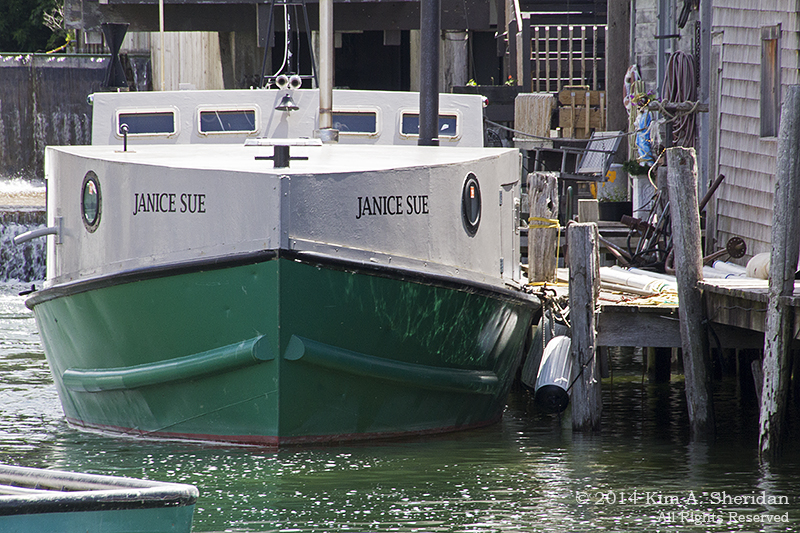
140703_MI 3 Leland_0845acsThe Janice Sue is one of two vintage fish tugs still actively working among more modern vessels, while serving as a symbol of the village’s fishing heritage.

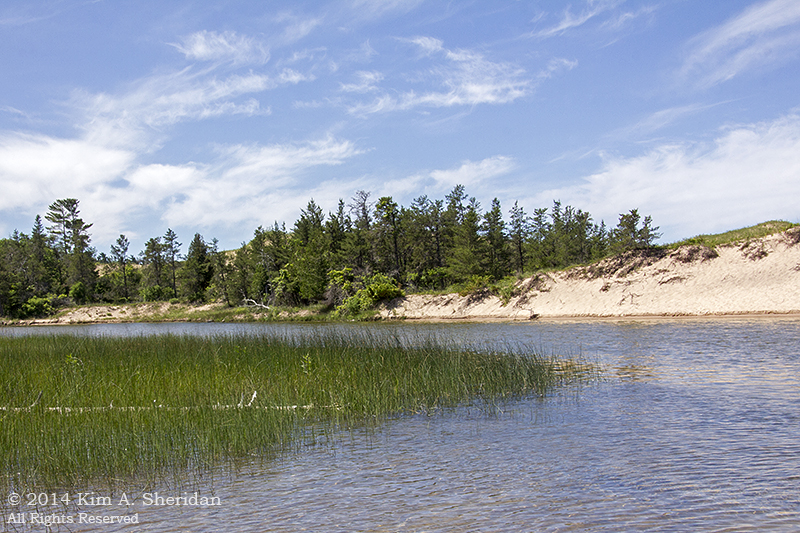
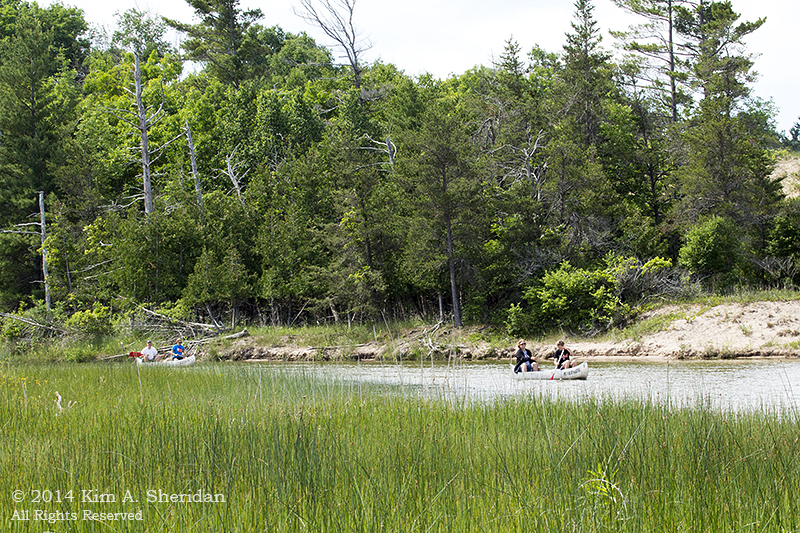
140703_MI 1 SLBE Platte River_0712acsThe main attraction Up North is Sleeping Bear Dunes. My first stop was the Platte River, just north of Point Betsie in the southern end of the National Lakeshore. Doesn’t this look like fun? These canoeists are close to the end of their journey, at the mouth of the river where it joins Lake Michigan.

140703_MI 5 SLBE Alligator Hill_0982acsThere’s a lot of ground to cover Up North, and lots to see. My legs needed stretching after all that driving, and the Alligator Hill Trail fit the bill perfectly.

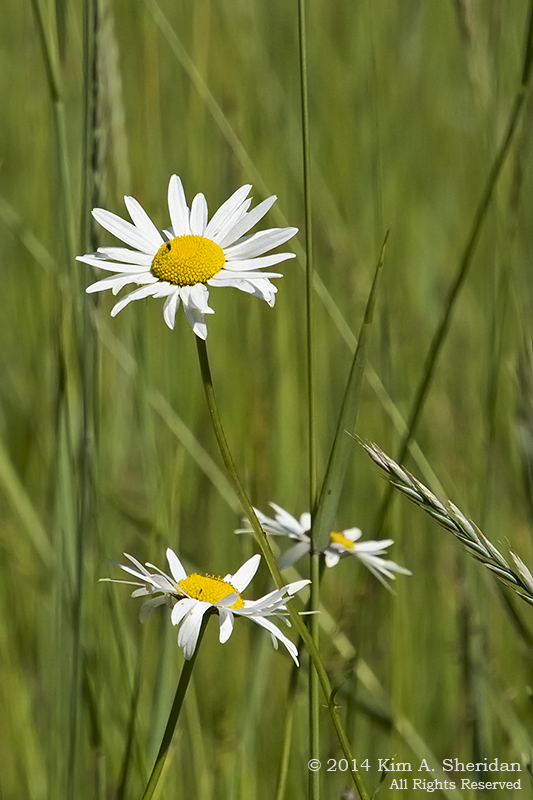
Sunflowers graced the small meadow at the trail head, and small bugs graced the sunflowers.

140703_MI 5 SLBE Alligator Hill_0989acsEarly on, the trail wound through birches and white pines, underlain with a carpet of ferns. As the path climbed the hill, the forest grew darker and deeper, with beech and maple trees replacing the birches and pines.

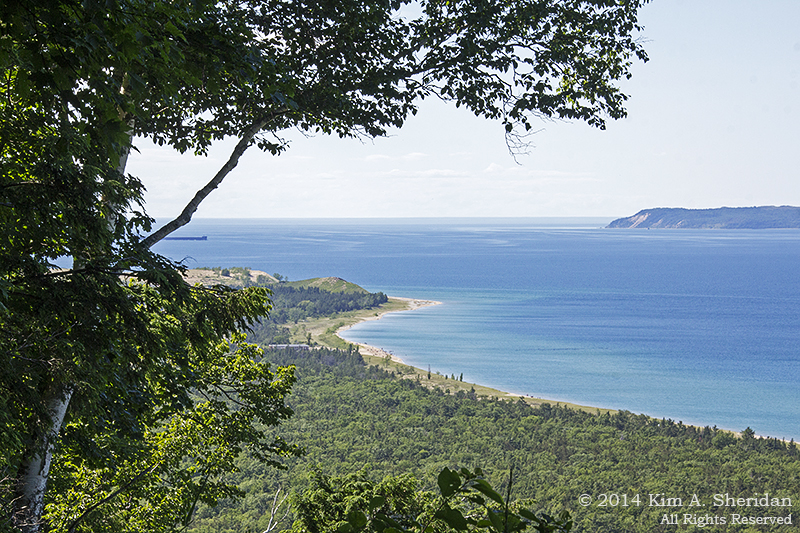
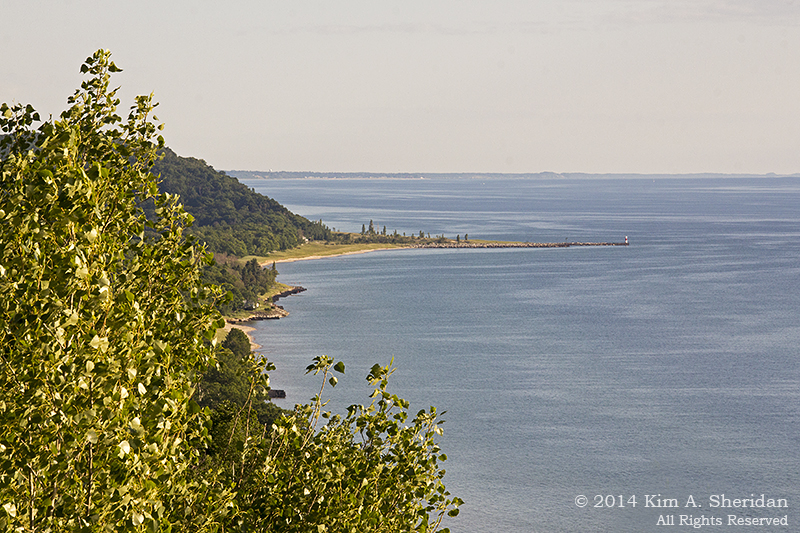
140703_MI 5 SLBE Alligator Hill_1031aAt the top of the hill, the payoff: a stunning view of Lake Michigan. Looking south, with North Manitou Island on the horizon.

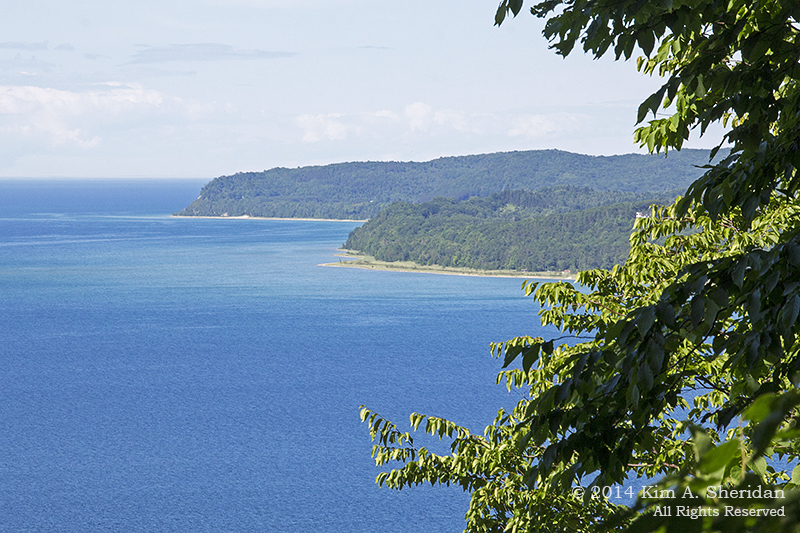
140703_MI 5 SLBE Alligator Hill_1030aLooking north, Up North

FUN FACT: Lake Michigan is the sixth largest freshwater lake in the world, and the only one of the five Great Lakes that lies entirely within the United States. Its freshwater sand dunes, some of which are in Sleeping Bear, are the largest in the world.

140703_MI 4 SLBE Port Oneida_0942acsA pastoral scene in the Port Oneida Rural Historic District.

140703_MI 6 Arcadia Bluff_1059acsWith daylight waning, it was time to push on towards home.

A roadside sign said “Scenic Overlook”, so I stopped to overlook the scenery. I always do what I’m told.

Wow. This is Arcadia Bluff. What a view.

There are steps that scale the bluff, with landings every so often for rest and reflection. I climbed every one of those steps, and was glad I did.

At the top, I met a man who, having made the trek, was in no hurry to leave. He’d brought a chair and a beverage, and had been perched there for over an hour, happily smoking a cigar, chatting with travelers and watching the sun set. Now that’s the life. Laid back and soaking up the wonders of Michigan.

Up North. It’s more than a location; it’s a state of mind.

140703_MI 6 Arcadia Bluff_1055acs