Summer’s Fleeting Beauty

Morris Arboretum BF-Spicebush ST_9639a Where did this summer go? Labor Day is past, and the calendar is poised to turn over to a new season. June, July and August just seemed to fly by, didn’t they?

If the summer passed quickly for us, imagine how it must seem to be a butterfly, dragonfly or other bug. Most of these insects live only a few weeks or months, just long enough to breed and lay the groundwork for the next generation. Their time to live, and our time to enjoy them, is very short indeed. Soon it will be cold, and these lovely creatures will be just a memory. All the more reason, on the eve of the autumn equinox, that we should savor the beautiful colors of summer.

HNWR BF-ET Swallowtail_0901aEastern Tiger Swallowtail

HNWR BF-Comma_1555a Eastern Comma

FUN FACT: Punctuation in butterflies! There are several species known as Commas, for the shape of the white mark on the underwing. There’s a similar butterfly that has a dot at the end of the curved mark; it’s called a Question Mark. We all agree it’s really a Semicolon.

HNWR BF-Hackberry_0550a Hackberry Emperor, above and below. This guy came to visit and wouldn’t leave. Here he’s happily slurping up the minerals deposited by sweat on the hand of Cliff, our Butterfly Whisperer. (Without whom I wouldn’t be able to put a name to many of these beauties)HNWR BF-Hackberry_0586a

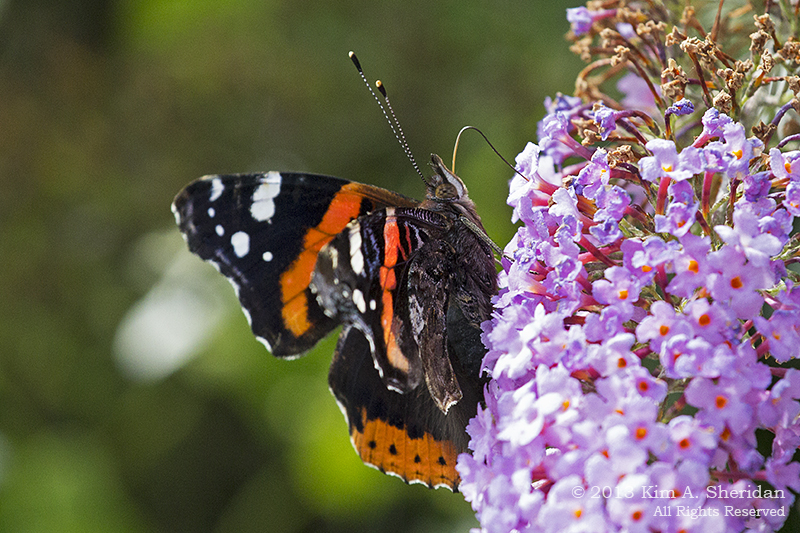
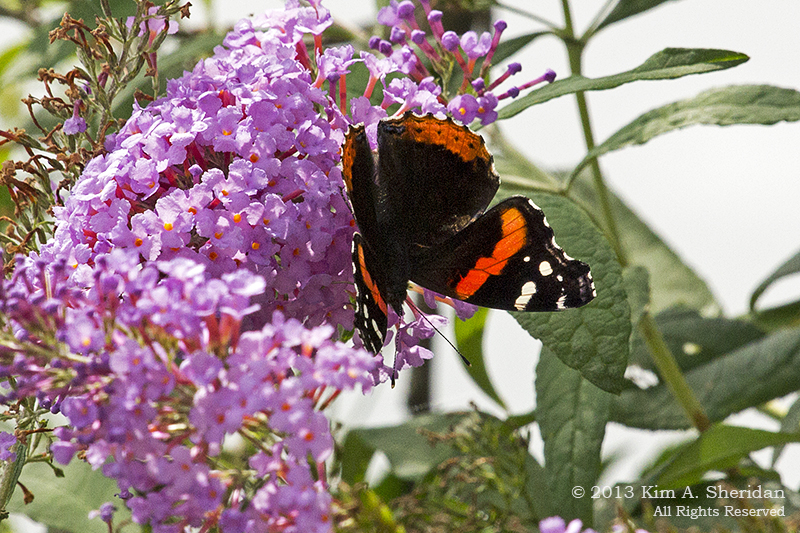
HNWR BF-Red Admiral_1831aRed Admiral

FUN FACT: Ever called a butterfly a “flutter-by”? It turns out that was what these insects were called prior to 1865. Reverend A. W. Spooner studied and gave many talks on flutter-bys. Spooner was known for his mangling of words, inspiring the term “Spoonerism”. In his seminars, he frequently transposed “flutter-by” into “butterfly”. The term caught on, and has been in use ever since.

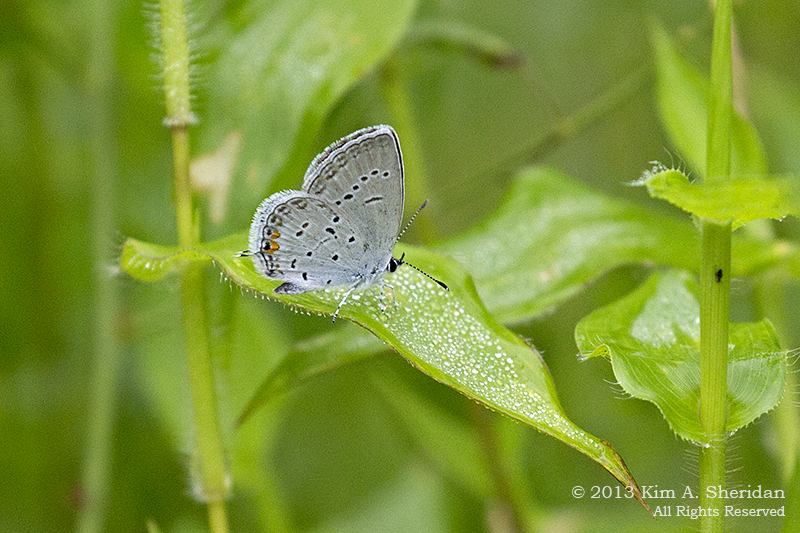
HNWR BF-ET Blue_1401a Eastern Tailed Blue

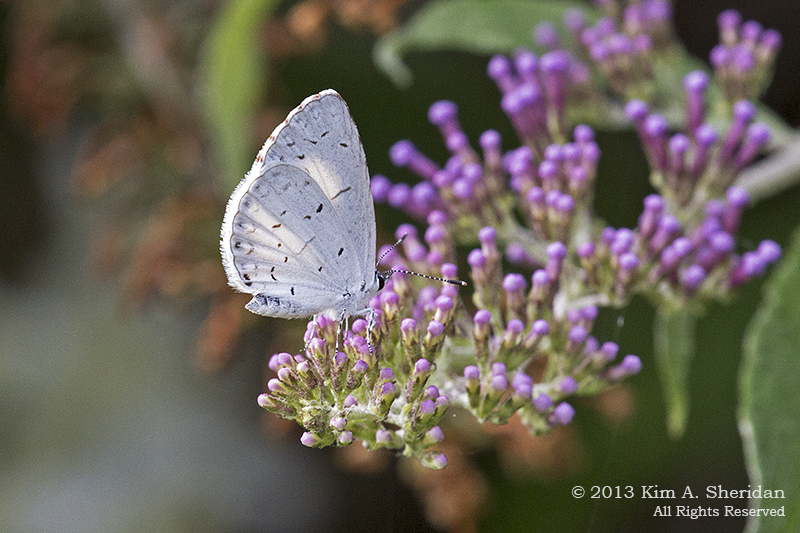
HNWR BF-Summer Azure_1798aSummer Azure

HNWR Moth Luna_8022a Luna Moth

HNWR Caterpillar Smartweed_1436aSmartweed Caterpillar, which becomes a Smeared Dagger Moth

HNWR Snail_1688a Snail, moving at surprising speed

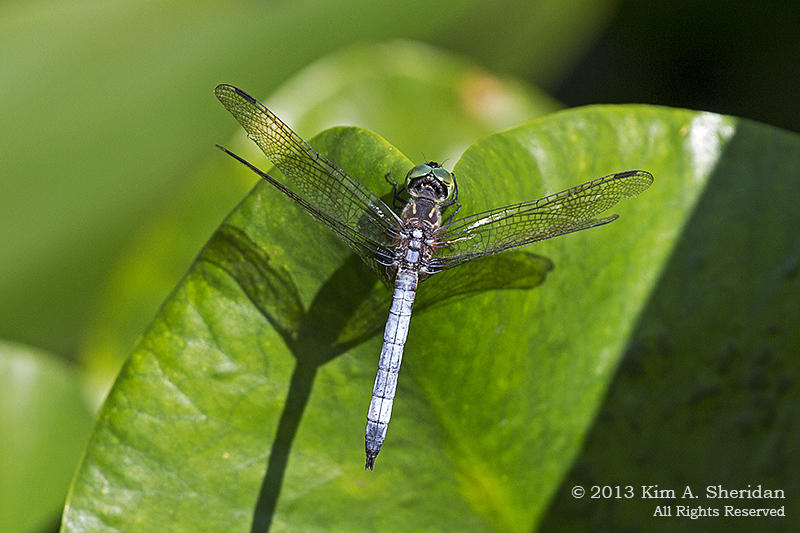
HNWR DF-Blue Dasher_0830aBlue Dasher

HNWR DF-Common Whitetail_5125a Common Whitetail

HNWR BF-Red Admiral_1779a

Have a colorful fall!

Coming up: Cold Duck

Mich-Mash

MI LSP Lost Lake-Island Trail Flower Tree_6031a By now the interested blog viewer will have gotten the idea that I’m rather fond of wildlife. You might think by the sheer number of bird photos that winged creatures top my list, but in fact I’m a mammal kind of girl. My all-time favorite animals are American black bears. All right, I admit, it’s the cute factor, but if I were twenty-five years younger I’d be in school right now, studying to be a wildlife biologist and hoping to work with black bears.

Frustratingly, I’ve never seen one. When I was 16, one strolled through my unit at summer camp, and I slept right through it. The Philadelphia Zoo has Asiatic black bears, but not American, and when we visited the Cape May Zoo, their bears were inside while the enclosure was being cleaned. I even have bad luck at zoos.

MI Mitchell SP Sign_7536aThe closest I’ve gotten is this sign, near Mitchell State Park. Not your average “Deer Crossing” sign is it?

It’s becoming my new excursion mantra – “Great trip! But NO bears…”

Here are a few Michigan images that didn’t make it into previous posts, but I like too much to leave out.

MI LSP Lost Lake-Island Trail Flower Tree_6183aLost Lake, Ludington State Park

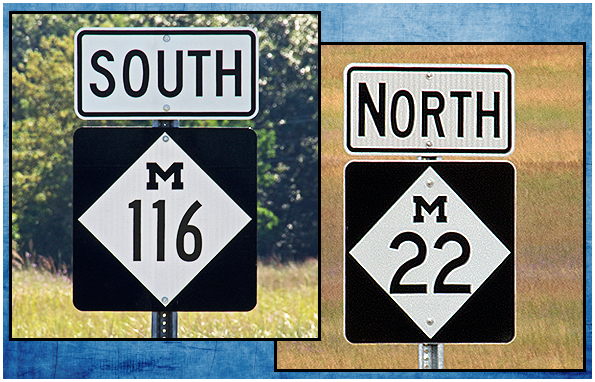
Sign CollageMichigan Highway 116 runs past endless beaches and right into Ludington State Park, and M-22 is the route through Sleeping Bear Dunes. The locations they provide access to are so popular there’s a whole cottage industry of M-22 and M-116 trinkets. Also common are Michigan T-shirts: “Lake Michigan – Unsalted and Shark Free”.

MI Mitchell SP Flower_7240aMI Mitchell SP Flower_7383aOn the trail at Mitchell State Park

Ludington CollageSome things you might see around Ludington, including art at the Waterfront Park, and the House of Flavors. Fantastic ice cream with really creative flavor names. “NSA Feature Flavor”?

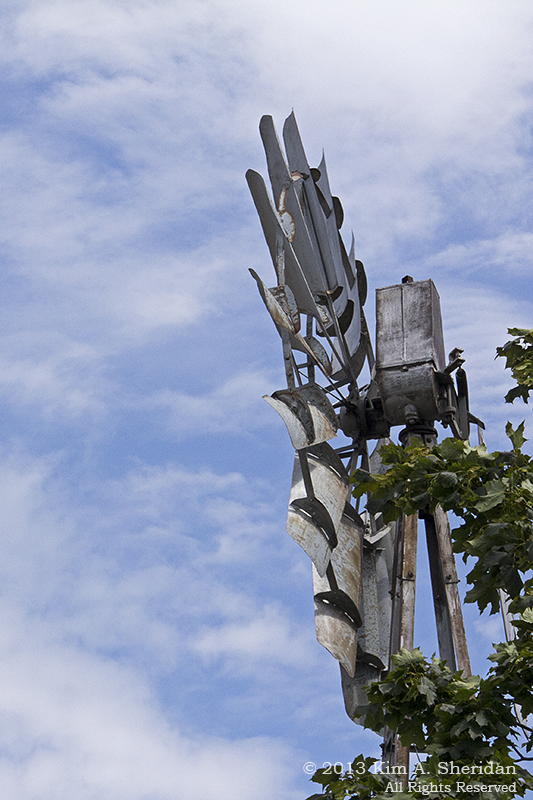
MI White Pine - 19 Windmill_5471aAs the sun sets on another wonderful sojourn to Michigan, good memories flood back:

  •  MI Tricycle Kim_7701 acsTelling time by the toot of the Badger’s horn
  • Getting Jersey-sized waves on the first day
  • Dirt roads and red barns
  • Kayaking
  • Betsey’s delight with the scallops at Steamer’s
  • Meeting Doug and Suzanne – YAY! – and Terry and the Obrechts
  • The Club Mich sign
  • Getting lost
  • Barefoot Brownie ice cream, aka Bear Claw
  • Michigan cherries
  • Sherry’s battle with the ants
  • Going from way too hot to almost cold, and getting to wear an International House sweatshirt when it was too cold
  • Sherry whistling the blues to the accompaniment of Doug’s guitar
  • That darn tricycle
  • Forgetting to sign the garage before I left

Most of all, long conversations with wonderful people. I’m especially grateful to Betsey and Sherry – thanks guys for inviting me into your wonderful home this summer.

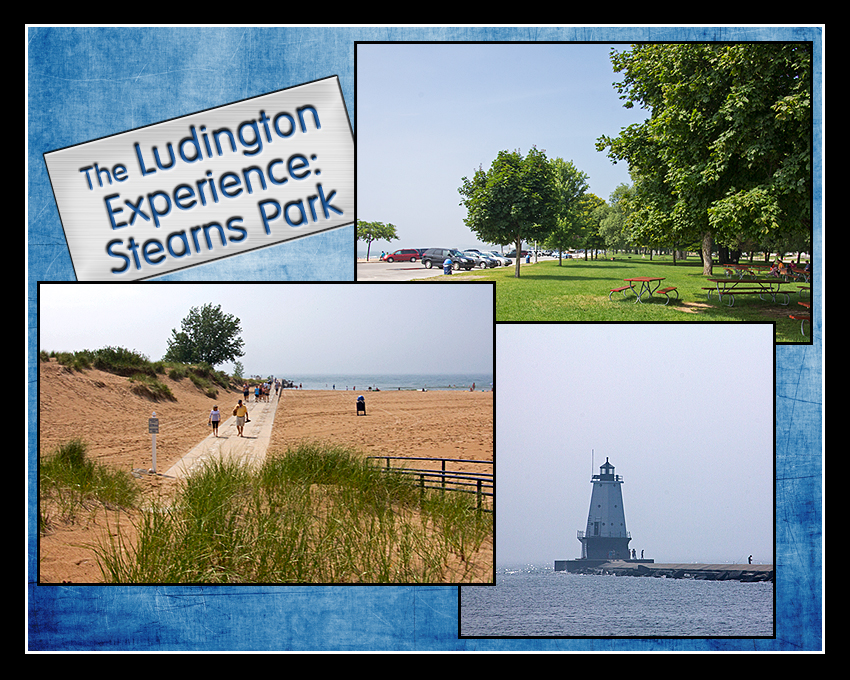
On the way out of town, let’s take advantage of one more opportunity to have the “Ludington Experience”, shall we?Stearns Park Collage

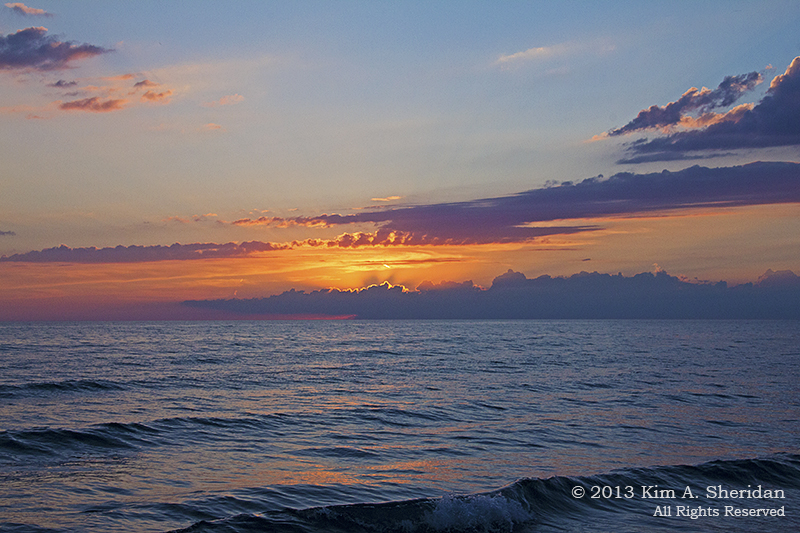
The REAL Ludington ExperienceMI Sunset_5732a

Coming up: Summer’s Fleeting Beauty

Michigan’s Shy Wildlife

MI LSP Lost Lake-Island Trail Northern Pearly-eye_6060a I went to Michigan hoping to come home with lots of amazing wildlife shots. Last year I saw minks, for gosh sakes. And this year I have this great new long telephoto zoom lens. Confoundingly, Michigan critters are quite camera shy. No mink, no deer, only one chipmunk.

Birds – oh, yes, there were birds. I could hear them all around me, nattering away constantly. But they insisted on playing hide-and-seek with me, teasing with brief flashes of black and yellow, but never settling down long enough to visit.

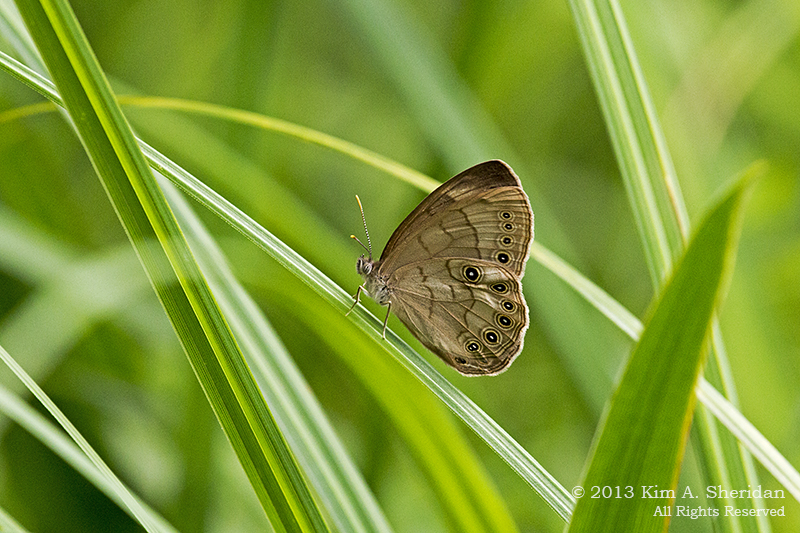
Here are some of the animals I did manage to capture, mostly of the winged variety. Above is a Northern Pearly-eye Butterfly in Ludington State Park. Check out the natty striped antennas.

MI LSP Lost Lake-Island Trail Bird_6213aAmerican Redstart, Ludington State Park.

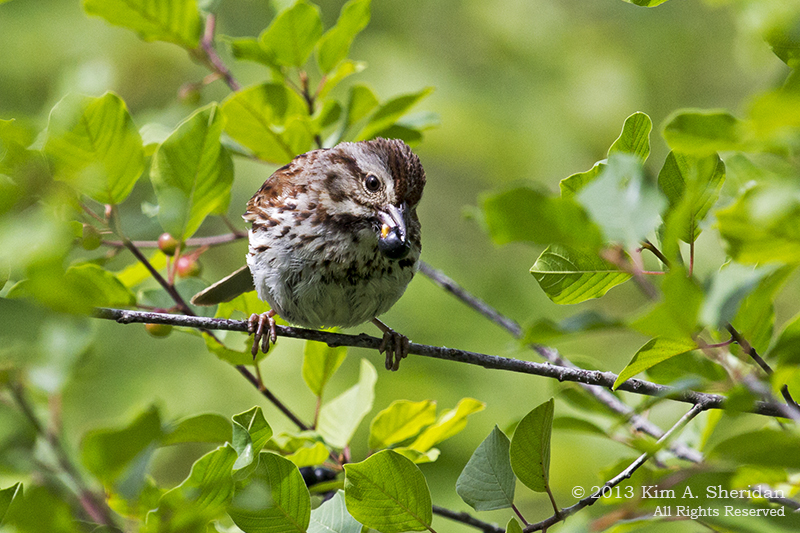
MI Mitchell SP Bird_7291aSong Sparrow, Mitchell State Park.

MI Mitchell SP Bird_7415aChickadee, Mitchell State Park.

MI LSP Lost Lake-Island Trail Bird_6402aUnidentified Warbler, Nordhouse Dunes Wilderness Area. Maybe a female or juvenile Blackburnian? A little help, anyone?

Eagle Filmstrip 1 No text A juvenile Bald Eagle searches for prey, spots his quarry, closes in, and – IMPACT!

Eagle Filmstrip 2 No Text

To the victor goes the spoils.

Looks like fish for lunch today.

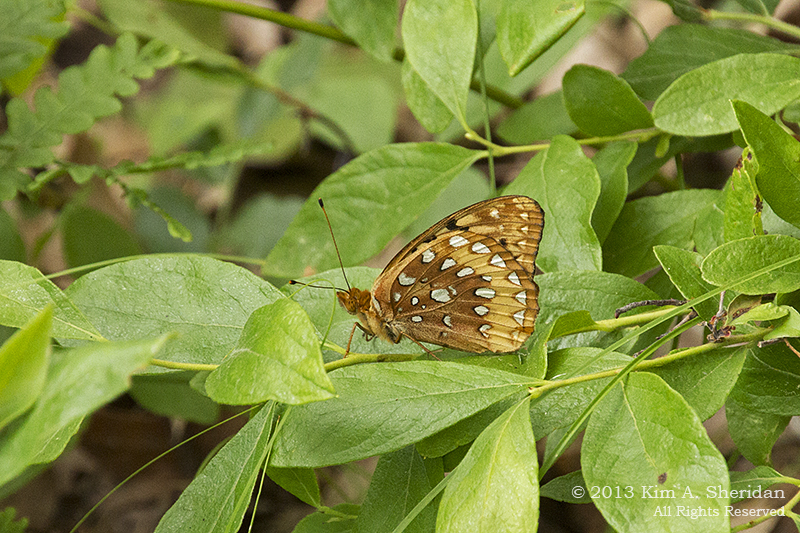
MI Nordhouse Dunes GSF Butterfly_5898aGreat Spangled Fritillary, Nordhouse Dunes Wilderness Area. Who comes up with these names, anyhow?

MI LSP Sable River Trail Common Buckeye_7084a Common Buckeye, Ludington State Park.

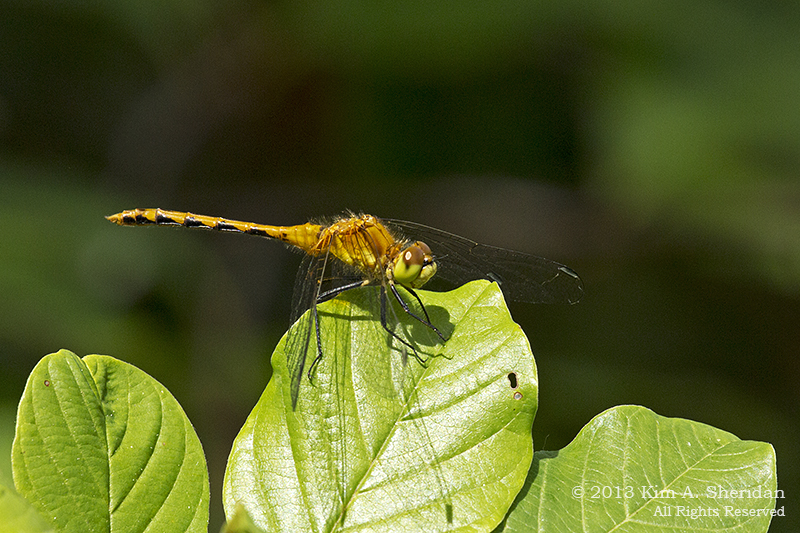
MI LSP Lost Lake-Island Trail Widow Skimmer_6452aWidow Skimmer, Ludington State Park.

MI LSP Sable River Trail E Pondhawk_7051aEastern Pondhawk, Ludington State Park.

MI Mitchell SP Ruby Meadowhawk Dragonfly_7458aSometimes dragonflies, butterflies and birds of the same species come in different colors. Usually it’s a male/ female thing. For instance, here’s a Ruby Meadowhawk female. Not particularly Ruby, is it? MI Mitchell SP Ruby Meadowhawk Dragonfly_7365aBut here’s the male Ruby Meadowhawk, and now it’s obvious where the name came from. Mitchell State Park.

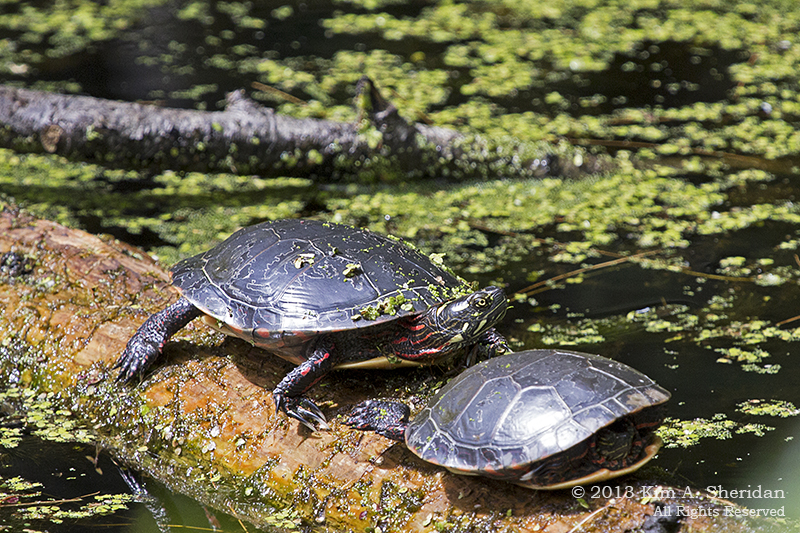
MI Mitchell SP Wildlife Midland Painted_7353aAnd now, for some scaly things: Midland Painted Turtle, Mitchell State Park. The front fellow’s a little shy, typical of most of the critters I saw – or didn’t see – in Michigan.

Near misses: Occasionally along the Mitchell Heritage Nature Trail I would hear “shish-shishhh-shish” as a small snake slithered off into the grass. I rarely actually saw them. I also heard the distinctive banjo-like “twang” of a Green Frog a few times.

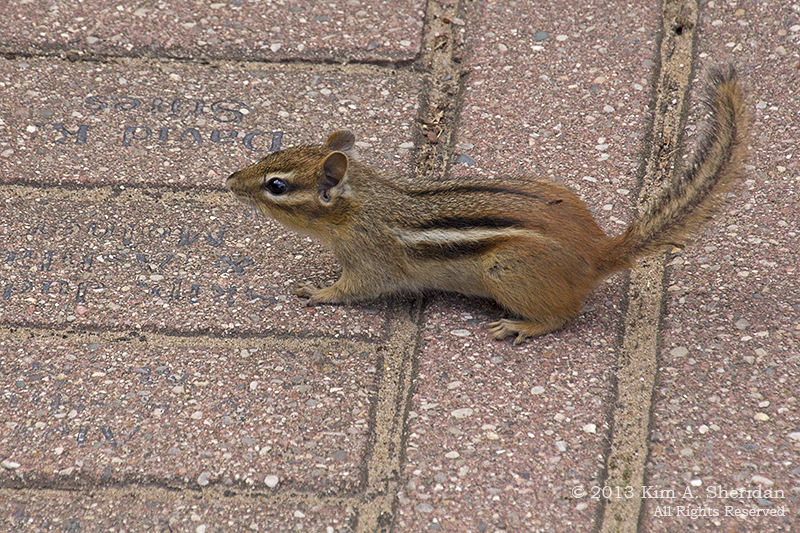
MI White Pine Village_5430aEnding on a furry note: Chipmunk, White Pine Village.

Coming up: Mich-mash

Sleeping Bear Dunes: The Scenic Drive

00 A LegendSleeping Bear Dunes National Lakeshore in northwest Michigan’s Lower Peninsula encompasses 50,000 acres, including 65 miles of Lake Michigan shoreline, and the Manitou Islands. There are 100 miles of hiking trails, winding through forests, lakes, beaches and those famous dunes. Within the Lakeshore are historic sites like the company town of Glen Haven, three former U.S. Life-Saving Service Stations, and the Port Oneida Rural Historic District.

00 Lake Mich Pan 2 ACWith only a day at Sleeping Bear Dunes, and so much to see and do, where do you start? That’s easy: with all the “touristy” things! Chief among them is the Pierce Stocking Scenic Drive. This 7.4 mile drive was built in the late 1960s by lumberman Pierce Stocking to show visitors the natural wonders of the area he loved. It became part of the Lakeshore after his death in 1976. The drive winds through the woods and along the dunes, offering spectacular views at 12 stops along the way.
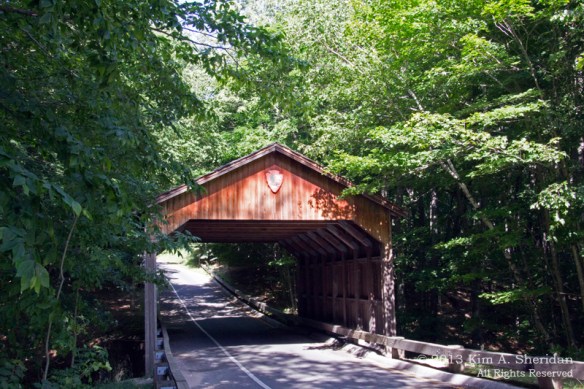
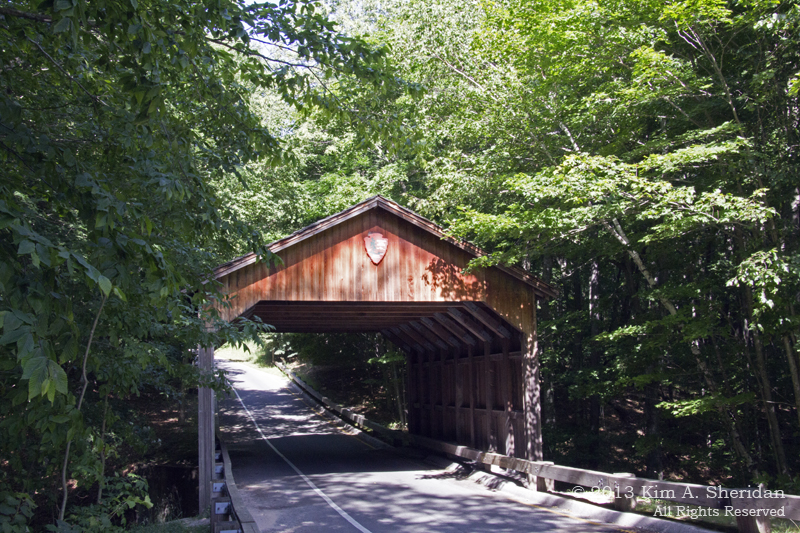
01 MI Sleeping Bear Dunes_6493 aThe Covered Bridge. I’m a sucker for covered bridges anywhere, but this one is especially scenic. And topped with a National Park Service arrowhead, no less. It’s nestled in a forest of maple and beech trees which blankets the steep hills and valleys.
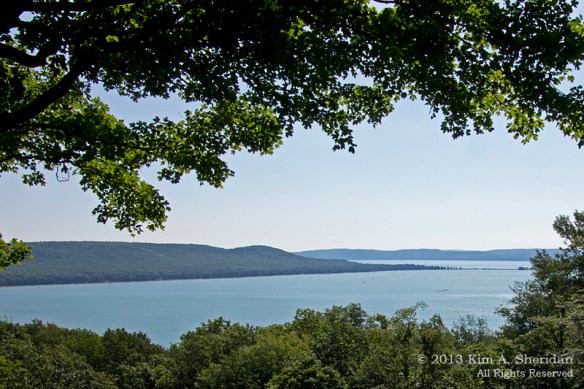
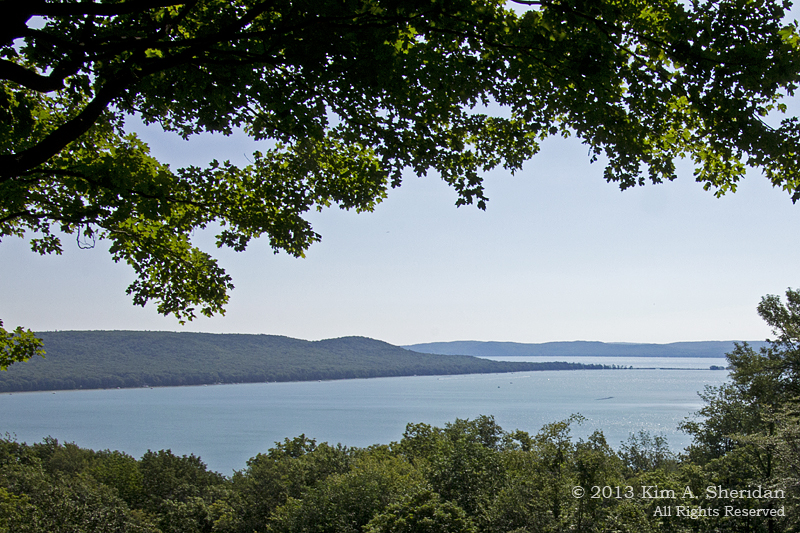
02 MI Sleeping Bear Dunes_6499 aGlen Lake Overlook. Glen Lake, like Lake Michigan and the other smaller lakes of the area, was carved out by glaciers long ago. As the ice melted, deposits of sand and gravel were left behind to form hills. The hill at the left is known as Alligator Hill because of its resemblance to an alligator’s snout, not because there are alligators on the hill!

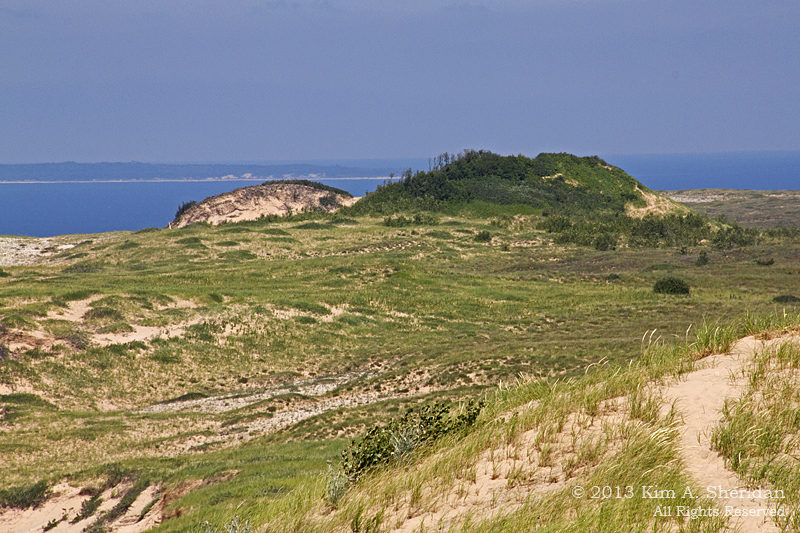
03 MI Sleeping Bear Dunes_6526aDune Overlook. Here you can see some of the dunes that make up the Lakeshore. Most of the dunes have been around for ages, and the vegetation that covers their surfaces helps to stabilize them. Occasionally the wind scours a depression free of plants and creates an area known as a “blowout”.

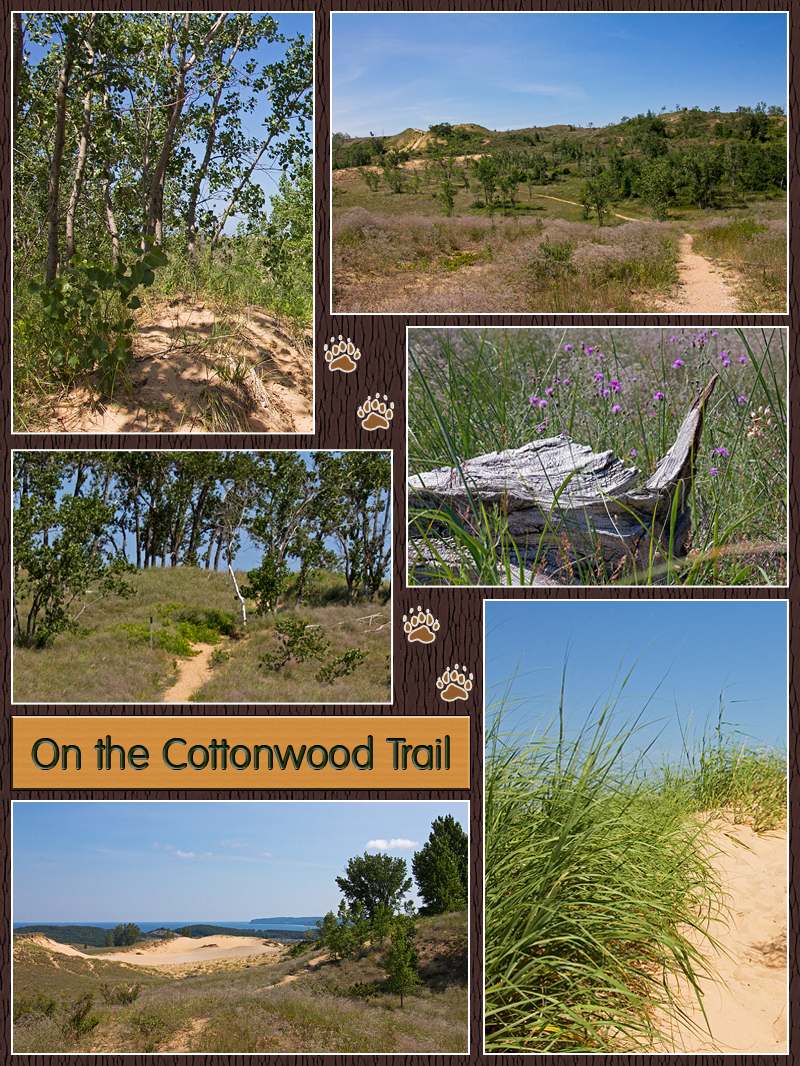
04 Cottonwood CollageThe Cottonwood Trail. One and a half miles through the dunes, up and down hills of soft sand in a blazing sun. Not usually my idea of a good time, but I really enjoyed this walk. There were great views to be had at the top of those sand hills: the “Dune Climb”, the D. H. Day Farm, Glen Lake and Lake Michigan.  The trail gets its name from the stands of Cottonwood trees that provide welcome shade as well as beauty. Lots of interesting wildflowers and shrubs can be found here, including buffaloberry, dune grass, the threatened Pitcher’s Thistle, and bearberry. I recognized not a single one, not being smart enough to pick up a trail map until I got back from the hike.  I wished more than once that my Weed Warrior friends were along; they would have had a blast identifying plants.
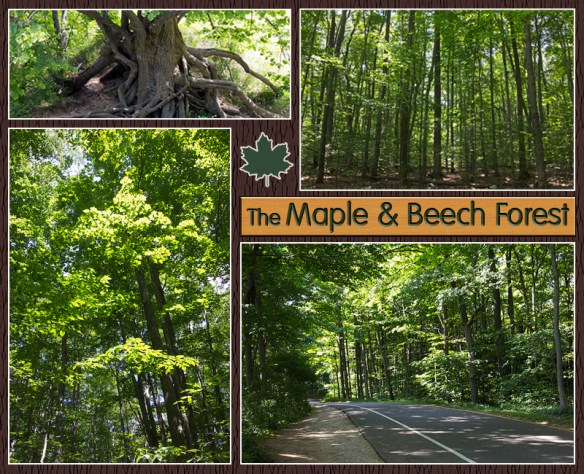
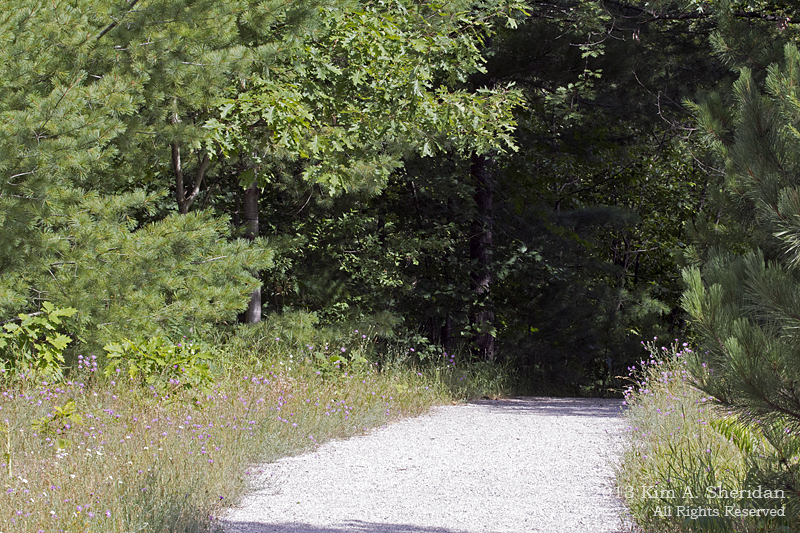
07 Beech Maple Collage aThe Maple/ Beech Forest. Coming down the backside of the dunes, you plunge into a cool, leafy green forest. The predominant trees here are Sugar Maple and American Beech, with Hemlock, Basswood and Black Cherry trees scattered throughout. This is a climax forest, the last stage in the transition of ecosystems from dunes to woods.
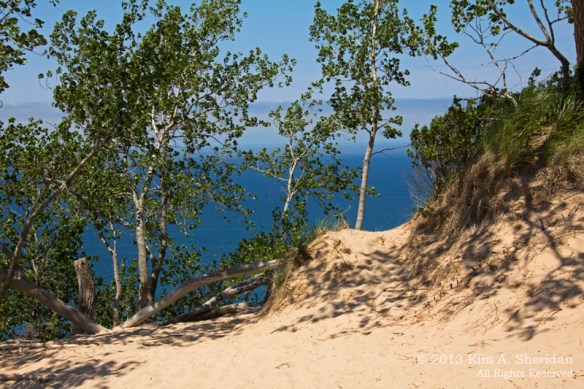
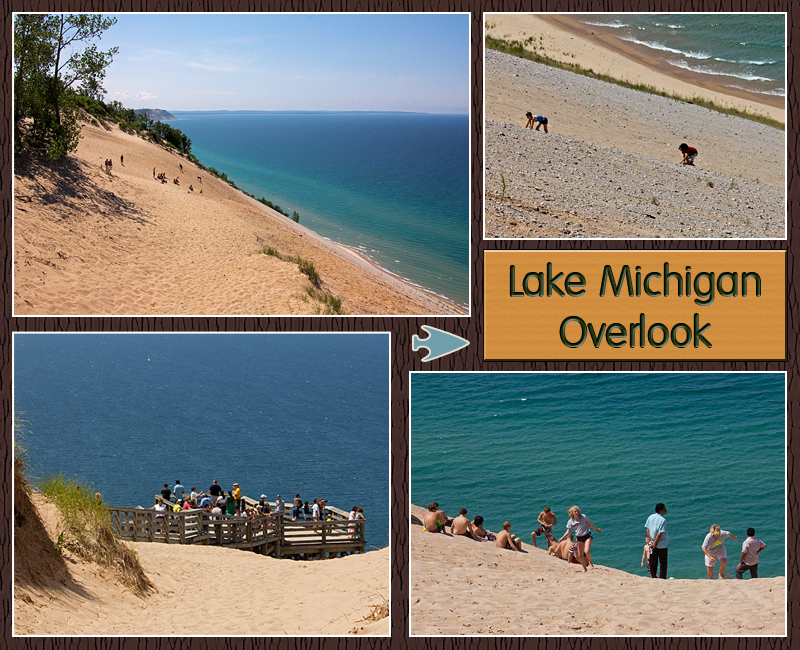
09  A MI Sleeping Bear Dunes_6718 a Lake Michigan Overlook. Lake Michigan was carved out by glaciers, and filled when the ice melted nearly 12,000 years ago. The water shimmers through crystalline shades of blue and aqua, varying with the lake depth. The bluffs that line the shore are 450 feet high, and precariously steep. The NPS warns people not to run down the dunes, both to protect the fragile ecology of the dunes and prevent further erosion, and to protect visitors.

Sure, it’s easy to go DOWN the dune, and there’s an inviting swim at the bottom. But then you have to climb back UP, a chore that can take up to two hours as you crawl upwards over gravel and loose sand.  Occasionally people need to be rescued, and the nearby town of Glen Arbor has a four wheel drive vehicle for just that purpose.

09 Lake Mich Overlook CollageAll the warnings don’t stop people from trying it. You can see how steep it is, and how hard it is to get back up. Better to take in the view from the observation platform, but hold onto your hat! It’s windy out there.
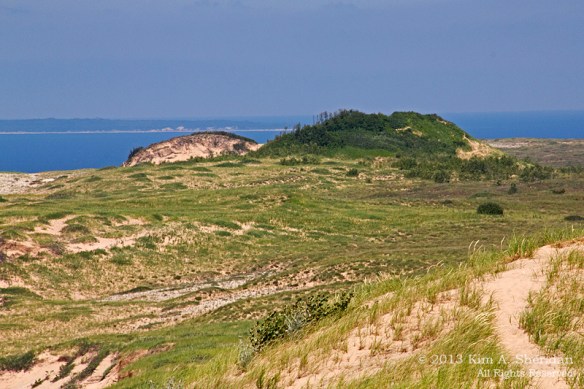
10 MI Sleeping Bear Dunes_6746a Sleeping Bear Dune. Here is the dune of legend. At one time it did look like a sleeping black bear. It was also inland from the edge of the bluff, and stood 234′ high. Over the years the front of the bluff has eroded away, as has part of the dune itself. It is now at the edge of the bluff and only 132′ high. In time it will disappear altogether. Across the water at the left is one of the Manitou Islands.

11 MI Sleeping Bear Dunes_6834aNorth Bar Lake. North Bar Lake was once a bay. Over time wave action has worked to carry sand across the mouth of the bay and close it off nearly completely. Only a small channel remains to connect it to the Big Lake. The warm waters make the lake a popular swimming destination and children can’t resist playing in the channel.
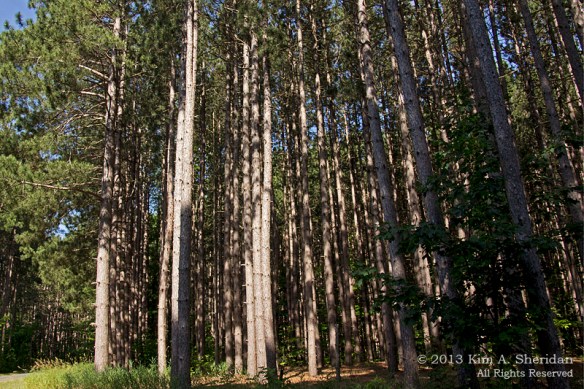
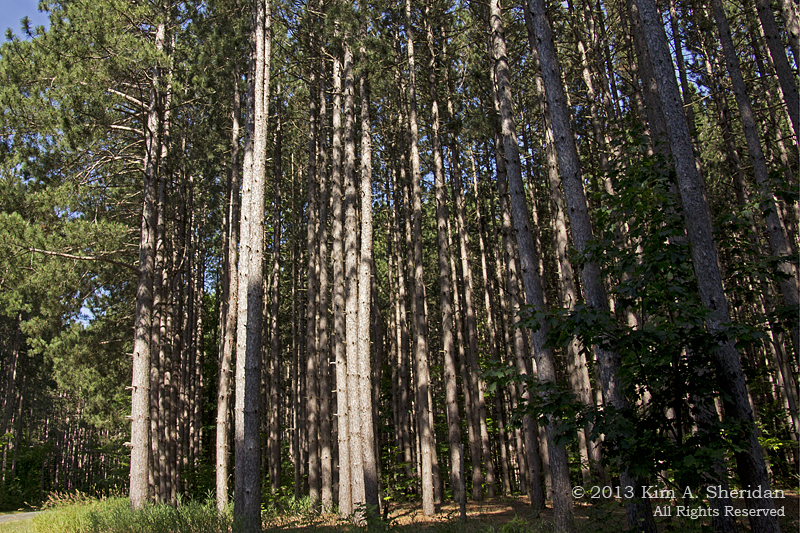
12 MI Sleeping Bear Dunes_6488aPine Plantation. A few posts back we talked about the stands of pines planted to replace the forests that had been logged a century ago. These are red pines, and you can see how they are planted close together in uniform rows. When trees grow like this, it is difficult for other vegetation and other types of trees to get the space, light and nutrients they need. In Sleeping Bear Dunes, the National Park Service is gradually and selectively cutting pines to encourage a more natural mixed forest. That’s the kind of logging I can get behind.

 FUN FACT: Sleeping Bear Dune, like many of the high dunes along the Lake Michigan coast, is a “perched dune”. What is a perched dune, you ask? No, it doesn’t perch on a tree branch like a bird. What it perches on is a glacial moraine bluff. Okay, what’s a “moraine”? It’s any accumulation of debris left behind by glaciers, in this case gravel and sand. Much of the geology of this area was formed by glaciers, from the deep depressions that became lakes, to the bluffs and hills deposited by retreating ice.

13 Lake Mich Bar Lake Pan ACSSleeping Bear Dunes National Lakeshore was established in 1973, and is run by the National Park Service; in 2011, a “Good Morning America” viewer poll named it the “Most Beautiful Place in America”. Who am I to argue with that?

Coming up: Dune Culture
Michigan’s Natural Heritage: Cadillac Marsh

Michigan has 101 State Parks. So far, I had only seen one of them. Obviously, that had to be fixed!

Mitchell CollageIt was also time to get away from the Lake Michigan dune area, much as I love it, so I headed inland. The town of Cadillac is home to Lake Cadillac, Lake Mitchell, and in between, Mitchell State Park.

MI Mitchell SP_7198 a Within the park is the Mitchell Heritage Nature Trail. It’s a 2½ mile trail encircling a marsh, and just the thing to keep me out of trouble for a couple of hours. Or eaten alive, which was certainly my fear starting out. The trail began as a lovely walk through an old growth forest of maple, oak and pine. Turned out it was also home to gangs of marauding vampires in mosquito disguise. Knowing that I was headed for a marsh, I thought it could only get worse. Luckily, I was wrong; apparently these were strictly arboreal skeeters.

MI Mitchell SP_7201 aA brief meadow interlude, followed by a plunge into more woods just beyond.

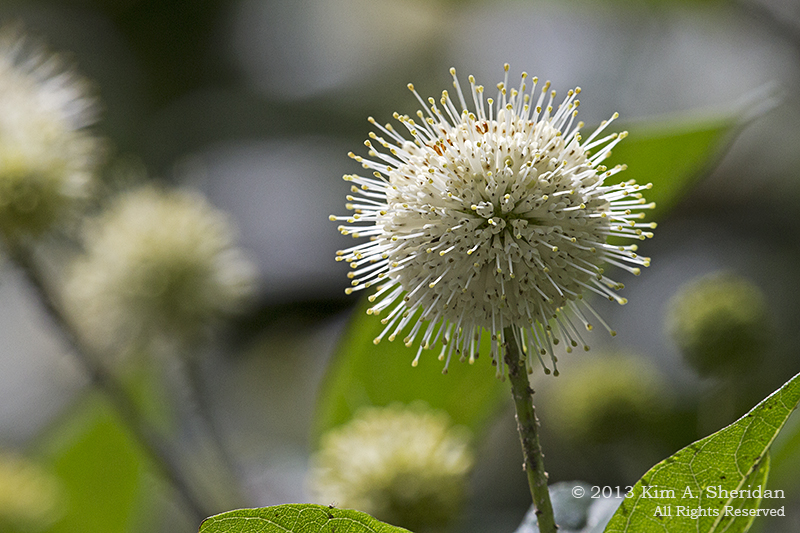
MI Mitchell SP Flower_7242 a Buttonbush (Cephalanthus occidentalis.) A shrub that grows in marshes or on the edge of streams or lakes. It offers nectar to bees and butterflies, seeds for ducks and shorebirds and leaves for deer. Songbirds nest in the plant and small critters like insects, frogs and salamanders use it for cover. In other words, this is a friendly plant! (Thanks to Weed Warrior pal Mike for the identification.)

MI Mitchell SP_7239The observation deck offered a wide view of the marsh. From a distance it looks like a confusing tangle of green, doesn’t it? Look closely and you may see that there are dozens of different plants and shrubs here. Great habitat for wildlife. The Goldfinches sure loved it!

MI Mitchell SP_7264 aOutside the trail was a canal that reminded me of a castle moat. This was home to lots of turtles.

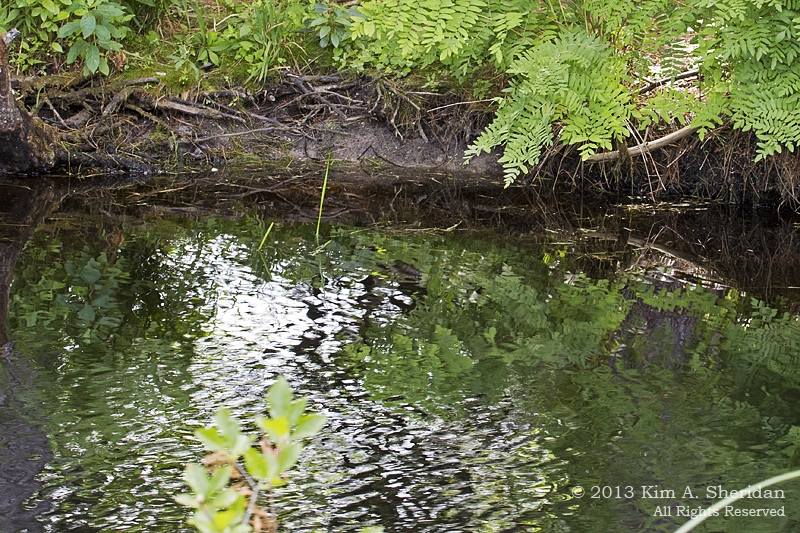
MI Mitchell SP_7246 aFerns reflected in the dark waters of the canal.

MI Mitchell SP_7212 a

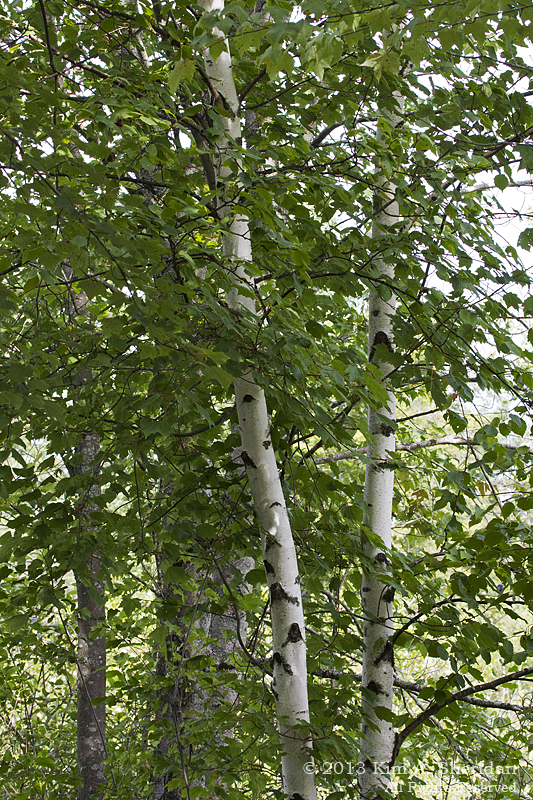
Birch trees. But of course.

MI Mitchell SP_7230 aFUN FACT: This is a secondary growth forest. The original forest of white pine was decimated by logging in the late 1800s, and fire after that. White birch is often called the “fire tree”, because fire exposes minerals that spur the growth of birches, and it’s one of the first trees to reforest a burned area. This is an older birch woodland that is already transitioning to a beech and maple forest.

Young birch saplings often drew nourishment from the old pine stumps and grew up around them. Eventually the stumps would rot away underneath. These weird roots are the result!

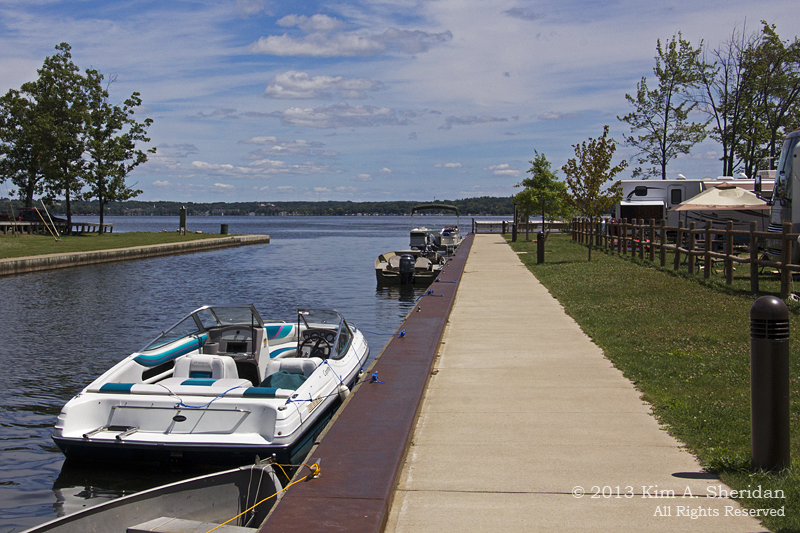
MI Mitchell SP Lake Mitchell_7512 a2Back from the trail, at the more recreation oriented part of the park, here is Lake Mitchell (above), and the Clam Lake Canal (below.) The canal was built in 1873 to float logs between the lakes for the lumber industry, and is a third of a mile long.   MI Mitchell SP Lakes_7529 aMI Mitchell SP Lake Cadillac_7523 aAt the end of the canal, Lake Cadillac.

MI Mitchell SP_7378 aHappy trails!

Coming up: Back in Time: White Pine Village

Michigan’s Natural Heritage: The Ludington Dunes

MI Nordhouse Dunes Lake & Dune_5846 aMy dad told many fond tales of his boyhood summers spent on the shore of Lake Michigan. It sounded wonderful – lakes, beaches and forests – right up my alley. So when my California cousins invited me to join them at the family home in Ludington, Michigan, I jumped at the chance. This is the third summer they’ve opened their home and their hearts to me, and I’ve loved every minute of the chance to spend time with family. And, like my father, grandfather and great-grandfather, I’ve fallen in love with Michigan! During my stay, I’ve taken full advantage of the opportunity to explore the natural areas on the Northwest coast of Michigan’s Lower Peninsula. Of course, I’ve taken enough pictures to fill a multitude of blog posts. So we’d better get started!

Nordhouse Collage 2 This was the first year I got to the Nordhouse Dunes Wilderness Area north of Ludington State Park and Hamlin Lake. Lying within Manistee National Forest, the Lower Peninsula’s only federally designated Wilderness Area encompasses 3450 acres of forest, dunes and interdunal ponds and marshes. The dunes were formed nearly 4000 years ago and can range as high as 140 feet. The Ludington Dunes Ecosystem has the largest area of fresh water interdunal ponds in the world. So why is it that every pond I’ve seen between the dunes in the last two years has been dry? Drought has taken its toll, on the ponds and the critters that live in them.

MI Nordhouse Dunes Marsh_5826 aOn the way to the trail-head, I drove through Manistee National Forest along a gravel and dirt road. Along the way, I stopped to check out the marsh area of Hamlin Lake (above) and the pine woods surrounding it (below). Notice how the trees grow in straight rows close together. This is a pine plantation, an area of pines planted for reforestation after the original trees were cleared in the logging boom of the late 1800s. Naturally-growing forests don’t look like this.MI Nordhouse Dunes Tree & Trail_5833 a

The trails through the Wilderness Area are legion, and as they say, “minimally signed.” Meaning, there are NO markers. Navigation even with a map is tough, as there are numerous social trails and wildlife paths not shown on the map. I tried to take the one trail that had trail markers, only to come to an intersection of four trails where the only marker pointed back the way I came! So, I obeyed it, and went back the way I came. Never let it be said I don’t do what I’m told.

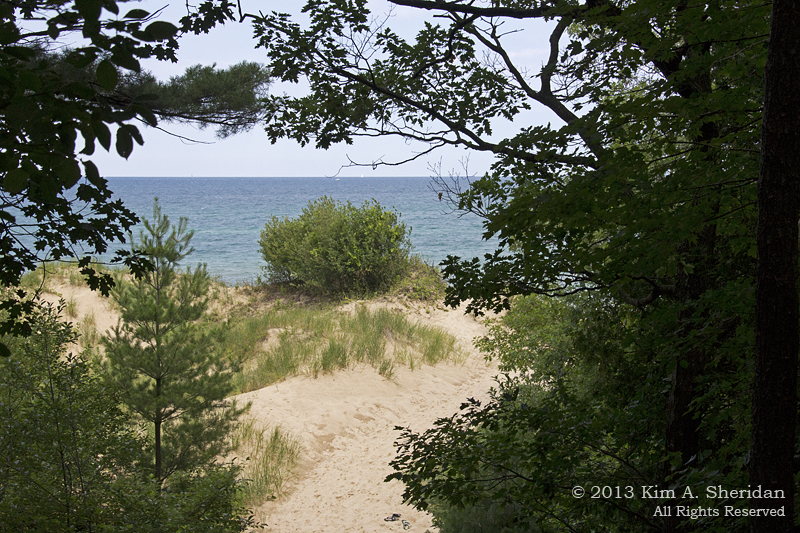
MI Nordhouse Dunes Lake & Dune_5838 aMI Nordhouse Dunes Tree & Trail_5883 aMost of my hike went along a trail that paralleled Lake Michigan, along a wooded ridge above the lake. This was easy to follow without getting lost, and offered some great “peek-a-boo” views of Lake Michigan (above). At the edge of the trail, the side of the ridge dropped steeply away to the dunes 100 feet below. Not the place to search the treetops for birds while you are walking! Birch trees are numerous among the hemlock, beech, maple and pine trees of the forest. Birches are my all-time favorite tree; I can’t resist photographing their beautiful white trunks again and again.

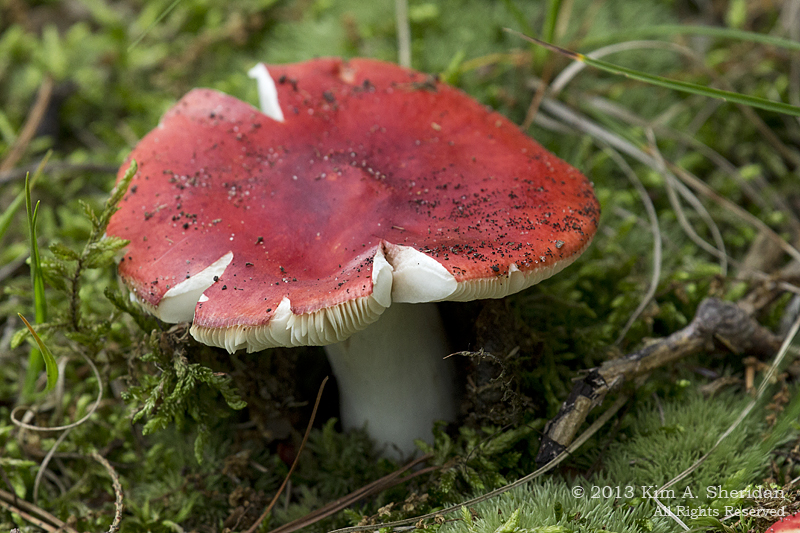
MI Nordhouse Dunes Mushroom_5869 aI’m sure I saw a tiny fairy peek out from under the cap of this mushroom. Didn’t you?

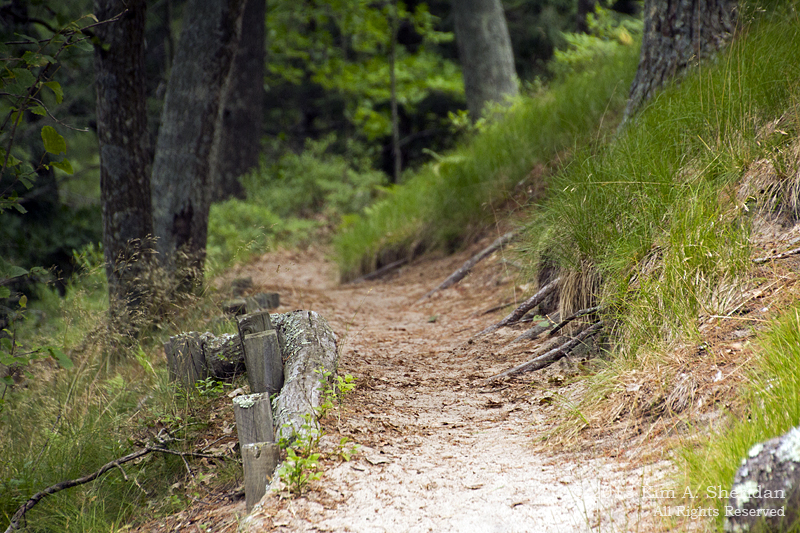
MI Nordhouse Dunes Tree & Trail_5926 aThe Road goes ever on and on…

Ludington Collage 3Ludington State Park is nearly 5300 acres of sand dunes, ponds, wetlands and forests on a strip of land between Lake Michigan to the west and Hamlin Lake to the east. It’s a popular place for boating, fishing, swimming and camping. The black and white striped Big Sable Lighthouse stands guard at Big Sable Point and offers a wonderful view of the dunes, woods and lakes to those who climb it, as I did last year. The eight trails winding through the varied habitats of the Park are what keep drawing me back year after year. This year I tackled the Lost Lake and Island Trail, which follows a wooded sand dune ridge along Lost Lake before turning toward Hamlin Lake and returning through marshlands over a series of small islands.

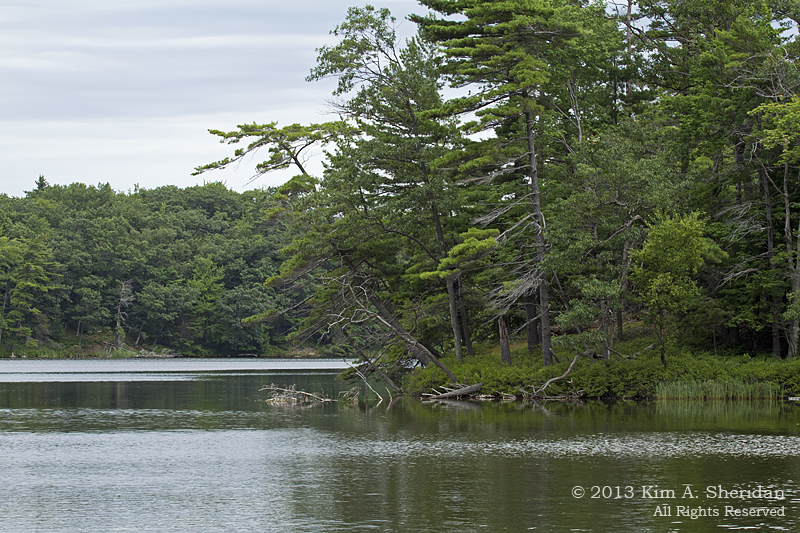
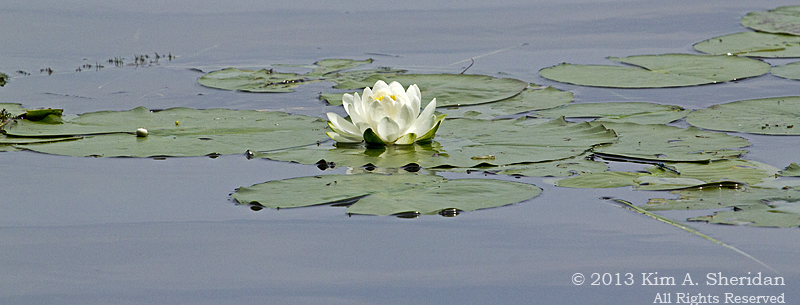
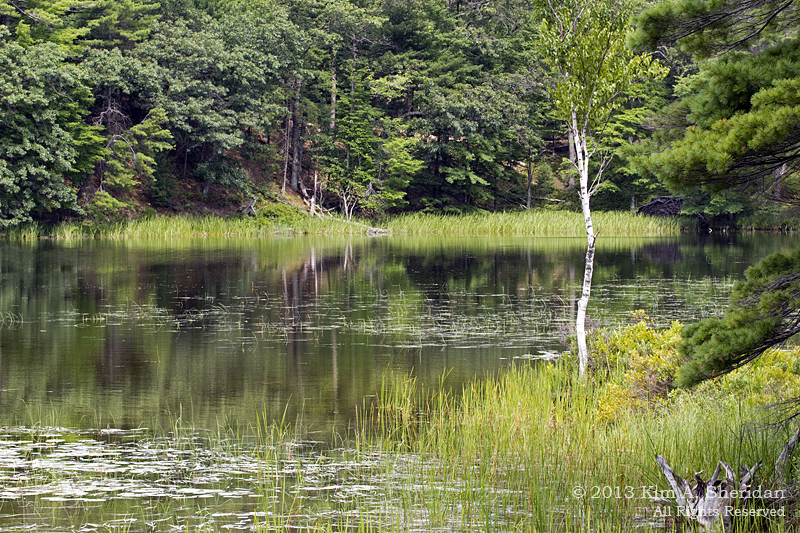
MI LSP Lost Lake-Island Trail_5992 aLost Lake (above) and water lily (below).MI LSP Lost Lake-Island Trail Flower Tree_6467 a

Views of Lost Lake. MI LSP Lost Lake-Island Trail_6188 a MI LSP Lost Lake-Island Trail Flower Tree_6037 a

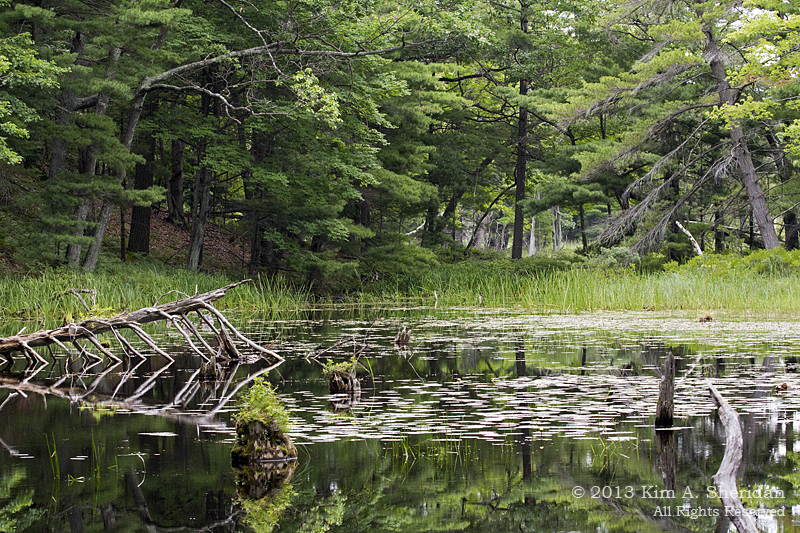
MI LSP Lost Lake-Island Trail Flower Tree_6196 aMI LSP Lost Lake-Island Trail Flower Tree_6175 aMI Ludington SP_6257 a2Hamlin Lake is man-made, created in 1856 as a holding pond for logs awaiting processing at Charles Mears’ sawmill. Subsequent dam collapses wiped out the village of Hamlin, and the lumber mill closed. But the lake was becoming popular for recreation, and a new dam was built in 1914. The shoreline is dotted with old tree stumps, often with grass or tiny trees growing on them (above). Nature’s version of gardening in miniature. It amazes me where things will grow.

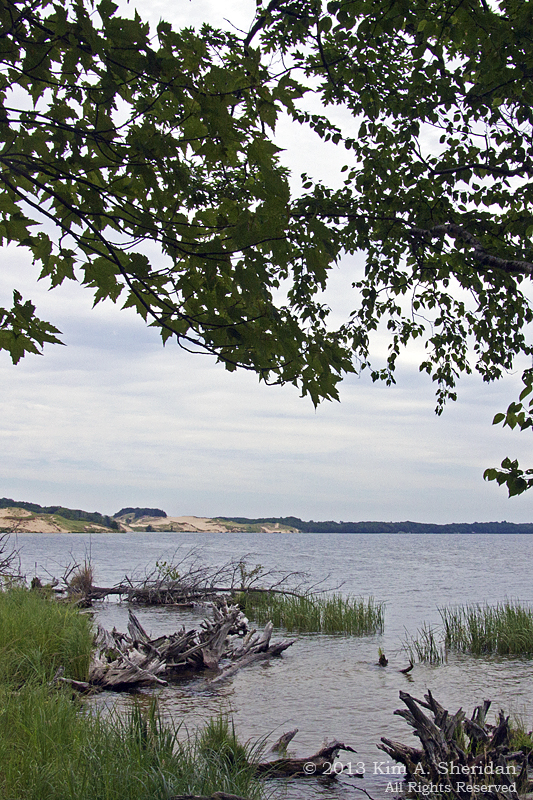
Sand dunes line the shore of the Hamlin Lake (right).

See? I can’t resist birch trees. Here’s why – white tree, green leaves, blue water. Can’t you just feel the breeze brushing your face here in the shade?MI LSP Sable River Trail_7179 a

Coming up: Michigan’s Natural Heritage: Cadillac Marsh

Independence Day II: A Morris Mosaic

2 Morris Plant_4809 aAfter our ramble through the Wissahickon, and lunch in an air-conditioned restaurant, my friends and I were refreshed enough to take on the Morris Arboretum in Chestnut Hill.

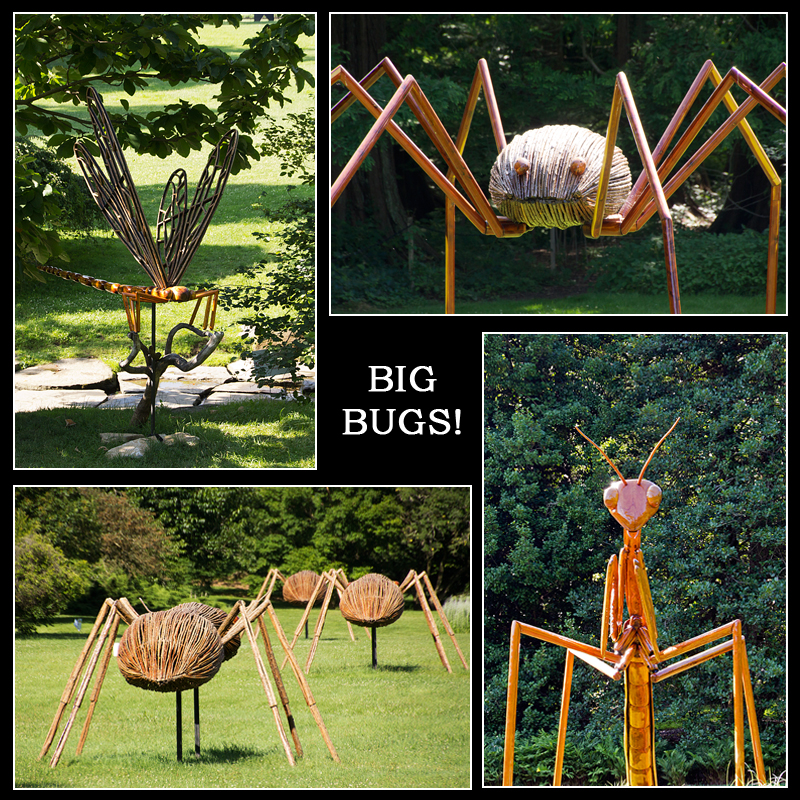
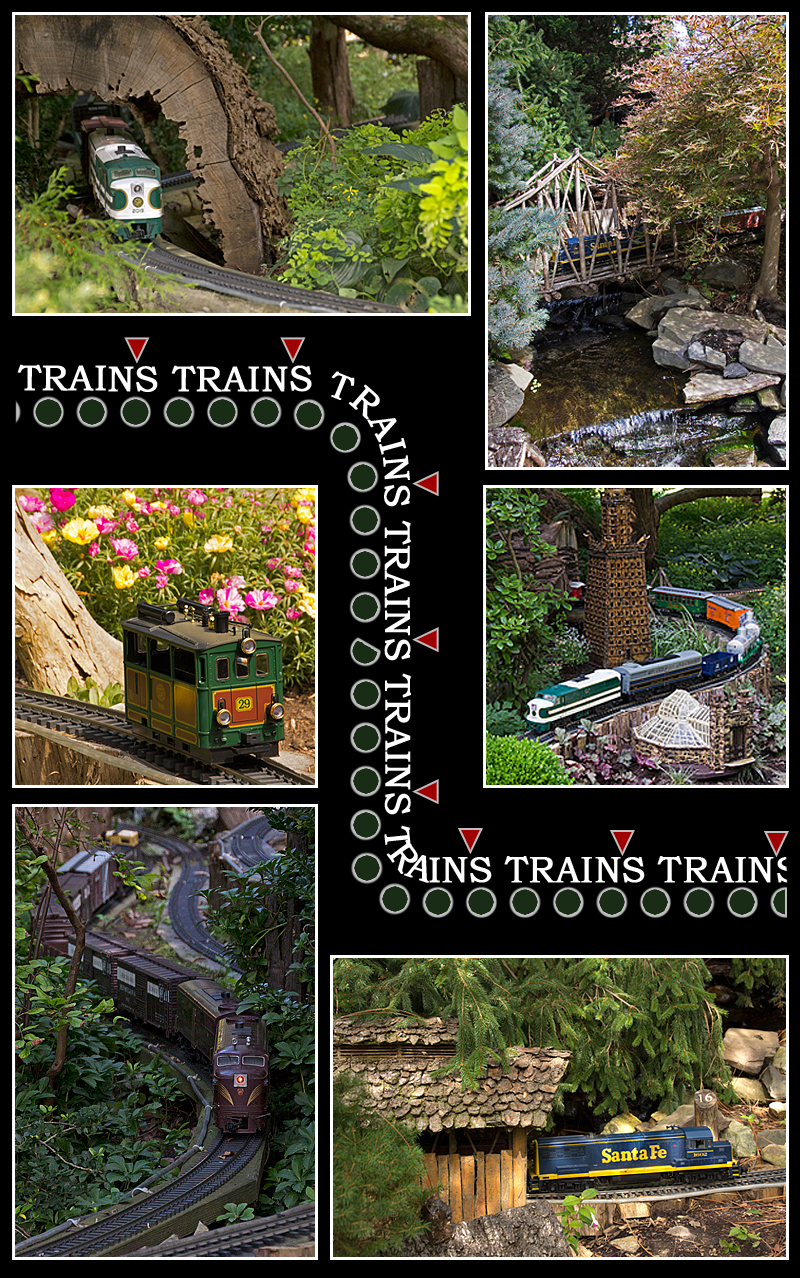
Originally a summer estate, it became part of the University of Pennsylvania in 1932.Besides a wealth of trees, plants and flowers, every summer the arboretum hosts a wonderful garden railway. In addition, this year it is also hosting the BIG BUGS! exhibit. Arboretum Collage White2 Morris Plant_4854 aBug CollageMorris Arboretum_6487 aTrain CollageMorris Arboretum_6769 a

Coming up: Natural Abstraction

Independence Day I: Wissahickon Wanderings

or

What I Did On The Fourth of July

1 Wissahickon_4690 aThis year ranked as one of my more unusual Independence Day holidays. Several Refuge friends and I went exploring in Fairmount Park and then the Morris Arboretum.

Fairmount Park in Philadelphia is the one of the largest urban park systems in the US, and spreads throughout much of the city. The 1800 acre portion along the Wissahickon Creek, known as the Wissahickon Valley, is actually a gorge, with the wooded slopes rising nearly 200 feet above the Creek. It’s as close to wilderness as one could be in a big city.

Our primary goal here was to see the Thomas Mill Road Covered Bridge. To reach it we took a long, easy walk down Forbidden Drive.

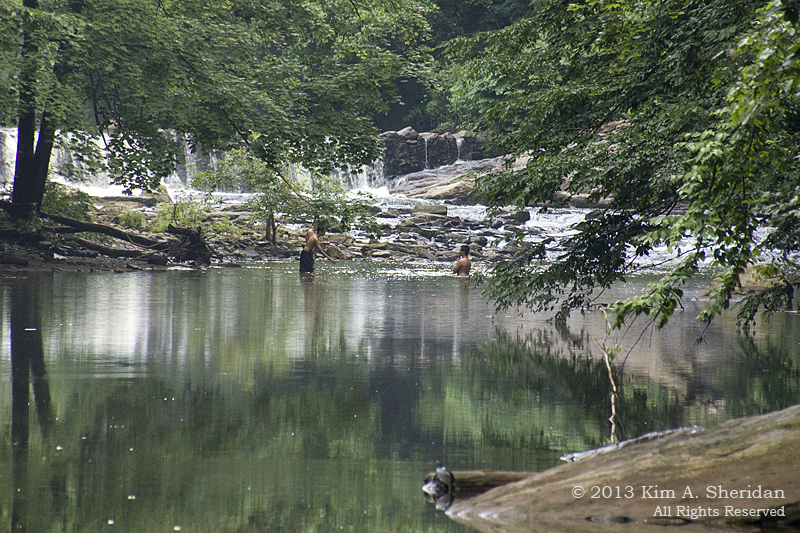
1 Wissahickon_4480 aKids swimming in the Creek. It was hot and humid, and later in the day I really wanted to join them.

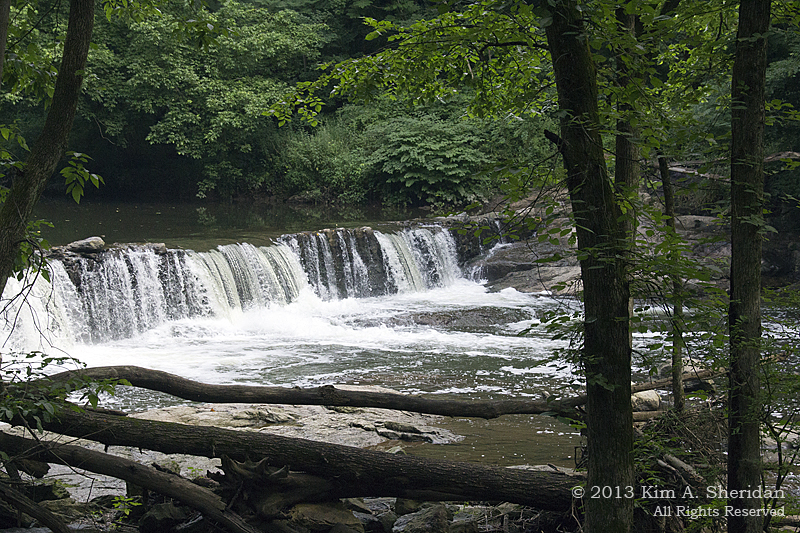
1 Wissahickon_4487 aOne of the remnant dams along the Creek. The dams supplied water to run the waterwheels of the lumber, paper, and grist mills that once populated the Valley.

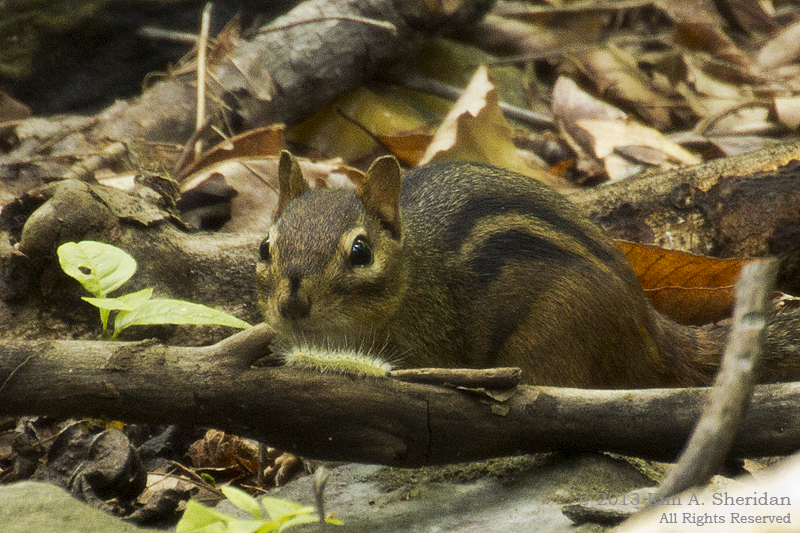
Wissahickon Valley Chipmunk_4533 acs  “Oh look – lunch!”

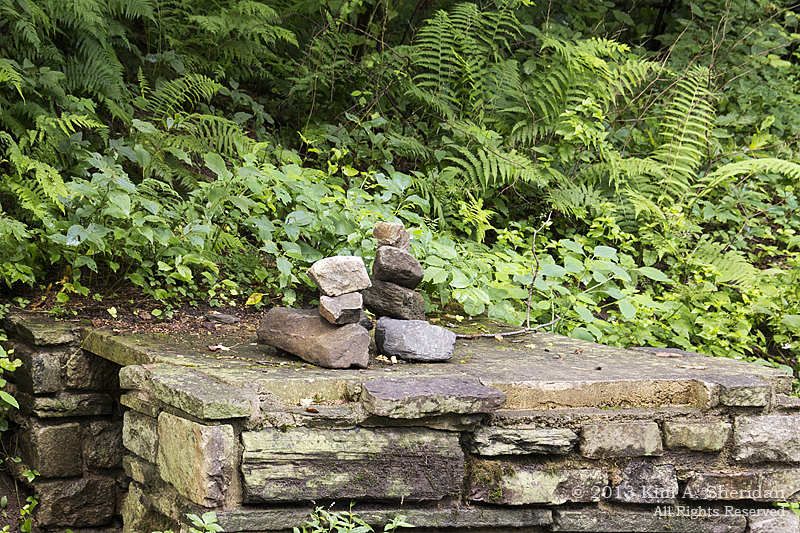
1 Wissahickon_4500 acsTrail art, by humans.

ButterfliesI spent some time trying to persuade at least one Eastern Tiger Swallowtail butterfly to be still long enough for a picture. Didn’t have much luck.
1 Wissahickon_4570 a More trail art. Courtesy of Mother Nature this time.

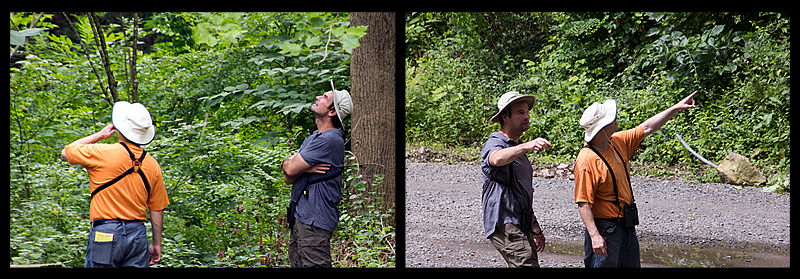
When you walk anywhere with the botanically-inclined, you can expect frequent discussions on the identity of this or that plant. Here’s Robb (in orange) and Jeff arguing, ahem, discussing the identification of a tree.Jeff & Robb“This tree over here?” “No! THAT tree over THERE!”

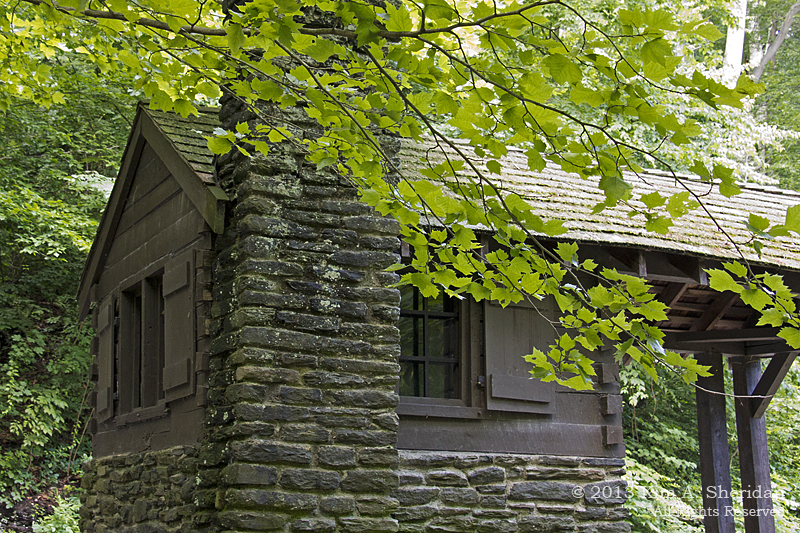
1 Wissahickon_4545 aReally cool old building, originally part of a nearby mill, but rebuilt by the Works Projects Administration (WPA)  in 1938. They were used to shelter the Fairmount Park Guards who once patrolled the park.

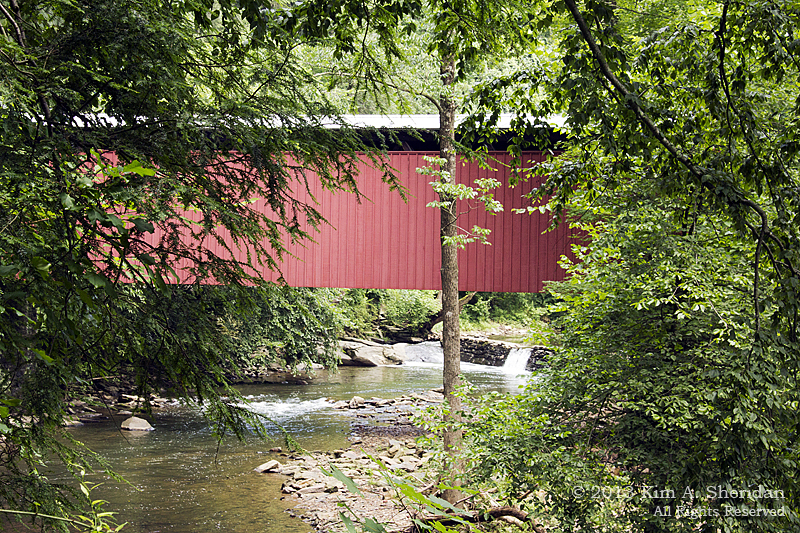
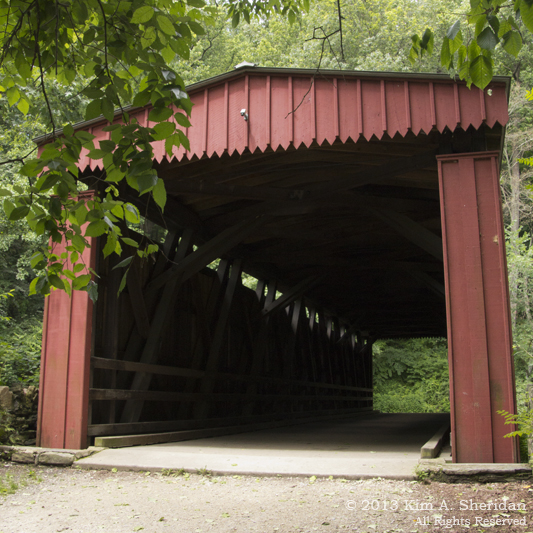
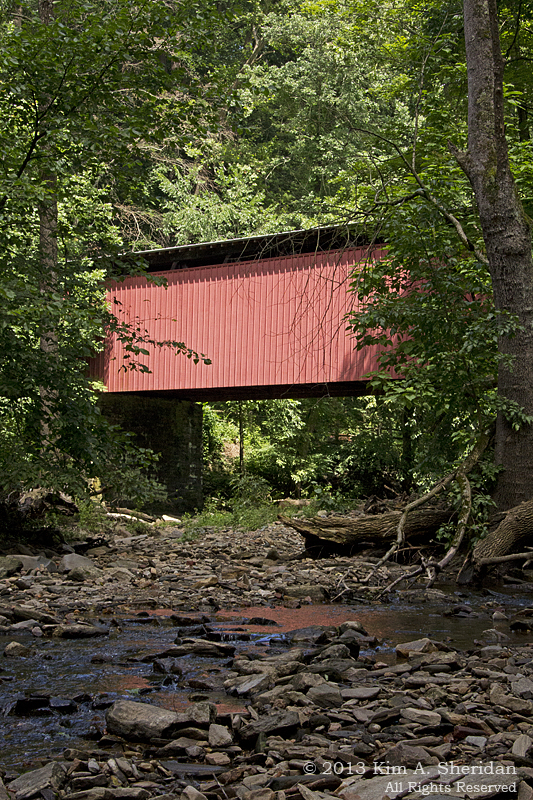
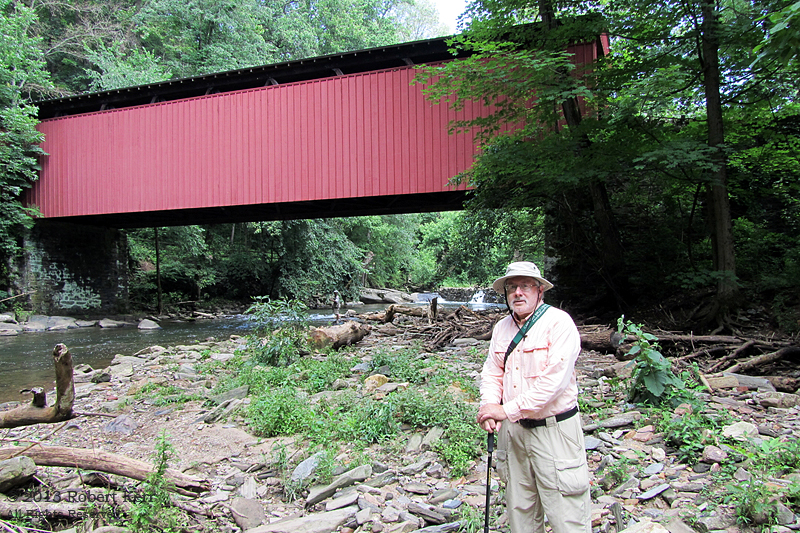
1 Wissahickon_4710 1 Wissahickon_4719 a Ahhh! At last! The Thomas Mill Road Covered Bridge.

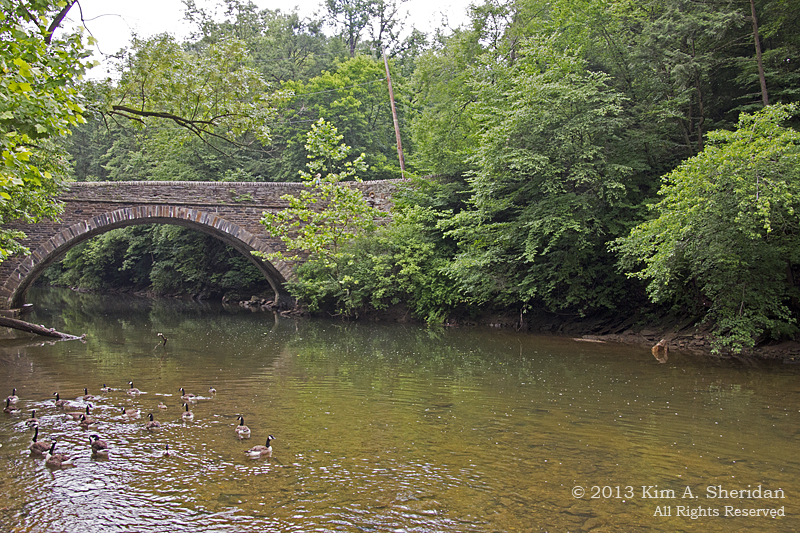
It was built in 1737, and restored by WPA in 1938. It’s the last covered bridge in the Valley, and the only covered bridge in a major U.S. city.

There’s something picturesque about a covered bridge. I think it’s the play of red against the green foliage.

Aren’t all covered bridges red?

Here’s Don, looking every bit the bold explorer, in front of the bridge.covered bridge acs

We crossed over the Creek here, and came back to Valley Green via the trail. A totally different walk. Where the Forbidden Drive was wide, the trail was narrow; where it was flat, the trail climbed sharply up and down; where the Drive was crowded with bikers and runners and horses, the trail was – well, not empty, but certainly less crowded.
Our goal along the trail side of the Wissahickon was “The Indian”. The Valley was once the home of the Lenni-Lenape people. In 1902, after they were long gone, a 15 foot high sculpture was erected in their honor. It depicts a Lenni-Lenape warrior, kneeling and shading his brow as he watches his tribe depart from the region. Of course, the artist couldn’t be bothered to differentiate among the traditions of the various Native American nations that lived here. Which is why an Eastern Woodland Indian is wearing a Western Plains Indian headdress.
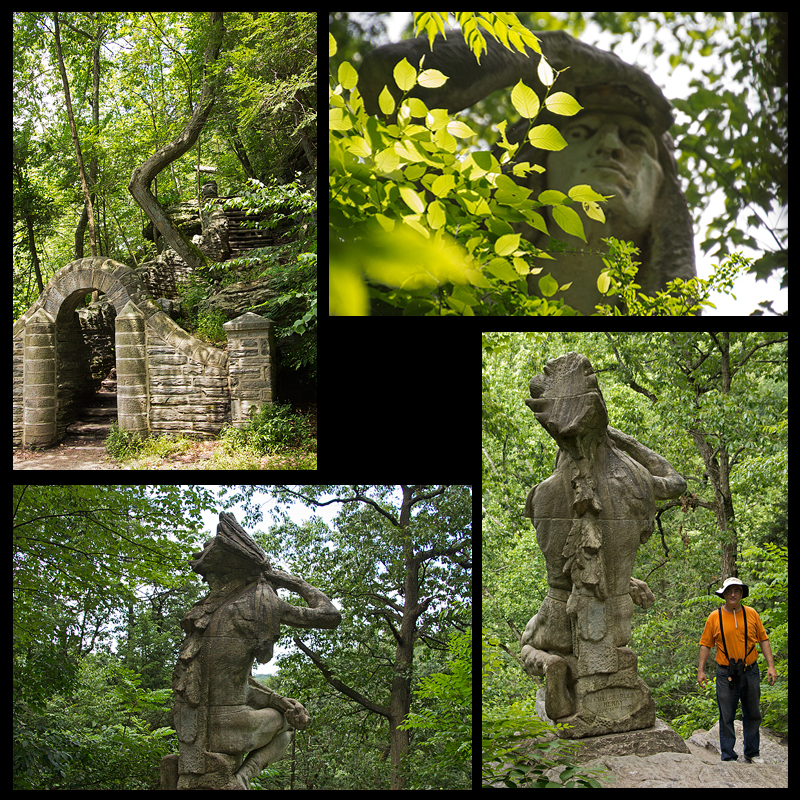
On the Forbidden Drive side we’d come upon a sign marking the Indian statue, placed high up on the far bank of the creek.  The only trouble was, we couldn’t see the statue for the trees.

With the help of some other trekkers, we found the pathway to the Indian.This was a short but tough trail that went straight up; you get some idea of the steepness of the Gorge from this set of stairs. We found ourselves below the base of the statue. This was a great view, and I wanted a great shot, but as you can see but I blew the focus. Oh, well, I will just have to go back.Indian collageUp at the top we got a perspective I am quite familiar with from my wildlife photography – the rear end. Here you can see that the statue is slightly more than two Robbs high. And since the Indian’s kneeling – well, that’s one big Indian.
Leaving our friend, we discovered a much easier path back down to where the main trail awaited. Wish we’d known that before!  From here back to the car, the trail got tougher, as we needed to clamber over roots, tree trunks, rocks and even small streams. A couple of times I found it easier to slide on my bum. Eventually we made it back to Valley Green, where another adventure awaited – finding a restaurant that was open on the Fourth of July.

1 Wissahickon_4471 aMy dad grew up very close to the Wissahickon Valley in the 1930s and ’40s, and spent a lot of time there. And told me a lot of tall tales from his boyhood. This first visit just made me more determined to see more of the area he knew so well.

Coming up: Independence Day II: A Morris Mosaic

Photo of Don courtesy of Robb Kerr

Historical information courtesy of the Friends of the Wissahickon  http://www.fow.org/about-park

The Critter Radio Sports Update

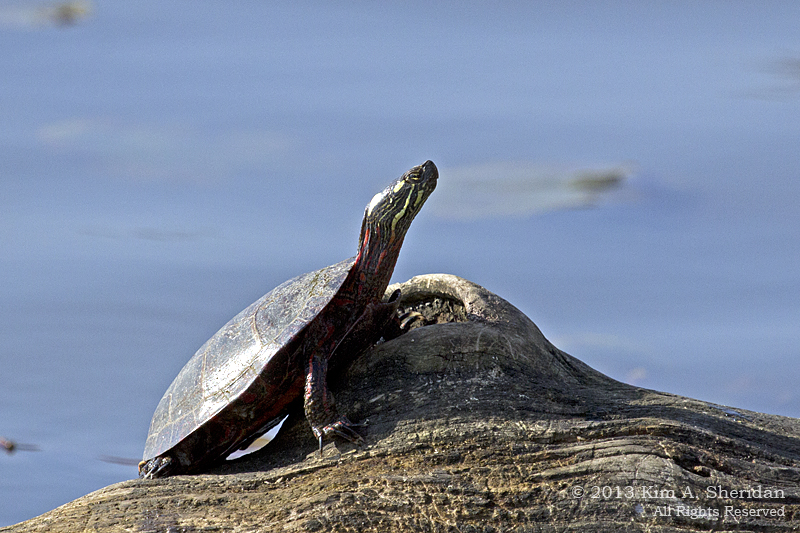
HNWR Painted Turtle_6615 aHey, hey, hey sports fans! This is Shelly Zuppa with your sports update here on KRTR 99.9 FM – Critter Radio. Today we have a real treat for all you sports fans – live coverage of yesterday’s hotly contested Herp Swamp Hockey match. Nothing like the timely coverage you’ll get here on Critter Radio! Let’s throw it over to our play-by-play announcer.

Hi, folks, I’m Myrtle Turtle the Dapper Snapper, and welcome to the Marsh Arena. For the Herp Swamp Hockey novices out there, let’s review the game. The league is restricted to herps – reptiles and amphibians, in other words. No fish, no fowl. No rules, no referees, no holds barred. Four teams for all the marbles, competing on land and in water.

HNWR_5624 a Looks like we’re all set for the match to start. The crowd is trembling with anticipation…

HNWR_9701 a…as their favorite players from the Tinicum Turtles take the field.

CM Higbee Beach_9885 aRight off the bat, the Higbee Beach Fence Lizards take the offensive by going on defense. These guys would lead the league if the game were Freeze Tag. At the first whiff of an opponent, they become motionless. “If I don’t move – you can’t see me!” is their battle cry.

HNWR Snake_7379 ACSThe strategy must have worked, because we can see they’ve got this Garter Snake player from Serpents United on the rocks.

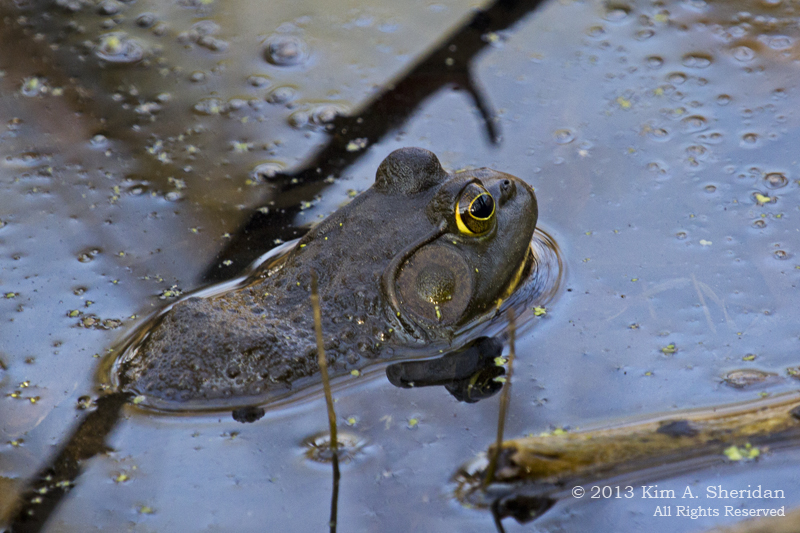
HNWR Bullfrog_7722 ASMeanwhile, this American Bullfrog is mired deep in his own zone. Maybe water polo is more his game.

HNWR Tadpoles_5187 aHalftime entertainment keeps to the water with a nice display of synchronized swimming by three baby fish. Yes, folks, there’s nothing we Snapping Turtles like better than a good fish fry. Or three…

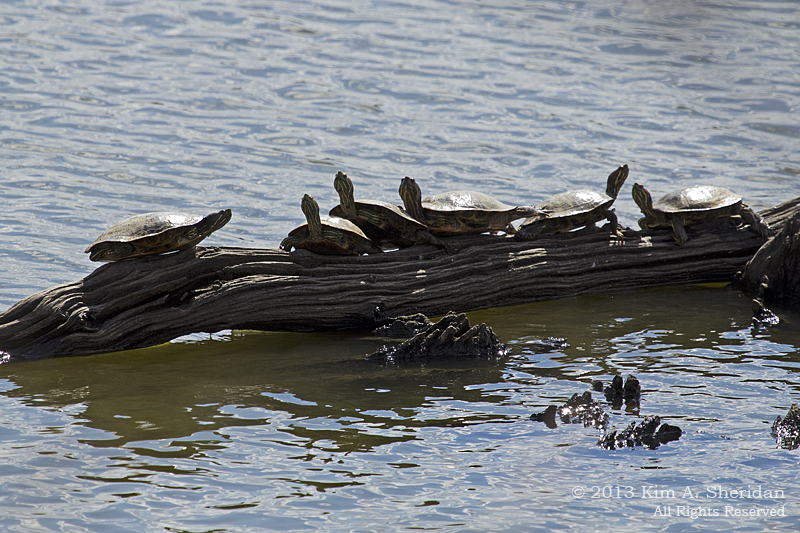
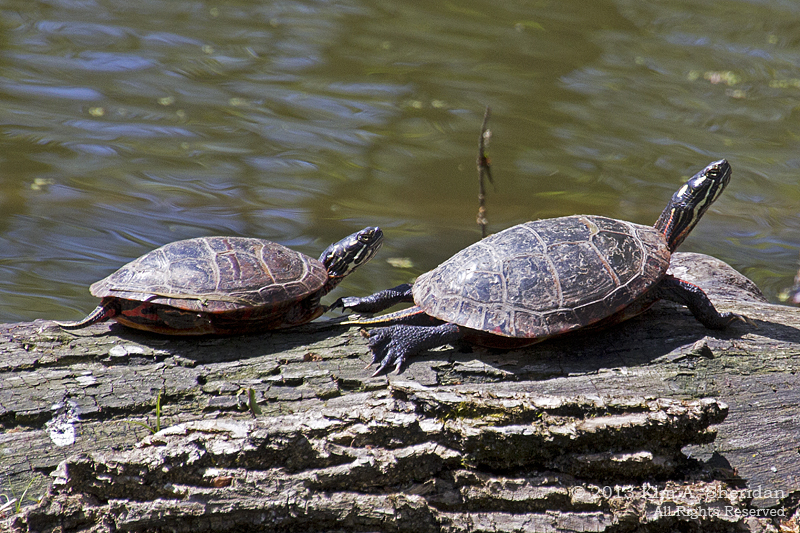
Tinicum_6389 Alt 2 AS OrigBack to the action, these Painted Turtles from Heinz seem to have been benched. The Tinicum Turtles try to overwhelm other teams with sheer numbers, but spend most of the game sunning themselves on the sidelines. It’s enough to make a fellow turtle weep.

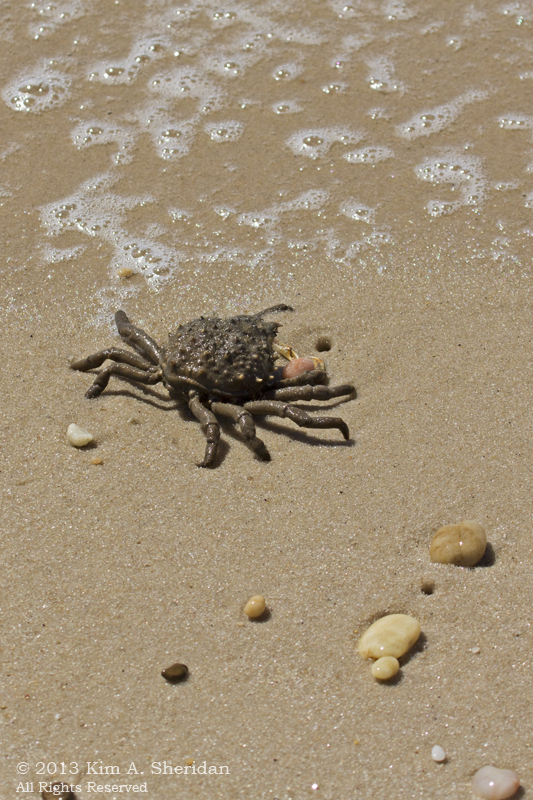
CM Higbee Beach_9945 aWait, folks, what’s this… There’s a Spider Crab on the field and creeping away with the ball… Oh my gosh, we have a streaker! Don’t look, Ethel!

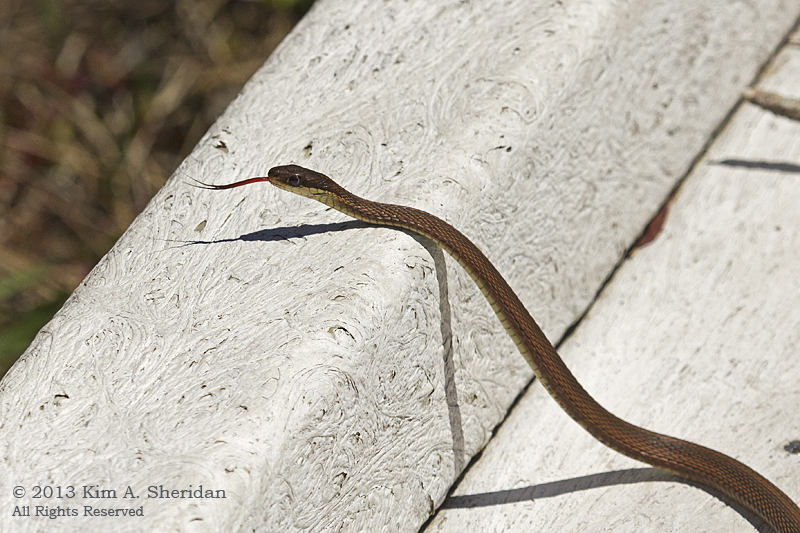
CMPSP Snake_9767 aThe Cape May fan contingent is not happy with this turn of events, as a Ribbon Snake shows his displeasure.

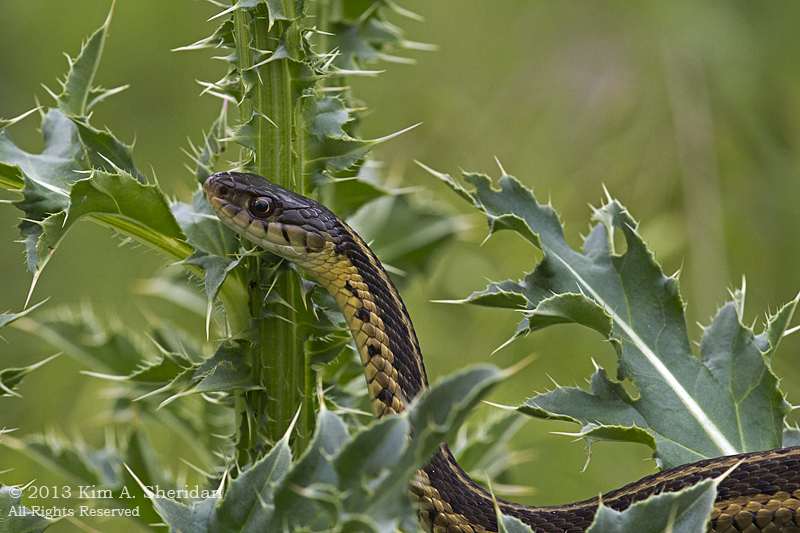
HNWR_2233 aWith time running out, Serpents United have taken a risky strategy by sending a Garter Snake player deep into the opposition’s Thistle to try to score. It’s a highly unusual place for a snake – but…

CM Higbee Beach_9942 aYES! He scores!

GOOOOOAL!

And the Serpents take the match!

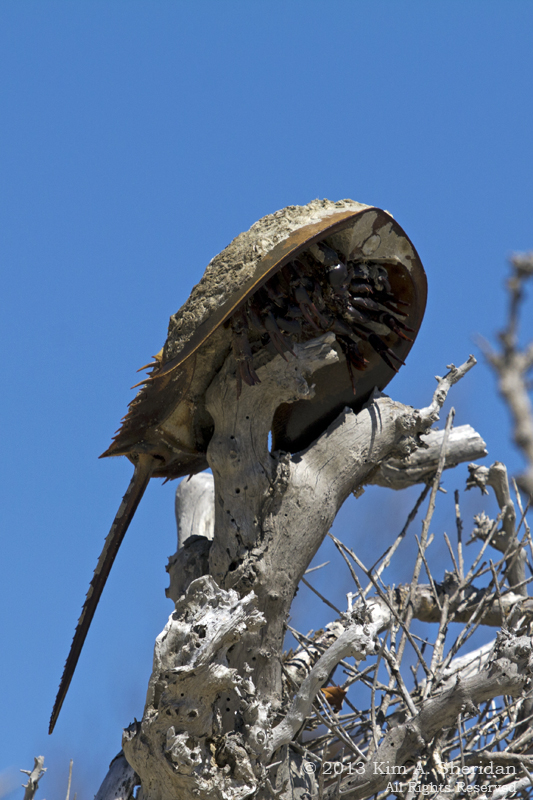
Well, folks, it’s all over but the shouting. This Horseshoe Crab spectator seems overwhelmed with emotion. What an exciting game!

The rematch is bound to be a barn-burner. Be sure to tune in again to catch all the action right here on KRTR Critter Radio.

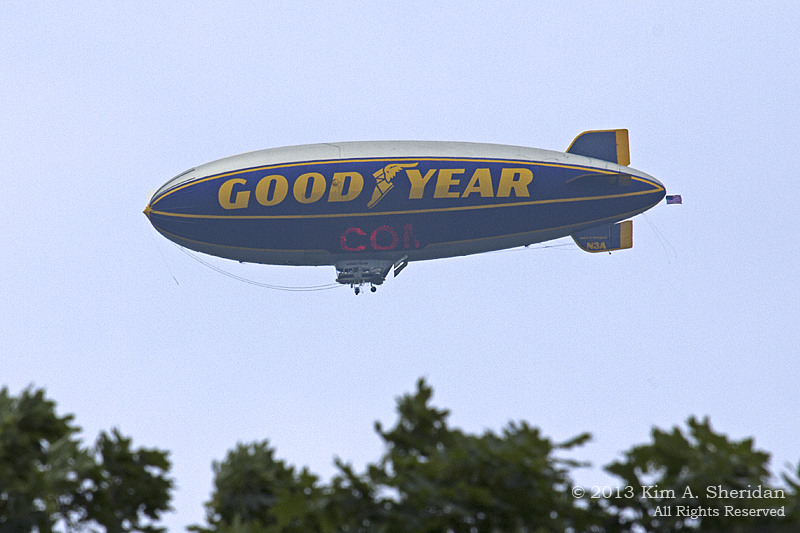
Blimp_3787 a copyI’m Myrtle Turtle the Dapper Snapper from the Marsh Arena – good night!

Aerial coverage provided by the Goodyear Blimp.

FUN FACT: Most crabs that walk on land do so sideways, but the Spider Crab usually goes forward. It’s particularly fond of draping itself with all sorts of adornments, including living sea plants, bits of shell and other oddities. Presumably this is for concealment, but maybe the crab’s just really fashion forward!

Coming up: Independence Day: Wissahickon Wanderings