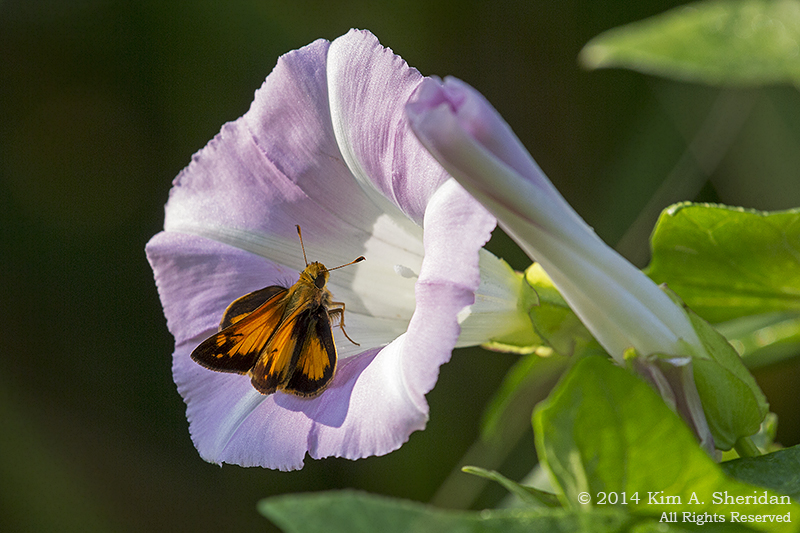
Skipper butterfly, John Heinz National Wildlife Refuge at Tinicum, PA
Cabbage white butterflies, Heinz NWR
Zebra swallowtail, Elk Neck State Park, MD
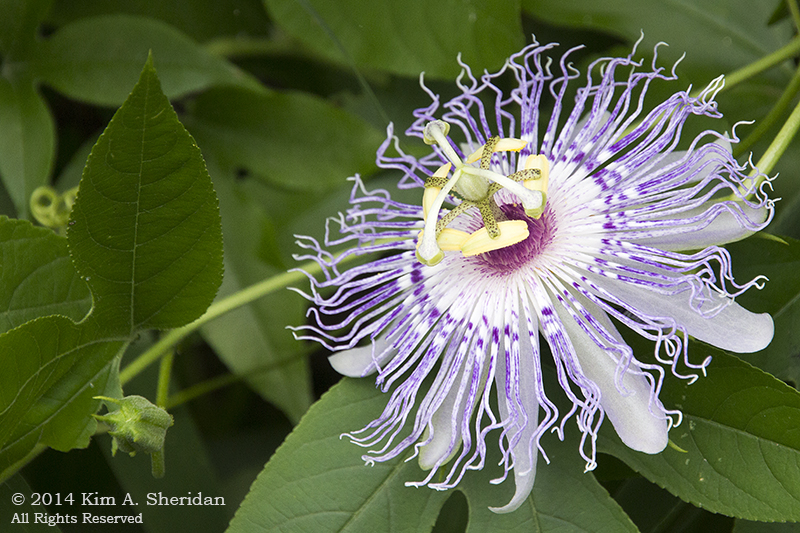
Passion vine flower, Bartram’s Garden, PA
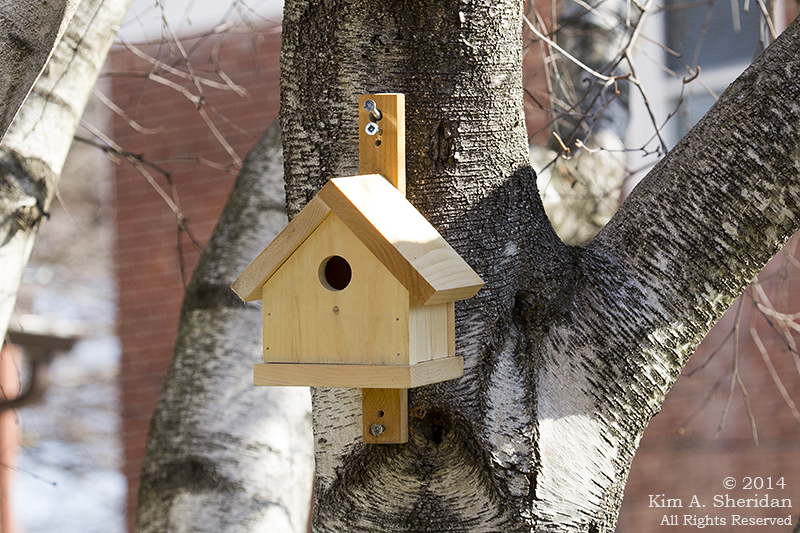
April 1: FOR RENT – CHEEP!
One room condo, great location, close to schools, kind landlady. Perfect for growing family! House sparrows need not apply.
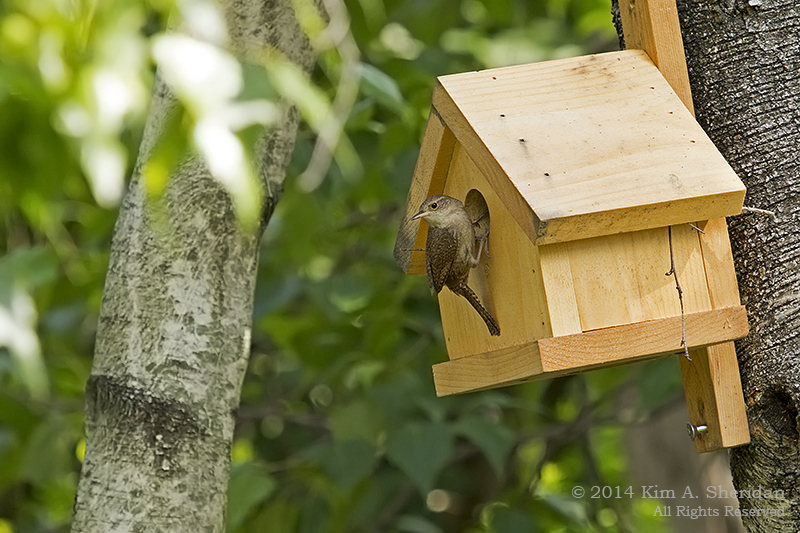
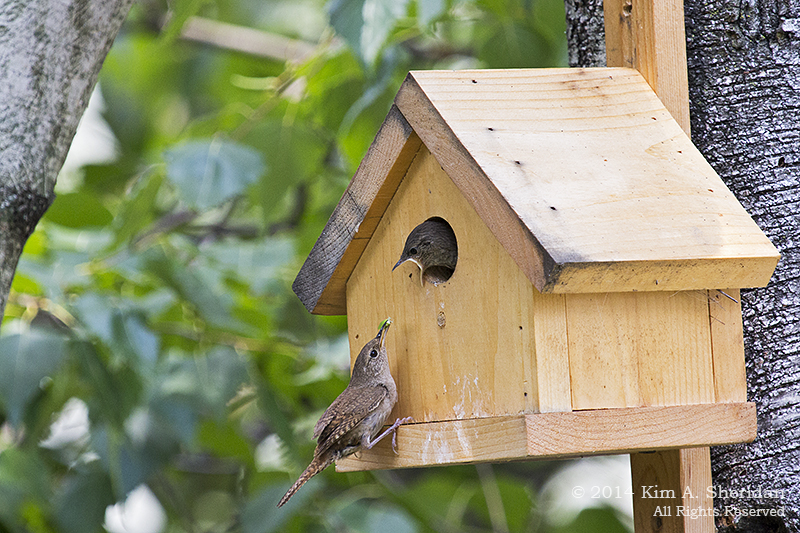
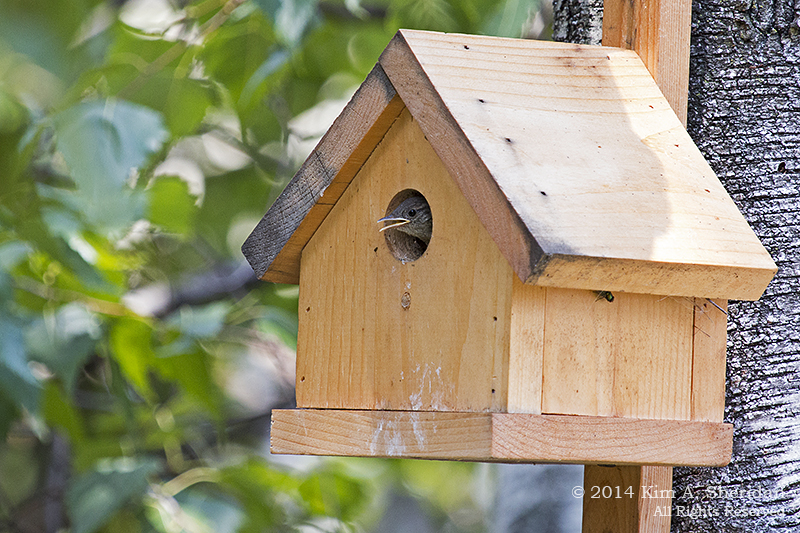
July 21: I’m a baby bird hostess again! Finally there are baby wrens in the nest box. Can’t see them, but I hear their chatter when a parent comes in with food.
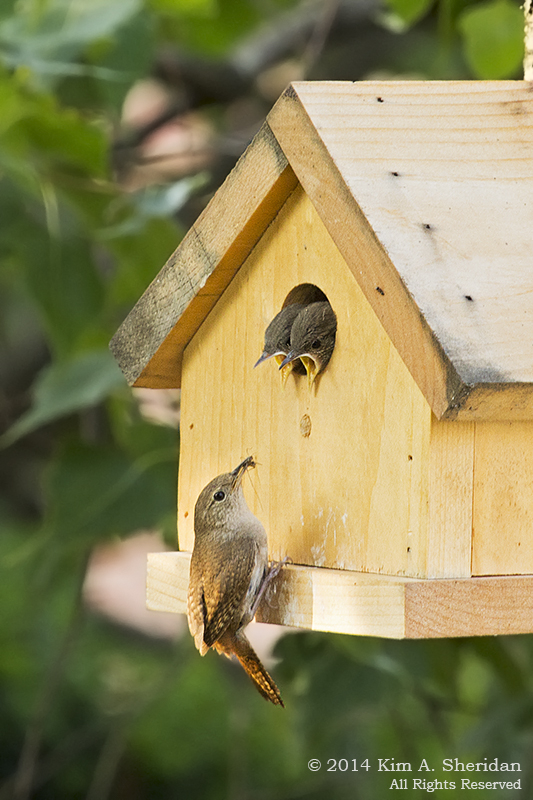
July 26: Feed me!
July 27: No dessert until you eat your bees!
There are at least 3 baby wrens in my box.
July 28: It’s a big wide world out there, little one. Are you sure you’re ready?
Apparently so, my wren babies have left the nest box!
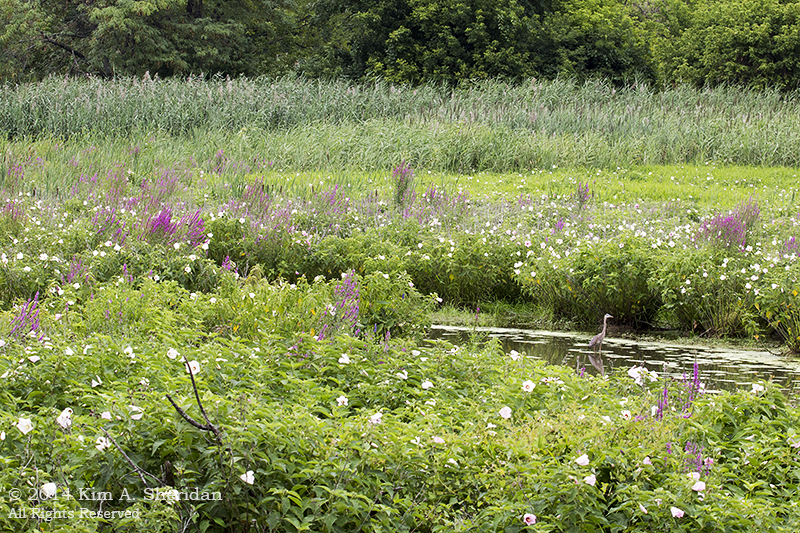
July 29: Meanwhile, back at the Refuge…other baby wrens are out of the nest and being fed by other harried parents.
The always amazing Circle of Life.
Up North: more than a location, it’s a distinctly Michigan state of mind. At once relaxed and adventurous, and in tune with the natural beauty of the land.
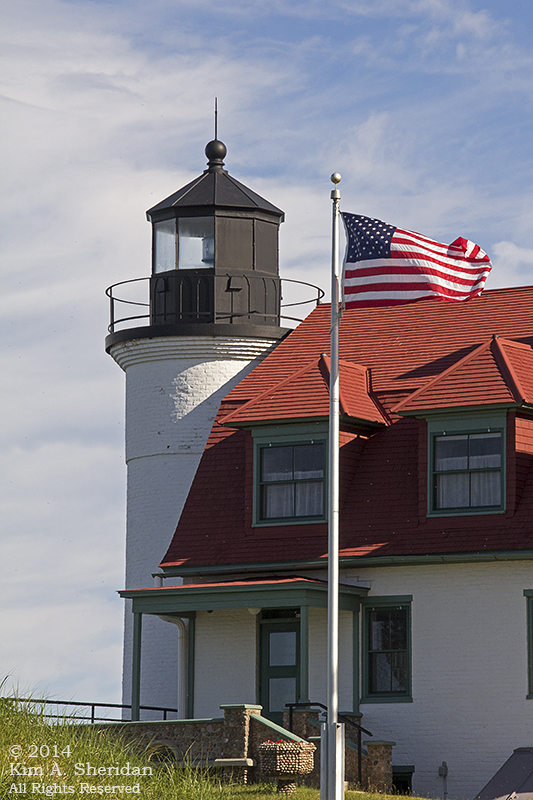
No time in Michigan would be complete without a road trip to Sleeping Bear Dunes National Lakeshore, the beating heart of Up North.
This year, however, I expanded my northern Michigan horizons beyond Sleeping Bear.
I traveled the scenic byway of M-22 from Manistee to Leland, covering 76 miles of its 116-mile length.
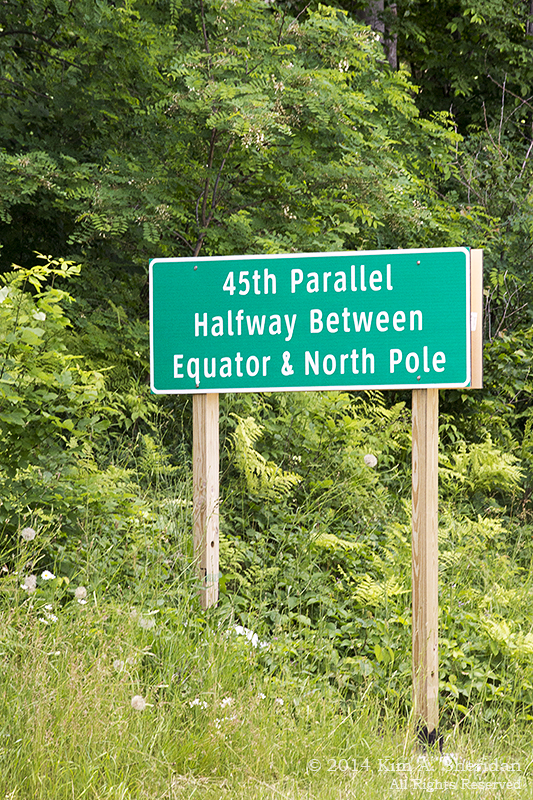
Just south of Leland, I crossed the 45th parallel, which I can say without doubt is the farthest north I have ever been.
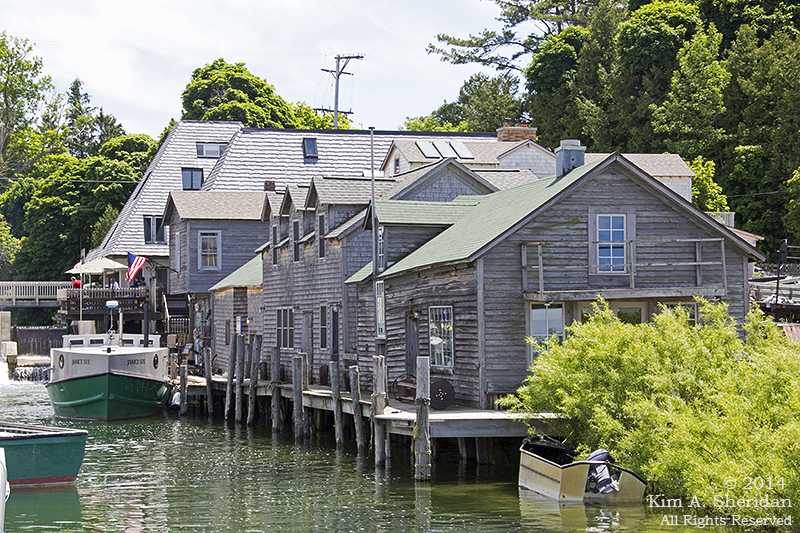
Along the mouth of the Leland River lies Fishtown, a collection of preserved rustic fishing shanties. Most now house quaint shops, but Fishtown remains an active working waterfront. The weathered walls of these shanties have withstood many years of Michigan’s brutally harsh winters, and they wear their tenacity proudly.
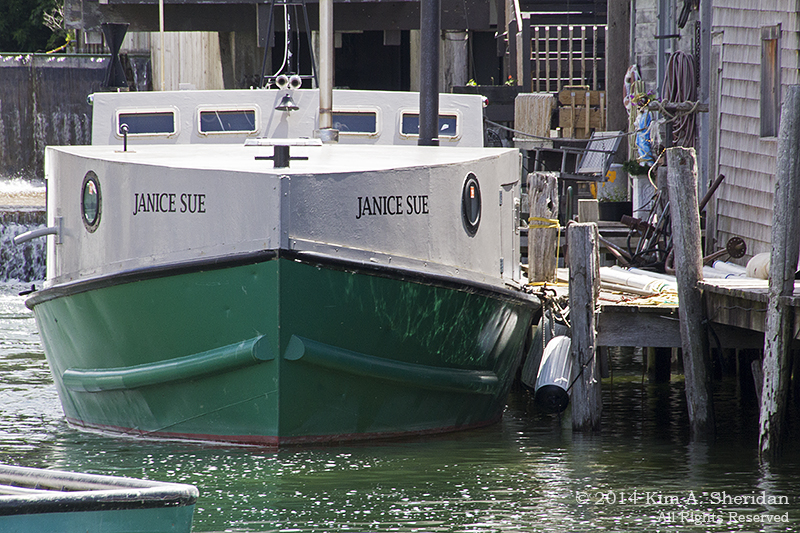
The Janice Sue is one of two vintage fish tugs still actively working among more modern vessels, while serving as a symbol of the village’s fishing heritage.
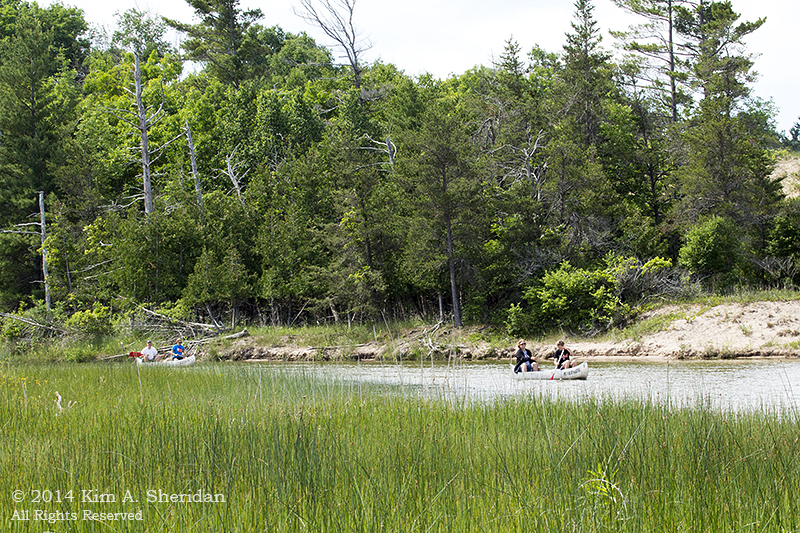
The main attraction Up North is Sleeping Bear Dunes. My first stop was the Platte River, just north of Point Betsie in the southern end of the National Lakeshore. Doesn’t this look like fun? These canoeists are close to the end of their journey, at the mouth of the river where it joins Lake Michigan.
There’s a lot of ground to cover Up North, and lots to see. My legs needed stretching after all that driving, and the Alligator Hill Trail fit the bill perfectly.
Sunflowers graced the small meadow at the trail head, and small bugs graced the sunflowers.
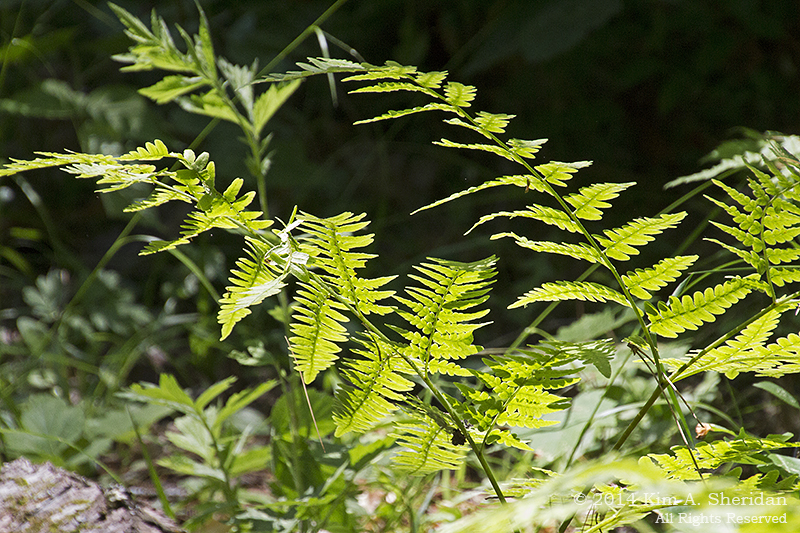
Early on, the trail wound through birches and white pines, underlain with a carpet of ferns. As the path climbed the hill, the forest grew darker and deeper, with beech and maple trees replacing the birches and pines.
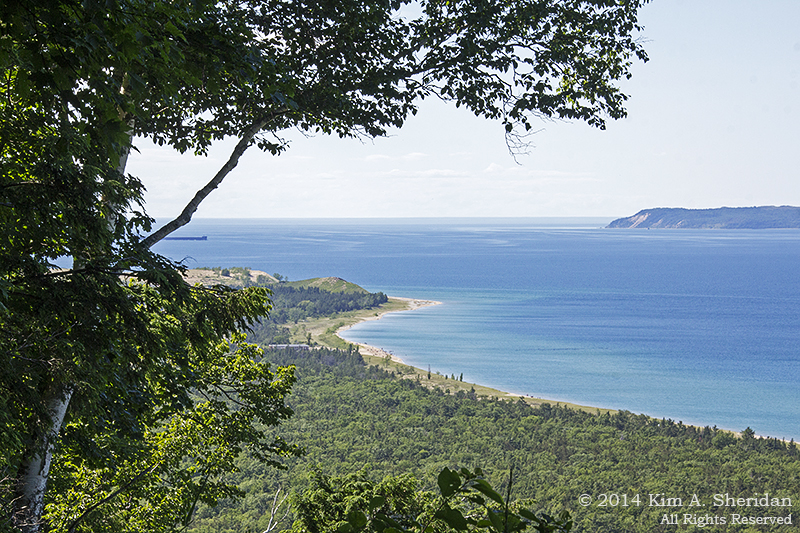
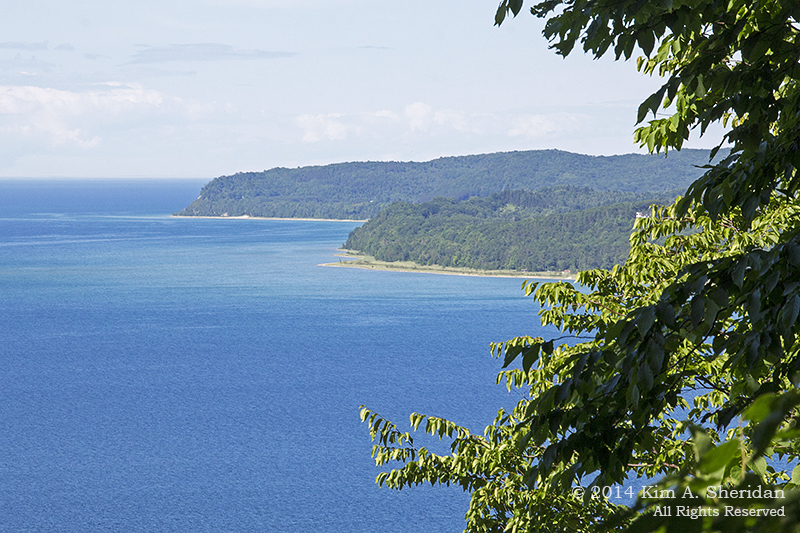
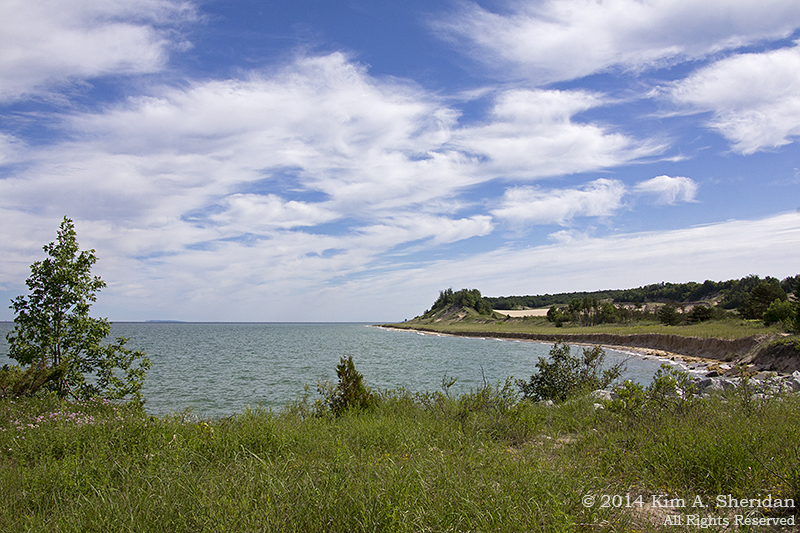
At the top of the hill, the payoff: a stunning view of Lake Michigan. Looking south, with North Manitou Island on the horizon.
FUN FACT: Lake Michigan is the sixth largest freshwater lake in the world, and the only one of the five Great Lakes that lies entirely within the United States. Its freshwater sand dunes, some of which are in Sleeping Bear, are the largest in the world.
A pastoral scene in the Port Oneida Rural Historic District.
With daylight waning, it was time to push on towards home.
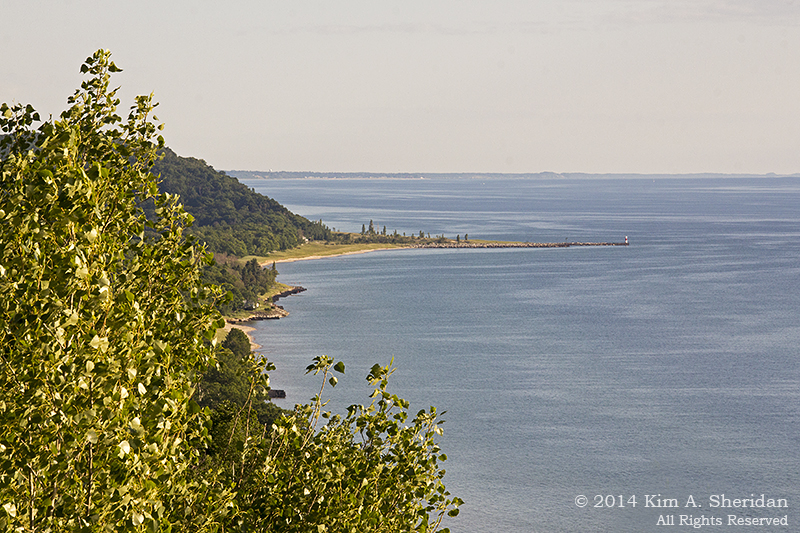
A roadside sign said “Scenic Overlook”, so I stopped to overlook the scenery. I always do what I’m told.
Wow. This is Arcadia Bluff. What a view.
There are steps that scale the bluff, with landings every so often for rest and reflection. I climbed every one of those steps, and was glad I did.
At the top, I met a man who, having made the trek, was in no hurry to leave. He’d brought a chair and a beverage, and had been perched there for over an hour, happily smoking a cigar, chatting with travelers and watching the sun set. Now that’s the life. Laid back and soaking up the wonders of Michigan.
Up North. It’s more than a location; it’s a state of mind.
Ludington State Park is only five minutes away from my family’s home in Michigan. Its lakes, dunes, woodlands and miles of trails draw me there time and again.
The Island Trail running between Hamlin Lake and Lost Lake is my favorite place to explore. Birch, maple and pine trees line the sandy path.
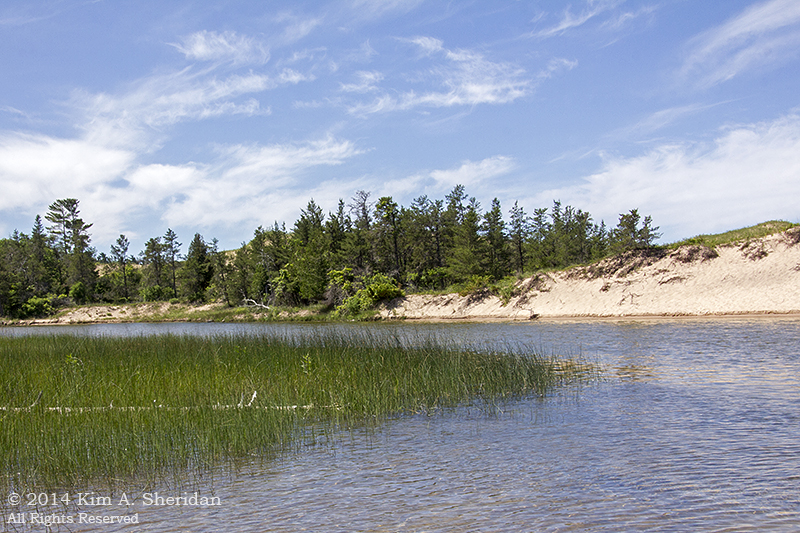
On one hand, grassy marsh meadows soon give way to dark Lost Lake. On the other, big Hamlin Lake lies sparkling in the sun.
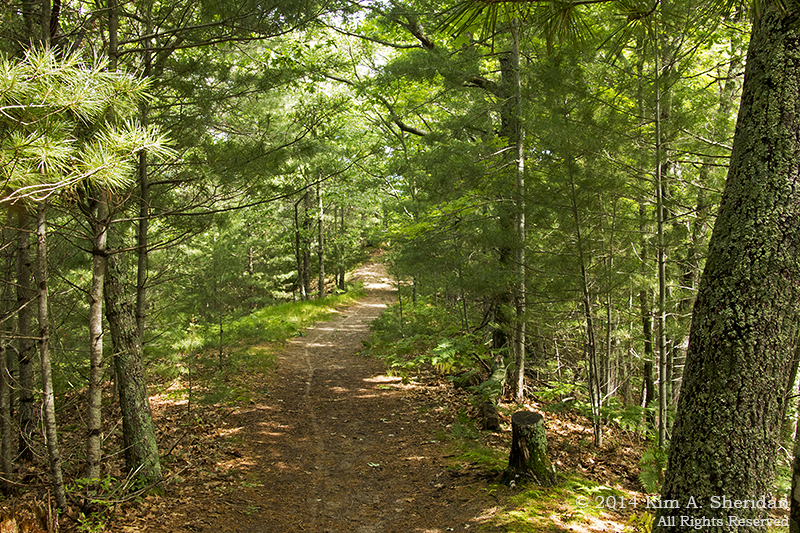
This year I finally had a chance to walk the Ridge Trail and complete the loop. As you would expect from its name, the Ridge Trail runs along a sand dune ridge. Unlike the smaller grassy beach dunes, these dunes are wooded.
The trail climbs so steeply at first as to need wooden stairs, and then settles into a gentler rise. The top of the ridge is narrow; just on either edge of the trail, the land drops precipitously into deep valleys.
The higher you climb, the more exposed the ridge becomes. Old tree stumps show the effects of wind, rain and sun.
If you’re tired from the climb, you can have a seat. Dunes are living things, constantly shifting with the winds. Here the sand is slowly devouring this bench.
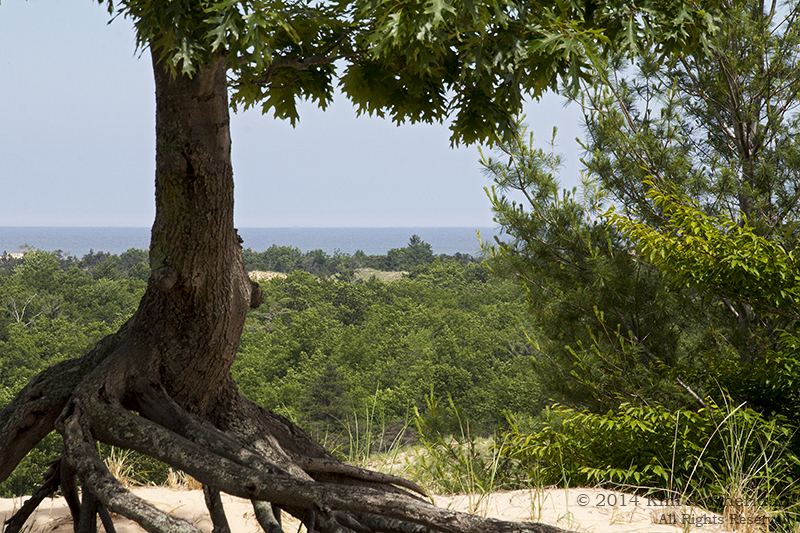
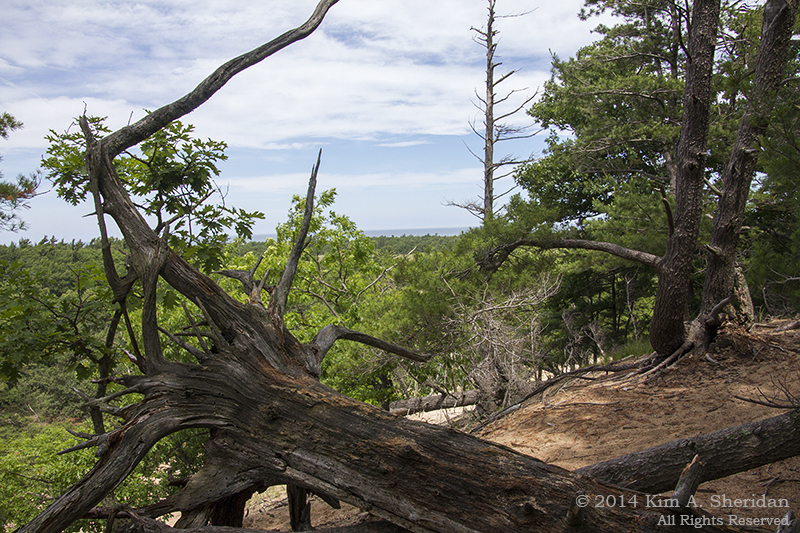
As the dune is blown away from the bases of the trees, it reveals a marvelous tangle of twisted roots. Lichen and moss clothe the exposed bark.
Roots like this and the weathered remains of old trees lie everywhere on the ridge, a sculpture garden left behind by elfin artists.
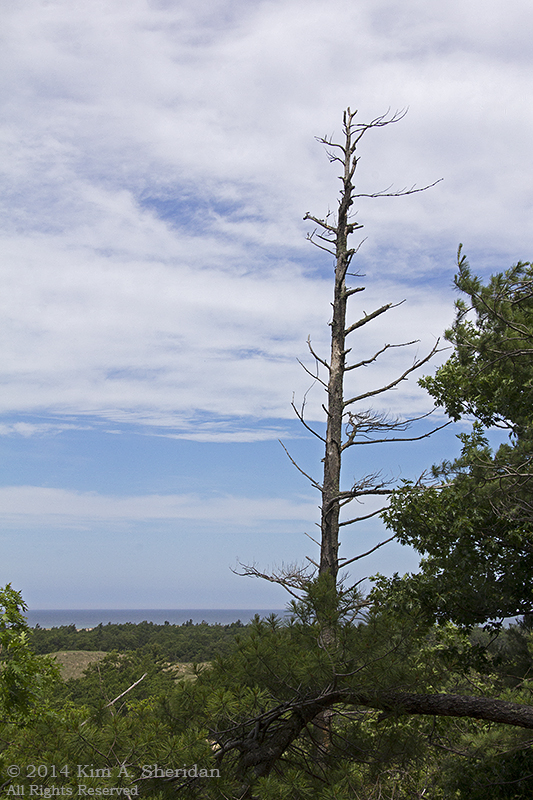
From the summit, Lake Michigan appears, playing peek-a-boo between the fallen trees.
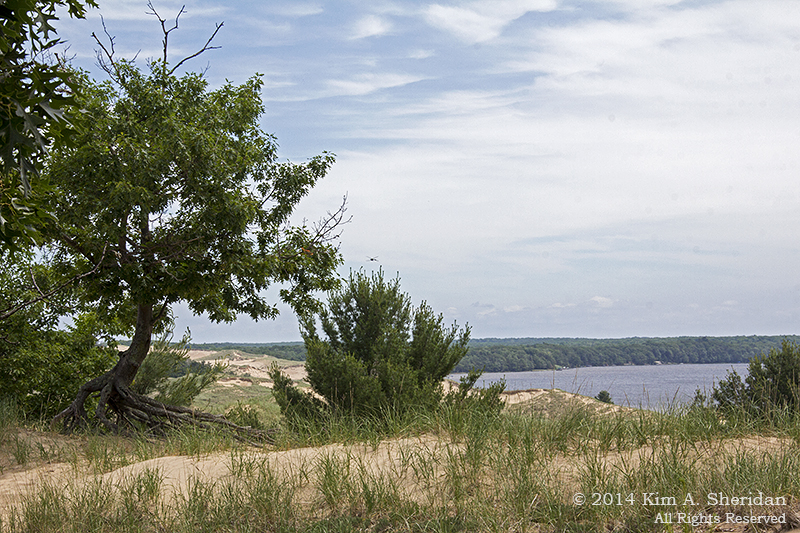
Further along, a side trail winds through open dunes to overlook Hamlin Lake. A great spot for lunch, except for the mayflies. Can you see that X-shaped thing hovering over the small bush in the center? (As always, click the photo to see a larger image.)
No, that’s not a tiny spaceship. It’s a mayfly that managed to photo-bomb my perfectly nice landscape shot.
FUN FACT: Mayfly naiads (the immature stage) live a year or two on the bottom of lakes, molting several times. The final molt produces the adult mayfly, which will live only a day or two. They’re harmless to humans – except that often they all mature at once, creating swarms that can really annoy the unsuspecting picnicker.
What goes up must come down, and soon enough the Ridge Trail descends to rejoin the Island Trail.
Last winter was rough here in Michigan, and portions of the path must be traversed with care. Erosion along the shore of Hamlin Lake undermines soil and trees alike.
In a marshy bay of Hamlin Lake, a Great Blue Heron pauses from fishing to offer a fitting benediction to a happy day on the trail.
No cathedral built by man could match the majesty of this forest sanctuary.
Rugged russet trunks rise straight and true to the arched ceiling of deep verdant green.
All is hushed but for the small rustlings of squirrel and chipmunk congregants below, and the whisperings of the wind in the pines that tower above.
The floor is laid, not with stone, but lush ferns and wildflowers. Where some old giant has fallen, light streams through the canopy as through stained glass. Porcupines, pine martens and bears have all walked the aisles of this forest older than time.
The air is still, the mood solemn, the spirit mysterious, eerie, primeval.
Once upon a time, pine forests covered 10 million acres of the North Country. Now only small remnants remain. This 49 acre old growth white pine forest endures at Hartwick Pines State Park in Michigan.
The pines here are thought to be over 300 years old, stand 120 feet or more, and may reach four feet in diameter at breast height. Eastern hemlocks and red pines attend these kings. Below them is a shaded understory so dark, it seems eternally twilight.
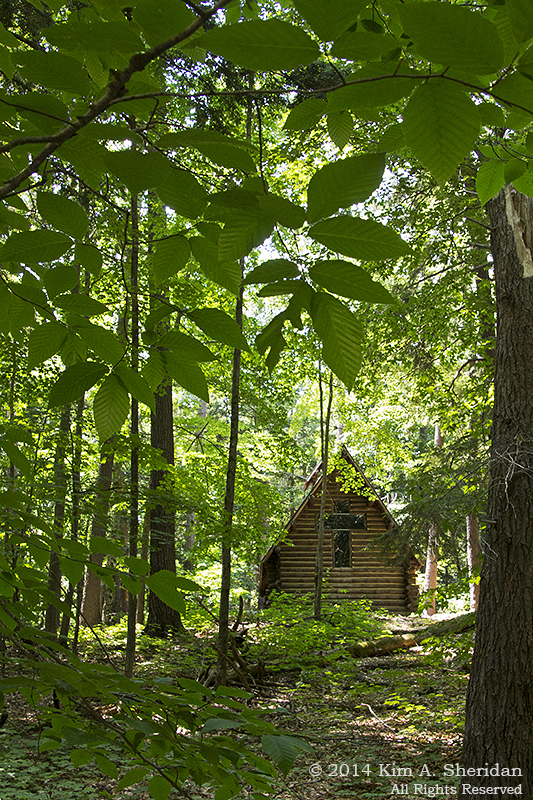
At the edges, where maples and beeches mingle with the pines, rests a small chapel.
A church within a church.
Quaint and cozy, yet somehow superfluous.
Are not the pines themselves enough to inspire reverence in such a setting?
Must people seek the Creator within walls while all of Creation stands without?
Step from the forest cathedral, and other mysteries beckon the soul.
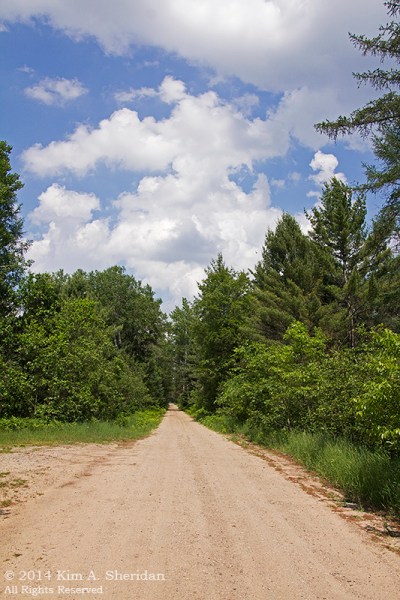
This dirt road, for instance.
Don’t you want to know what’s around the next bend?
Let’s see what we can find.
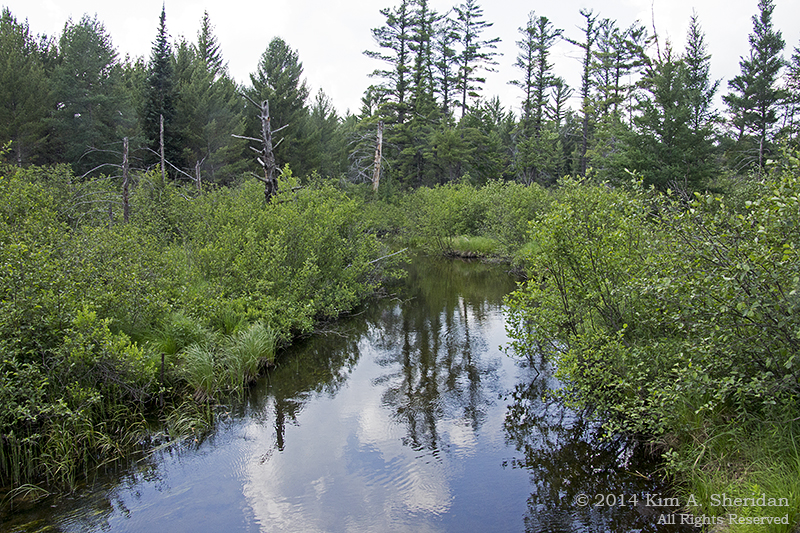
The Au Sable River meanders its way through wetlands and woods, singing a soft hymn as it goes.
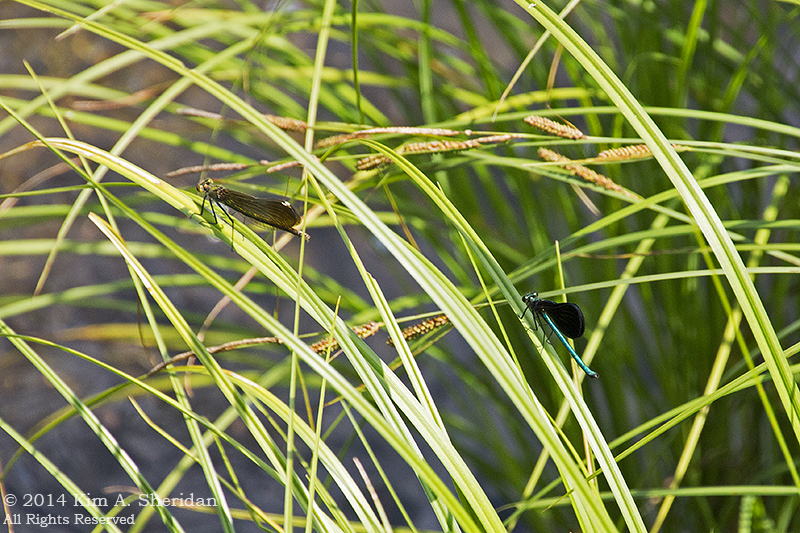
Two very different dragonflies share a pew.
A Northern Crescent butterfly preaches from a sunflower lectern.

A choir of brightly cloaked angels.
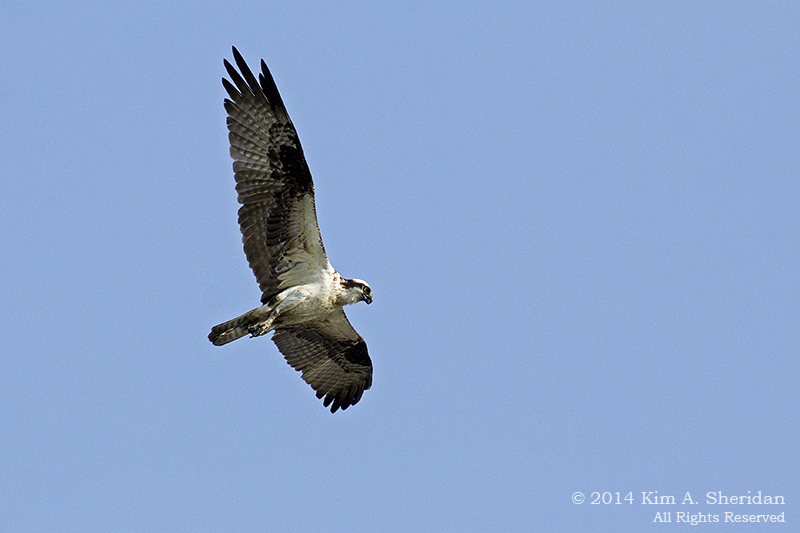
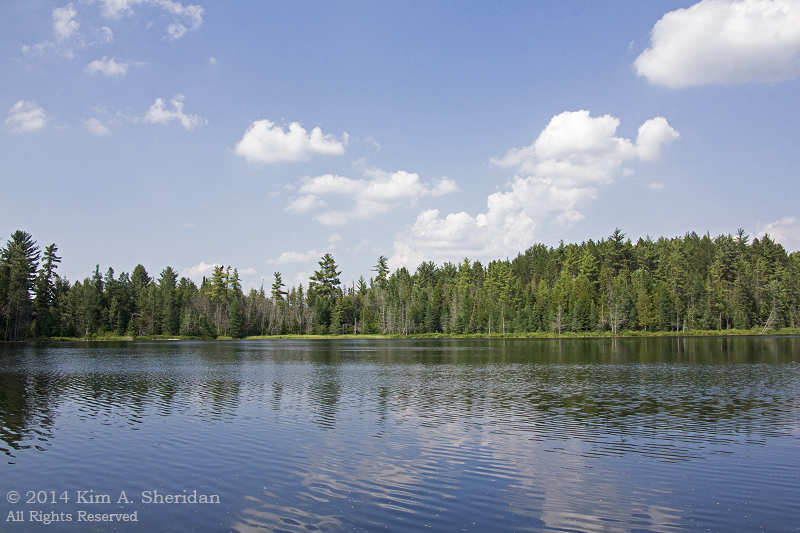
Glory Lake reflects the glory of northern Michigan in the colors of azure sky, cobalt water, and emerald pines. At the top of a tall tree nearby perches an Osprey, looking for prey.
Glory Lake, and its sister, Bright Lake, are kettle ponds formed during Michigan’s glacier period. Ice blocks that broke off from the glaciers formed depressions that filled with water after the glaciers retreated.
A trail leads from the ponds into a diverse woodland.
Besides the aspen at left, there are white, red and jack pines.
Spruce, hemlock, and cedar.
Beech, maple and oak trees.
Shrubs, ferns, wildflowers, and a potpourri of plants are also abundant.
It’s a botanist’s dream.

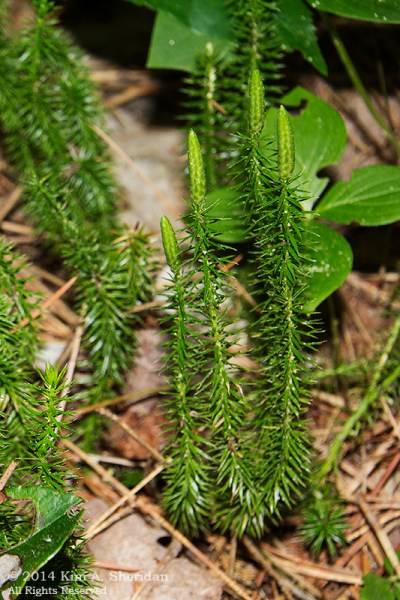
Behold! – Lycopodium!
These are club mosses, but don’t be fooled by that name. They are not true mosses at all, but vascular plants.
Like teeny tiny Christmas trees a few inches high, they bring joy to those who spot them.
These little plants are much favored by the true of heart.
At trail’s end, a quiet spot for contemplation. From towering pine trees to miniscule club mosses, ferocious dragonflies to gentle butterflies, the mysteries of the land inspire reverence and wonder.
May Nature’s blessings be with you all. Go in peace.
How far would you travel to see a rare bird?
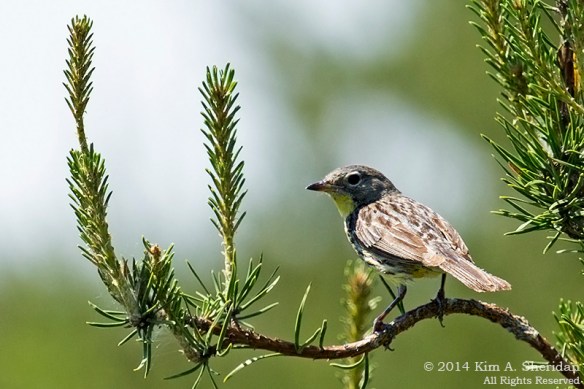
I flew 800 miles and then drove 150 more to see this one: a Kirtland’s Warbler (Life Bird #188).
Okay, full disclosure; I was going to Michigan anyway. I did plan my trip for late June and then drive across the state for a glimpse of this bird, though. I didn’t fool around trying to find this rare, flitty little warbler by myself, either. I took a tour sponsored by Michigan Audubon and led by a very knowledgeable young woman.
What’s so special about this bird that people travel hundreds of miles and take tours to see it?
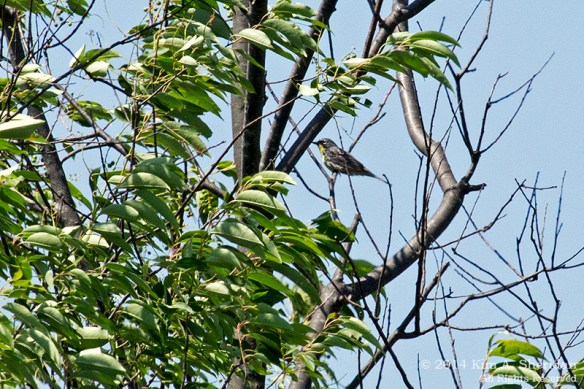
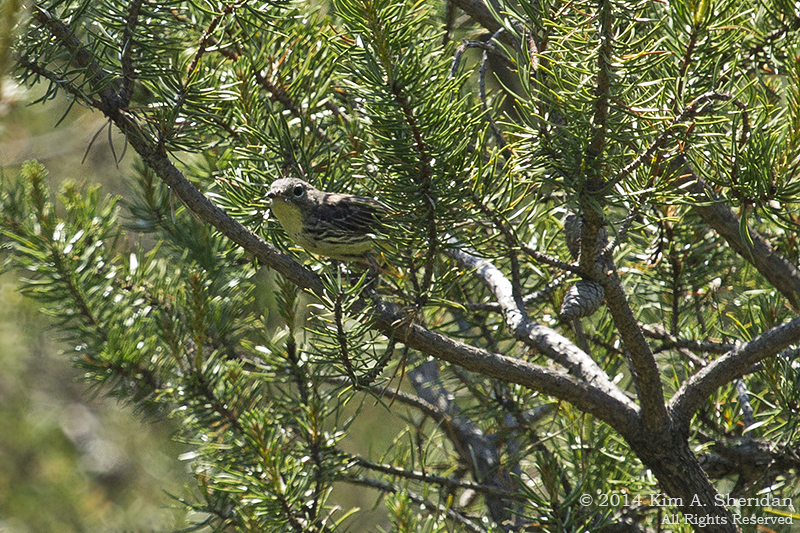
Kirtland’s Warbler is a Federal Endangered Species, and it nests only in young jack pine forests in Michigan and Wisconsin. It was listed as an Endangered Species in 1967. In 1973 the Kirtland’s Warbler Recovery Team was created, with representatives from the U.S. Fish and Wildlife Service, U.S. Forest Service, Michigan Department of Natural Resources, Michigan Audubon and other organizations. The following year 167 singing male warblers were recorded, a record low number.
Conservation measures enacted by the Kirtland’s Warbler Recovery Team are working. In 2011, 1,828 singing males were recorded, well beyond the plan goal of 1,000. In fact, the number of warblers has exceeded the recovery goal for over a decade.
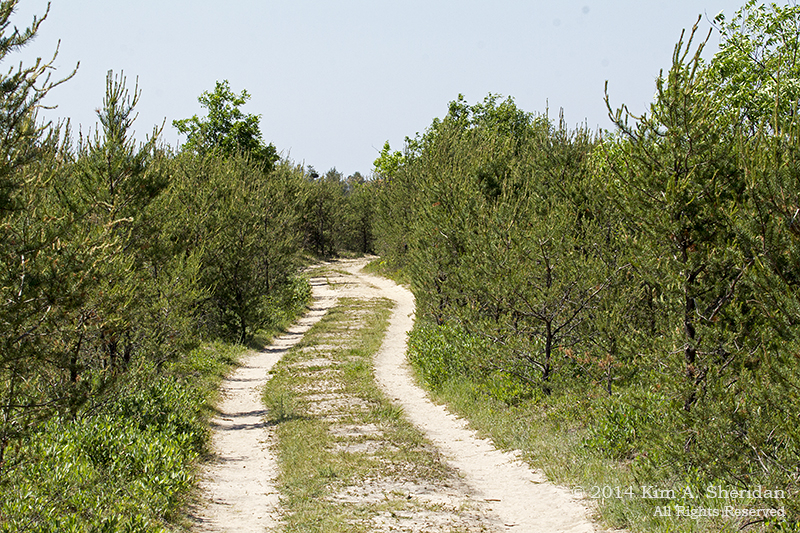
Two-track road through a jack pine plantation in Grayling State Forest, an area actively managed for Kirtland’s Warbler.
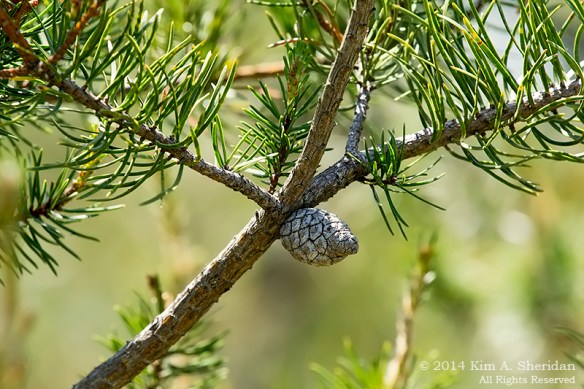
Pine cone of a jack pine tree. See how it’s closed up, with its seeds still inside? This is a serotinous cone. It only opens and drops its seeds under the high temperatures of a wildfire. Jack pines have adapted to take advantage of frequent fires.
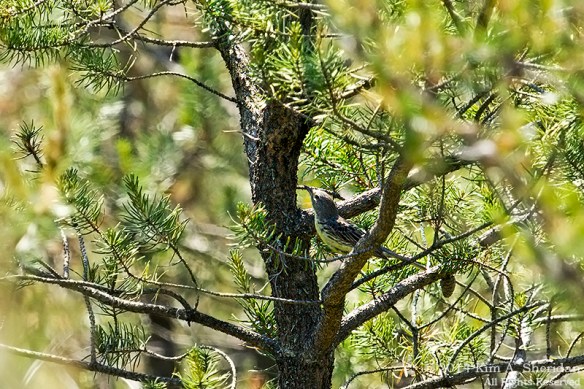
Kirtland’s Warblers have adapted to take advantage of jack pines. Young pines, that is. They nest on the ground under cover of the drooping lower branches. One pair needs at least 8 acres, and maybe as much as 30, of small pines. Once those trees reach twenty feet, the birds no longer nest there. Historically, frequent wildfires maintained this young jack pine habitat. Since this is the only tree the warblers nest in, they are dependent not only on jack pines, but frequent fire.
Except that fire is a tricky thing to manage. In 1980 a controlled burn got out of control and led to a wildfire that burned 25,000 acres and killed a USFS biologist. So now the Recovery Team relies on that nemesis of many environmentalists, clear-cutting. Areas of about 4,000 acres each year are logged and replanted with jack pine seedlings on a rotating basis, ensuring that there is always suitable habitat for the Kirtland’s Warbler.
Also, Brown-headed Cowbirds frequently lay their eggs in Kirtland’s Warbler nests, leading the warblers to raise cowbirds rather than their own young. So cowbird control is a critical part of the plan.
Even though the Kirtland’s Warbler has exceeded its recovery goal, the need to suppress natural wildfires to protect life and property means that continued management with human intervention will be needed. But it’s not just this little half-ounce warbler that benefits. Young jack pine habitat is beneficial for wild turkeys, badgers, white-tailed deer, snowshoe hares, numerous birds and at least two threatened plant species.
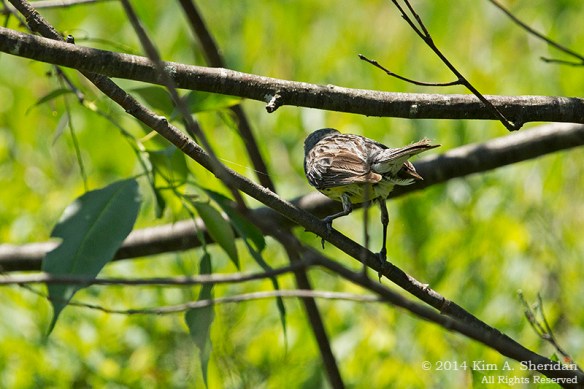
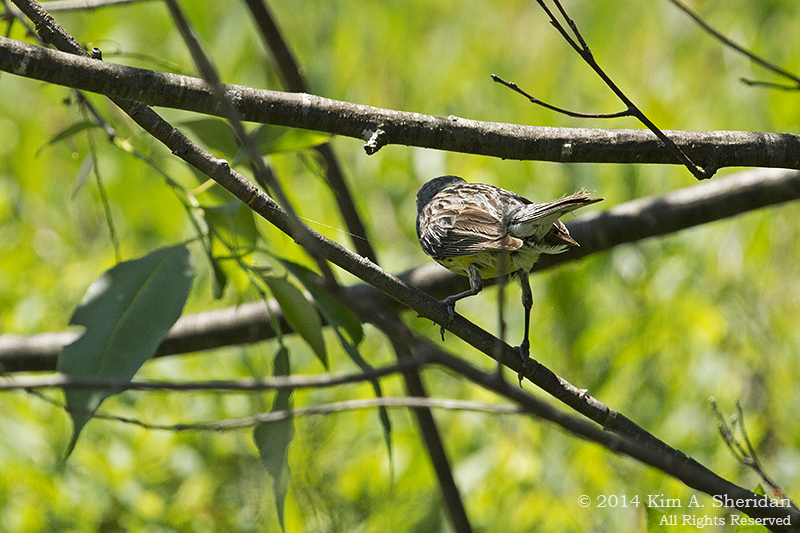
Oh, it figures. My closest and sharpest photo of a Kirtland’s, and what do I get? A bird butt! Turn around, please…
Please?
That’s better, but now there’s a stick in the way. Move a little to the left, please?
These fashion models, they’re just so flighty.
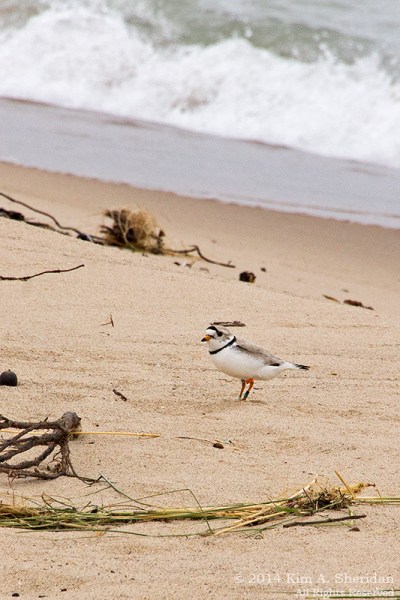
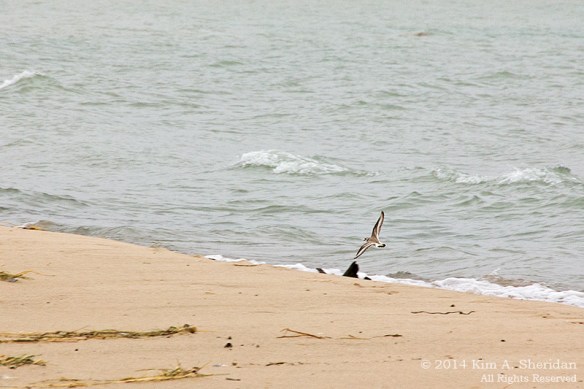
Here’s a bird I did not plan for. This is a Piping Plover (Life Bird #189). I found him in Buttersville Park, just south of the Ludington South Breakwater.
On the Atlantic Coast Piping Plovers have Threatened status, but in the Great Lakes region they are officially Endangered. These little guys like to nest right on the beach and dunes, in cobblestones or sparse vegetation. Humans and pets using the beach disturb the birds, sometimes leading to nest abandonment. In addition, people and vehicles may accidentally crush eggs or tiny young chicks. Add in predation by wild animals and habitat loss due to beach development and it’s no wonder this tiny bird is in trouble.
People are helping the Piping Plover, though. Nesting habitat is identified and monitored, with human access restricted where necessary. Active nests are fenced to keep people and predators out.
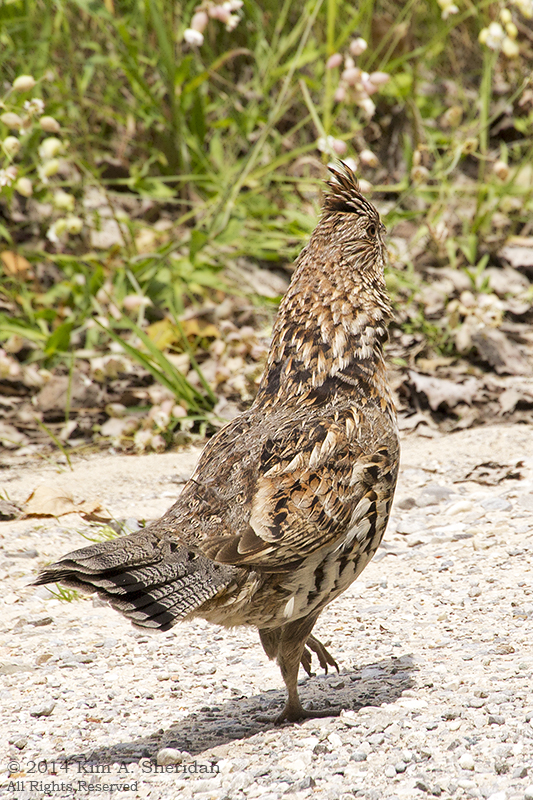
Another completely unexpected bird, this Ruffed Grouse (Life Bird #190) is anything but rare. In fact, they are widespread all across the U.S. They are really elusive and hard to see, though – in some areas.
My friend Don, convinced he’ll never see a Ruffed Grouse, has made it his life’s goal to hear one drumming in its spring courtship ritual.
Imagine his surprise when I e-mailed this photo taken at Sleeping Bear Dunes National Lakeshore.
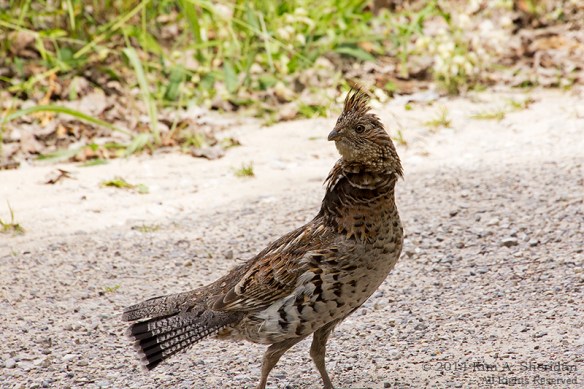
For that matter, imagine my surprise when I turned down a dirt road and came upon this bird strutting around. It paraded slowly down the road for quite some time while I took photos right from the front seat of my car. It didn’t seem at all concerned by my presence. It appears that, unlike shy Eastern grouse, Midwestern birds are much bolder.
I’m ready for my close-up now.
What more likely place to go hunting for gold than in the heart of the city?
My merry band of adventurers caught wind of an abandoned mine deep in the wilds of the Wissahickon Valley, and quickly signed up for a tour. We set off one day for an easy stroll down Forbidden Drive where it borders cool, green and leafy Wissahickon Creek.
There was no shortage of flowers and greenery to admire along the way.
Further along, a staircase led down the embankment to a small dam in the creek.
One of our group is a talented professional photographer who is generous with his photographic wisdom, and I soak it all up like a sponge.
At the dam, Ned gave me a homework assignment: photograph the water flowing over the wall at different shutter speeds.
I know which one I like better – how about you? (Click to see larger image.)
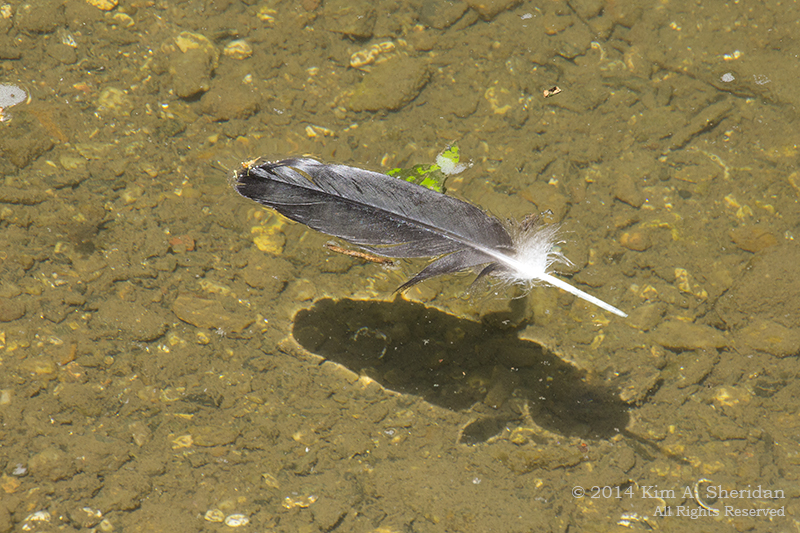
When he wasn’t looking, I forsook my homework and took a photo of a feather drifting lazily down the creek.
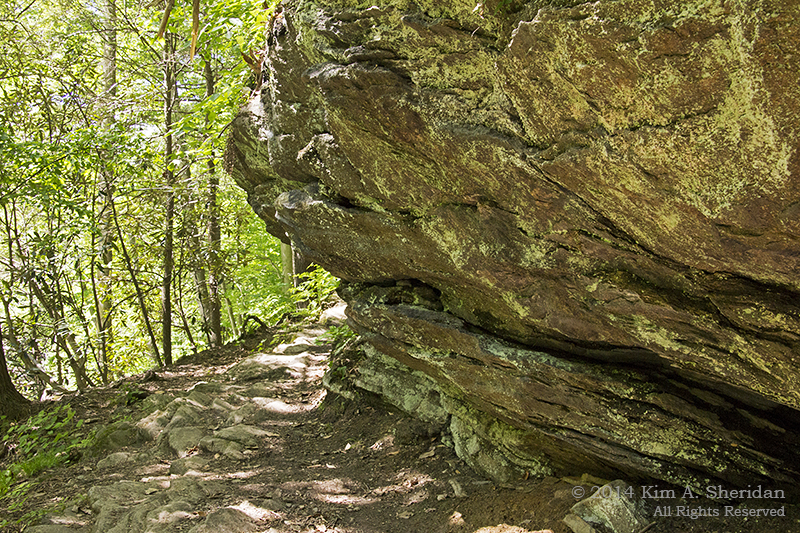
From a side trail, we got our first glimpse of the gold mine. This outcropping hides a small cave near its base that once was home to a mining operation, way back when in the 1760s.
The Roxborough Mining Company, consisting of a handful of German immigrants, excavated this manmade cave with hand drills and black powder. According to legend they were searching for gold, but having found none, soon abandoned the endeavor.
Another legend claims this cave was a hidden storehouse of grain during Revolutionary days. Today it holds only tourists like us. Though the cave goes back some distance, the roof is low; here you can see the entrance is half a Robb high.
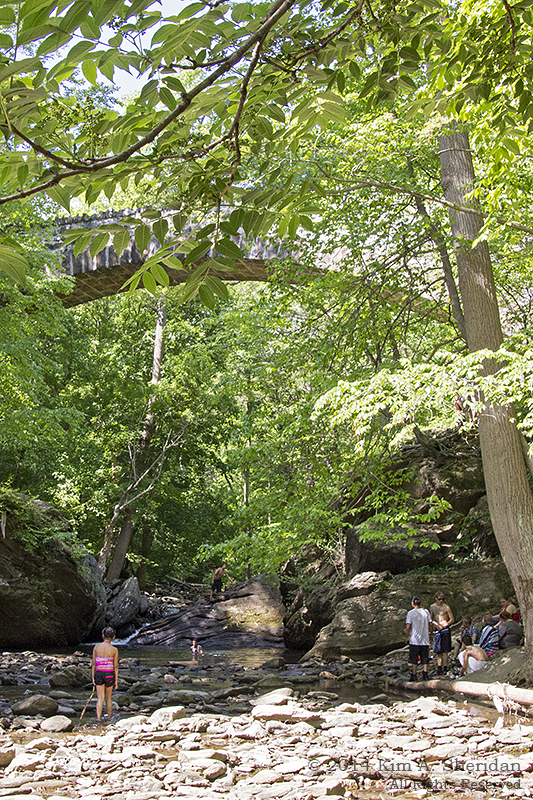
An old stone bridge carried us across the creek. A casual amble for us no longer; the trail was much more challenging on the other side.
The pathway wound around rocks, over tree roots, and up and down hillsides. At times, it was crossed by rivulets of water; at other times those rivulets made their bed in the trail.
The Valley is actually a gorge, with steep rocky hillsides. Here’s Don picking his way down the trail, aided by his trusty walking stick, and a convenient set of stairs.
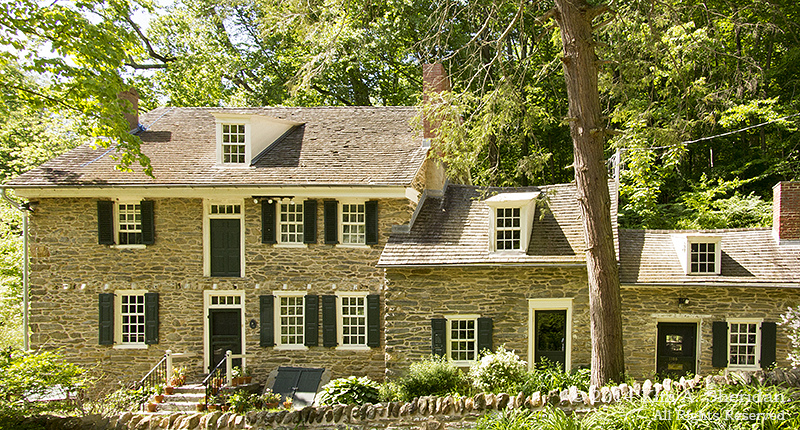
This is the Livezy House, built by a Quaker farmer and miller in 1749.
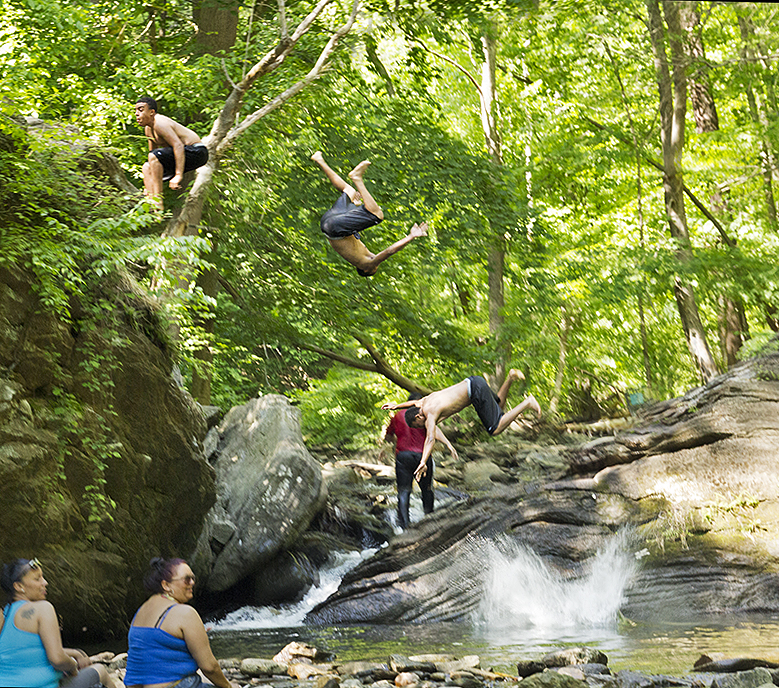
Ah, Devil’s Pool. Cresheim Creek drains into the Wissahickon here in this deep green glen. Like many of the watery places along the creek, it is a popular, and illegal, swimming hole.
It’s also dangerous. Too many people are tempted to jump from rocks up to 20 feet high into a pool that is just 5 to 7 feet at its deepest. Drownings are not unheard of here. Frequently polluted water adds to the list of hazards.
This time-lapse photo proves that young daredevils are not easily deterred by the risks. Here I blended four shots into one to capture all the action of a backward somersault into the pool.
Like any urban area, Philadelphia is crowded, noisy, and paved-over. Yet within the city limits, in the Wissahickon Valley, Nature holds on as tenaciously as ferns cling to life in a rockface. Definitely urban living on the Wild Edge!
The calendar is marching inexorably toward summer. Humidity is building, and the mercury is oozing toward 90 degrees. It seems like only yesterday that we were locked in snow and ice, and suddenly it’s hot. Did we even have a spring this year?
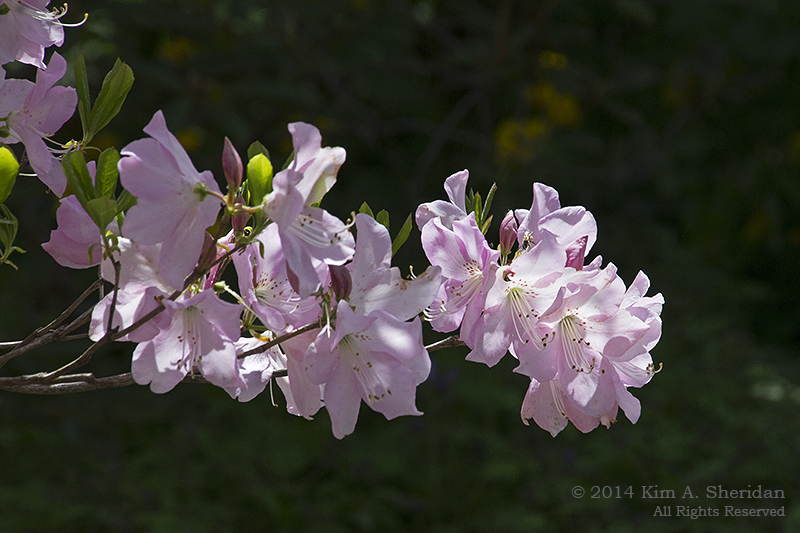
Yes, we did. Like her sister Autumn, Lady Spring is an elusive and ephemeral tease. This year, perhaps pouting at the persistence of the Winter Queen, Spring’s arrival was late, and her stay short. But she did grace us with her presence. I have the evidence!
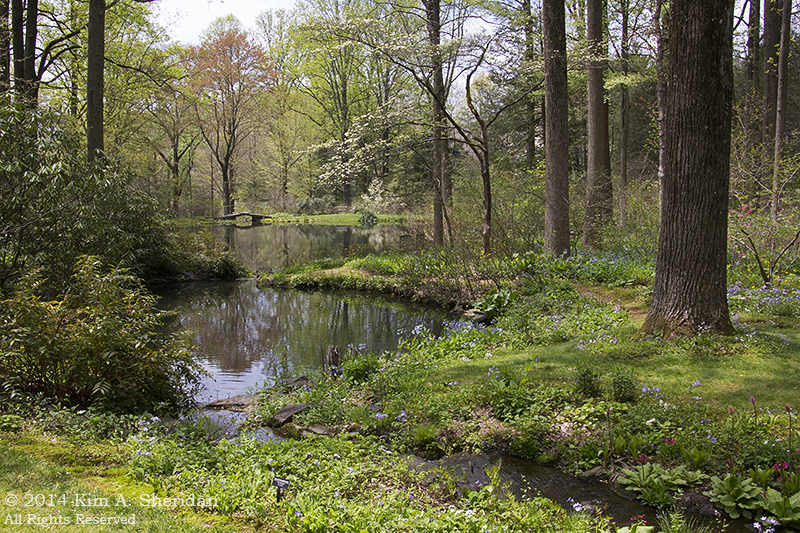
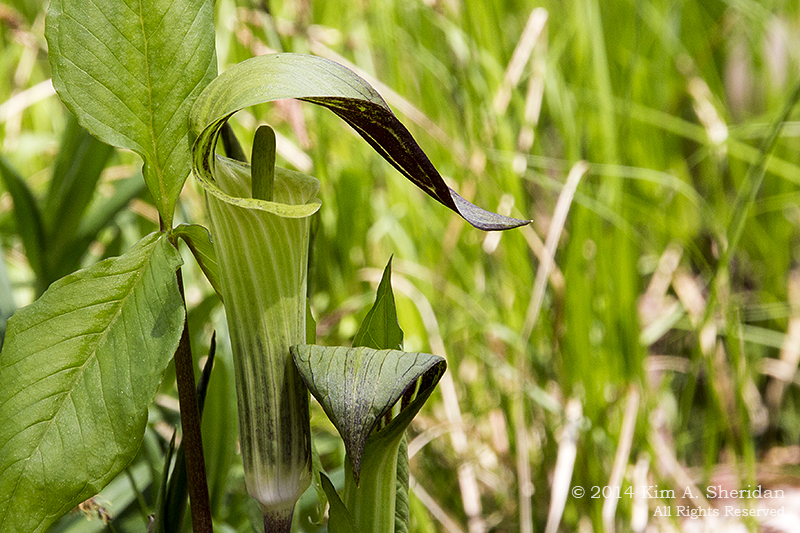
All of these photos were taken at Mt. Cuba Center in Delaware. Mt. Cuba is a botanical garden with a commitment to using and promoting native plants in its 50 acre cultivated gardens and 500 acre natural areas.
The center offers many classes on horticulture and conservation, and maintains a Trial Garden where various native plants are studied.
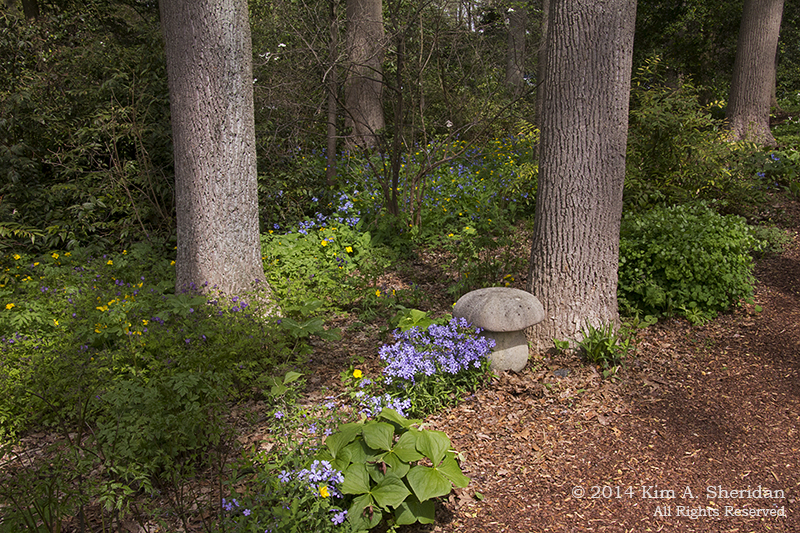
The pathway leads through a variety of habitats, including woods, meadows and ponds.
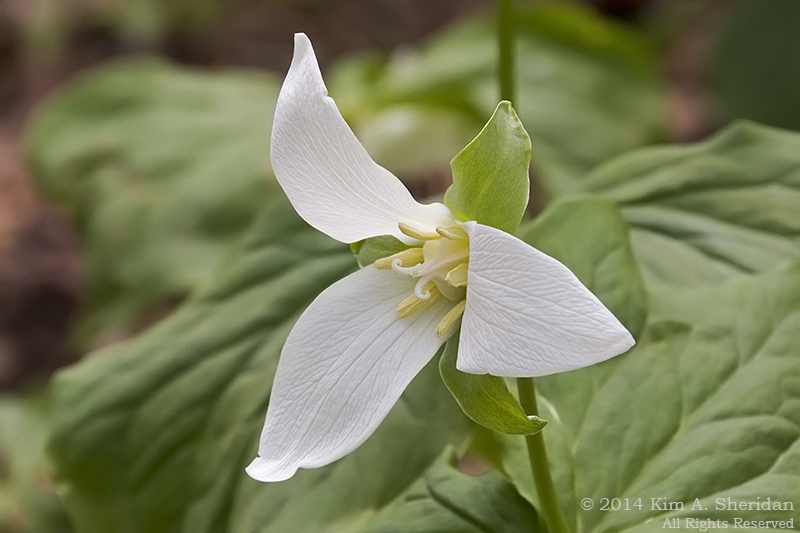
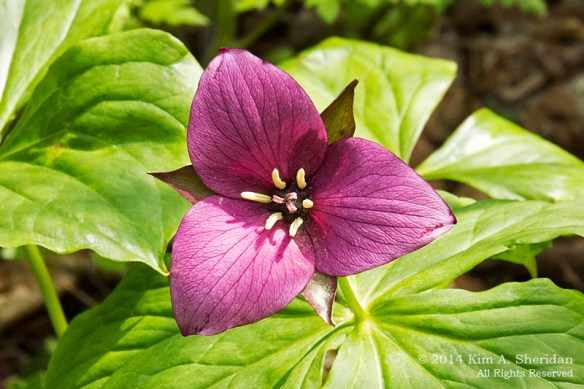
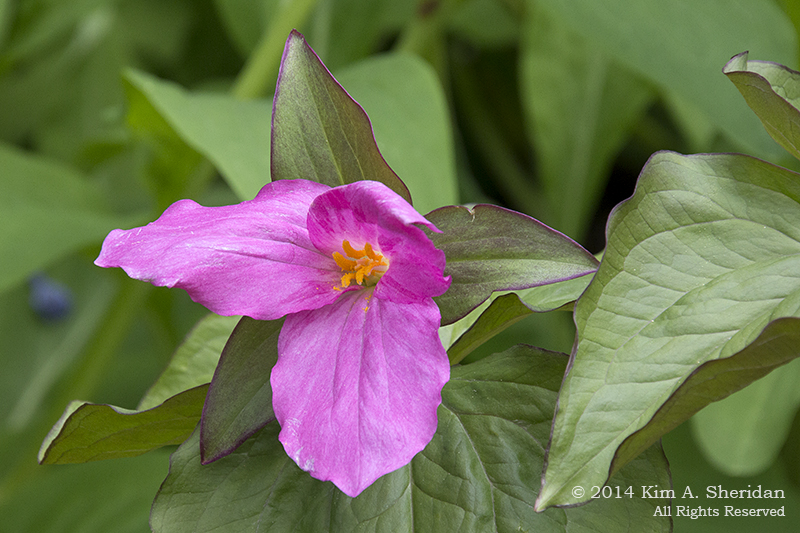
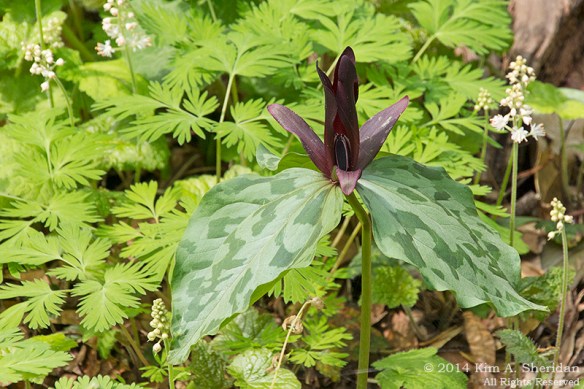
The stars of the show in spring are the Trilliums. They even get their own garden!

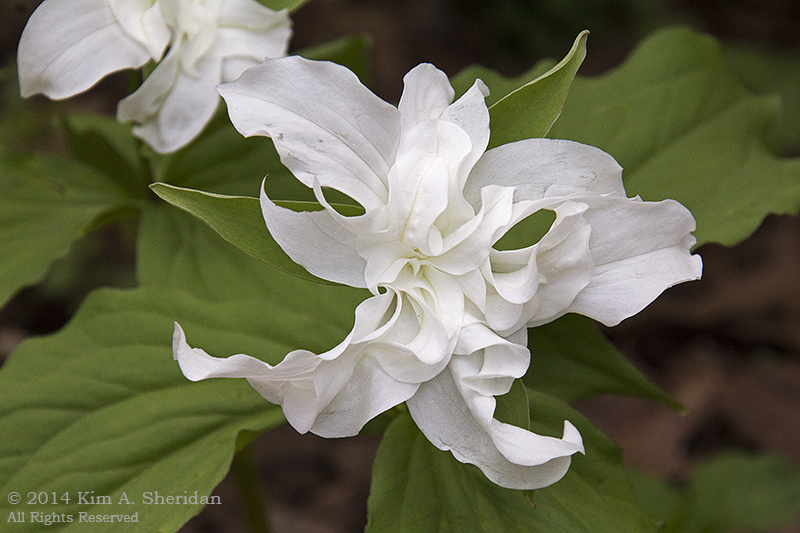
Some Trilliums wear camo…
Or come in double-flowered forms.
A shady spot for one of Her Ladyship’s sprites to sit and enjoy her lunch.
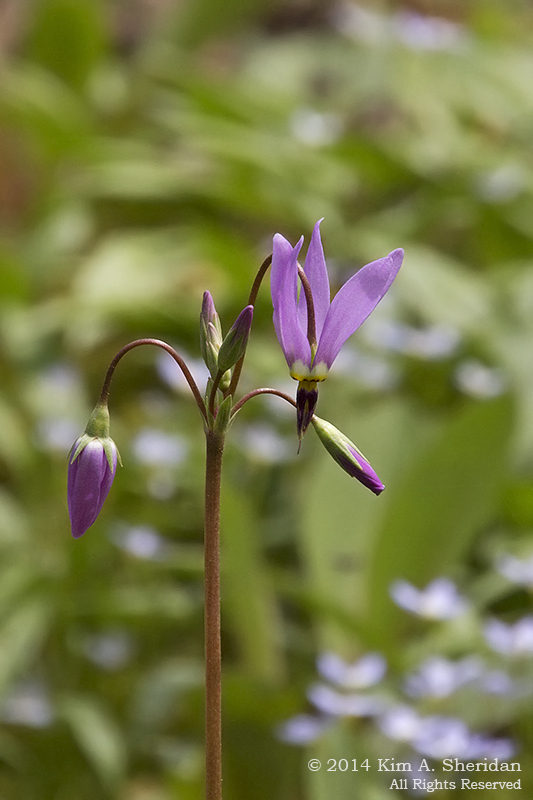
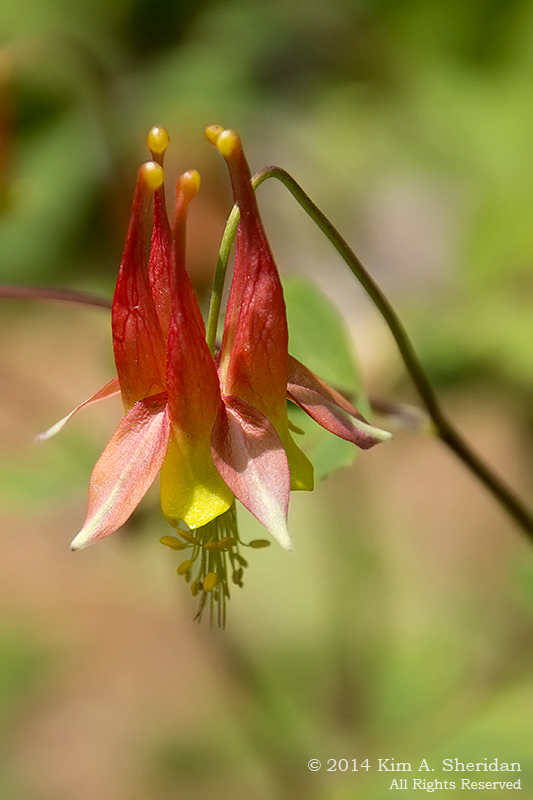
These neat flowers were at both Shenk’s Ferry and Mt. Cuba. They gave me fits trying to get a good photo.
Now the Summer Queen is knocking at the door. Lady Spring kept us in suspense this year, and her appearance was brief, but oh, was it worth the wait!