Harvest Soup

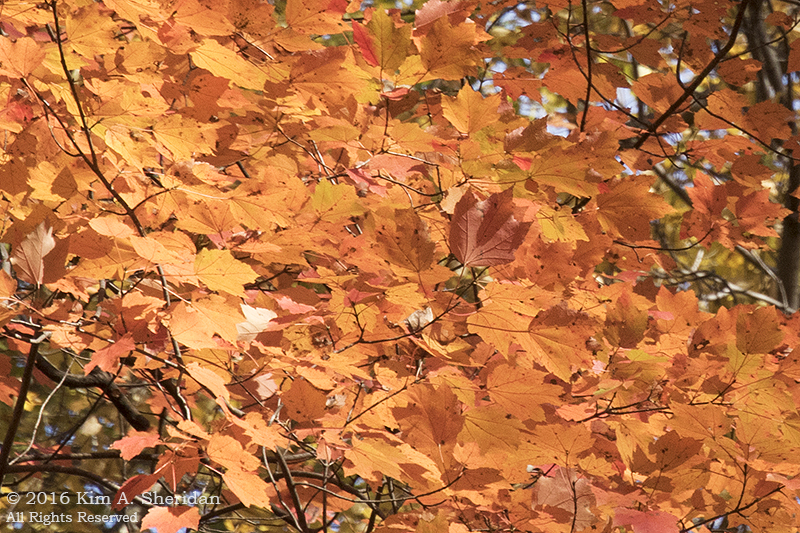
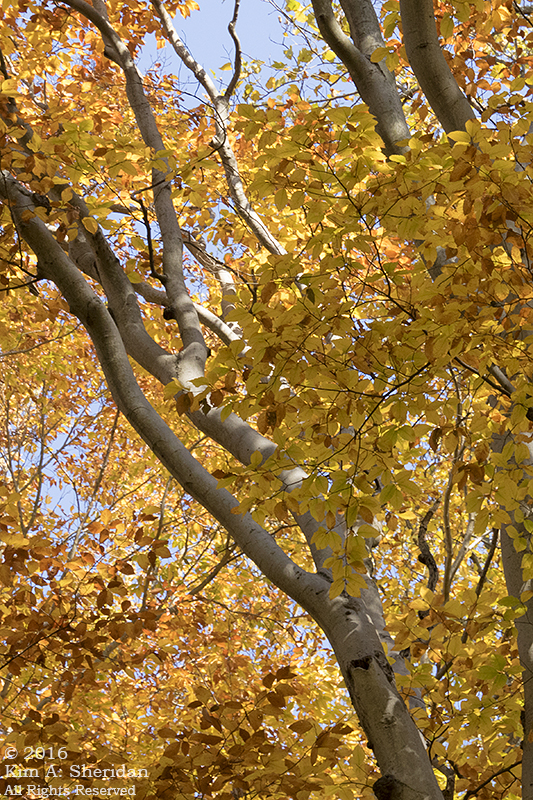
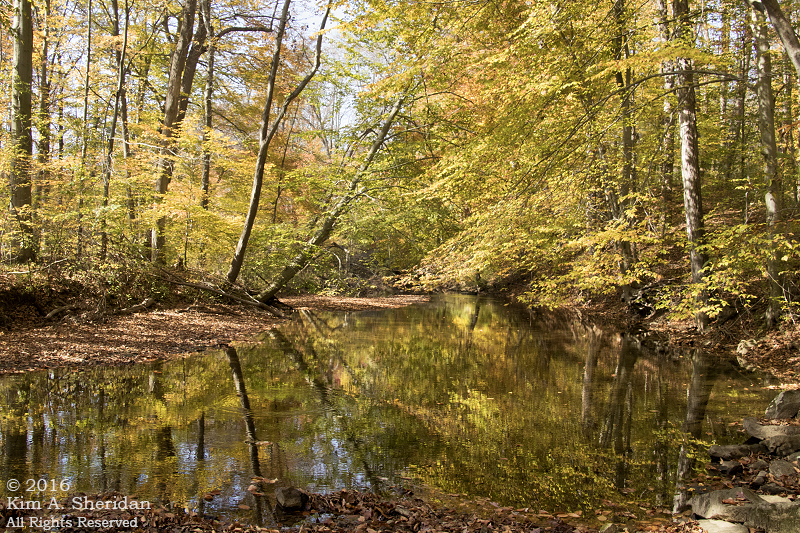
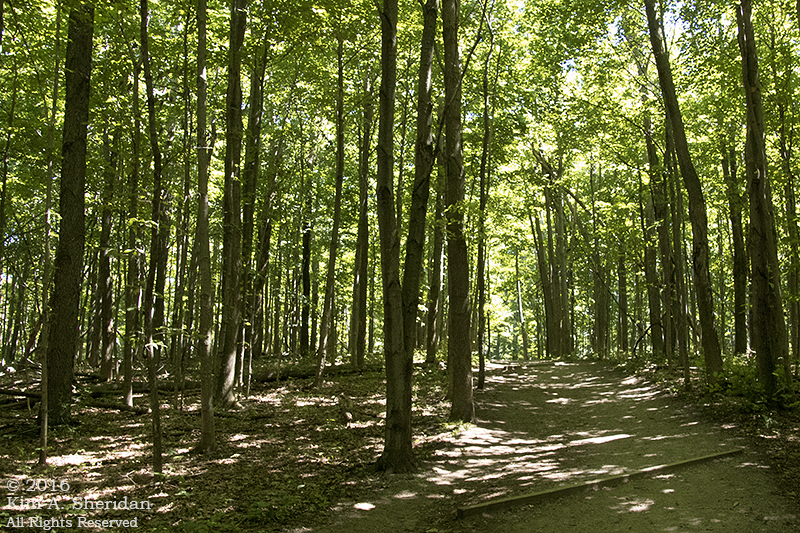
161102_pa-ridley-creek-fall_3977acsLady Autumn drifted through the forest on a sparkling day, leaves rustling crisply under her feet. Wrapping her cloak tightly around herself against the chill, she swept her amber eyes across the landscape, seeking spices and herbs for her harvest soup.

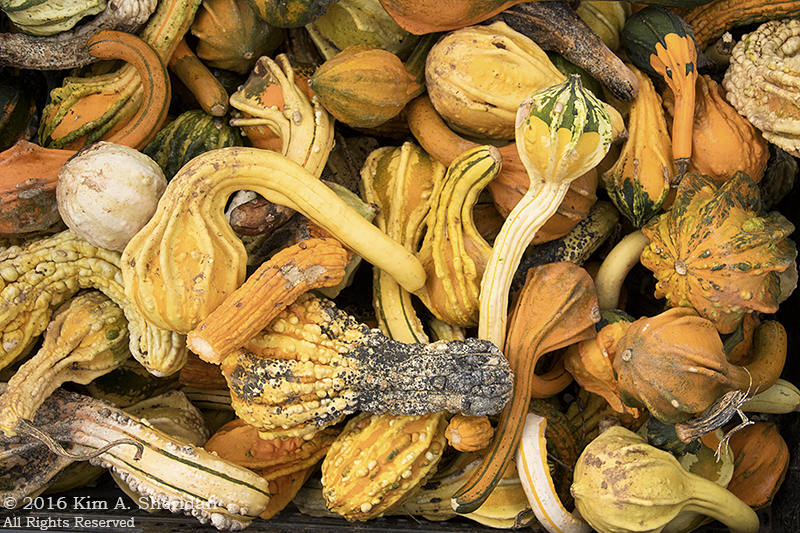
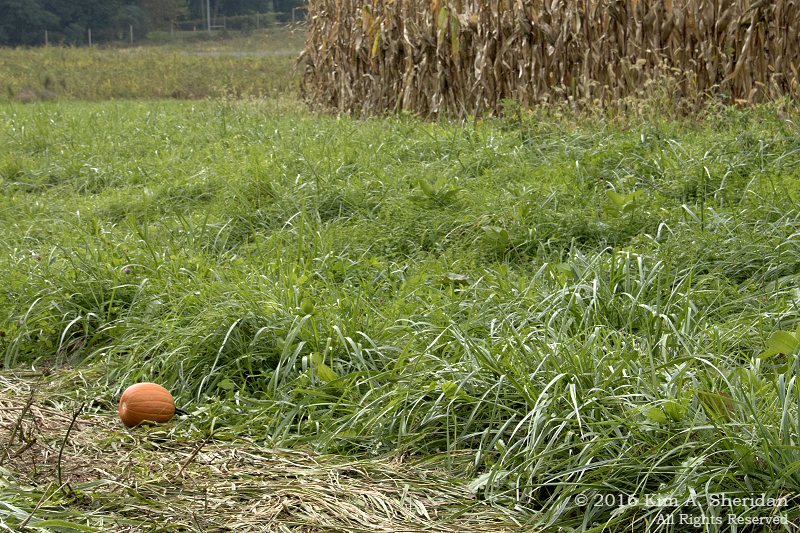
A main ingredient was needed. Pumpkin?161102_pa-ridley-creek-fall_3934acs

161102_pa-ridley-creek-fall_3945acsButternut squash?


Or perhaps…

161105_pa-glen-providence-park-fall_4423acsCantaloupe?

161102_pa-ridley-creek-fall_4087acsAh, a pinch of saffron.

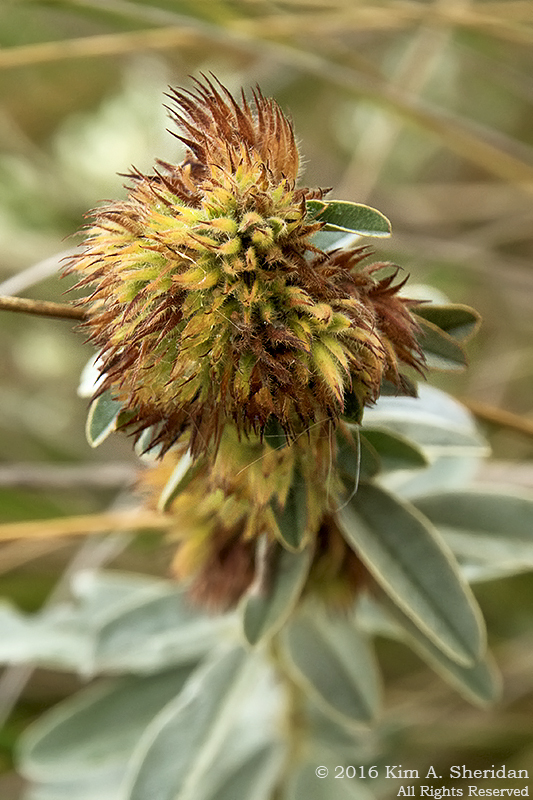
161110_pa-home-fall_5165acsSome cinnamon and nutmeg.

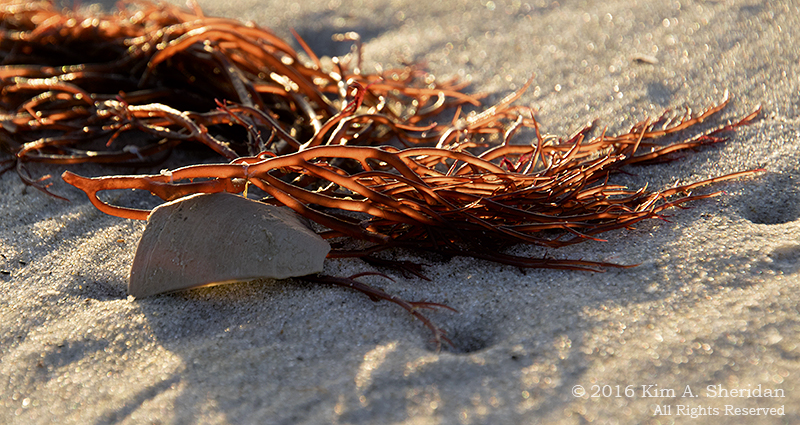
161102_pa-ridley-creek-fall_4046acsRusset potatoes, finally chopped to give the broth some heft.

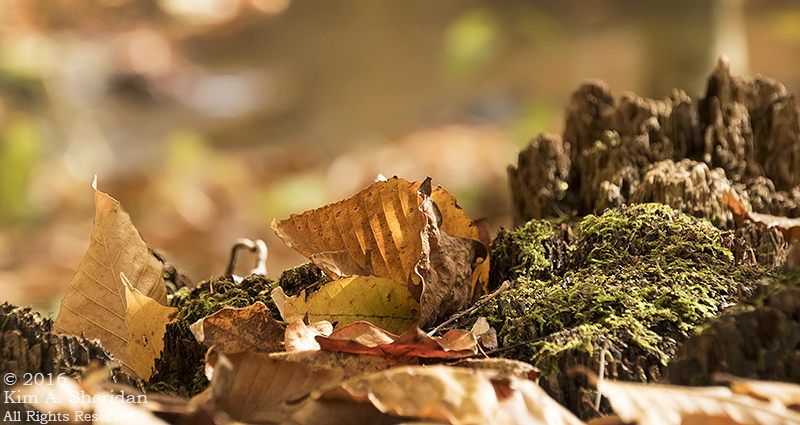
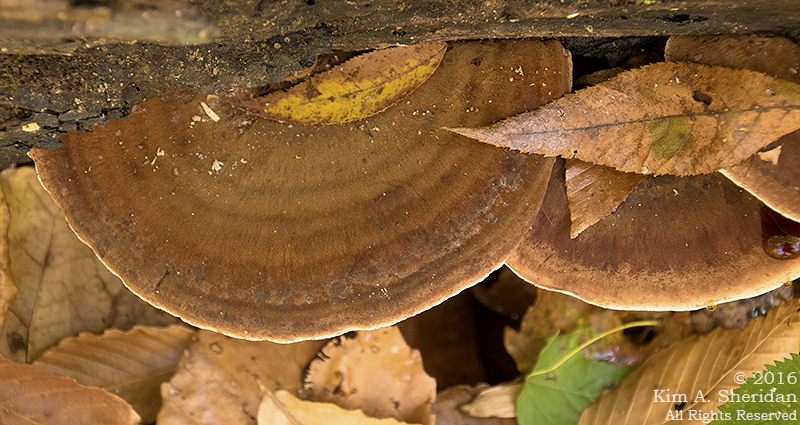
161102_pa-ridley-creek-fall_3883acsAnd mushrooms. Always mushrooms.

Already her imagination conjured the aroma of bubbling broth, hearty and savory, laced with the essence of wood smoke.

161102_pa-ridley-creek-fall_4150acsA zest of lemon would do nicely, she thought.

Even a little lime.

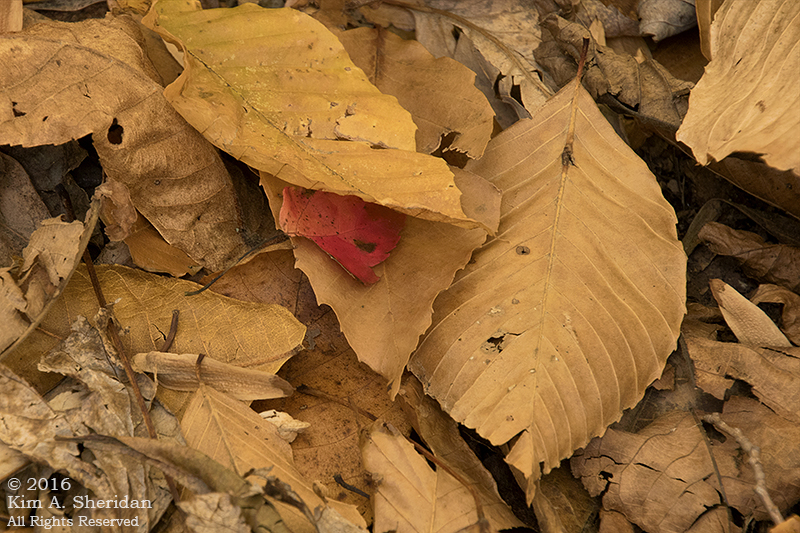
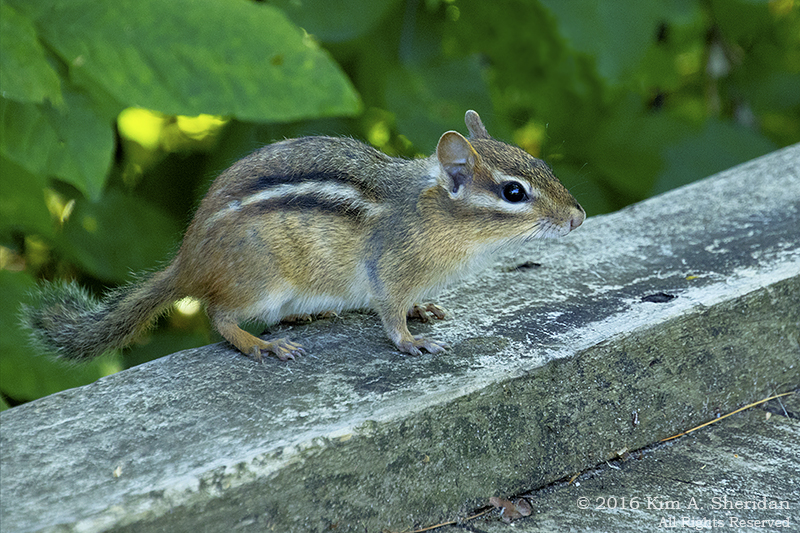
161102_pa-ridley-creek-fall_3962acsNuts would have been a nice touch. Alas, one of Her Ladyship’s small footmen had found these acorns first. A field mouse, a chipmunk, or perhaps a gray squirrel had taken them for his larder.

Lady Autumn didn’t mind. She would not begrudge her creatures a tasty and nutritious morsel when they have need of such sustenance.

161103_pa-crec-fall_4365acsA splash of claret.

A good soup tastes better with wine, Her Ladyship knew.

161102_pa-ridley-creek-fall_3973acsA sprinkle of sage…

161105_pa-glen-providence-park-fall_4384acsGinger…

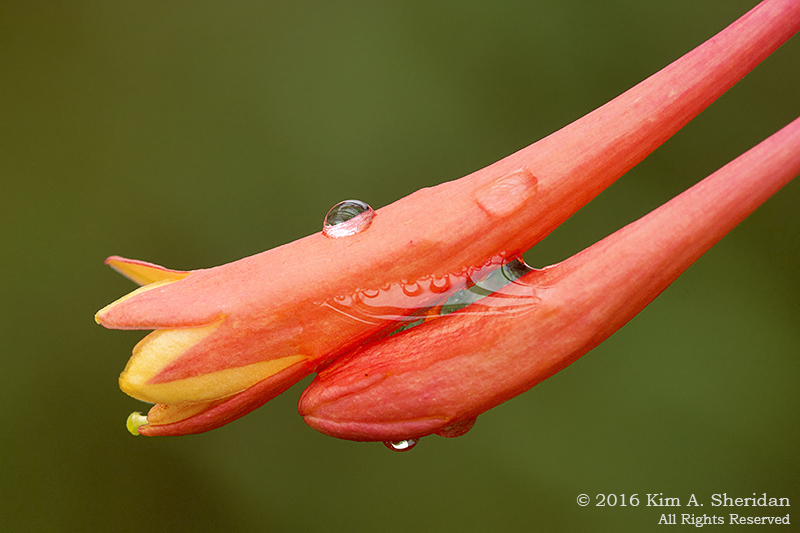
161110_pa-home-fall_5172acsAnd a generous dash of paprika to top it off.

161103_pa-crec-fall_4233acsLady Autumn walked through the forest on a golden afternoon, gathering the seasonings for a fine harvest soup.

161102_pa-ridley-creek-fall_3849acsWhat do you think it will taste like?

A Shore Thing: A Day For the Birds

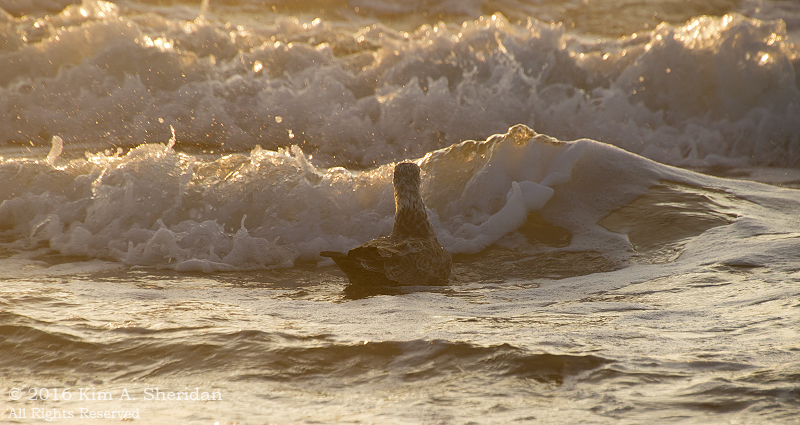
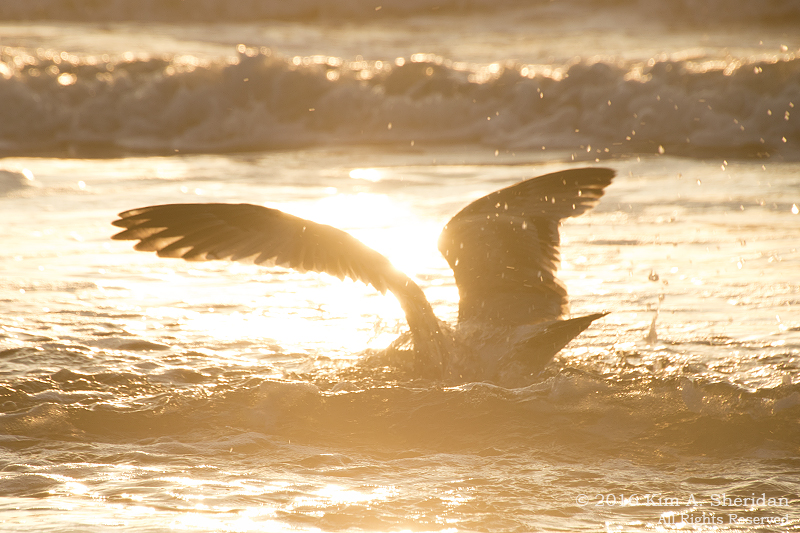
160928_nj-oc-sunrise_9034acsThe sun rises on a new day, setting the sea aflame in glittering gold. This beauty is of no consequence to a Herring Gull. Neither is the turbulent surf. Just another day at the office.

160928_nj-oc-sunrise_9062acsTaking wing and then diving, he expertly snatches breakfast on the go.

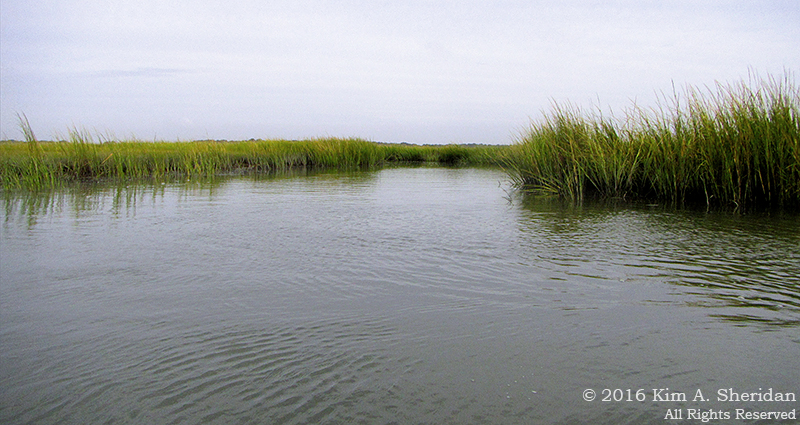
160921_nj-devils-island-kayak_9281acsOut on the marsh, Great Egrets congregate. Three stand watch while others attend to their beauty routine. Behind them, Snowy Egrets look for a midmorning snack.

160921_nj-devils-island-kayak_9348acsRuffled by the wind but not the bridge traffic in the distance, a Great Blue Heron surveys a wide expanse of saltmarsh cordgrass.

160926_nj-middle-thoroughfare-kayak_9652adsOn the mudflats, Yellowlegs forage.

Greater Yellowlegs? Lesser Yellowlegs? Or one of each? Who’s to say?

(Yellowlegs identification is a challenge. For the record, I think these are Greater Yellowlegs. At least the one on the left with the long bill. But I could be wrong.)

160928_nj-strathmere-point-birds_9566acsThe beach is a ballroom brimming with tuxedoed birds. Black and white with orange-red accents, these Black Skimmers (front) and American Oystercatchers (rear) await the next dance.

160928_nj-strathmere-point-oystercatcher_9376acsMy, what big eyes you have, grandmother! The American Oystercatcher enhances its clownlike appearance with oversized pink feet and a long red bill.

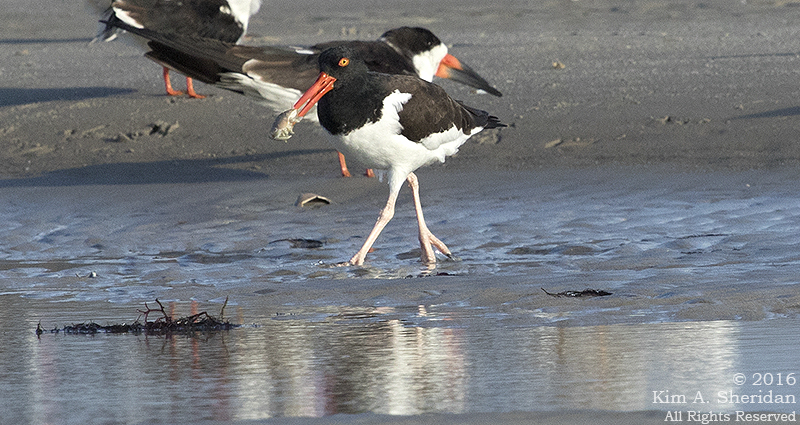
160928_nj-strathmere-point-oystercatcher_9793acsAhhh, lunch! Oysters are not on the menu today, but crabs are. This Oystercatcher carries his entrée into a nearby puddle. Apparently, it’s considered good manners to wash one’s food before one eats it.

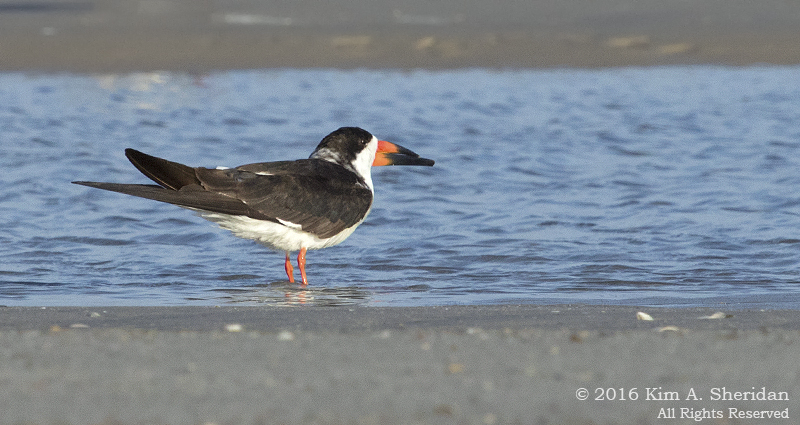
How to tell these birds apart? The American Oystercatcher has an all-black head, red bill, and those marvelous red-rimmed golden eyes. The Black Skimmer in the background is a stockier bird with a white chin and unremarkable dark eyes.

160928_nj-strathmere-point-skimmer_9761acsBut then there’s that bill. Razor thin, with a lower bill much longer than the top. Skimmers feed by flying over the water, bill open and lower mandible cutting through the surface. The bill snaps shut as soon as it touches a fish. Gotcha!

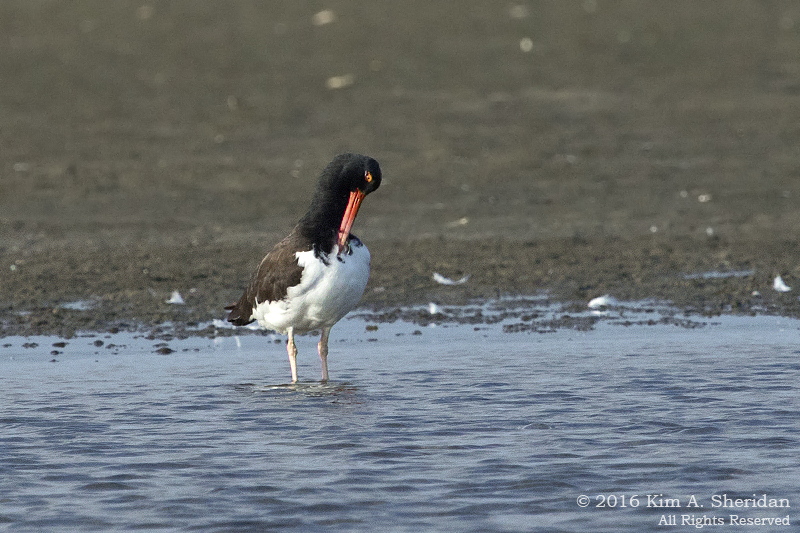
160928_nj-strathmere-point-oystercatcher_0350acsAfter lunch, it’s time for preening. An American Oystercatcher goes to great lengths to keep those feathers clean.

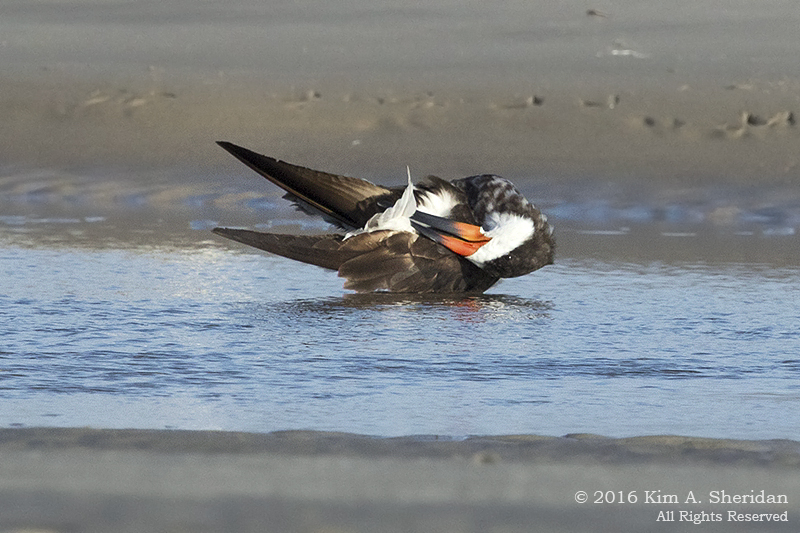
160928_nj-strathmere-point-skimmer_9917acsAlso a contortionist, the Black Skimmer turns upside down to get those hard to reach spots.

160928_nj-strathmere-point-skimmer_9491acsThere go the Skimmers. Evening is the time for them to feed along the ocean’s edge, knifing their bills through the calm water in search of fish.

160918_nj-oc-beach_8353acsJoining the Skimmers on this lovely evening are the Sanderlings. These small shorebirds chase retreating waves down the beach, while probing for tiny invertebrates and crustaceans.

160918_nj-oc-beach_8485acsOnly to flee from the incoming wave in a blur of constant motion. Back and forth, back and forth, back and forth…

…in the sunset glow of another fine day at the beach.

A Shore Thing: The Many Moods of Beach and Bay

160918_nj-oc-beach_8321acsIn two weeks at the Jersey Shore, one witnesses the ocean and her surrounding waters in many moods. Expansive and serene one day…

160919_074732a…she is moody and ominous the next.

160921_nj-oc-devils-island-kayak_4445acsOn a kayaking trip to Devil’s Island in the saltwater marshes: rain and gloom.

160921_nj-oc-devils-island-kayak_4447acs160926_nj-middle-thoroughfare-kayak_9582acsAnother day afloat in Middle Thoroughfare: clear blue skies and lightly riffled water.

160928_nj-oc-sunrise_8977acsRed sky at morning, sailor take warning. Sunrise on the day before…

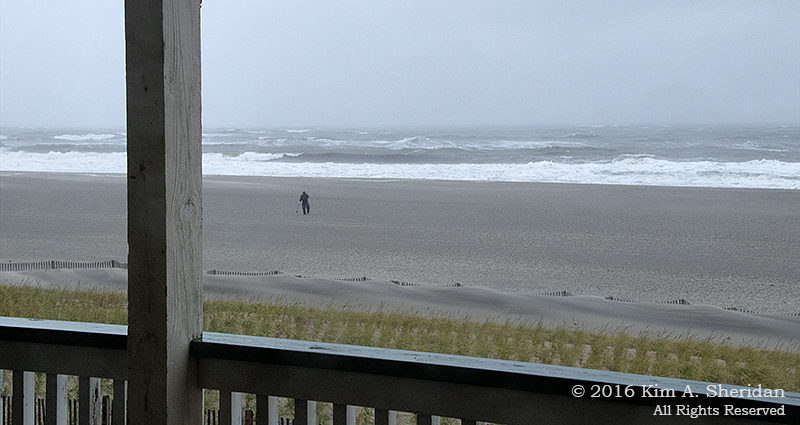
160929_nj-oc-noreaster_0727acs…the big Nor’easter. Three days of howling northeast winds and driving rain.

Don didn’t believe me when I told him the storm was truly a nor’easter – until he was on the beach in the teeth of it.

160929_nj-oc-noreaster_0735acsAngry, dramatic – beautiful! I will meet the sea in any mood she cares to share with me…

Sunflowers and Gourds

161013_pa-sugartown-sunflowers_1362acs

161013_pa-sugartown-sunflowers_0843a

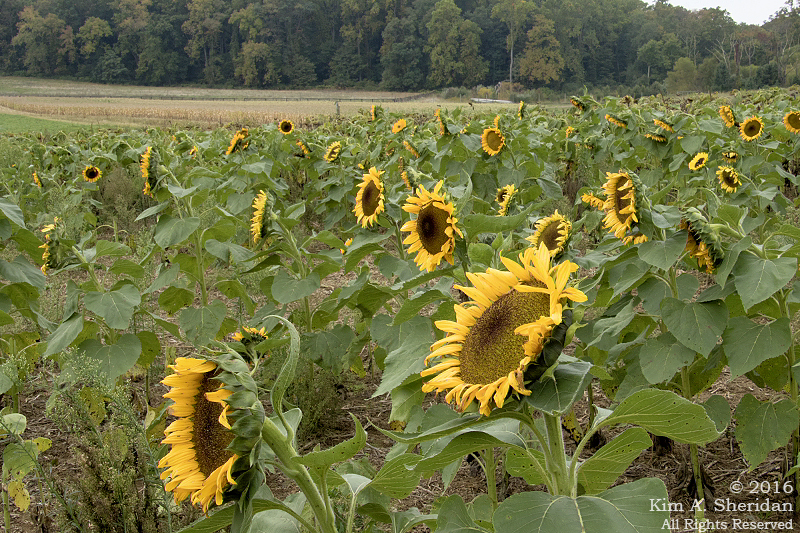
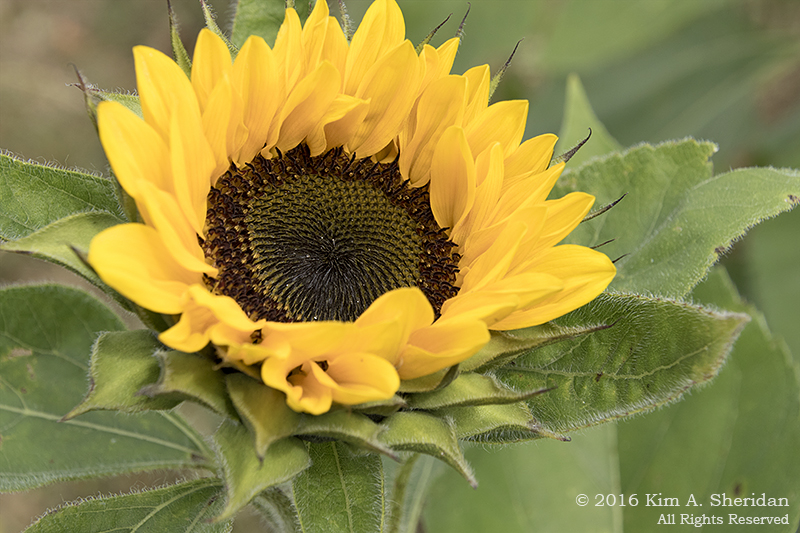
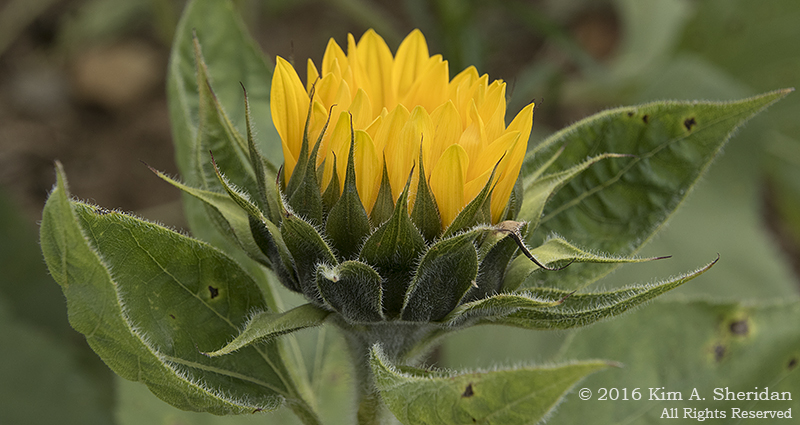
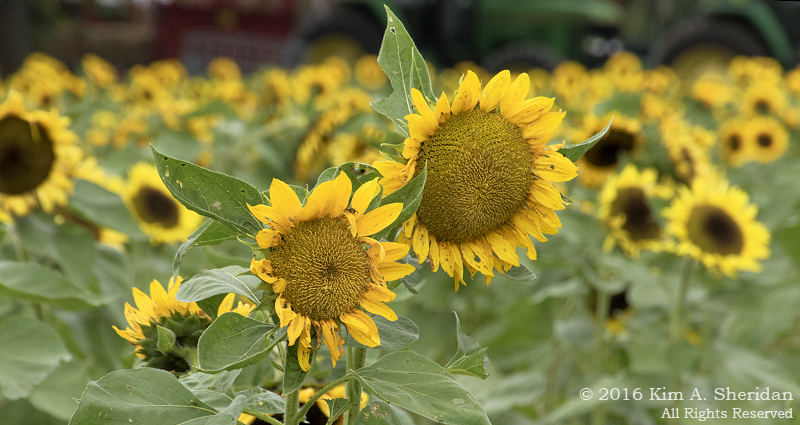
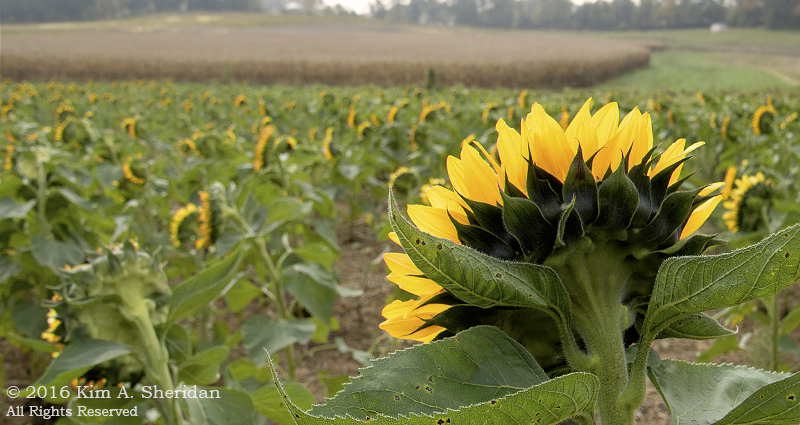
161013_pa-sugartown-sunflowers_0983acsFUN FACT: Sunflowers are composite flowers, where all is not what it seems. What look like petals are actually infertile ray flowers that attract vital pollinator species to the plant. The center of the sunflower is made up of hundreds of small flowers, each with five petals, a male stamen and a female stigma, where pollination takes place.

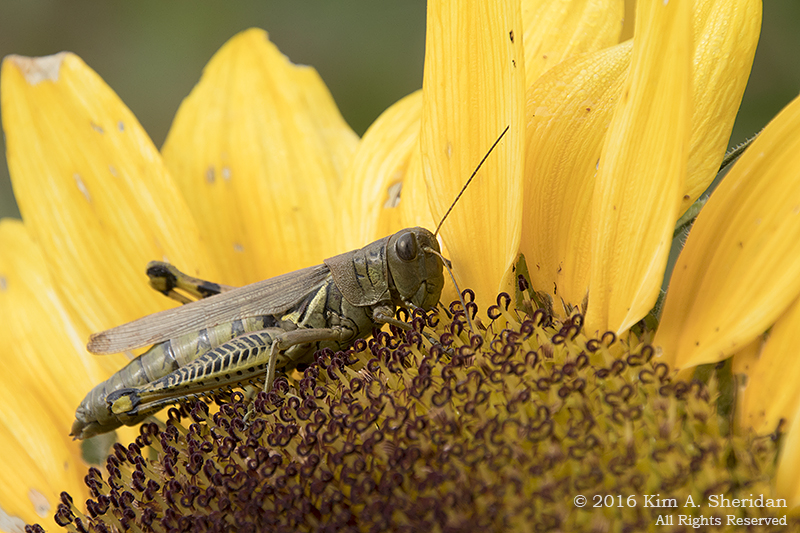
161013_pa-sugartown-sunflowers_0909acsGrasshopper.

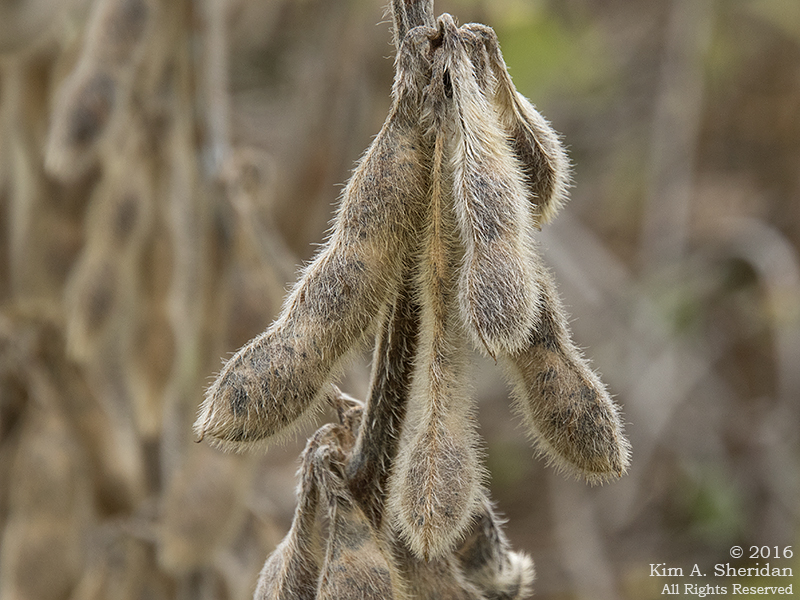
161013_pa-sugartown-sunflowers_1114acsSoybean pods.

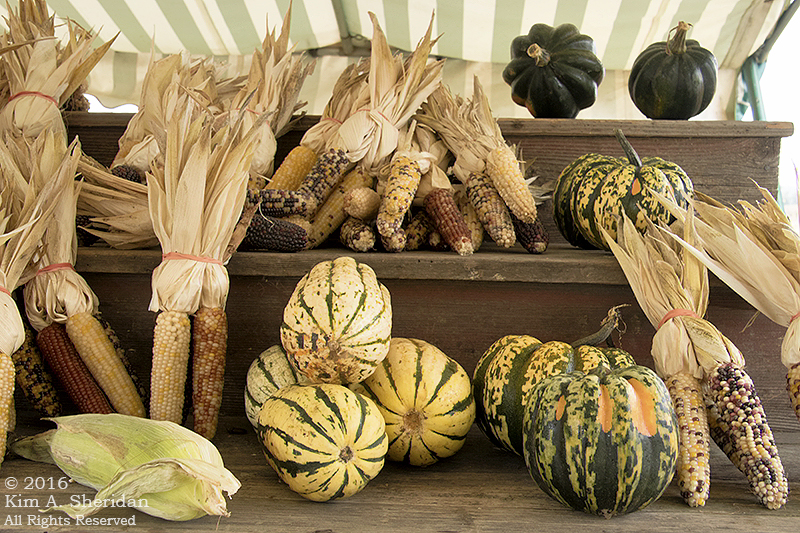
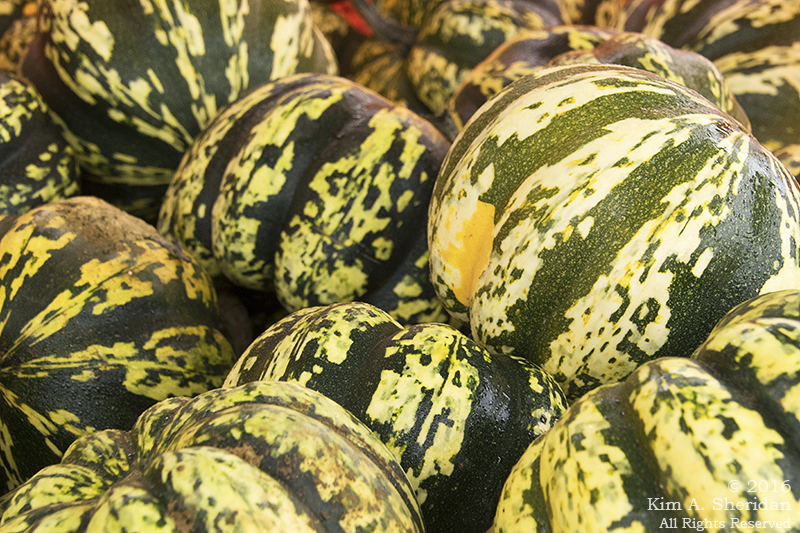
161013_pa-sugartown-sunflowers_0862acs161013_pa-sugartown-sunflowers_0995acs161013_pa-sugartown-sunflowers_0851acs161013_pa-sugartown-sunflowers_1331acs2161013_pa-sugartown-sunflowers_1103acsSquash.

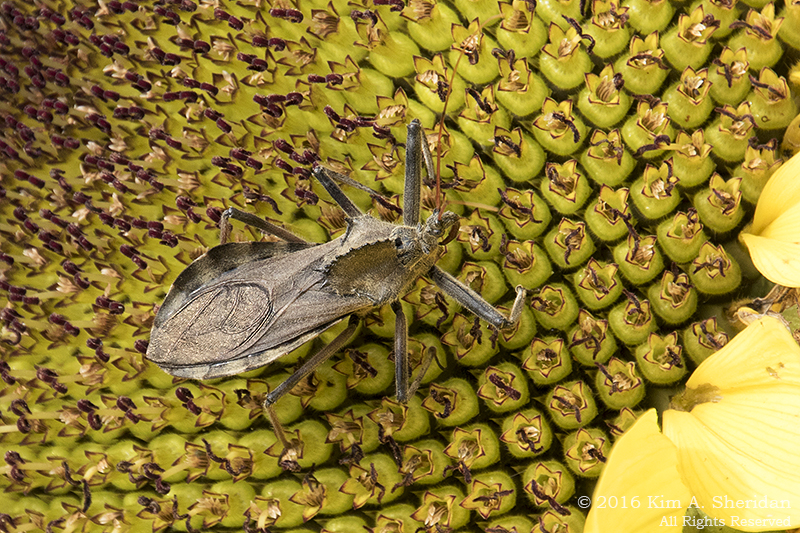
161013_pa-sugartown-sunflowers_1322acs161013_pa-sugartown-sunflowers_0949acsWheel Bug, Arilus cristatus.

FUN FACT: One of a group of true bugs known as assassin bugs, in the ambush bug family, Reduviidae. They eat soft-bodied insects, stink bugs and, as we witnessed, bees. A wheel bug injects enzyme-laced saliva into its prey, which paralyzes the victim and liquefies their internal parts, which the wheel bug proceeds to consume. Yuck! Adding to their allure, they inflict a painful bite on humans.

They have their good side, though; many of their preferred prey are pests, so they are welcomed in gardens and on farms. And they just look cool.

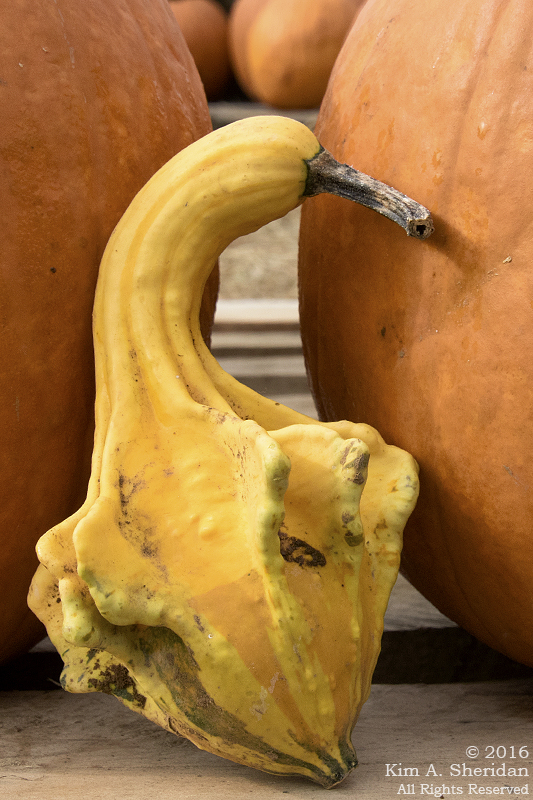
161013_pa-sugartown-sunflowers_0873acsThis gourd looked just like a goose to me. I took him home and cleaned him up.

Behold – Gourdon Goose.

161013_pa-sugartown-sunflowers_0880acs161013_pa-sugartown-sunflowers_1092acsLeft behind.

161013_pa-sugartown-sunflowers_0868acs

161013_pa-sugartown-sunflowers_0981aLooking back on a fun fall day on the farm.

On Empire Bluff

The old ones say “the journey is the destination,” and many times that is true. There were wonders to be found along the trail in Sleeping Bear Dunes, to be sure. But the destination – oh, my, the destination…

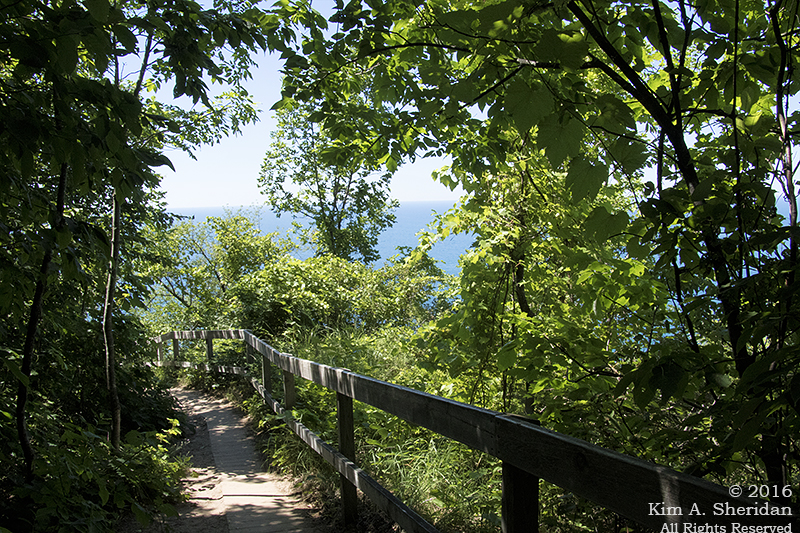
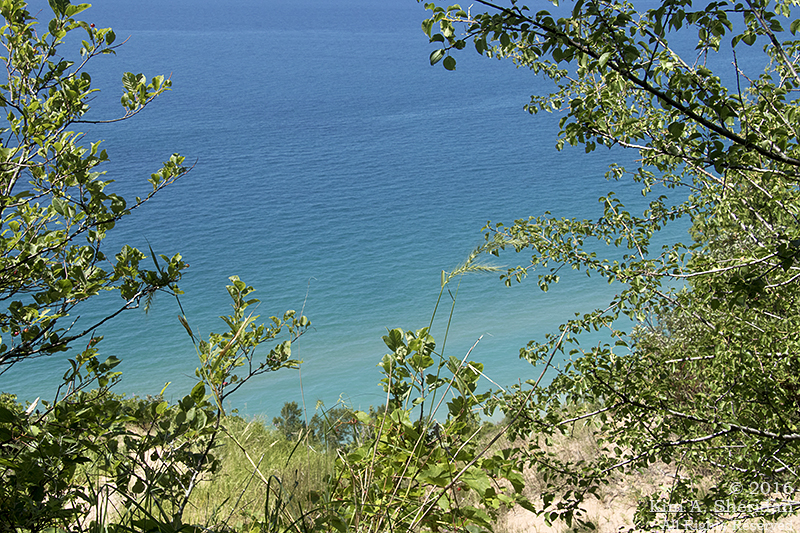
The destination at the end of this trail quickly became my new favorite place in Sleeping Bear: Empire Bluff, a sandy ridge high above Lake Michigan. The path to it snaked through thick forests of beech and maple, ending at a boardwalk along the bluff. 160725_mi-sleeping-bear-dunes-4-empire-bluffs_4791acsOpenings in the greenery offered a sneak peak of the vistas to come.

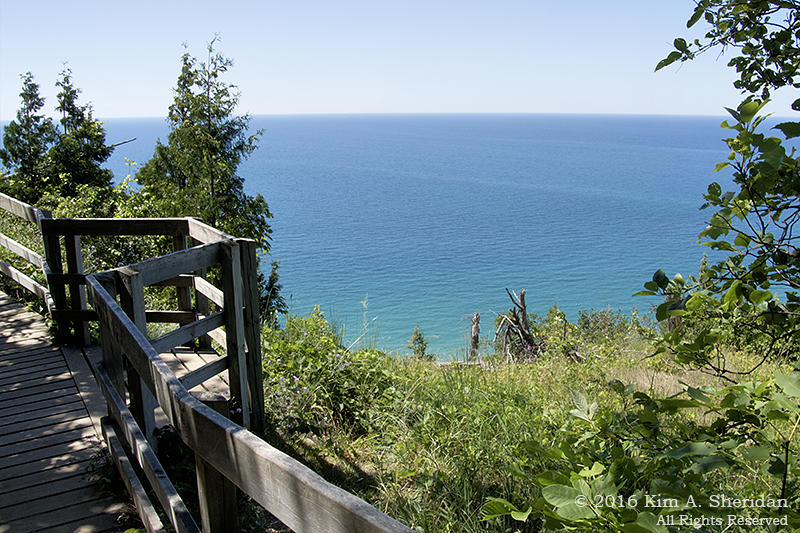
160725_mi-sleeping-bear-dunes-4-empire-bluffs_4806acsLooking down at Lake Michigan 400 feet below. The variety of hues never cease to amaze me. How many names are there for these shades? Blue, green, turquoise, aquamarine, cerulean, azure, beryl, cobalt, peacock… I don’t think there are nearly enough words to describe the colors of the lake.

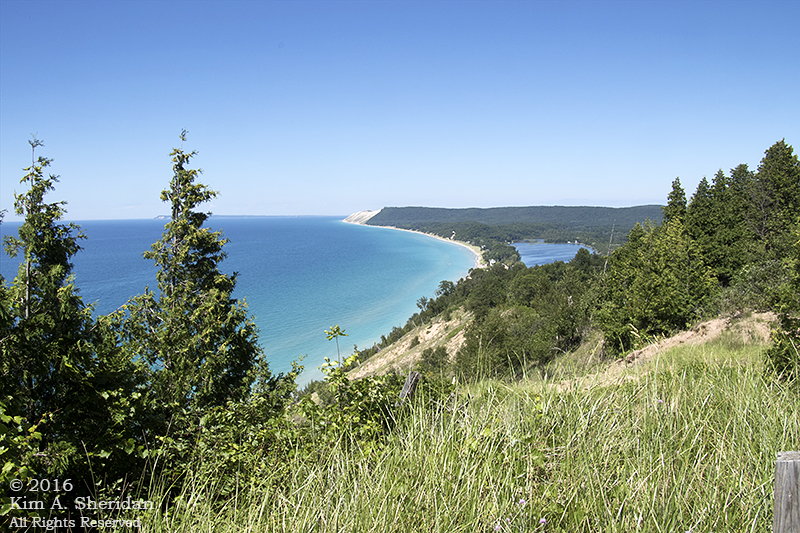
160725_mi-sleeping-bear-dunes-4-empire-bluffs_4846acsThe view from the Empire Bluff Overlook. The shoreline stretches north along the Empire Embayment. A sand bar separates South Bar Lake from Lake Michigan. Sleeping Bear Dune itself – or what is left of it after years of wind erosion – is a small dark hill perched on the tip of the sandy bluff in the distance. Offshore to the left, partially obscured by cedar trees, is South Manitou Island.

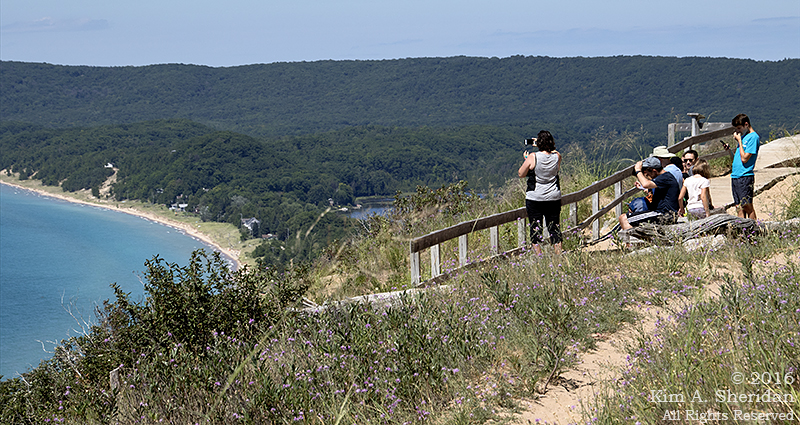
160725_mi-sleeping-bear-dunes-4-empire-bluffs_4895acsEveryone comes for the view. Not everyone pays attention to it. Sometimes I wonder where the next generation of conservationists will come from if kids never get their faces out of their phones, even when in the presence of beauty such as this.

At least some folks are putting their phones to good use. I took cell photos here too, mostly to tease my friends: “I’m on top of the world, and you’re not!”

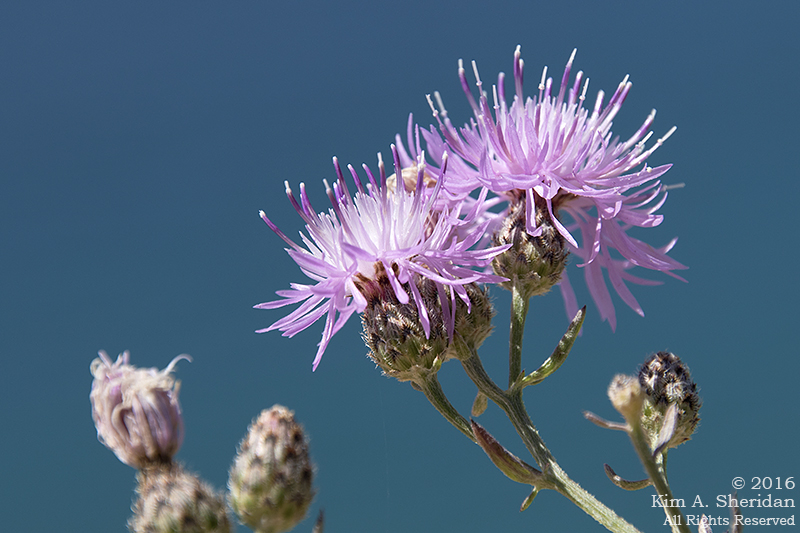
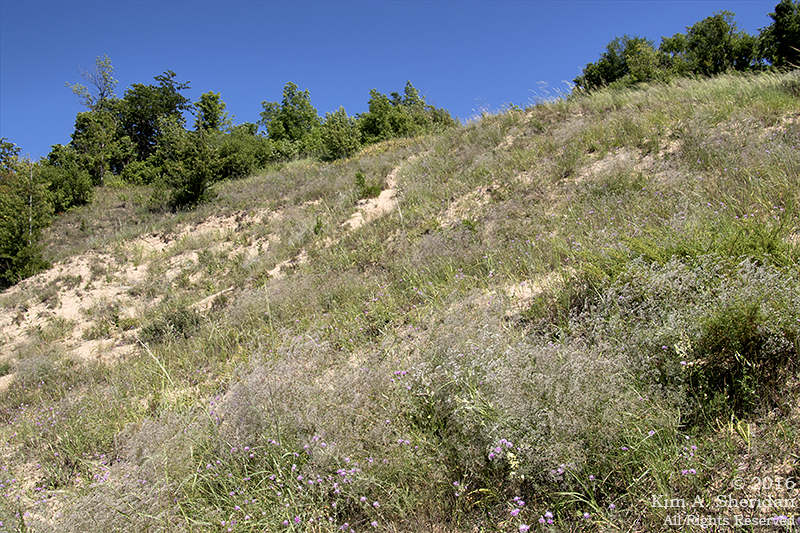
160725_mi-sleeping-bear-dunes-4-empire-bluffs_4873acsNot all is right with that world up here, but it’s hard to find fault with this loveliness. I was enthralled with the purple flowers that covered the open sandy slopes. I couldn’t resist them, even though I knew them for what they were – a dreaded invasive plant.

Spotted Knapweed, Centaurea stoebe, to be precise. It’s an Eastern European aster that arrived on the West Coast in the 1800s, probably in an alfalfa shipment. In 80 or 90 years, it spread to 26 counties in the Pacific Northwest. 20 years later, it was in 45 of 50 states. A pioneer species, it takes over fields, road sides, sand prairies, anywhere there is open disturbed land. Nasty, nasty, nasty.

But it’s such a pretty nasty

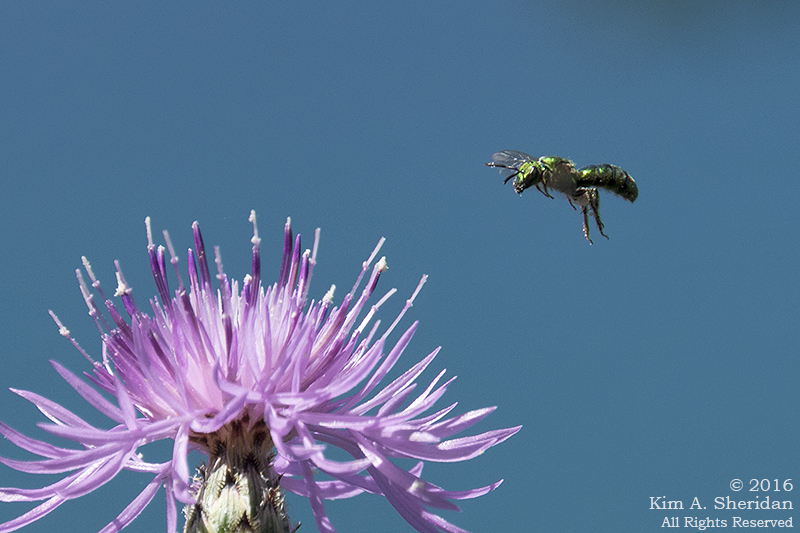
160725_mi-sleeping-bear-dunes-4-empire-bluffs_4834acs2This metallic green sweat bee thought so, too. There are a lot of species of sweat bees all over the world. Which one this is, I have no idea. It was enough to just watch it flashing emerald green in the sun, busily pollinating the invasive plants.

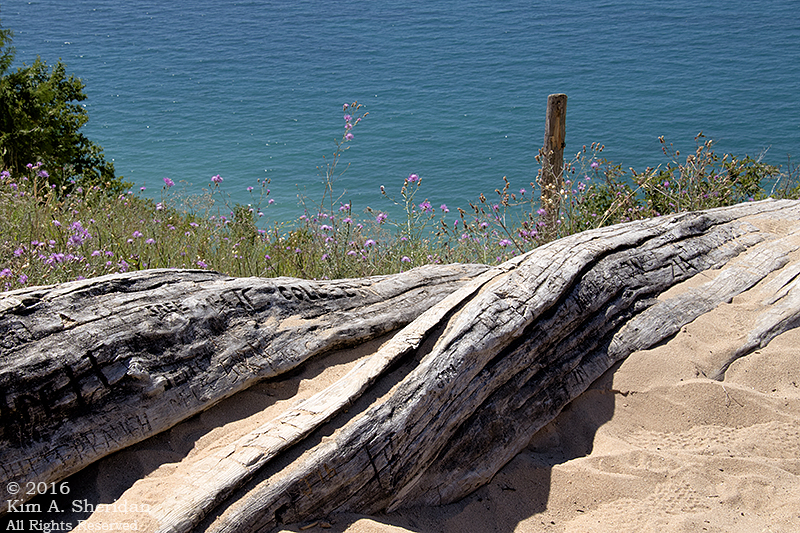
160725_mi-sleeping-bear-dunes-4-empire-bluffs_4885acsDriftwood and weathered old logs made for decorative accents among the wildflowers, grasses and small shrubs.

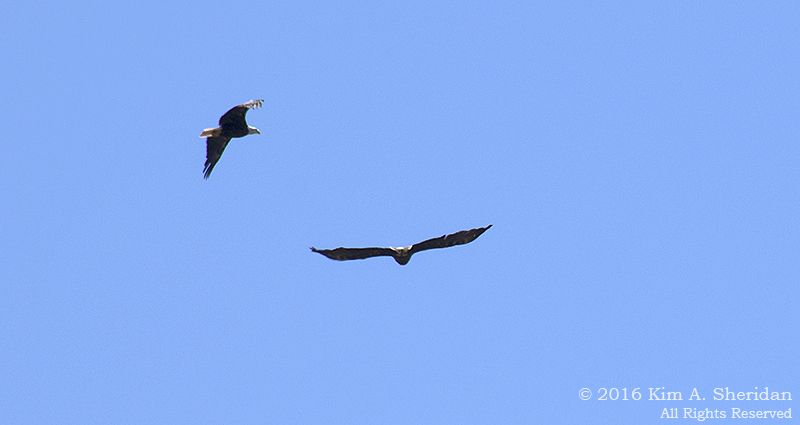
160725_mi-sleeping-bear-dunes-4-empire-bluffs_4880acsA pair of Bald Eagles soared over the ridge.

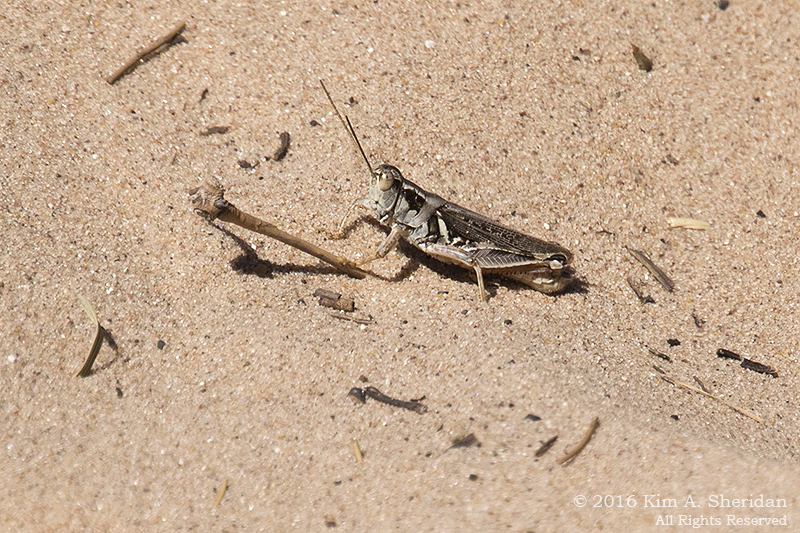
160725_mi-sleeping-bear-dunes-4-empire-bluffs_4919acsThe joint was jumping, literally. Grasshoppers abounded. If I got too close, they’d hop a foot or two in the air, and fly away with buzzing wings. In flight, they looked like butterflies. Here’s the Grasshopper King, about to take up his scepter.

160725_mi-sleeping-bear-dunes-4-empire-bluffs_4933acsLooking up the hill to the east.

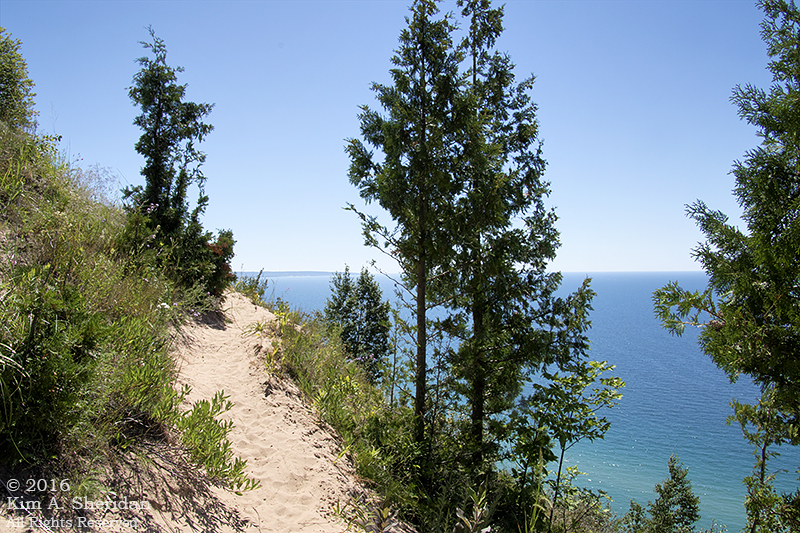
160725_mi-sleeping-bear-dunes-4-empire-bluffs_4898acsBeyond the boardwalk, the sandy trail continued along the knife’s edge of the bluff. To the south is Platte Bay. I turned back here, leaving other wonders to be discovered another time.

160725_mi-sleeping-bear-dunes-4-empire-bluffs_4811acsThat’s the thing about favorite places. They always leave you wanting more.

On The Trail of A Sleeping Bear

160725_mi-sleeping-bear-dunes-6-otter-creek_5015acsIf it’s Michigan, it must be Sleeping Bear Dunes.

160725_mi-sleeping-bear-dunes-5-empire-trail_4997acsEvery summer that I visit Michigan, I try to spend a day in the sprawling Sleeping Bear Dunes National Lakeshore.

Every summer I discover a new favorite place.

The Pierce Stocking Scenic Drive and Glen Haven.

The Port Oneida Rural Historic District and Platter River Point.

This year it was…

Wait. We have to get there first. In Sleeping Bear Dunes, the journey is the destination. Here are some scenes from the trail.

160725_mi-sleeping-bear-dunes-3-empire-trail_4734acsGlaciers played a large role in shaping the hills and lakes of the area, depositing deep layers of sand and debris. In this poor soil grows a dense forest of maple and birch. Scattered boulders known as “erratics” were carried here by glaciers from their origins far away.

160725_mi-sleeping-bear-dunes-3-empire-trail_4776acsAlong the path I look at every fern. Finally, a wood fern I can identify. See the spores along the margins of the frond’s pinnules? It’s a Marginal Wood Fern!

160725_mi-sleeping-bear-dunes-6-otter-creek_5049acsOtter Creek.

160725_mi-sleeping-bear-dunes-2-stocking-drive_4644acsMy new friend is bright-eyed and curious.

160725_mi-sleeping-bear-dunes-3-empire-trail_4737acs 160725_mi-sleeping-bear-dunes-7-otter-lake_5070acsSunny opening in the woods along the shore of Otter Lake.

160725_mi-sleeping-bear-dunes-7-otter-lake_5059acsOtter Lake.

160725_mi-sleeping-bear-dunes-5-empire-trail_4987acsThe best destinations offer journeys of their own. This path took me to my new favorite place in Sleeping Bear Dunes…

Paddling Michigan

110708_mi-club-mich_5097acsI learned to kayak in Michigan.

I’d spent my adolescence canoeing, but decades had passed, and kayaks were a different craft altogether. So I listened carefully as Betsey showed me how to get into the kayak, and warned me of the dangers of getting broadside to the waves. Then she gave the stern a little push and said “Paddle!”

Faced with deceptively strong one-foot waves and starting to veer dangerously sideways, I did just what she said. One stroke. Hmm, this odd paddle has a blade on the other end too. Let’s try that one. Two strokes. Then three, four, five strokes, and without knowing it I was out beyond the waves, maneuvering the boat like I’d been born to it.

I was a kayaker.

110718_mi-club-mich_5083acsFlash forward five years, and once again I found myself in Michigan, this time with a lot more kayak experience under my belt. I’ve paddled ponds, lakes, creeks and rivers in Pennsylvania and New Jersey, both with companions and alone. Heck, I even own my own kayak now. But until this year, my Michigan paddling had been lake-bound: Lost Lake and Hamlin Lake, Lake Michigan.

No more. This year, I finally got out on a Michigan river. Two of them, in fact!

Up first, the Lincoln River. Getting there required a 1½ mile paddle north on Lake Michigan. During which time I realized that I’d left my waterproof point-and-shoot camera behind. Phooey.

150822_mi-lake-michigan-kayak_1934acsI’d tried this trip the year before, but had been turned back by wind and powerful longshore currents. Don’t the clear skies and crystal aquamarine water of this photo from last year fool you. Lake Michigan is not to be trifled with. Underneath that rippled surface was a northward flow as unyielding as any spring tide.

No such drama from the lake this time! This year she was a lamb, lying calm and blue under sunny skies. The trip to the mouth of the Lincoln River took a mere fifteen minutes. Once there, I sought the shelter of some trees. It was getting hot, and the shade was welcome.

160723_mi-lincoln-lake-102454acsAnother happy fifteen minutes took me under a footbridge and into Lincoln Lake. Finally I gave in and dug my cell phone out to take photos. I own two DLSR cameras, four lenses and a waterproof camera, and there I was, using a phone camera.

160723_mi-lincoln-river-lake_102746acsLooking back toward Epworth Heights. My great-grandfather built a house in this Methodist resort a century ago, and my dad and his cousin Sherry spent summers there throughout their boyhoods. I grew up with Dad’s tales of Michigan, and fell in love the first time I set foot in the state. Must be in the blood.

160723_mi-lincoln-river-lake_103728acsTranquil scene along the Lincoln River. I spotted several Great Blue Herons, a couple of Belted Kingfishers and numerous turtles along the shores of white pine, hemlock and birch.

160723_mi-lincoln-river-lake_110150acsThe mouth of the river, with Lake Michigan beyond. A nice day for a paddle, no?

An even bigger adventure awaited a few days later. My cousin Becky, her husband Ron and their friend Mark invited me to go on a day-long canoe trip on the Pere Marquette River.

160726_mi-pere-marquette-river-canoe_4094acs Looking over partner Mark’s shoulder, Becky and Ron in the red canoe about to slip around the bend.

Canoeing! I’d lived in canoes as a teenager – I’d paddled, floated, talked, sang, ate and even slept in them. This was familiar as coming back home.

160726_mi-pere-marquette-river-canoe_4102acsAnd yet, not so familiar. The rust showed. I was surprised at how awkward canoeing felt. I had always paddled in the stern of a canoe when I was young, so that’s where I asked to be. Poor Mark gamely put up with my out-of-practice (and very different) paddling style for the day. He was generous with his tips and I learned a few things from him. I definitely wasn’t the veteran canoer I used to be.

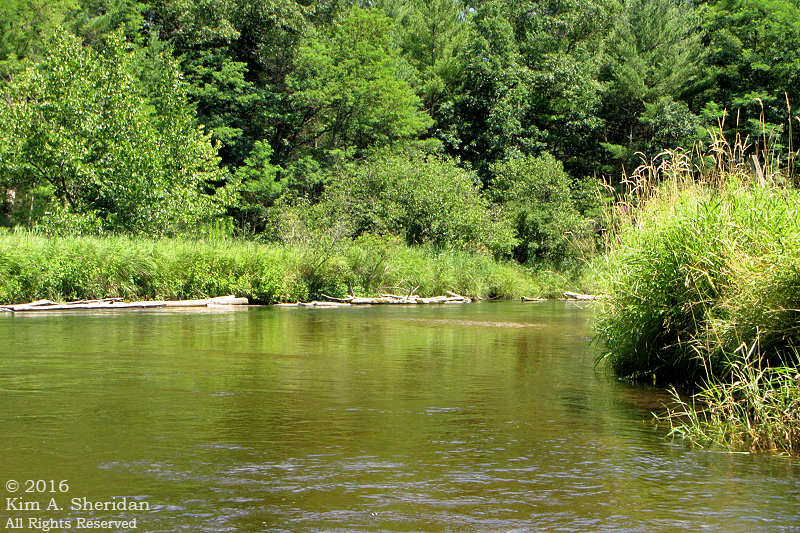
160726_mi-pere-marquette-river-canoe_4116acsOur lunch spot along the Pere Marquette River. The river is lined with white pine, birch, cedar and beech trees, along with wild rice plants. Tiny damselflies were everywhere. We passed a white-tailed deer and her fawn, and two wood ducks, and were in turn passed by a Belted Kingfisher.

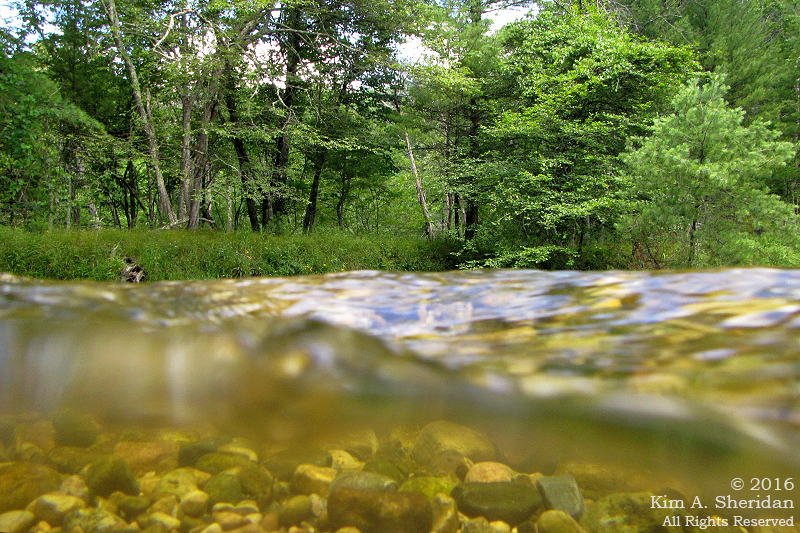
160726_mi-pere-marquette-river-canoe_4121acsAfter lunch I amused myself looking at the pebbly riverbed. I think there might have been small fossils embedded in at least one of these rocks.

160726_mi-pere-marquette-river-canoe_4126acsThen I remembered my camera is waterproof. I’ve always wanted to try an above-the-water/ below-the-water split shot. The rapidly moving water makes for an unusual boundary.

When we got back on the river after lunch, Mark took over in the stern. I spent the rest of the trip wondering where to put my feet. There is NO space in the front of a canoe. Now I am quite sure that I’ve never paddled in the bow before in my life.

With experienced Brother Mark at the helm, I had time to do a little more photography…

160726_mi-pere-marquette-river-canoe_4148acs…And sit back and soak in a beautiful day paddling on a wild Michigan river.

Almost Heaven: Bear Rocks and Bogs

160705_WV Dolly Sods_3578acsWe came to the end of the road – and found a trail.
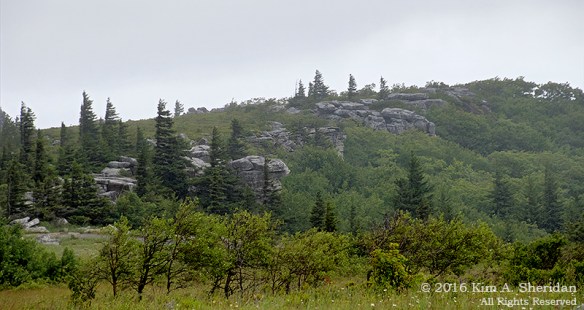
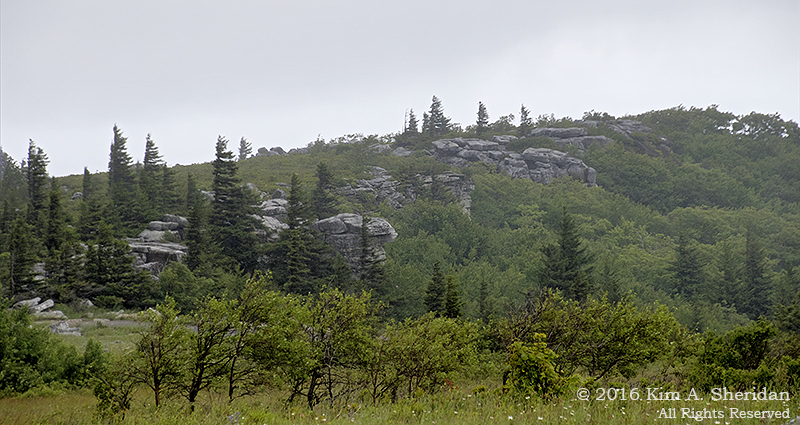
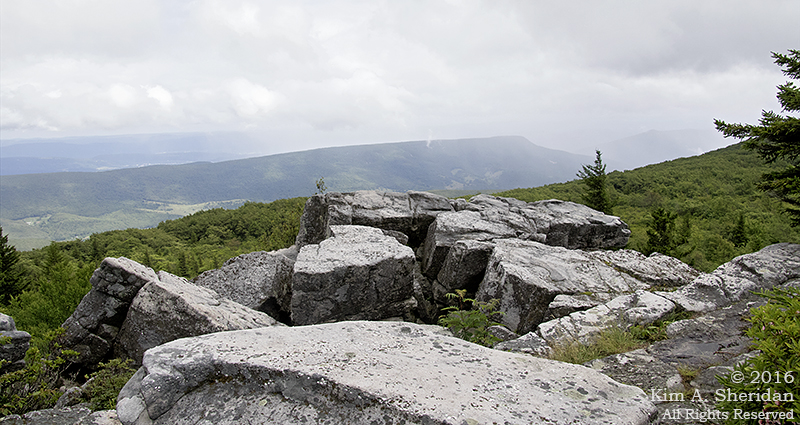
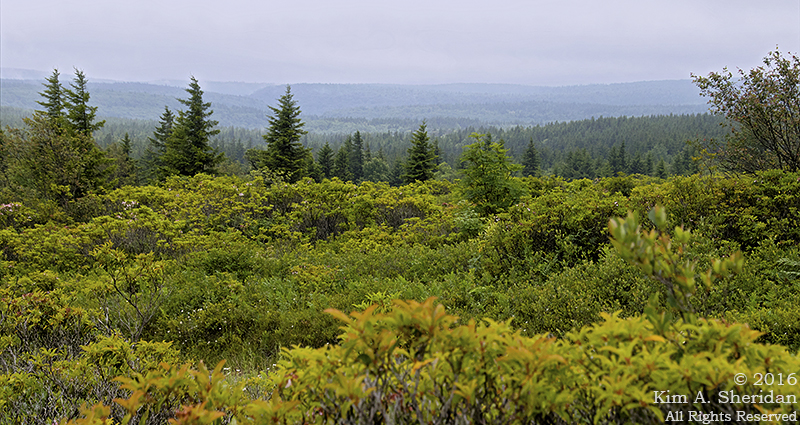
160705_WV Dolly Sods_3573acsTo the north of the Dolly Sods Wilderness Area in West Virginia lies Bear Rocks, a spectacular outcropping of white sandstone and quartz perched on the Allegheny Front. The rocks are surrounded by the 477-acre Bear Rocks Preserve, owned by the Nature Conservancy, which has been instrumental in preserving and protecting land in the Dolly Sods. After touring Dolly Sods by car, Robb, Don and I were eager to get out and explore on foot, stretch our legs a little.
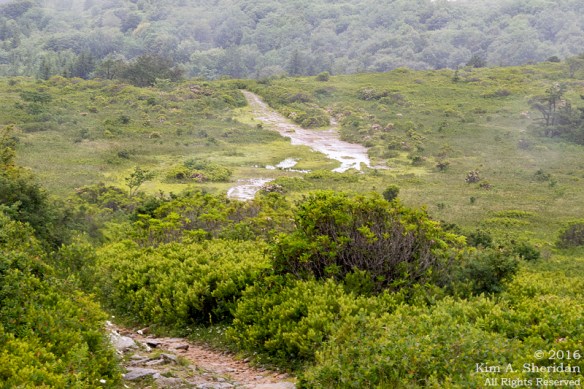
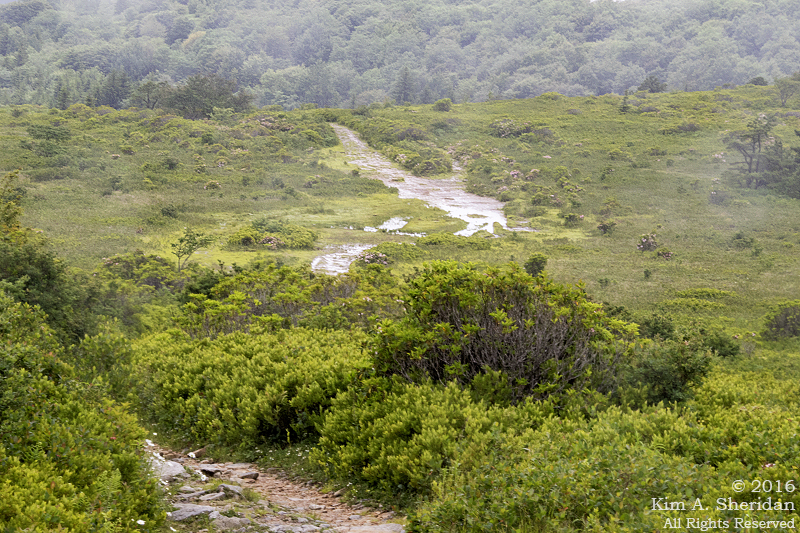
160705_WV Dolly Sods_3552acsA view of the Bear Rocks trail. No, that’s not a creek, it’s a trail. A very wet trail. After a lot of puddle-jumping, we turned back. The trail doesn’t go to Bear Rocks, which is what we were interested in. So we followed a cobweb of informal trails through the heath barrens to the ridge.
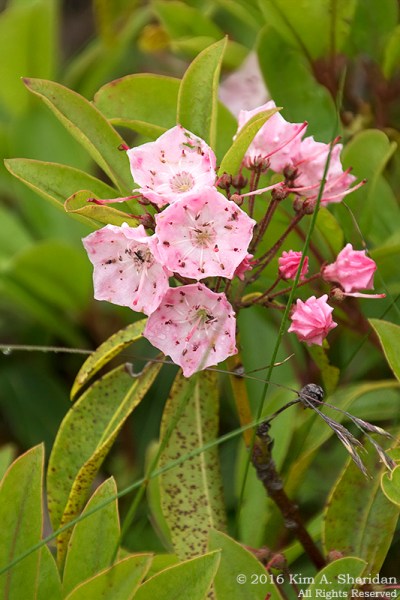
160705_WV Dolly Sods_3575acsI’ve been using the word “heath” a lot. What is it?

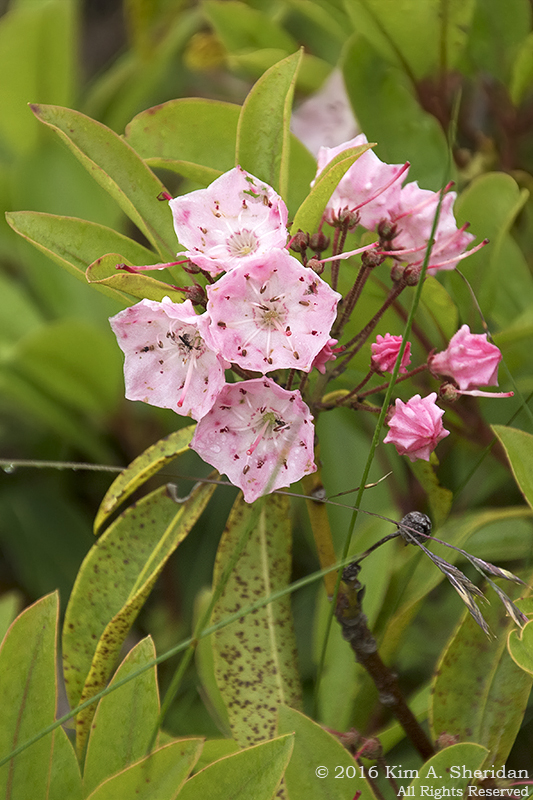
“Heaths” are a family of acid-tolerant, low-growing plants. Huckleberry, blueberry, sheep and mountain laurel (left), rhododendron, tea berry, bear oak.

All of these plants are old friends of ours from the low-lying but acidic NJ Pine Barrens. Time and again, we find them in the higher elevations of the Appalachians.

Here they inhabit tundra-like meadows known locally as “huckleberry plains.”
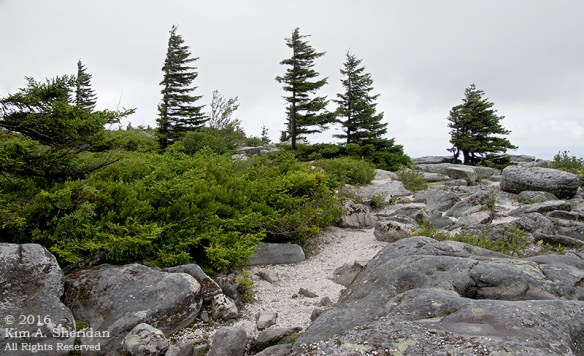
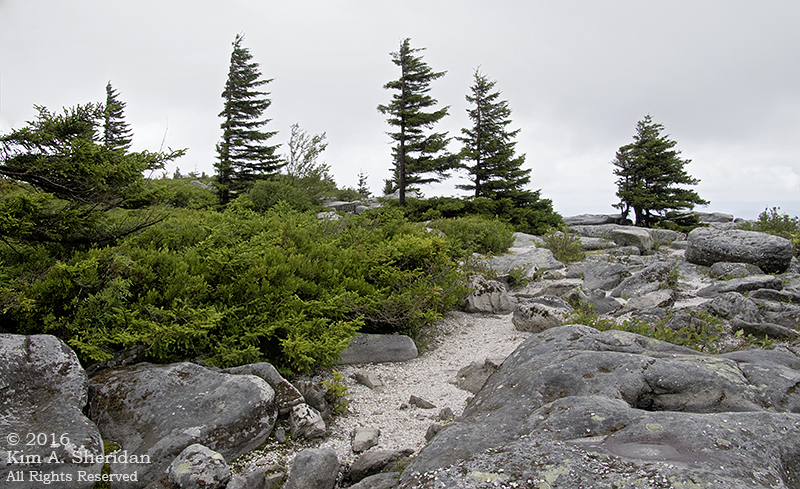
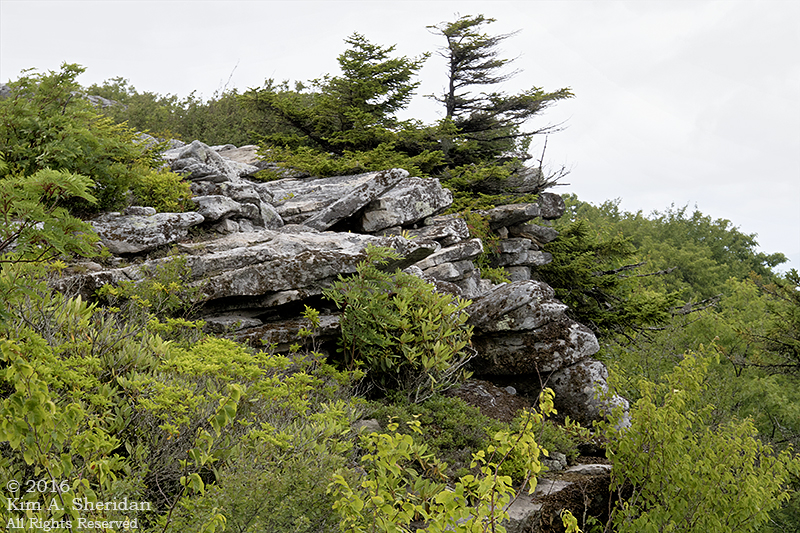
160705_WV Dolly Sods_3590acsFlagged red spruce trees on Bear Rocks.
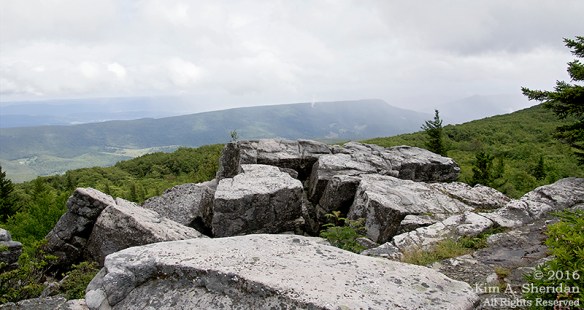
160705_WV Dolly Sods_3614acsThe view east from the ridge. The Allegheny Front drops 2000’ here to the valley of the South Branch of the Potomac River. Rumor has it that on a clear day, a visitor can see seven mountain ridges, and on the clearest days, Hawksbill and Stony Man peaks in Shenandoah National Park. This wasn’t a clear day. I still can count four ridgelines.
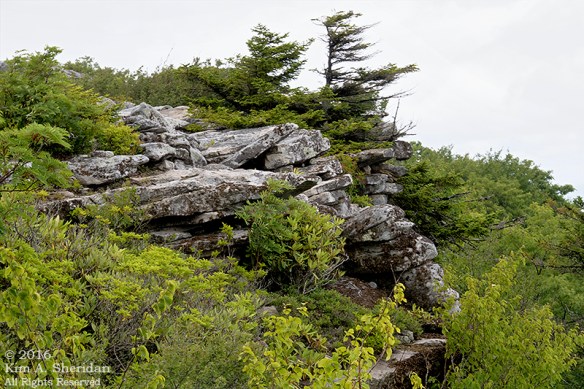
160705_WV Dolly Sods_3634aRocks, rhododendron and red spruce.

We had a lot of fun clambering all over Bear Rocks. Finding our way back through the heath to the main trail was a little challenging. We were glad the plants were so short that we could see right over them.
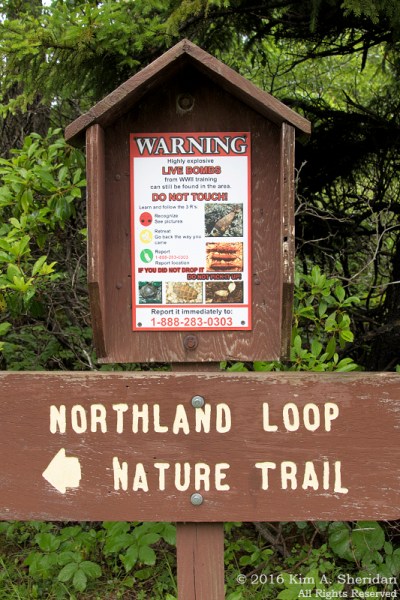
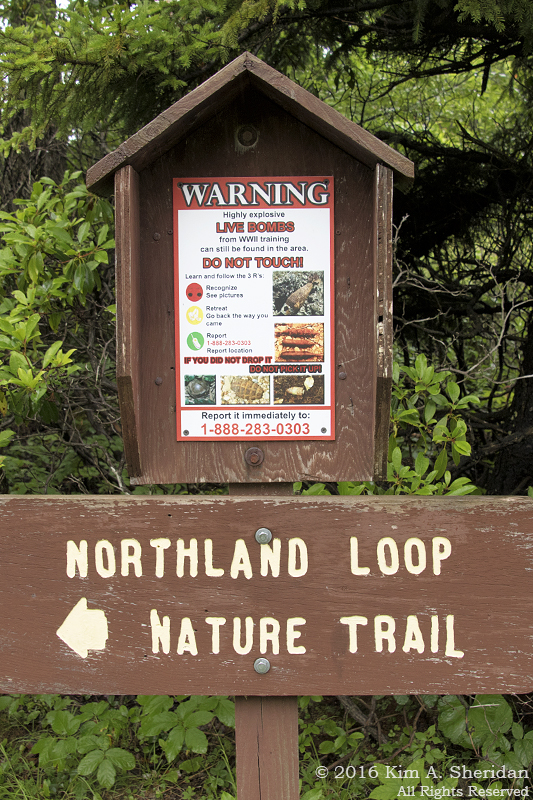
160705_WV Dolly Sods_3650acsOn the way back through Dolly Sods, we had time for one more stop, the interpretive Northland Loop Nature Trail. Lots of different ecosystems on one short trail.

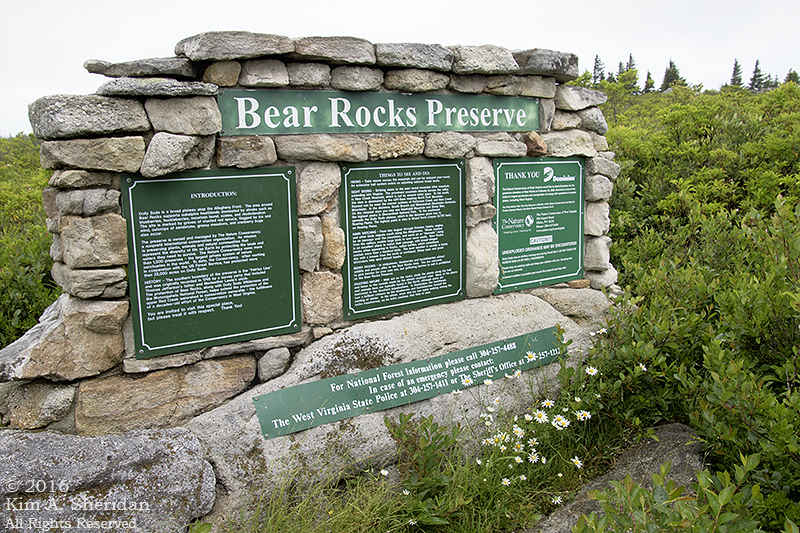
Also a stern warning about unexploded ordnance. The Dolly Sods was a training area during World War II.

We managed to survive the walk with all limbs intact.
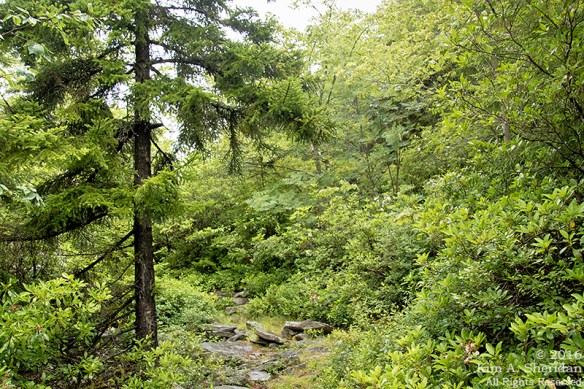
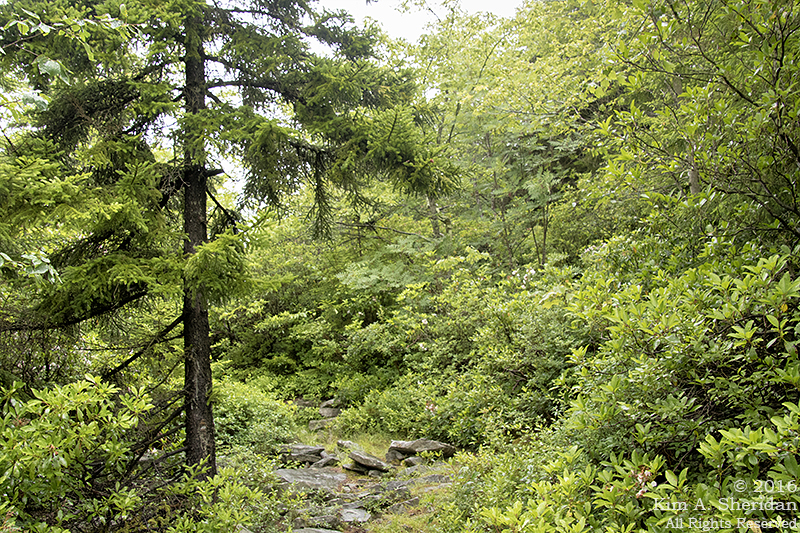
160705_WV Dolly Sods_3666acsThe trail started through a typical forest of red spruce and rhododendrons.
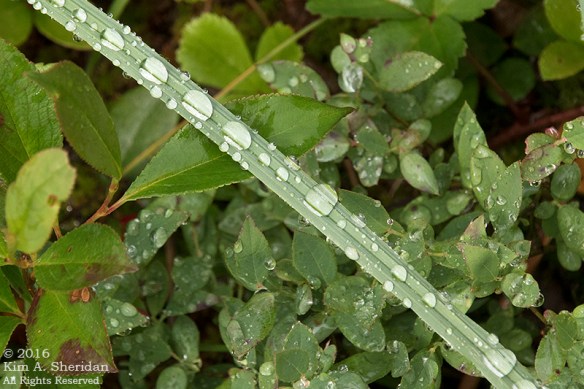
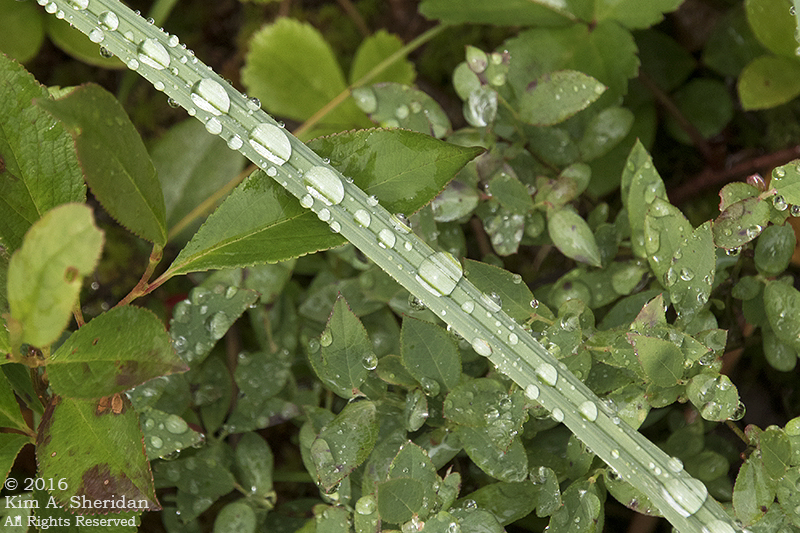
160705_WV Dolly Sods_3731aIt was raining, still, which gave me some nice water droplets to play with.
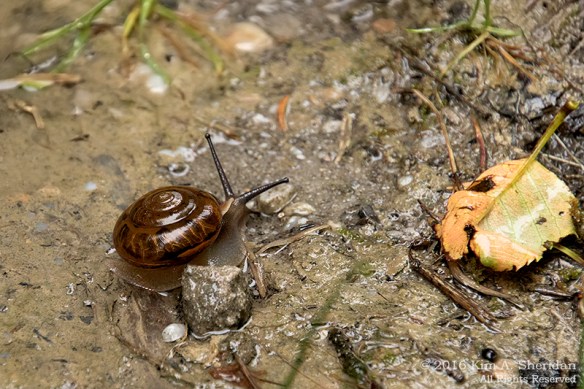
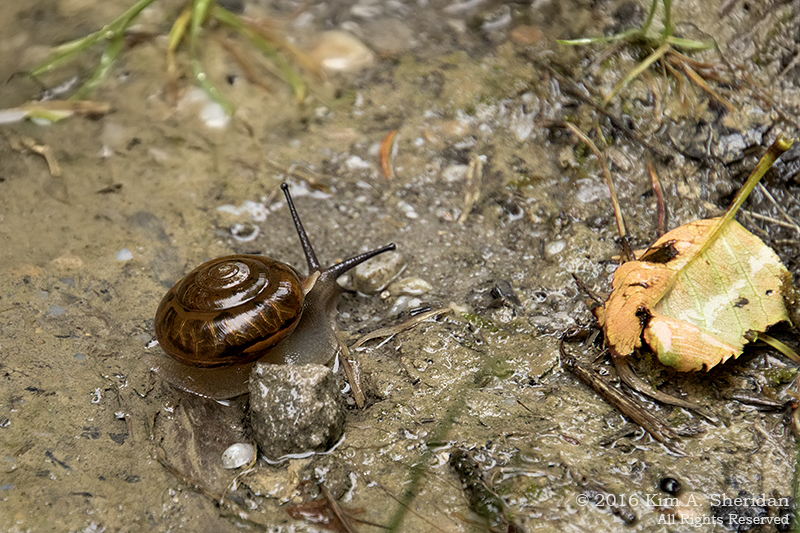
160705_WV Dolly Sods_3663acsExcept for a few unidentified birds, this was the only wildlife we saw in Dolly Sods. No deer, no chipmunks, NO BEARS. Somehow that absence made this snail all the more welcome.
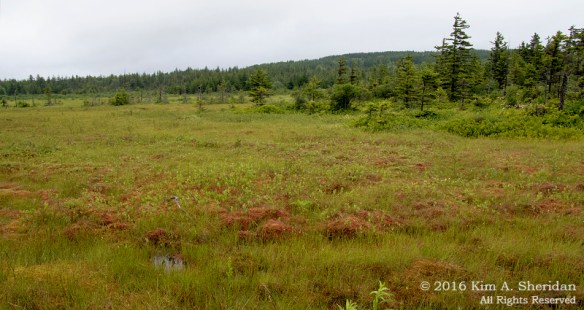
160705_WV Dolly Sods_3708acsThe highlight of the Northland Loop is Alder Run Bog, a large northern peat bog. Bogs are waterlogged ecosystems where the plants actually grow on the surface of the water. They are unusual at high altitudes, but not in Dolly Sods.

The margins of Alder Run Bog are populated by spruce trees, heaths, sedges and ferns. A boardwalk leads out into the bog, which is covered in sphagnum moss and…
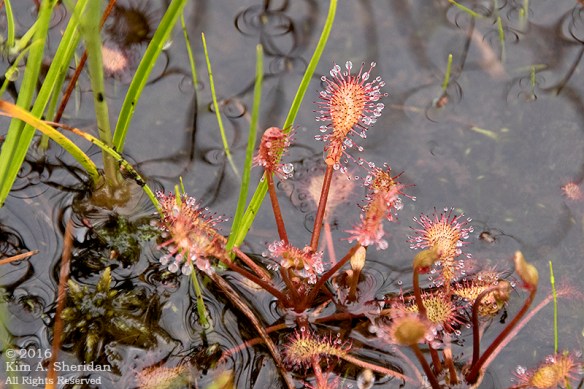
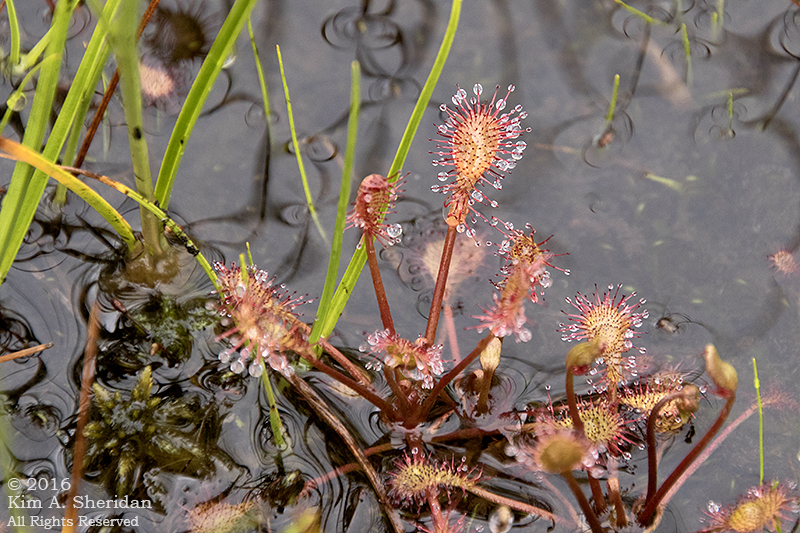
160705_WV Dolly Sods_3717acsSundews! This is a much-loved carnivorous plant we see sometimes in the Pine Barrens. We were unprepared for the vastness of the sundew stands here in Alder Run Bog.

FUN FACT: No more than a couple of inches high, these tiny plants attract insects with a sweet secretion, than trap them with the sticky mucilage of their moveable tentacles. The prey dies of exhaustion or asphyxiation, whereupon the plant digests it. Charming, aren’t they?
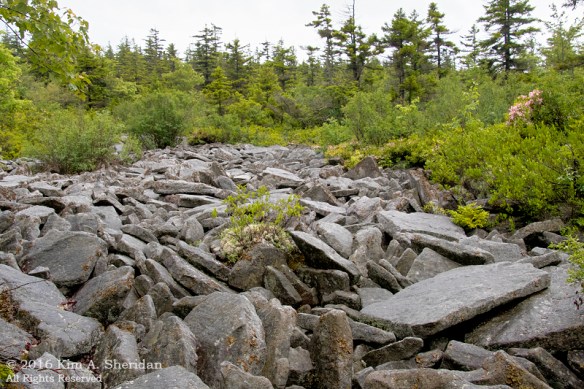
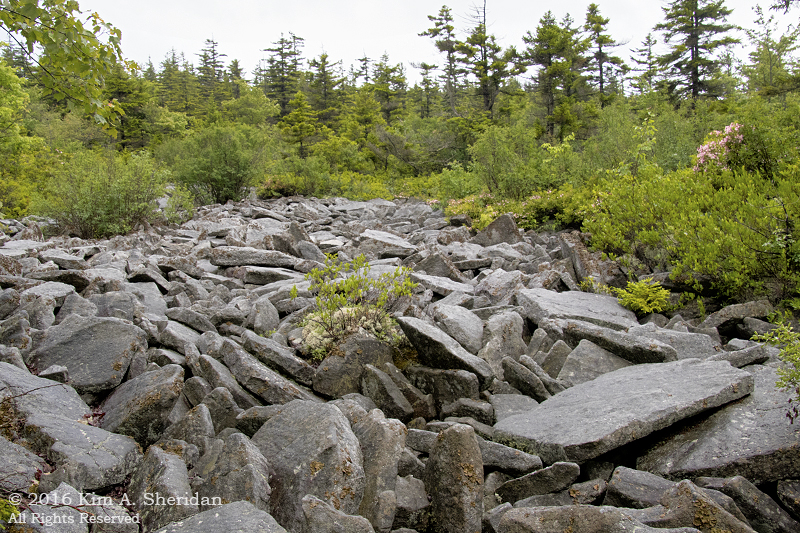
160705_WV Dolly Sods_3738acsBack through the forest, we came upon a river of rocks.
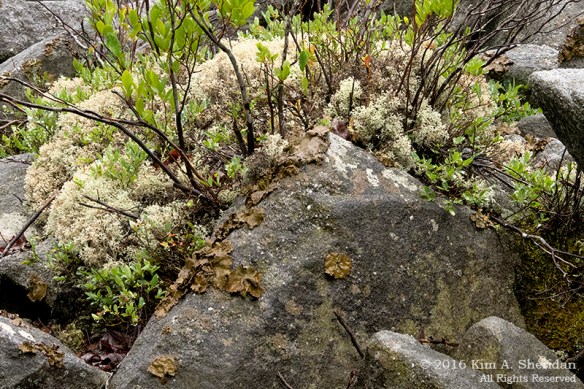
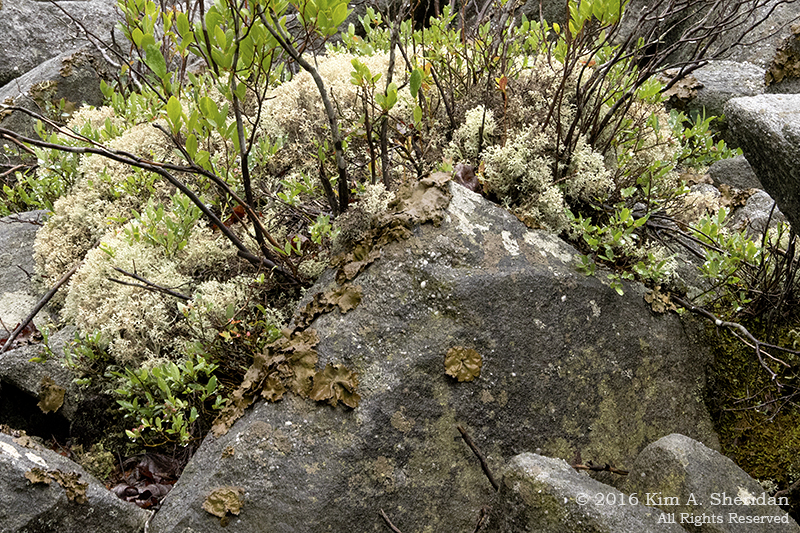
160705_WV Dolly Sods_3743aAmong the rocks we found some white reindeer moss. Not a moss but a lichen, it’s common in the Pine Barrens, just like sphagnum moss and sundews. The similarities between the plant life of the Pinelands and that of high-altitude acidic Appalachian ecosystems continues to amaze us.
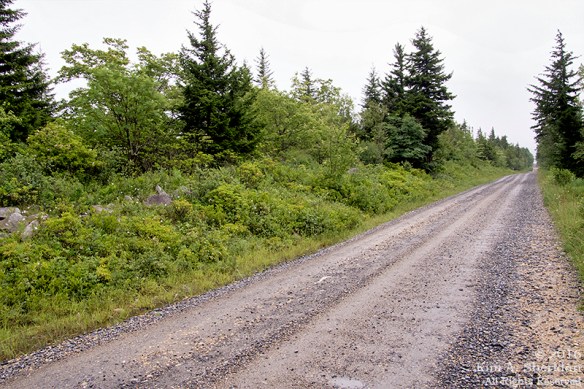
160705_WV Dolly Sods_3750acsThe road home. We had a wonderful day exploring Dolly Sods, despite the mist and rain. But our time in West Virginia was drawing to a close.

While doing some research for these posts, I have seen many images of Dolly Sods and Bear Rocks unlike any of mine. Photos of clear blue skies, mountain ranges rolling off into the distance, meadows abloom with flowers, heaths ablaze in autumnal reds and golds. Something to aspire to, I guess. Something for a return visit (or two!) to West Virginia. I could spend several days right here in Dolly Sods.

Maybe I’d even see a bear…
Almost Heaven: Hello, Dolly!

160705_WV Dolly Sods_3263aDolly Sods.

The name conjures a magical image in my mind: a rugged, windswept summit of jagged sandstone boulders ablaze with crimson heath. Sometime long ago, I saw photographs of this place, and I vowed that, should the chance ever arise, I would go to see it for myself. I’m not sure I even knew where it was, only that I was captivated.

Well, I know where Dolly Sods is now! I am still captivated, all the more so for having been there. It was both like and unlike the images in my mind. Though the Sods wore a deep summer green rather than the reds and auburns of fall, the landscape was indeed rocky and immense, wild and windswept.

My companions and I spent our last full day in West Virginia exploring Dolly Sods. True to form, it rained lightly most of the day, with a few heavier showers. Our original plan was to park at the picnic area – home to the shortest rustic toilet I have ever encountered – and walk a loop in the southern portion of the Dolly Sods Wilderness.

160705_WV Dolly Sods_3319acsPlans change quickly. The southern end of the Sods is a dense cove forest along the Red Creek drainage. We’d seen plenty of forest, and were itching to see the heath barrens, bogs and sods we had heard about, and the stunted trees Don remembered from a previous visit. So our walking tour was abandoned in favor of driving north, deeper into the Sods.

160705_WV Dolly Sods_3294acsWe hadn’t driven far before the forest opened up to a heath layer with scattered small trees. Everywhere, boulders beckoned. We haven’t met a rock yet that we could resist.

The greater Dolly Sods area spreads over 32,000 acres in northeastern West Virginia, and includes a federal Wilderness Area of 17,371 acres, as well as a Nature Conservancy preserve known as Bear Rocks.

Where does the name “Dolly Sods” come from? A year ago, Don and I encountered the Smoky Mountain high elevation meadows known as “balds.” Here in West Virginia, this type of mountaintop meadow is known as a “sod”.
“Dahle” was a German family that lived in the area in the 1700s; the place name was changed to “Dolly” by the locals some time later, and originally described a small mountaintop meadow near the present day picnic area (top photograph.)

160705_WV Dolly Sods_3383acs“Someday, all this shall be yours, my son.”

160705_WV Dolly Sods_3403acsBeyond the spruce trees, a grassy hilltop meadow. A sod.

160705_WV Dolly Sods_3410acsA little further north, we found more impressive boulders to play around on. Robb went gamboling over them like a gazelle, Don following along in his wake. See that crack? Somehow I found myself in it up to my knee. Don’t know how that happened. (Grateful to come home with bruises, and not a plaster cast!)
Rock scrambling is not without its risks, especially on a rainy day.

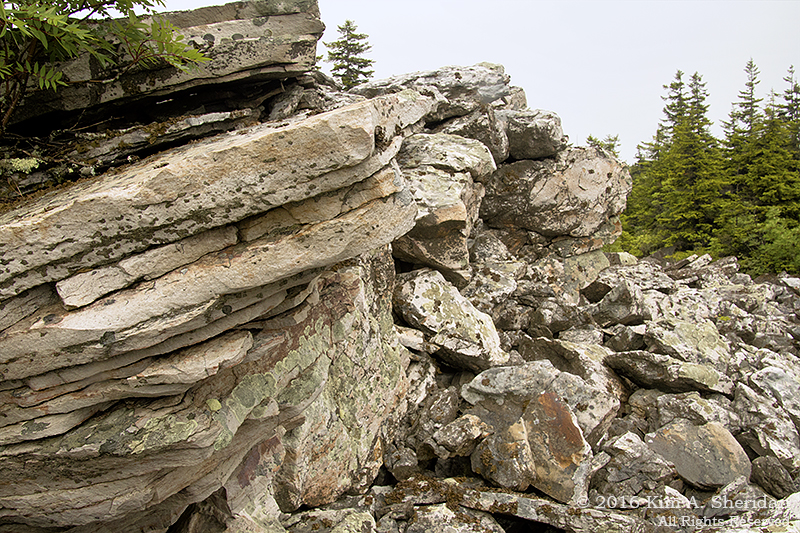
160705_WV Dolly Sods_3430acsThe boulders are sandstone, much of it white. Streaks of deep rosy pink caught my eye. The lichens adorning the rocks were impressive in both their variety and sheer number. From a distance they give the rocks a salt and pepper appearance.

160705_WV Dolly Sods_3435acsEqually impressive was the variety of rock formations. We marveled over the angle and the layered nature of the sandstone.

160705_WV Dolly Sods_3486acsA few miles down the road we began to see the one-side trees Don remembered. These are called “flagged” trees; strong prevailing west winds encourage the red spruces to grow only on the eastern side. Weather in Dolly Sods is harsh, and changes rapidly. Daily temperature variation can be extreme. Mist, rain and snow are frequent, and the fog can roll in quickly.

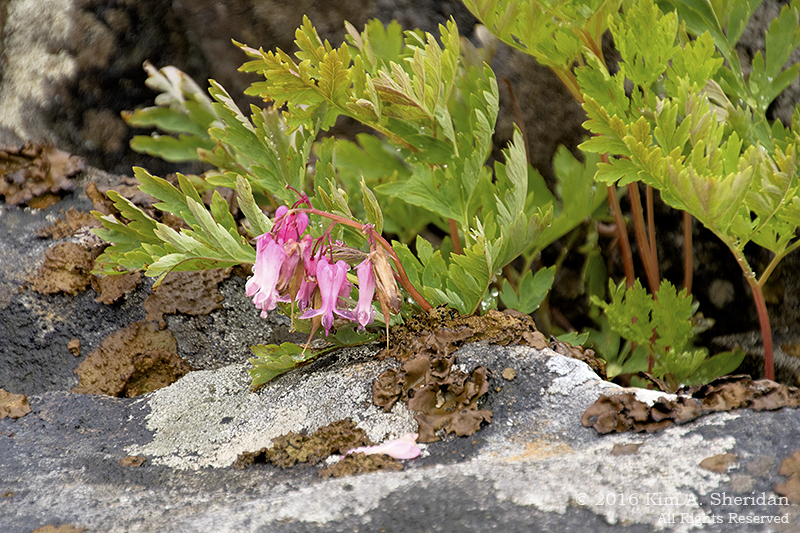
160705_WV Dolly Sods_3499acsYet tiny beauties thrive here. Wild Bleeding Heart and lichens.

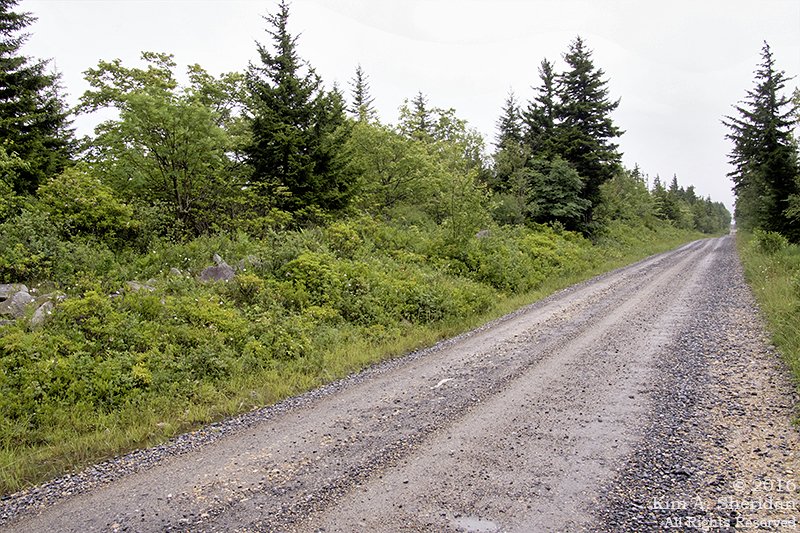
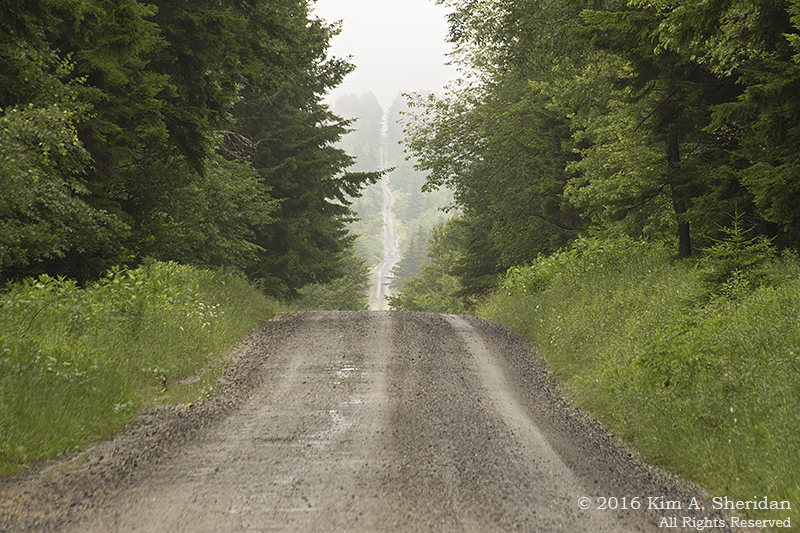
160705_WV Dolly Sods_3502acsAfter eleven miles of hilly, potholed dirt roads, at elevations ranging from 3800 to 4000 feet, we reached the northern end of the Dolly Sods Wilderness Area. You might think the adventure would be over.

You would be wrong.

Coming up: Bear Rocks and Bogs