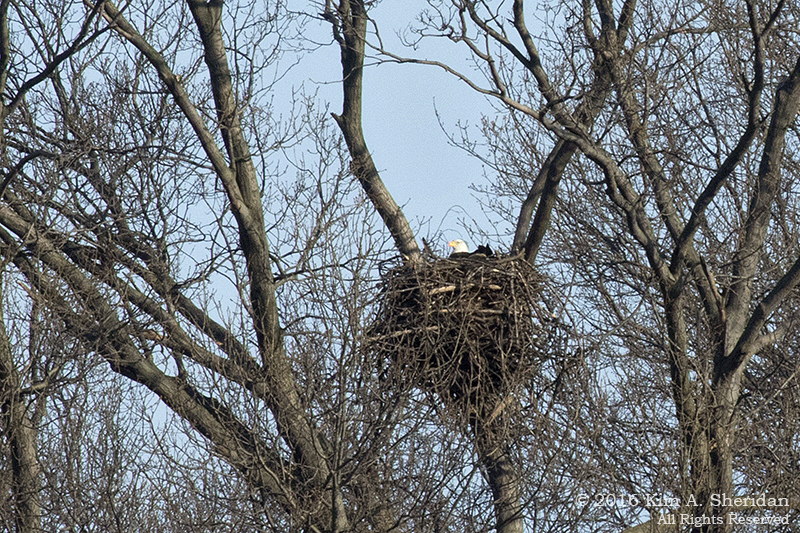
Stilted

160610_DE Bombay Hook Stilt_0946acsStilted [stil-tid]: Stiffly dignified or formal.

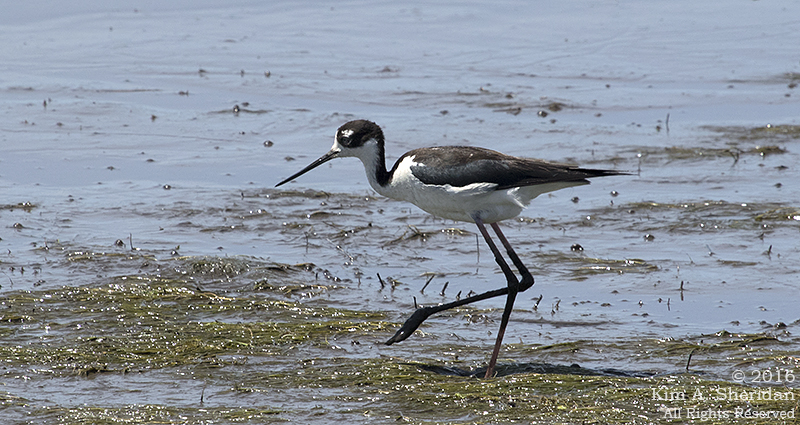
Hmmm. Ok, this bird could be described as “dignified or formal.” This is a Black-necked Stilt, a slender shorebird with long red legs. In his black and white attire, he seems ready for a formal affair.

I coaxed my friend Don into a trip to Bombay Hook National Wildlife Refuge along Delaware Bay in Delaware on my birthday a few weeks ago. I’m not sure what I was hoping to see. Ospreys, Harriers, Egrets.  American Avocets, if we were lucky. Foxes, maybe.

We weren’t expecting Black-necked Stilts. And we certainly weren’t expecting to see the behaviour we witnessed. I’ve only seen Black-necked Stilts at this Refuge, and only a couple of times.  Always it’s been one or two birds, far across the impoundments, difficult to see and impossible to photograph.

Yet, here they were, Stilts close enough to the Wildlife Drive to see and photograph. We were thrilled to watch these elegant and formal birds.

160610_DE Bombay Hook Stilt_1273acs“Stiff” is not a word that describes the Stilt, though. On land they tip forward on those long legs to forage for invertebrates and small fish, then agilely twist to groom themselves.

06222016_DE Bombay Hook Stilts_1951acsIn flight they are graceful and airy.

160610_DE Bombay Hook Stilt_1015acsA little further down the road, we found more Stilts, and things began to get interesting. Two pairs of birds were flying in a looping, elaborate aerial dance.

160610_DE Bombay Hook_0981acs2A dance it was indeed, as these couples were clearly engaging in a courtship display.
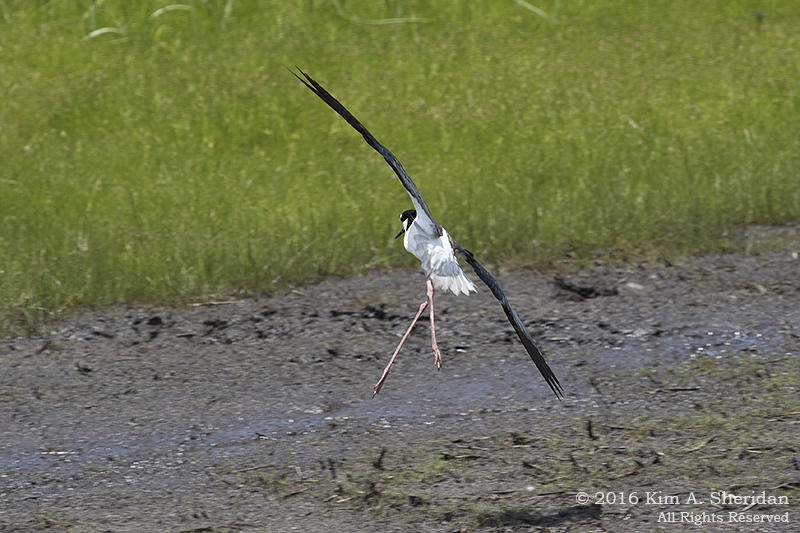
160610_DE Bombay Hook_1332acsTurning and wheeling with long legs dangling, they put in mind ballet dancers in tuxedos leaping across a stage.

160610_DE Bombay Hook_0819acsWe also witnessed another pair mating.

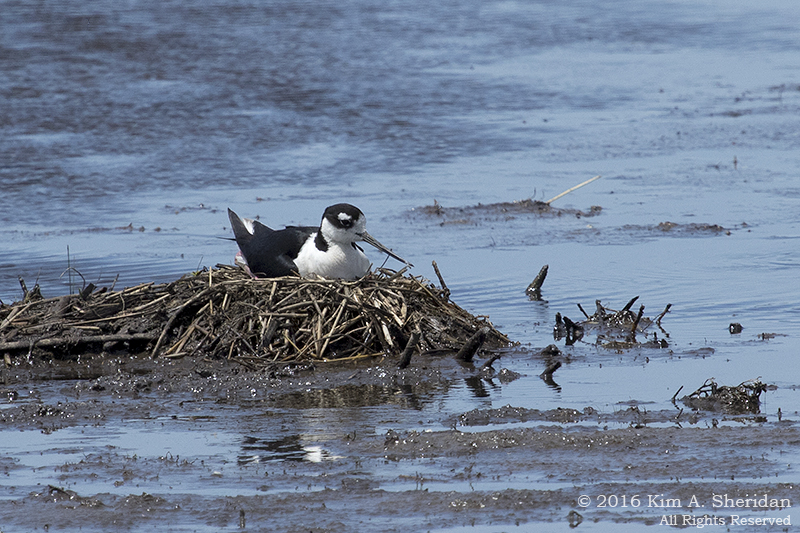
160610_DE Bombay Hook_1451acsYet another Stilt, sitting on a nest, incubating eggs. Stilt nests are scrapes in soft ground. Often they are on small islands surrounded by shallow water.

In the course of a few hours, we saw the entire range of breeding behavior, from courtship display to mating to nesting. We felt lucky to get this little glimpse into the lives of Black-necked Stilts.

But wait. If there’s a nest so easily viewed from the road, might there be babies to see in the future?

Two weeks later Don and I found ourselves back at Bombay Hook, hoping to see Black-necked Stilt chicks. We weren’t disappointed!
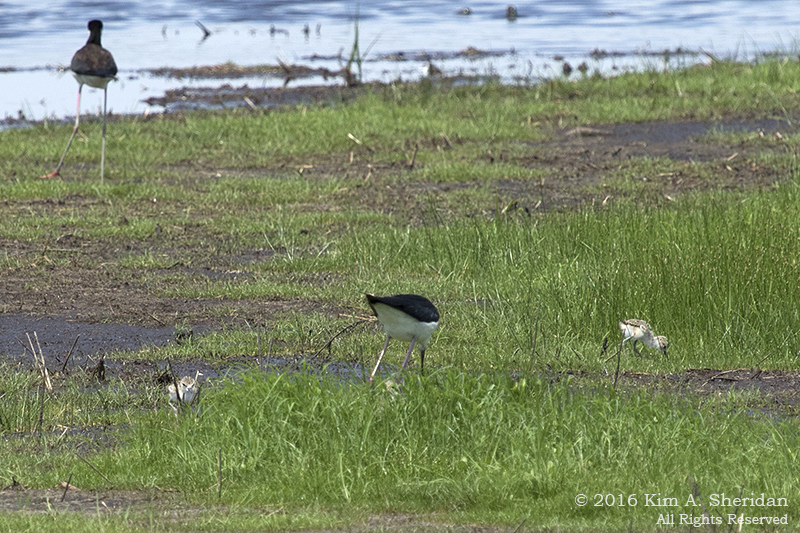
06222016_DE Bombay Hook Stilts_1911acsWe found the Stilt family on a low island of green grasses in one of the Refuge’s pools. Two adults, and three chicks. They are all visible in this photograph, although you have to look hard for the third chick. Its head is barely visible just in front of the right-hand adult’s feet, nearly lost in the green grass.
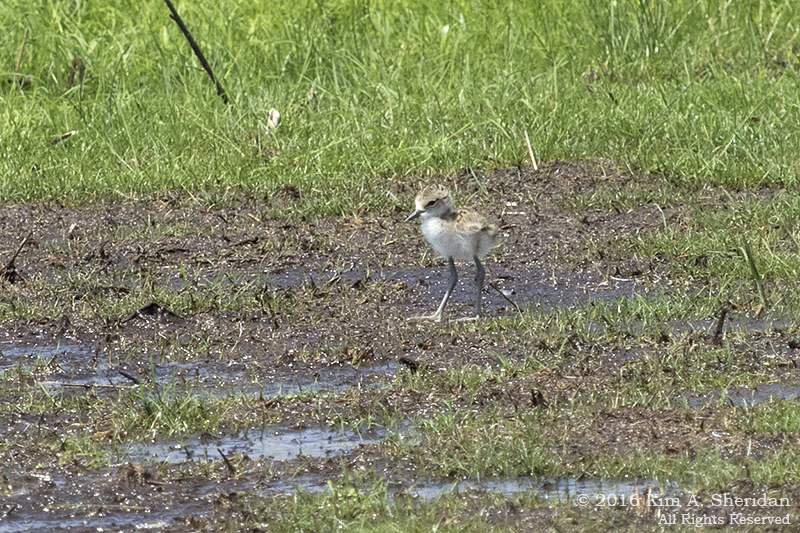
06222016_DE Bombay Hook Stilts_2221acsCuteness Alert! This little ball of fluff is irresistible. A pom-pom on two long slender sticks.

06222016_DE Bombay Hook Stilts_2239acsStepping out. Stilt chicks are able to walk and forage on their own with hours of hatching. It will be some time before they grow feathers and learn to fly, though. Until then, this tiny island is their entire world. Their parents are vigilant, constantly on guard for any possible threat.

06222016_DE Bombay Hook Stilts with Egret_2400acsLike a Great Egret that landed too close for the Stilts’ comfort. One parent took several passes at the Egret. When it moved even closer, the Stilt had seen enough, and aggressively chased the intruder away. Never underestimate the smaller bird if it has chicks to protect.
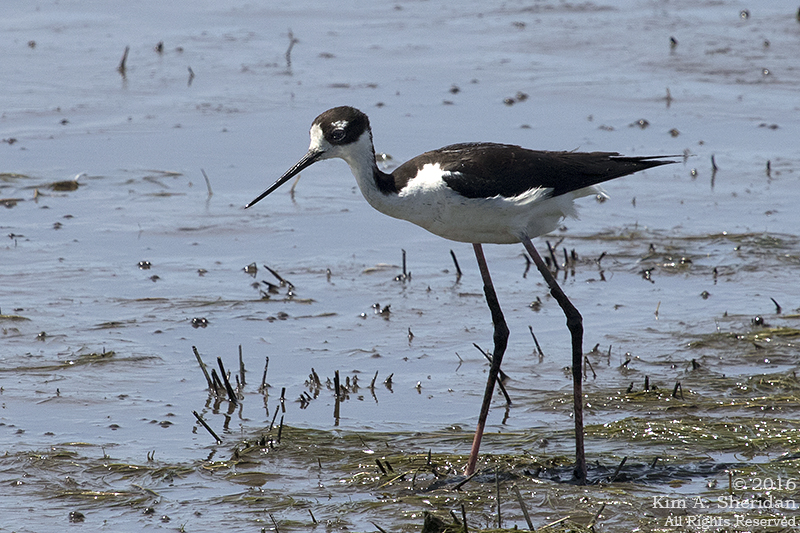
160610_DE Bombay Hook Stilt_0941acsDon and I had thought ourselves lucky to witness the breeding behavior of Black-necked Stilts. We felt positively privileged to spend time with the adorable fluffy offspring of these elegant and distinguished birds.

My Big Day

160531_PA HNWR Evening_9311acsA “Big Day” in bird-watching parlance is a day when a group of birders try to see as many different species of birds as they can. Recently, I had a different kind of Big Day.

My life list on May 13 consisted of 211 different bird species. On May 14, it was up to 217. That’s a big jump. How?

I saw six new birds in ONE day, that’s how. My BIG DAY.

But do I have photographic evidence? No!

Murphy’s Law of Bird Photography: Go out, camera in hand, in search of stunning photographs of the brightly colored migratory warblers that appear like magic every May, and either:

a) there are no birds, or

b) there are plenty of birds, but they are moving so rapidly deep in the dark treetops that all of your images are rubbish.

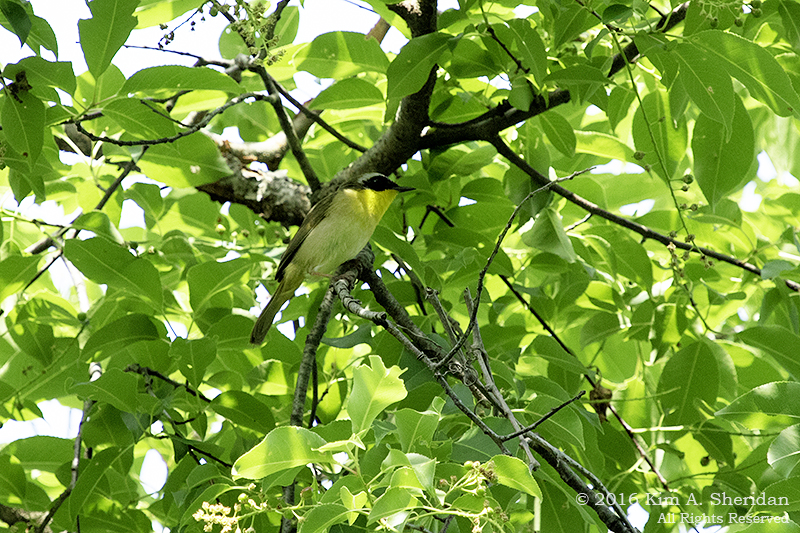
160526_PA HNWR Morning Birds_8263acsLike this Common Yellowthroat, so buried in the foliage that its light underparts look green from the reflection of the leaves.

Common Yellowthroats, as their name implies, are pretty common. One hopped across my porch while I was reading one evening. I enjoy seeing them each year, but this was not a new species, a “life bird”, for me.

160428_PA HNWR Warblers_6824acsHere’s a bird in the open, an American Redstart. Great bird, horribly distracting background, too bright. Another common warbler I’ve seen before this year.

John Heinz National Wildlife Refuge is a hotspot for migrating warblers, flycatchers, vireos and other birds in the spring. Many of the local birders said this was the best spring migration we’d had in some years.

Murphy’s Law of Bird Photography, Corollary #1: Go birding WITHOUT the camera, and the birds will sit in the open in beautiful light, singing their hearts out.

See the above incident on the porch. Great bird, really close, no camera.

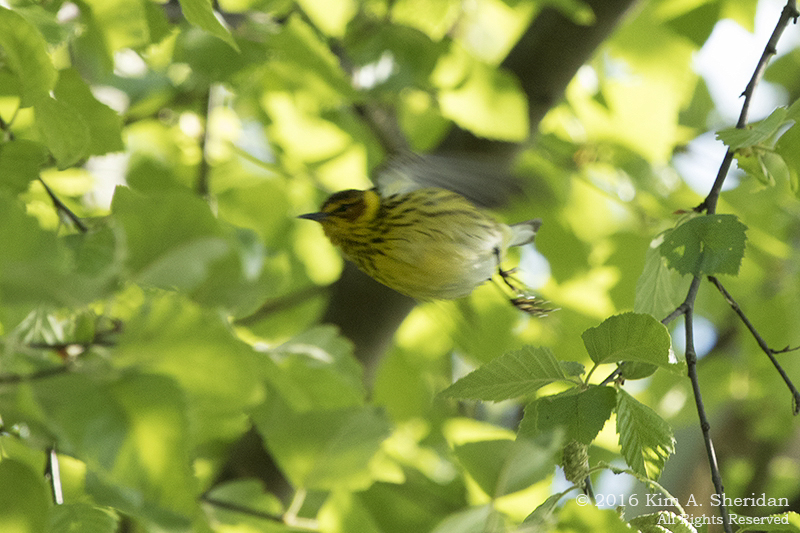
160515_PA HNWR Warblers_7779acsHere’s the one life bird I saw this spring I managed to capture, a Cape May Warbler. I first saw it the day before at eye level, in the sun, singing away. But, alas, no camera. I found it again the next day with camera in hand; this time it was hidden in the trees. I finally caught it in a blur of motion. This nicely illustrates one of the habits that make warblers so difficult to photograph: they never stay still!

Murphy’s Law of Bird Photography, Corollary #2: Have a Big Day, in which you see SIX new species of warblers, and your only passable images will be of the ubiquitous Yellow Warblers. All thanks to Murphy’s Law of Bird Photography or Corollary #1.

160428_PA HNWR Warblers_6688acsHere’s that ubiquitous Yellow Warbler. Notice how all of my images are of the birds’ tummies? Another warbler habit: Most species like to hang out high in the trees. To see many of them you need to tilt your head way, way back. There’s a reason warbler fans complain of “Warbler Neck.” Most of my images are of birds that hang out a little lower in the canopy.

For those curious to know, my new birds this May were the Blue-winged, Cape May, Wilson’s, Blackpoll, Chestnut-sided and Canada Warblers and the Northern Parula. All but the Blue-winged seen in one day.

Murphy’s Law of Bird Photography, Corollary #3: Have a bird pose in the open for you to photograph, and that’s the bird that might have been a lifer, but you’ll never know for sure what it was.

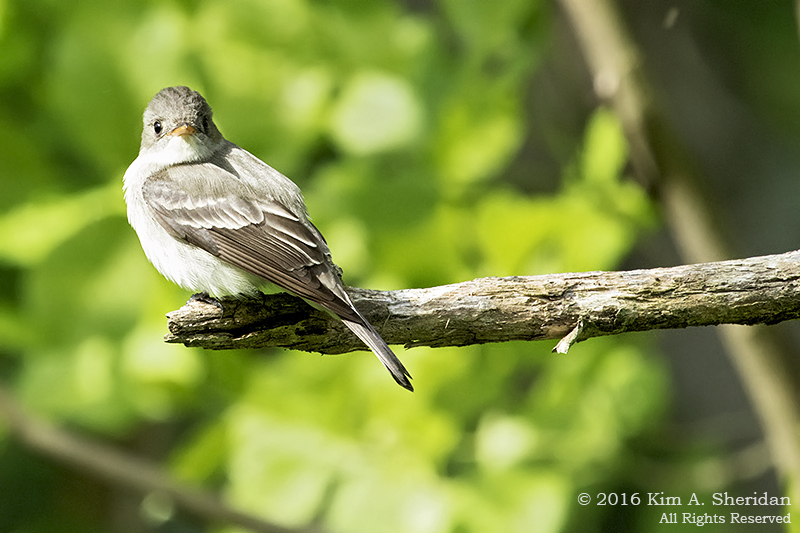
160515_PA HNWR Warblers_7861acsI was with one of the Refuge’s finest birders, and she wasn’t willing to say definitively which flycatcher this was without hearing it sing. Despite posing for a long time in the open, it never opened its mouth.

It was a real treat to bird with Edie, though. Birding with friends was the only reason I was able to add so many new life birds to my list. I wouldn’t have found some of them if other pairs of eyes hadn’t been searching too. I wouldn’t have been able to identify some of them if others hadn’t helped me out.

There are other birds at the Refuge that are easier to see and photograph.

160516_PA HNWR Oriole_7952acsBaltimore Orioles are stunning at this time of year.

160428_PA HNWR Swallow_6499acsBarn Swallows are everywhere. Trying to capture them in flight is nearly impossible. But they’re not shy when they’re sitting on the boardwalk railing.

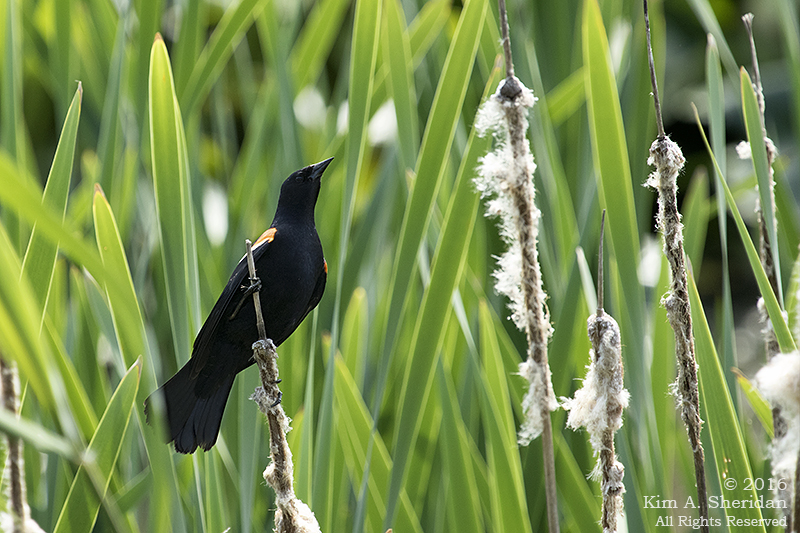
160526_PA HNWR Morning Birds_8554acsRed-winged Blackbirds are another common bird that I keep hoping to capture in flight. Sitting among the cattails will have to do.

Speaking of common birds in flight at the Refuge, that’s a Great Blue Heron at the top of this post.

160531_PA HNWR Evening_9265acsI’ve been trying to photograph male Wood Ducks in their elaborate breeding plumage for a long time, not particularly successfully. I’ll take the ducklings any day of the week, though. They’re hot on Mama’s tail as she paddles for the safety of the spatterdock.

Every day’s a Big Day for Mama Wood Duck.

Every day that I am outside observing and enjoying Nature is a Big Day for me.

The Return of the Flickers

They’re back!

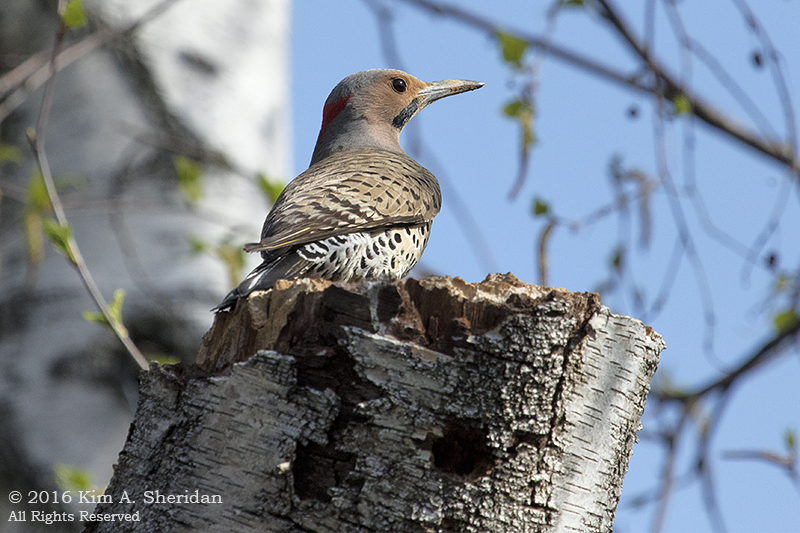
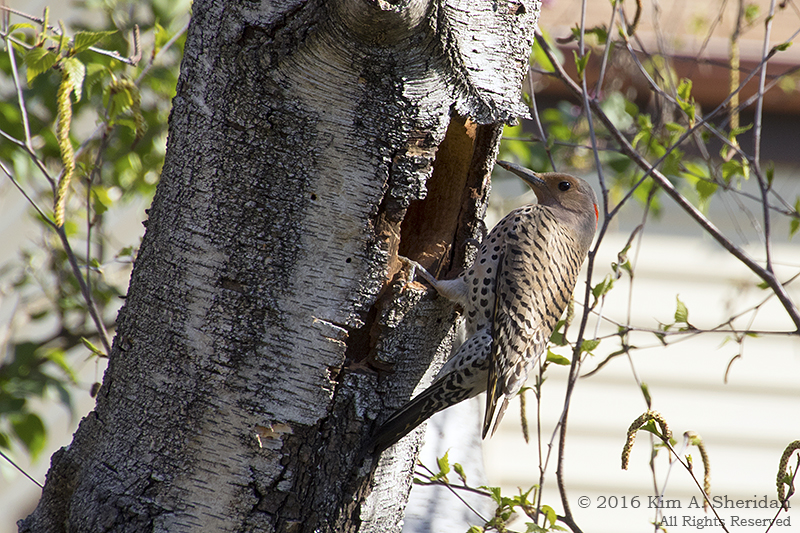
160608_PA Home Flickers Return_0043acsA month ago, a Northern Flicker pair had spent days preparing a nest hole in my gray birch tree, only to be evicted by a squirrel.

Then House Sparrows moved in, to be booted out by squirrel in turn.

Now there’s a male flicker in the cavity.

Will he and his mate successfully raise a brood of little flickers?

Or will the squirrels chase them away again?

Stay tuned…

Missed the beginning of the tale? Here it is:

Excavation

Eviction Notice

The Hunt for Doan’s Cave

160509_PA Doans Cave_7226acsBUCKS COUNTY, 1781… A band of ruthless outlaws known as the Doan Gang rob the Bucks County Treasury in Newtown of 1,300 pounds sterling. It was one of many crimes committed by five Quaker brothers and their cousin. Loyal to the British crown, the Doans made a career out of robbing Colonial tax collectors, stealing horses to sell to the British and even spying for the Redcoats. According to numerous legends, the gang amassed a small fortune, and stashed the loot in one or more caves in the hills of Bucks County.

BUCKS COUNTY, 2016… A band of intrepid explorers go in search of the Doan Gang spoils. The most well-known of the caves is rumored to be along the banks of Tohickon creek. The only clue to its whereabouts is a small dot on a Bucks County map labeled “Doan’s Cave.”

Well, that and a few Internet photos and postings that serve as a signpost to the impossible-to-miss cave.

Conveniently, there’s a State Park, and a trail.

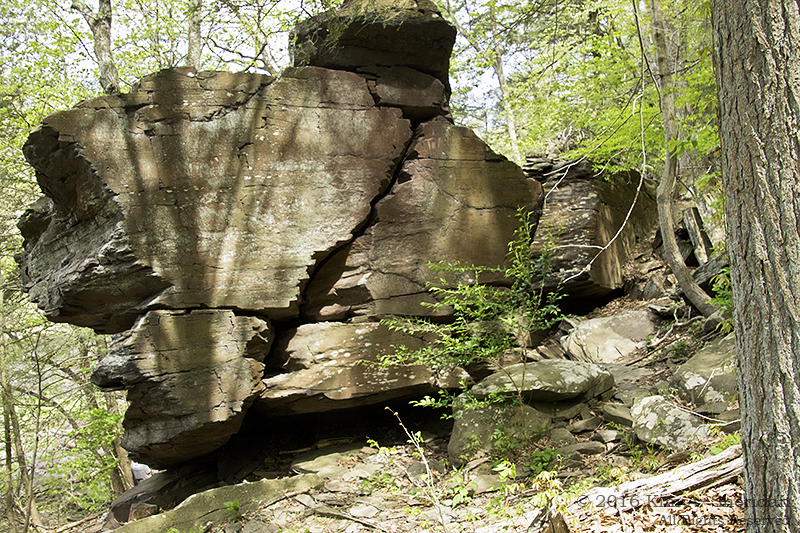
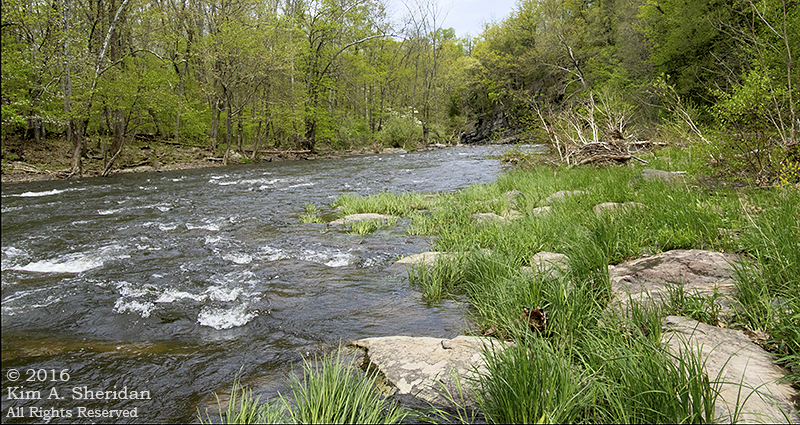
160509_PA Doans Cave_7170acsThe latter was a scenic walk along the creek, with a couple of tricky crossings over steep banked runs that fazed our daring adventurers not one whit. Soon enough, rock outcroppings began to appear on the hillside above them. Just the place for a cave.

160509_PA Doans Cave_7210acsThe first such outcropping held no cave, but sported an impressive covering of lichens and moss. It was also an irresistible place for some camera-mugging by the irrepressible Major Robb, not seen here.

160509_PA Doans Cave_7218acsThe next rocky formation had been cleft nearly in two on one end. Two trails split around it. Which to follow?

Left, and down, to the base of the rocks.

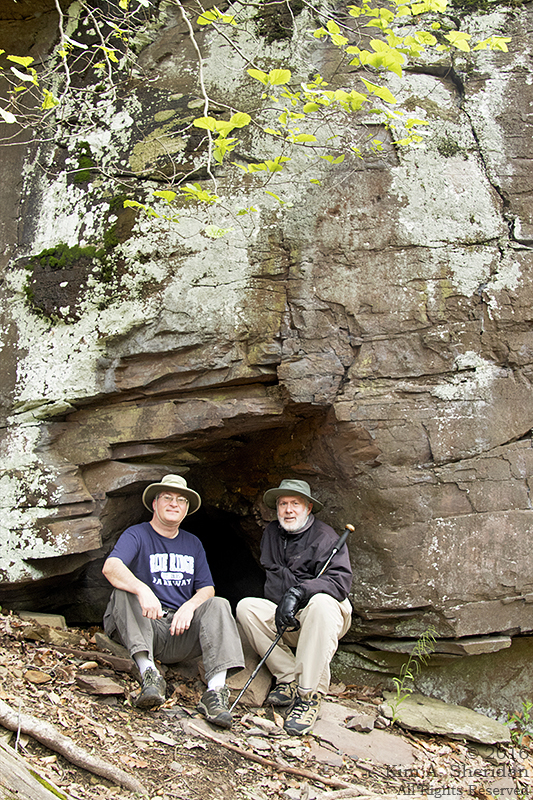
160509_PA Doans Cave_7272acsBehold! Doan’s Cave!

160509_PA Doans Cave_7253acs copyObviously our heroes were far from the first to seek their fortune here. Someone had even been kind enough to put down cushy floor boards for their fellow treasure hunters.

160509_PA Doans Cave_7249acsMajor Robb and Major Don at the mouth of Doan’s Cave…

160509_PA Doans Cave_7188acs… And standing stalwart and resolute amongst the boulders. Why does Major Don look so sad?  Clearly the disappointment of finding no Doan Treasure in Doan’s Cave weighs heavily upon his mind.

160509_PA Doans Cave_7332acsBeing lighter of heart, the other members of the expedition make a foray to the shores of Tohickon Creek.

160509_PA Doans Cave_7158acsOur fearless fortune-hunters, finding no gold or silver, went off in search of other types of treasure. This they found in spades on the far side of the creek. The footpath led over a covered bridge, which was in fact not covered at all. A faux bridge.

The creek-side path yielded a bumper crop of wildflowers. This was a source of boundless amusement for Major Robb, who busied himself attempting to identify each one. Conveniently for the rest of the expeditionary party, it got him out of their hair.

160509_PA Doans Cave_7176acsSpring beauty.

160509_PA Doans Cave_7349acsPhloxWild Blue Phlox.

160509_PA Doans Cave_7358acsDamesVioletDame’s Violet.

160509_PA Doans Cave_7345acsVioletA violet, unnamed, but no less admired.

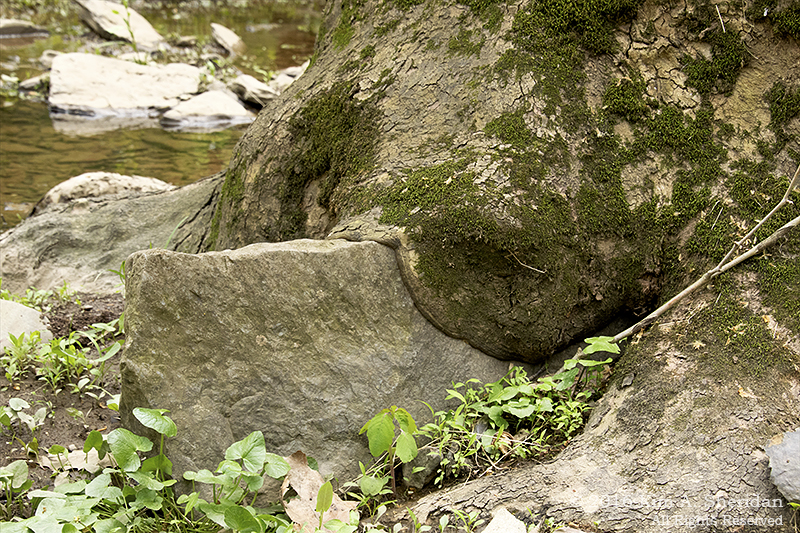
160509_PA Doans Cave_7415acsWhilst Major Robb was so occupied, the others found their way across a dry gully onto an island of cobble and pebbles. Here a tree was actively swallowing a large rock. In another hundred years, it might well succeed in digesting this stony meal.

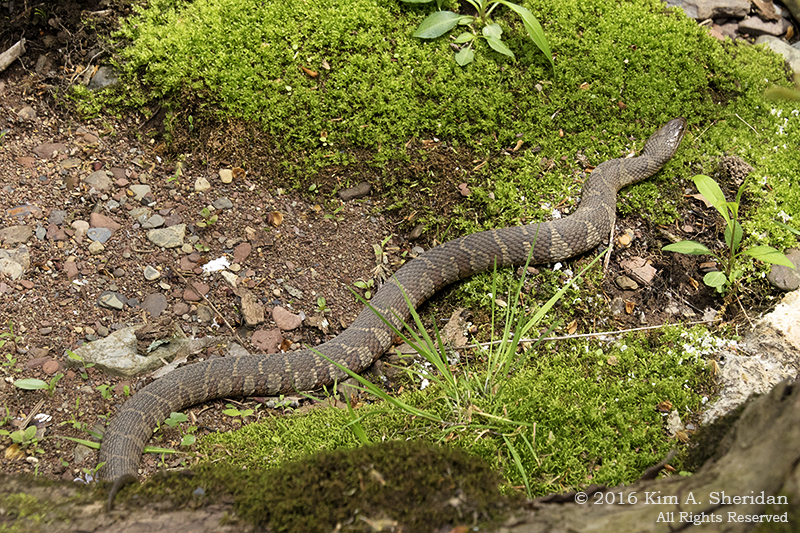
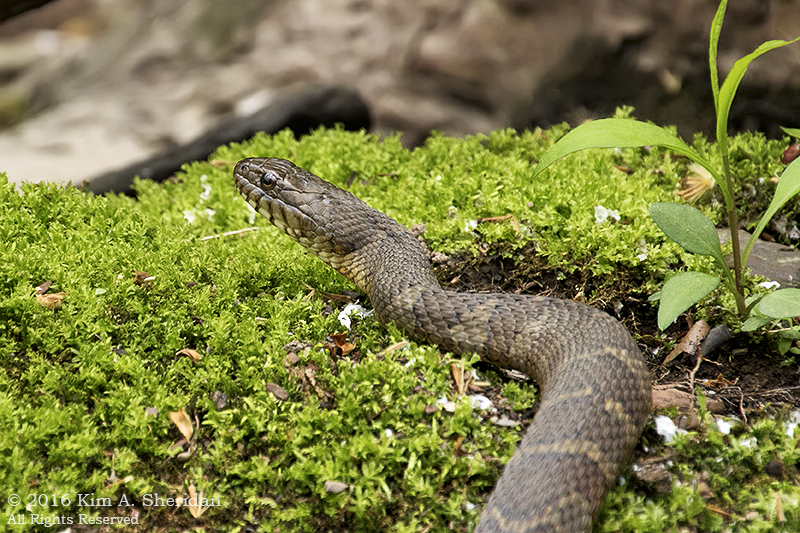
160509_PA Doans Cave_7373acsCorporal Kim was suddenly startled by the sight of a large snake at her feet, slithering away from her with all due haste. Seems the plucky lass had unwittingly trod upon its tail. Upon reaching the water’s edge, it forgot its annoyance and fear, and posed quietly for a series of photographs.

160509_PA Doans Cave_7385acsNorthern Water Snake.

160509_PA Doans Cave_7325acsTired, hungry, and quite bereft of treasure of any monetary value, our bold band of explorers bid farewell to Tohickon Creek. Quite content were they with the joys of a day well-spent amidst the natural splendors of Bucks County. Whatever secrets Tohickon Creek yet harbors, she guards them well.

In The Neighborhood

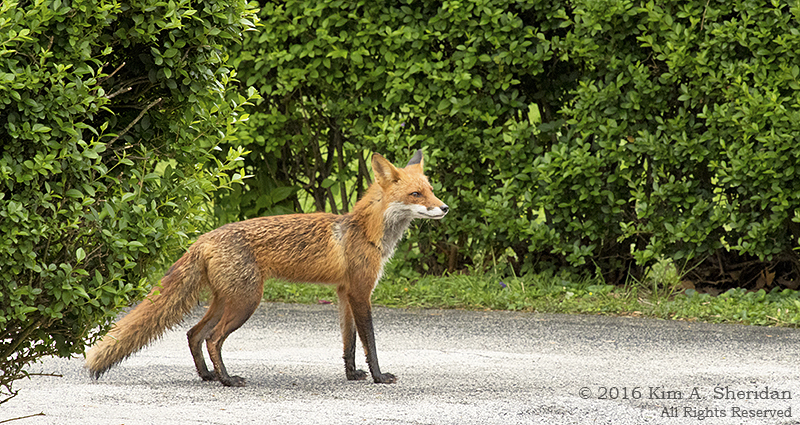
160505_PA Home Fox_6938acsLook who dropped in for a visit!

I live in a suburban development built in 1950. Rows of three-bedroom houses flank sidewalk-lined streets. Lots one-tenth of an acre in size are carpeted in grass, lined with ornamental trees and shrubs and gardens full of non-native flowers. The nearby school draws many children, and car traffic is heavy during the busy times of the day.

In other words, there’s not much habitat here for wildlife.

Yet wild critters exist here, and even thrive. Many of the “backyard” bird species are here. Northern Flickers and House Wrens have nested or tried to nest in my birch tree, there’s another nest with babies in my American holly, and last week while I was reading a Common Yellowthroat warbler walked across my porch as bold as you please.

I’ve seen garter snakes in my rock pile, and twice painted turtles took a slow amble through my garden, headed to I don’t know where.

Squirrels and rabbits abound. Raccoons, opossums and small mammals like field mice are around. We don’t often see them, but might see evidence of their passing. To my disappointment, my neighborhood lacks chipmunks.

It doesn’t lack red foxes, however. One of these beautiful animals paid a visit early one morning. There is a park a few blocks away. Though it is mostly open grass and playground equipment, it seems to be adequate habitat for the fox family that lives there.

I suspect more than a few of the neighbors are not happy with the presence of the foxes. They worry that the foxes might carry disease or eat their pets. They might like to see them removed; after all, this is a humans’ world, and wildlife has no place in it.

Yet many also complain about rabbits raiding their vegetable gardens, and shriek at the sight of a mouse. Those small mammals make up a good portion of the diet of a red fox. Remove the predators, and there will be more rabbits to eat your vegetables and mice to get into your house.

Life is a complex web of interrelationships amongst the animals and plants. All are dependent for survival on each other. Through technology and industry, humans have largely removed ourselves from that web. But we still share our space with creatures large and small, and should respect their right to life on their own terms.

Foxes in the neighborhood remind us that even here we live on the Wild Edge.

Birthday Flowers

160420_DE Mt Cuba_5741acs160420_DE Mt Cuba_5758acsToday is the Wild Edge’s birthday!

Together we’re 3 years old, this little blog and I.

I thought I’d send myself a floral bouquet, photographically picked at Mt. Cuba Center in Delaware.

160420_DE Mt Cuba_5755acs160420_DE Mt Cuba_5867acs

160420_DE Mt Cuba_5835acs

160420_DE Mt Cuba_5850acs

160420_DE Mt Cuba_5941acs160420_DE Mt Cuba_5903acs160420_DE Mt Cuba_5935acs160420_DE Mt Cuba_5887acsOn our first birthday, I wrote an impassioned plea for readers to get outside, to appreciate and protect Nature. Slightly paraphrased, those words are no less vital today:

My hope with the Wild Edge is to reach beyond fellow photographers and nature lovers, to those who may be more at home inside. If I can pique their interest with photos, words, humor and random fun facts, maybe they’ll go outside. If they go outside, maybe they’ll fall in love with the wildness around them. If they fall in love… Well, the rest is up to them.

160420_DE Mt Cuba_5764acsSo, the Wild Edge has been running for three years now. Has it worked?

Has anyone out there been intrigued enough by something you’ve seen or read to go to a park, preserve or other natural place yourself? Do you now make a habit of it?

Do you recycle, pick up litter, support land preservation? Are you encouraging young conservationists?

Will anyone stand up for Mother Earth and her creatures?

If so, great! You have the appreciation of a grateful blog mistress. If not, keep reading the Wild Edge. Maybe something in the days and weeks to come will spark your interest and inspire you to GO OUTSIDE!

Eviction Notice

160510_PA Home Flicker Nest_7456acsSometimes Mother Nature throws us a curve ball. Last week I wrote in depth about the nest a Northern Flicker pair was making in my birch tree. Today I am sad to report that they have abandoned the nest.

The Flickers were at the hole constantly for over a week, busily excavating and enlarging the cavity. After that activity ceased, I didn’t see much of them, except for a Flicker head appearing at the hole occasionally. I figured the Flickers were incubating eggs and soon there would be babies. I figured all was well.

Then Saturday my friend Robb asked to see the nest. We walked over just as a gray squirrel scrambled down the tree trunk, and plunged headfirst into the Flicker hole. He completely disappeared and we didn’t see him come out.

Well! This was a nasty turn of events. What happened here? Obviously the Flickers were no longer occupying the cavity, but why? Was the female unable to produce eggs? Did too much human activity near the tree scare them off? Did a European Starling, a frequent nest competitor, interfere with the nest? Did some critter eat the eggs?

Was the squirrel the culprit? Squirrels will eat bird eggs from time to time. Or was the squirrel just taking advantage of the previously abandoned cavity?

We’ll never know. It’s sad that the Flickers’ nest failed. I am disappointed that I won’t get to watch baby Flickers grow up, especially since the cavity was in a terrific location for photography.

This happens with some frequency in the natural world. Flickers raise one brood a year, but they will lay more eggs if the first ones are lost. They expended a lot of energy excavating that cavity. They may try again in the same hole, if the squirrels (or the House Sparrows I saw there today) haven’t moved in permanently. Or they may have to start again somewhere else. But they will start again. As I write this, I can hear the loud WIK-WIK-WIK-WIK-WIK-WIK-WIK call of a Flicker nearby.

There’s a lesson for me in the saga of the Flickers. Though the past year has been filled with wonderful adventures, I have also been struggling with some old familiar failures. Self-critical perfectionist that I am, I find it extremely difficult to let go of those failures. Like the Flickers, I need to shrug it off and start again. Put yesterday in the past, and start each day anew.

Life lessons from the Wild Edge.160426_PA Home Rainbow_8476ac

Excavation

160421_PA Home Flicker Nest Excavation_6183acsThe upcoming third anniversary of the Wild Edge finds me in a reflective mood, pondering the purpose of my blog.  My original reasons for starting a nature photo essay blog were trifold.

  • To share my adventures, writing and photography with friends and family.
  • To share the joy and solace I find in nature.
  • To inspire readers to take notice of the natural world around them.

We humans share our planet with billions of other living things. How many of us pay attention to this? How many of us live from daybreak to dark only seeing the roads, the traffic, the office building, or the inside of our home?

Outside there is a world of creatures going about their family lives right under our noses. In our backyards, in the schoolyards and playgrounds, even in the strips of grass and shrubs that border our parking lots.

160420_PA Home Flicker Nest Excavation_5736acsLike the Northern Flicker couple starting a new home in my backyard. They’ve decided that a decaying trunk of my old gray birch tree is the perfect place to build a nest. They’ve been working hard for more than a week, excavating and enlarging the cavity.

160421_PA Home Flicker Nest Excavation_6218acsHello? Anybody home?

Like all woodpeckers, Flickers have large sturdy beaks for drilling into wood. Not for food, though. They prefer ants and beetles found on the ground, which they often reach by drilling into the soil.

160421_PA Home Flicker Nest Excavation_6012acsPapa Flicker nearly disappears as he reaches deep into the hole to do a little housekeeping.

160421_PA Home Flicker Nest Excavation_6016acsHe emerges with a piece of wood in his beak…

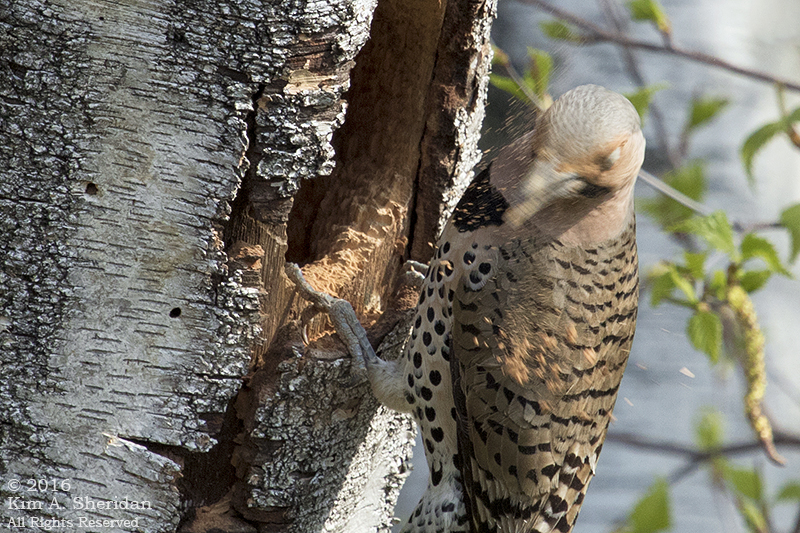
160421_PA Home Flicker Nest Excavation_6025acs…And shakes his head vigorously, tossing wood and sawdust in every direction. That tiny bit gone, he disappears again to dig out more wood from the inside of the cavity, then tosses it away from the tree. Over and over and over again. Building a snug home is hard work.

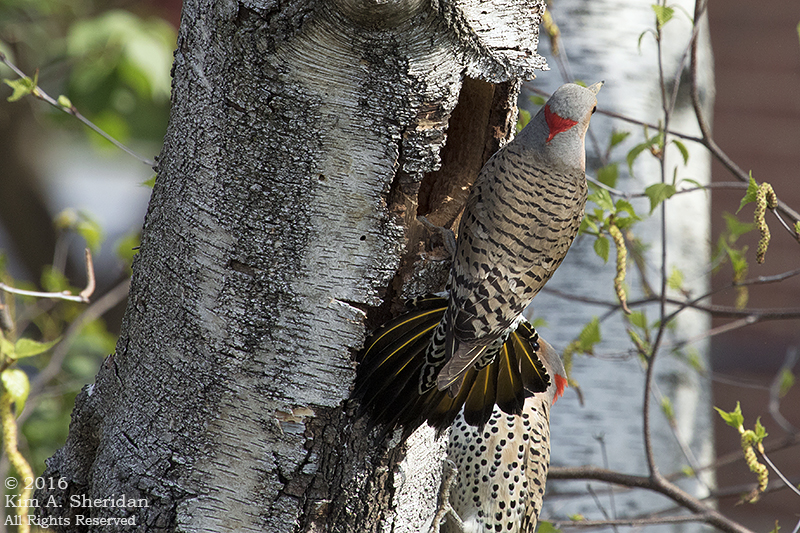
160421_PA Home Flicker Nest Excavation_6051acsMama Flicker arrives to take the next construction shift. She perches behind Papa, waiting her turn.

160421_PA Home Flicker Nest Excavation_6053aPapa Flicker launches himself from the tree trunk…

160421_PA Home Flicker Nest Excavation_6054acs

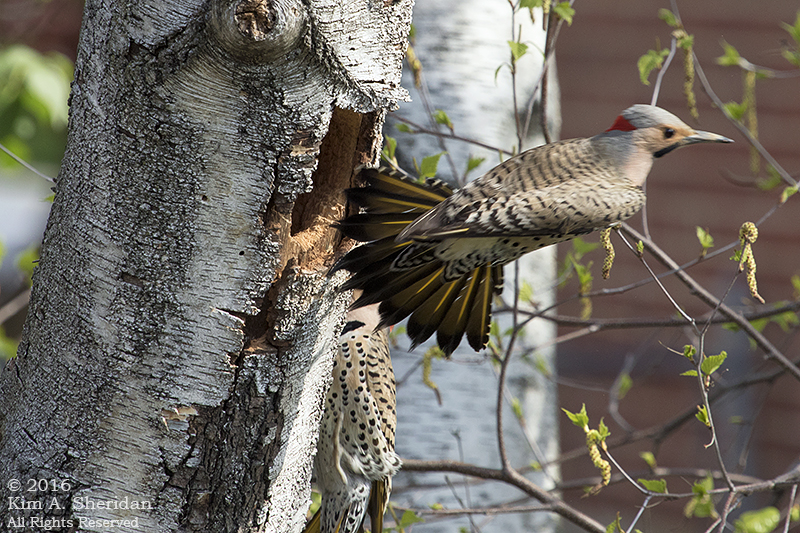
…And flies off. Northern Flickers were once thought to be two species. The eastern birds were called Yellow-shafted Flickers, because the feathers of their tails and wings have yellow shafts.  The feathers of western Flickers have red shafts.

The yellow shafts are easy to see here, though the bird is a blur of motion.

160421_PA Home Flicker Nest Excavation_6122acsMama Flicker approves of her new home. Soon there will be eggs, and then babies. And I will have a front row seat to watch them grow up. Right in my backyard.

Right at the Wild Edge.

What’s going on in your backyard?

Cliff-hanger

150711_PA Nockamixon Cliffs_1277acs“Grandfather, look what I found!” said the young boy. “It’s a dragon egg!”

“No, my grandson,” said the old man as he stood along the river shore.

150620_PA Delaware Canal SP_9511acs“It is indeed an egg, but not of a dragon, for they left our land many ages ago. This is the egg of an Osprey, the masked hawk that fishes in the River Delaware. But where did you find it?”

“In the grass at the base of the red rock cliffs.”

“You must return it to the nest. Mother Osprey will be looking for it. The cliffs are high and dangerous, but you are young and strong. I have confidence in you.”

“I will try,” replied the boy somberly. “But first, Grandfather, tell me again of how these cliffs came to be?”

150620_PA Delaware Canal SP_9523acs“Very well, my grandson, I will tell you. Rest here amongst the flowers while I weave my tale…”

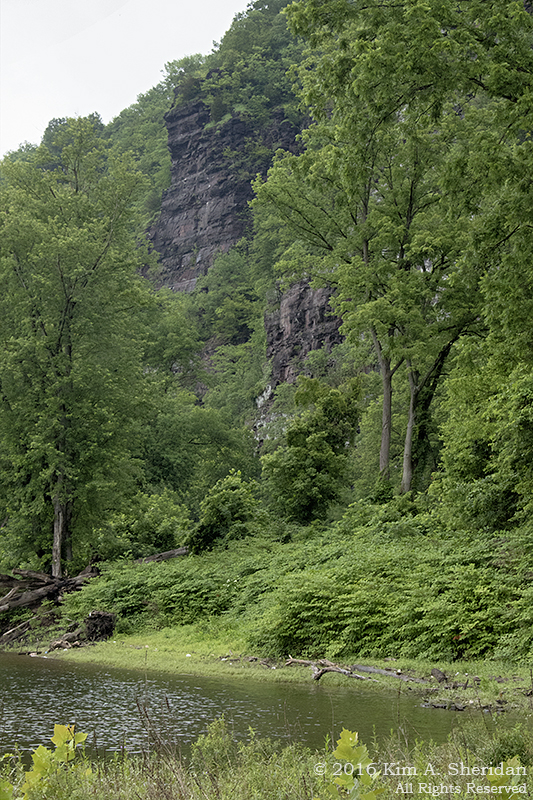
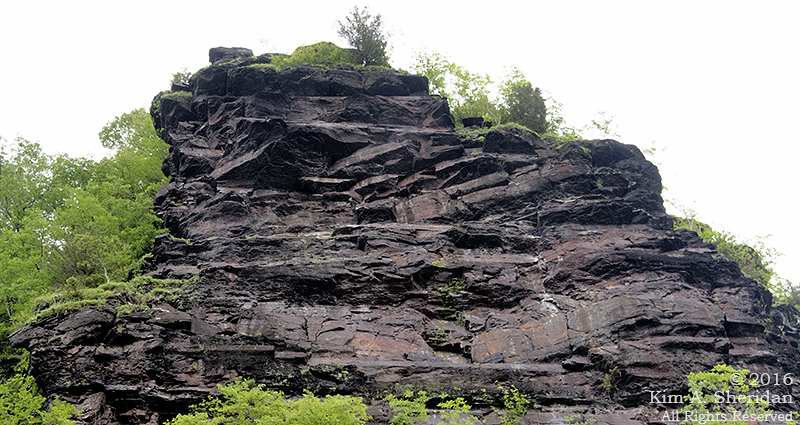
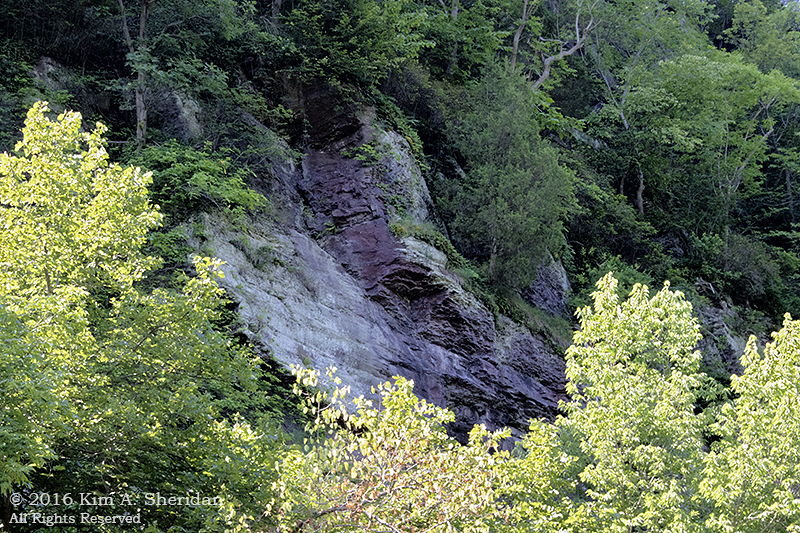
150620_PA Delaware Canal SP_9545acs“The Nockamixon Cliffs tower 300 feet above the River Delaware. They are made of red shale, siltstone and sandstone.

“200 million years ago in the Triassic Era, hot molten diabase boiled out of the earth. Its heat baked the shale and siltstone to an unusual hardness.

“See how the rocks tilt to the northwest? Over time tremendous pressure twisted the stone just so, and weathering has left them exposed for us to view from below.

“These palisades host an arctic-alpine plant community that is rare in this land, as well as more than 90 bird species, including peregrine falcons and the Ospreys who are even now looking for their egg.”

150620_PA Delaware Canal SP_9606acsThe boy looked up at the towering cliffs, swallowed hard, and nodded. “I will do my best, Grandfather.”

150620_PA Delaware Canal SP_9707acs“Do you see the Indian carved in the stone?

“If you lose courage, look to him; he will give you strength.”

The boy nodded again, tucked the egg carefully into his clothes, and began to climb. 150711_PA Nockamixon Cliffs_1243acsIt seemed easy at first, as he pushed his way through the leafy branches at the base of the cliffs.

150620_PA Delaware Canal SP_9603acsHe came upon a small waterfall spilling in sinuous braids down the ledges. How slippery the footing was here! “I shall be as supple as this water,” the boy said to himself.

150620_PA Delaware Canal SP_9589acsAlong the way, he marveled at the perseverance of the plants. Ferns, bushes and even trees seemed found no difficulty in rooting themselves in face of the stone. “I shall be as tenacious as these trees,” he said to himself.

150620_PA Delaware Canal SP_9554aAs he neared the top, the boy found the climbing difficult. So high up he was! He tried not to look down. Slowly he moved, clinging to the rocks, wedging his fingers and toes into any crack he could find. “I shall be as strong as these cliffs,” he thought to himself.

At last the boy reached the top. Gingerly he took the egg from his clothes; tenderly he placed it in the Osprey nest. Mother Osprey watched him intently, fierce emotion hidden behind her glittering golden eyes. “I shall be as fearless as this Osprey,” the boy thought to himself.

150620_PA Delaware Canal SP_9590aThen he looked over the edge of the cliff, down to the riverbed and the old man far below. The boy gulped.

Now what?

Early Green

160322_PA HNWR Early Spring_3075aI’m not fond of the color brown. In fact, I don’t even think it’s a color. It’s more like a background, and one I’m tired of. For most of my life I lived in a beige house, which is brown in a wishy-washy mood. With apologies to my U.S. Fish and Wildlife Service friends in their brown and tan uniforms, the only good brown thing is chocolate.

As mild as this past winter was, I really have no cause to complain. But since the trees and shrubs lost their leaves in November, life outdoors has been a sea of brown bare trees and beige dried foliage. Now, I admire the structural bones of a single bare tree as much as the next person, but this is too much of a good thing. Momentary escapes to the Pine Barrens and Jersey Shore offered only momentary relief from the monotony. After five months, I am ready for change.

Nothing says “change” like green. Pale yellow-green. Bright kelly green. Deep forest green. The green of Nature. The green of Spring.  The green of New Life.

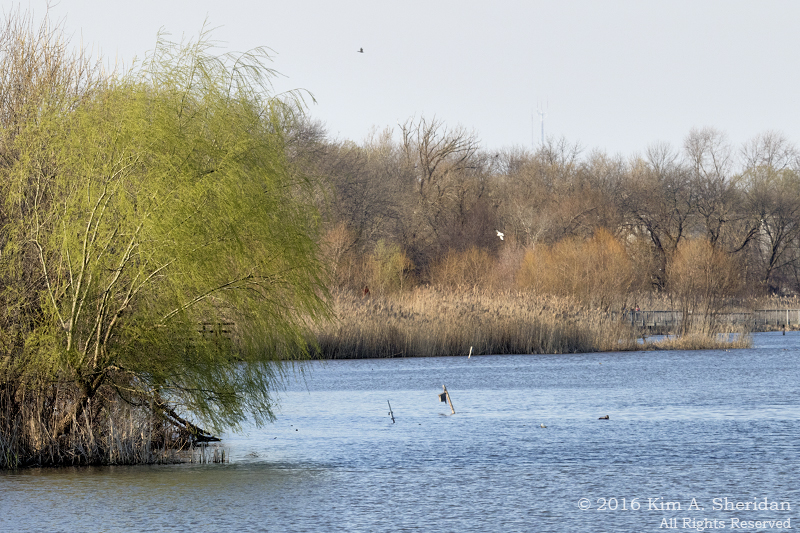
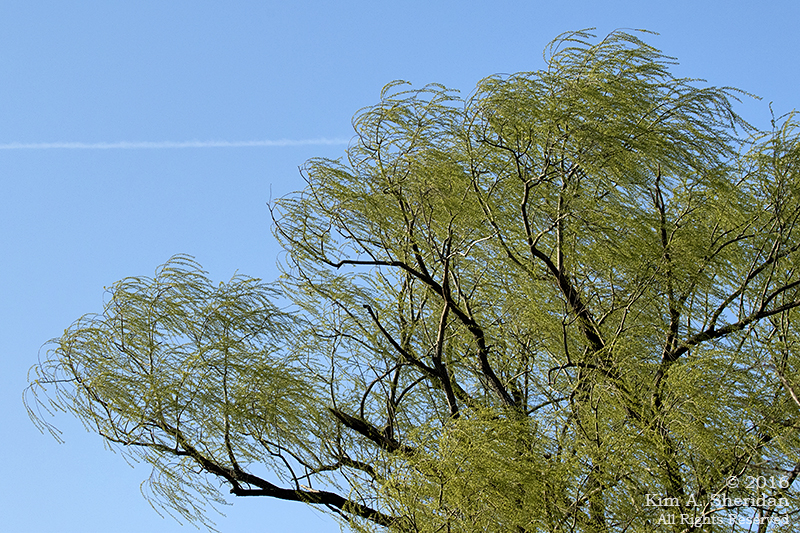
160322_PA HNWR Early Spring_3126acsWhat a relief to see green in all its variations on a recent evening walk at John Heinz NWR, and soak in the sights and sounds of the new arrivals early Spring brought with it. Like the willows dancing in the breeze while a jet contrail slices the clear blue sky.

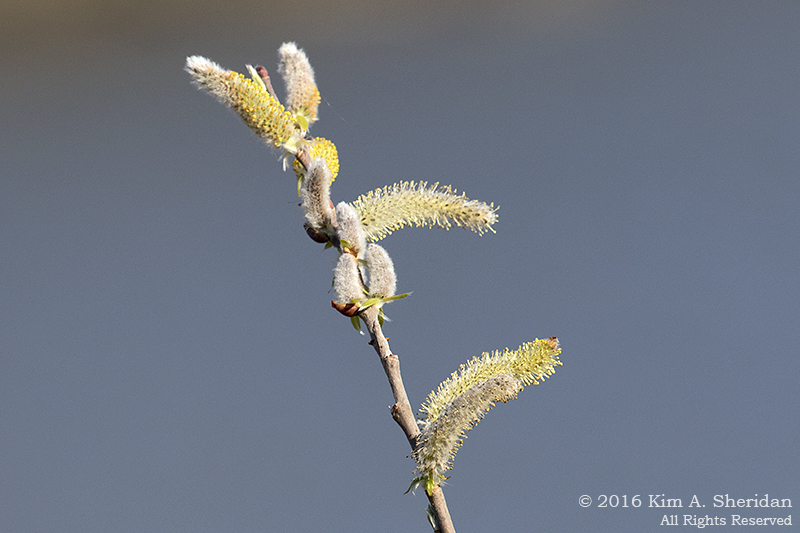
160322_PA HNWR Early Spring_2573acsSpring greens are subtle. Pussy willow along the water’s edge.

160322_PA HNWR Early Spring_2492acsSometimes the green is the canvas on which other colors are painted. Just the carpet of green leaves would be welcome sight. The golden flowers add that touch of flair.

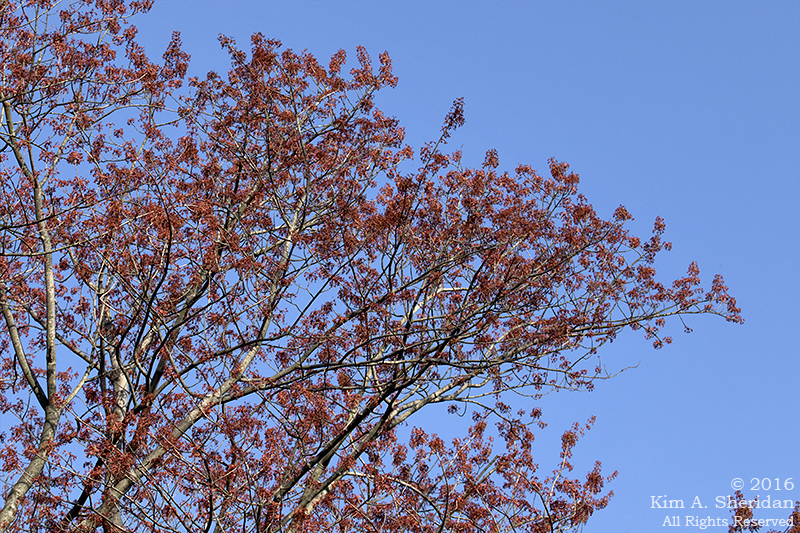
160322_PA HNWR Early Spring_2779acsSometimes spring greens are red! At this time of year, many of the trees are bright crimson, as the red maples burst into bud…

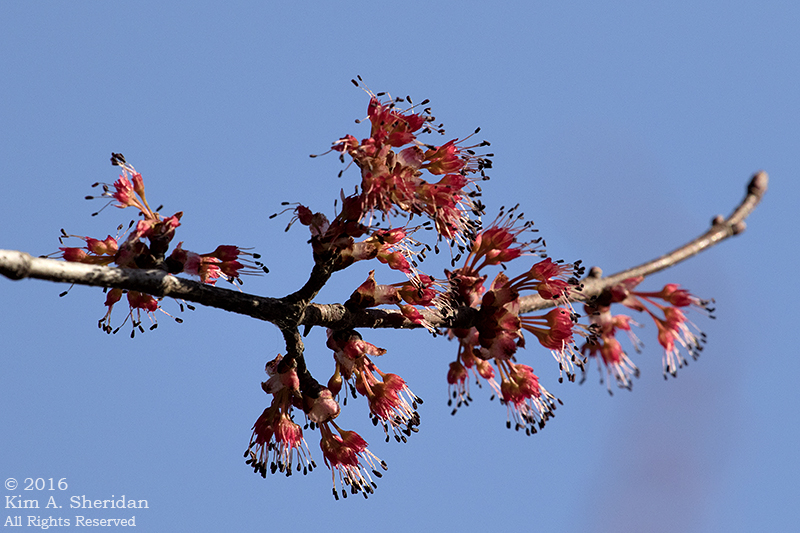
160322_PA HNWR Early Spring_2699acs…And flower.

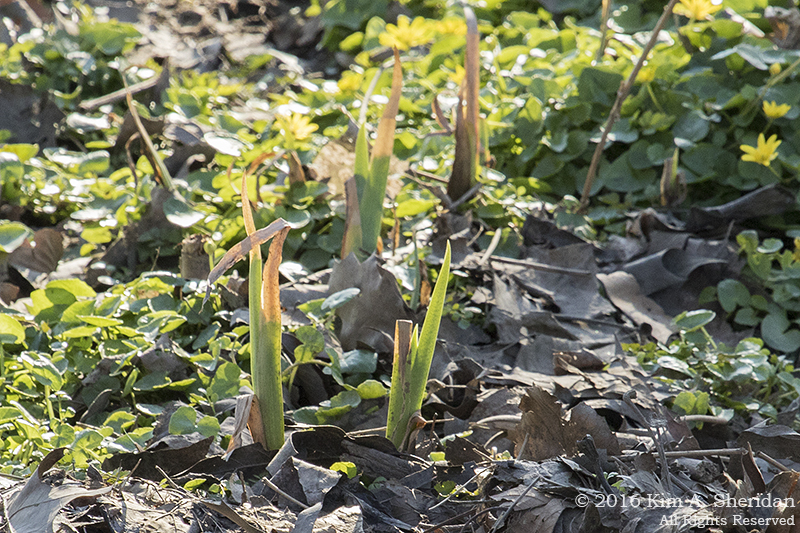
160322_PA HNWR Early Spring_2716acsSometimes the green is not so welcome, like new shoots of Phragmites, an invasive plant found throughout the Refuge that a friend and I are trying to eradicate from a small plot. We knew it would come back. The fight is renewed for another growing season.

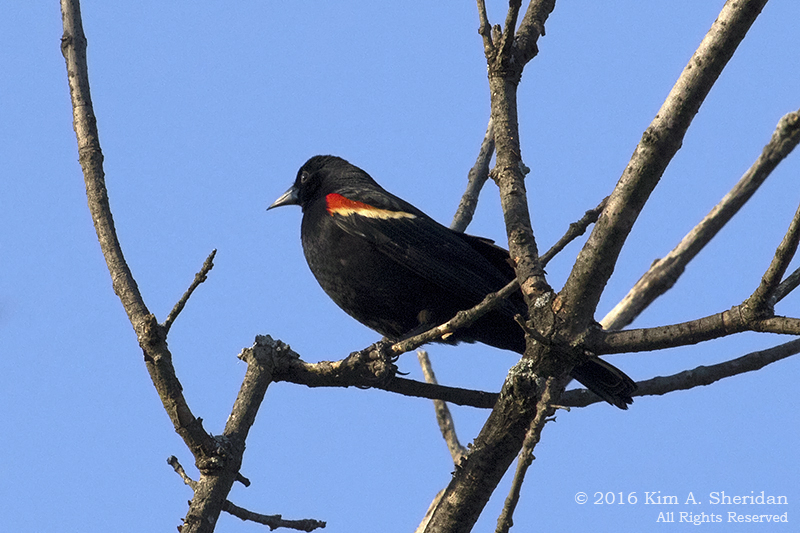
160322_PA HNWR Early Spring_3198acsThe greening of the land brings with it new arrivals freshly returned from their wintering grounds. Red-winged Blackbirds have been back for a few weeks. Their CONK-ER-REE calls are anything but musical, but nonetheless music to my winter-weary ears.

The air is filled with the songs of birds. Song Sparrows, Carolina Wrens and Cardinals join the blackbird chorus. There’s an amphibian choir singing as well, as frogs have come out of the mud where they spent the winter to look for mates. The aptly named Spring Peepers make a surprisingly loud, high-pitched PEEP continuously. These are tiny frogs, no bigger than a fingernail. In all my searching, I have never seen one, though I have been nearly deafened by their noise. Singing tenor to the peepers’ soprano are the Wood Frogs, who sound more like ducks, with their ragged QUACK call.
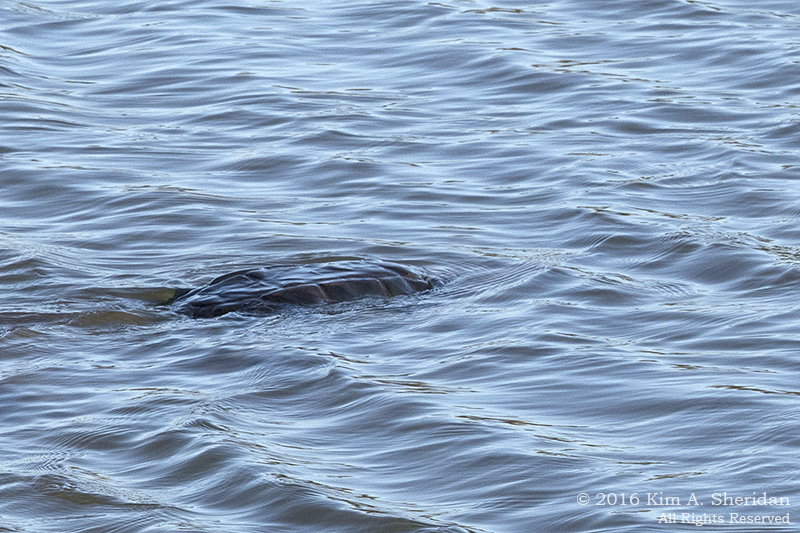
160322_PA HNWR Early Spring_3106acsSnapping turtles have also come out of the mud, and cruise along at the water’s surface.

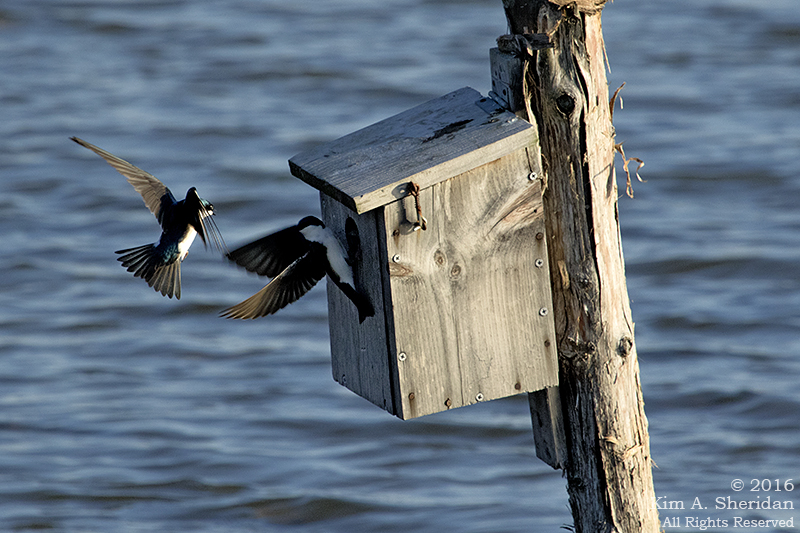
160322_PA HNWR Early Spring_3230acsTree Swallows came back recently. Now the sky over the impoundment is filled with the little blue jewels hawking insects. Which means, of course, that the insects are back too. The marshy environment of Heinz Refuge would be miserable with mosquitos were it not for our swallow friends. Which is why we have nest boxes for them.
160322_PA HNWR Early Spring_3263acsFrequent squabbles break out over those nest boxes. This is prime real estate.
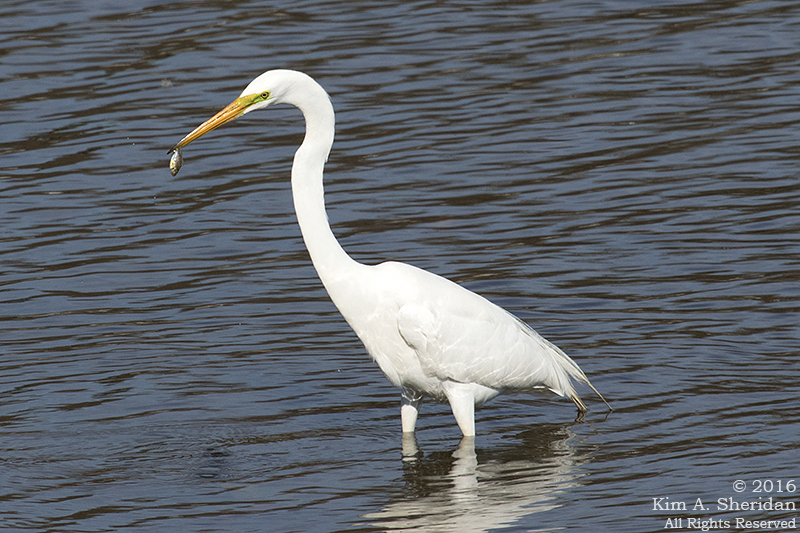
160322_PA HNWR Early Spring_2560acsGreat Egrets arrived last week. This one was enjoying an hors d’oeuvre, hoping for a more filling main course.

160322_PA HNWR Early Spring_3031acsHere’s the greenest photo of all. Yes, I know – there’s no green, just the dreaded brown. This is one of our Bald Eagle pair sitting on its nest. Inside that nest are one or more eggs. Any day now (it might already have happened) a tiny, fluffy eaglet will break its way out of the shell and start its new life.

New life. It just doesn’t get any greener than that.